
Categories
Advertiser

AI-Powered Affiliate Marketing: 5 Trends D2C Brands Must Know in 2026

Most D2C brands assume the purchase happens on their website. In reality, the decision is usually made earlier. Around 58% of shoppers have bought something after seeing it on social media in the US only, according to SellersCommerce.

By the time they reach checkout, the decision is already formed. The website becomes a place to confirm what they have already chosen. 

To better understand the buyer journey, AI is now being used to map how that decision is formed. It shows the best D2C brands that actually drive conversions, which ones only generate traffic, and which ones add no real value beyond visibility.

And to see how this is shaping direct to consumer marketing in practice, here are five trends brands need to watch in 2026-

1. Smarter Affiliate Partner Selection

Picking affiliates used to mean checking follower count and hoping for the best. A blogger had 50k followers, so you signed them up, and the campaign brought in three sales and not much else. That doesn’t really work today in D2C marketing. AI is changing how brands evaluate affiliate partners. For example, if two influencers have similar follower counts, machine learning models can look at past campaign performance, conversion rates, audience demographics, and engagement patterns to predict which one is more likely to drive sales. 

Natural Language Processing (NLP) can also analyze the publisher’s content and audience conversations to understand if their followers are genuinely interested in similar products, making partner selection more accurate. Also, no brand has the time to dig through all that on its own. That’s why most lean on the best affiliate networks to do this filtering before a partnership even reaches them. In a space like direct to consumer marketing, where margins are already thin, this matters a lot. 

2. Flexible Commission Are Replacing Flat Payouts

Many affiliate programs rely on fixed commission structures that remain unchanged throughout a campaign. But it means your lowest-performing affiliate gets paid the same as the one bringing in half your sales, and that doesn’t really add up. AI fixes this by adjusting payouts based on what’s actually happening, performance, order value, customer quality, and even seasonality. A brand might pay more during Diwali when buying intent is high, and less in a slower month. AI is helping brands take a more data-driven approach to commission planning. 

By analyzing affiliate performance, order values, customer quality, and seasonal trends, machine learning models can identify which partners consistently drive stronger results. The best part is brands don’t have to do any of this by hand. Tracking and adjusting payouts manually just doesn’t scale, hence Brands working with the best affiliate networks are leaning into this. For smaller teams, especially, it also means the budget goes toward affiliates actually driving results instead of getting spread evenly across everyone on the roster, regardless of performance. 

3. Understanding What Will Work Before Spending

Instead of waiting weeks to see results, predictive tools point out what’s likely to work before you scale spend, based on past campaign data. Shopify data shows affiliate campaigns can achieve up to a 12:1 return on ad spend, while channels like Google Ads tend to average closer to 3.3x (DesignRush).

The gap exists because brands using predictive tools aren’t waiting around to find out what failed; they already know ahead of time what’s likely to work. When every rupee of marketing spend counts, the ability to act on insights before campaigns underperform creates a meaningful competitive advantage. These insights become even more useful when they are shared through affiliate networks, where data from multiple publishers helps identify what is likely to perform better before more money is spent. 

4. AI-Powered Fraud Detection Is Becoming Essential

Nobody likes talking about this one, but it needs to be said. Somewhere between 5 and 15 percent of all affiliate spend industry-wide goes toward traffic fraud (MarketingLTB), which was never going to buy anything in the first place. For the best D2C brand, watching its acquisition costs closely, that’s real money disappearing for nothing.

AI fraud detection now catches what a person would easily miss, such as odd click timing, IP patterns that do not add up, and conversions that happen too quickly to be real. This used to be a nice-to-have. With more direct to consumer marketing brands putting bigger chunks of their budget into affiliate, it is now close to mandatory. Most of this becomes easier when handled through affiliate networks, where traffic from multiple publishers is monitored in one place.

5. Showing the Right Message to the Right Customer

AI changes what the user sees based on their context, which can be determined by factors such as where the click originates, their interests, and the device they are using to click. This allows for a more customized approach than a simple static banner. A first-time visitor from a review site might see a special offer, whereas a returning customer will receive targeted messages about loyalty and value in repeat business.

D2C brands dealing with very different buying habits across Indian cities are finding that this kind of personalization drives more sign-ups and sales than another round of generic paid social. The link stops feeling like an ad and starts feeling more like a tip from someone who actually knows what they’re talking about. It is best handled via the best affiliate networks, where different publishers and traffic sources can deliver more relevant messaging based on user context and intent.

How to Prepare for the Future of AI in Affiliate Marketing

Start with clean data, because none of this works without it. AI is only as good as what you feed it, so attribution tracking needs to be solid before you can expect anything useful out the other end. Teams also need to actually understand what the numbers are showing instead of just trusting a dashboard blindly.

And rather than trying to build fraud detection or predictive tools from scratch, which most D2C brands simply don’t have the time or budget for, working with a network that already has this built in saves a lot of pain. And vCommission already supports this approach for direct to consumer marketing brands like MAC Cosmetics, Skimmylo, Adidas, and Marks & Spencer, where partner filtering, dynamic payouts, and fraud checks are already part of the setup.

What works for large brands works the same way for the top D2C brands in India, nowhere near their size. A growing D2C brand managing affiliates across beauty, fashion, or wellness gets the same reporting clarity on what’s converting and what’s just noise, without needing a data team to make sense of it.
If you are a D2C brand looking to scale, sign up to start-

Categories
Advertiser

How to Structure Your D2C Affiliate Program: Commission Models That Convert

A ₹500 order and a ₹5,000 order don’t create the same value for a businesses. Yet many D2C brands start their affiliate programs with commission structures that treat them the same way, paying a flat rate regardless of what is actually sold. While that may simplify program management, it often overlooks the difference in revenue generated by each sale. 

It means affiliates who drive larger purchases can end up earning the same commission as those promoting lower-priced products, making it harder to encourage the kind of performance brands actually want. 

So, the decision to choose a commission model that aligns payouts with brand outcomes becomes more important than ever-

CPA and CPS Are the Core of Most D2C Affiliate Programs

Before providing campaigns KPIs, you need to understand the two commission models that dominate affiliate marketing for best D2C brands.

CPA (Cost Per Acquisition) 

CPA is a fixed payout model where affiliates earn a set amount whenever a specific action is completed. In D2C affiliate marketing, that action is usually a sale, but it can also be a lead submission, free trial sign-up, or subscription.

For example, if you sell skincare starter kits directly to consumers and offer a CPA of ₹200 per sale, affiliates earn ₹200 every time a customer purchases a kit through their referral link. The payout stays the same regardless of the order value, making it a simple and predictable commission structure for both brands and affiliates.

For D2C brands that sell products at a consistent price point, CPA is attractive because it gives you total cost predictability. You know exactly what each new customer costs you before you scale.

CPS (Cost Per Sale)

CPS is a commission model your affiliate earns a percentage of the actual sale value. If you offer 10% commission on total purchase amount and an affiliate drives a ₹2,000 order, they earn ₹200. If they drive a ₹5,000 order, they earn ₹500.

CPS rewards affiliates for driving higher-value purchases. It also means your commission payout scales naturally with your revenue; you only pay more when you earn more.

Common Points Where D2C Brands Often Become Confused

One commission model isn’t necessarily better than the other when it comes to direct to consumer marketing. The best choice will vary depending on the products or services the brand offers, how it prices, and the types of affiliates it wishes to work with.

A brand that sells only one product, at the same price point, would find it easier to adopt a CPA structure for its affiliate program. On the contrary, brands with a diverse array of products, which could sell anything from a ₹500 product to a ₹5,000 package, would find themselves gaining a lot from the CPS structure.

How D2C Brands Structure Campaigns Beyond CPA and CPS

CPA and CPS are the basics of most D2C affiliate programs. Almost every commission system in direct-to-consumer marketing starts from these two models. But as brands scale, different layers get added depending on what the brand is trying to push at that stage.

CPL (Cost per Lead) is a model where affiliates earn a commission for generating potential customers instead of completed sales. A lead can be an email sign-up, a WhatsApp opt-in, a form submission, or any other action that shows interest in your brand.

Brands often use CPL when they want to build an audience, collect customer information, or generate interest before a product launch. It helps bring potential customers into the funnel, giving brands an opportunity to nurture them and convert them into buyers later.

A number of app-based D2C brands take a slightly more advanced step by adopting the CPI (Cost per Install) model. The underlying assumption here is that first, the customer should be brought into the ecosystem, and then conversion.

Using Hybrid Models to Scale D2C Campaign

In the stable phase, most programs transition to hybrid models for better D2C customer acquisition. While first-purchase revenue will still be charged on a CPA basis, repeat orders will be charged on a CPS basis.

Once the program starts scaling further, tier-based payments become common practice. Better-performing agents get placed into higher-tier commissions rather than having everybody in the flat commission pool.

Another key change that takes place at this stage is product-specific commissions. Programs with higher-margin products start offering more generous payouts, whereas lower-margin products offer less attractive payouts.

During festive sales periods, brands typically offer temporary incentives to boost the volume of business.

Together, these models show that CPA and CPS are only the starting structure. Most top D2C brands in India have flexible systems that evolve with scale, product mix, and customer behavior.

How to Build a High-Converting D2C Affiliate Program

A high-converting affiliate program is built on more than just payout structure. First, there should be an understanding of what “conversion” entails for your brand. This could mean the first purchase, signing up for a subscription service, or the smallest order amount. Otherwise, affiliates will optimize on the wrong metric.

The commission usually decides where attention goes. Affiliates don’t spread effort evenly. They focus on programs where the effort feels worth it.

Support is where most programs quietly win or lose. When affiliates are given usable creatives and simple direction, they don’t need much else to perform.

Tracking is when trust starts or ends. Any inconsistency in numbers and the affiliates will gradually start focusing on other brands.

Communication keeps everything in motion. Affiliates always have a schedule in mind, depending on the season and their launch plans.

How vCommission Supports D2C Brands Build Campaigns That Actually Work

Building an affiliate program for a D2C brand is rarely simple. You start with a few affiliates, then tracking issues show up, payouts need handling, and performance needs attention. It slowly becomes a fully operational layer on its own.

This is where many D2C brands choose to work with established affiliate networks instead of building everything from scratch. The D2C marketing strategy changes how quickly campaigns can go live and how efficiently they can scale.

At such a stage, vCommission supports this structure by connecting the best D2C brands with an existing ecosystem of affiliates across platforms. Instead of starting with zero reach, brands plug into a system that already understands D2C customer acquisition.

However, for direct-to-consumer brands, execution is where it all comes together. Campaigns have to start fast, tracking must be consistent, and payouts must be timely. When this happens, everyone returns to focusing on their products and growing their brand.

In practice, this setup allows direct to consumer marketing brands to test campaigns faster, understand which affiliates perform best, and scale what is working without rebuilding the system each time.

The best way to understand these models is to see how successful D2C brands on vCommission use them to scale affiliate programs-

On the CPA side, brands like Lyca Mobile are running acquisition campaigns where every confirmed sign-up counts. ProDentim, a direct-to-consumer wellness brand, is running on CPA  model to drive first-time buyers at a predictable cost. Food Warming Tray by Slursh and Skimmylo Backless Shapewear, both top D2C brands in India, are running CPA campaigns that let them cap their acquisition costs while testing new affiliate audiences. 

On the CPS side, Decathlon India runs CPS campaigns across its full catalog, while Samsung uses it for high-value electronics purchases. Coursera applies CPS for course enrollments, and H&M uses it to drive fashion sales globally. 

The tracking setup is built for accuracy. Real-time dashboards show what’s working instead of leaving teams guessing. Payouts run smoothly, which helps keep top affiliates active in the program.

And perhaps most practically for the best D2C brands that are still building, vCommission helps you structure your program from the start. No matter if CPA or CPS fits your business better, we have a clear view of what works in your category.

Build Your D2C Affiliate Program!

If you’re running a D2C brand and affiliate marketing is still something you’re “planning to explore,” the window to get ahead of competitors in your category is open right now,  but it won’t stay that way.

The brands growing fastest on affiliate aren’t doing anything exotic. They’ve picked the right commission model, partnered with a network that knows d2c marketing strategy, and built affiliate relationships that compound over time.

Sign up with vCommission today and launch your D2C affiliate program with the infrastructure, affiliate network, and support your brand needs to convert.

→ Get Started as a D2C Brand on vCommission

Categories
Affiliates

How Affiliates Can Monetize the Growing eBook Market with Kobo

The Amazon Kindle changed the reading habits of an entire generation. Before it, reading was something you made time for. Now you carry an entire library in your pocket and read whenever and wherever. That simple habit built the foundation for today’s digital reading market, which keeps growing across regions like Canada, where Rakuten Kobo reports fantasy and sci-fi reading is up 23% in 2025, and audiobook listening time grew 27% year-over-year.

The growth shows that interest in ebooks and audiobooks continues to rise, creating strong opportunities for affiliates promoting the Kobo Affiliate Program.

What Is Rakuten Kobo

Rakuten Kobo is one of the largest digital reading platforms in the world, with over six million eBooks and audiobooks available across 190 countries. It sells its own eReaders, runs a subscription service called Kobo Plus, and has built a reader base that buys consistently across multiple product categories. For affiliates, that means more than one way to earn, books, devices, accessories, and subscriptions all sit under one program, with one of the renowned direct to consumer marketing brands readers already know and trust.

Kobo Affiliate Program Overview

The Kobo affiliate program with vCommission is suitable for affiliates who want clarity and consistency. Here is what you get when promoting the D2C brands:

    • Tracking: Real-time
    • Cookie Duration: 30 days
    • Web: Available
    • Mobile Web: Available
    • Multiple Conversions: Available
    • Validation Period: 105 days

Best Promo Channels for Promoting Kobo Offers

Start with content if you have a blog, newsletter, or YouTube channel around books or lifestyle. Your audience already reads, so a Kobo eReader review or a genre-based reading list with a Kobo link will lead to D2C customer acquisition.

If you have a coupon or cashback audience, Kobo offers work well around gifting seasons. People searching for eReader deals or looking to gift one during the holidays convert well when there is a clear saving attached.

For affiliates comfortable with paid search, targeting readers who are actively comparing eReaders or looking for Kobo deals puts your link in front of someone already ready to buy. The 30 day cookie gives you enough runway to capture those who take a little longer to decide.

For affiliates focused on D2C customer acquisition, incentive traffic works well for Kobo Plus trials. A reader signs up for a free trial, you earn commission, and if you are driving steady volume, that adds up fast.

The campaign also fits naturally into a broader direct to consumer marketing approach where affiliates target consumers who are already interested in digital reading.

Kobo Affiliate Program Commissions

Kobo pays different commission rates depending on the product category:

      • Accessories – 7.00%
      • Gift Card Purchase – 3.50%
      • Kobo eReaders – 3.50%
      • Kobo Plus Trial – CAD 0.70
      • Kobo Plus Subscription (new user) – CAD 0.70
      • eBooks and all other purchases – 0.70%

What Features to Look for in an Affiliate Program?

  1. Commission Rates – Look for programs that pay across multiple product types, not just one category.
  2. Tracking – Delayed or inaccurate tracking means you are optimizing on the wrong data and losing money without realizing it.
  3. Cookie Duration – Readers research before buying, especially for devices, so a longer window means more conversions credited to you.
  4. Brand Reputation – A brand readers already love does half the selling for you.
  5. Promotion Flexibility – Programs that limit you to one channel limit your income just as fast.

How Does the Kobo Affiliate Program Compare?

  1. While many affiliate programs offer commissions on a limited range of products, Kobo affiliates can earn up to 7% across multiple categories.
  2. Unlike programs with 7–14 day cookie windows, Kobo provides a 30-day cookie duration.
  3. Kobo offers real-time tracking, whereas reporting in many programs can be delayed.
  4. Affiliates receive active creator support, a benefit not commonly available with standard programs.
  5. Access to new launches and updates is available through the program, while many affiliates only receive public announcements.
  6. Kobo allows multiple conversion opportunities within the tracking period, whereas some programs restrict commission eligibility.

The Kobo affiliate program is built for creators who want more than a one-time commission on a single product. It supports a long-term D2C marketing strategy through a growing digital reading market

How to Join the Kobo Affiliate Program

Signing up takes a few minutes on vCommission. Start by registering yourself as an affiliate on vCommission. Once the account is ready, search for Rakuten Kobo in the affiliate dashboard and submit an application. After approval, you can generate a unique tracking link and start promoting it via allowed channels. 

The dashboard is not limited to Kobo offers alone; it also includes campaigns across D2C brands, travel, ecommerce, and more. It means a single account gives access to multiple earning opportunities beyond just digital reading.

Sign up on vCommission today and start earning with your D2C marketing strategy

FAQs

1. Where can I promote the Kobo affiliate program?

This campaign is currently available for Canada-based traffic only.

2. What is the cookie duration for the campaign?

The campaign offers a 30-day cookie duration.

3. Are multiple purchases tracked under one referral?

Yes, multiple conversions are allowed and tracked.

4. Can mobile apps be used to promote Kobo offers?

No, mobile app traffic is not permitted.

5. Is paid search allowed for Kobo promotions?

Yes, generic search campaigns are allowed. However, PPC brand bidding is strictly prohibited.

Categories
Affiliates

High-Potential D2C Niches Affiliates Should Focus in JAS 2026

We usually see Q4 as an exclusive conversion window, but what we forget is that the preparation behind it begins months before. And by the time November and December show up, most of the buying decisions are already in progress.

JAS is actually where it all starts. It is when brands begin running early discounts and building visibility for Black Friday and Christmas, and looking for partners who can help them scale into the holiday season.

For affiliates, positioning early matters because visibility takes time. The Q4 conversions usually go to affiliates who start their homework much earlier, often from July itself. And there is a lot of early intent building across categories, especially with the global D2C market projected to reach USD 2,839.5 billion by 2034, according to IMARC, showing how strong demand continues to grow. 

To turn this demand into consistent D2C profitability, JAS is a favorable quarter for affiliates. Below are the top D2C niches you can start with:

Top Performing D2C Product Niches for Affiliates in JAS 2026

JAS quarter is important for affiliates because this is when early purchase intent starts forming across D2C products and categories. That’s why some categories start performing better and converting even before the peak season hits. And a big plus here is that these offers are already live on vCommission affiliate network, so you don’t have to look far to get started.

Let’s take a look at them one by one-

1. Beauty & Personal Care 

When it comes to D2C, beauty is one of the first categories that comes to an affiliate’s mind. The reason is that the category has no off-season. Skincare sells in summer because of heat, SPF concerns, and humidity. Haircare stays in demand because changing weather conditions create a constant need for solutions. 

And by August, beauty D2C brands are already preparing for the biggest shopping period of the year. In South Asia, Diwali shopping starts weeks before the festival itself, while consumers in other markets begin planning purchases for Black Friday, Cyber Monday, and Christmas. All of this helps drive higher average order values and stronger affiliate commissions heading into Q4. 

The global beauty and personal care market is projected to reach USD 698.38 billion in 2026, with online sales accounting for 30.6% of total revenue, according to Statista. That online share is growing faster than the overall market, and best D2C brands are the primary beneficiaries of that shift, because of repeat purchases.

The mid-premium skincare and haircare segment is particularly useful for affiliates right now in D2C marketing strategy. Purchase intent is high, the buyer does not need six weeks of consideration before clicking buy, and these are products people find through a reel or a review and convert in the same session in D2C customer acquisition. For affiliates, that behavioral pattern is a real advantage in D2C growth strategy. 

If your audience already engages with beauty and personal care content, start promoting leading beauty brands, including MacCosmetics, Dot & Key, Be Bodywise, Brillare, Swiss Beauty, and many top D2C brands in India and globally-

2. Health & Wellness

Health and wellness is a research-driven niche. Nobody shares a daily health supplement the same way they share a lipstick shade. Because the buyers are more research-focused, your content often leans more towards education and trust-building. However, the payouts, for an affiliate who understands the category, are often better.

Health buyers think in terms of routines. Once they find a product that fits into their routine, they often keep using it. That is one reason this category appeals to affiliates. The relationship does not always end after the first purchase, which means the value of a referral can extend well beyond a single transaction.

The scale of the opportunity is hard to ignore in the D2C brands ecosystem. The global dietary supplement market alone is estimated at USD 228.6 billion in 2026, according to Fact.MR, showing strong D2C products demand. The stat shows how much consumers are willing to spend on products that support their long-term health and wellness goals.

JAS is a strong period for this category because it arrives at a time when many people start paying more attention to their fitness. As summer ends and routines become more structured again, interest in nutrition, supplements, and wellness products naturally increases in D2C customer acquisition. That interest carries into Q4 D2C sales, when wellness products often feature in holiday gift guides and gifting lists. 

And those who have been thinking about exploring Health and wellness affiliate programs, JAS is a good time to start. 

You can start promoting brands like Ultrahuman, AG1, Better Nutrition, and Gritzo, and position yourself ahead of the Q4 rush.

3. Fashion & Apparel

Fashion is rarely a category where the purchase happens on the first interaction. Someone sees a product and likes it, but there is no urgency to buy. Then maybe a sale or an event is coming up, and suddenly the purchase happens. That is why fashion sales during Q4 are mostly influenced by content people came across much earlier. 

Fashion is the single largest segment in the global D2C market, holding 33.9% of total D2C market share, according to IMARC Group. That peak does not generate itself. A large part of that demand builds gradually over time through repeated exposure to brands and content before the actual purchase happens during major sales periods.

All fashion shoppers behave differently in their D2C customer acquisition journeys. Some of them buy as soon as they see something they like, some take time and only purchase when the timing feels right. There are others who are simply collecting ideas for later, especially around festive and year-end gifting in direct-to-consumer marketing. JAS is the period when most of this early discovery activity begins in D2C marketing, even though the purchases may show up later in the year.

If you are a fashion affiliate and waiting for Q4 to start, you are probably missing the early part of your direct to consumer marketing strategy. Start today by joining top fashion brands like H&M, Free People, Charles & Keith, Missoma, and other top D2C brands in India and globally-

4. Home & Appliances

It is a category where purchases take longer to happen, so affiliates often misread the opportunity. The consideration phase is longer, as people do not impulse-buy a kitchen appliance. But when they do, order values are high, leading to higher commissions. Also, the content tends to stay relevant for a longer time compared to most other categories.

Home products don’t follow a single buying pattern. Some things are just replacements, like a blender or storage box. Other things, like a sofa or mattress, people don’t rush into; they think about it for a while.

The demand for home and decor is growing steadily, with the online market expected to reach around USD 348.1 billion by 2034, according to Market.us. And D2C brands are the fastest-growing segment within that channel, because they can control product presentation, delivery experience, and the post-purchase relationship in ways a marketplace listing never could.

A lot of demand in d2c products is tied to seasons. Christmas brings strong buying in Western markets for kitchenware and home accessories. Diwali creates a similar push across South and Southeast Asia, especially for home decor and gifting. But none of this really starts at the peak. It builds slowly over the months before it.

That’s exactly why starting early matters, and JAS is where you begin. There are so many brands like Livinh, Slursh, Wonderchef, Milton, and Castlery in the market that are worth promoting, and most of the demand later in the year is already taking shape during this period. All these campaigns tend to pay off when the Q4 season actually arrives.

5. Tech Accessories & Gadgets 

Tech buyers do their homework before they buy. By the time someone lands on your content, they have already spent time researching and looking at a few options. They usually come in with some clarity and are just trying to figure out what fits best for them before making a final decision. 

The category is also expanding quickly, projected to grow from USD 922.66 billion in 2026 to much higher levels over the coming years, according to Fortune Business Insights. A large part of this growth is coming from online purchases, with more people buying from best D2C brands as well as marketplaces. 

For affiliates, July and August bring steady tech demand around back-to-school, with students and parents driving most of the purchases, and these buyers usually convert quickly in D2C sales. After that, attention slowly shifts toward bigger sale events like Black Friday, Cyber Monday, and Christmas in D2C marketing strategy.

At that point, buyers are usually just looking for a final push to choose between a couple of options. Hence, promoting the right affiliate program like Samsung, HP, Razer, Seagate, and Honor actually drives conversions. Sign up to get access to these tech campaigns-

Monetize with the Best D2C brand!

In direct to consumer marketing, the category you choose to promote matters as much as the timing you enter the market. Most affiliates only pay attention to Q4 when it starts showing results, but by then, the space is already crowded in D2C eCommerce. That is why most of the work has to happen before it looks obvious. 

JAS is that early phase for you. At this time, brands are still figuring out what they want to push, and you can still get in before demand becomes competitive. This is the stage where you can grow your affiliate revenue by promoting the best D2C brands across beauty, wellness, fashion, home, and tech with vCommission. You also get support from a dedicated affiliate manager who helps choose the right campaigns and guides performance. Additionally, real-time tracking lets you see how your campaigns are performing in D2C sales monitoring.

All of this makes the JAS window useful for setting things up early, so the results you see later are already working in your favor. Sign up and get started today-

Categories
Advertiser

3 Traffic Sources That Deliver the Highest Revenue for DTC Brands

D2C brands are spending lakhs on advertising, only to watch customers switch to competitors offering similar products at lower prices.

The global D2C market is projected to approach $900 billion this year (IMARC Group), with over 64% of consumers worldwide now buying directly from brands for a better experience. The opportunity is massive, but so is the competition. Every brand is fighting for the same customer across multiple channels.

However, a strong D2C marketing strategy is not about being present everywhere. It is about investing in the traffic sources that bring the right buyers at the right cost.

Below are the three traffic channels driving the best D2C customer acquisition results in 2026.

1. Meta Ads- Paid Social Traffic That Improves Conversions

Google catches people who are already ready to buy. Meta creates that need in the first place. That’s why it has a core part in most D2C marketing strategy setups.

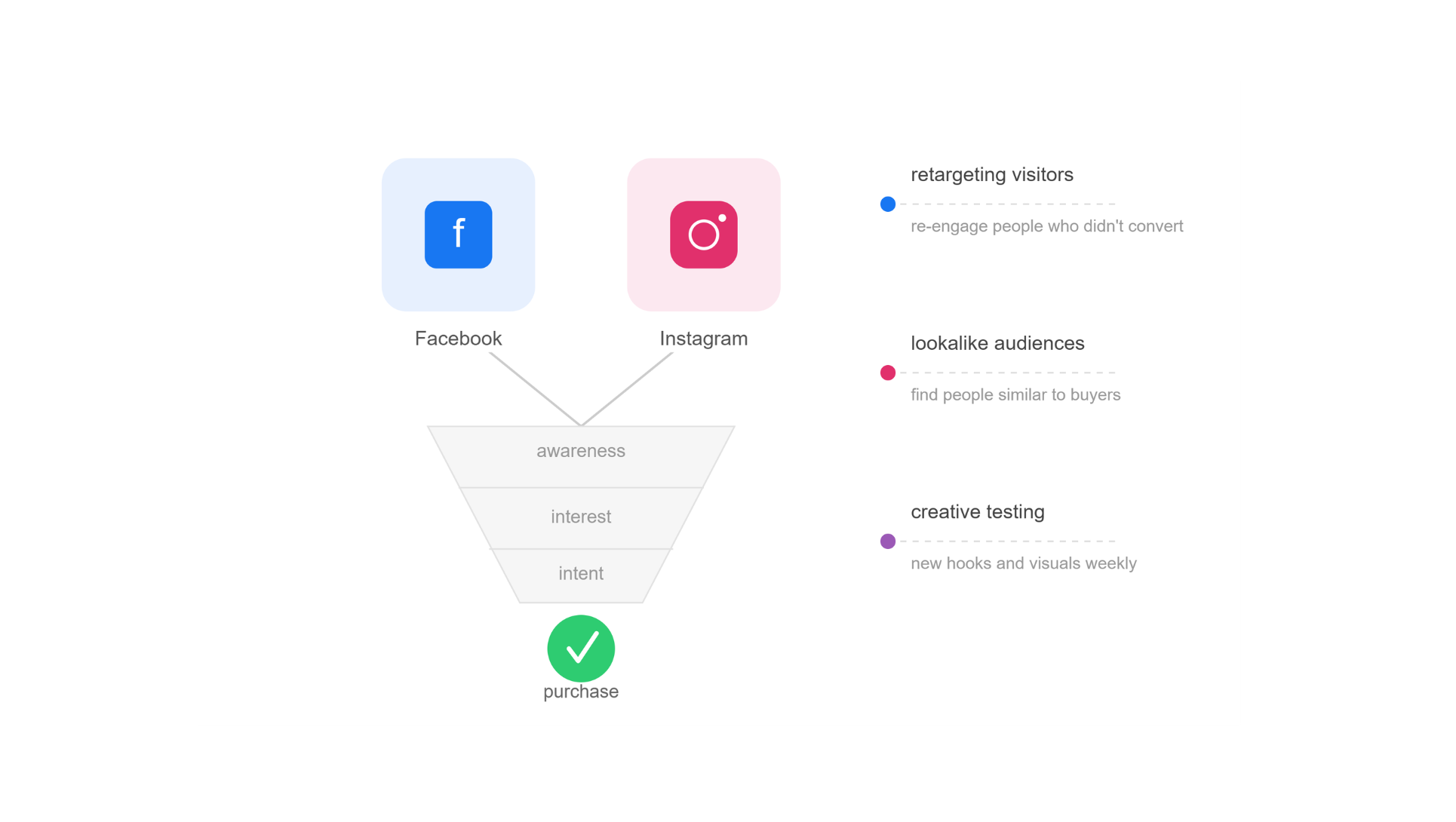
That’s what makes Meta a strong growth channel for direct to consumer marketing brands. Facebook and Instagram put your product in front of people who weren’t looking for it but are exactly the type to buy it. Done right, Meta doesn’t just drive traffic. It builds the purchase intent that Google later converts.

The platform also gives advertisers a lot of flexibility in how they reach people. Brands can introduce products to new audiences, reconnect with website visitors who didn’t convert, or reach people who share similar characteristics with existing customers. As campaigns run, these audience insights often become just as valuable as the traffic itself. 

A lot of Meta performance comes down to creative. The audience may be right, but if the ad fails to stop the scroll, nothing else matters. For improved D2C customer acquisition, many brands regularly test new hooks, visuals, and messaging angles because what worked a few weeks ago may not perform the same way today.

For brands looking to scale, Meta is often the channel in D2C growth strategy that keeps products in front of potential customers long enough for interest to turn into intent and intent to turn into a purchase.

2. TikTok Ads- Short-Form Video Traffic That Drives Sales

TikTok started as an entertainment platform. For D2C brands paying attention, it has quietly become one of the most effective Direct-to-consumer business models, to turn a first-time viewer into a first-time buyer.

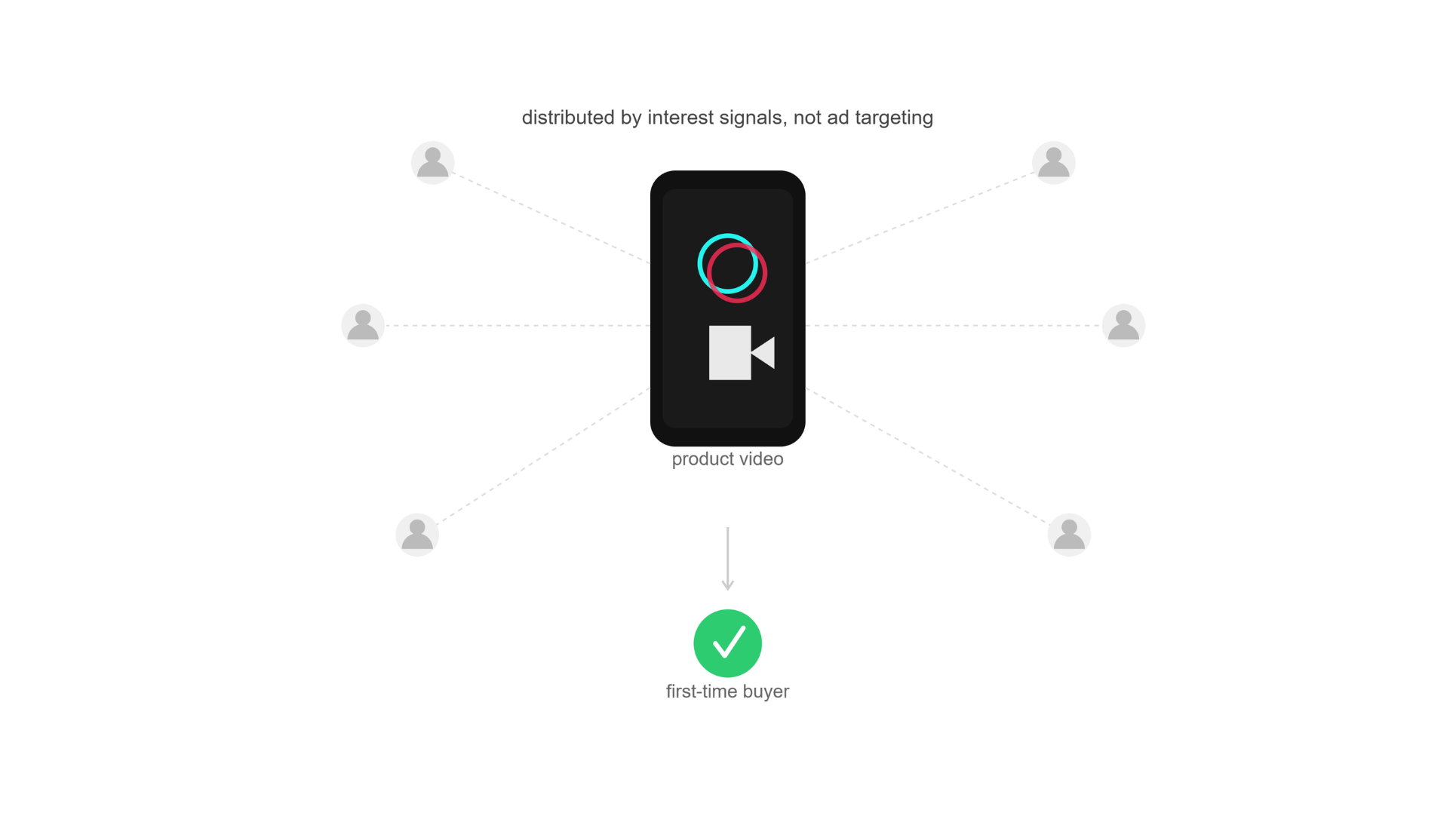
The reason is how TikTok’s algorithm works. Unlike Meta, where you target the audience, TikTok distributes content based on interest signals. A new product video can reach hundreds of thousands of relevant viewers without a massive ad budget behind it. This is why it acts as the top-of-funnel discovery layer inside a broader D2C marketing strategy. 

Many D2C marketing brands discover that the content that performs well on TikTok is not necessarily the content that performs well elsewhere. Users are there to watch videos, not advertisements, so content that feels natural to the platform often receives a stronger response.

Although TikTok may have started with a younger audience, many brands are now seeing traction across categories like beauty, fitness, and more. As more people spend time on the platform, D2C brands are increasingly treating it as a sales channel rather than just a place to build awareness.

3. Google Ads- High-Intent Traffic for Revenue Growth

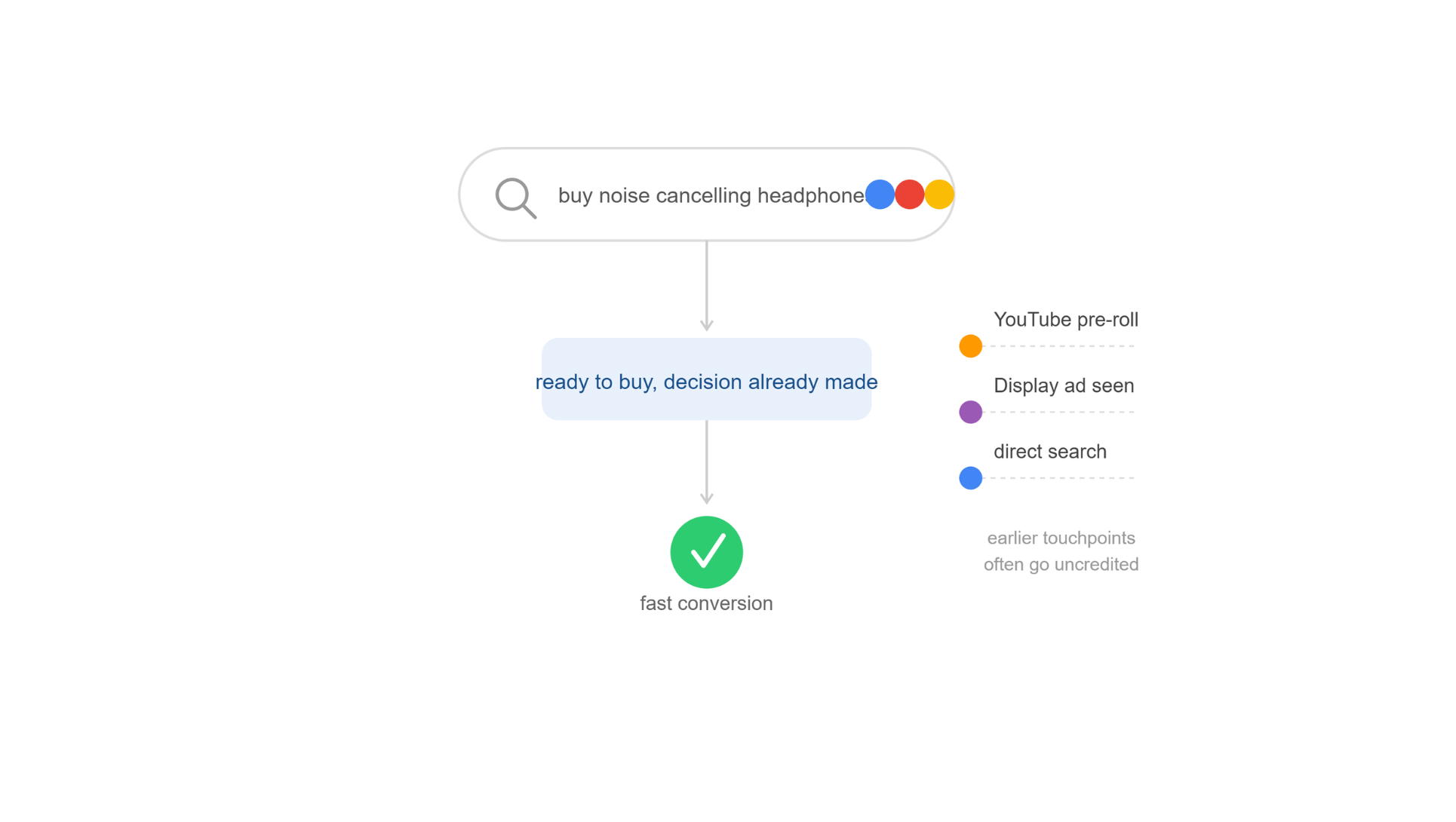
When someone searches for something on Google, they’re not browsing. They’ve already decided to buy. That’s the core advantage Google holds for D2C customer acquisition.

The conversion difference between a Google search visitor and someone who randomly saw your Instagram post is quite noticeable. Search traffic tends to buy more and buy faster because the research happened before the click, not after.

Most D2C brands figure this out too late. If a competitor is bidding on your brand name and you’re not running search ads, that warm traffic goes straight to them.

Attribution is the other gap most brands miss. Brands running both Google and Meta often undercount what Google is actually contributing because last-click models don’t tell the full story. A buyer who watched a YouTube pre-roll, saw a Display ad, and then searched directly gets counted as a Google conversion, but the earlier touchpoints influenced that decision entirely.

How D2C Brands Grow with Multichannel Marketing Strategy

A strong Direct-to-consumer business model does not depend on one channel. Most D2C brands grow through a combination of Google, Meta, and TikTok. Think about buying habits. It usually starts when a product is seen on TikTok. The person may ignore it at first. Later, Instagram reinforces the brand, and the user explores the website before finally searching on Google to decide.

For many brands, that is how the D2C growth strategy leads to sales. It is rarely the result of a single ad or a single platform that leads to D2C customer acquisition. Customers move between channels before making a decision, which is why looking at each traffic source separately does not always tell the full story. A conversion credited to Google may have started with a TikTok video or a Meta ad days earlier.

How vCommission Supports D2C Performance Marketing Growth

A strong presence across Google, Meta, and TikTok can create significant growth opportunities for D2C brands. However, as budgets grow, brands need to know which channels are driving sales and where it makes sense to invest more. At this stage, vCommission supports advertisers by providing clearer visibility into performance and helping them identify opportunities to scale more effectively.

The impact of this approach can be seen across multiple D2C brands stories. Skimmylo, a fast-growing shapewear brand, wanted to scale its performance marketing but wasn’t fully sure what was actually driving sales. As spending increased, it became harder to understand which campaigns were really working. The brand partnered with vCommission to bring more clarity and structure to its growth efforts. With better tracking and improved Meta performance, Skimmylo was able to scale more steadily and eventually grew GMV by 19x.

Similarly, Slursh was operating in a category that required a lot more customer education than a typical direct to consumer marketing product. Since many shoppers were unfamiliar with the product, turning interest into sales was not always straightforward. By working with vCommission, the brand was able to reach relevant audiences at scale and build momentum over time. The campaign eventually delivered a 691% increase in GMV, showing how the right D2C growth strategy can help niche products find their market. 

Conclusion

Most D2C brands don’t struggle because of a lack of traffic, but because they don’t understand how customers move across channels before buying. And at that stage, it’s more about getting clarity on what is actually working. For that, vCommission helps advertisers connect with relevant publisher networks and affiliate partners. 

An advertiser manager is also there to support campaign management, helping brands run and optimize performance more effectively. Along with that, brands get clearer performance tracking, so they can understand what is working in their D2C growth strategy and shift budgets toward the channels that actually deliver results. 

If you have a D2C brand and are looking to scale customer acquisition more efficiently, sign up with vCommission.

FAQs

How to know if my D2C brand is ready to scale paid advertising?

You should only scale when your campaigns are already giving consistent sales at a stable and profitable CAC. If you’re not sure what’s driving results, it’s too early to scale. An advertiser manager can help you sort that before you increase spend. 

Can a D2C brand scale using only Meta Ads?

It may work in the beginning, but growth usually slows over time. Stronger scaling comes when multiple channels work together instead of depending on a single source.

How often should ad creatives be refreshed?

If performance slows down, it’s usually a sign of creative fatigue or audience saturation, and the first fix is testing new creatives.

Which products tend to perform best on TikTok Ads?

Products that can be understood instantly through video perform best. If the value can be shown in a few seconds, it usually has a higher chance of converting.

How much budget should be allocated across Google, Meta, and TikTok? 

You can start with performance data and shift the budget toward the channel driving the most profitable conversions. If you’re unsure, an advertiser manager can guide the right allocation.

Categories
Affiliates

Most Profitable Global CPS Verticals Affiliates Should Target in June

Most affiliates plan their strategy around Q4 and forget that June delivers across multiple niches at the same time. What makes this month interesting is that the buying triggers are completely different from each other, but they all land in the same window. Someone is finalizing a summer holiday while another person is deciding whether to upgrade the tools they have been using for free since January.

Unlike peak shopping seasons built around one major event, June sees purchase activity spread across ‘n’ number of verticals. For anyone into CPS affiliate marketing, that is a pretty good position to be in. And to ensure your efforts are best spent, we have curated some of the most profitable global CPS verticals.

What Makes CPS Affiliate Marketing Work for Affiliates

CPS stands for Cost Per Sale, which means you only get paid when someone you refer actually buys something. Brands are essentially paying for results rather than traffic or leads, so they tend to put real effort into how their programs are structured. That usually shows up in competitive commission rates and high ticket affiliate programs that are actually worth promoting.

More international brands are also opening their affiliate programs to a wider publisher base, so you no longer need to be in the US or Western Europe to access high paying affiliate verticals or promote global tools and marketplaces.

Top Global CPS Verticals Affiliates Should Focus on This June

June creates opportunities across several affiliate niches at once. Travel bookings peak, software upgrades happen, eCommerce sales run, and finance decisions get made. These are the best affiliate marketing niches with real buyer intent this month, and the most profitable affiliate verticals where your traffic can actually convert.

Several brand campaigns in these verticals are live with vCommission, one of the best CPS Affiliate Networks, giving affiliates access to campaigns across multiple markets from a single platform. 

Let’s take a closer look at the highest paying affiliate niches-

1. SaaS and Software

Software is one of the highest paying affiliate niches. These are digital products, so brands are not dealing with shipping or storage costs, which means there is enough margin in every sale to pay affiliates decently. Most tools also run on subscriptions, so brands are always looking for new customers, and they keep their commission rates competitive because of it. All these features make SaaS one of the best CPS verticals for affiliates who want consistent earnings.

Mid-year is naturally when people reassess what tools they are actually using. Freelancers, creators, and small teams on free plans through the first half tend to make the switch around this time, which lifts conversion rates without any extra effort on your end. And given that the global SaaS market is on track to cross $374 billion by 2026 (Statista), the pool of people actively evaluating and upgrading tools is only getting bigger.

And for affiliates looking to capitalize on this market, vCommission has some of the best CPS affiliate programs, such as Sintra AI, Openart AI, Elementor, Quillbot, Hostinger. If your content is already pulling in that audience, sign up on vCommission and start promoting top SaaS brands

2. eCommerce

June is usually a strong month for eCommerce because this is when major marketplaces like Myntra, Flipkart, and retail brands start rolling out their mid-year sales. Father’s Day means people are out buying gifts, platforms are running mid-year sales, and in quite a few markets, parents are already thinking about back-to-school shopping. So purchases are coming in from different directions throughout the month. As an affiliate, that steady volume is more useful than a single spike, making eCommerce one of the best CPS verticals for them.

People landing on a marketplace or retail platform have already decided they want to buy something, so the gap between your referral and an actual conversion is shorter than in most other categories. This is what makes eCommerce one of the highest converting affiliate offers you can promote when seasonal intent is running high. With global retail eCommerce on course to cross $6.8 trillion by 2028 (eMarketer), the number of people shopping through these platforms keeps growing, which means the top CPS offers you join today have a larger addressable audience than they did a year ago.

With vCommission, you get access to the best CPS affiliate programs like Wish.com, Viagogo, and Walmart. So, if your traffic has any shopping or lifestyle angle, join these now-

3. Travel

Among all the profitable affiliate verticals on this list, travel offers the highest commission value per conversion. A hotel booking, a flight package, or a cruise reservation carries an order value that most other categories cannot match, so even a moderate volume of referrals adds up quickly. June is when people are finalizing summer plans, and the urgency to book before prices climb further pushes decisions faster than usual, which works in your favor as an affiliate.

Travel has also recovered strongly as a category. International tourist arrivals reached a record 1.52 billion in 2025, surpassing pre-pandemic levels and marking a full recovery for global tourism. With travel demand expected to remain strong in 2026, the audience booking flights, hotels, and holiday packages online is as large as it has ever been.

For affiliates looking at the most profitable affiliate niches to promote in summer, travel belongs at the top of the list, with top CPS offers such as Meinschiff.com, Agoda.com, and Volagratis.com. All you have to do to access is sign up with vCommission

4. Personal Finance and FinTech

Finance is a little different from the other verticals on this list because demand is driven more by long-term financial decisions than seasonal events. People start looking at their insurance, realizing their life cover has been on the to-do list for way too long, or finally getting around to comparing financial products they have been ignoring. That research intent is exactly what converts well under a CPS model, and it is one of the reasons finance is one of the best seasonal affiliate niches for summer.

Finance programs also tend to be one of the most profitable affiliate verticals with low competition because the lifetime value of a referred customer is high. Brands in insurance and financial products can afford to pay affiliates a meaningful amount per sale, and they do. The global InsurTech market is projected to grow past $152 billion by 2030 at over 32% annually (GrandViewResearch), reflecting how much of this category has moved online and how comfortable people have become purchasing financial products digitally.

If your audience is Indians looking for insurance or financial security, vCommission has some high ticket CPS programs like Bajajallianz.com and Axismaxlife.com for you to join-

Capitalize on the Highest Paying Affiliate Niches This June!

These four verticals cover different audiences, so chances are your existing content already fits into at least one of them. If you create content around travel, health, tech, or finance, there are programs here that make sense for what you are already doing. And the timing is right because people across all four are actively spending this month.

All the best CPS affiliate programs mentioned are live at vCommission right now. If you are not already on one of the best CPS Affiliate Networks, don’t wait to sign up with vCommission–

Categories
Affiliates

Alibaba Affiliate Program: A Global CPS Opportunity for E-commerce Publishers

Most affiliates overlook Alibaba because they assume it’s only for businesses buying in bulk. And honestly, that works in your favor. While everyone else is crowding around the usual e-commerce offers, Alibaba attracts a very different kind of buyer. These are small business owners and entrepreneurs who come with a specific product in mind and a supplier to find. That kind of buyer converts really well.

On top of that, Alibaba Group is targeting 2 billion consumers by 2036, according to WorldMetrics. A platform growing at that scale keeps pulling in new buyers from every corner of the world. Let’s have a look at how you can maximize commissions with Alibaba affiliate program

What is Alibaba.com?

Alibaba.com is a B2B marketplace, which means it is built for businesses buying from other businesses. Think boutique owners sourcing apparel, startups importing electronics, or small manufacturers ordering raw materials. These buyers come with high purchasing intent and tend to place larger orders.

The platform spans more than 190 countries and covers categories ranging from machinery and electronics to fashion, beauty, and home goods. So, whatever niche your content falls into, there is a good chance Alibaba offers something your audience is already looking for.

Alibaba Affiliate Program Details 

The Alibaba Affiliate Program with vCommission includes the following features:

    • Tracking Frequency: Real-time
    • Cookie Duration: 15 days
    • Web: Available
    • Mobile Web: Available
    • App: Available
    • Deeplink: Available
    • Multiple Conversions: Available
    • Validation Period: 80 days

The 80-day validation period is there because B2B orders take longer to confirm and process, so commissions are locked in only after the transaction is verified, a common practice among the best affiliate programs.

Alibaba Affiliate Program Commission Structure

The program runs on a Global CPS model and offers the following payouts:

    • Orders from the US, GB, FR, NL, DE, IT, ES, CH, PL, BE, SE, IE, AT, DK, CZ, MX, KR, and JP earn a 7% payout for New Paid Buyers and 2.8% for Old Paid Buyers.
    • Orders from all other countries earn a 5.6% payout for New Paid Buyers and 2.8% for Old Paid Buyers.

The 7% rate for new buyers in top markets is solid, especially for e-commerce. And since Alibaba orders tend to be bulk purchases, even a handful of conversions in a month can add up to decent earnings. That earning potential is what puts Alibaba in conversations around the highest paying affiliate programs.

Who Can Join the Alibaba Affiliate Program

The program is pretty inclusive about who can participate and how they can promote Alibaba offers. If you fall into any of these categories, you are good to go:

    • Content creators
    • Telegram channel owners
    • Software tools
    • Media buyers (social, native, or display)
    • Sub-networks 
    • Smartlink operators

No matter if you have organic or paid traffic, the Alibaba affiliate marketing has room for you. That kind of flexibility is something a lot of the best affiliate programs skip on, so it is genuinely useful here.

Top Alibaba Product Categories to Promote

Some categories consistently perform better than others, mostly because of the buying intent behind them. With the right match, Alibaba can easily outperform many of the highest paying affiliate programs that affiliates typically focus on.

  1. Electronics and Components are always moving. Resellers, repair shops, and tech businesses source from Alibaba regularly, which makes this a high-frequency category.
  2. Apparel and Fashion work well for audiences in the dropshipping or private label space. Boutique owners especially tend to source inventory in bulk, which means bigger orders.
  3. Beauty and Personal Care is strong with creators whose audiences are interested in importing or white-labeling beauty products. The interest is growing fast in this space.
  4. Home and Garden is broad enough to fit into a lot of content niches and tends to attract consistent traffic year-round.
  5. Industrial Equipment and Tools has some of the highest order values on the platform. It is a niche audience, but a very intentional one.
  6. Packaging and Printing might seem unglamorous, but small businesses and e-commerce audiences search for packaging suppliers constantly, making it a quiet but reliable performer.

The best move is picking the category that matches what your audience is already trying to do, popular or otherwise.

Mistakes to Avoid as an Alibaba Affiliate

  1. Sending the wrong traffic. Alibaba offers work for business buyers, sourcing agents, and wholesale shoppers. If your audience is mostly looking for retail deals, the conversions will be hard to come by. 
  2. Confusing Alibaba with AliExpress. AliExpress is for single-item retail orders, and Alibaba is for B2B bulk purchasing. Make this clear in your Alibaba affiliate marketing so your audience doesn’t get frustrated by order requirements.
  3. Promoting without explaining Minimum Order Quantity or MOQ. If someone expects to buy just one unit and hits a “100 pcs MOQ” wall, they might leave. Always set clear expectations upfront in your Alibaba offers promotions.

By avoiding these mistakes, you can increase your profits with one of the highest paying affiliate programs in the B2B space.

How to Join Alibaba Affiliate Program?

Start by visiting vCommission.com and creating a free affiliate account. You will be asked about your traffic sources and how you plan to promote, so keep that handy. Once your account is approved, search for the Alibaba affiliate program in the directory, apply, and after verification, you get access to an affiliate dashboard to generate a tracking link and start promoting Alibaba offers.

Beyond Alibaba, vCommission runs active programs across travel, beauty, fashion, utility, and e-commerce verticals. Sign up on vCommission today and get access to the best affiliate programs, all from a single dashboard.

FAQs

Is it free to sign up for the Alibaba Affiliate Program?

Yes, joining the Alibaba Affiliate Program with vCommission is completely free. 

How Much Can I Earn With Alibaba Affiliate Marketing?

Earning from Alibaba affiliate marketing depends on your traffic volume and the quality of your audience. New buyers in selected countries earn you 7% per sale, and 5.6% in all other countries. 

In which countries is the Alibaba campaign available?

The campaign is available globally. However, sales from Mainland China, Hong Kong, India, and Nigeria are not eligible for commission. 

Is there a payout cap on Alibaba affiliate commissions?

Yes. The maximum payout for a single conversion is capped at USD 350, regardless of the total order value. 

How to Make Money with the Alibaba Affiliate Program?

To make money from the campaign, get your vCommission account set up and apply for the Alibaba campaign. Then point the right traffic at it. People looking to source products, find suppliers, or start an online business are the ones most likely to buy on Alibaba and generate commissions for you. 

Categories
Affiliates

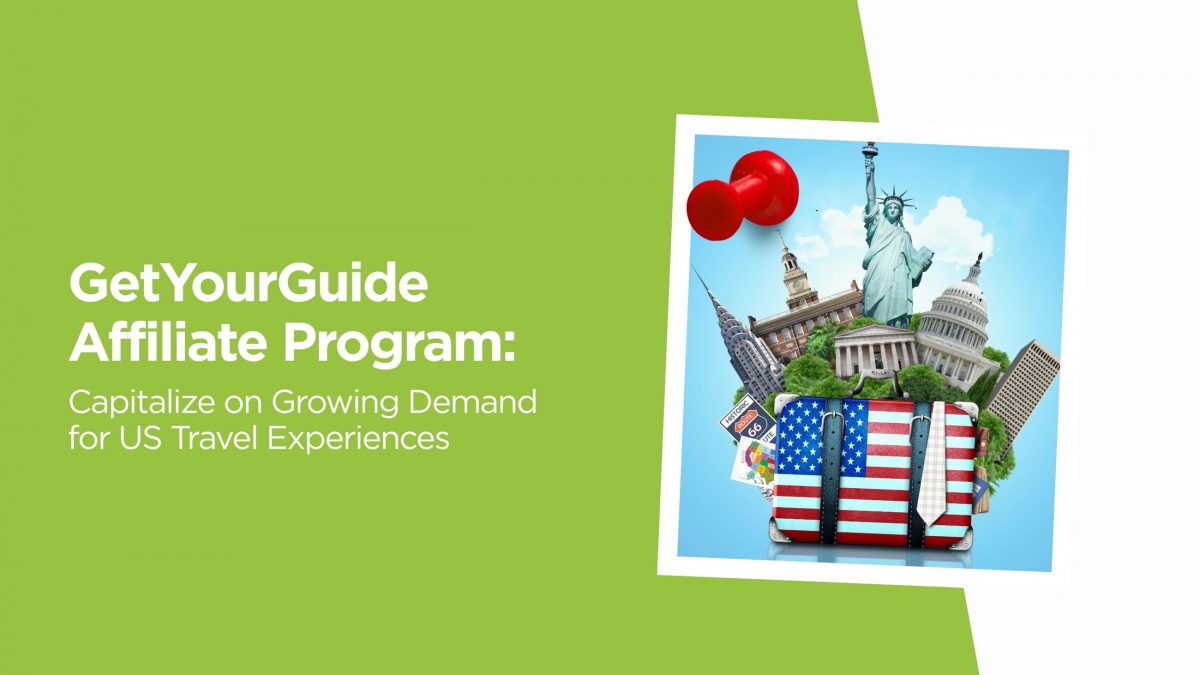
GetYourGuide Affiliate Program: Capitalize on Growing Demand for US Travel Experiences

Modern travellers don’t limit their planning to flights and hotels. As soon as they pick a destination, they start looking for things to do, like city tours, cruises, attraction tickets, food walks, and unique local experiences. 

And this growing interest is also increasing demand for travel experience platforms. According to Roots Analysis, the global tourism guidance services market size is expected to rise from USD 92.13 billion by 2030. 

As more users actively search for travel experiences, affiliates also get more opportunities to earn by promoting best travel affiliate programs like GetYourGuide where people already go to book these experiences. 

About GetYourGuide

GetYourGuide is one of the biggest platforms for tours, attractions, activities, and local travel experiences. It connects travellers with experiences across major US destinations and international tourist spots.

From helicopter rides in Las Vegas to guided walking tours in Chicago, the platform covers thousands of activities that tourists actively search for before and during their trips. That is what makes the GetYourGuide Affiliate Program attractive for travel publishers and creators. People are already planning these experiences before booking their trip or while scrolling social media during vacation.

For affiliates, this creates a great opportunity because experience-based content converts better when viewers can picture themselves doing the activity.

Why the GetYourGuide Travel Campaign Works for Affiliates

A lot of travel affiliate programs depend heavily on hotel bookings and flight reservations. Experience based platforms work differently because the purchase decision is more emotional and visual.

Someone may delay booking a hotel for weeks. But they can instantly book a Miami boat ride after watching a short Instagram Reel.

That is where the GetYourGuide Affiliate Program performs well among the best travel affiliate programs. Its offers are built around experiences people actively search for during trip planning.

Popular searches usually include “Best things to do in New York”, “Las Vegas helicopter tour”, or “GetYourGuide deals for tourists”. These searches already come with buying intent. Affiliates simply need content that matches the traveler’s excitement.

GetYourGuide Affiliate Program Info

Here is the important tracking information affiliates should know before joining GetYourGuide offers with vCommission:

    • Tracking Frequency: Realtime
    • Cookie Duration: 30 Days
    • Web Tracking: Available
    • Mobile Web Tracking: Available
    • Deeplink Support: Available
    • Validation Period: Travel completion + 35 days

These features make the GetYourGuide Affiliate Program a good option for creators and publishers searching for the best travel affiliate programs in the travel experiences category.

GetYourGuide Affiliate Payout

The GetYourGuide Affiliate Program offers a 3.5% travel payout on successful bookings. Since travelers often book multiple activities during one trip, affiliates can earn decent commissions, especially during holiday seasons. This is why many travel creators include it in their list of highest paying travel affiliate programs.

Promotional Methods That Actually Work

GetYourGuide affiliate program allows multiple promotion methods, such as:

Content Marketing

People get interested in tours and activities after watching someone actually do them. A simple Miami boat ride clip or a New York street tour video can make viewers want to book the same thing. Affiliates can place GetYourGuide offers and links naturally along with the content.

Social Media Advertising

Travel ads work better when they look fun instead of salesy. For example, a short clip of helicopter rides, cruises, or city views usually catches attention fast on Instagram Reels and TikTok.

Influencer Marketing

A lot of people book tours after watching someone share their trip online. A creator showing their Grand Canyon day trip or Las Vegas night tour feels more believable than a normal ad. That is why creators promoting travel campaigns usually do well with GetYourGuide offers.

Coupon & Cashback Promotions

Many travelers look for discounts before booking activities. Searches around GetYourGuide deals and attraction ticket offers can bring strong buying traffic.

Incent Traffic

Travel giveaways and reward based travel communities can also help attract users who are already planning trips. The focus should stay on the experience, not only the discount.

Best Travel Services for Affiliates to Promote

  1. City and Walking Tours are among the most booked experiences that GetYourGuide offers. Short videos showing what the tour actually looks like, paired with a deeplink, convert well for major US cities.
  2. Skip-the-Line Tickets are a strong sell for high-traffic spots like the Statue of Liberty or the Grand Canyon. Travel hack content around saving time at popular attractions fits this naturally.
  3. Outdoor Adventures, from surfing lessons in California to rafting in Colorado, perform well with active, younger audiences on video platforms.
  4. Food and Drink Experiences like food tours and cooking classes work well for couples and food-focused travellers. Instagram content around food travel gets strong engagement.
  5. Day Trips from Major Cities give your audience something specific and actionable. A deeplink to a day trip from NYC or LA removes friction and drives clicks.
  6. Seasonal GetYourGuide deals like Halloween tours and New Year’s Eve experiences usually convert well because of limited time demand, making GetYourGuide, one of highest paying travel affiliate programs.

How to Join the GetYourGuide Affiliate Program?

Create your affiliate account on vCommission and fill in the basic details. Once verified, you get access to the affiliate dashboard where you apply directly for the GetYourGuide program. After approval, generate your tracking links and start promoting.

What makes vCommission worth signing up for beyond GetYourGuide is the range. Once you are in, you can apply for programs across ecommerce, fashion, utilities, SaaS, and more. So your one account opens up far more than just one travel campaign.

Sign up on vCommission and start earning with the best travel affiliate programs-

FAQs

1. What is Travel payout for GetYourGuide Affilaites?

Affiliates get a 3.5% travel payout on successful booking sales. 

2. Can beginners join the GetYourGuide Travel Campaign?

Yes. Even beginners can join if they have travel content, social pages, or traffic sources.

3. How do I join the GetYourGuide Affiliate Program?

You first create a publisher account on vCommission. After account verification, you can apply for the GetYourGuide campaign from the dashboard.

4. Can I promote GetYourGuide on Instagram?

Yes. Instagram Reels and travel posts work really well for promoting tours and activities.

5. Which market does GetYourGuide campaign target?

This campaign mainly targets the United States travel market.

Categories
Affiliates

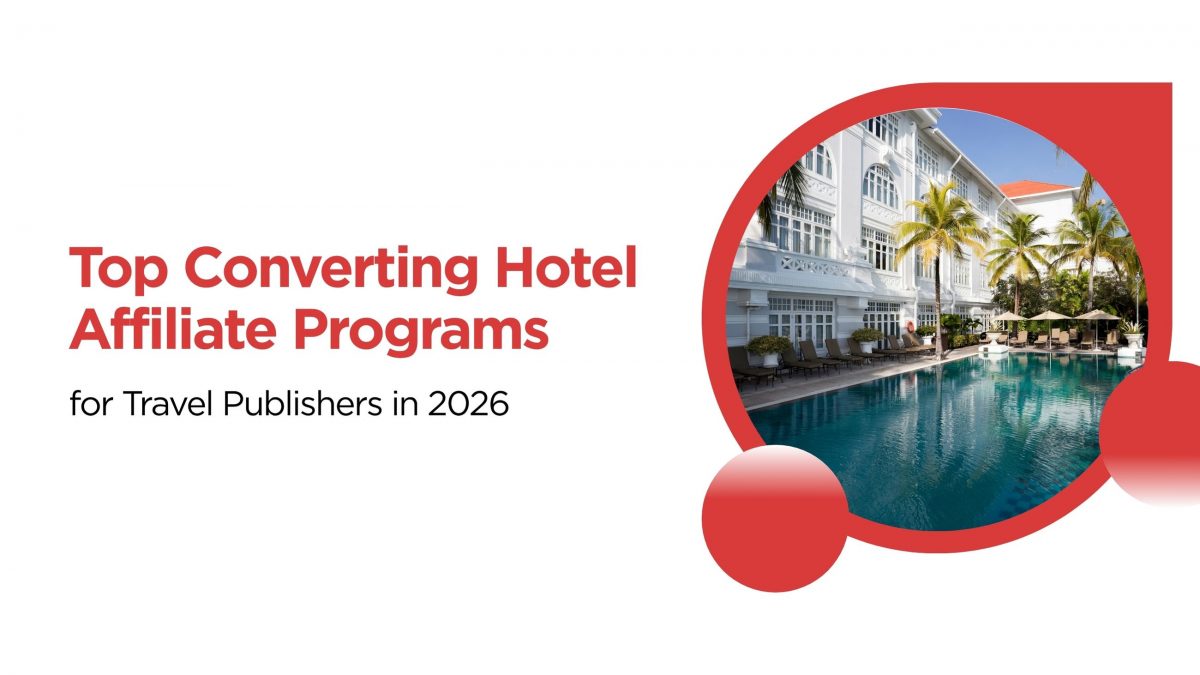
Top Converting Hotel Affiliate Programs for Travel Publishers in 2026

988.48 billion dollars is expected to be spent on hotel bookings globally in 2026, according to Business Research Insights. And most travellers are now making those bookings online after spending time comparing prices, checking reviews, browsing room photos, and saving hotels they like.

That is exactly why hotel affiliate programs continue to perform strongly for travel publishers. By the time someone starts looking for hotels, they are usually already planning the trip seriously, which means the chances of conversion are much higher.

vCommission currently has some of the best hotel affiliate programs live, because travellers already recognise the brands and feel comfortable booking through them. Lets take a quick look-

What Makes a Hotel Affiliate Program Convert Well

It mostly comes down to whether your audience recognises and trusts the brand you’re sending them to. If someone watches your Tenerife resort vlog and clicks through to a brand they’ve never heard of, they’ll second-guess it. But if they land on a hotel page that seems known, has good reviews, and matches what you showed them, they book.

The other thing is fit. A creator whose audience loves budget travel isn’t going to convert well with the five-star luxury hotel affiliate programs. And a luxury travel influencer sending followers to a cheap aggregator will get the same result. When the brand, the content, and the audience are all in sync, that’s when conversions actually happen.

It also helps when the best travel affiliate programs give publishers more freedom in how they promote. Some only allow a few traffic sources, which can be restrictive. Better programs support channels like videos, email campaigns, influencer content, and paid ads, since most travel content today is spread across multiple platforms.

Best Hotel Affiliate Programs to Join with vCommission

At vCommission, we have a few of the best hotel affiliate programs that are converting well for travel publishers. The brands are already known to travellers, which helps with bookings, and the programs also support different traffic sources instead of limiting publishers to one format. Here are three of the best travel affiliate programs worth looking at-

1. Millennium Hotels

Millennium Hotels and Resorts is a Singapore-based hotel group with over 150 properties across four continents. The portfolio isn’t just one type of hotel. The Biltmore caters to luxury travellers, M Social suits lifestyle-focused guests, Copthorne suits business trips, and Grand Millennium suits upscale city stays. Properties are spread across London, New York, Dubai, Tokyo, Paris, and Singapore, among others.

For publishers, this range means you’re not stuck writing about one kind of traveller. Business travel content, city break guides, weekend luxury pieces, there’s a Millennium property that fits most of what travel creators are already putting out. Here is what affiliates get when they sign up to the luxury hotel affiliate programs with vCommission-

    • Tracking: Real-time
    • Cookie duration: 30 days
    • Web & Mobile Web: Available
    • Deeplink: Available
    • Validation window: Booking execution + 50 days

Sign up and start earning-

2. Zenhotels

Zenhotels has been around since 2010 and lists over 2.7 million properties across 190+ markets, everything from hostels to luxury resorts. It works with 230+ suppliers, so prices tend to be lower than most other platforms. Travellers who are comparing rates usually end up booking here because of that. 

It suits publishers whose audience isn’t tied to one destination or budget. If your followers travel across different countries and have varied travel styles, Zenhotels covers the full range without you needing to tailor content to a single brand. When you join the high ticket travel affiliate programs with vCommission, you get:

    • Tracking: Real-time
    • Cookie duration: 30 days
    • Web & Mobile Web: Available
    • Deeplink: Available
    • Multiple conversions: Available
    • Validation window: Travel completion + 65 days

Join the program-

3. H10 Hotels

H10 Hotels is a Barcelona-based chain that’s been operating since the early 1980s, now running around 70 hotels across 26 destinations in nine countries. About 82% of their rooms are leisure-focused, beach resorts in the Canary Islands, all-inclusive properties in the Caribbean under Ocean by H10, and city hotels in Barcelona and Lisbon under The One brand. The brand has a clear identity built around holidays, which means travellers planning that kind of trip already know what they’re looking at when they land on the page.

When your audience is already searching for Spanish destinations, European beach holidays, or Caribbean resorts, H10 Hotels becomes an easy fit. The brand already matches the kind of trip people are planning, so it does not need much explaining. With vCommission, publishers also get access to the highest paying travel affiliate programs along with its additional affiliate features and tracking support. 

    • Tracking: Real-time
    • Cookie duration: 30 days
    • Web & Mobile Web: Available
    • Multiple conversions: Available
    • Validation window: Travel completion + 50 days

Start promoting now-

Which Hotel Affiliate Program Should You Choose?

Publishers covering global city destinations and wanting the widest range of promotion options will usually find Millennium Hotels and Resorts, one of the most practical top travel affiliate programs. It spans enough destinations and hotel types that it works across most travel content.

Meanwhile, audiences travelling across different countries and budgets are often a better fit for ZenHotels. The pricing model of such high ticket travel affiliate programs does a lot of the conversion work, and multiple conversions per user mean you earn more from the same audience over time.

Travel content focused specifically on Spain, the Mediterranean, or Caribbean holidays aligns naturally with H10 Hotels. The brand was built for that traveller, so there’s very little gap between what your content promises and what they find when they click through.

Running all three Hotel affiliate programs at once isn’t unusual either. A lot of publishers just link to whichever brand fits the specific piece they’re working on.

What Actually Improves Conversions Across Channels

Most travel creators underestimate how much the content format changes buying decisions. People scrolling through Instagram, TikTok, or YouTube are not sitting there to read long explanations. They want to quickly see what the place actually looks and feels like.

That is why hotel walkthroughs, room tours, and stay videos usually perform so well in best travel affiliate programs. People get to see the room, the view, the food, the pool, and the overall vibe before booking anything. Once they can picture the experience clearly, they feel a lot more comfortable making the decision.

The same goes for influencer recommendations. When a travel creator says they actually enjoyed staying somewhere, followers are more likely to trust it because it feels like a personal suggestion.

Email works well too, especially for publishers who have built a list around travel. Those subscribers signed up because they wanted recommendations, so when one lands in their inbox, the response rate shows it.

Join the Best Travel Affiliate Programs!

Travel content already influences where people stay. A good hotel recommendation at the right moment can easily turn into a booking, especially when the hotel already matches the kind of trip the traveller has in mind. That is why hotel affiliate programs continue to work so well for travel publishers.

With vCommission, publishers also get the advantage of managing multiple travel campaigns from one platform, along with reliable tracking, timely payouts, and support that helps simplify campaign management.

If you have a travel-loving audience, this is the right time to start monetising with highest paying travel affiliate programs on vCommission. Sign up now……

FAQs

1. Are luxury hotel affiliate programs profitable?

Yes. Luxury hotel affiliate programs can generate higher travel payouts because booking values are usually larger.

2. Can I promote multiple travel affiliate programs together?

Yes. Many publishers use different hotel affiliate programs depending on the destination or travel style in their content.

3. What content works best for hotel affiliate programs?

Room tours, stay vlogs, destination videos, influencer recommendations, email deals, and short travel clips work best because they show the actual hotel experience, not just the description.

4. What makes travel affiliate programs convert better?

When the hotel brand is trusted, the booking process is simple, and the offer matches what the audience is already looking for, conversions naturally improve.

5. Which are some of the best hotel affiliate programs in 2026?

Millennium Hotels, ZenHotels, and H10 Hotels are strong options currently available on vCommission.

Categories
Affiliates

AirHelp Affiliate Program: A High Payout Opportunity for Travel Affiliates Worldwide

Imagine landing at your destination five hours late because your connecting flight got cancelled and the airline put you on the next available one. You lost half a day, paid for an extra meal at the airport, and the airline handed you a €10 voucher as an apology. What the airline did not mention is that under EU law, you were entitled to €250 to €600 in compensation.

As flight disruptions continue to rise globally, more travelers are actively searching for compensation and refund support online. Flight cancellations alone reached 3.2% of scheduled trips in 2025, according to Gitnux. This demand is a strong opportunity for travel affiliates, which is exactly why the AirHelp Affiliate Program is gaining attention worldwide.

About AirHelp

AirHelp is the world’s largest flight compensation platform that helps passengers claim what they are legally owed when flights get delayed, cancelled, or cause a missed connection. The process is simple. Passengers submit their case, and AirHelp takes it from there, checking eligibility, filing the claim, and going to court if the airline pushes back. 

With over 16 million passengers helped across 35 countries, AirHelp travel campaign also offers AirHelp Plus, a subscription that covers members with legal support, lounge access, and priority handling throughout the year. That’s why it stands amongst the best travel affiliate programs.

AirHelp Affiliate Program Overview

The AirHelp affiliate program lets affiliates earn a commission for every paying customer they refer. Below are details of the campaign live at vCommission and offering affiliates, 

    • Tracking Frequency: Real-time
    • Cookie Duration: 30 Days
    • Web: Available
    • Mobile Web: Available
    • Validation Period: 65 Days

The 30-day cookie is a genuine advantage when it comes to airhelp reviews. A passenger who saw your content today may not file their claim until next week, and that referral stays credited to you the whole time. That means you continue to earn the travel payout for up to 30 days after the click.

AirHelp Travel Payouts

The travel payout is consistent across all three products:

  1. Earn 21% commission on every successful AirHelp Claim sale
  2. Promote AirHelp Plus Essential, priced at €39.99 per year, and earn 21% commission
  3. Promote AirHelp Plus Complete, priced at €99.99 per year, and earn 21% commission

A 21% commission on a €99.99 AirHelp Plus Complete subscription works out to just under €21 per conversion. For claims, the commission applies to AirHelp’s service fee on the compensation amount recovered, which means the payout scales with the size of the claim.

Compared with other best travel affiliate programs that pay flat fees or single-digit percentages on bookings, AirHelp’s rate is notably competitive, making it one of the highest paying travel affiliate programs. AirHelp reviews also convert well because passengers arrive with a problem that already exists.

Benefits of AirHelp Affiliate Program

  1. High intent traffic converts fast. Passengers who land on AirHelp already have a problem and are actively looking for a solution. That kind of ready-to-act traffic is rare and converts faster.
  2. Two products, two audiences. Promote claims to passengers dealing with a recent disruption and AirHelp Plus to frequent flyers who want year-round coverage. That gives you more than one way to monetize the same traffic.
  3. Demand never goes quiet. Flight disruptions happen every day, all year. Unlike seasonal travel products, there is no off-peak period with flight compensation.
  4. The market keeps growing. Awareness of passenger rights is rising steadily, and so is enforcement. More passengers learning they can claim means a bigger audience for AirHelp over time.

Who Should Promote AirHelp?

Travel bloggers, deal sites, frequent flyer forums, consumer rights publishers, and anyone who reaches an audience that flies regularly will find natural alignment here. The AirHelp affiliate program also works for affiliates outside the travel space, such as legal information sites, personal finance publishers, and consumer advocacy platforms, because the product sits at the intersection of travel, law, and money.

If you already rank for travel-related content or have an audience of people who fly for work or leisure, this is one of the highest paying travel affiliate programs available in the space, both in terms of commission rate and product-market fit.

How to Monetize the AirHelp Affiliate Program

  1. Start With Search Traffic- If you create content, this is the easiest place to begin. People searching “flight cancelled, what am I entitled to” or “EU261 compensation claim” are already looking for exactly what AirHelp offers. Make content that answers their question and puts your affiliate link in front of them at the right moment.
  2. Work with What You Already Have- You do not need to be a full-time travel creator to promote AirHelp. Travel audiences are everywhere. A flight delay reel, an airport rant on Twitter, a quick Telegram update, or even a simple “how to claim compensation” video can easily grab attention because most travellers have faced these.
  3. Paid Ads Work Well Here Too- The thing about AirHelp is that the problem it solves is very specific, which makes targeting easy. Frequent flyers on social, travel content readers on native, deal seekers on display. Test what works for your setup and scale from there.
  4. Do Not Overlook the Bottom of the Funnel- Coupons, cashback, and incentivised traffic tend to get overlooked, but they convert well because these users are already close to a decision. If you have access to sub-networks or a publisher base, this is worth testing alongside your main channel.

Sign Up for the AirHelp Travel Campaign!

Flight disruptions are not going anywhere, and neither is the demand for help dealing with them. If your audience travels, even occasionally, AirHelp is one of the best travel affiliate programs, because the problem it solves is real, recurring, and costs the passenger nothing to fix.

Join the AirHelp travel campaign with vCommission, and you also get access to hundreds of other campaigns across travel, finance, fashion, and more, all in one place. If you are looking to grow your affiliate income beyond a single program, the range of the highest paying travel affiliate programs under one roof really helps. Sign up now->

FAQs

1. Is the Airhelp travel campaign available worldwide?

Yes, the Airhelp travel campaign supports worldwide geo targeting.

2. Does AirHelp support compensation claims for delayed flights?

Yes, delayed flights are one of the main claim categories.

3. Does the AirHelp campaign support mobile traffic?

Yes, both web and mobile web traffic are allowed.

4. Are deeplinks available in the AirHelp campaign?

No, deeplink functionality is not available.

5. What is the payout for the AirHelp Affiliate Program?

Affiliates can earn up to 21% payout on successful claims and AirHelp Plus subscriptions.