Categories
Affiliate Marketing

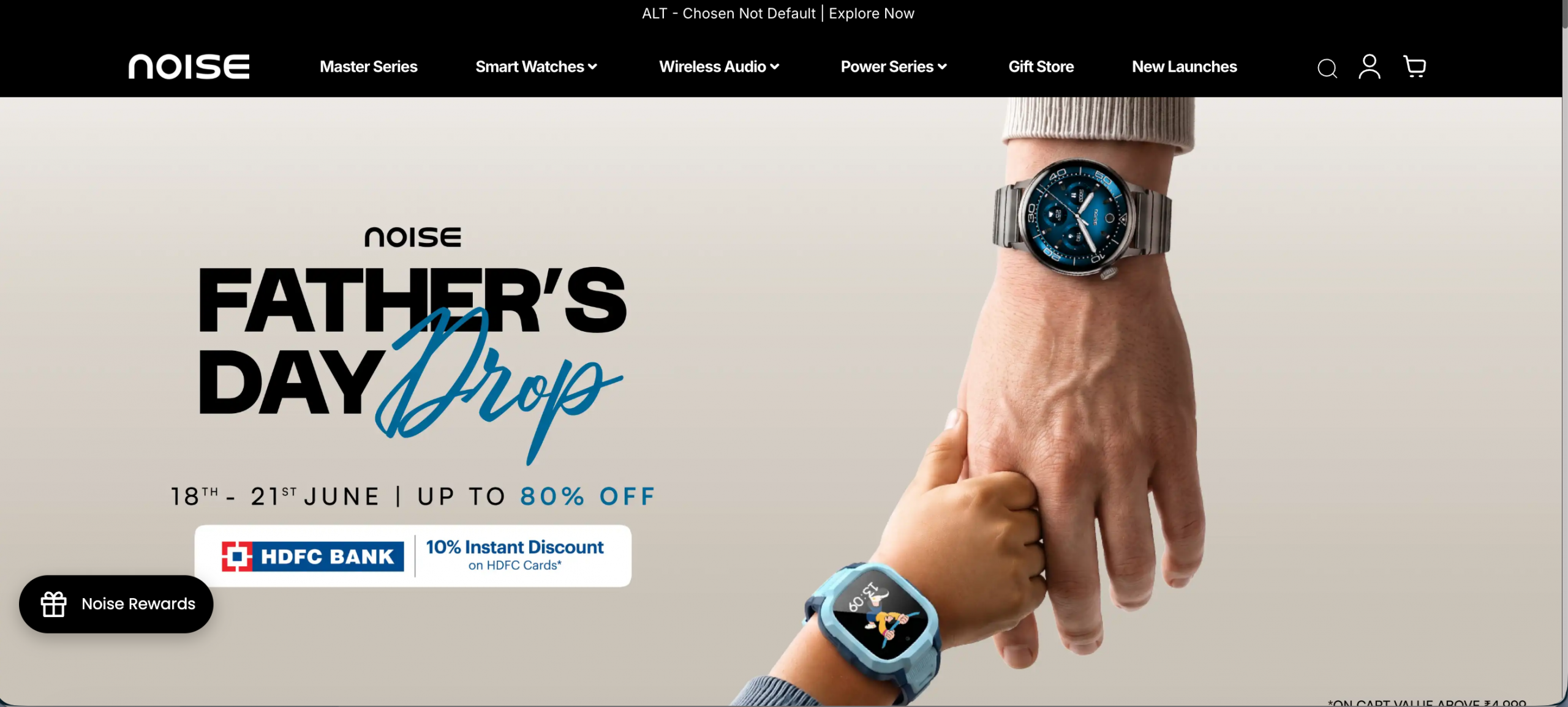
Monetise India’s Growing Demand for Smartwatches with High-Converting GoNoise Offer

Remember when gifting someone a smartwatch felt a little expensive? Well, not anymore. Today, smartwatches are amongst one of the top tech products that people add to their carts when there is an online sale, making it a trend that affiliates shouldn’t overlook. 

Smartwatches have become a part of everyday life for most people – from tracking heartbeat or sleep health to answering calls on the go. Indians are mostly buying them in huge numbers – be it college students looking to buy something affordable, fitness enthusiasts tracking their workout sessions, or professionals wanting convenience on their wrists, the demand just keeps growing. 

If you are also looking for an offer that fits into a category that people are actively looking for and buying, then GoNoise should have your attention. 

Why More Indians Are Buying Smartwatches Than Before

Consumer preferences have changed drastically over the years. People do not buy or upgrade their products for status. People buy the products to make their lives convenient without costing a fortune. Smartwatches fit perfectly in that category. They track health, notifications, calling features, and many other features within an affordable price range. 

What makes this category of product approachable to the affiliates is that the buyer intent already exists. A smartwatch purchase is rarely about telling the time anymore. For some people, it is about tracking their health, for some, it is about staying connected without checking their phone every minute of the day. Versatility is one of the many reasons it attracts buyers from different age groups and lifestyles. 

That combination often translates into high conversion potential. 

About GoNoise

GoNoise is an Indian tech brand that offers a range of products designed for everyday use. The brand is well known for its smartwatches, but they have also built its presence around audio products and accessories. 

The product lineup includes:

  • Smartwatches
  • Wireless earbuds
  • Bluetooth neckband earphones
  • Accessories

One of the biggest reasons behind GoNoise’s popularity is its pricing strategy. The brand offers practical features without premium price tags, making its products accessible to a broader range of customers. 

For customers, it means affordable technology. For affiliates, it means promoting products that appeal to the mass buyers.

Campaign Details

  • Category: E-commerce
  • Geo: India
  • Tracking: Realtime
  • Validation Period: 30 days
  • Cookie Period: 30 days
  • Promotional Channels: Web/M-web
  • Promo Methods: Coupon, Cashback, Email, SMS, Telegram, Influencer, Software, Media Buying (Social, Native, Display), Sub Network, Pop, Push, Video, Incent

Why GoNoise Campaign Is Worth Promoting

The best affiliate campaigns are built around products people already want to buy. GoNoise fits that description perfectly. Some products require you to spend time explaining why a product is worth spending money on, while other products already have a strong demand. GoNoise falls under the second category. 

High Consumer Interest

Wearable technology has become mainstream in India. Customers mostly actively look for smartwatches for:

  • Fitness tracking
  • Sleep monitoring
  • Calling functionality
  • Productivity features
  • Budget-friendly gifting

Affiliates are not creating a demand from scratch, but rather stepping into one that already exists. 

Affordable Price Point

Price often becomes the biggest barrier when it comes to conversion. GoNoise addresses this concern by providing multiple products in different price ranges. Customers can find products that are rich in features,  but also something that is not expensive, making purchase decisions easier. Affordable products often encourage impulse purchases, especially during sale periods. 

Multiple Product Categories

While smartwatches remain the hero category, affiliates are not limited to just one product type.

This campaign also covers:

  • Wireless earbuds
  • Bluetooth neckbands

This creates more opportunities to drive sales for audiences with different interests. However, it’s important to note that payouts apply only to audio and watch categories. Accessories and eyewear are not payable.

Incentive Friendly Structure

Campaigns that offer incentives are preferred by many affiliates because they provide more opportunities for promotion. Publishers can experiment with offers and rewards while adhering to campaign requirements thanks to this campaign’s support for incentive traffic.

Who Should Promote This Campaign

One of the strengths of this campaign is that it has flexibility with promotional channels. Several affiliates can benefit from that. 

Coupons and Cashback Publishers

Customers who are looking for a gadget or an electronic device always look out for a discount or a coupon before making the final purchase. GoNoise allows coupon traffic and cashback traffic. 

Influencers

Tech creators, lifestyle bloggers, and creators who make content on affordable tech gadgets or products can create content on the GoNoise products. Short demos, product showcases, and deal updates can drive meaningful engagement. 

Email Marketers

During holidays or significant sales occasions, a well-timed email offering smartwatch discounts might motivate prompt action.

Affiliates with active subscriber lists can make good use of this channel because email promotion is permitted.

Final Thoughts

There is no doubt that India’s desire for affordable products would never fade. GoNoise has placed itself in the sweet spot where customers are always on the lookout for products that do not break the bank. 

For affiliates, the GoNoise E-commerce CPS campaign offers a compelling mix of consumer demand, familiar products, flexible promotional opportunities, and a straightforward conversion journey. Whether you’re a coupon publisher, influencer, media buyer, cashback platform, or email marketer, there’s room to connect the right audience with products they’re already considering.

The most successful advertising strategies aren’t always focused on convincing consumers to make purchases. They are designed to assist consumers in finding products they had previously intended to buy.

That’s what makes the GoNoise campaign worth promoting. 

Don’t miss out on India’s smartwatch buying trend, launch the GoNoise campaign with vCommission, and maximize your earnings.

Categories
Affiliate Marketing

How Affiliate Marketing Helps DTC Brands Reach Ready-to-Buy Customers

The biggest challenge in customer acquisition isn’t reaching people who have never heard of your brand – it’s convincing shoppers who are already comparing products to choose yours.

For many DTC brands, generating traffic is no longer the biggest hurdle. The bigger opportunity lies in attracting shoppers who are already researching products and are closer to making a purchase. Consumer attention is scattered, paid media costs continue to rise, and acquiring new customers through traditional ads has become expensive. 

Yet some of the DTC brands continue to scale efficiently. The common thread among many successful brands is affiliate marketing. 

Affiliate marketing is a performance-based channel where brands typically pay only when a conversion occurs. For DTC businesses, it can help allocate marketing spend toward measurable sales driven by publishers who often reach users with higher purchase intent, such as comparison sites and content creators.

Why Ready-To-Buy Customers Are DTC Brands’ Priority

Not every website visitor has the same intent. Some are casually browsing, some are checking out products for future purchases. Then there are customers who are searching for products like:

  • best skincare products online
  • buy premium gifting online
  • comfortable shoes for work
  • luxury Ayurvedic skincare products
  • women’s beauty products online
  • sustainable fashion brands

These customers have already moved beyond awareness; they know what they want and are on the lookout for the right brand they want to choose. Affiliate marketing bridges this gap by helping DTC brands reach customers while they’re actively comparing products and preparing to buy. Rather than relying solely on traditional ads, affiliate partners can introduce brands to customers who are actively comparing options and considering a purchase.

What is Affiliate Marketing for DTC Brands 

Affiliate marketing is a performance-driven customer acquisition model in which publishers, creators, content websites, coupon partners, and loyalty platforms promote products and earn commissions when they drive sales.

For DTC brands, this approach offers several advantages:

  • Customer acquisition with controlled spending.
  • Access to audiences outside owned channels.
  • Improved conversion opportunities.
  • Reduced dependence on rising ad costs.
  • Higher accountability across campaigns.

Why DTC Brands Are Investing More in Affiliate Marketing

The economics of digital marketing have changed over the period. According to impact.com’s Global State of Affiliate Marketing Study, 74% of brands increased their investment in affiliate marketing because other acquisition channels became more expensive. The returns are also riveting. 

The Affiliate & Partner Marketing Association observed that brands nearly generated 20.7 billion in revenue from 1.8 billion in affiliate spend in 2025, delivering an average return of 15 times the investment. Retail and travel campaigns performed better, achieving a 19x return. 

Meanwhile, the affiliate marketing industry generated a revenue of an estimated $19.6 billion globally in 2025 and is expected to reach an estimated $24.7 billion in 2026. For DTC brands seeking profitable growth, these numbers highlight a clear shift in customer acquisition strategies.

How Affiliate Marketing Reaches High-Intent Buyers

Product Discovery Through Trusted Sources

Customers rarely buy a product right after knowing about the brand. They often check the brand out through product reviews, content creators, and deal websites before making a purchase. Affiliate publishers occupy these touchpoints. It is whether someone searches for “best beauty products online” or “premium anniversary gifts”, affiliates help guide through relevant content. 

This creates a smooth path from choosing a product to checkout. 

Content That Aligns With Intent

Unlike many traditional ads that interrupt content, affiliate content is often embedded within reviews, comparisons, and buying guides that consumers actively seek out. Because it frequently targets people already researching a purchase, it can align closely with the buyer’s journey, while still playing a persuasive role and influencing demand and product choice.

Lower Risk, Higher Accountability

One of the strongest reasons DTC brands adopt affiliate marketing is its performance-based economics. Because commissions are typically paid only after a tracked sale or other agreed-upon action, brands can tie spending more directly to results. Affiliate programs also provide measurable attribution and reporting, helping businesses evaluate customer acquisition costs and marketing efficiency. While tracking and attribution are not perfect, the model generally offers greater accountability than many forms of upfront advertising.

How High-Performing DTC Brands Use Affiliate Marketing

Several leading DTC that are live with vCommission shows how affiliate marketing attracts ready-to-buy customers. 

Ferns & Petals

FnP (Ferns N Petals) is one of the world’s largest floral and gifting brands, delivering flowers, cakes, personalized gifts, and celebration essentials for occasions ranging from birthdays and anniversaries to festivals and special milestones. As gifting is a high-intent ecommerce category, consumers are often actively searching for solutions with an immediate purchase timeline, making affiliate marketing an effective acquisition channel for the brand. 

Through placements across gifting blogs, occasion-based content, coupon and deal websites, cashback platforms, and influencer recommendations, FnP can reach shoppers at the point of purchase consideration, while its CPS model ensures commissions are paid only on validated sales, helping the brand drive measurable and cost-efficient growth.

Enjoy a 7% payout on this campaign!

Forest Essentials

Forest Essentials is a premium Indian skincare and wellness brand rooted in the ancient science of Ayurveda, offering luxury formulations crafted with traditional ingredients and rituals. Because skincare purchases often involve research and consideration, affiliate marketing helps the brand connect with consumers seeking information on product benefits, ingredients, and Ayurvedic beauty practices. 

Through placements across beauty content, skincare reviews, coupon and cashback platforms, native advertising, and display campaigns, Forest Essentials can reach high-intent shoppers during the evaluation stage of their purchase journey. 

Supported by a CPS model with real-time tracking and a 30-day cookie window, the brand benefits from measurable customer acquisition while providing consumers with the information and incentives that help drive purchase confidence.

Promote it for up to 15% payout!

MyMuse

MyMuse is India’s first bedroom essentials brand focused on making intimacy more approachable, comfortable, and enjoyable through thoughtfully designed products that blend wellness, connection, and modern lifestyle needs. 

As consumers in this category often seek information, reassurance, and trusted recommendations before purchasing, affiliate marketing provides an effective way to engage them through educational content, reviews, lifestyle publishers, influencers, coupon platforms, cashback communities, and targeted media placements. 

By helping normalize conversations around intimacy and wellness while addressing common questions, affiliates can build trust and purchase confidence among MyMuse’s target audience across India. Supported by a performance-based CPS model and a 30-day cookie window, the brand can drive measurable customer acquisition while reaching high-intent consumers in a privacy-conscious and trust-driven category.

Get 10% payout on this campaign!

Types of Affiliates That Generate High-Intent Conversions

Not all affiliates contribute equally. DTC brands often achieve the strongest outcomes by working with a mix of partners. 

  • Content Publishers: Review sites, buying guides, and editorial platforms educate customers during product research.
  • Influencers and Creators: Creators bring authenticity and community trust.
  • Their recommendations often feel more relatable than direct advertisements.
  • Coupon and Deal Websites: These affiliates help capture customers who are actively searching for savings before making purchases.
  • Loyalty and cashback platforms: They encourage conversion among price-conscious buyers while rewarding repeat behaviour. The key lies in strategically balancing these partnerships rather than relying on a single source of traffic.

Why Affiliate Marketing Complements DTC Growth

Many brands rely on paid social advertising to reach customers, but rising auction costs, privacy changes, and platform policy updates can create uncertainty. Affiliate marketing provides an additional acquisition channel that can help broaden the traffic sources, extend reach beyond a brand’s owned audience, and connect with niche communities through publishers, creators, and partners. When managed effectively, affiliate programs can contribute incremental revenue, improve marketing efficiency, and benefit from the credibility of trusted third-party recommendations. Rather than replacing existing channels, affiliate marketing often complements a broader growth strategy.

The Future of DTC Customer Acquisition

Consumers increasingly research products, compare options, and seek recommendations before making purchases. Affiliate marketing allows DTC brands to participate when customers are ready to buy through content creators, publishers, review sites, loyalty platforms, and other partners that influence purchase journeys. 

By reaching consumers with relevant information and offers, affiliate programs can complement broader acquisition strategies while providing measurable performance outcomes. In an environment where efficiency and accountability matter, affiliate marketing remains a valuable channel for helping brands connect with potential customers at different stages of the buying process.

In the competitive market, where efficiency increasingly defines success, reaching ready-to-buy customers is no longer about being everywhere. It’s about showing up at the right time with the right message through the right partners. 

This is exactly how vCommission helps DTC brands grow. By combining a diverse publisher base that includes content affiliates, influencers, coupon and cashback platforms, robust conversion tracking, transparent reporting, and continuous campaign optimisation, vCommission enables brands to connect with shoppers who already demonstrate purchase intent. Instead of chasing vanity metrics, DTC businesses can focus on measurable outcomes, stronger customer acquisition efficiency, and sustainable revenue growth powered by performance-driven partnerships.

Ready to connect with shoppers who are already primed to purchase? Partner with vCommission to turn high-intent traffic into measurable DTC growth through performance-driven affiliate marketing.

FAQs

  1. How does affiliate marketing help DTC brands acquire high-intent customers?

Affiliate marketing connects DTC brands with high-intent customers through publishers, influencers, and content partners who reach consumers actively researching and ready to buy.

  1. Is affiliate marketing a cost-effective customer acquisition strategy for DTC brands?

Yes, affiliate marketing for DTC brands operates on a performance-based model, allowing businesses to pay commissions only on confirmed sales, helping optimize customer acquisition costs.

  1. What types of affiliates drive the most conversions for DTC ecommerce brands?

Content publishers, influencers, coupon websites, cashback platforms, and loyalty partners often generate strong results by engaging shoppers with clear purchase intent.

  1. How can a DTC brand launch a successful affiliate marketing program?

A successful DTC affiliate marketing strategy starts with choosing the right affiliate network, setting competitive commission structures, recruiting high-quality publishers, and accurately tracking conversions.

  1. Why should DTC brands partner with an affiliate network like vCommission?

An affiliate network for DTC brands such as vCommission helps brands access high-intent publishers, manage affiliate partnerships, track performance, and scale revenue through measurable, conversion-focused campaigns.

Categories
Affiliate Marketing

How DTC Brands Can Improve Customer Acquisition Through Performance Marketing

DTC brands have never had more ways to acquire customers, yet profitable growth has become harder to achieve. 

From paid ads and creators to affiliates and content publishers, opportunities to reach consumers are everywhere. Recognizing which channels contribute to long-term growth is now more important than simply finding new ones to invest in.

Customer acquisition costs have increased over the last few years, with e-commerce brands now spending an average of $68-$84 to acquire a customer across all categories. Although at the same time, DTC commerce continues to grow rapidly. In the United States alone, DTC ecommerce sales reached approximately $239 billion in 2025, accounting for nearly one-fifth of retail ecommerce sales. ( Swell, 2025)

Growth remains the primary driver, but efficiency has become just as important. Brands are currently looking beyond a single channel, and preferring a performance-first approach where every acquisition effort is measured against actual business outcomes.

Why DTC Brands Need to Rethink Customer Acquisition Strategies

Customers rarely discover a product through a single touchpoint anymore. They may first learn about the product through an Instagram creator, then check it out in a review article, later compare prices across platforms, and finally decide to purchase it through a seasonal offer. 

Customer journeys have become more fragmented, and brands need acquisition strategies that reflect this reality. Understanding how buyer intent differs between marketplaces and DTC brands can help businesses engage consumers more effectively throughout the decision-making process.

At the same time, competition has also increased. More DTC marketers are entering categories such as beauty, fashion, lifestyle, and health. Digital advertising platforms continue to attract significant investment, and consumers have higher expectations around trust, convenience, and value. 

This change does not mean the traditional channels have lost relevance; rather, it focuses on how important it is to build diversified acquisition channels where multiple channels contribute to the growth and are analysed using clear performance indicators. 

Performance Marketing: Building Accountability to Growth

Performance marketing focuses on outcomes. Brands invest in campaigns and partnerships with clearly defined objectives, which include generating sales, driving qualified leads, and increasing app installs, or acquiring new customers. 

Instead of focusing solely on impressions or reach, affiliates can assess whether campaigns drive tangible business results. It helps to understand which partnerships deserve further investments and optimisation opportunities. 

For DTC brands navigating rising acquisition costs, this visibility becomes increasingly valuable.

How DTC Brands Can Optimise Multiple Performance Channels Together

Performance marketing is rarely dependent on a single acquisition source. Instead, DTC brands often work with different types of partners, each contributing to the customer journey in unique ways. Together, these partnerships help brands expand their reach, engage consumers at different stages of consideration, and drive measurable outcomes.

Affiliates Help Brands Reach Intent-Driven Shoppers

Affiliates connect brands with audiences that are already researching products and looking for trusted recommendations before making a purchase. Through cashback platforms, loyalty communities, coupon websites, niche blogs, and review-led content, affiliates introduce products to consumers with strong buying intent. Since compensation is tied to predefined outcomes, brands gain access to incremental sales while maintaining visibility into performance and return on investment. Success often depends on aligning campaigns with high-intent affiliates who can connect brands with audiences already considering a purchase.

Creators Build Trust Through Authentic Recommendations

Creators play an increasingly important role in product discovery, particularly across categories such as beauty, wellness, fashion, and lifestyle. Their content helps consumers understand how products fit into everyday life, whether through tutorials, demonstrations, reviews, or personal experiences. When creators become part of a performance-led strategy, brands benefit from both credibility and accountability, allowing authentic recommendations to translate into measurable business outcomes.

Publishers Influence Consumers During the Decision Stage

Many consumers compare options, read reviews, and seek additional information before completing a purchase. Content publishers help brands remain visible during this evaluation process by offering product comparisons, expert opinions, buying guides, and deal-focused recommendations. By reaching consumers at critical decision-making moments, publishers can help convert existing interest into action.

Rather than relying on a single approach, DTC brands increasingly benefit from building a network of performance partnerships that support different stages of the customer journey. This allows them to diversify customer acquisition efforts, uncover new sources of growth, and evaluate success based on outcomes that contribute to the business.

What High-Converting DTC Campaigns Have in Common

The DTC campaigns that consistently perform well are often the ones that understand their customers deeply. They solve a clear need, build credibility through quality and consistency, and give consumers a compelling reason to choose the brand. Attractive offers can certainly encourage action, but sustainable conversions are usually rooted in trust, relevance, and a seamless purchase experience.

Take Swiss Beauty as an example. The brand has built a strong presence by offering trend-driven beauty products at accessible price points, making it easier for customers to discover, experiment, and return for repeat purchases. Similarly, wellness brands such as HK Vitals and Kindlife cater to consumers who are increasingly intentional about their health and self-care choices. By focusing on products that align with evolving customer preferences, maintaining consistent communication, and reinforcing value through timely promotions, these brands strengthen customer confidence and encourage repeat engagement. Ultimately, high-converting DTC campaigns are not defined by discounts alone. They succeed because they combine strong product-market fit, customer trust, relevant messaging, and experiences that keep consumers coming back.

Key Performance Metrics Every DTC Brand Should Track

Conversion rate, customer acquisition cost, customer lifetime value, and average order value have become some of the most important indicators of marketing efficiency. Together, they help DTC brands understand whether their acquisition efforts are driving profitable growth rather than simply increasing activity.

Some of the key metrics and campaign elements brands should monitor include:

  • Conversion Rate: Measures the percentage of visitors who complete a desired action, such as making a purchase. A stronger conversion rate often signals that the product offering, messaging, and user experience are resonating with the target audience.
  • Customer Acquisition Cost (CAC): Tracks how much a brand spends to acquire a new customer. Monitoring CAC helps brands assess whether their growth strategies remain commercially viable as they scale.
  • Customer Lifetime Value (LTV): Estimates the total revenue a customer is likely to generate over the course of their relationship with the brand. A higher LTV can justify stronger acquisition investments and highlights the importance of retention.
  • Average Order Value (AOV): Indicates the average amount customers spend per transaction. Improving AOV can increase revenue efficiency without requiring a proportional increase in acquisition efforts.
  • Validation Period: Refers to the time taken to confirm a successful conversion. Clear and efficient validation processes strengthen trust and transparency across performance partnerships.
  • Cookie Window: Defines the attribution period during which a conversion can be credited to a partner after the initial referral. Selecting an appropriate cookie duration helps ensure fair attribution across the customer journey.
  • Commission Structure: Determines how partners are rewarded for delivering results. The right commission model can support campaign objectives while encouraging quality-driven partnerships.
  • Traffic Permissions: Establish the promotional methods permitted within a campaign, helping brands balance broader reach with brand guidelines and compliance requirements.

Brands that consistently track these metrics and refine campaign settings are often better equipped to improve efficiency, make informed investment decisions, and build customer acquisition strategies that support long-term growth.

Why Performance Partnerships Are Becoming More Important

The DTC market is still growing.

Over the next several years, India’s DTC sector is expected to expand significantly, and global forecasts indicate that all DTC categories will continue to see significant growth. As more brands compete for consumer attention, acquisition strategies built on flexibility and measurable outcomes are likely to become increasingly important.

Performance partnerships support this evolution by enabling brands to collaborate with specialists across different channels while maintaining clarity around results.

For emerging brands, this approach can unlock access to new audiences without relying heavily on fixed investments. For established players, it provides opportunities to diversify growth strategies and uncover incremental revenue streams. Understanding how COD-first affiliate strategies are supporting DTC growth in India can also help brands identify emerging opportunities across diverse consumer segments.

Conclusion

Customer acquisition is no longer about relying on a single approach to drive growth.

The focus has shifted from choosing one acquisition strategy to building a balanced mix that delivers measurable results.

The most successful DTC brands recognise that sustainable growth comes from building a balanced strategy where affiliates, creators, publishers, and media buyers each contribute at different stages of the customer journey. The focus has shifted from asking where to spend more to understanding what is delivering meaningful business results.

Performance marketing gives brands the responsibility and flexibility they need to confidently adjust as the DTC landscape continues to change. By measuring outcomes, strengthening partnerships, and continuously refining acquisition efforts, businesses can create growth engines designed not only to attract customers but to do so efficiently and sustainably.

Join vCommission today and start earning by promoting high-converting DTC campaigns from leading brands while turning your traffic into consistent commissions.

Categories
Affiliate Marketing

Top CPS Verticals Driving Affiliate Revenue Growth in 2026

Somewhere right now, someone is booking a flight, buying skincare, ordering a gift, and upgrading their wardrobe. For affiliates, that’s not random consumer behaviour, it’s a great promotional opportunity 

This is your wake-up call if you’ve been undecided about which CPS vertical to dedicate yourself to this year: while everyone else is still A/B testing landing pages, affiliates who chose a lane early in 2026 are already earning steady income.

According to Post Affiliate Pro, the global affiliate marketing market is expected to reach $20 billion in 2026 and grow at a 15.2% CAGR to $71.74 billion by 2034. That’s not a vanity statistic; rather, it shows a genuine, fundamental change in the way companies choose to attract new clients. The reason why over 80% of advertisers currently employ affiliate marketing (Post Affiliate Pro) is straightforward: CPS programs directly link advertiser expenses to results. Clicks or impressions that are ineffective are not charged to you. You pay when someone actually buys.

For publishers and affiliates, this means the verticals that were already performing well are now getting budget pumped into them. The question isn’t whether CPS is worth doing; it’s which verticals are producing the strongest conversion rates and the best payouts right now. Let’s break them down.

E-Commerce & D2C Brands Continue to Drive High-Intent Conversions 

The highest-volume CPS area is still e-commerce, but in 2026, the campaigns associated with companies with strong demand signals, known brands with devoted customer bases and busy promotional calendars are the ones that are really making an impact.

At vCommission, campaigns like Myntra, H&M, Nike, and HK Vitals consistently attract high publisher interest across the e-commerce CPS marketing. With Nike’s brand value reaching $29.4 billion in 2025 (Statista), the sportswear category continues to attract highly engaged consumers actively searching for products online. H&M affiliates earn up to a 5.6% commission with a 14-day cookie window, while the campaign supports content, coupon, cashback, native, and display channels.

Health and wellness D2C brands like Kindlife (which offers up to 77% off on selected products) are intriguing because they attract repeat customers. A first-time buyer who buys through an affiliate link tends to come back. This category also has other vCommission’s owned brand, which caters to customers looking for wellness, nutrition, and lifestyle products. Affiliates can profit from higher customer lifetime value and more reliable earning opportunities as customers return regularly to restock products and continue their habits.

Why e-commerce remains a top choice for affiliates is seasonal sales, new launches, audience-targeted deals, and influencer-led unboxing videos. By the end of 2026, more than 90% of e-commerce companies are expected to use affiliate marketing (Post Affiliate Pro), indicating that both the pool of converting traffic and the competition for customer attention are genuine. 

Why Travel Remains a High-Intent Affiliate Vertical 

Travel and leisure account for 16% of global affiliate revenue, according to Awin (2025), and affiliates in this niche earn around $ 13,847 per month, according to Authority Hacker (2024). And according to Statista, the online travel market is expected to reach $1.07 trillion by 2026. 

What is driving this in 2026 is a behavioral shift: nearly 40% of trips are now booked at the last moment, and 53% of online bookers prefer site speed that helps them book their flights or hotels quickly or conveniently. (Navan/OysterLink 2026) Because of the limited decision window, customers who encounter a well-positioned affiliate article or deal alert are prepared to buy rather than merely explore.

vCommission connects affiliates with some of the most popular and conversion-focused e-commerce campaigns in the market. Klook offers up to 5% commission with a 30-day cookie window and supports deep linking, while Pelago offers up to 12% commission on a 30-day cookie window. Both campaigns support content, coupons, cashback, influencer marketing, and paid media, so the traffic mix is flexible. 

The smart travel affiliates are not just monetising booking links in 2026. They are stacking – a single user session can generate commission from a flight booking, a hotel booking, a few add-ons Approximately 72% of travellers worldwide made reservations through internet travel agency (vCommission) in 2023, and this user habit persisted throughout 2026. Several conversion occurrences in a single session, all of which are linked to the same affiliate.

Why SaaS & AI Tools Continue to Attract High-Intent Buyers

SaaS and AI tools are where it gets interesting if you want to see where CPS commissions are highest per sale. Typically, SaaS programs pay 20–30% commission (vCommission). 

vCommission’s affiliate campaigns for Sider AI pay up to 49% commission per sale. Sintra AI pays up to 35%. Designs AI offers 14% with a 52-day validation window. 

For affiliates with content audiences in productivity, business tools, writing, or design, the SaaS vertical via vCommission is arguably the strongest ROI play available right now. 

Choosing the Right Vertical for Maximum Affiliate Revenue 

Rather than spreading thin across every category, here’s a practical way to think about vertical selection in 2026:

  • Best commission per sale: SaaS & AI Tools (20–49%)
  • Best for high volume: E-Commerce & COD Campaigns
  • Best for per-session stacking: Travel (flight + hotel + insurance + activities)
  • Best for personal content audiences: Health & Wellness

Final Thoughts

Affiliate marketing in 2026 is being shaped by one clear trend: high-intent consumer categories are capturing a larger share of revenue. The opportunity is not hidden in emerging trends alone. The opportunity lies in the categories that consumers spend on every day. 

As digital commerce expands and purchasing behavior continues to evolve, affiliates who align with these high-converting CPS verticals will be best positioned to accelerate revenue growth throughout 2026. 

Pick the vertical that fits your audience, pull the campaigns that fit your traffic type, and build from there. The $20 billion market doesn’t care who reads about it. It rewards those who act on it.

Join vCommission and start earning from the CPS verticals consumers are already spending on in 2026.

Categories
Affiliate Marketing

High-Performing Global CPS Campaigns to Take Live in 2026

If your affiliate strategy for 2026 still revolves around generating more clicks, you may be focusing on the wrong metric. 

It is changing how publishers scale revenue. 

The affiliate world crossed the $ 20 billion mark globally in 2026 (Post Affiliate Pro, 2026), and a major chunk of that revenue is generated by CPS campaigns because the model pays based on actual buyer intent. Someone else buys, you earn. That simplicity is exactly why CPS campaigns continue to outperform other models when they’re matched to the right traffic. 

But CPS campaigns only perform well when the offer matches the buyer’s intent. This is where affiliates lose money – they pick campaigns based on payout rates alone and ignore the intent-fit entirely. 

Below are some of the highest-performing global CPS campaigns currently live on vCommission, broken down by vertical, with what makes each one worth your attention in 2026.

Why Global CPS Campaigns Are Growing Faster 

Before we deep dive into the campaigns, let’s look back at the global affiliate marketing industry which is now valued at over $20 billion in 2026, up from $18.5 billion in 2024, with a CAGR of 15.2%. This is not just growth – it shows the shift in how brands allocate budgets. Performance-based models like CPS are taking more of that space because they guarantee outcomes. 

Over 90% of e-commerce businesses are expected to leverage affiliate marketing by 2026, and 80% of brands already run affiliate programs to boost their sales. Affiliates who pay attention gain from increased campaign variety, better payout structures, and enhanced tracking that accompany that level of adoption. 

Travel Campaigns Continue Delivering Strong Returns

Travel is one of the strongest CPS verticals right now. The online travel market is expected to reach US$1.07 trillion by 2026 (Statista), with experience-based bookings being a major driver of that growth. 

What’s changed recently is the booking window. With bookings occurring in the 14 days prior to travel, 53% of online bookers cite speed as their primary reason, according to OysterLink (2026).  This knowledge is helpful for organising your content; in this window, last-minute bargain framing and urgency-led angles work better than general roundups.

Travel Campaigns Live at vCommission

Klook 

Covers tours, activities, and experiences in destinations worldwide. Klook affiliates earn up to a 5% commission on eligible bookings through vCommission, with a 30-day cookie window, real-time tracking, and deep-link support. Popular live offers include Japan travel packages with up to 50% off. For affiliates whose audience leans toward experiences over accommodation, this one converts well. 

You can promote this campaign and get up to 30% of the payout in India!

AirHelp

AirHelp helps passengers claim compensation for delayed or cancelled flights; eligible cases can receive up to £520. When promoting the AirHelp affiliate program with vCommission, affiliates can earn 21% on every approved claim, with real-time conversion tracking and a 30-day submission window. The audience is anyone who’s experienced a flight disruption, which is a massive, frustrated, motivated pool. Claims are validated within 65 days. 

Get up to 21% of payout on promoting this campaign worldwide!

Booking.com

Booking.com is one of the world’s largest online travel platforms, offering accommodations, flights, car rentals, and travel experiences across millions of destinations worldwide A consistent performer across geos, Booking.com partners for CPS campaign with vCommission allowing multi-channel promotion including content, cashback, influencer, and media buying. The 24-hour cookie window is short, but the volume of ready-to-book traffic makes it reliable for affiliates running deal-led or comparison-based content.

Promote worldwide and get 6.8% payout!

Mein Schiff

For affiliates with premium travel audiences, Mein Schiff is a luxury cruise line operated by TUI Cruises. Mein Schiff particularly generates stronger commission during peak season, as cruise travellers book premium packages with higher order values. Higher-value bookings translate directly into higher per-sale payouts, which makes this campaign especially worth running during Q3-Q4 travel peaks. Also, Mein Schiff is available in multiple geos. 

Promote and get up to 70% of commission on this campaign!

Best AI & SaaS CPS Campaigns with High Conversion Potential 

According to Grand View Research, the market for AI tools is expected to reach USD 539.45 billion by 2026. Before making a commitment, users are exploring, comparing, and seeking social proof rather than stumbling into these tools. That’s a purchasing stance, and CPS advertising encourages just that kind of activity. 

Sintra AI

Sintra is a business automation platform that offers AI-powered “digital employees” for tasks like content creation, SEO, customer support, and sales. Sintra campaign pays up to 35% per sale when promoted with vCommission, tracks sales in real time, and has a 52-day validation period. Promotion methods include SMS, Telegram, influencers, content, coupons, cashback, apps, and software. Given the current 70% OFF live offer on the platform, the conversion barrier is notably low. 

This CPS campaign is available worldwide and offers a 15% commission!

Designs AI

A creative platform for building logos, videos, and marketing creatives without prior design skills. Affiliates earn 14% commission on paid conversions, with real-time tracking, a 30-day cookie, and support for multiple conversions. New sign-ups receive 50 free credits, which lowers the barrier to entry and improves engagement. Promotion is allowed worldwide with a 14% payout across content, messaging platforms, influencers, video, and paid channels.

Promote the campaign!

Global Fashion Brands Continue Driving Consistent Sales 

Fashion might not have the headline commission rates of SaaS or travel, but it compensates with sheer volume and repeat-purchase behaviour,  two things that add up quickly over a campaign’s lifetime. 

Target

Target is one of the largest retail destinations in the United States, offering everything from apparel and beauty products to electronics, home essentials, baby gear, and everyday household items. When promoting the Target affiliate program through vCommission, affiliates can earn category-based commissions across a wide range of products, with real-time tracking, a 7-day cookie window, and deep-linking support. Its broad product selection appeals to a diverse audience of active shoppers, making it a strong option for publishers creating shopping guides, product recommendations, seasonal deal roundups, and lifestyle-focused content. Validation is completed within 95 days. 

Promote for a 70% payout!

H&M

H&M is one of the world’s most recognizable fashion retailers, offering trend-driven clothing for men, women, teenagers, and children, along with stylish home décor through H&M Home. When promoting the H&M affiliate program through vCommission, affiliates can earn up to 9.6% commission on new customers and 4% on existing customers, backed by real-time tracking and a 30-day cookie window. With year-round demand for fashion, accessories, and home products, H&M appeals to a broad global audience and works particularly well for publishers creating fashion guides, seasonal trend content, shopping recommendations, and deal-focused articles. Conversions are validated within 90 days. 

Get up to 80% commission on promotion!

Beauty and Personal Care Continue Expanding Globally 

Beauty is another CPS vertical that generates higher revenue, thanks to repeat and research-driven purchases. Before making a purchase, customers actively evaluate products, read reviews, and seek recommendations, giving affiliates several opportunities to convert.

The global travel retail beauty market alone exceeds $25 billion, reflecting sustained demand for skincare, cosmetics, haircare, and personal care products worldwide. Affiliates can reach highly engaged audiences across the purchase path by promoting everything from self-care and wellness-focused products to everyday skincare and beauty treatments through vCommission’s beauty and personal care campaigns.

YesStyle

The global appetite for Korean beauty and Asian fashion continues to grow, and YesStyle has positioned itself at the center of that trend. As an international marketplace connecting Asian brands with shoppers worldwide, the platform offers everything from K-beauty skincare and cosmetics to fashion, accessories, and lifestyle products.

For affiliates, YesStyle presents an opportunity to tap into highly engaged audiences actively searching for beauty trends, skincare routines, and fashion inspiration. Through vCommission, publishers can earn 3.5% on sales from new customers and 1.4% from existing customers, supported by a 30-day cookie duration and real-time tracking. The campaign works particularly well with beauty reviews, skincare guides, trend-focused content, and product discovery articles. Conversions are validated within 65 days.

Promote the campaign worldwide and get up to 70% payout!

Why More E-commerce Brands Are Shifting to CPS in 2026

The continued rise of online shopping is creating new revenue opportunities for affiliates across virtually every consumer category.  Shopify projects that global e-commerce sales will increase from $6.42 trillion in 2025 to $6.88 trillion in 2026, with online purchases making up over 21% of all retail sales worldwide.

India is also experiencing rapid growth. According to a joint analysis by Flipkart and Bain & Company, India’s e-commerce industry grew by 25% in the first quarter of 2026 driven by improving consumer sentiment and increased adoption across Tier 2 and Tier 3 cities.

Because every purchase path now comprises several discovery points, this growth opens even more chances for affiliates. Before making a purchase, consumers are depending more and more on search engines, social media creators, product reviews, bargain platforms, email newsletters, and comparison websites.

Through high-converting CPS ads, affiliates can influence purchasing decisions at each of these touchpoints and earn commissions. 

Conclusion

As the global affiliate marketing platform market expands from $23.84 billion in 2026 to $35.70 billion by 2033, affiliates who carefully evaluate and select campaigns based on performance potential, audience fit, and data insights will be best positioned to capitalize on this growth. In an increasingly competitive landscape, strategic campaign selection is becoming a critical driver of long-term success. 

As a model, CPS favours accuracy and patience. You get paid when someone actually opens their wallet, not for clicks or cold leads.That requires you to show up in the right place, at the right time, with the right offer. The campaigns above have all the benefits to support that: real-time tracking, flexible promotion methods, and payout structures that make the effort worth it.

The campaigns are live. The audience is out there to purchase. The question is whether the two are pointed at each other.

If you’re looking to take your first step or expand into a new vertical, sign up on vCommission and apply to the campaigns that fit your audience. Real-time dashboards, dedicated support, and zero payout cutbacks mean you always know exactly what you’re earning.

Categories
Affiliate Marketing

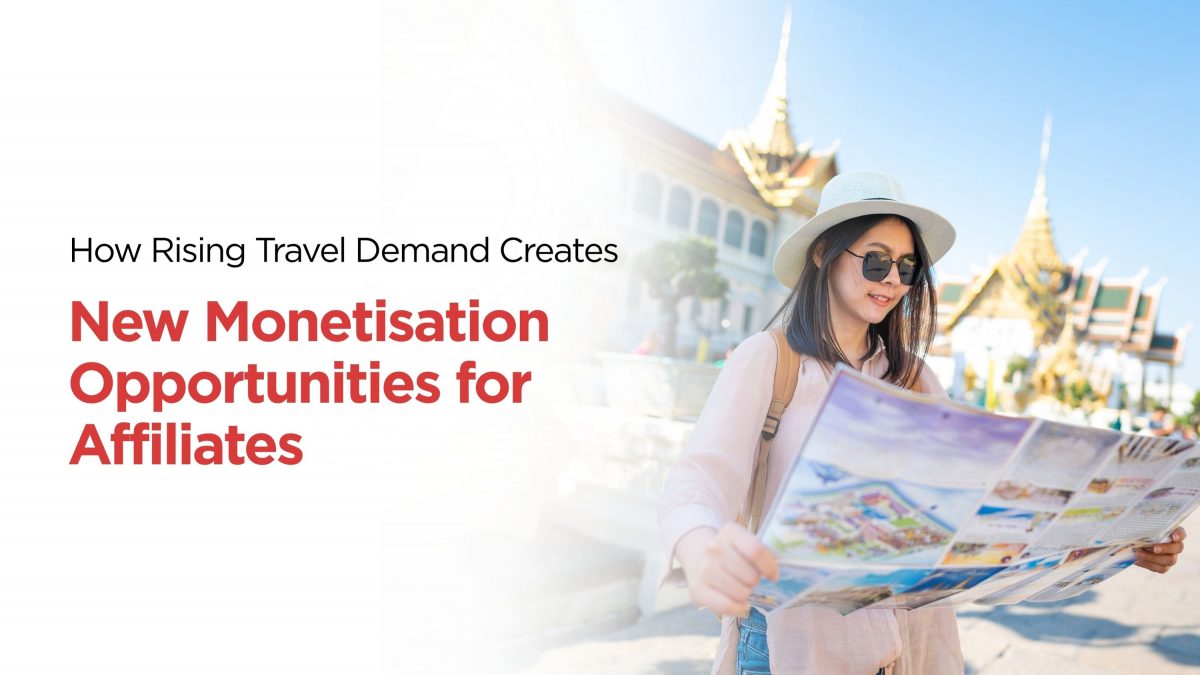
How Rising Travel Demand Creates New Monetisation Opportunities for Affiliates

Every six seconds, someone is booking a trip they have been putting off for years – and your affiliate link could be right there when they do. 

The travel industry has shifted from recovery mode to expansion mode post-pandemic, and affiliates are currently sitting in the middle of the fastest-growing monetisation window that a vertical has seen so far. 

In 2024, international tourism reached 100% of pre-pandemic levels, recording 1.47 billion arrivals globally and a record USD 1.734 trillion in tourism receipts. By 2025, that number climbed further to 1.52 billion, roughly 60 million more than the year before. 

The travel and tourism industry supported 366 million jobs globally and contributed a record $11.6 trillion to the global economy in 2025, according to the World Travel & Tourism Council (WTTC). Additionally, international travel exceeded pre-pandemic norms with 1.5 billion arrivals worldwide.

Flights, hotels, insurance, travel finance, digital nomad services, premium experiences, and creator-led commerce are all seeing an increase in affiliate opportunities due to this demand. More significantly, tourists are increasingly making a wider range of purchases. Mobile booking habits are cutting the time between discovery and conversion, experiences are becoming more important than products, and flexible work is altering travel patterns. 

Adding a flight booking link within a blog is no longer the only option available to affiliates. Multiple stages of the travel journey can be monetised simultaneously by publishers, artists, SEO affiliates, influencers, and performance marketers, thanks to the current travel landscape.

Why Global Travel Demand is Surging Again

The Return of Leisure and International Travel

WTTC data show that international visitor spending surpassed $2 trillion in 2025, making tourism one of the fastest-growing sectors globally. A 2025 survey found that 95% of travellers said they would cut back on food and entertainment rather than reduce their travel budget. That’s not a trend. That’s a reordering of priorities. (Forbes Advisor, Deloitte)

Larger commission opportunities are also being created by the demand for premium travel. Compared with regular bookings, premium flights, boutique hotels, private tours, and cruise experiences have noticeably higher average order values.

Mobile First Booking Behaviour

Mobile devices accounted for 63% of all online travel reservations in 2025. 45% of all travel reservations made worldwide were made over the phone in just the first quarter of 2025. Additionally, booking windows are narrowing; about 40% of trips are now reserved less than a month before departure. (IMARC Group, Morodor Intelligence, Travel Operations, Partners.Skyscanner.Com, Business.YouGov.Net)

Growth in Budget and Luxury Segments

Travellers on a tight budget still use comparison websites to find cheaper airfare and accommodation. Because customers actively search with high booking intent, affiliates who promote comparison-based sites frequently profit.

Larger commission opportunities are also being created by the demand for premium travel. Compared with regular bookings, premium flights, boutique hotels, private tours, and cruise experiences have noticeably higher average order values.

The Evolution of Travel Affiliate Marketing

Travel affiliate marketing has moved far beyond simple booking links to a multi-layered system where every stage of the traveller journey can be monetised. From discovery to post-booking add-ons, affiliates now have more touchpoints, higher intent traffic, and stronger conversion potential than ever before.

From Basic Flight Links to Full Travel Spaces

Simple referral links for hotels or flights used to be a major focus of travel affiliate marketing. Although contemporary affiliate agreements are far more expansive, the approach is still in use. 

Today, a single traveller can generate commissions across:

  • Flights
  • Hotels
  • Airport transfers
  • Insurance
  • Activities
  • Currency cards
  • eSIMs
  • Lounge memberships
  • Visa services

AI and Personalisation in Travel Recommendation

AI-driven travel discovery is changing how users search for trips. Instead of typing generic keywords like “cheap Europe hotels,” users now expect:

  • Personalized itineraries
  • AI travel recommendations
  • Smart budgeting suggestions
  • Activity matching
  • Dynamic destination discovery

This benefits affiliates creating content around highly specific traveller intent. AI-powered recommendation funnels can improve conversion rates by aligning travel offers with user behaviour patterns.

The Rise of Creator-Led Travel Commerce

These days, YouTube and Instagram travel creators provide more than just travel inspiration. Short-form video content that shows a destination, a hotel stay, or a local food experience is associated with measurable booking intent. Travel affiliates make an average of USD 13,847 per month, second only to e-learning, making creators with well-established travel communities among the highest-earning affiliates in the vertical.

Together, Instagram and TikTok account for 62% of social media affiliate channel revenue. Because travel is inherently visual, visual platforms have a huge home-court advantage. (Drews Reviews, Tech Radar, Reuters)

Top Monetisation Opportunities for Travel Affiliates

Travel affiliates today can monetise multiple high-intent touchpoints across the traveller journey, from flights and hotels to experiences and insurance. With rising demand and diversified booking behaviour, each category opens up a distinct, scalable revenue stream.

Hotel and Accommodation Affiliate Programs

The biggest source of income for travel affiliates is still hotels. Commission models range from percentage-of-booking structures, typically 4-8% for standard properties, to flat CPA payouts. Boutique urban hotels, beach resorts, and serviced apartments aimed at remote workers are among the top-performing categories. (Earnify Hub, Affiliate Help Centre)

Platforms like Expedia and Trip.com offer a large inventory ranges that help affiliates target different traveller budgets.

Flight and Transportation Partnerships

Airlines, low-cost carriers, bus and train booking platforms, and car rental services all run affiliate programs with meaningful commission structures. Qatar Airways, an airways campaign live at vCommission, is one of the strongest global flight campaigns for affiliates targeting premium international travellers, offering access to over 40,000 bookable routes with up to 2% commission and a 30-day cookie window. 

Tours, Activities, Experiences Marketplaces

This is one of the fastest-growing segments in travel affiliate marketing. The tours and experiences market is expected to reach $300 billion globally, driven by travellers choosing local experiences over mere sightseeing. 

Klook is a global travel and experiences booking platform that allows users to discover and book attraction tickets, tours, local activities, airport transfers, SIM cards, and travel services in destinations around the world, making trip planning faster and more convenient through a single digital platform.

This campaign is active at vCommission and offers up to 5% commission on bookings across attraction tickets, tours, airport transfers, SIM cards, and local activities worldwide. Pelago is another campaign in vCommission, offering up to 12% commission with a 30-day cookie window. 

Travel Insurance Affiliate Revenue

Travel insurance converts well because it aligns directly with customers’ risk awareness. Insurance becomes easier to cross-sell during: 

  • International flight booking
  • Visa required trips
  • Adventure travels
  • Family vacations

For affiliates, insurance campaigns often generate stronger margins with relatively low acquisition friction. 

Fintech and Travel Credit Card Partnerships

Multi-currency cards, airport lounge access memberships, and travel reward credit cards are among the highest-earning adjacent categories for travel affiliates. Finance and fintech programs commonly pay USD 50–200 per lead, significantly above most travel-booking commissions. The audience overlap between active travellers and interest in travel financial products is almost perfect. (Earnifyhub, Affnext)

Emerging Travel Niches Affiliates Should Target

Sustainable and Eco-Friendly Tourism 

Sustainability is influencing booking decisions more than ever. Eco-hotels, low-emission transport, and ethical tour operators are growing faster than the broader market. 

Wellness and Medical Tourism

Yoga retreats, thermal spas, wellness resorts, and medical travel facilitation are expanding markets with premium price points and strong affiliate commission structures. Asia and Eastern Europe are the primary destination regions for this segment, with India’s wellness tourism market in particular growing rapidly.

Luxury Experience-Based Travel

Concierge travel services, private villa reservations, and premium cruise lines have some of the highest average booking values in the travel industry. With itineraries starting at €1,599 per person, Mein Schiff, a luxury cruise brand offered by TUI Cruises, and this campaign, live with vCommission, offer up to 3.5% commission on bookings. Even a few monthly conversions generate significant revenue.

Best Traffic Sources for Travel Affiliates in 2026

  • Search traffic remains one of the highest-converting channels for travel affiliates. 
  • Travel reviews and destination guides generate long-term evergreen traffic on YouTube. 
  • AI-powered discovery platforms are changing search behaviour, especially for itinerary planning and destination recommendations. 
  • Community-driven platforms continue influencing booking behaviour through reviews, recommendations, and shared experiences. 

Future Trends Shaping Travel Affiliate Monetisation

  • AI itinerary tools will increasingly influence booking decisions. 
  • Voice-based travel discovery is expected to grow along with AI search
  • Recommendation engines will continue improving booking relevance and conversion rates. 
  • Membership-based travel platforms are creating recurring revenue opportunities for affiliates. 

Actionable Tips to Increase Affiliate Revenue in the Travel Industry

  • Focus on niche travel audiences instead of broad travel topics
  • Optimise landing pages and content for mobile conversions
  • Use comparison tables and booking widgets to improve click-through rates
  • Build topical authority through destination clusters and supporting guides
  • Diversify affiliate partnerships across airlines, hotels, activities, and fintech

Conclusion

The desire for travel is no longer steadily rising. It is growing in experience-led travel, AI-driven discovery, mobile reservations, luxury travel, and remote-work lifestyles.

Compared with traditional booking links alone, this opens up far more monetisation opportunities for affiliates. The travel space now spans flights, lodging, activities, insurance, financial products, remote work services, and luxury travel experiences. 

The affiliates who adjust to shifting tourist behaviour the quickest will probably see the best long-term outcomes. Travel affiliate growth increasingly revolves around niche content, creator-led commerce, AI-assisted discovery, and mobile-first optimisation.

Travel affiliate marketing is evolving from a seasonal revenue stream into a long-term, worldwide digital commerce opportunity as tourism continues to break records. 

Start monetising rising global travel demand with high-converting travel campaigns like Qatar Airways, Etihad Airways, Expedia, Trip.com, Klook, and Cleartrip live on vCommission. 

Categories
Affiliate Marketing

How Affiliates Can Leverage Seasonal Travel Trends Globally

The next big travel booking surge is already locked into global travel calendars, and affiliates who prepare early are usually the ones capturing the highest commissions. 

Every year, billions of dollars in travel move in predictable waves. Summer Europe runs, winter ski escapes, cherry blossom season in Japan, last-minute Christmas or New Year getaways – these are not really random spikes. These are generally recurring booking behaviours where travel intent is off the roof, and the right affiliate link in the content can generate months of passive income. 

The global travel market continues to grow exponentially. According to Statista data referenced by vCommission, the global travel and tourism industry is expected to reach $1.11 trillion by 2029. Seasonal demand is one of the biggest reasons behind that growth. 

For affiliates, this creates something valuable: recurring revenue windows that repeat every year. And the affiliates scaling globally through platforms like vCommission already understand one thing clearly: timing converts better than volume.

Shoulder Seasons Are Becoming More Profitable

One of the overlooked opportunities in global travel affiliate marketing right now is shoulder season travel. Earlier, travel affiliates focused on summer and winter holidays, but over time, travel behaviour has changed. According to SiteMinder’s global hotel booking report, 65% of markets noticed less focus on the peak season in 2025.

Another one of SiteMinder’s hotel booking data from 2025 shows the difference between the busiest and the quietest months narrowed globally from 2.91% in 2024 to 2.66% in 2025. 

Aligning Travel Affiliate Content Strategies With Seasonal Booking Trends 

Knowing when people travel is not enough; knowing what content works during specific windows performs better, because the same users behave differently at different stages of planning. 

6-12 weeks before peak season is when the inspiration-led content works better, 

‘Is it worth it? Comparing budget contents – this is during the research phase. People are deciding, researching, looking for better options, but not yet booking. What needs to be done is to make your audience trust the recommendations you provide, so that when they click on the “book” link, the affiliate link is already in their browser history. 

2-6 weeks is when deal-focused content works better. Comparative posts, specific product promotion, and email style content work here. The reader knows where they are going – they only need to book. This is where high-converting flight-booking affiliate programs and hotel-booking affiliate programs can earn the bulk of their commissions. 

0-2 weeks is last-minute territory, and it is much bigger than most affiliates realise. With bookings occurring in the 14 days prior to travel, 53% of online bookers cite speed as their primary reason, according to OysterLink (2026). Typical affiliate content falls short of this window. Posts with a strong sense of urgency, such as “best last-minute deals right now,” connected to sites that focus on late availability, have a remarkably high conversion rate.

High-Paying Travel Campaigns Affiliates Should Look For

Some travel campaigns outperform others during peak season, and cruises are among them. Mein Schiff particularly generates stronger commission during peak season as cruise travellers book premium packages with higher order values. 

Similarly, Volagratis and Trip.com perform well during multi-destination booking periods.

According to vCommission’s travel insurance affiliate analysis, conversion rates during peak booking periods can become three to five times higher than normal baselines.

That kind of seasonal amplification dramatically changes affiliate earnings. Especially when affiliates prepare content early instead of reacting late.Some of the high-paying global travel campaigns that are live on vCommission:

Mein Schiff

Mein Schiff is a premium cruise line operated by TUI Cruises, known for offering luxury-style cruises across Europe, the Mediterranean, the Caribbean, and other international destinations. The brand focuses heavily on all-inclusive cruising, wellness experiences, premium dining, and long-duration leisure travel, making it popular among travellers looking for high-value cruise vacations. 

Campaign Details

  • Vertical: Travel
  • Category: Travel
  • Geo: Multiple Geos
  • Tracking: Realtime
  • Validation Period: Travel Completion + 65 days
  • Cookie Period: 30 days
  • Promotional Channels: Web/M-web
  • Promo Methods: Content, Influencer

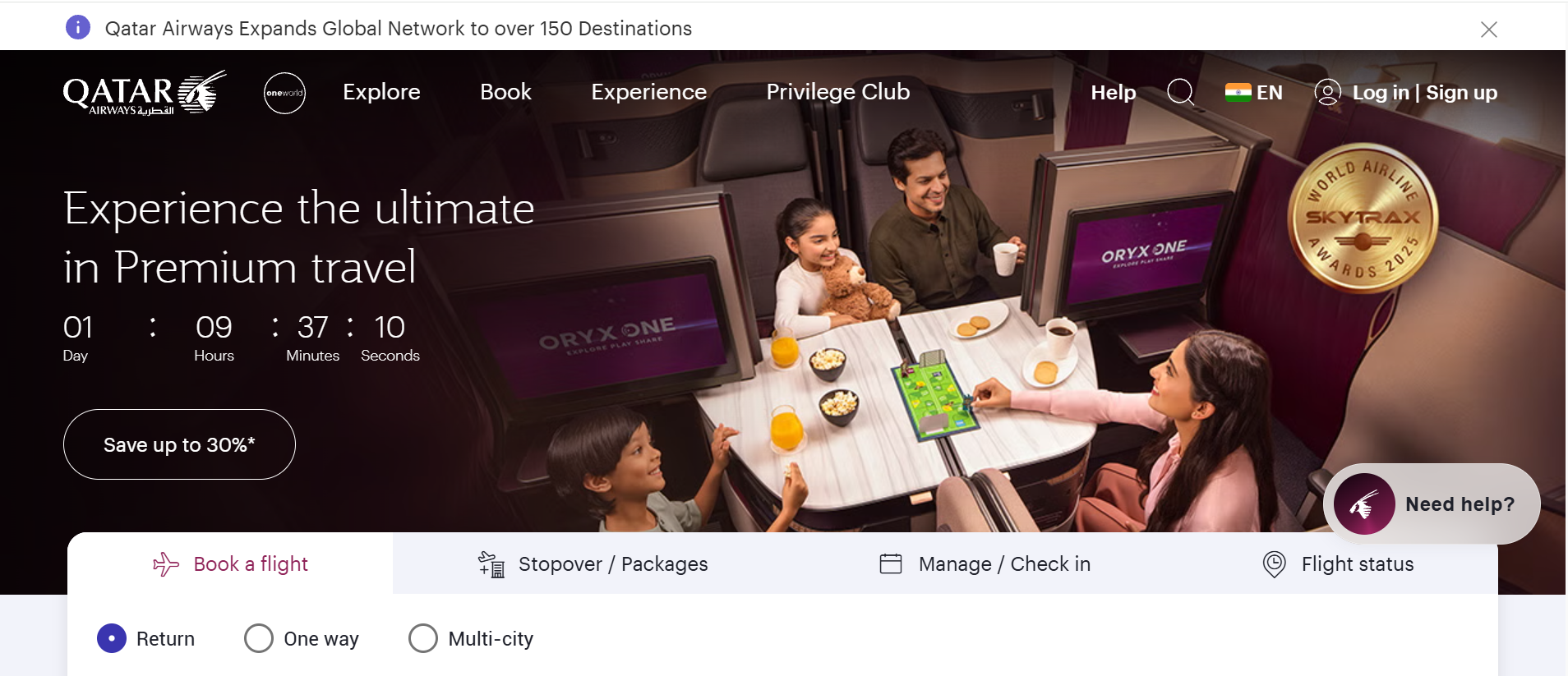
Qatar Airways

One of the world’s leading international airlines, headquartered in Doha, Qatar. Qatar Airways connects travellers to more than 170 destinations globally and is known for premium long-haul travel, luxury business-class services, and extensive international connectivity across Europe, Asia, North America, Africa, and the Middle East. 

Campaign Details

  • Vertical: Travel
  • Category: Travel
  • Geo: Worldwide
  • Tracking: Realtime
  • Validation Period: Travel Completion + 50 days
  • Cookie Period: 30 days
  • Promotional Channels: Web/M-web
  • Promo Methods: Coupon, Cashback, Media Buying (Social), Push, Incent

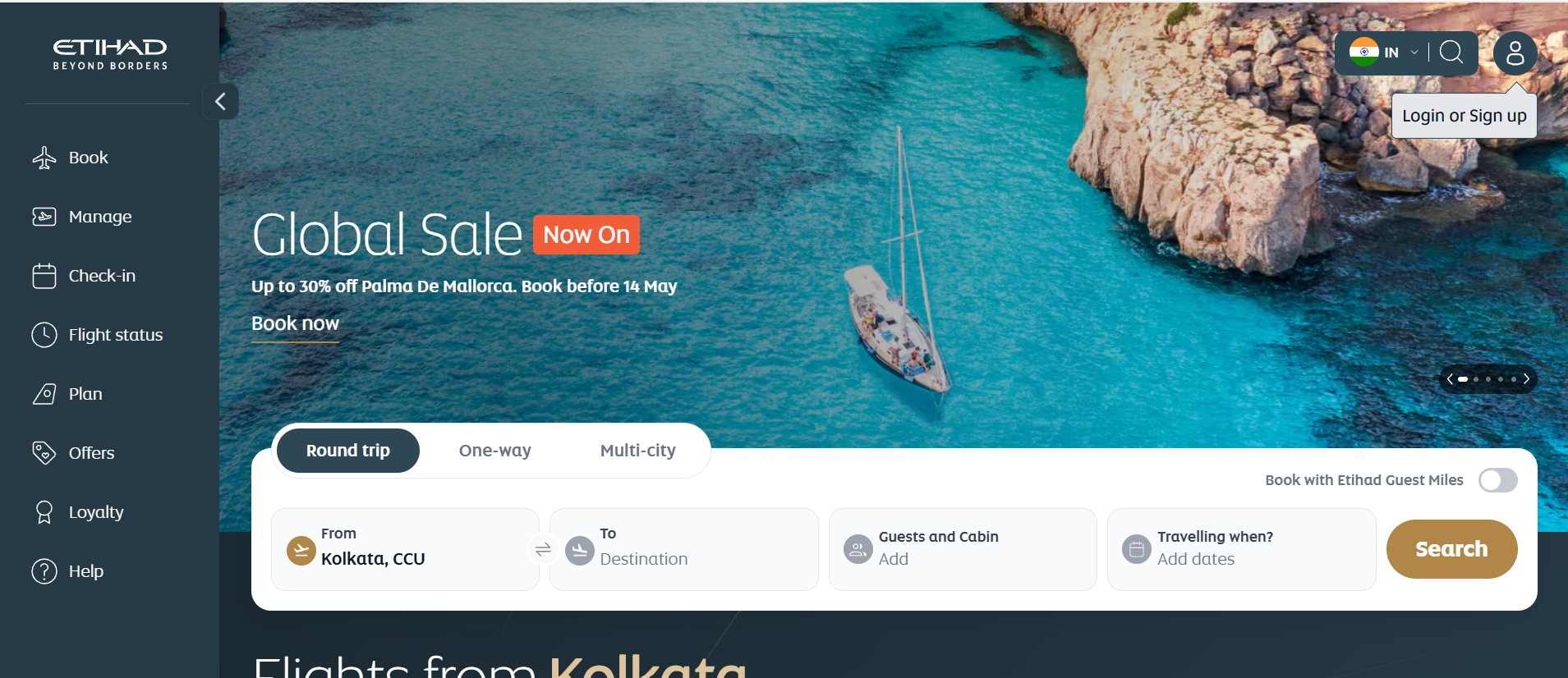
Etihad Airways

Etihad Airways operates global passenger and cargo services and is recognised for premium travel experiences, luxury cabins, international routes, and strong connectivity between the Middle East, Europe, Asia, and North America. 

Campaign Details

  • Vertical: Travel
  • Category: Travel
  • Geo: Multiple Geos
  • Tracking: Realtime
  • Validation Period: Travel Completion + 35 days
  • Cookie Period: 30 days
  • Promotional Channels: Web/M-web
  • Promo Methods: Content, Coupon, Cashback, Media Buying (Display), Incent

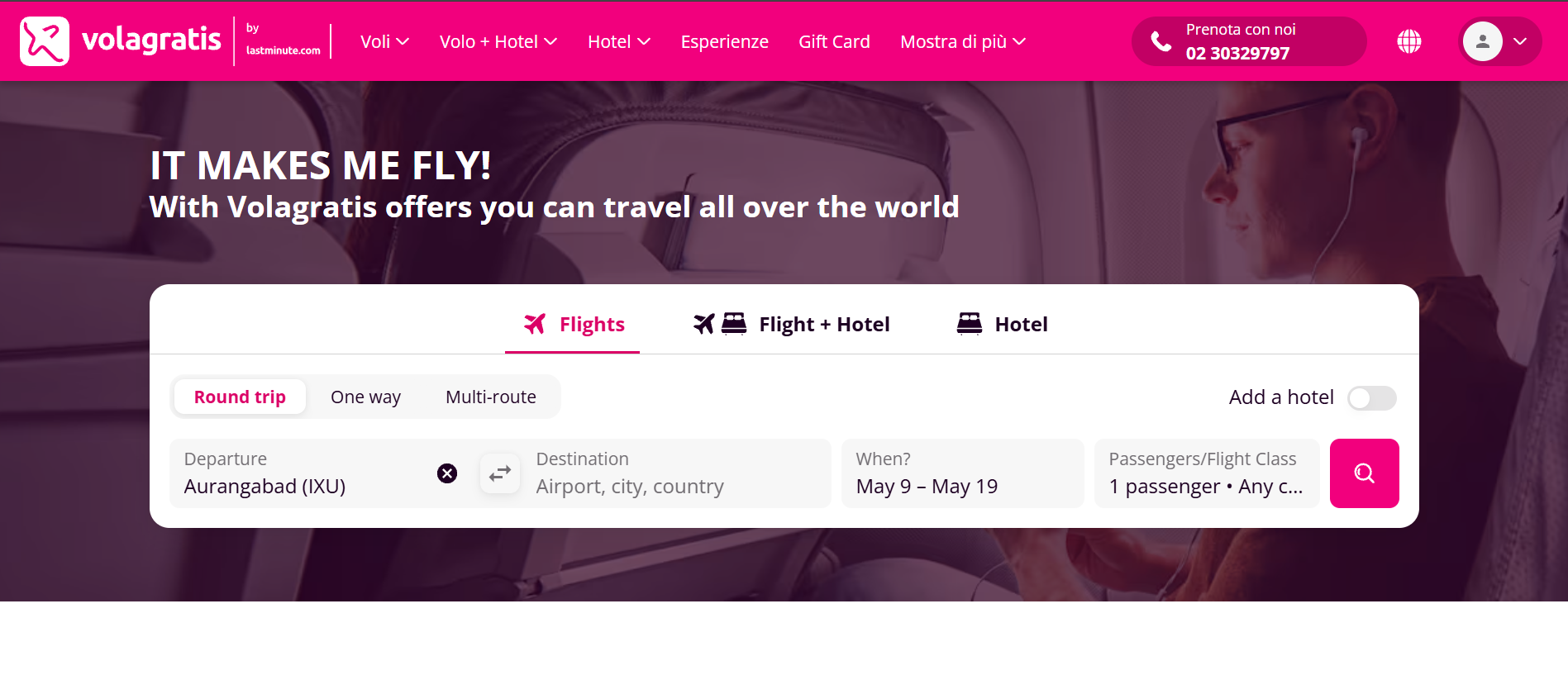
Volagratis 

Volagratis is a Europe-based online travel booking platform that helps users compare and book flights, hotels, holiday packages, and car rentals. It is especially popular for budget-friendly travel deals, dynamic package bookings, and multi-destination European travel planning. 

Campaign Details

  • Vertical: Travel
  • Category: Travel
  • Geo: Worldwide
  • Tracking: Realtime
  • Validation Period: 189 days
  • Cookie Period: 15 days
  • Promotional Channels: Web/M-web
  • Promo Methods: Content, Coupon, Cashback, Mobile App, Email, Telegram, Influencer, Software, Media Buying (Search, Social, Native, Display), Sub Network, Pop, Push, Video, Reseller, Incent

Lastminute.com

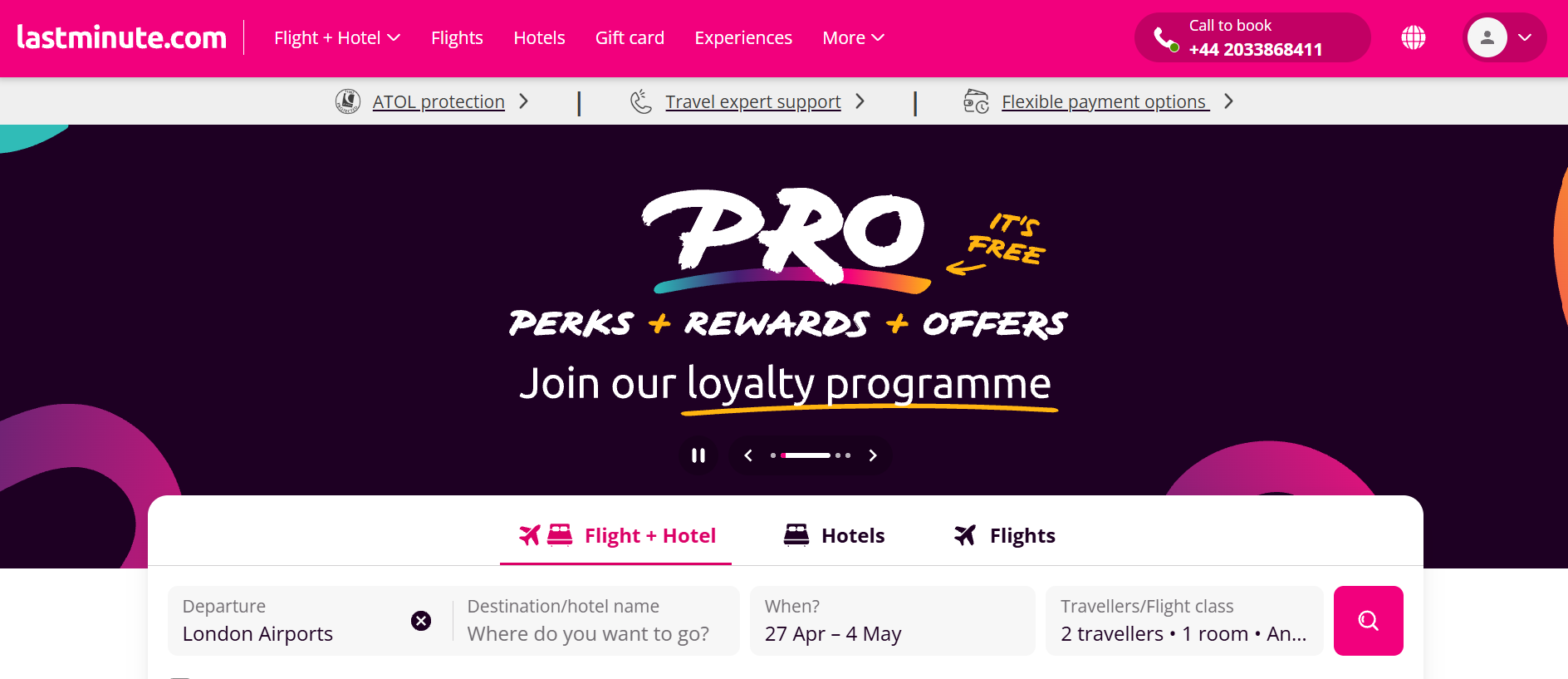
This is a global online travel and leisure booking platform specialising in last-minute holidays, flights, hotels, city breaks, and travel experiences. Lastminute.com is widely used by travellers looking for discounted travel deals, spontaneous vacation bookings, and bundled travel packages across international destinations. 

Campaign Details

  • Vertical: Travel
  • Category: Travel
  • Geo: United Kingdom
  • Tracking: Realtime
  • Validation Period: Travel Completion + 35 days
  • Cookie Period: 15 days
  • Promotional Channels: Web/M-web
  • Promo Methods: Content, Coupon, Cashback, Mobile App, Email, Telegram, Influencer, Software, Media Buying [Search (only generic), Social, Native, Display], Sub Network, Pop, Push, Video, Reseller, Incent

The Role of Mobile Travel Booking During Seasonal Campaigns

One thing that has changed over time is how mobile content performs during peak seasons. In 2026, 68% of travel searches happened on mobile devices. (Perk, 2026) And over 70% of all travel bookings were made online, while 63% were made on mobile. (Trappe/Perk)

Mobile behaviour is more impulsive and last-minute, thus this is important. A 3,000-word blog article won’t be read by someone who is looking through their phone at 10 p.m. and choosing where to spend a long weekend. They require material that loads quickly, a single, obvious call to action, and a smooth booking process on the other end of the link. Even with less traffic, affiliates that optimise their seasonal content for mobile trip booking, short-form, high-intent, quick-loading landing pages with deep links, will outperform those who don’t.

Conclusion

The number of searches is already increasing. Reservations are already being made. Once those choices are made, the only concern is whether your content and affiliate links are in the appropriate locations.

The foundation of a long-term travel affiliate marketing strategy is seasonal travel trends. There is a pre-season content window for each peak season. Every rise in last-minute reservations has a deal-content opportunity. APAC in Q1, LATAM in Q2, EMEA in Q3, and the Gulf in Q4 are all examples of regional travel surges that are ready-made audiences just waiting to be catered to.

The affiliates with the largest audiences are not always the ones who succeed in this market. They are the ones who realise that, on any given day of the year, the appropriate campaign, timing, and intent are more valuable than sheer traffic numbers. 

Join vCommission and start promoting high-converting global travel brands such as Qatar Airways, Etihad Airways, Mein Schiff, Volagratis, and lastminute.com to convert seasonal travel demand into consistent affiliate earnings. 

FAQ

1. What are the best travel affiliate programs for seasonal travel campaigns?

Platforms like Agoda, Expedia, Trip.com, and Qatar Airways are among the best-performing travel affiliate programs during peak travel seasons.

2. How can affiliates use seasonal travel trends to increase conversions?

Affiliates can boost conversions by publishing destination-focused content before seasonal peak booking demand.

3. Which travel niches generate the highest affiliate commissions?

Luxury travel, cruises, international flights, and hotel bookings usually generate the highest travel affiliate payouts.

4. What are the best SEO keywords for travel affiliate marketing?

Keywords like travel affiliate marketing, travel booking platforms, and holiday travel deals drive strong organic traffic.

5. Why is travel affiliate marketing growing globally?

Rising online bookings, mobile travel searches, and global tourism demand are accelerating growth in travel affiliate marketing worldwide.

Categories
Affiliate Marketing

Why Subscription-Based Travel Platforms Deliver Higher Affiliate Revenue

A traveller who books once brings traffic. But a traveller who often comes back is an affiliate asset. 

That difference is somehow changing how smart affiliates approach travel campaigns in 2026. The old model of chasing one-time bookings through coupon deals websites or last-minute booking pages is slowly losing its ground to something far more profitable: retention-driven or subscription-based 

Today’s strongest travel affiliate programs are not just selling flight tickets or hotel rooms; they are building habits. 

Users stay in these brands because they get:

  • member-only pricing
  • cashback rewards
  • loyalty points
  • faster checkouts
  • saved traveler details
  • app-exclusive discounts
  • bundled travel experiences

And when users keep returning to the same platforms, affiliates continue to benefit from the same booking behaviour, stronger conversion rates, and higher long-term travel affiliate commission potential. 

This is exactly why subscription-based and loyalty-focused travel platforms are becoming some of the highest-paying travel affiliate programs in the market right now. 

The shift is visible across the industry. According to Expedia Group research, 77% of travellers are likely to book multiple parts of a trip on the same platform instead of switching between apps and websites. (Partners Expedia Group)

That is important because every extra booking within the same platform increases affiliate monetisation opportunities. 

Travel affiliate marketing is no longer only about getting the click. It is about promoting platforms that users do not want to leave. 

Why Subscription & Loyalty-Based Travel Platforms Perform Better

Once a traveller downloads an app, stores payment details, collects rewards points, and begins receiving personalised offers, the friction around future bookings drops, and this is where affiliate revenue starts compounding. 

Platforms built around loyalty networks naturally create stronger user retention because travellers already feel invested in staying inside the platform. They are not starting from zero every time they book. Instead of comparing ten websites again, they simply reopen the same app. This changes affiliate performance in several ways.

First, booking hesitancy decreases on trusted platforms. Purchases for travel are emotional purchases. People are spending money on expensive overseas travel, family vacations, and business travel. It feels safer to use familiar platforms.

Second, loyalty programs generate a sense of urgency without resorting to aggressive marketing. Unused cashback or reward credits encourage a traveller to make another reservation.

Third, platforms that prioritise apps increase the frequency of engagement. Users stay engaged even when they are not immediately planning a vacation, thanks to push notifications, member-only campaigns, seasonal deals, and travel sales. 

Because repeat visitors convert more effectively than cold traffic, affiliates benefit from this recurring engagement.

This pattern is already supported by industry statistics. Three out of five members of loyalty programs take points and incentives into account when choosing where and when to travel, according to a Morning Consult study.

According to another study, returning travellers often spend 67% more than new ones. 

Sources: Hotel Dive, Resources Rework

For affiliates, this directly impacts:

  • EPC performance
  • conversion rates
  • average booking value
  • seasonal campaign performance
  • long-term affiliate payout stability

That is why the top travel affiliate programs today increasingly revolve around networks instead of isolated bookings.

How Affiliates Benefit From Repeat Booking Behaviour 

One completed booking is useful. A traveller is far more valuable if they book hotels three times a year, attend festivals, reserve airport transportation, improve their stays, and take advantage of app-only deals. Travel systems that rely on subscriptions promote precisely this kind of behaviour.

Users who participate in rewards systems tend to:

  • save payment methods
  • maintain app logins
  • browse offers frequently
  • redeem credits quickly
  • respond faster to flash sales
  • trust the platform more over time

All of this reduces the time between intent and conversion. Affiliates notice the difference immediately.

Rarely do repeat customers act like first-time purchasers. They don’t spend hours investigating the site’s legitimacy. The interface is already familiar to them. They are already familiar with the reward system. They already anticipate advantages from making another reservation. 

The impact becomes even stronger during:

  • holiday travel periods
  • long weekends
  • festive travel spikes
  • business travel cycles
  • repeat domestic routes
  • seasonal hotel bookings

Compared to generic booking engines, platforms with robust loyalty systems take advantage of these opportunities more quickly. Customer lifetime value is another crucial component in this situation.

Travel agencies are becoming more concerned about repeat business than a single reservation. Recurring customers are typically more profitable over time and are less expensive to maintain. (Resources Rework, Financial Models Lab)

This results in stronger monetisation windows throughout the year rather than erratic spikes for affiliates who promote these sites. 

High-Converting Travel Campaigns Affiliates Can Scale for Repeat Revenue 

Many high-converting travel campaigns that are already live at vCommission already operate around retention-focused networks rather than simple one-time bookings.

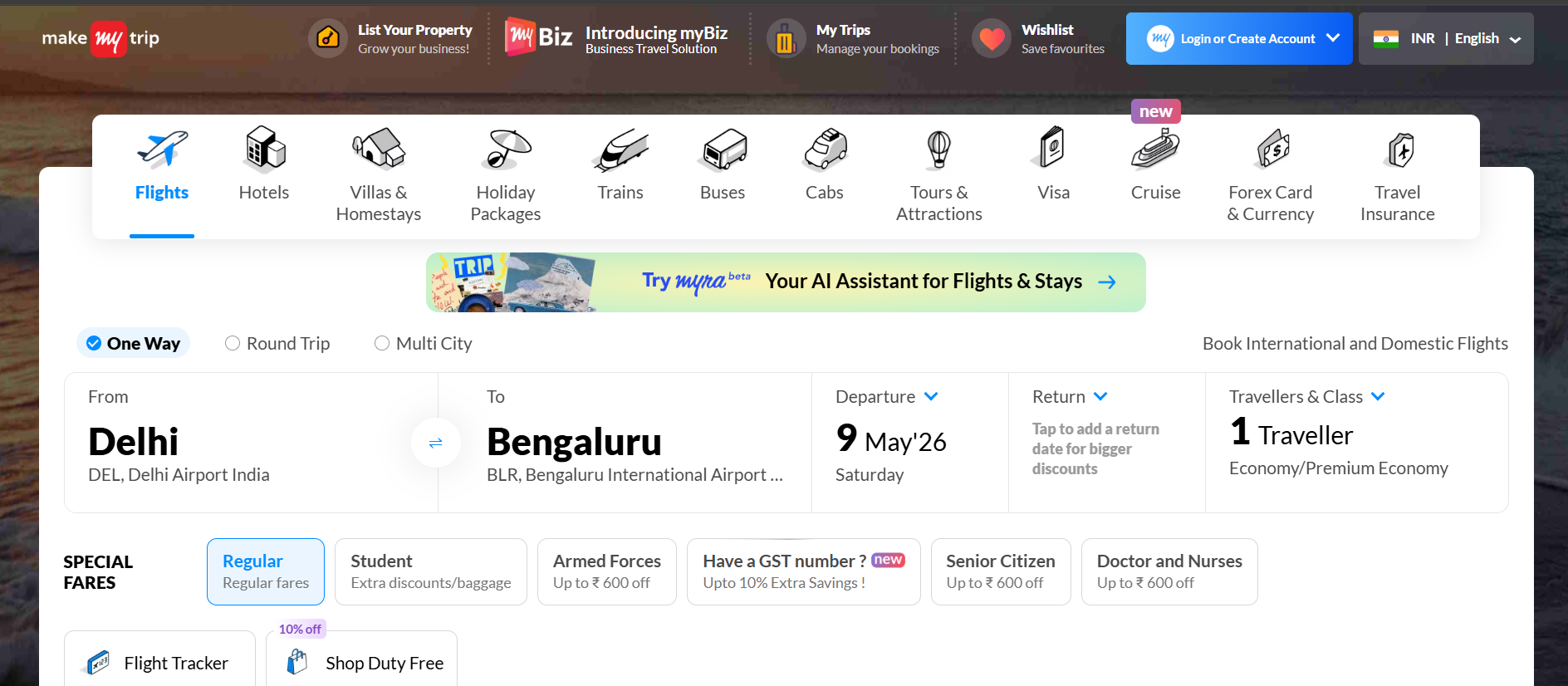
MakeMyTrip

MakeMyTrip performs strongly because it functions like a full travel platform instead of just a booking site. 

Users return repeatedly for:

  • domestic flights
  • hotel bookings
  • holiday packages
  • train tickets
  • business travel
  • festival travel planning

Its app-first approach keeps engagement levels consistently high. Travellers often remain inside the platform because of wallet integrations, discounts, and recurring app-only campaigns.

For affiliates, this creates multiple promotional angles instead of relying on a single booking category.

Content around:

  • flight deals
  • summer vacations
  • long weekend escapes
  • family holiday packages
  • budget hotels

Works particularly well because users already recognise and trust the platform. That trust lowers abandonment rates and improves conversion consistency.

Campaign Details

  • Vertical: Travel
  • Category: Travel
  • Geo: Worldwide
  • Tracking: Realtime
  • Validation Period: 30 days
  • Cookie Period: 1 day
  • Promotional Channels: web/m-web
  • Promo Methods: Content, Coupon, Cashback, Telegram, Media Buying (Display), Sub Network, Push, Video, Incent

GoIbibo

Goibibo’s strength stems from user behaviour that is motivated by rewards. Because every reservation feels linked to future savings, its goCash entices travellers to keep coming back. User psychology is altered by that. Users are starting to ask, “How can I use my rewards here?” rather than “Where should I book?”

For affiliates, this cannot be overlooked because reward-oriented audiences respond extremely well to urgency campaigns, app installs, cashback promotions, and seasonal hotel offers.

Additionally, Goibibo does well with mobile-first users, a trend that is becoming increasingly significant. Over 50% of OTA reservations are now made via mobile devices. With mobile bookings continuing to dominate travel purchases, affiliates promoting high-converting travel deals through vCommission benefit from faster user decisions, stronger app engagement, and better repeat conversion opportunities. 

Campaign Details

  • Vertical: Travel
  • Category: Travel
  • Geo: Worldwide
  • Tracking: Offline (48 hours)
  • Validation Period: 30 days
  • Cookie Period: 1 day
  • Promotional Channels: Web/M-web
  • Promo Methods: Content, Coupon, Cashback, Telegram, Media Buying (Display), Sub Network, Video, Incent

Booking.com

For affiliates focusing on international travel and hotel-related content, Booking.com continues to be one of the top travel affiliate programs. 

Its Genius rewards help retain users through:

  • member discounts
  • personalised pricing
  • free upgrades
  • flexible stay options

Booking.com’s massive review system boosts user confidence because hotel booking decisions frequently rely on trust and reviews. 

Users searching for accommodation tend to revisit platforms they already trust, especially for international trips.

This repeated behavior improves long-tail affiliate revenue opportunities significantly

Campaign Details

  • Vertical: Travel
  • Category: Travel
  • Geo: Worldwide
  • Tracking: Offline (48 hours)
  • Validation Period: 60 days
  • Cookie Period: 24 hours
  • Promotional Channels: Web/M-web
  • Promo Methods: Content, Coupon, Cashback, Mobile App, SMS, Telegram, Influencer, Media Buying (Social, Native, Display), Sub Network, Push, Video, Reseller, Incent, Smartlink

Expedia

Expedia works differently because bundled bookings increase total cart value. Instead of earning from only a flight or only a hotel booking, affiliates can monetise:

  • flights + hotels
  • activities + stays
  • vacation bundles
  • premium experiences
  • travel packages

Expedia’s own research found that travellers increasingly prefer booking multiple trip elements through a single network. (Partners Expedia Group)

For affiliates, higher cart values usually translate into stronger travel affiliate payout potential. 

Campaign Details

  • Vertical: Travel
  • Category: Travel
  • Geo: India
  • Tracking: Realtime
  • Validation Period: 125 days
  • Cookie Period: 7 days
  • Promotional Channels: Web/M-web
  • Promo Methods: Content, Coupon, Cashback, Influencer, Incent

Why Subscription-Based Offers Convert Faster for Affiliates 

Conversion is not the only benefit of subscription-based travel platforms. Behavioural conditioning is what it is. Users gradually stop acting like one-time customers once they start receiving rewards, upholding status tiers, or unlocking member prices. In affiliate marketing, that default behaviour is quite beneficial.

84% of leisure travellers actively maximise loyalty programs and incentives when making travel plans, according to Phocuswright research. Members of loyalty programs are rapidly driving recurring income and repeat bookings across hotel ecosystems, according to another industry survey. 

Subscription systems also create natural retention loops:

  • reward expiration reminders
  • exclusive member sales
  • app notifications
  • seasonal bonuses
  • loyalty milestones
  • cashback redemption campaigns

Affiliates have additional conversion opportunities at each of these touchpoints. Because of this, travel affiliate networks that prioritise retention routinely outperform campaigns that rely on one-time traffic spikes. Because repeat customers typically convert more quickly and make more confident purchases, the economics get stronger over time. In essence, affiliates who promote platforms with integrated loyalty platforms are profiting from the development of habits. 

Content Strategies To Use To Promote Travel Offers Effectively

Travel affiliate content gains the most traction when it mirrors customer intent rather than sounding overly promotional. The strongest-performing content succeeds because it solves practical problems while naturally integrating travel affiliate programs. 

Some formats working particularly well right now include:

  • “Best travel apps with rewards programs”
  • “Travel platforms offering cashback on hotel bookings”
  • “Best apps for frequent travellers”
  • “Member-only hotel discount platforms”
  • “Travel booking apps worth downloading before summer trips”
  • “Best platforms for repeat hotel bookings”

These formats succeed because they naturally incorporate loyalty platforms. Instead of pushing random booking links, affiliates are positioning the platform as an ongoing travel utility; this creates stronger engagement and better long-term monetisation. 

Destination-specific SEO content also performs well when combined with loyalty or subscription-focused travel campaigns.

For example:

  • “Best hotels in Dubai with member discounts”
  • “Apps offering flight cashback for Thailand trips”
  • “Best booking platforms for Europe backpacking”

Conclusion

Travel affiliate marketing is about to enter the retention phase. These days, the sites with the most affiliate revenue aren’t always the ones with the biggest discounts. These are the ones building repeating behaviour. Travellers are becoming regular platform users rather than infrequent ones because of membership, cashback, reward programs, app engagement, and personalised offers. This development alters affiliate economics.

The difference is particularly noticeable during festival promotions, seasonal travel spikes, and increases in mobile bookings, where returning customers convert far more quickly than new ones. With platforms built for ongoing engagement, affiliates can create durable travel revenue streams rather than chasing erratic one-time transactions. 

Loyalty-driven bookings and repeat app usage are key drivers of performance across affiliate networks like vCommission. With real-time tracking, optimised travel offers, quicker payouts, and dedicated campaign support that enhances long-term monetisation potential, vCommission helps affiliates scale these campaigns. Affiliates using retention-focused ads on this network are well-positioned to increase repeat conversions throughout the year as more travellers shift to app-based memberships, cashback incentives, and member-only pricing.

Start promoting high-converting travel campaigns like MakeMyTrip, Goibibo, Booking.com, and Expedia with vCommission and turn repeat bookings into long-term affiliate revenue. 

FAQs

1. Why do subscription-based travel platforms generate higher affiliate revenue?

Subscription and loyalty-based travel platforms encourage repeat bookings through rewards, cashback, member pricing, and app engagement. This increases customer retention and creates more recurring conversion opportunities for affiliates.

2. What are some of the best travel affiliate programs with loyalty-driven platforms?

Platforms like MakeMyTrip, Goibibo, Booking.com, and Expedia are among the top travel affiliate programs because they combine repeat user engagement with strong booking intent and seasonal travel demand. 

3. How do repeat bookings help travel affiliates earn more?

Repeat users usually convert faster, spend more per booking, and return during seasonal travel periods. This improves affiliate metrics like EPC, conversion rates, and overall travel affiliate payout potential.

4. What type of content works best for promoting travel affiliate campaigns?

Content formats like “best travel apps with rewards,” “hotel booking apps with cashback,” destination guides, seasonal travel deals, and member-only discount blogs tend to perform well for travel affiliate marketing.

5. How does vCommission help affiliates scale travel campaigns?

vCommission gives affiliates access to high-converting travel campaigns, real-time tracking, optimised offers, faster payouts, and dedicated support for scaling repeat booking campaigns effectively.


Categories
Affiliate Marketing

Yatra Affiliate Program: Campaign Details & Best Traffic Sources

India’s online travel market is already worth billions, and it’s still growing fast. According to IMARC Group, the Indian online travel market reached USD 55.7 billion in 2025 and is expected to touch USD 126 billion by 2034. At the same time, mobile bookings now account for over 65% of travel bookings in India, showing how quickly users are moving toward instant, app-first travel decisions  (IMARC Group, Mordor Intelligence)

Travel demand itself is also becoming more aggressive. A Google-Kantar report revealed that 88% of Indians are actively interested in travel, while 68% rely on YouTube and digital content for travel inspiration before booking. Add to that the rise in domestic travel searches during festive seasons and weekend travel culture, and it becomes clear why OTAs are seeing constant booking activity throughout the year. (The Times of India)

That’s exactly where the Yatra Affiliate Program becomes interesting for affiliates. Instead of trying to create demand, you’re stepping into a market where users are already searching for flights, comparing hotel prices, and planning trips in real time.

Here’s a breakdown of everything you need to know: what Yatra is, who should be promoting it, and which traffic sources are actually going to work for you.

About Yatra

The Yatra Affiliate Program is based on the simple fact that people rarely spend much time idly perusing travel websites. In a short time, they compare, decide, and make a reservation.

One of India’s top online travel agencies, Yatra Online Ltd., was established in 2006 and is a significant force in both leisure and business travel. Bookings for domestic flights, lodging, buses, railroads, and vacation packages are all supported. With a large hotel inventory throughout India and a solid base of corporate clients, it has become the go-to option for many returning tourists. 

This makes the Yatra Affiliate Program valuable for affiliates because the audience is often already deep into the booking journey and familiar with the platform. Instead of building trust from scratch, affiliates simply need to present the offer to users when booking intent is already high. 

That is exactly why the Yatra campaign live on vCommission performs better with high-intent traffic rather than broad awareness traffic. Users clicking on flight deals, hotel comparisons, or last-minute travel content are already close to booking, which gives affiliates a stronger chance of driving validated conversions through the vCommission tracking flow. 

Campaign Details

  • Vertical: Travel
  • Category: Travel
  • Geo: India 
  • Tracking: Offline (72 hours)
  • Validation Period: 30 days
  • Cookie Period: 1 day
  • Promotional Channels: Web/M-web
  • Promo Methods: Content, Coupon, Cashback, Mobile App, Email, Telegram, Influencer, Software, Media Buying (Native, Display), Pop, Push, Video, Incent

Best Traffic Sources for the Yatra Affiliate Program 

The strongest conversions in this campaign come from users who already know where they want to travel. That means your traffic strategy should focus on intent rather than inspiration. 

  • Your most dependable long-term strategy is definitely content marketing. Content such as “cheapest flights from Delhi to Mumbai,” “best budget hotels in Goa,” or “how to book train tickets + hotel combos” attracts search traffic with a specific purpose. Conversion rates for this type of content are typically high, indicating that these readers are already in research mode. 
  • If you segment your list based on travel or bargains, email will work. Clicks can increase quickly when a broadcast airs just before a long weekend, a school holiday, or a festival season (Diwali, Holi, summer break). Just make sure your links are up to date because the 1-day cookie makes timing crucial. 
  • Telegram is permitted and, to be honest, underutilised in travel-related affiliate marketing. Yatra is a perfect fit if you manage a discount channel, a travel advice group, or even a well-planned weekend getaway channel. Send out a flight fare alert or a fantastic hotel offer, and let your subscribers take care of the rest.
  • Both push and pop traffic are permitted. For high-volume operators, these are most effective. Targeting is crucial; geo and interest-segmented travel push campaigns perform far better than broad ones. Travel intent is higher in tier 1 and tier 2 Indian cities, and people stay there.
  • Native advertising is allowed. If you’re directing visitors to a pre-sell landing page instead of having them cold-click on the Yatra website, platforms like Taboola or comparable native networks may be useful.
  • Additionally, display advertising is used; placing banners on travel-related material might gradually increase volume.
  • Influencer marketing initiatives are most effective when they are connected to authentic travel content, such as a hotel review, a trip vlog, or a post like “planned my entire trip using Yatra.” Audiences can distinguish a sincere recommendation from a forced plug.

Who Should Promote the Yatra Affiliate Campaign 

Not every affiliate campaign is for everyone. This one makes the most sense for: 

  • Travel content creators: If you run a blog, YouTube channel, or Instagram page around travel, this is a natural fit. Your audience is already in the mindset to book. You’re not convincing anyone of anything new. 
  • Coupon and cashback sites: Both are explicitly allowed here. If you’ve built a platform around deals, Yatra’s domestic bookings are a strong addition to your stack. 
  • Email marketers: Email is allowed, and travel is one of those niches where a well-timed deal in the inbox actually converts. A “weekend getaway under ₹5000” email to the right list can do well.
  • Influencers:  Allowed. If you’ve got an engaged following that trusts your recommendations, this is worth testing, especially around long weekends and holiday seasons.
  • Incent traffic operators: Incentivised traffic is allowed, so if you work with reward platforms or GPT sites, this campaign is open to you.
  • Native and display media buyers:  If you run paid traffic on native or display networks, Yatra is one of the cleaner options in travel right now.

Conclusion

Because it operates within a high-intent travel environment, the campaign performs best when traffic is driven by urgency rather than curiosity. The Yatra Affiliate Program functions. Instead of discovering travel at random, people deliberately plan, compare, and make reservations. This makes timing more crucial and lessens the need for persuasion.

The campaign becomes much simpler to scale if you comprehend the 1-day cookie window, validation procedures, and the intent-driven nature of traffic. It favours timing over volume and relevance over reach.

This is more than just another travel offer for affiliates who can reliably target customers at the choice stage; it becomes a steady, recurring revenue stream driven by regular travel behaviour. 

Join vCommission today and start promoting high-converting travel campaigns like Yatra to turn active booking intent into consistent affiliate earnings. 

Categories
Affiliate Marketing

Top Mobile App Travel Campaigns with High Conversions & Payouts

Travel bookings now happen in the middle of commutes, late-night scrolling sessions, and quick app notifications, with users choosing mobile apps because they make booking flights, hotels, and experiences faster, easier, and more convenient than ever before.

And nowadays, most people are booking last-minute flights. 

This is what mobile affiliate marketing looks like in 2026 – people open a travel app the way they open a food delivery app – with a clear intent. And that’s what changes everything about how affiliates should think about this vertical. 

The global travel market has crossed $7 billion in 2025 and is on track to hit $1.4 trillion by 2035. More specifically, the global travel affiliate marketing market was valued at USD 6.2 billion in 2024 and is expected to grow at a compound annual growth rate (CAGR) of 9.1% from 2025 to 2033, reaching an estimated USD 13.9 billion. That’s not background noise; rather, it’s a global shift in how people book, plan, and spend their travels, and it’s taking place directly on the gadget in their pocket. 

Additionally, users of travel apps frequently act urgently, in contrast to congested sectors where customers spend days comparing products. They seek the quickest path from purpose to confirmation. Mobile app travel campaigns are currently having a harder time converting because of this urgency. 

Why Travel Campaigns Are Highly Converting

Not every brand campaign converts well. Most affiliates make the mistake of choosing the bigger brands, but what actually matters is the booking structure. 

Travel affiliates typically receive $35 per reservation, and this amount increases significantly when the reservation includes a package rather than a single service. For this reason, single-service ads consistently underperform all-in-one platforms. A user session that ends with a single flight ticket is far less valuable than one that captures a flight, hotel, transfer, and insurance add-on. 

Affiliates’ earnings-per-click are significantly higher when the destination platform can capture wallet share across the entire travel path, and advertisers receive an average 12:1 return on ad expenditure from customers recommended by affiliates. 

The duration of cookies is another issue. Booking cycles for leisure travellers might range from 45 to 90 days. When choosing which travel programs to prioritise ahead of a busy season, affiliates should take cookie duration into account just as much as commission rate. Often, a high commission with a seven-day window is less valuable than a moderate commission with a sixty-day window. (Causal Funnel, 2025)

Top-Performing Mobile Travel Campaigns

The strongest affiliate campaigns are not just limited to airline booking now. The category expanded to a full functional mobile network. 

Flight Booking Apps

Because urgency drives action more quickly in the flight industry than in nearly every other travel sector, flight apps remain the most popular. When fare reductions, route availability, or seasonal pricing occur, users respond right away. 

Campaigns connected to airlines and OTAs perform particularly well during:

  • Holiday periods
  • Flash sales
  • Visa-free travel trends
  • Long weekends
  • Student travel seasons

Because customers already trust the booking experience, affiliates who promote these campaigns through content, destination pages, travel comparison blogs, and deal-focused traffic frequently see more engagement. 

Hotel & Accommodation Apps Continue to Scale Fast 

Travellers are now comparing hotels directly on mobile devices rather than through traditional travel portals, leading to a significant increase in lodging app conversions. 

Platforms that simplify:

  • Instant bookings
  • Flexible cancellations
  • Mobile-only deals
  • Reward programs
  • Localized recommendations

tend to retain users longer and increase booking frequency. 

This matters for affiliates because shorter consideration cycles generally improve conversion windows. A user searching for a hotel tonight behaves very differently from someone casually browsing products online. The intent is immediate.

The High-Performing Mobile Travel Campaigns That Actually Pay 

Below are some of the top mobile travel brands you’ve likely heard of or even used yourself. With vCommission, you can promote these brands across your inventory and earn competitive commissions from a high-intent, conversion-ready audience.

MakeMyTrip

MakeMyTrip is one of India’s largest online travel platforms, offering flights, hotels, holiday packages, buses, trains, and cab bookings through its app and website. The platform performs strongly in affiliate marketing due to its high brand recall, frequent discounts, and a massive mobile-first user base that regularly books both domestic and international travel.

Campaign Details

  • Vertical: Travel
  • Category: Travel
  • Geo: Worldwide
  • Tracking: Offline (24hours)
  • Validation Period: 30 days
  • Cookie Period: 1 day
  • Promotional Channels: web/m-web
  • Promo Methods: Content, Coupon, Cashback, Telegram, Media Buying (Display), Sub Network, Push, Video, Incent

Agoda

For travel enthusiasts chasing everything from budget backpacking trips to luxury international stays, Agoda has become a go-to booking app for finding competitive hotel deals across Asia, Europe, and other global destinations. Its strong focus on mobile-friendly booking, last-minute offers, and flexible accommodation options makes it especially appealing for affiliates targeting frequent travellers who compare prices quickly and book directly through apps.

Campaign Details

  • Vertical: Travel
  • Category: Travel
  • Geo: Multiple Geos
  • Tracking: Realtime
  • Validation Period: 120 days
  • Cookie Period: 1 day
  • Promotional Channels: web/m-web
  • Promo Methods: Content, Cashback, Mobile App, Incent

LastMinute.com

Lastminute.com focuses heavily on spontaneous and last-minute travel bookings, including flights, hotels, holiday packages, and city breaks. The platform appeals to users searching for quick travel deals and discounted travel bundles, which often leads to strong conversion rates from urgency-driven mobile traffic. 

Campaign Details

  • Vertical: Travel
  • Category: Travel
  • Geo: United Kingdom
  • Tracking: Realtime
  • Validation Period: Travel Completion + 35 days
  • Cookie Period: 15 days
  • Promotional Channels: Web/Mweb
  • Promo Methods: Content, Coupon, Cashback, Mobile App, Email, SMS, Telegram, Influencer, Software, Media Buying (Search, Social, Native, Display), Sub Network, Pop, Push, Video, Reseller, Incent

MeinSchiff

For travellers looking beyond regular hotel vacations, MeinSchiff offers premium all-inclusive cruise experiences across destinations like the Mediterranean, Northern Europe, and the Caribbean. Operated by TUI Cruises, the brand appeals to luxury-focused travellers who prefer longer, experience-driven holidays, making it a strong affiliate campaign for audiences interested in high-value travel bookings and premium vacation packages. 

Campaign Details

  • Vertical: Travel
  • Category: Travel
  • Geo: Multiple Geos
  • Tracking: Realtime
  • Validation Period: Travel Completion + 65 days
  • Cookie Period: 30 days
  • Promotional Channels: Web/M-web
  • Promo Methods: Content, Influencer

ITA Airways

ITA Airways is Italy’s national airline, offering domestic and international flight routes across Europe, the Middle East, Asia, and North America. The airline is known for its strong European connectivity and premium travel services, making it a valuable campaign for affiliates targeting international flight bookings and European travel traffic. 

Campaign Details

  • Vertical: Travel
  • Category: Travel
  • Geo: United States
  • Tracking: Realtime
  • Validation Period: Travel Completion + 131 days
  • Cookie Period: 30 days
  • Promotional Channels: Web/M-web
  • Promo Methods: Coupon, Cashback, Incent

High-Impact Promotional Channels For Affiliates

Most travel affiliate blogs tell you to “create content,” but mobile travel conversions are not coming from random destination articles anymore. What’s actually working is content built around active booking intent, such as last-minute flight deals, hotel comparison pages, visa-free destination guides, airport hacks, travel app discounts, and real-time travel offers that users can act on instantly on their phones. 

  • Push notifications are disproportionately effective for last-minute and deal-driven campaigns. The CTR benchmarks for travel apps are nearly double the average of other app categories.
  • Native ads and in-app placements consistently outperform banner formats for travel because they match the browsing context users are already in.
  • Coupon and cashback traffic converts well on platforms like MakeMyTrip because users are already in comparison mode, and a discount tips them into booking.
  • Influencer and Telegram traffic have become a strong acquisition channel for Indian travel campaigns in particular, where group-based deal sharing drives significant volume.
  • Content traffic performs best on international campaigns like Agoda and Last Minute, where destination-based content can intercept users early in their planning phase. 

Travel insurance conversions almost never happen in isolation; they occur when someone makes the initial reservation. Affiliates that work with all aspects of the booking funnel see compounding profits rather than isolated spikes. The same logic applies across all travel campaign types: stacking complementary offers within a single traffic source multiplies your effective payout per user. 

Mobile travel campaigns are one of the few affiliate categories where users already arrive with a clear purpose, whether it is booking a flight, finding a hotel deal, planning a vacation, or grabbing a last-minute travel offer, which is exactly why these campaigns tend to convert much faster than passive browsing categories. There is the ability to spend. The average order value of mobile travel purchases has increased by 29% since 2020, demonstrating that mobile is now used for both premium and low-cost reservations. 

The most successful affiliates in this market at the moment may not have the most advanced campaigns. They are selecting the appropriate platforms and directing traffic to them, such as those with a robust mobile user experience, high booking values, and transparent payout structures. MakeMyTrip for domestic use in India. Last-minute for seasonal windows driven by urgency. 

Let the booking intent take care of the rest; just pick your lane and match your traffic. 

Start monetising high-intent travel traffic with top-converting campaigns from MakeMyTrip, Agoda, Lastminute.com, MeinSchiff, and ITA Airways, all live on vCommission. Join now and scale your travel affiliate earnings with high payouts and mobile-first conversions.