

 Black Friday Deals 2026: How to Promote High Ticket Items to Affluent Shoppers
 Halloween Haul: Scale Your Earnings with the POP MART Affiliate Program
 AliExpress 11.11 Sale 2026: How Affiliates Can Capture Global Shopping Demand
 Best Electronics Campaigns to Test Before Scaling for BFCM
 BFCM Tech Deals: Scale Your Revenue with High Paying Saas Campaigns
Travel bookings now happen in the middle of commutes, late-night scrolling sessions, and quick app notifications, with users choosing mobile apps because they make booking flights, hotels, and experiences faster, easier, and more convenient than ever before.
And nowadays, most people are booking last-minute flights.
This is what mobile affiliate marketing looks like in 2026 – people open a travel app the way they open a food delivery app – with a clear intent. And that’s what changes everything about how affiliates should think about this vertical.
The global travel market has crossed $7 billion in 2025 and is on track to hit $1.4 trillion by 2035. More specifically, the global travel affiliate marketing market was valued at USD 6.2 billion in 2024 and is expected to grow at a compound annual growth rate (CAGR) of 9.1% from 2025 to 2033, reaching an estimated USD 13.9 billion. That’s not background noise; rather, it’s a global shift in how people book, plan, and spend their travels, and it’s taking place directly on the gadget in their pocket.
Additionally, users of travel apps frequently act urgently, in contrast to congested sectors where customers spend days comparing products. They seek the quickest path from purpose to confirmation. Mobile app travel campaigns are currently having a harder time converting because of this urgency.
Not every brand campaign converts well. Most affiliates make the mistake of choosing the bigger brands, but what actually matters is the booking structure.
Travel affiliates typically receive $35 per reservation, and this amount increases significantly when the reservation includes a package rather than a single service. For this reason, single-service ads consistently underperform all-in-one platforms. A user session that ends with a single flight ticket is far less valuable than one that captures a flight, hotel, transfer, and insurance add-on.
Affiliates’ earnings-per-click are significantly higher when the destination platform can capture wallet share across the entire travel path, and advertisers receive an average 12:1 return on ad expenditure from customers recommended by affiliates.
The duration of cookies is another issue. Booking cycles for leisure travellers might range from 45 to 90 days. When choosing which travel programs to prioritise ahead of a busy season, affiliates should take cookie duration into account just as much as commission rate. Often, a high commission with a seven-day window is less valuable than a moderate commission with a sixty-day window. (Causal Funnel, 2025)
The strongest affiliate campaigns are not just limited to airline booking now. The category expanded to a full functional mobile network.
Because urgency drives action more quickly in the flight industry than in nearly every other travel sector, flight apps remain the most popular. When fare reductions, route availability, or seasonal pricing occur, users respond right away.
Campaigns connected to airlines and OTAs perform particularly well during:
Because customers already trust the booking experience, affiliates who promote these campaigns through content, destination pages, travel comparison blogs, and deal-focused traffic frequently see more engagement.
Travellers are now comparing hotels directly on mobile devices rather than through traditional travel portals, leading to a significant increase in lodging app conversions.
Platforms that simplify:
tend to retain users longer and increase booking frequency.
This matters for affiliates because shorter consideration cycles generally improve conversion windows. A user searching for a hotel tonight behaves very differently from someone casually browsing products online. The intent is immediate.
Below are some of the top mobile travel brands you’ve likely heard of or even used yourself. With vCommission, you can promote these brands across your inventory and earn competitive commissions from a high-intent, conversion-ready audience.
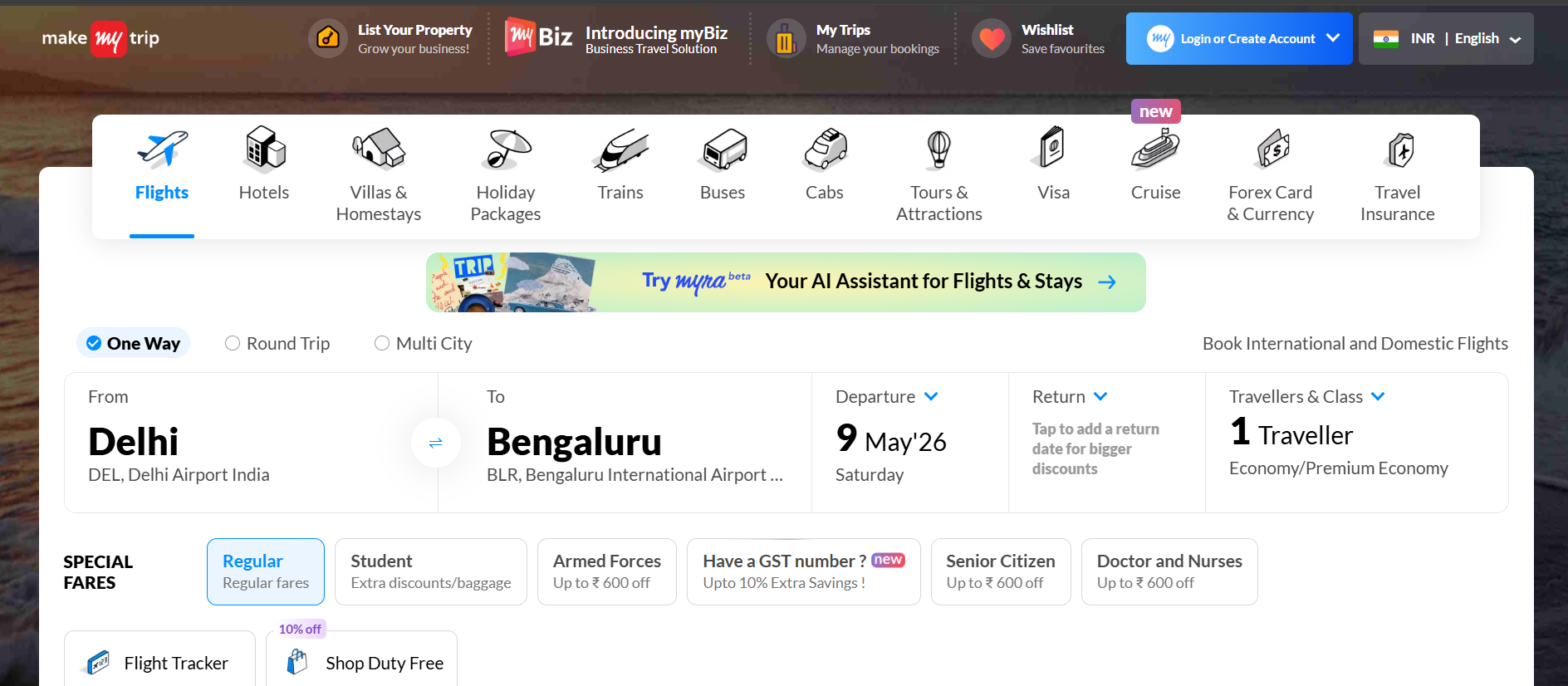
MakeMyTrip is one of India’s largest online travel platforms, offering flights, hotels, holiday packages, buses, trains, and cab bookings through its app and website. The platform performs strongly in affiliate marketing due to its high brand recall, frequent discounts, and a massive mobile-first user base that regularly books both domestic and international travel.
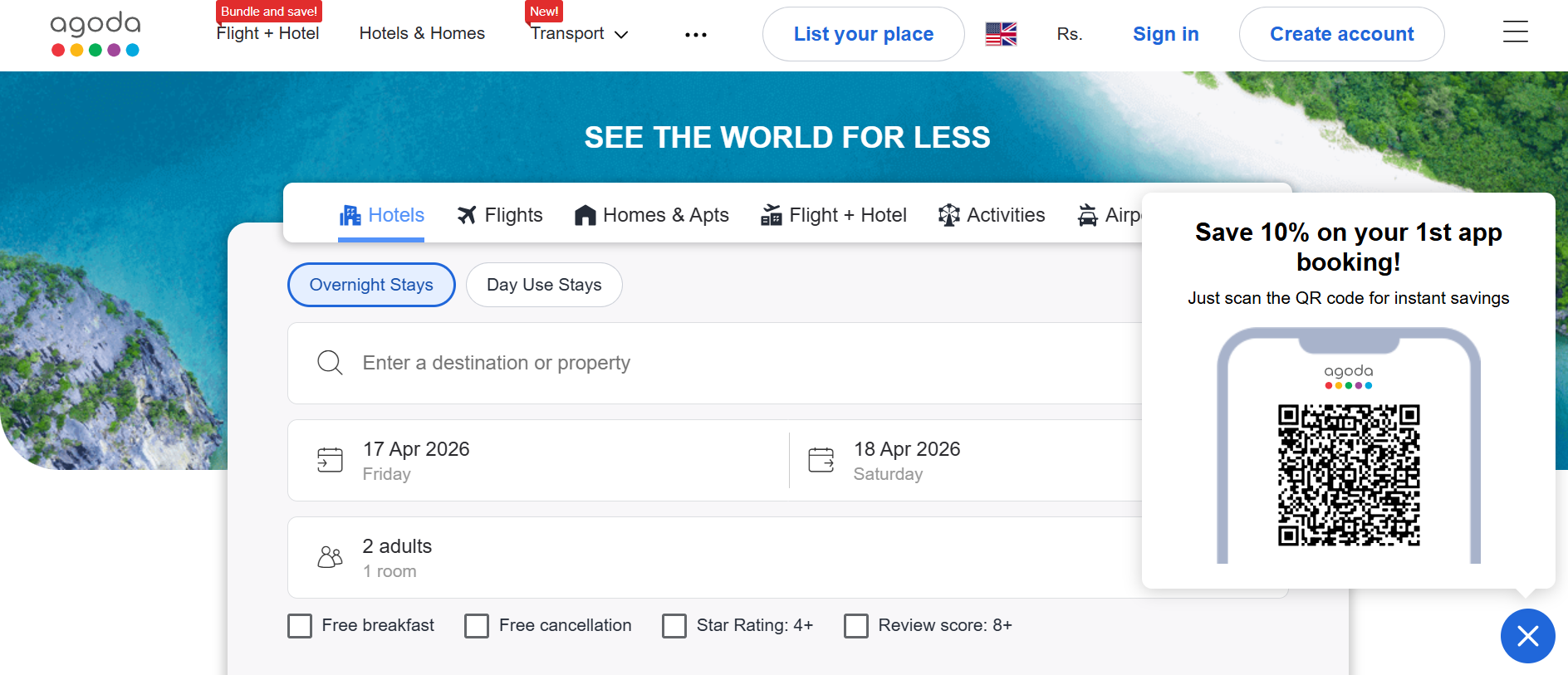
For travel enthusiasts chasing everything from budget backpacking trips to luxury international stays, Agoda has become a go-to booking app for finding competitive hotel deals across Asia, Europe, and other global destinations. Its strong focus on mobile-friendly booking, last-minute offers, and flexible accommodation options makes it especially appealing for affiliates targeting frequent travellers who compare prices quickly and book directly through apps.
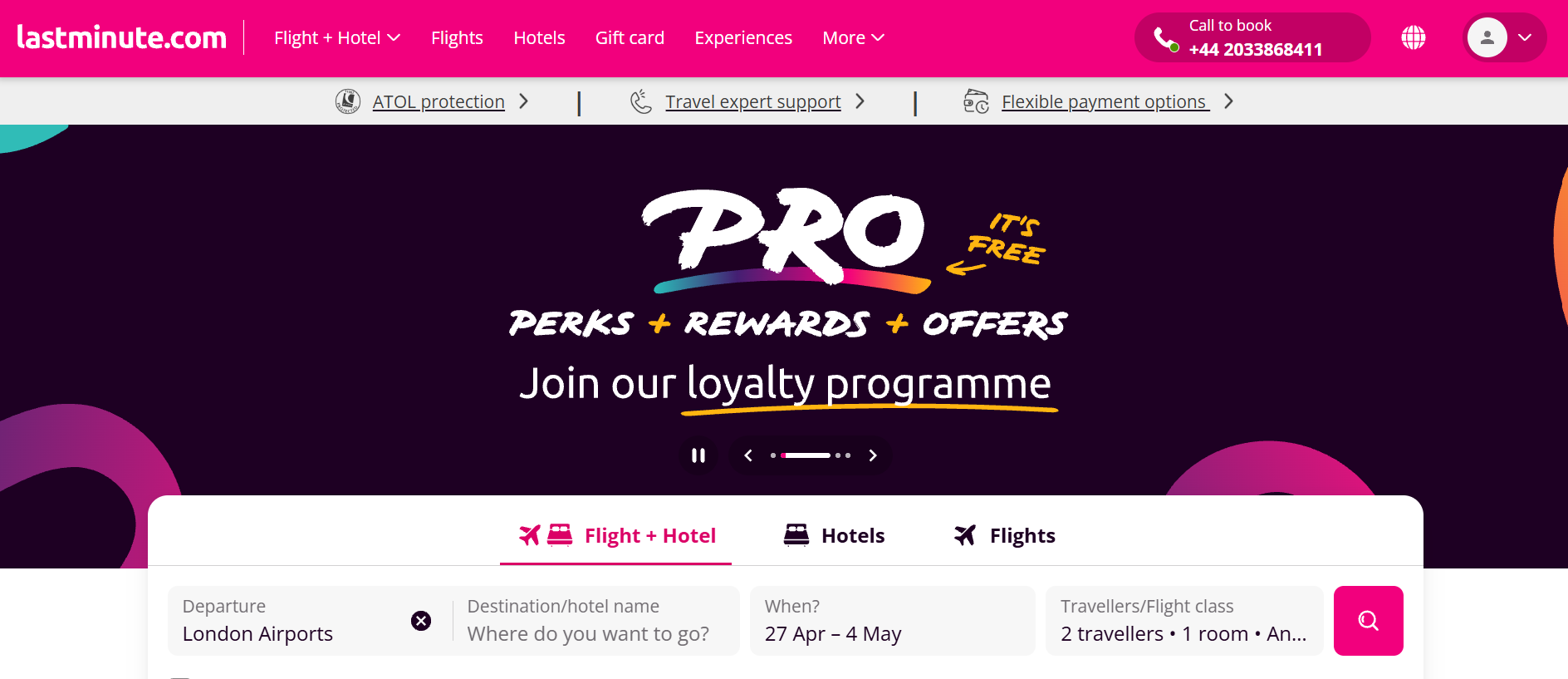
Lastminute.com focuses heavily on spontaneous and last-minute travel bookings, including flights, hotels, holiday packages, and city breaks. The platform appeals to users searching for quick travel deals and discounted travel bundles, which often leads to strong conversion rates from urgency-driven mobile traffic.
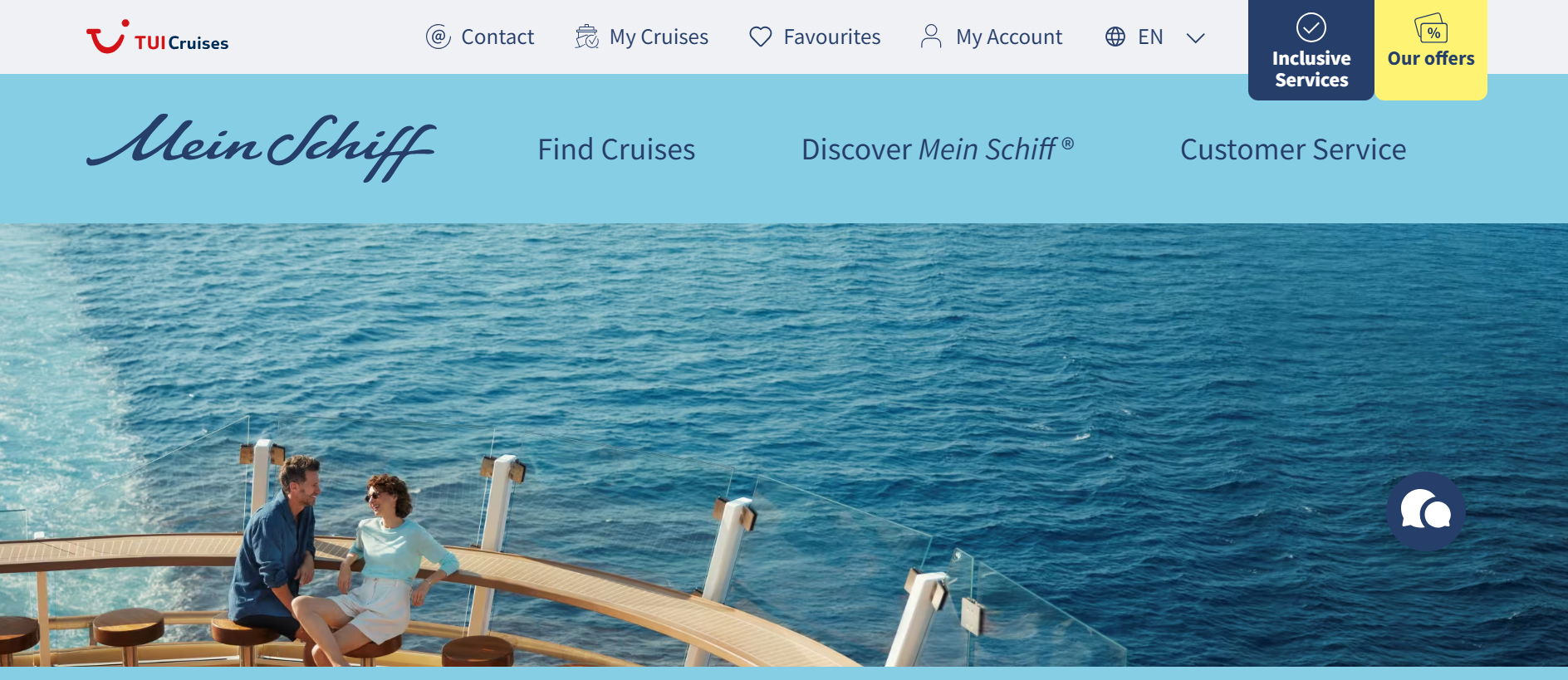
For travellers looking beyond regular hotel vacations, MeinSchiff offers premium all-inclusive cruise experiences across destinations like the Mediterranean, Northern Europe, and the Caribbean. Operated by TUI Cruises, the brand appeals to luxury-focused travellers who prefer longer, experience-driven holidays, making it a strong affiliate campaign for audiences interested in high-value travel bookings and premium vacation packages.
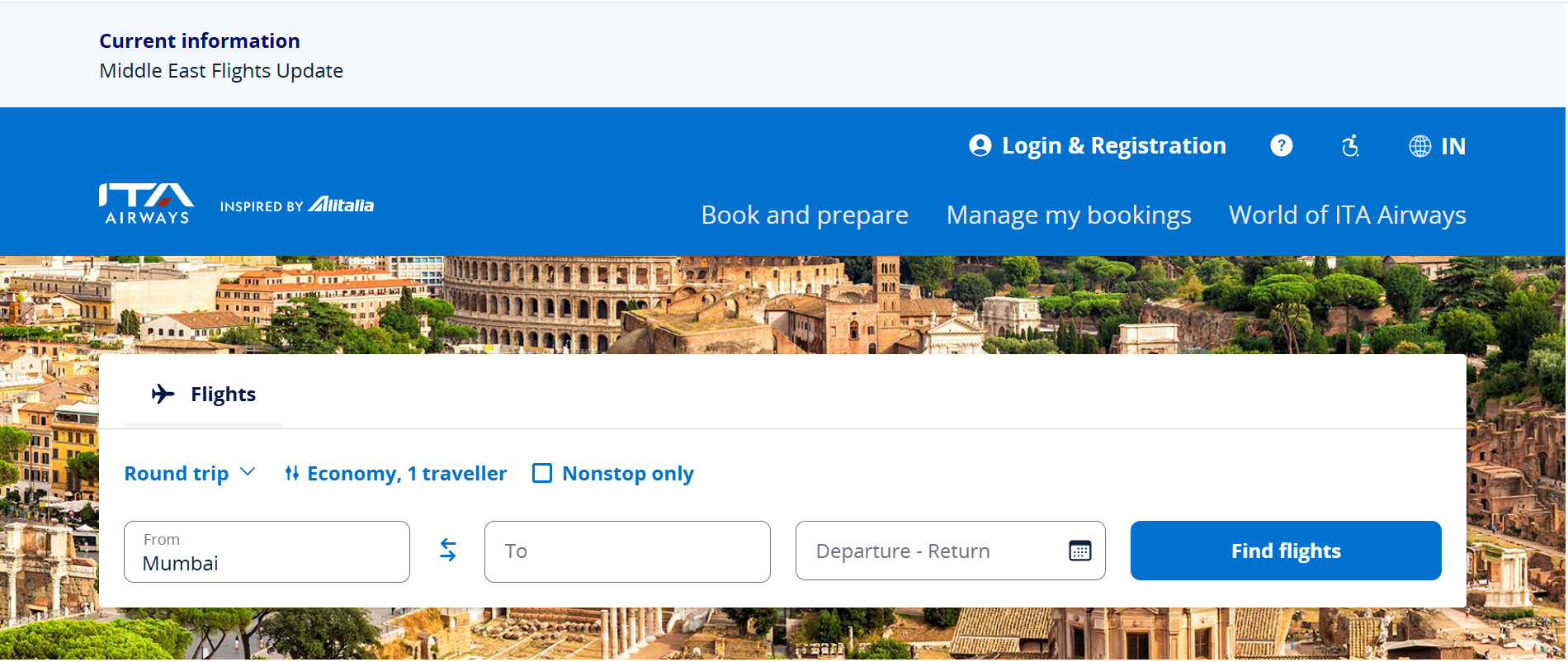
ITA Airways is Italy’s national airline, offering domestic and international flight routes across Europe, the Middle East, Asia, and North America. The airline is known for its strong European connectivity and premium travel services, making it a valuable campaign for affiliates targeting international flight bookings and European travel traffic.
Most travel affiliate blogs tell you to “create content,” but mobile travel conversions are not coming from random destination articles anymore. What’s actually working is content built around active booking intent, such as last-minute flight deals, hotel comparison pages, visa-free destination guides, airport hacks, travel app discounts, and real-time travel offers that users can act on instantly on their phones.
Travel insurance conversions almost never happen in isolation; they occur when someone makes the initial reservation. Affiliates that work with all aspects of the booking funnel see compounding profits rather than isolated spikes. The same logic applies across all travel campaign types: stacking complementary offers within a single traffic source multiplies your effective payout per user.
Mobile travel campaigns are one of the few affiliate categories where users already arrive with a clear purpose, whether it is booking a flight, finding a hotel deal, planning a vacation, or grabbing a last-minute travel offer, which is exactly why these campaigns tend to convert much faster than passive browsing categories. There is the ability to spend. The average order value of mobile travel purchases has increased by 29% since 2020, demonstrating that mobile is now used for both premium and low-cost reservations.
The most successful affiliates in this market at the moment may not have the most advanced campaigns. They are selecting the appropriate platforms and directing traffic to them, such as those with a robust mobile user experience, high booking values, and transparent payout structures. MakeMyTrip for domestic use in India. Last-minute for seasonal windows driven by urgency.
Let the booking intent take care of the rest; just pick your lane and match your traffic.
Start monetising high-intent travel traffic with top-converting campaigns from MakeMyTrip, Agoda, Lastminute.com, MeinSchiff, and ITA Airways, all live on vCommission. Join now and scale your travel affiliate earnings with high payouts and mobile-first conversions.