

 BFCM Tech Deals: Scale Your Revenue with High Paying Saas Campaigns
 From US to India: Taking Your Nutra & Ecom Campaigns Into a New Market – Webinar Highlights
 11.11 Travel Deals: How to Promote Flight & Hotel Discounts to Singles Day Shoppers
 Lifelong Affiliate Program: Promote Smart Home & Kitchen Deals This Diwali
 BFCM Affiliate Marketing Strategy: How to Choose the Right Global Campaigns
The next big travel booking surge is already locked into global travel calendars, and affiliates who prepare early are usually the ones capturing the highest commissions.
Every year, billions of dollars in travel move in predictable waves. Summer Europe runs, winter ski escapes, cherry blossom season in Japan, last-minute Christmas or New Year getaways – these are not really random spikes. These are generally recurring booking behaviours where travel intent is off the roof, and the right affiliate link in the content can generate months of passive income.
The global travel market continues to grow exponentially. According to Statista data referenced by vCommission, the global travel and tourism industry is expected to reach $1.11 trillion by 2029. Seasonal demand is one of the biggest reasons behind that growth.
For affiliates, this creates something valuable: recurring revenue windows that repeat every year. And the affiliates scaling globally through platforms like vCommission already understand one thing clearly: timing converts better than volume.
One of the overlooked opportunities in global travel affiliate marketing right now is shoulder season travel. Earlier, travel affiliates focused on summer and winter holidays, but over time, travel behaviour has changed. According to SiteMinder’s global hotel booking report, 65% of markets noticed less focus on the peak season in 2025.
Another one of SiteMinder’s hotel booking data from 2025 shows the difference between the busiest and the quietest months narrowed globally from 2.91% in 2024 to 2.66% in 2025.
Knowing when people travel is not enough; knowing what content works during specific windows performs better, because the same users behave differently at different stages of planning.
6-12 weeks before peak season is when the inspiration-led content works better,
‘Is it worth it? Comparing budget contents – this is during the research phase. People are deciding, researching, looking for better options, but not yet booking. What needs to be done is to make your audience trust the recommendations you provide, so that when they click on the “book” link, the affiliate link is already in their browser history.
2-6 weeks is when deal-focused content works better. Comparative posts, specific product promotion, and email style content work here. The reader knows where they are going – they only need to book. This is where high-converting flight-booking affiliate programs and hotel-booking affiliate programs can earn the bulk of their commissions.
0-2 weeks is last-minute territory, and it is much bigger than most affiliates realise. With bookings occurring in the 14 days prior to travel, 53% of online bookers cite speed as their primary reason, according to OysterLink (2026). Typical affiliate content falls short of this window. Posts with a strong sense of urgency, such as “best last-minute deals right now,” connected to sites that focus on late availability, have a remarkably high conversion rate.
Some travel campaigns outperform others during peak season, and cruises are among them. Mein Schiff particularly generates stronger commission during peak season as cruise travellers book premium packages with higher order values.
Similarly, Volagratis and Trip.com perform well during multi-destination booking periods.
According to vCommission’s travel insurance affiliate analysis, conversion rates during peak booking periods can become three to five times higher than normal baselines.
That kind of seasonal amplification dramatically changes affiliate earnings. Especially when affiliates prepare content early instead of reacting late.Some of the high-paying global travel campaigns that are live on vCommission:
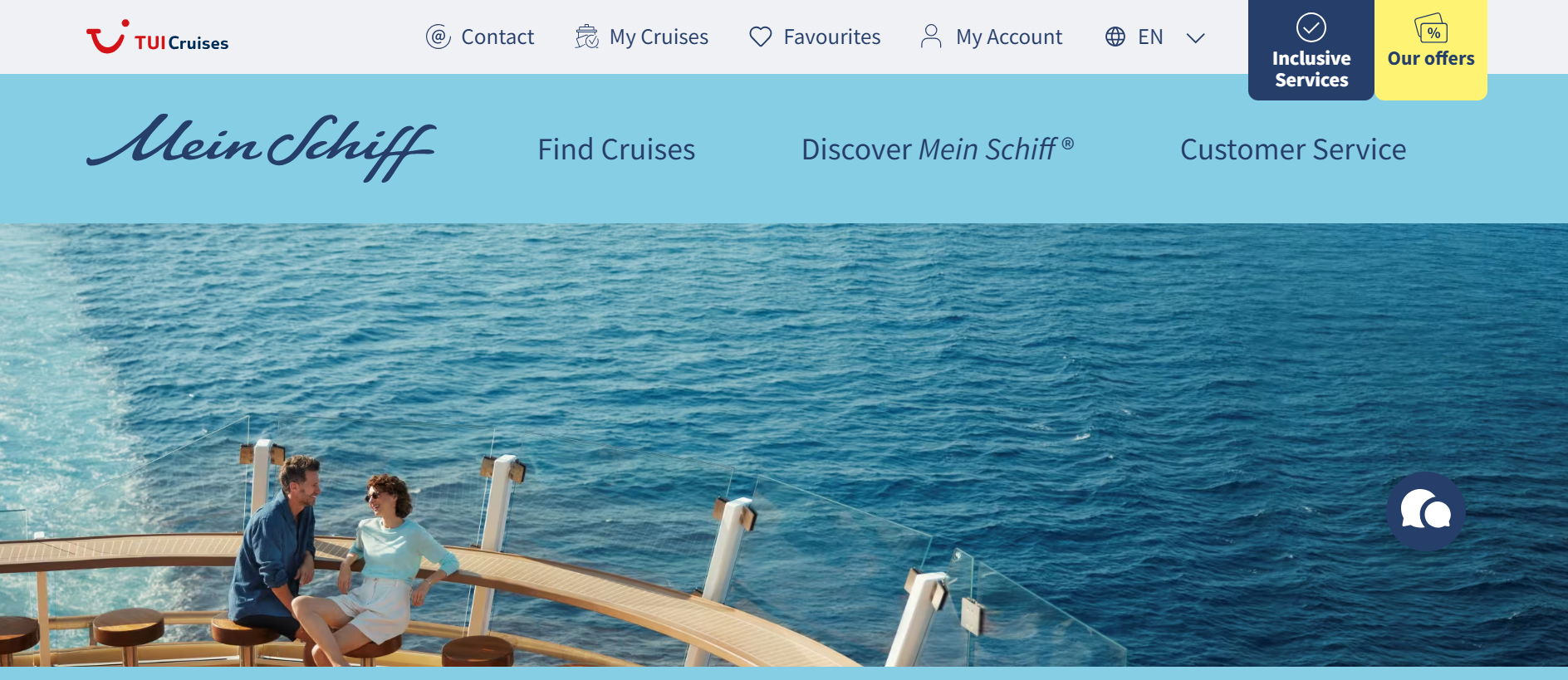
Mein Schiff is a premium cruise line operated by TUI Cruises, known for offering luxury-style cruises across Europe, the Mediterranean, the Caribbean, and other international destinations. The brand focuses heavily on all-inclusive cruising, wellness experiences, premium dining, and long-duration leisure travel, making it popular among travellers looking for high-value cruise vacations.
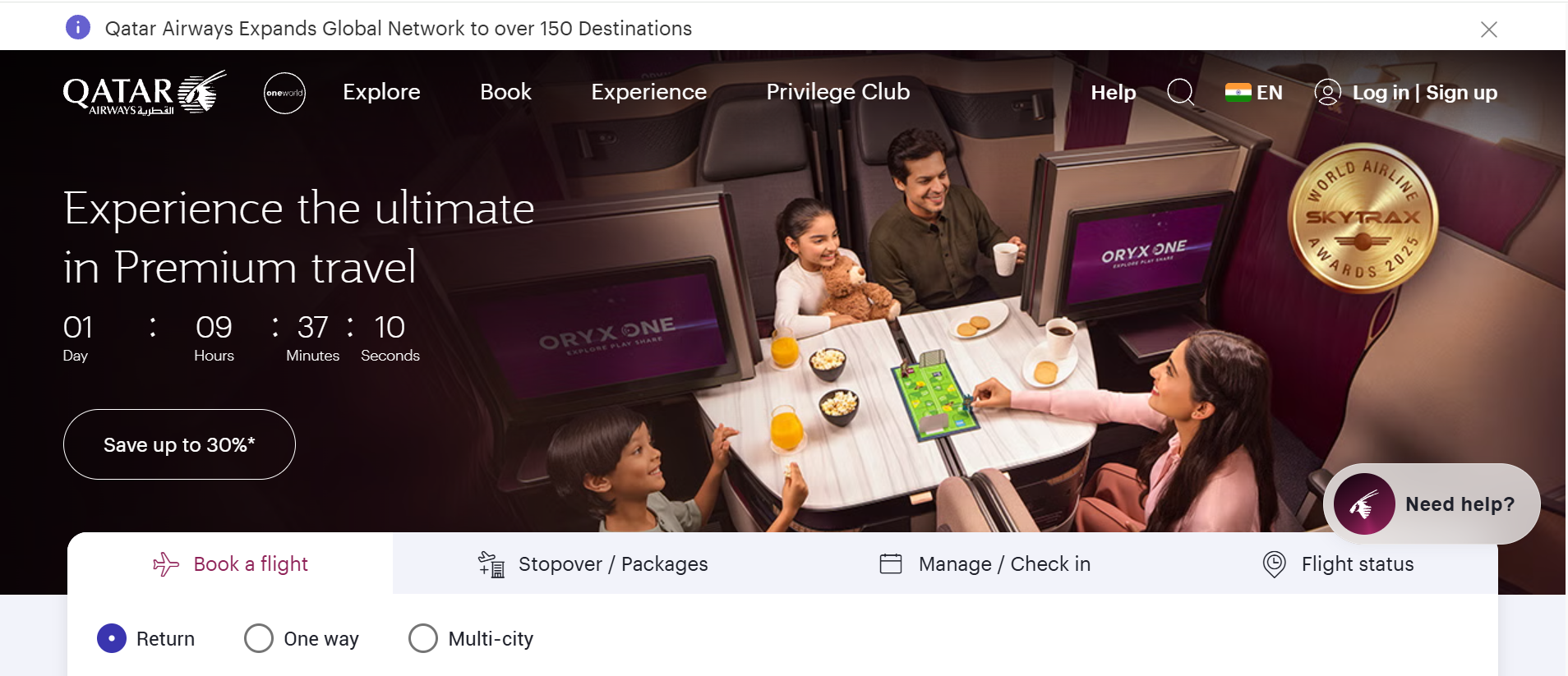
One of the world’s leading international airlines, headquartered in Doha, Qatar. Qatar Airways connects travellers to more than 170 destinations globally and is known for premium long-haul travel, luxury business-class services, and extensive international connectivity across Europe, Asia, North America, Africa, and the Middle East.
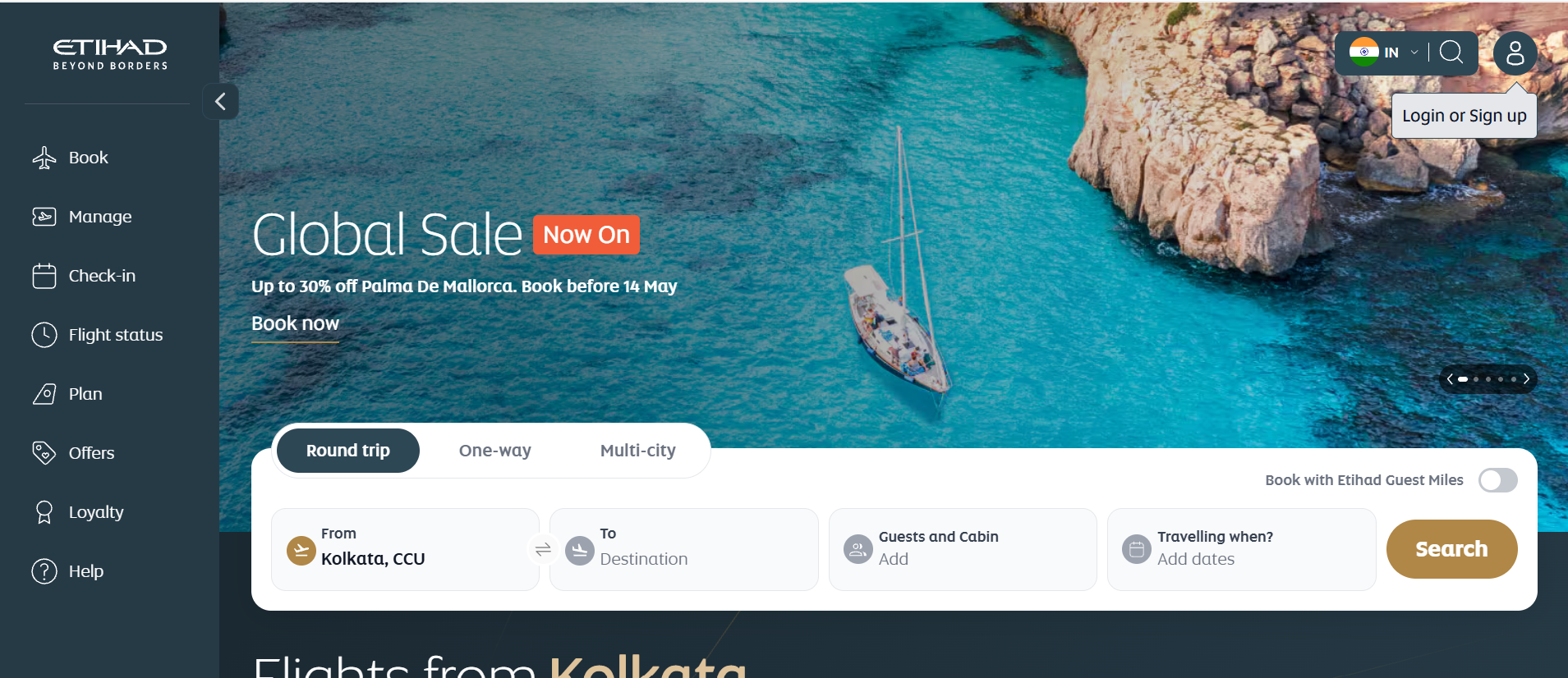
Etihad Airways operates global passenger and cargo services and is recognised for premium travel experiences, luxury cabins, international routes, and strong connectivity between the Middle East, Europe, Asia, and North America.
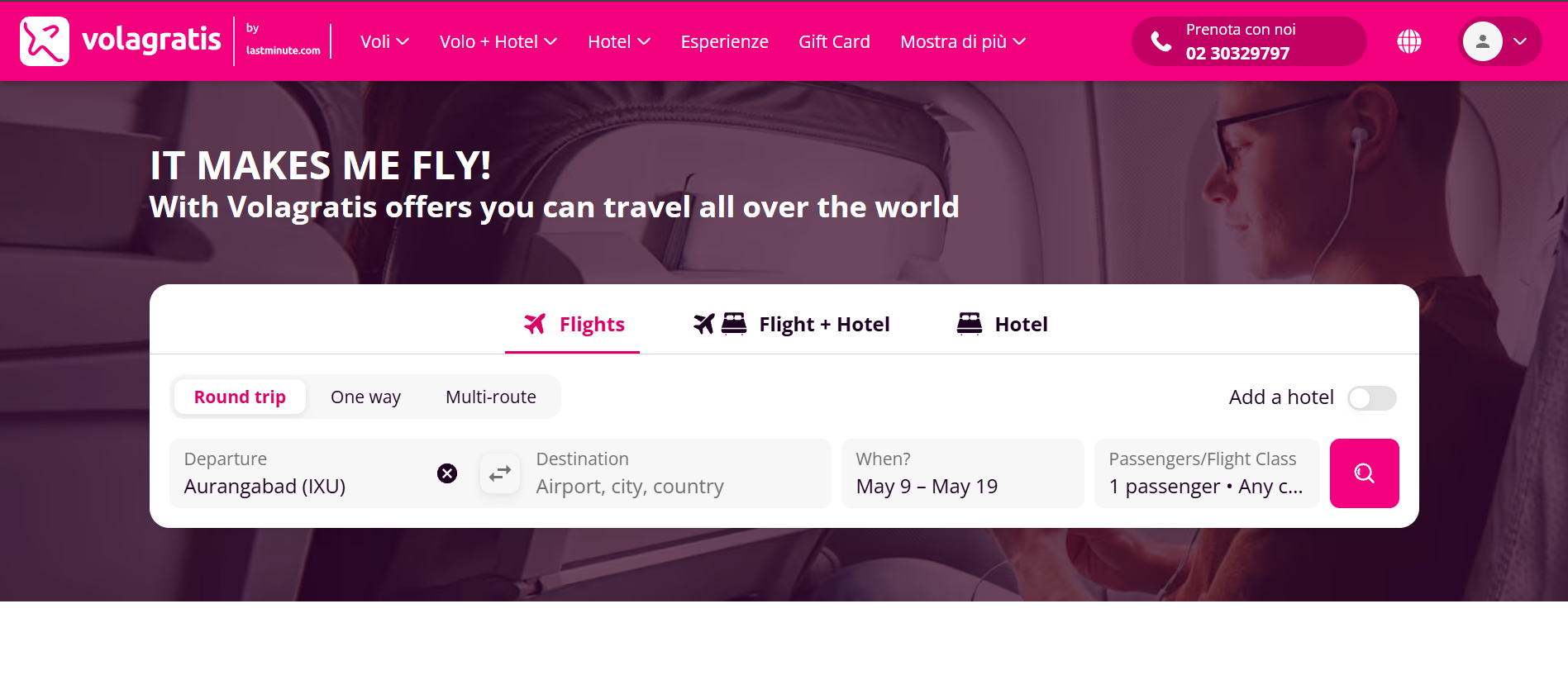
Volagratis is a Europe-based online travel booking platform that helps users compare and book flights, hotels, holiday packages, and car rentals. It is especially popular for budget-friendly travel deals, dynamic package bookings, and multi-destination European travel planning.
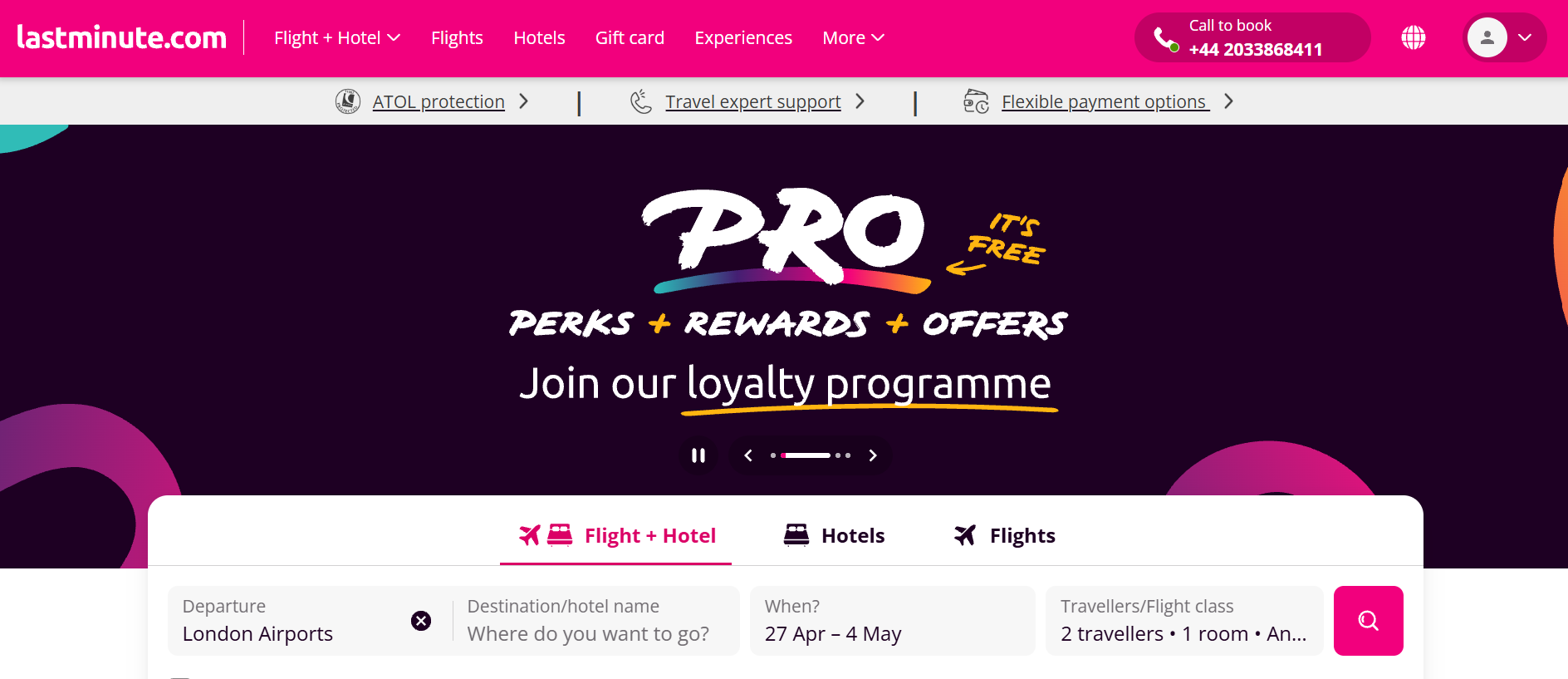
This is a global online travel and leisure booking platform specialising in last-minute holidays, flights, hotels, city breaks, and travel experiences. Lastminute.com is widely used by travellers looking for discounted travel deals, spontaneous vacation bookings, and bundled travel packages across international destinations.
One thing that has changed over time is how mobile content performs during peak seasons. In 2026, 68% of travel searches happened on mobile devices. (Perk, 2026) And over 70% of all travel bookings were made online, while 63% were made on mobile. (Trappe/Perk)
Mobile behaviour is more impulsive and last-minute, thus this is important. A 3,000-word blog article won’t be read by someone who is looking through their phone at 10 p.m. and choosing where to spend a long weekend. They require material that loads quickly, a single, obvious call to action, and a smooth booking process on the other end of the link. Even with less traffic, affiliates that optimise their seasonal content for mobile trip booking, short-form, high-intent, quick-loading landing pages with deep links, will outperform those who don’t.
The number of searches is already increasing. Reservations are already being made. Once those choices are made, the only concern is whether your content and affiliate links are in the appropriate locations.
The foundation of a long-term travel affiliate marketing strategy is seasonal travel trends. There is a pre-season content window for each peak season. Every rise in last-minute reservations has a deal-content opportunity. APAC in Q1, LATAM in Q2, EMEA in Q3, and the Gulf in Q4 are all examples of regional travel surges that are ready-made audiences just waiting to be catered to.
The affiliates with the largest audiences are not always the ones who succeed in this market. They are the ones who realise that, on any given day of the year, the appropriate campaign, timing, and intent are more valuable than sheer traffic numbers.
Join vCommission and start promoting high-converting global travel brands such as Qatar Airways, Etihad Airways, Mein Schiff, Volagratis, and lastminute.com to convert seasonal travel demand into consistent affiliate earnings.
1. What are the best travel affiliate programs for seasonal travel campaigns?
Platforms like Agoda, Expedia, Trip.com, and Qatar Airways are among the best-performing travel affiliate programs during peak travel seasons.
2. How can affiliates use seasonal travel trends to increase conversions?
Affiliates can boost conversions by publishing destination-focused content before seasonal peak booking demand.
3. Which travel niches generate the highest affiliate commissions?
Luxury travel, cruises, international flights, and hotel bookings usually generate the highest travel affiliate payouts.
4. What are the best SEO keywords for travel affiliate marketing?
Keywords like travel affiliate marketing, travel booking platforms, and holiday travel deals drive strong organic traffic.
5. Why is travel affiliate marketing growing globally?
Rising online bookings, mobile travel searches, and global tourism demand are accelerating growth in travel affiliate marketing worldwide.