

 Black Friday Deals 2026: How to Promote High Ticket Items to Affluent Shoppers
 Halloween Haul: Scale Your Earnings with the POP MART Affiliate Program
 AliExpress 11.11 Sale 2026: How Affiliates Can Capture Global Shopping Demand
 Best Electronics Campaigns to Test Before Scaling for BFCM
 BFCM Tech Deals: Scale Your Revenue with High Paying Saas Campaigns
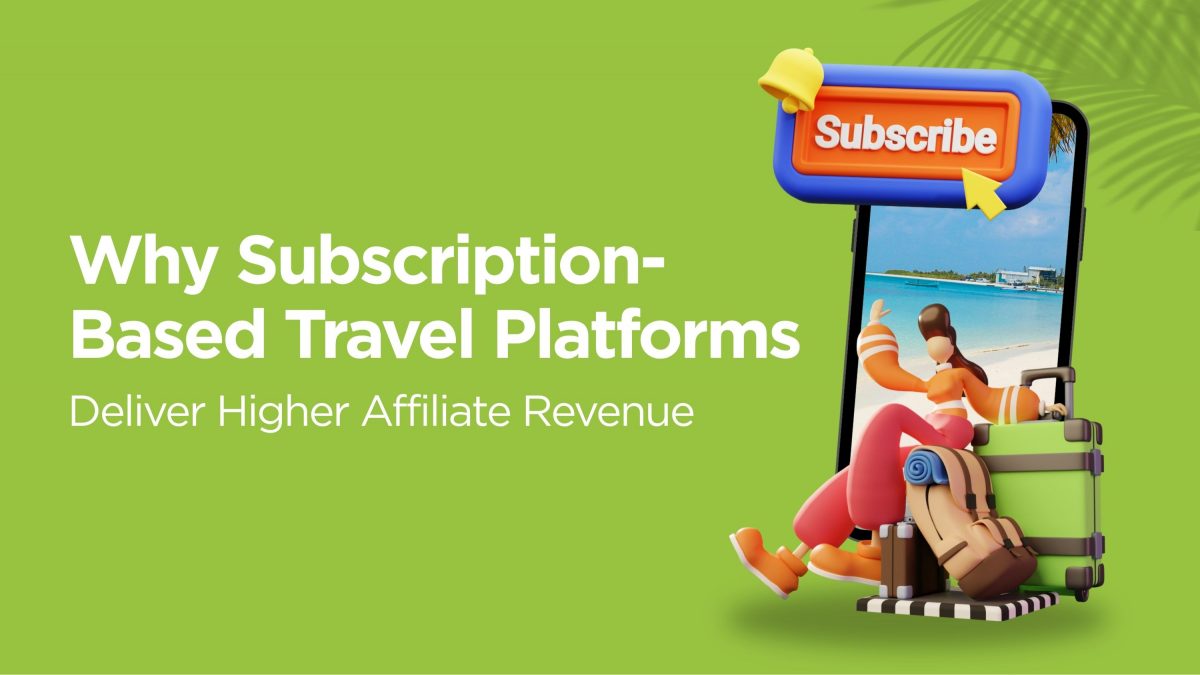
A traveller who books once brings traffic. But a traveller who often comes back is an affiliate asset.
That difference is somehow changing how smart affiliates approach travel campaigns in 2026. The old model of chasing one-time bookings through coupon deals websites or last-minute booking pages is slowly losing its ground to something far more profitable: retention-driven or subscription-based
Today’s strongest travel affiliate programs are not just selling flight tickets or hotel rooms; they are building habits.
Users stay in these brands because they get:
And when users keep returning to the same platforms, affiliates continue to benefit from the same booking behaviour, stronger conversion rates, and higher long-term travel affiliate commission potential.
This is exactly why subscription-based and loyalty-focused travel platforms are becoming some of the highest-paying travel affiliate programs in the market right now.
The shift is visible across the industry. According to Expedia Group research, 77% of travellers are likely to book multiple parts of a trip on the same platform instead of switching between apps and websites. (Partners Expedia Group)
That is important because every extra booking within the same platform increases affiliate monetisation opportunities.
Travel affiliate marketing is no longer only about getting the click. It is about promoting platforms that users do not want to leave.
Once a traveller downloads an app, stores payment details, collects rewards points, and begins receiving personalised offers, the friction around future bookings drops, and this is where affiliate revenue starts compounding.
Platforms built around loyalty networks naturally create stronger user retention because travellers already feel invested in staying inside the platform. They are not starting from zero every time they book. Instead of comparing ten websites again, they simply reopen the same app. This changes affiliate performance in several ways.
First, booking hesitancy decreases on trusted platforms. Purchases for travel are emotional purchases. People are spending money on expensive overseas travel, family vacations, and business travel. It feels safer to use familiar platforms.
Second, loyalty programs generate a sense of urgency without resorting to aggressive marketing. Unused cashback or reward credits encourage a traveller to make another reservation.
Third, platforms that prioritise apps increase the frequency of engagement. Users stay engaged even when they are not immediately planning a vacation, thanks to push notifications, member-only campaigns, seasonal deals, and travel sales.
Because repeat visitors convert more effectively than cold traffic, affiliates benefit from this recurring engagement.
This pattern is already supported by industry statistics. Three out of five members of loyalty programs take points and incentives into account when choosing where and when to travel, according to a Morning Consult study.
According to another study, returning travellers often spend 67% more than new ones.
Sources: Hotel Dive, Resources Rework
For affiliates, this directly impacts:
That is why the top travel affiliate programs today increasingly revolve around networks instead of isolated bookings.
One completed booking is useful. A traveller is far more valuable if they book hotels three times a year, attend festivals, reserve airport transportation, improve their stays, and take advantage of app-only deals. Travel systems that rely on subscriptions promote precisely this kind of behaviour.
Users who participate in rewards systems tend to:
All of this reduces the time between intent and conversion. Affiliates notice the difference immediately.
Rarely do repeat customers act like first-time purchasers. They don’t spend hours investigating the site’s legitimacy. The interface is already familiar to them. They are already familiar with the reward system. They already anticipate advantages from making another reservation.
The impact becomes even stronger during:
Compared to generic booking engines, platforms with robust loyalty systems take advantage of these opportunities more quickly. Customer lifetime value is another crucial component in this situation.
Travel agencies are becoming more concerned about repeat business than a single reservation. Recurring customers are typically more profitable over time and are less expensive to maintain. (Resources Rework, Financial Models Lab)
This results in stronger monetisation windows throughout the year rather than erratic spikes for affiliates who promote these sites.
Many high-converting travel campaigns that are already live at vCommission already operate around retention-focused networks rather than simple one-time bookings.
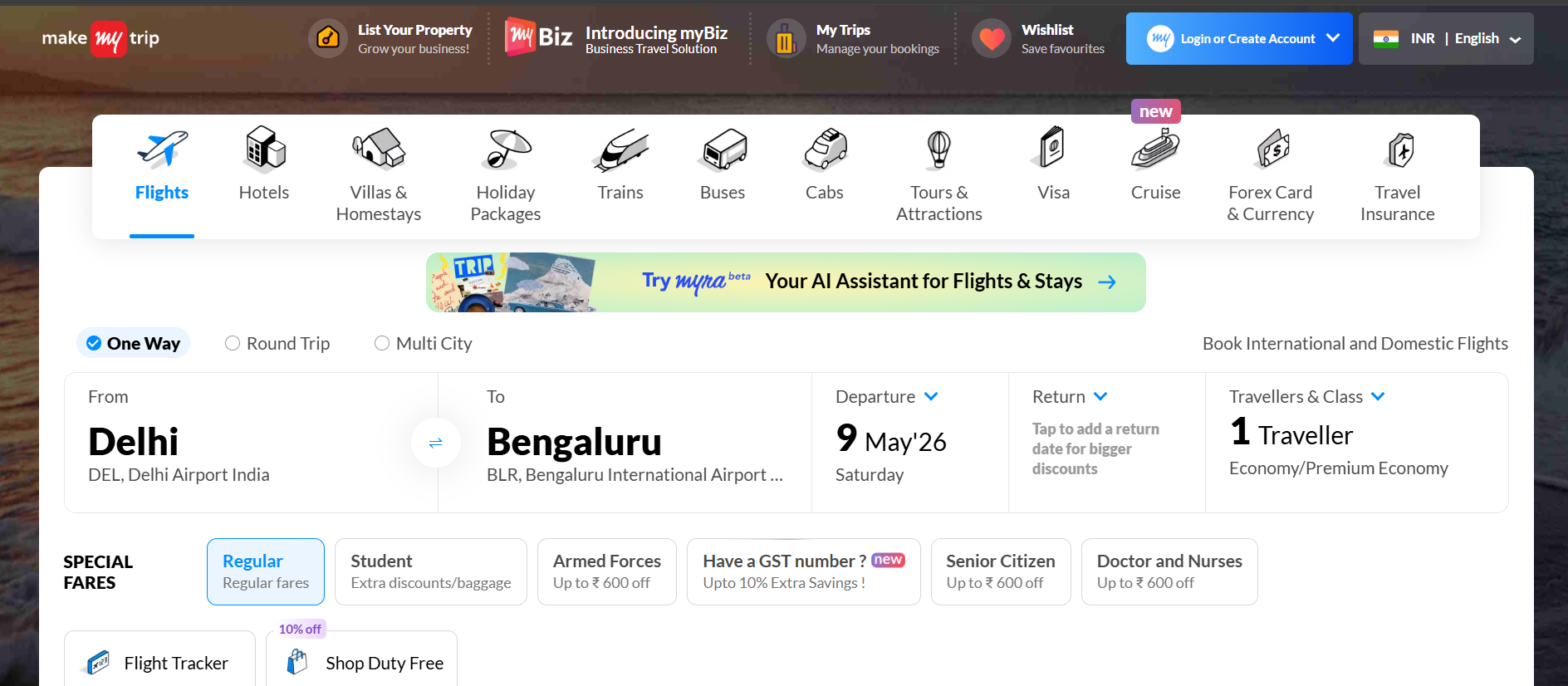
MakeMyTrip performs strongly because it functions like a full travel platform instead of just a booking site.
Users return repeatedly for:
Its app-first approach keeps engagement levels consistently high. Travellers often remain inside the platform because of wallet integrations, discounts, and recurring app-only campaigns.
For affiliates, this creates multiple promotional angles instead of relying on a single booking category.
Content around:
Works particularly well because users already recognise and trust the platform. That trust lowers abandonment rates and improves conversion consistency.
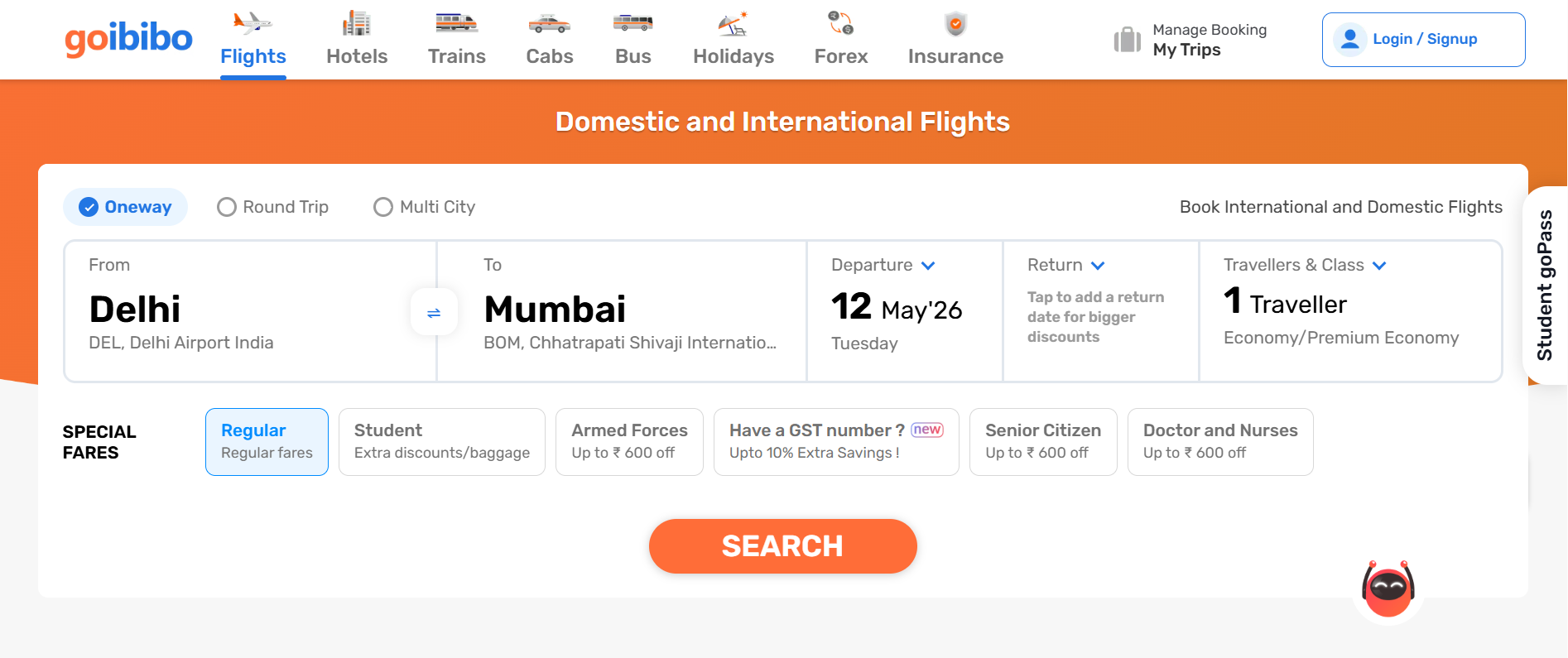
Goibibo’s strength stems from user behaviour that is motivated by rewards. Because every reservation feels linked to future savings, its goCash entices travellers to keep coming back. User psychology is altered by that. Users are starting to ask, “How can I use my rewards here?” rather than “Where should I book?”
For affiliates, this cannot be overlooked because reward-oriented audiences respond extremely well to urgency campaigns, app installs, cashback promotions, and seasonal hotel offers.
Additionally, Goibibo does well with mobile-first users, a trend that is becoming increasingly significant. Over 50% of OTA reservations are now made via mobile devices. With mobile bookings continuing to dominate travel purchases, affiliates promoting high-converting travel deals through vCommission benefit from faster user decisions, stronger app engagement, and better repeat conversion opportunities.
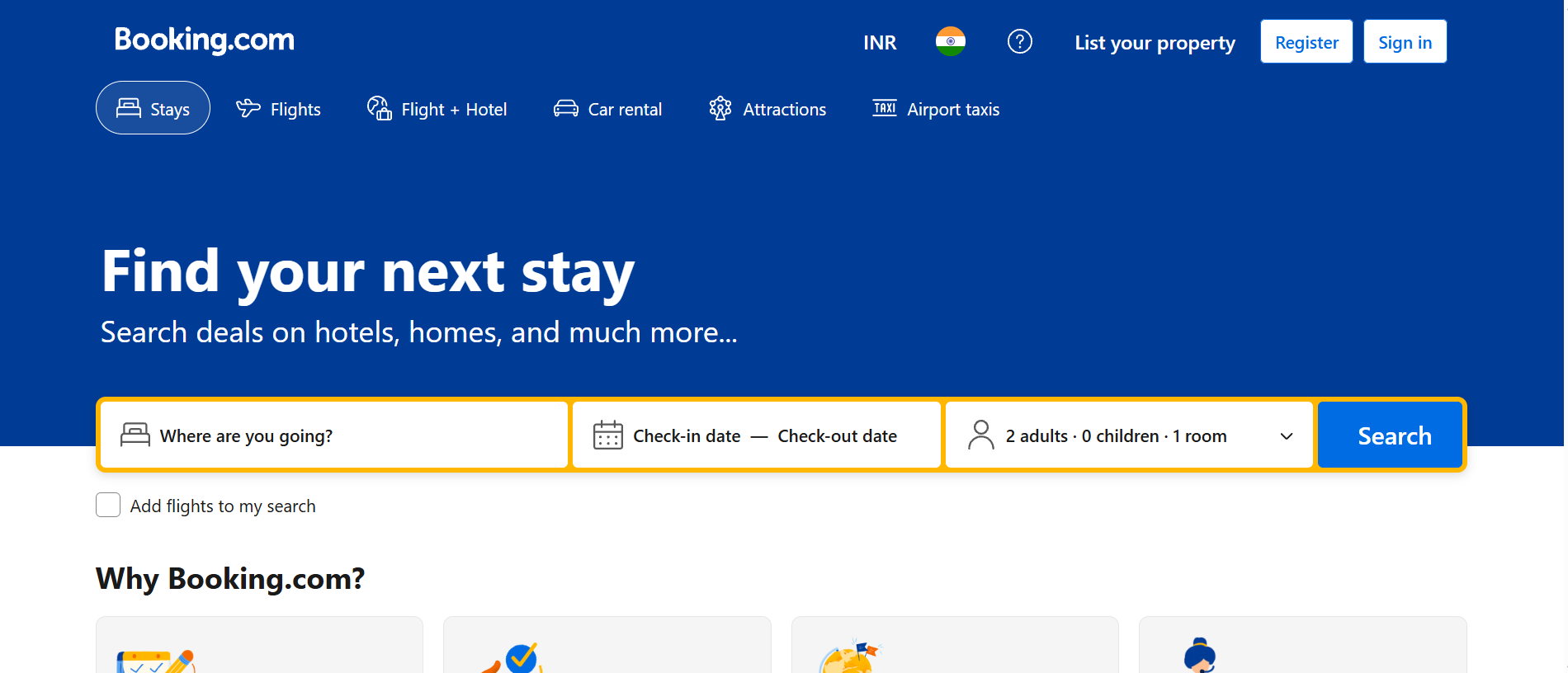
For affiliates focusing on international travel and hotel-related content, Booking.com continues to be one of the top travel affiliate programs.
Its Genius rewards help retain users through:
Booking.com’s massive review system boosts user confidence because hotel booking decisions frequently rely on trust and reviews.
Users searching for accommodation tend to revisit platforms they already trust, especially for international trips.
This repeated behavior improves long-tail affiliate revenue opportunities significantly
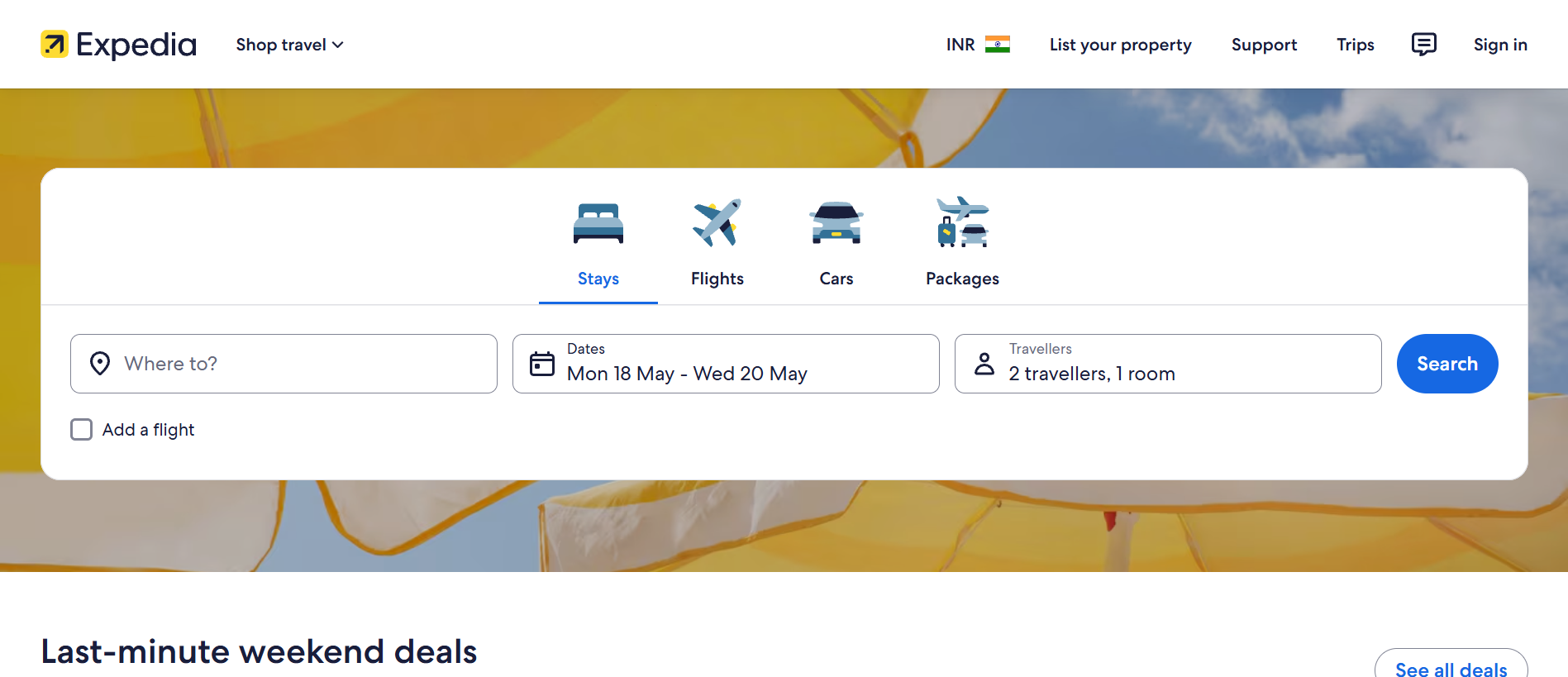
Expedia works differently because bundled bookings increase total cart value. Instead of earning from only a flight or only a hotel booking, affiliates can monetise:
Expedia’s own research found that travellers increasingly prefer booking multiple trip elements through a single network. (Partners Expedia Group)
For affiliates, higher cart values usually translate into stronger travel affiliate payout potential.
Conversion is not the only benefit of subscription-based travel platforms. Behavioural conditioning is what it is. Users gradually stop acting like one-time customers once they start receiving rewards, upholding status tiers, or unlocking member prices. In affiliate marketing, that default behaviour is quite beneficial.
84% of leisure travellers actively maximise loyalty programs and incentives when making travel plans, according to Phocuswright research. Members of loyalty programs are rapidly driving recurring income and repeat bookings across hotel ecosystems, according to another industry survey.
Subscription systems also create natural retention loops:
Affiliates have additional conversion opportunities at each of these touchpoints. Because of this, travel affiliate networks that prioritise retention routinely outperform campaigns that rely on one-time traffic spikes. Because repeat customers typically convert more quickly and make more confident purchases, the economics get stronger over time. In essence, affiliates who promote platforms with integrated loyalty platforms are profiting from the development of habits.
Travel affiliate content gains the most traction when it mirrors customer intent rather than sounding overly promotional. The strongest-performing content succeeds because it solves practical problems while naturally integrating travel affiliate programs.
Some formats working particularly well right now include:
These formats succeed because they naturally incorporate loyalty platforms. Instead of pushing random booking links, affiliates are positioning the platform as an ongoing travel utility; this creates stronger engagement and better long-term monetisation.
Destination-specific SEO content also performs well when combined with loyalty or subscription-focused travel campaigns.
For example:
Travel affiliate marketing is about to enter the retention phase. These days, the sites with the most affiliate revenue aren’t always the ones with the biggest discounts. These are the ones building repeating behaviour. Travellers are becoming regular platform users rather than infrequent ones because of membership, cashback, reward programs, app engagement, and personalised offers. This development alters affiliate economics.
The difference is particularly noticeable during festival promotions, seasonal travel spikes, and increases in mobile bookings, where returning customers convert far more quickly than new ones. With platforms built for ongoing engagement, affiliates can create durable travel revenue streams rather than chasing erratic one-time transactions.
Loyalty-driven bookings and repeat app usage are key drivers of performance across affiliate networks like vCommission. With real-time tracking, optimised travel offers, quicker payouts, and dedicated campaign support that enhances long-term monetisation potential, vCommission helps affiliates scale these campaigns. Affiliates using retention-focused ads on this network are well-positioned to increase repeat conversions throughout the year as more travellers shift to app-based memberships, cashback incentives, and member-only pricing.
Start promoting high-converting travel campaigns like MakeMyTrip, Goibibo, Booking.com, and Expedia with vCommission and turn repeat bookings into long-term affiliate revenue.
Subscription and loyalty-based travel platforms encourage repeat bookings through rewards, cashback, member pricing, and app engagement. This increases customer retention and creates more recurring conversion opportunities for affiliates.
2. What are some of the best travel affiliate programs with loyalty-driven platforms?
Platforms like MakeMyTrip, Goibibo, Booking.com, and Expedia are among the top travel affiliate programs because they combine repeat user engagement with strong booking intent and seasonal travel demand.
3. How do repeat bookings help travel affiliates earn more?
Repeat users usually convert faster, spend more per booking, and return during seasonal travel periods. This improves affiliate metrics like EPC, conversion rates, and overall travel affiliate payout potential.
4. What type of content works best for promoting travel affiliate campaigns?
Content formats like “best travel apps with rewards,” “hotel booking apps with cashback,” destination guides, seasonal travel deals, and member-only discount blogs tend to perform well for travel affiliate marketing.
5. How does vCommission help affiliates scale travel campaigns?
vCommission gives affiliates access to high-converting travel campaigns, real-time tracking, optimised offers, faster payouts, and dedicated support for scaling repeat booking campaigns effectively.