
Categories
Affiliates

The Psychology Behind High-Converting Affiliate Marketing Campaigns

Affiliate marketing is more than just promoting products, it’s about understanding people. What motivates them to buy something? Psychological factors hold the answer. To improve conversions, every effective affiliate marketer must be a master of human behavior, including motivations, emotions, and decision-making processes.

Think about it: have you ever bought something just because it was labeled “limited edition” or had lots of great reviews? That’s no coincidence! Brands use psychological triggers like social proof and urgency to encourage purchases. In fact, a Wall Street Journal study found that 63% of customers are more likely to buy a product if it has positive reviews.

Do you want to understand how you can use various psychological patterns to convert your campaigns smoothly? If yes, keep reading the blog.

Understanding Consumer Psychology

Consumer psychology is the study of how individuals think and behave when purchasing something. To master the art of marketing, it’s essential to walk in the consumer’s shoes. This is how the psychology of buying a product or service works and how affiliates can leverage that to convert their campaign:

1. Problem Recognition

Every buy begins with a realisation: the customer needs something. This can be an internal motive (e.g., to stay in shape) or an external one (e.g., hearing about a new gadget from an influencer). As an affiliate, your job is to bring these problems to the forefront through relatable content. 

You can create blogs, social media posts, or videos that present a product as the ideal solution to the consumer’s needs, even before they realise they have one.

2. Information Search

The consumer searches for solutions after realising their requirement. At this point, they look for additional material on websites, blogs, YouTube, and even social media.

Affiliates can take advantage of this stage by creating educational and high-quality material. Whether it’s comparison guides or SEO-optimized blog posts, providing helpful, accurate information along the buyer’s journey positions you as a trustworthy source.

3. Alternatives Evaluation

Seldom do buyers choose the first alternative they come across. Before choosing, they weigh features, costs, and advantages. Content that highlights the unique features of your marketed product is crucial at this point.

Promoting goods from well-known brands instantly lends legitimacy to your content. Your audience will be more likely to select the product you’re marketing if you combine this with persuasive comparisons or value-driven reviews.

4. Purchase Decision

This is the crucial phase, the turning point. However, psychology is still quite important in this situation. A tiny prod, such as a time-limited deal or a glowing customer review, can have a big impact.

Use terms like “Offer valid till midnight” or “Highly rated by 10,000+ customers” in your affiliate strategy. Promoting brands that have already gained market confidence facilitates the last phase considerably.

5. Post-Purchase Behavior

The story does not conclude with the purchase. Customers who are satisfied are more likely to purchase the product again or promote it to others. That is why affiliates should always prioritise advertising products with great feedback, refund policies, and high brand value.

Affiliates can leverage vCommission’s thoroughly vetted network of brands to promote dependable products and services that provide a positive user experience, resulting in long-term value and recurrent conversions.

Applying Psychological Triggers for Better Conversions

Understanding psychology is only the first step; utilising that information is the key to success. Here is how affiliates can apply these triggers to create high-converting campaigns:

1. Use Pre-Selling to Build Curiosity

Instead of pushing products directly, smart affiliates create pre-sell pages, advertorials, or short-form content that highlights problems and introduces a solution without giving away too much. This approach builds curiosity and positions the product as a natural next step. You can use tactics like “What most people don’t know about XYZ supplements…” to create a curiosity in the consumer’s mind.

2. Connect with an Emotional Story

Emotional storytelling is often very powerful and evocative, especially when talking about domains like health, fitness, and finance. Many listeners become more empathetic when listening to change (before and after) or real-life obstacle stories. Try to add first-person testimony or customer experience in your content for it to become more relatable or even emotive.

3. Include Social Proof When Available

Every touch point, landing page, email, and social tweet should have points of evidence such as reviews, testimonials, mentions by influencers, and user-generated content. Increased evidence enhances the likelihood of a product being convinced by the consumer. Use social proofs like satisfied customers who achieved results in only 7 days to create trust, confirmation, and herding behavior.

4. Make a Sense of Urgency/Scarcity

Scarcity and urgency are conditions that encourage the user, making them realise they will miss an opportunity. To get users to make decisions faster, use countdown timers, limited supply messaging, or special bonuses. One tactic that could be employed is tagging the product like: Hurry! only 3 left at this price. A limited availability will lead to FOMO, or fear of missing out, wave wash over the buyer.

5. Personalize the User Journey

Personalised affiliates who tailor content to the user’s behavior, location, or intent can drive much higher levels of engagement. Dynamically modify creatives or segment audiences to provide suitable offers. You can retarget website visitors with ads triggered by their prior interests or site actions.

6. Provide Real Value Prior to Pitch

Before prompting users to click a link or purchase a product, reward them with something of value, whether it’s a tip, a tool, a freebie, or simply good, plain ol’ advice. This establishes goodwill and trust. Employ tactics such as “Download our free guide to selecting the top natural supplements, no sign-up required.”

7. Streamline the Decision-Making Process

Too many options can cause decision fatigue. Facilitate the choice for users by suggesting one best product or comparing top 3 products in a simple manner. You can employ comparison charts, pros/cons tables, or “best overall” stickers. It will put the consumer at cognitive ease and enable them to make a purchasing decision easily.

8. A/B Test Psychological Hooks

Don’t speculate; experiment with various psychological drivers in your headlines, CTAs, and ads. For instance, test one that applies urgency and one that applies social proof, and then double up on what drives more. Experiment with strategies such as “Limited Time Offer” vs. “Rated #1 by Experts” and observe what converts better.

How vCommission Empowers Affilates to Boost Campaign Success

Here is how vCommission helps affiliates to create high-performing campaigns:

1. A Network of Trustworthy Advertisers

vCommission offers top-tier advertisers in a variety of high-converting sectors, including e-commerce, health, travel, and more. As an affiliate, you promote credible brands that are already having an impact in the market rather than random products. This increases the conversion potential of your campaigns while also lending them more legitimacy.

2. Real-Time Tracking & Transparent Reporting

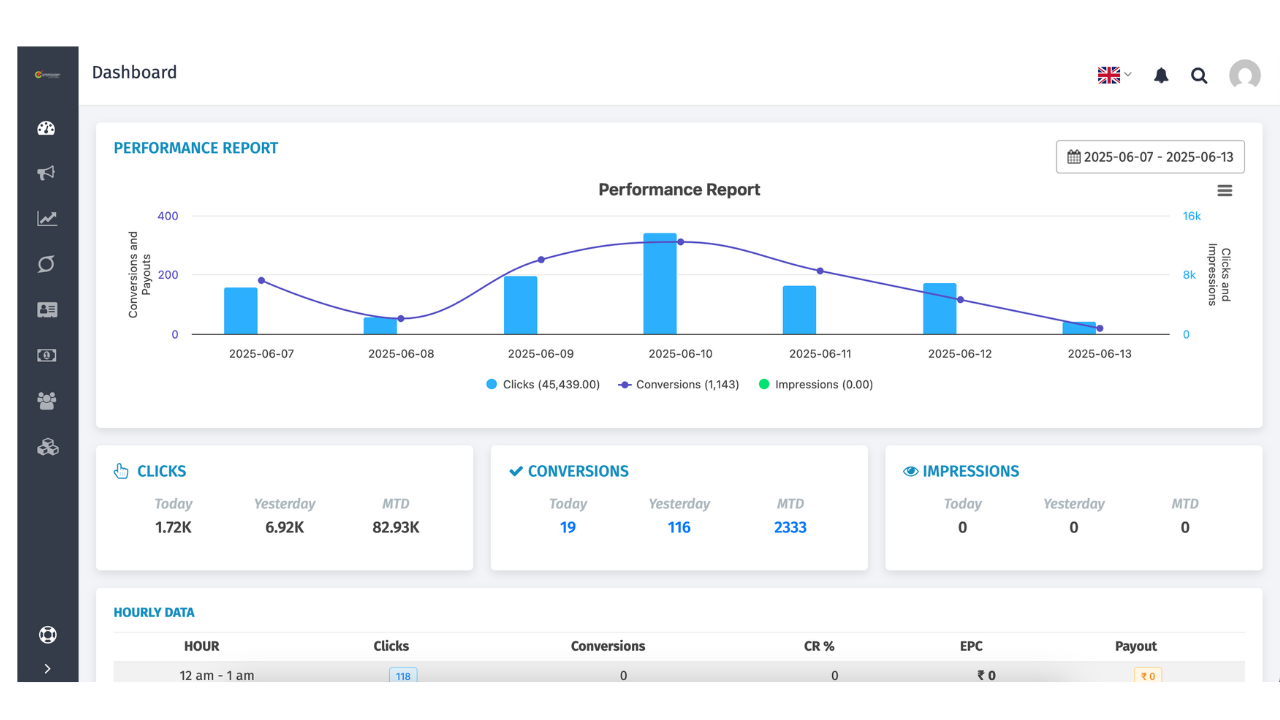
You can immediately check how your links and campaigns are performing with vCommission’s real-time tracking. Anything that isn’t working can be improved with a few simple adjustments. The reports are simple to read and indicate which tactics are increasing your income. Clear data will always be available to help you make decisions and advance more quickly, whether you’re testing a new concept or evaluating performance. 

3. Regular Payments and One-on-One Help

Personalised help from our account management team and on-time payouts with zero cutback are two of the main reasons why affiliates remain with vCommission. Assistance is just a message away if you require additional information on a campaign or scaling tips so you can focus on developing campaigns that drive leads.

4. A Trusted Affiliate Community

With more than 100,000 affiliates worldwide, vCommission is not only a network; it’s an expanding community of marketers, content creators, and performance specialists. Affiliates get timely newsletters, new vertical access, and shared learning that keeps them ahead of the curve. You’ll always be in the conversation, whether you’re new or an old-timer.

Conclusion

It takes more than simply a strong offer to manage an affiliate marketing campaign with a high conversion rate. You need to understand how people think, what influences their choices, and what mental or emotional cues result in conversions.

By combining strategic affiliate marketing with behavioral psychology and working with a strong network like vCommission, you can develop campaigns that not only draw in visitors but also turn them into devoted clients.

Ready to put the power of psychology into action?

Sign up with vCommission today and start building smarter, higher-performing affiliate campaigns backed by real human insights.

Categories
Advertiser

Expanding to New Markets? Know How vCommission can help you launch in India

Are you a global advertiser looking to grow? There’s one market that continues to attract attention for all the right reasons: India.

India is not only growing but also transforming digitally. According to the January 2025 edition of the World Bank’s Global Economic Prospects report, India’s economy is projected to grow steadily at 6.7% in both FY26 and FY27. That’s significantly ahead of global and regional averages, and it reflects not just resilience but momentum.

What makes this even more exciting is how this growth is tied to digital-first consumer behavior. Across verticals like e-commerce, travel, fashion, and technology, millions of Indians are transacting, engaging, and discovering products online daily. 

However, expanding to India isn’t just about translating existing strategies or running ads at scale. The real challenge and opportunity lie in connecting with consumers through the right channels. That’s where affiliate marketing proves to be a powerful model. It offers performance-driven growth by partnering with publishers, influencers, and platforms that already have the trust of Indian audiences. 

What Makes India a Goldmine for Global Brands

India is a rapidly growing, digitally-first country with a significant consumer base. According to Telecom Regulatory Authority of India (TRAI), India has a massive internet user base, with 971.50 million users as of 2025. The figure keeps rising every month. The rise of affordable smartphones and some of the world’s cheapest mobile data rates has made the internet more accessible than ever, not just in major cities but also deep into tier 2 and tier 3 towns, where the next wave of digital consumers is coming from.

This digital infrastructure is powering an ecosystem where:

  1. E-commerce platforms are scaling beyond metros, with consumers increasingly comfortable shopping online for everything from groceries and electronics to fashion and furniture.
  2. Fintech adoption is accelerating, driven by platforms like UPI, digital wallets, and neobanks that have simplified how people manage, invest, and spend money.
  3. EdTech and online learning have become mainstream, with learners across age groups embracing digital tools for skill-building, test prep, and certification.
  4. Health and wellness brands are finding new audiences through digital-first communities focused on fitness, nutrition, mental health, and self-care.

Famous global brands like Amazon, Apple, Unilever, Netflix, and many more have already scaled in India with localised marketing strategies. This presents a rare opportunity: a digitally engaged, mobile-first population that’s eager to explore, try, and trust new products and services online.

Key Challenges for Brands Launching in India

For all of its potential, India is a complex, multifaceted market. Brands frequently confront fundamental hurdles when debuting here, including:

  1. Language and Cultural Diversity: India combines geographies, languages, cultures, and behavioral patterns. What works in Delhi may not be as effective in Chennai. Users access material in more than ten distinct regional languages. Brands that neglect this detail risk low engagement or possibly losing their target demographic entirely.
  2. Local Payment Preferences: While cash-on-delivery is still common in some places, some customers prefer UPI, while others rely on mobile wallets. You can observe low conversions or cart abandonment if your campaign does not follow these trends.
  3. Traffic Quality and Ad Fraud Risks: The digital advertising market in India is vast, but not all traffic is reliable. Many advertisers deal with low-quality leads, click fraud, or traffic that does not convert. Without the proper fraud prevention measures, it is simple to burn through ad budgets with little ROI.

How vCommission Helps Your Brand Launch in India Confidently

Launching in India requires a performance approach that prioritises return on investment in all choices, trusted partners, and extensive local knowledge. vCommission India’s biggest affiliate network brings precisely this to the table. This is how we do it:

1. Leverage Local Market Knowledge for Smarter Targeting

vCommission helps simplify this complexity by connecting you with the right affiliates and platforms that already engage regional audiences effectively. Our experience working across verticals and regions helps you choose high-performing channels that match your goals. Instead of guessing what works, you tap into proven publisher networks and performance data that keep your campaigns relevant and result-driven. This local-first approach ensures your campaign feels relevant, not foreign, and helps you connect authentically with Indian consumers from day one.

2. Campaign Strategies Aligned with Your Goals

Every brand has distinct objectives, such as increasing e-commerce sales, lead generation, or app installs. We at vCommission don’t think there is a one-size-fits-all strategy. Rather, we suggest tactics that complement your industry vertical and business goals. Our team assists you with the best affiliate mix, including content partners, cashback platforms, influencers, and deal sites, as well as appropriate revenue methods like CPA, CPL, or CPS. This ensures that your campaign setup is performance-driven and effectively scalable.

3. Connect with India’s Top Affiliate Channels

vCommission is India’s most trusted affiliate network, built around high-performing partners across multiple channels. vCommission’s affiliate ecosystem includes:

  1. Coupon and deal sites, popular during sale seasons and product launches
  2. Cashback platforms, which attract high-intent users looking for better value
  3. Influencers and creators who drive native engagement within specific interest areas
  4. Native ad platforms, suited for app installs, lead generation, and brand awareness
  5. Email and SMS affiliates are still effective for personalised outreach in India
  6. Push notification traffic, perfect for time-sensitive offers and flash sales
  7. Display networks, great for top-of-the-funnel awareness
  8. YouTube and short video platforms, powerful for visual storytelling and product demos

This is not it; we have more mediums that allow us to cover the full customer journey, from awareness to conversion, while staying efficient and cost-effective.

4. Mobile-First Execution Strategy

India is a mobile-first country. Most online purchases, app installs, and engagements happen through mobile devices. This shift requires advertisers to build mobile-optimized funnels from the start. At vCommission, we offer mobile-first strategies to match this behavior.

Run targeted app install campaigns on CPI or CPA models. You can collaborate with mobile-focused content creators and platforms. Leverage mobile-native ad formats that enhance visibility and engagement. Optimise for smooth post-click experiences to reduce drop-offs. This ensures your campaigns resonate with how Indian consumers use their devices, keeping performance high and budgets effective.

5. Brand Safety & Fraud Prevention

vCommission protects your campaigns with strong anti-fraud measures. We use AI tools to spot suspicious activity, manually review leads and conversions, and block low-quality traffic through blacklist management. Every affiliate is carefully screened before joining to ensure only trusted partners promote your brand. This keeps your data clean, your budget safe, and your results accurate.

6. Dedicated Account Management

When you partner with vCommission, you’re not left to navigate the market alone. You get a dedicated account manager, someone with on-ground knowledge, campaign experience, and a clear understanding of your vertical.

Your account manager handles the campaign planning and scaling, partner recommendations and approvals, ongoing optimisation and troubleshooting, and weekly performance reviews and growth planning.

Whether you’re launching your first campaign or scaling across regions, your account manager becomes an extension of your marketing team focused on your KPIs, your market success, and your growth.

Verticals Where vCommission Delivers High ROI

The following are some important verticals where the vCommission regularly generates high returns on investment:

1. E-commerce

India’s e-commerce market is flourishing, with customers purchasing goods in a variety of categories, including fashion, technology, and wellness. vcommission improves performance through collaborations with influencers, content producers, cashback platforms, and coupon websites. Special days and festivals like Diwali, Republic Day, Black Friday, New Year’s Day, Thanksgiving, Christmas, and end-of-season sales are examples of high-conversion times for campaigns, which help brands grow quickly and generate a high return on investment.

2. Travel

With travel bouncing back, brands offering flights, hotels, and packages see great returns in India. vCommission works with niche travel affiliates who target budget travelers, solo adventurers, and families. Campaigns run during peak holiday seasons, long weekends, and school breaks, focusing on bookings, installs, and lead generation.

3. Utility Services

Broadband, DTH, and energy plans are examples of digital-first utility services that are becoming more popular. vCommission links these brands with affiliates who specialize in cost-cutting, smart home, and subscription services. Through reputable regional publishers, the objective is to increase installs, schedule upgrades, and attract new users.

4. Fashion and Beauty

Fashion and beauty are timeless in India. vCommission makes it easier for brands to work with influencers, beauty producers, and lifestyle bloggers. Campaigns emphasise new product launches, seasonal collections, and time-limited offers, all of which boost conversion rates and promote recurring business.

5. Technology and Software

Tech products are in strong demand, from productivity aids to security software. vCommission assists SaaS and app-based businesses in reaching the right customers through tech influencers, app channels, and review websites. Campaigns aim to generate quality leads with scalable reach, free trials, and downloads.

Getting started with vCommission

Ready to tap into the Indian market? With vCommission, you’re never on your own. From the moment you sign up, we make the process smooth and hassle-free. Here is what you have to do to start with us:

  1. Create your advertiser account on vCommission: Start by signing up on the vCommission platform as an advertiser. The registration process is quick and allows you to access the advertiser dashboard, where you can begin defining your campaign goals.
  2. Submit your campaign brief with clear objectives: Once you’ve registered, you’ll be asked to share a detailed campaign brief. This includes information like your business vertical, target audience, conversion goals, performance KPIs, preferred pricing models (CPA, CPL, CPS, etc.), and available budget. The clearer your brief, the more tailored the campaign setup can be.
  3. vCommission maps your campaign with the right affiliates: Based on your inputs, vCommission leverages its strong affiliate ecosystem to connect your campaign with high-performing and relevant traffic sources. These publishers are selected after evaluating their audience demographics, niche alignment, and past performance, ensuring your ads reach users who are most likely to convert.
  4. Work closely with a dedicated account manager throughout: Every advertiser is assigned an account manager who becomes your key point of contact. They continuously track campaign data and recommend timely optimisations to ensure you stay on course and within budget.

With this structured yet flexible process, vCommission makes sure your entry into the Indian market is both efficient and impactful with a strong focus on measurable performance, transparent reporting, and long-term scalability.

The Bottom Line

India offers unmatched digital growth potential, but success here demands more than just ad spending; it requires insight, strategy, and the right partners. As India’s leading affiliate network, vCommission offers end-to-end support to help global advertisers launch and scale campaigns effectively. With our vast local expertise, premium publisher network, mobile-first strategies, and real-time performance tracking, we ensure your brand connects with the right audiences and delivers measurable ROI. 

From mitigating fraud risks to customising campaigns for diverse regions and consumer preferences, we cover it all. Our committed account managers assist you at every stage, ensuring the smooth expansion of your brands into India. Sign up today!

Categories
Advertiser

Media Buying Models Explained: Which One Will Maximize Your ROI?

Affiliate marketing is all about getting the right offer in front of the right audience, but that doesn’t happen by luck. It happens through smart media buying strategies. Media buying is the process of purchasing ad space across digital platforms, and it’s becoming one of the most powerful strategies in performance marketing. 

With the rise of trends like programmatic ads and AI in media buying, brands now have more control, flexibility, and data than ever before. But while the tools have become more sophisticated, the challenge remains the same: How do you maximise ROI?

Here’s the catch: the return on investment (ROI) depends heavily on the payment model advertisers choose. Are they paying per click, impression, lead, install, or sale? Each model carries its own risk, reward, and optimisation strategy.

In this guide we simplify media buying into two main topics: Platform-Based Media Buying Models, which focus on where ads appear (like social media, search engines, and display networks), and Performance-Based Media Buying Models, which define the payment model, how costs are calculated based on impressions, clicks, leads, or sales.

Understanding these models will help you choose the best strategy to maximize your ROI based on your budget, target audience, and business goals.

Understanding Media Buying

Media buying is the strategic process of acquiring advertising space to promote offers, drive traffic, and achieve measurable marketing goals. In affiliate marketing, it’s a critical component for reaching the right audience at the right time with the right message. Success in this area doesn’t come from guesswork; it comes from making informed decisions about where your ads appear and how you pay for them.

At its core, affiliate marketing is performance-driven. You only succeed when your traffic converts, whether that means a click, a lead, or a sale. It gives affiliates the control and flexibility to select traffic sources, optimize delivery, and scale campaigns. Moreover, it ensures that your advertising efforts are aligned with clear goals.

Platform-Based Media Buying Models

Choosing the right platform is key to a successful affiliate campaign. Let’s look at the major platform-based models and how they help drive ROI:

1. Search Advertising

Search advertising involves purchasing ad placements on search engines like Google and Bing to target users actively searching for products or services. These users typically have high purchase intent, making search ads highly effective.

Industry-Wise Average Conversion Rates (CR):

    • Ecommerce: 2% – 5% (Higher for branded search terms, lower for generic keywords)
    • Finance & Insurance (5% – 10%)
    • B2B (SaaS & Tech) (3% – 7%)
    • Education & Training (4% – 8%)

To maximise performance, affiliates can strategically target different types of keywords based on user intent and campaign goals. For instance, generic keywords are broad, industry-related terms that reach users in the awareness or research phase. A skincare brand might bid on phrases like “products for oily skin” to attract users exploring potential solutions. 

On the other hand, brand + generic keywords combine the brand name with a product-related term to capture high-intent traffic. A coupon website, for instance, might target “Karma Ayurveda Coupons” to reach users already interested in the brand and looking for the best deals.

2. Social Media Advertising

This model includes running paid campaigns on platforms such as Meta (Facebook and Instagram), Snapchat, Twitter, and now LinkedIn Sponsored Posts. It allows precise targeting based on demographics, interests, behaviors, and even past actions.

This method is ideal for affiliates running campaigns in lifestyle, beauty, fashion, and personal finance, where visual storytelling and engagement matter. For example, an affiliate promoting a credit card offer can use Facebook Carousel Ads targeting young professionals aged 25–35 who recently searched for financial products.

3. Native Advertising

Native ads are designed to match the look and feel of the surrounding content on websites or apps. Rather than appearing like traditional ads, they resemble editorial content or recommended articles, which often leads to higher engagement and trust.

Popular native platforms are Taboola and Outbrain (content recommendation widgets on premium publisher sites), and Yahoo Gemini (Native ads within Yahoo’s content properties).

For example, an affiliate reviewing tech gadgets can place a native ad on a news site recommending a “Top 5 Budget Smartphones in 2025” article that includes affiliate links to partner stores.

5. Display Advertising

Display advertising includes visual and interactive ads (text, banners, videos) shown across websites and apps. This category offers a wide variety of ad types, allowing affiliates to choose formats that best match their campaign goals.

Common Display Formats:

  1. In-Text Ads: Appear as clickable words within webpage content. When clicked, they trigger a small popup ad. Best suited for informational blog sites.
  2. In-App Ads: These appear within mobile apps, including banners, full-screen interstitials, and reward video ads. For example, a gaming app shows a video ad offering extra coins in return for watching a promotional video tied to an affiliate product.
  3. Push Ads: Real-time notifications sent directly to users’ devices. These are widely used in verticals like e-commerce, finance, and entertainment. Users must opt-in to receive notifications, and frequency should be managed to avoid drop-offs.
  4. Pop-Up & Pop-Under Ads: A pop-up appears as a new window when a user enters or exits a website. A pop-under opens quietly in the background. For example, an affiliate promoting an e-commerce coupon site may trigger a pop-up offering a discount when a user tries to exit the product page.
  5. Banner Ads: Static or animated ads displayed on high-traffic websites, usually in the form of rectangular boxes at the top, sides, or within the content of a webpage. 
  6. Video Ads: Short ads that play before or during online video content. For example, a 15-second skippable video ad appears before a YouTube video promoting an app.

Performance-Based Media Buying Models

Choosing the right model of media buying is important to affiliates who aim to maximise their ad budgets and achieve optimum conversions. There are models appropriate for branding purposes, and some are more suitable for performance-oriented campaigns. The key here is knowing what model works with your strategy and how it will impact your bottom line.

1. CPM: Cost Per Thousand Impressions

CPM, or “cost per mille” (mille is Latin for thousand), is a purchasing strategy where the advertisers are charged per 1,000 impressions of an advertisement, whether the user has clicked on it or not. This works best for brand awareness campaigns as it allows companies to reach masses at once. It is best suited for high-traffic sites and high-end publishers where visibility is key. However, one of the largest disadvantages is that there is no assurance of user interaction or conversions. 

Advertisers will pay for impressions that don’t necessarily convert to actual interactions, so it is a dangerous bet for those in performance marketing. CPM campaigns are also very susceptible to fraud because ads are shown in placements where users have no chance to see them, resulting in ad waste.

2. CPC: Cost Per Click

CPC (cost per click) is a more performance-driven model where the advertiser only pays when a user clicks on the ad. This guarantees that some form of engagement has occurred. CPC is appealing because it can be accurately targeted at an audience, and if done correctly, it can be a scalable and effective process. Advertisers pay only when someone indicates interest by clicking on the advertisement, avoiding unnecessary ad expenditure. 

Click fraud still poses a challenge, though, as either competing bots or disreputable competitors might generate artificial clicks that inflate expenditure without producing genuine conversions. Moreover, excessive competition will drive CPC charges up, meaning that certain niches are too costly. Though CPC guarantees interaction, a click may not always be a conversion, so additional optimisation is needed to enhance ROI.

3. CPL: Cost Per Lead

Cost Per Lead (CPL) is a popular model in affiliate marketing where advertisers only pay when someone shares their contact details. This could be filling out a form, signing up for a newsletter, or requesting a callback. It’s a great way for brands to find potential customers without paying for clicks or views.

CPL works especially well for businesses in industries like finance, insurance, and B2B services. These areas often need to collect leads before making a sale. Since users willingly give their details, it shows they are truly interested. This means better chances of turning those leads into actual customers.

4. CPA, CPE, and CPS

CPA (cost per action), CPE (cost per engagement/event), and CPS (cost per sale) are all pay-for-performance media buying platforms where advertisers will only be billed when some desired action has taken place. These models reduce risk for advertisers a great deal because they only incur costs for measurable outcomes like the user signing up, interacting with content, or buying something. Because payments rely on actual conversions, these models have a better ROI potential than CPM or CPC. These models are good fits for affiliate marketing objectives where performance is everything. 

However, CPA deals may be declined by certain media partners owing to risk factors since they earn money only when the conversions occur. Plus, there’s always fraud in the back of their mind, particularly if poor tracking has been implemented. Despite the fact that these models call for more prolonged optimization phases, they still top the list among the most coveted options by the revenue-based affiliates.

5. CPI: Cost Per Install

CPI (cost per install) is most widely applied in mobile ad campaigns, where an advertiser pays when a user installs an app using a particular ad. CPI is highly effective for app-based affiliate programs and serves to pay the advertiser only when a direct install happens. CPI campaigns can be very effective with targeted user acquisition campaigns. 

Fraud is a serious concern in this category, as there are some affiliates who make money by creating bot or install arm fake installs to earn commissions. Furthermore, though acquiring users is half the battle, retention is still a problem. There are many CPI campaigns that fail to deliver due to low-quality users who download an app but do not use it, so quality needs to be more important than quantity.

6. CPV: Cost Per View

CPV (cost per view) is primarily utilised for video advertising campaigns where advertisers pay according to the views their advertisement gets. This model works best for brand awareness and video engagement campaigns. YouTube provides CPV advertising to enable businesses to reach their audience through engaging video content. 

CPV may be a cost-effective way to increase engagement, but conversions are not guaranteed. Because marketers pay for views that don’t result in meaningful actions, poorly optimised CPV ads can be expensive. Furthermore, view-through rates frequently don’t indicate genuine interest. Therefore, it’s critical to examine user activity beyond views.

Selecting the Right Media Buying Model

Selecting the best media buying model is crucial to maximising return on investment and making sure your affiliate marketing initiatives complement your corporate objectives. Assessing user intent should come first. If you’re targeting users actively searching for solutions, like insurance, credit cards, or tech products, search ads (Google, Bing) deliver high-intent traffic that converts well. For visual or interest-based promotions, social media (Meta, Snapchat, LinkedIn) is a better fit.

Consider traffic volume and conversion potential. Pop and push ads can generate massive reach at a low cost but typically bring low-intent users. In contrast, in-app and video ads can be more engaging and conversion-driven, especially for app installs and limited-time offers.

The budget also plays a key role. CPC and CPM are suited for larger budgets focused on brand awareness, while CPL, CPA, or CPI work best for performance-focused campaigns with measurable ROI. Your campaign goal, be it lead generation, sales, installs, or engagement, should dictate the model you choose.

Maximise Your ROI with Commission!

At vCommission, we don’t just help you pick a media buying model; we empower you to make the most out of it. Our affiliate network supports a variety of performance-based models like CPA, CPL, CPS, and CPI, giving you the flexibility to pay only when you get real results, be it a lead, sale, install, or action. This performance-first approach ensures your ad budget is spent efficiently with clear, trackable ROI.

Depending on your campaign objective, we recommend tailored platforms and formats. Promoting a finance product? We help you leverage search and native advertising for high-intent lead generation. Launching a mobile app? Our CPI campaigns across in-app and push ad networks ensure installs at scale. Running an e-commerce campaign? CPS or CPA, through display and social ads, delivers measurable conversions with controlled costs.

With vCommission’s in-house tracking tools, fraud detection systems, and publisher network, every campaign is backed by data and transparency. You get access to top media partners, real-time insights, and hands-on support to test, optimise, and scale what works best.

Join vCommission today and experience performance marketing that’s built for ROI!

Categories
Advertiser

How vCommission Supports D2C eCommerce Growth in India

India’s Direct-to-Consumer (D2C) eCommerce industry is booming—fueled by fast internet, seamless digital payments, and a growing love for online shopping. In fact, the market is expected to hit US$ 60 billion by FY27. Impressive, right?

D2C brands sell directly to their customers, cutting out the middlemen like wholesalers or retailers. While this model gives brands more control and better profit margins, it also brings its own challenges. One of the biggest? Getting new customers and scaling effectively in a crowded market.

The solution? Affiliate marketing. By partnering with influencers, bloggers, and publishers, D2C brands can reach the right audience, build trust, and drive conversions without overspending.

That’s exactly what we do at vCommission. As India’s leading affiliate network, we help D2C brands grow faster with cost-effective marketing, quality traffic, and high-performing campaigns.

The Role of Affiliate Marketing in D2C Growth

Affiliate marketing provides a cost-effective way for D2C brands to expand without incurring the high costs associated with traditional advertising. Since it’s a pay-for-performance model, brands only pay for transactions or leads that actually happen, making the venture a low-risk one. This approach also provides scalability in that brands are able to extend into new markets through affiliates like bloggers, influencers, and content creators.

Besides driving sales, affiliate marketing creates brand awareness and trust, as consumers are more likely to purchase from those they follow. Furthermore, affiliate content, such as blog posts, videos, and reviews, continues to drive traffic and sales in the long term, as opposed to traditional advertising, which stops once a campaign ends.

Key Challenges Faced by D2C Brands

When expanding their businesses, D2C brands face a number of challenges, including high customer acquisition, limited brand visibility, and credibility:

  1. High Customer Acquisition Costs (CAC): It is the total cost a business incurs to acquire a new customer. Most D2C brands in India find it challenging to match their marketing expenses and generate revenue, which could hamper their ability to scale and grow.
  2. Limited Brand Visibility: It’s hard to get consumers’ attention when competing with well-established brands. Newer brands may struggle to compete in the saturated online market without a robust online presence and effective marketing strategy.
  3. Lower Trust & Credibility: New brands often struggle to gain consumer trust, as customers are more likely to purchase from familiar names. Building credibility through authentic marketing efforts, influencer collaborations, and customer reviews is essential to overcoming this challenge.

vCommission’s Approach to Supporting D2C Brands

vCommission helps Direct-to-Consumer (D2C) brands grow by offering smart marketing strategies, influencer collaborations, scalability, and data-driven insights. Our approach ensures that brands reach the right audience, optimize spending, and increase sales efficiently.

1. Performance Marketing That Delivers Real Results

Performance-based marketing is the core method of vCommission for D2C brands, where brands are charged only for impressions or clicks. Brands do not spend a single penny on just conversions, and hence, their ad expenditure gives them the maximum returns. It indicates a wise use of funds and prevents money wastage.

Brands do not risk the prospect of paying for ad positions that will not yield since they pay for conversions only. This implies lower initial capital investment compared to traditional advertisement campaigns. Real-time analysis provides brands with critical insights into campaign effectiveness, customer behavior, and conversion rates. These insights help in refining marketing strategies for better engagement and sales.

2. Building Trust Through Influencers and Content

At vCommission, we’ve seen firsthand how trust drives conversions. That’s why we’ve built a strong ecosystem of handpicked, niche influencers who align with your brand’s voice and values. These influencers already have the trust of their audience, and when they talk about your product, their followers listen—and convert.

We don’t just connect you with influencers—we manage the entire process, from selection and onboarding to campaign execution. Our platform supports real-time performance tracking, so you can see exactly how each collaboration is performing. If something isn’t working, we adapt quickly to keep your campaign on track.

3. Multi-Channel Reach for Maximum Engagement

A quality marketing plan includes reaching customers via multiple channels. vCommission connects D2C brands in India with publishers to promote campaigns on Facebook, Instagram, and Google to reach the correct audience. Apart from advertisements, SMS and email marketing keep customers through promotions, updates, and reminders. These specific messages generate repeat business and brand loyalty.

Affiliate relationships increase revenue and reach with the help of trustworthy affiliates. High-quality affiliate traffic boosts conversions and credibility. It will eventually assist brands in reaching a wider audience and achieving sustained success. 

4. Scalable Growth with Dedicated Support

Scaling a brand requires careful planning and professional assistance. vCommission creates targeted marketing solutions that suit business goals for long-term growth. Dedicated account managers provide campaign optimization, conversion optimization, and budget management. Their professional skills give maximum return on marketers’ marketing efforts. 

For global expansion, vCommission provides localized strategies, content adaptation, and collaboration with local influencers. The technique enables brands to target new markets and maintain long-term success.

5. Technology-Driven Optimization & Real-Time Data

vCommission gives D2C brands access to real-time data and state-of-the-art technologies to optimize campaigns. vCommission optimizes audience targeting with machine learning technology to assist brands in reaching the most targeted consumers. Through observation of user behavior and engagement signals, the AI optimizes campaigns continuously to drive highest conversions and ad efficiency.

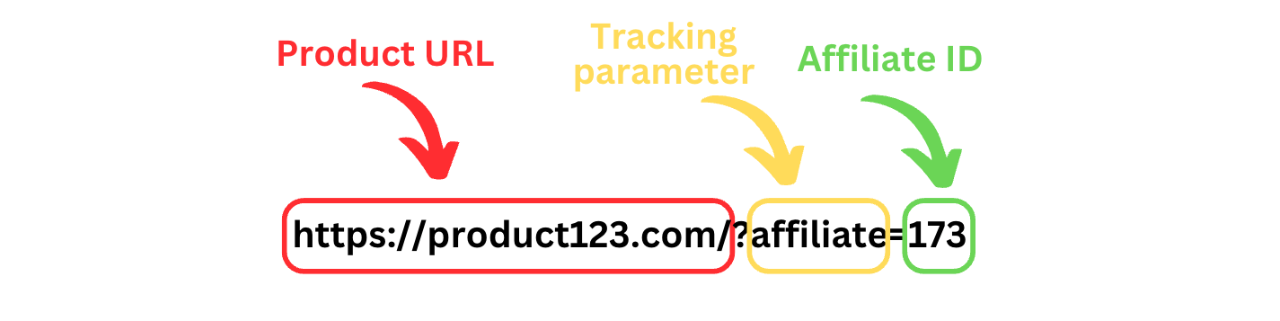
Affiliates can keep track of user activity and refine their campaigns with the help of tracking links. The process is smooth: advertisers offer a unique tracking link, and affiliates embed it in their content. As users click on the link, their actions (whether browsing, buying, or payments) are logged. vCommission uses Google Approved Click Tracker (GACT), providing accurate tracking and reporting and upholding high-quality standards through internal and Google approvals.

Partner with Commission!

The D2C market size in India is expanding at a never-before-seen pace, and in order to keep ahead of the competition, brands must employ creative marketing techniques. For direct-to-consumer (D2C) brands, vCommission is a reliable partner that provides performance-based marketing solutions that boost sales, increase brand awareness, and guarantee economical expansion.

D2C brands may create a devoted following and open up new growth prospects by utilizing vCommission’s affiliate network, data-driven analytics, and influencer partnerships. Partner with us now!

Categories
Affiliate Marketing

Safeguarding Affiliate Campaigns: vCommission’s Guide to Traffic Fraud Prevention

Affiliate marketing has become a cornerstone of digital marketing strategies. It empowers businesses to expand their reach and achieve better ROI. However, with the growing popularity of this marketing approach, there is a rise in the risk of affiliate marketing fraud, such as duplicate content, URL hijacking, malware, fake conversions, and traffic fraud. Among all the types, traffic fraud is one of the most significant threats to the integrity and profitability of affiliate campaigns. In the following guide, we are going to learn about the fundamentals of avoiding traffic fraud and familiarise ourselves with the best practices.

Understanding Traffic Fraud

Traffic fraud is a malicious activity employed to generate fake clicks, impressions, leads, or conversions in affiliate campaigns. It damages performance statistics, resulting in financial loss and reputational damage. In simple terms, affiliate marketing scams ruin the image of the entire affiliate marketing industry. 

Common Types of Traffic Frauds

Let us understand some of the common types of traffic fraud:

  1. Click Fraud: Bots or malevolent performers generate fake clicks in order to drain advertising money. Affiliates use automated software or other means to inflate the number of clicks on their affiliate links artificially. The advertiser is duped into paying commissions for these bogus clicks, resulting in financial losses for the advertiser and unjust profits for the fraudulent affiliate. According to the Interactive Advertising Bureau (IAB), they influence up to 20% of pay-per-click (PPC) ads. 
  2. Cookie Stuffing: Unauthorized cookies are placed on user devices to claim affiliate commissions without legitimate referrals. In this type of fraud, affiliates use techniques like pop-ups, inline framing, browser plugins, or malicious scripts to drop their cookies. Now, when the user makes a purchase, the cookie attributes the sale to the fraudulent affiliate. It accounts for over 60% of fraud in advertisers’ affiliate channels.
  3. Lead Fraud: Fraudsters send phony or low-quality leads to advertisers in order to earn fraudulent commissions. Instead of generating genuine leads through legitimate marketing efforts, fraudsters use fraudulent tactics to increase commission revenue. This frequently involves filling out lead forms or making fraudulent transactions using bots, stolen data, or other automated ways. According to a study, up to 30% of web leads are fraudulent, often generated by human fraud factories or bots.
  4. Ad Impression Fraud: This is when ad impressions are purposefully manipulated to deceive marketers into spending more money. It is sometimes accomplished by employing tactics like bots or phony traffic, which results in inaccurate campaign analytics and the waste of advertising budgets. In some circumstances, many ads are stacked on top of one another, producing the illusion of more impressions than there are. Advertisers pay for impressions that never reach actual users, wasting their advertising dollars. According to a study by Juniper Research, global ad spending lost to fraud is expected to rise to $170 billion annually by 2028. 

All types of traffic fraud impact consumers, affiliates, and advertisers equally, leading to a lack of trust in the affiliate marketing sector. You can also read the 5 Common Affiliate Marketing Fraud activities to watch out for!

The Importance of Traffic Fraud Prevention

Traffic fraud reduces advertising performance, raises expenses, and damages brand reputation, hence, it must be eliminated. Regular fraud causes advertisers to lose faith in affiliate marketing. The reputation of trustworthy affiliates is also impacted by this. For this reason, avoiding fraud is crucial to long-term success.

At vCommission, we are waging the fight against traffic fraud with advanced technology and comprehensive processes. Our focus is on innovation and transparency, through which our advertisers can get authentic results and secure their investments from affiliate marketing scams

Strategies to Protect Affiliate Campaigns from Traffic Fraud

By implementing these simple steps, you can safeguard your affiliate campaigns from fraudulent traffic:

  1. Choose Networks Wisely: Building trust and transparency are a must in affiliate marketing. Networks like vCommission make sure that affiliates adhere to moral guidelines. Your affiliate network must monitor affiliate behavior to keep themselves free from suspicious activities. Partnering with a reliable network builds transparency and protects your brand reputation.
  2. Use Fraud Detection Tools: Affiliate fraud detection tools track your traffic in real-time and alert you if something looks suspicious, like too many clicks but no real leads. These technologies can pick up on anomalies such as sudden increases in clicks, unseasonably high conversion rates, and inconsistencies in device or location data. Early identification of out-of-pattern trends allows you to correct issues before they affect your ROI.
  3. Maintain Your Campaign: Review your campaign’s performance metrics on a regular interval, for instance, click-through, conversion rates, and sources of traffic. If you observe your campaign has abnormally high clicks coming from unknown sources or abnormally low conversion rates, this might be a sign of bots or click fraud. Monitoring on a daily or weekly basis helps you to detect and respond to suspicious tendencies as they emerge. 
  4. Set Clear Rules: Clearly communicate your affiliate terms and conditions upfront. Define what types of traffic are acceptable, which marketing channels are permitted, and what constitutes a violation. When affiliates understand what’s expected, it reduces the chances of accidental or intentional rule-breaking. 
  5. Use CAPTCHA: You can help stop automated bot traffic by adding a CAPTCHA to your landing pages or forms. Bots can mimic human actions, such as clicking links or completing forms, which can lead to a waste of money and false leads. By erecting a small barrier that deters non-human behavior, CAPTCHA makes sure that your campaigns only interact with actual users.
  6. Block Suspicious Traffic: Use IP filtering tools to block traffic from regions or IP addresses known for generating fraudulent activity. You can also block proxies or VPNs commonly used to mask true user identity. This step helps you avoid fake clicks or impressions and keeps your performance data clean. Blocking shady traffic improves both campaign efficiency and return on investment.
  7. Educate Your Team: Educate your marketing team about affiliate fraud detection beforehand. Conduct training sessions to explain how to spot unusual behavior in analytics or reports. A well informed team can quickly suspend or look into dubious affiliates. When everyone involved is informed and aware, prevention becomes simpler.

vCommission: Your Trusted Partner in Affiliate Marketing

Traffic fraud is a persistent challenge in affiliate marketing, threatening campaign performance, increasing costs, and damaging brand reputation. However, this challenge can be overcome with the right strategies and a trustworthy partner like vCommission. Being a world leader in affiliate marketing, we provide advertisers and affiliates with the resources, know-how, and direction they require to see real results and expansion.

At vCommission, we deliver unmatched results on web and mobile platforms through our growing network of over 100,000 affiliates. Ready to take your campaigns to the next level by managing affiliate marketing fraud prevention? Join vCommission today!

Categories
Advertiser

Simplified Advertiser Onboarding: vCommission’s Step-by-Step Process

Affiliate marketing is a fast-growing industry that empowers brands to reach their target clients via trusted affiliate networks. However, advertiser onboarding—the process of establishing campaigns and affiliate partnerships—is often riddled with challenges. Advertisers face many issues, such as technical setups, unclear payment plans, mismatched partnerships, and a lack of transparency in campaign outcomes, leading to ineffective promotions or delayed campaign launches.

This is where vCommission comes in—a top affiliate network with over 15 years of experience navigating the affiliate marketing marketplace. Providing a smooth advertiser onboarding process, vCommission guarantees that their campaigns run efficiently. 

In this blog, we are going to discuss the step-by-step advertiser onboarding process of vCommission designed to simplify and optimize your affiliate marketing journey!

Step-by-Step Guide to Partner with Commission


Our streamlined process helps advertisers set up and optimize their campaigns effortlessly. Here’s how we make it happen:

Step 1. Signup to Get Started

The first step to launching your campaign with vCommission is a quick and hassle-free sign-up process. Simply register as an advertiser on our platform, and our team will reach out to you within 48 hours to help you through the onboarding journey smoothly.

Once you sign up, we ensure a seamless onboarding experience with dedicated support at every stage, helping you set up, launch, and scale your campaigns effectively.

Step 2. Research and Analysis

Before launching a campaign, we perform significant research to learn about the advertiser’s business, target audience, and campaign goals. This allows us to create the most effective onboarding guide for advertisers for maximum outcomes. 

Our research includes:

  1. Brand Research: This comprises looking into the business, its products, and what separates them.
  2. Traffic Analysis: Traffic analysis is the practice of evaluating present web and mobile traffic to determine where growth and transformation are required.
  3. Competitive Analysis: Market and competitor analysis in order to uncover opportunities.

Building a strong research base, we balance the campaign strategy and the goals to onboard new advertisers for maximum realization. 

Step 3. Pricing Model & Feasibility

We select a payment model that is fit for the advertiser’s performance objectives. Depending on the type of campaign, the process of onboarding the advertiser provides different pricing models including CPI, CPR, CPS, CPT, and CPA. Tariffs and regulation ensure that both parties are satisfied from a fruitful and effective transaction.

vCommission selects affiliates that specialize in the advertiser’s brand, ensuring their proficiency in marketing the brand’s niche. Affiliates are evaluated using previous performance measures, including conversion rates, engagement, and ROI. Only top-performing affiliates are chosen to ensure great results. vCommission uses AI-driven analytics to identify affiliates who are aligned with current market trends and customer behavior. This allows advertisers to keep ahead of the competition and achieve the best results.

Step 4. Technical Integration

After the research and feasibility analysis, when all stakeholders responded positively, we quickly moved to technical integration. To track the campaign in real-time and receive the proper statistics, postback integration is done.

In this process, a unique tracking ID is pre-assigned to the affiliate’s link. Once the user completes the desired action, such as signing up or making a purchase, the advertiser’s server sends a postback to the affiliate network’s platform. The postback has crucial data, like conversion details, ensuring precise and immediate updates for both advertisers and affiliates.

Step 5. Campaign Launch & Optimisation

After completing the formalities, we start the campaign with the help of our operation team. That includes activating tracking functionality to track the performance of campaigns. It also involves testing and vetting the setup to have all things running well.

We have one last briefing session prior to the campaign going live, where we will discuss the campaign objective and hoped-for outcomes to align all concerned parties. To gauge success, we also take care of proper tracking and reporting metrics. Once the campaign is live, advertisers are able to view real-time performance, review insights, and adjust as needed to achieve long-term success.

vCommission’s Range of High-Converting Vertical Offers

At vCommission, we offer a diverse range of verticals to help advertisers maximize their campaign success across different industries. Our network provides global eCommerce and travel opportunities, enabling businesses to expand their presence internationally. We also provide software hosting, antivirus, and VPN services for IT and cybersecurity advertising.

For advertisers targeting the Indian market, we have specific India CPL and CPS offerings, as well as COD Nutra and eCommerce promotions. We also provide USA lead generation and pay-per-call campaigns, which help businesses generate high-quality leads with excellent conversion rates.

To Sum Up

vCommission is a trusted affiliate marketing head with a robust presence in India, Singapore, the UAE, the UK, and the USA. Our advertiser onboarding steps simplify advertiser onboarding to be easy, simple, hassle-free, and effortless. Advertisers partner with us to build, enhance and expand their campaigns. Transparency, trust, and innovation are at the heart of all we do, ensuring that each collaboration maximizes value.

With a large affiliate network and a performance-driven approach, vCommission ensures that marketers in these verticals receive maximum outcomes and ROI. Are you ready to take your campaigns to the next level? Sign up with vCommission now!

Categories
Affiliate Marketing

Which Affiliate Marketing Verticals Are Outperforming in 2025

Affiliate marketing continues to be one of the most powerful ways to generate passive income in 2025. With the right vertical and the latest affiliate marketing trends, you can convert a side hustle into a full-time venture. According to Statista, the projected growth of the affiliate marketing sector is $17 billion as of 2025, and it is expected to grow to $40 billion by 2030. The icing on the cake? vCommission, the most preferred network for affiliates, is here to help you choose the right vertical by offering the best affiliate program across multiple niches.

In this blog here, we are going to concentrate on those affiliate marketing verticals that are performing well in 2025 so that you can leverage them to make big money.

Top 5 Affiliate Marketing Verticals You Shouldn’t Miss

Here are the five top-performing affiliate marketing verticals of 2025, all of which offer exciting opportunities for affiliates.

1. E-commerce

E-commerce has spread like wildfire in the past few years, and in 2025, it is still dominating the retail space across the globe. Be it B2C or B2B purchases, e-commerce is a highly profitable affiliate marketing niche. With numerous online shops such as Amazon, Shopify, and niche-based e-commerce sites having an affiliate program, it is highly probable to earn decent commissions in this niche.

Affiliates have the freedom to market sub-niches of e-commerce such as fashion, electronics, health, wellness, and even eco-products. High-ticket sales potential is enormous, and one can earn commissions from high-ticket products such as electronics, furniture, and luxury goods.

Market Size: According to Statista, the global e-commerce market is projected to reach US$5.89tn in revenue by 2029.

2. Travel

Travel suffered the worst impact of the pandemic, but in 2025 the industry is thriving and back to the way things were. Whether luxury travel, adventure travel, or ecotourism travel, traveling is a very profitable affiliate marketing vertical. With there being so many online platforms such as Airbnb, hotel booking sites, and travel agencies that all have best affiliate program, making a lot of money in this vertical is very simple.

Affiliates have the freedom to market sub-niches in travel such as budget travel, solo travel, pet vacationing, and sustainable tourism. There are high-ticket sale possibilities involved in travel affiliate marketing through airlines, accommodations, and package tours, meaning each time an affiliate makes a sale, he makes substantial commissions.

Market Size: According to Zion Market Research, the global travel market size has already hit the $11,39 trillion mark and is set to grow further.

3. Utility

The utility industry, consisting of essential services like electricity, water, natural gas, and sewerage, is the cornerstone of contemporary infrastructure. In 2025, this vertical is a profitable one, and it offers affiliate marketers lucrative opportunities. With increasing numbers of utility organizations embracing digital platforms and subscription models, affiliates have the opportunity to earn good commissions for promoting utility services like renewable energy solutions, smart home utility services, and energy-efficient products.

Sub-niches like solar power, water conservation systems, and green energy projects can be marketed by affiliates. Growing concern about sustainability and the incorporation of smart technology has led to demand for high-ticket purchases in the niche, opening doors to it being a revenue-generating pipeline for marketers.

Market Size: As per the utilities global market research, the market is expected to grow at a compound annual growth of 6.0 % by 2029.

4. Fashion and Beauty

The beauty and fashion vertical is one of the evergreen affiliate marketing trends. Regardless of any economic downturns, individuals will always want to look their best. This vertical offers a vast array of products ranging from skincare products to cosmetics to fashion. Even the global skincare market alone is estimated to be close to $190 billion by 2025, which is a highly profitable vertical, making it the future of affiliate marketing.

Fashion and beauty affiliates can promote everything from clothes and accessories to skincare routines and tips. The vertical receives repeat buys, which translate into an ongoing stream of income. YouTube, Instagram, and Pinterest are great places to use in selling fashion and beauty items and aesthetics, and from which affiliates can build a following and earn commissions.

Market Size: The beauty market is expected to reach approximately $580 billion by 2027 as per a McKinsey report.

5. Technology

With do-it-all-faster times, the tech world is among the most lucrative verticals in affiliate marketing. With the newest phones, gadgets, and software, technology just keeps growing, and customers are always looking for the next greatest thing. As per Statista, the demand for mobile applications alone will reach $673 billion by 2027, offering a humongous opportunity for affiliates.

SaaS (Software as a Service), VPN services, and security software are just a few of the sub-niches that affiliate marketers in this industry might target. SaaS solutions, for example, can have large commissions (up to $500 per transaction), which makes this a very lucrative market. There are many of chances to make money from your platform if you’re interested in tech products.

Market Size: The information technology spending is expected to exceed $5.26 trillion worldwide, according to Gartner.

Other Important Affiliate Marketing Verticals

There are several other lucrative affiliate marketing niches that are thriving in 2025, including:

1. Finance and Wealth-Building

In the affiliate marketing trends, the finance and wealth building vertical is a perennial winner. The need for financial information, courses, and tools is higher than ever due to increased interest in crypto, real estate, and investments.

In 2025, affiliate marketers can focus on promoting products related to financial education, trading platforms, investment apps, and even cryptocurrency services. The wealth-building vertical is vast, and even if you aren’t a financial expert, there are many products that give significant rewards to affiliates who promote them.

Market Size: As per Research and Markets, the financial market will grow to $35.85 trillion in 2025.

2. Health and Fitness

Health and fitness are global subject matters making it the best affiliate program. By 2025, this market is still considered to be among the most profitable affiliate markets. Whether for weight loss drugs, exercise gears, supplements, or gym enrollment, individuals continually search for new methods of health improvement.

One of the most profitable sub niche in this vertical is the weight loss and anti-ageing niche, which is anticipated to keep on growing. Consumers are willing to pay for products that make them look and feel good, and it is a great vertical for affiliate marketers. Products like yoga mats, gym gear, and fitness software also offer profitable potential for affiliates.

Market size: The global healthcare market will reach $665.37 billion by 2028.

3. Online Education and Lifestyle

Online education is becoming increasingly important, especially in the post-pandemic era. The business is rapidly expanding, with offerings ranging from lifestyle coaching to skill development courses. Affiliates can sell lifestyle products, productivity software, self-help books, and online courses. 

Learning online is currently a mainstream reality for millions of people, and selling high-quality learning content has the potential to generate massive affiliate commissions. The vertical is equally diverse, permitting marketers to zero in on narrower verticals, be it professional development or self-development.

Market Size: By 2027, the online education market alone is forecasted to reach $53.13 billion.

4. Hobby and Leisure

Individuals operating in the hobby and leisure sector have a great opportunity to market very passionate verticals. Whether photography, gardening, or adventure sports, this vertical has a myriad of sub-niches that could give a significant return. 

For example, specialised hobby products like photography, music composition, or even vertical hobbies like home brewing and urban agriculture are gaining popularity. Micro-influencers who specialise in vertical hobbies are more likely to thrive because they have a vertical, highly engaged audience. 

Market Size: The number of users in the hobby market is expected to amount to 1.4bn users by 2029.

5. Pet Care

The pet industry is doing well with pet owners always eager to provide the best to their pets. Right from high-quality pet food and pet grooming to pet accessories and pet health care, there are quite a number of affiliate opportunities in this vertical. You can promote as a pet owner training accessories, health supplements, toys, and travel accessories for pets.

In reality, pet care is a fantastic vertical for affiliate marketers with animal passions. Selling quality products that enhance the lives of pets can cause affiliates to have a loyal audience and stable income. It’s a growing vertical because people overspend to treat their pets. 

Market Size: According to Bloomberg, the pet care market size will reach almost $500 billion by 2030, making it the future of affiliate marketing.

6. Sports

It is hard to overestimate how ubiquitous and valuable sports are. While some go to the gym to keep themselves in shape, others aim at developing muscles or simply playing soccer for entertainment’s sake. And even those, who don’t actually do much, easily make the gym into their New Year’s resolutions agenda. Sport makes up a part of an active lifestyle, and this market actively develops.

One of the latest affiliate marketing trend in this vertical is the increasing popularity of wearables. Smartwatches and fitness trackers are becoming the norm, and some new products, like smart rings, join the market. Home gyms are another trend – after the pandemic, people are more interested in having a space to work out at home.

Market Size: The sports industry is one of the growing affiliate marketing trends as the revenues surpass $2.65 trillion.

7. Food and Beverages

The food and beverage is the best affiliate program that accounts for around 10% of the world’s GDP. Subscription boxes, organic food subscription plans, and drink clubs have created an entirely new space for affiliates to earn money.

Affiliates are free to sell anything from organic treats and monthly wine subscriptions to gourmet coffees and ethnic gift food gift baskets. Owing to the vast product offering, affiliates access a vast group of customers readily and can profit through commissions for inexpensive as well as pricey merchandise.

Market Size: The global market size of food and beverages is projected to reach $7,464.2 billion by 2027.

Boost Your Affiliate Earnings with vCommission!

As we move towards 2025, the e-commerce, technology, travel, beauty, and utility verticals are turning out to be among the most lucrative verticals for affiliate marketers. If you are new to this game, selecting a vertical that you are interested in will give you better opportunities for success.

For those seeking a reliable affiliate marketing platform to access their earning potential, vCommission provides diverse opportunities across many verticals. Additionally, to succeed in the world of affiliate marketing you can follow the best practices published by IAMAI

Join vCommission today and start earning big with the best affiliate marketing programs!

Categories
Affiliate Marketing

The Best Practices for Affiliate Marketing in India – IAMAI Research Insights with vCommission

Affiliate marketing has been emerging as a very popular method of earning money online, especially in India. More and more companies are attempting to sell goods and services over the Internet, and affiliate marketing is a powerful way of acquiring new customers. With a spending of around 331 million USD, it is expected to grow to 420+ million USD in 2025. To ensure sustainable growth of affiliate marketing, the Internet and Mobile Association of India (IAMAI) framed and published the Best Practices for Affiliate Marketing in India.

These practices are a result of a year-long effort of a task force established by IAMAI in October 2023, comprising eight affiliate marketing companies, including vCommission. Understanding best practices in affiliate marketing will help marketers and businesses perform well in this competitive market. In this blog, we are going to discuss IAMAI’s research insights, its objectives, and the affiliate marketing best practices in India.

Introduction to IAMAI

The Internet and Mobile Association of India (IAMAI) is a not-for-profit industry association with 583 members, including Indian and multinational corporations and start-ups. IAMAI facilitates the development of India’s digital economy by advocating fair competition, progressive policy, and consumer trust and safety. Its mission involves policy advocacy, research, and support to start-ups with a focus that guiding the affiliate marketing industry towards transparency and ethics through the best affiliate marketing strategies.

Objectives of IAMAI’s Best Practices for Affiliate Marketing

IAMAI’s Best Practices for Affiliate Marketing are intended to promote the ethical and sustainable development of the industry. The major goals of affiliate marketing strategies are:

    • Standardisation: Providing transparent guidelines for effective and ethical campaigns.
    • Trust Building: Promoting communication and transparency among all the stakeholders.
    • Compliance Guidance: Assisting stakeholders in complying with legal and ethical processes.
    • Performance Optimization: Providing monitoring and optimising tools for campaign performance.
    • Risk Mitigation: Minimizing disputes with transparent contracts and terms.
    • Industry Growth Support: Assisting companies to expand in accordance with the industry.

Best Practices for Affiliate Marketing in India

Here are some of the important affiliate marketing best practices that have to be implemented by marketers and businesses:

1. Know Your Target Audience

Knowing the target market is the secret to successful affiliate marketing. It will allow you to choose the right products to sell and make your marketing a success.

    • Know the Demographics: Get to know where your audience is, what gender, age, and interests they possess. Having knowledge of your audience allows you to create focused campaigns that appeal to them.
    • Analyze Behavior: Identify how your audience acts—what they are looking for, what kind of content they engage with, and what problem they are attempting to solve. Targeting their problem-solving, you can create content that stands a greater opportunity to convert.

Tailoring your campaigns to your audience’s needs and interests is crucial for success in affiliate marketing.

2. Choose the Right Affiliate Program and Network

One of the crucial choices you will make as an affiliate marketer is choosing the appropriate affiliate networks and programs. Effective affiliate marketing strategies give you the resources, tools, and assistance you require to be successful. 

    • Partner with Trustworthy Networks: One of the top affiliate marketing networks in India is vCommission, which gives users access to premium campaigns and advertisers. Affiliates who work with a reliable network have access to top-notch programs, prompt payments, and knowledgeable support.
    • Examine the Commission Structure: Prior to entering any program, learn the commission structure. Various affiliate programs have different models of compensation including cost per click (CPC), cost per lead (CPL), cost per sale (CPS), or cost per install (CPI). Select the model that best suits your objective and provides the maximum opportunity for income.
    • Identify High-Converting Products: Choose programs with high-converting products. High conversion rate means that your marketing efforts have higher chances of converting to sales, and subsequently higher profits to you in the form of commissions.

Choosing the right affiliate marketing tactics will give you the highest possible chance of success and making profits.

3. Ensure Transparency and Compliance

In order to safeguard customers and prevent unfair practices, affiliate marketing is subject to many rules in India. It’s wise for affiliate marketers to abide by these laws in order to build reader trust and use ethical affiliate marketing tactics

    • Disclosure of Affiliate Links: Be truthful. Always make clear that you’re making use of affiliate links. Tell your audience that you’ll receive a commission if they purchase something through your link. This fosters trust and compliance with legislation such as the Consumer Protection Act 2019.
    • Avoid Deceptive Claims: Do not make false impressions about the products that you are selling. Be true to your review and offer only those products in which you have confidence. Deceiving your consumers can ruin your reputation and will cause long-term loss to your affiliate business.
    • Follow Data Privacy Laws: India’s Information Technology Act, 2000, and the coming Personal Data Protection Bill require affiliate marketers to protect the privacy and security of user information. Gather and keep data ethically.

Being transparent and compliant will establish you with a reputable relationship with your audience and prevent any legal complications.

4. Track and Optimize Your Campaigns

It is essential to monitor and measure the performance of your affiliate campaigns. If you don’t monitor, you won’t know which campaigns are performing and which are not without monitoring. IAMAI’s report highlights the importance of leveraging analytics tools to monitor and measure all key metrics and make informed decisions.

    • Use Tracking Links: All affiliates should utilize different tracking links so that clicks, conversions, and sales can be tracked. This way, you can see directly which marketing channels are producing outcomes.
    • Monitor Analytics Intermittently: A mere campaign setup is not enough. Monitor your performance intermittently using the help of analytics tools. With the help of metrics like click-through rate (CTR), conversion rate, and average order value (AOV), you can identify the areas of improvement.
    • Split Testing: Test various strategies and discover what works best. Headline, image, and call-to-action A/B testing can enhance your campaigns and increase conversion rates.

Tracking and analytics will help you learn about your audience’s behaviour and improve your affiliate marketing campaigns with time. 

5. Create Engaging and Authentic Content

Quality content is the backbone of any successful affiliate marketing campaign. Whether you are writing blog posts, videos, or social media updates, the content that you use to promote your affiliate products is the deciding factor that makes the conversions.

    • Provide Authentic Reviews: Provide authentic, quality reviews of the products you’re selling. Say what you know about them, point out advantages as well as disadvantages, and offer authentic suggestions. Your visitors will be grateful to you for this because it might generate more confidence and conversions.
    • Create Helpful Guides and Tutorials: Aside from reviews, creating guides and tutorials on how to apply the products that you are providing can be helpful to your customers. For example, in the event that you are providing a device, you can create a tutorial on how to use it in the most effective way possible.
    • Leverage Video Content: Video is a precious asset for conveying to your audience. You can make video tutorials, reviews, or unboxings for showing off the products which you are reviewing. Video content performs better with enhanced engagement as well as possibly enhanced conversions.

The more and higher-quality content you produce, the higher is the chance that your crowd will have faith in your site and buy through your affiliate link.

6. Optimize Your Campaigns for Mobile Users

Mobile usage is at its highest-ever level in India. Because most internet users access the internet via mobile devices, affiliate marketers must ensure that their content is responsive.

    • Responsive Websites: Make your landing page or website responsive. This indicates that the page should load quickly and that the layout should be compatible with various screen widths.
    • Quick Loading Speed: Slow websites frustrate users and increase the bounce rate. To ensure that users have a satisfying experience, make sure your website is optimised to load quickly.
    • Mobile-Friendly Content: You need to make sure that your emails, advertisements, social media posts, and website are all responsive. Conversion rates and user interaction may increase as a result.

You can prevent losing a significant portion of your audience by optimising for mobile and using other affiliate marketing tactics.

7. Test and Optimize Regularly

Affiliate marketing is a continuous process that requires preparation. If you want to increase your performance and remain competitive, you must be prepared to test and refine advertisements. 

    • A/B Testing: Try out various versions of your campaigns, e.g., changing headlines, call-to-action buttons, or even product descriptions. Testing will tell you what works and what doesn’t.
    • Learn from Analytics: Make better decisions by using the information you collect. For instance, alter the offer or promotion plan if a specific affiliate link isn’t doing well.
    • Stay Up-to-date: The world of Internet marketing is always evolving. Keep yourself updated with new trends, technologies, and techniques to keep your affiliate marketing campaigns fresh and effective.

Routine testing and optimisation will allow you to improve your campaigns and help ensure that you’re always optimising for the best possible results.

Best Practices for Advertisers in Affiliate Marketing

Just like affiliates, advertisers also need to implement best practices to ensure success through their affiliate marketing campaigns. IAMAI research picks out major best practices for different campaign formats including Cost per Visit (CPV), Cost per Lead (CPL), Cost per Sale (CPS), and Cost per Install (CPI).

      1. CPV Campaigns: Advertisers aim to drive traffic to their landing pages. They should use UTM parameters, auto-report, and segment the audience to ensure traffic is performing efficiently.
      2. CPL Campaigns: Advertisers compensate affiliates for generating leads. To ensure quality leads, designate payable and non-payable leads, real-time tracking, and a minimum campaign duration.
      3. CPS Campaigns: Advertisers reward affiliates for driving sales. Use real-time tracking and backend reporting to attribute correct sales.
      4. CPI Campaigns: This model focuses on driving app installations. Apply mobile measurement partners (MMPs) and properly set campaign objectives to deliver app installations.

These policies assist advertisers in inducing the most ad campaign optimization, achieving actual performance measurement, and obtaining more investment returns.

Drive Affiliate Marketing Growth with vCommission

Indian affiliate marketing is evolving rapidly, and it has very promising potential for businesses and marketers. Based on IAMAI’s research affiliate marketing best practices, you can create successful affiliate marketing campaigns that yield actual returns. Keep in mind that the key to success is affiliate marketing strategies like knowing your audience, selecting the finest affiliate programs, being open and honest, monitoring your progress, producing high-quality content, and optimising for mobile devices. 

One of the most effective ways to implement these tips for affiliate marketing success is by partnering with a leading affiliate network like vCommission. We provide useful tools, a variety of top affiliate programs, and great support to help you earn more while ensuring fair payments and transparency. Join vCommission today and start planning a successful year ahead in your affiliate business!

Categories
Affiliates

Data-Driven Decisions for Explosive Affiliate Marketing Growth

Data-driven strategies are essential in today’s digital world for assessing the effectiveness of affiliate marketing campaigns. The days are long gone when affiliates were promoting goods and services only on guessing or intuition. Now, affiliates need to base their judgments on data, to better understand their target audience, optimise their efforts, and boost conversion rates.

The internet has completely transformed the way customers interact with brands and purchase products. By leveraging analytics tools and employing a data-driven approach, affiliates can optimise their work and boost profitability. In this blog, we will discuss how a data-driven strategy can assist affiliates in increasing revenue and achieving success.

What is Data-Driven Affiliate Marketing?

Data-driven affiliate marketing is the use of actual data and analysis to drive campaigns. It is different from the guesswork used by traditional affiliate marketing as it allows marketers to make decisions based on customer behavior and performance metrics. Affiliate marketers are able to monitor conversions, clicks, and audience interests in order to be in a position to better tailor their marketing strategies. This leads to more accurate targeting, higher conversion rates, and a higher return on investment (ROI). 

Affiliates can use data to construct effective, targeted marketing efforts that appeal to their target demographic. Through vCommission’s robust affiliate dashboard, you get access to real-time reports that help you make informed choices and sharpen your strategy for better results.

Why Data Matters: vCommission’s Value for Performance Affiliates

Affiliates oversee several platforms, channels, and verticals concurrently. Campaign management becomes complicated as a result. The procedure is made simpler by vCommission. The software offers easy-to-use tracking features and transparent reports. Affiliates may concentrate on what actually influences performance and profit.

1. Better Targeting

Affiliates can get helpful information about user demographics, device types, and traffic sources with vCommission. They might make tailored advertisements that target the appropriate users at the appropriate moment by using these facts. Affiliates can target individuals who are already exhibiting interest or intent to purchase rather than promoting to a broad, general audience.

For example, if a user has engaged with a similar offer or visited a landing page multiple times, you can focus your efforts there. This kind of precision improves your chances of generating high-quality leads. In short, better targeting leads to better results, and vCommission helps make that possible.

2. Real-Time Optimisation

One of the key advantages of partnering with vCommission is the ability to obtain real-time performance information. You don’t have to wait days or weeks to find out if a campaign is successful. Real-time metrics such as click-through rate (CTR), conversion rates, and leads generated are displayed.

This immediate access lets you make quick adjustments. If an ad isn’t converting, you can change the creative, update your call to action, or shift your targeting. By making these changes instantly, you avoid wasting ad spend and stay on top of what works. With vCommission, affiliates are always equipped to optimise their campaigns on the go.

3. Smarter Budget Allocation

Affiliates may monitor which platforms, verticals, and campaigns are making the most money with vCommission. This facilitates the process of choosing where to invest your funds. You might focus more on what is working and less on what isn’t if you don’t allocate the same amount of money to each channel.

For example, you can adjust your ad budget if your analytics indicate that traffic from Instagram generates more conversions than traffic from YouTube. Allocating funds wisely like this increases productivity and returns on investment. These choices are made easier and with greater accuracy because of vCommission’s transparent reporting.

Key Data-Driven Affiliate Strategies with vCommission

Affiliates who use data well may scale more quickly and intelligently. You may use vCommission’s tracking and reporting features to fine-tune your campaigns and maximize earnings.

1. A/B Testing

A/B testing is a simple yet powerful way to improve performance. It involves running two different versions of a campaign to see which one performs better. Affiliates can test different headlines, images, CTA buttons, or landing page formats to see what drives more clicks and conversions.

vCommission supports this kind of testing by offering real-time data and performance insights. If you’re running a skincare product promotion, try one landing page with a discount and another with free shipping. vCommission’s reporting tools enable you to compare results quickly and choose the version that converts the best.

2. Analyzing Traffic Sources

Making wise decisions requires knowing where your traffic is coming from. Affiliates may determine which channels provide the highest money by using the comprehensive data that vCommission offers, which breaks out the sources of traffic.

With this knowledge, you may concentrate your efforts where they are most effective. You can adjust your budget if the data indicates that paid search advertising are generating more conversions than social media traffic. Affiliates don’t have to speculate thanks to vCommission’s tracking tools; they are aware of exactly what is effective and why.

3. Applying Predictive Analytics

Affiliates can remain ahead of market trends with the aid of predictive analytics. They can forecast what kinds of deals or verticals would do well in the future by looking at historical performance data. This enables them to schedule campaigns ahead of time and start them at the appropriate moment.

For instance, you can produce pertinent creatives and landing pages in advance if your past campaigns demonstrate a boost in sales of health and wellness products during the first quarter of the year. With vCommission’s access to performance trends across many verticals, affiliates may scale faster and act on them more readily.

4. ROI and Attribution Tracking

Knowing which parts of your marketing strategy are actually driving conversions is crucial. vCommission enables precise attribution tracking so you can see which touchpoints, such as blog posts, email newsletters, or paid ads, lead to the most conversions.

This data empowers affiliates to double down on the highest-performing channels and fine-tune underperforming ones. If email marketing generates more conversions than sponsored ads, you can reallocate your spending. You always have control over your return on investment because of vCommission’s transparent tracking, which simplifies performance analysis.

Conclusion

Data is more than just helpful in today’s cutthroat affiliate market. It is the cornerstone of more intelligent decision-making, more effective targeting, and improved outcomes. Affiliates may optimize their strategy, increase revenue, and enhance conversions by employing a data-driven approach.

With vCommission, affiliates are able to find high-converting channels, track user behavior, and track success. You may effectively build your campaigns and safely concentrate on what works if you have clear insights and precise reporting.

If you are looking to scale your affiliate marketing efforts with performance-focused support, look no further than vCommission!

Categories
Webinar

The Rise of Affiliate COD Ecommerce in India: Exclusive Insights from Our Webinar with Google

The evolution of the COD Ecommerce model in affiliate marketing has been revolutionary in the past few years. This trend has created a new wave of opportunities for both brands and affiliates, providing an efficient, profitable, and scalable means of generating sales and developing businesses. 

Recently, Parul Bhargava, Co-Founder & CEO of vCommission, hosted an insightful webinar with affiliate social featuring two professionals from Google: Shrey Kapoor (Affiliate Partnership Lead) and Gunjeeta Jaju (Affiliate Partnership Manager). The session, titled “Rise of Affiliate COD ecommerce,” explored the growing trend of COD in the Indian market and how affiliates can capitalise on it.

This blog takes you through the key takeaways from this session, highlighting the benefits for brands and affiliates, the proven profitability of the COD model, and how Demand Gen can further optimize campaigns. Let’s dive in!

The Birth of COD Ecommerce in India

India’s ecommerce ecosystem has been growing at a fast pace, with a distinct emphasis on the COD model. Although online payments initially became an obstacle for consumers, the entry of India COD ecommerce introduced a smooth trajectory for buyers to pay only after receiving their products. Not only did this minimise the fear of fraud, but ecommerce also became more popularised, particularly in smaller towns and rural regions where credit cards were not widespread.

Cash on delivery in ecommerce helps gain customers’ trust while increasing the company’s customer base. This was further supported by the increasing use of affiliate marketing to attract more customers. Affiliates could promote products via multiple channels and earn commissions on COD sales.

Advantages of the COD Model for Brands

India COD ecommerce has several benefits for brands. By having the products sold by affiliates, companies can expand rapidly and tap into more consumers without the expense of upfront marketing fees. How it works:

  1. Low Consumer Risk: Because the customer only pays once they have already received the product, consumers are protected against scam orders or non-payment by choosing cash on delivery in ecommerce.
  2. Ability to Access a Large Base: By leaving the promotional work on marketing through multiple platforms (social sites, blogs, websites) for affiliates, the brands get access to large bases that could not be covered otherwise.
  3. No Upfront Investment Needed: Conventional ad models require a payment upfront, but COD-based affiliate marketing enables companies to pay after the sale has been completed. This saves them capital and brings in higher profitability.
  4. More Leeway in Campaigns: Having fewer limitations with the Cash on delivery in ecommerce than other payment options present, brands have the freedom to try innovative campaigns, including video-centric campaigns, offer-based promotion, and bundles, to get sales.

Advantages of the COD Model for Affiliates

Affiliates have a lot to benefit from marketing COD ecommerce products. Among the major advantages are:

  1. Greater Profitability: The COD model provides an effective and profitable solution for affiliates. Since payment is made on delivery, affiliates are more assured of generating sales without fear of payment fraud or delay.
  2. Fewer Policy Problems: There are fewer payment dispute and rule conflict issues in the COD model compared to CPS models. This makes it easier for affiliates to optimise their campaigns without dealing with complex policies or compliance matters.
  3. Less Competition: Since the COD ecommerce model is relatively new in certain areas, there’s not as much competition among affiliates. This allows newcomers to establish a niche for themselves and begin earning commissions without having to deal with considerable competition from well-established marketers.
  4. Simple Tracking and Optimization: COD order tracking allows affiliates to track orders in real time. With transparency in order staging, affiliates can simply track orders from the moment they are ordered, confirmed, and shipped until the moment they arrive on the customer’s doorstep. Such transparency in India COD ecommerce facilitates the optimisation of campaigns and performance.

vCommission’s Breakthrough Solution for COD Ecommerce

vCommission offers a breakthrough solution for affiliate marketing, particularly for India COD ecommerce. Here’s what vCommission does differently:

  1. Direct Linking & URL Tracking: vCommission supports direct linking and transparent URL tracking, which means that affiliates can easily track sales and conversions.
  2. Sub ID Tracking: Sub ID tracking is available for affiliates to track their campaigns in detail through simple yet efficient sub ID tracking, which allows for improved management and optimization of their marketing campaigns.
  3. Order Staging: vCommission provides an open order staging system:
    1. Step 1: Order placed
    2. Step 2: Order confirmed & shipped
    3. Step 3: Order received 
  4. Fast Payment: vCommission provides fast bill processing, wherein affiliates receive their payments within 7 days after the delivery acknowledgement.

Three Key Affiliate Models for COD Ecommerce

Shrey Kapoor, during the webinar, elaborated on three key models that are popular among affiliates in the India COD ecommerce space:

  1. Shopify Site Model: This model focuses on creating simple ecommerce sites with 5-10 high-converting products. The approach is video-heavy, and affiliates typically target niche markets that respond well to visual content.
  2. Coupon/Promo/Comparison Sites for Search-Heavy Traffic: Affiliates targeting search-heavy traffic often create coupon websites that offer discounts or special deals. By incorporating cash on delivery in ecommerce as a payment option, these sites can effectively convert visitors looking for great deals into paying customers.
  3. Advertorial Style Pages (Video-Heavy): These pages focus on combining editorial content with product promotions. Video plays a key role in engaging the audience, making it easier for affiliates to drive action and sales.

These models allow affiliates to experiment with different strategies and target audiences more effectively. With the flexibility of video-heavy campaigns, affiliates can create compelling content that resonates with consumers and drives higher engagement.

Google’s Video Action Campaigns: A Game Changer for Affiliates

One of the most exciting takeaways from the webinar was the power of video action campaigns (VAC) in driving conversions. Shrey Kapoor discussed how VAC leverages Google and YouTube’s tech capabilities to help affiliates reach their target audience, drive action, and measure success. The platform enables affiliates to run video-driven campaigns that can be automated for greater efficiency.

Shrey said that VAC campaigns will soon be upgraded to Demand Gen campaigns in April 2025. Demand Gen combines Google’s search engine and YouTube’s advanced technologies, making it easier for advertisers to create and convert demand. 

Shrey shared that advertisers who added Demand Gen to their search or Performance Max campaigns saw an impressive 14% increase in conversions on average.

Some of the additional features that make Demand Gen more powerful than VAC for affiliates include:

  1. Channel Control: Affiliates can control where their ads appear, ensuring they reach the right audience.
  2. Image Ads: In addition to video ads, affiliates can include image ads to diversify their creatives.
  3. Audience Targeting: Lookalike segments allow affiliates to reach the most relevant audience.
  4. Maximising Click Bidding: The platform provides tools to optimise bidding strategies for better ROI.
  5. Creative A/B Testing: Affiliates can test different creatives to determine which ones perform best.
  6. AI-Generated Image Ads: Google’s AI can now generate image ads based on text prompts, allowing affiliates to create visually compelling ads quickly.

Demand Gen Best Practices for Affiliates

Gunjeeta Jaju took a deep dive into how affiliates can leverage Demand Gen to run successful campaigns. Here are some of the best practices she shared:

  1. Minimum Viable Requirements for Google Auctions: Build campaigns that meet the minimum requirements to serve in Google auctions. This ensures your ads will be shown to the right audience.
  2. Optimised Targeting: Use lookalike segments or optimised targeting to increase your chances of reaching the most relevant users.
  3. Bid and Budget: Set a daily budget of over $100 to enable your campaign to achieve maximum reach and performance.
  4. Creative Diversity: Utilize at least one image and horizontal and vertical videos to support different devices and ad formats.
  5. Conversion Tracking: Implement conversion tracking on every page of your website to monitor the success of your campaigns accurately. Additionally, using data-driven attribution (DDA) helps optimise conversions.
  6. Campaign Optimization: Allow for at least 50 conversions before exiting the learning phase. Also, limit bid changes during the campaign to avoid disrupting the process.

Landing Page Hygiene Guidance

Gunjeeta further emphasised the importance of landing page hygiene, including:

  1. Affiliates must ensure that their landing pages are well-designed and free from issues such as broken links or redirects, 404 errors or pages that don’t load properly, and inaccessible navigation.
  2. Ensure the domain owner and the paying entity match in the account.
  3. Have a detailed privacy policy page that includes all user data that is being collected.
  4. The website must have the name of the registered company along with an authentic address and phone number.
  5. A website should not be an exact replica of another website owned by the same or a different company.
  6. All the information on the footer should be clearly visible.
  7. Must-Have- Shipping Times, Return & Refund policy mentioned.
  8. Use corporate email IDs for all business-related communications.
  9. Include trademark symbols only if you have a valid certificate.
  10. Check that your Google Tag implementation is functioning properly.

Concluding Thoughts

India COD ecommerce growth is generating a treasure trove of opportunities for affiliates. Affiliates are well-positioned to benefit from this new market because of the low level of competition, the significant potential for revenue, and the effectiveness of tools like Google’s Demand Gen. Implementing best practices and keeping up with the latest technologies can assist affiliates in optimising their campaigns, constructing conversions, and maximising their revenue potential in 2025 and beyond.

This is the ideal moment for affiliates who want to be successful in this field to use the powerful tools provided by platforms like Google, optimise their landing pages, and embrace the potential of video-driven campaigns. 

Key Questions Asked in the Webinar

Q. What’s the basic structure for launching new campaigns?

Answer- Shrey Kapoor suggests that one should launch several campaigns for several products. Demand Gen allows you to upload all creatives to one campaign, and the system will optimise and test them automatically. If a creative does better, it gets promoted to a higher rank. With Demand Gen, most of the optimisation is done by the system.

Q. When you refer to company information, does it mean the company of the product?

Answer- No, Shrey explained that it’s not the company that produces the product but the owner of the domain and the paying account in the Google Ads account. The affiliate marketing campaign needs to be set as the affiliate as the paying account and the owner of the landing page.

Q. Do you recommend testing products with a $ 100-per-day budget for 2-3 weeks?

Answer- Shrey recommended that testing a product with a $100 per day budget is best to get sufficient data. For products with lower volumes of conversion, testing 2-3 products can provide better learning.

Q. Can we test Demand Gen for health products? Any restrictions?

Answer- Gunjeeta Jaju reaffirmed that any product’s vertical policy does not change. You must be careful to comply with the guidelines while running health-related campaigns. Health insurance addressed to the United States must hold a G2 certificate, though search campaigns could be used when moderately restricted health products are available, although differences might apply.