
Categories
Affiliates

Independence Day Sale 2025: High-Converting Categories and Pro Tips for Affiliates

People wait for the Independence Day sale.

Not just days, but for weeks. Phones stay in carts. Skincare kits sit in wishlists. Flights go unbooked. Shoppers across India hold off on spending, knowing August brings the price drops they’ve been waiting for. And they’re not wrong.

According to The Economic Times, brands saw a 5–10% jump in sales during Independence Day week last year. That demand is back, bigger, smarter, and faster-moving. If you are an affiliate, Independence Day Sale 2025 is your golden window. But to cash in, you need more than just a live link. You need to know what’s selling, where the traffic is, and how to grab attention before someone else does.

In this blog, we will break down what works, what doesn’t, and how to earn more during the Independence Day Sale 2025. Let’s get into it!

Why Independence Day Sales Drive High Conversions for Affiliates?

Independence Day sales are among the biggest online shopping events in India, along with Diwali and the New Year. During this time, brands from all sectors try to clear stock, launch seasonal offers, or give loyal customers big discounts and fresh product launches. For affiliates, this means:

    • Higher-than-usual CTR due to increased shopping intent
    • Faster validation cycles and quick commissions
    • A short but powerful window to scale traffic and test offers

Google Trends data also shows a clear spike in product-related searches like “best Independence Day deals” and “August online sale” starting as early as the last week of July.

Top-Performing Categories During Independence Day Sale

The selection of the right category to promote directly impacts your affiliate conversion rates and revenue potential. Shoppers are usually looking for timely and useful deals, whether it’s to upgrade their wardrobe, improve their skincare routine, or enhance their work setup.

1. Fashion & Apparel

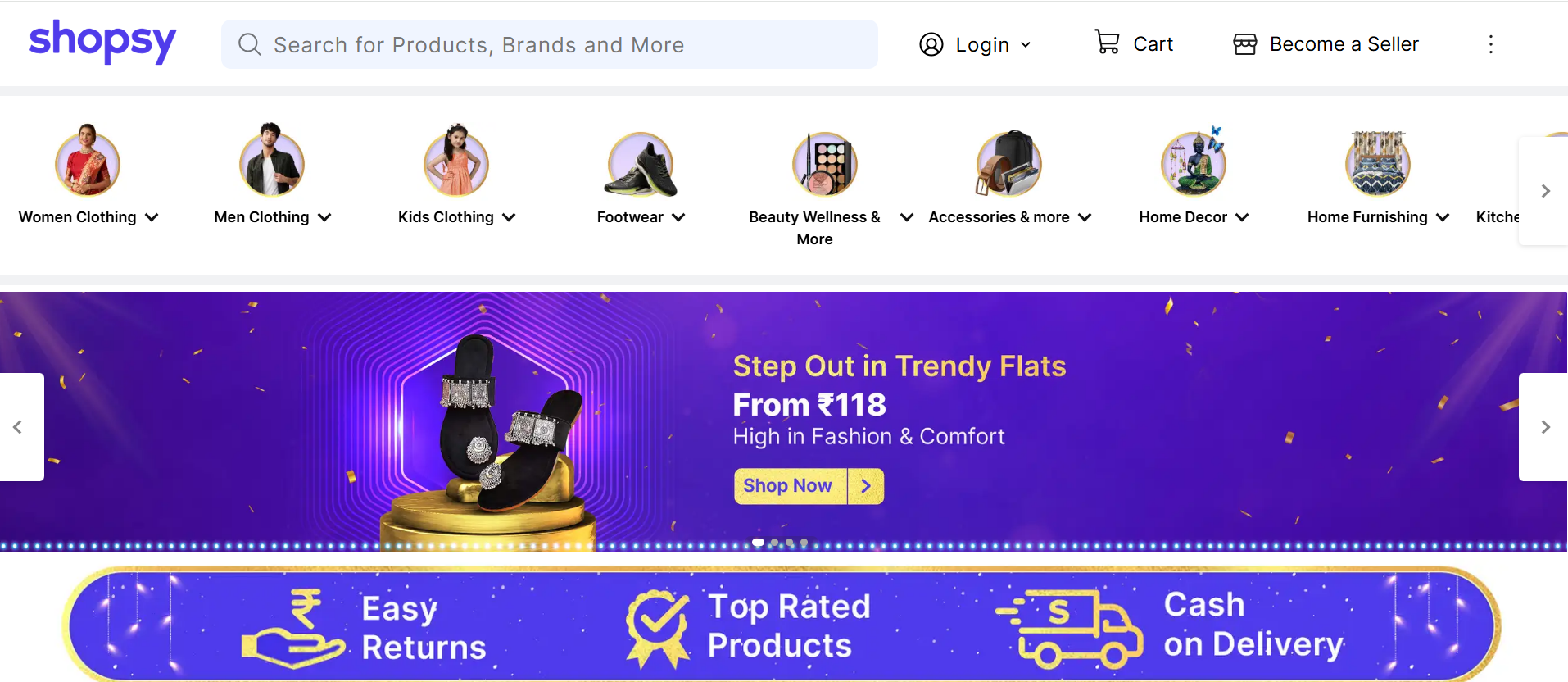
Independence Day Sale is the start of the festive shopping season in India, and fashion is one of the first categories people turn to. With Rakshabandhan around the corner and wedding invites not far behind, shoppers begin looking for wardrobe updates that balance daily wear with festive flair. They look for basics, jeans, activewear, and ethnic outfits, especially when there are good offers. Discounted collections from brands like Levi’s stand out, especially when flat offers are involved. Platforms such as Ajio and Shopsy usually launch quick-sale events with a wide variety and fast delivery. Women often shop for essentials like innerwear and loungewear during sales, and these products perform well, especially on mobile.

2. Beauty & Personal Care

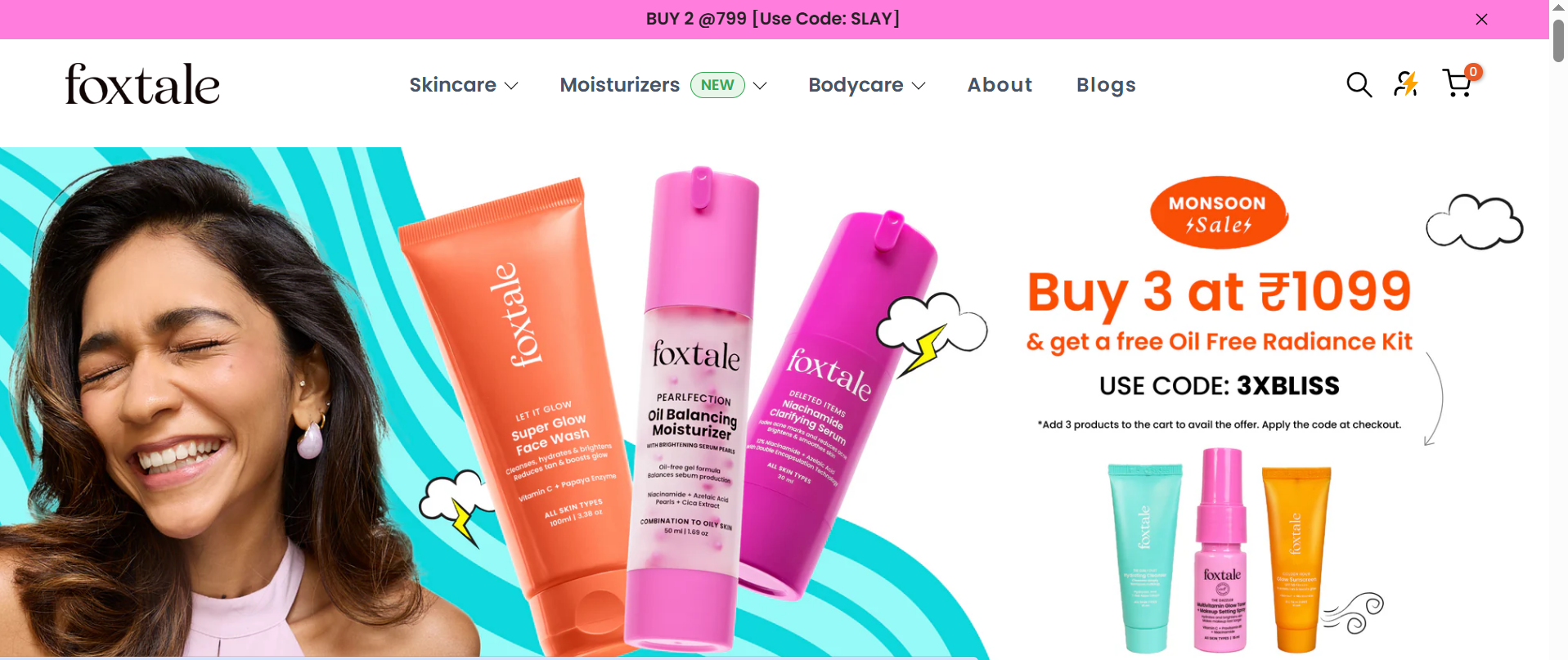
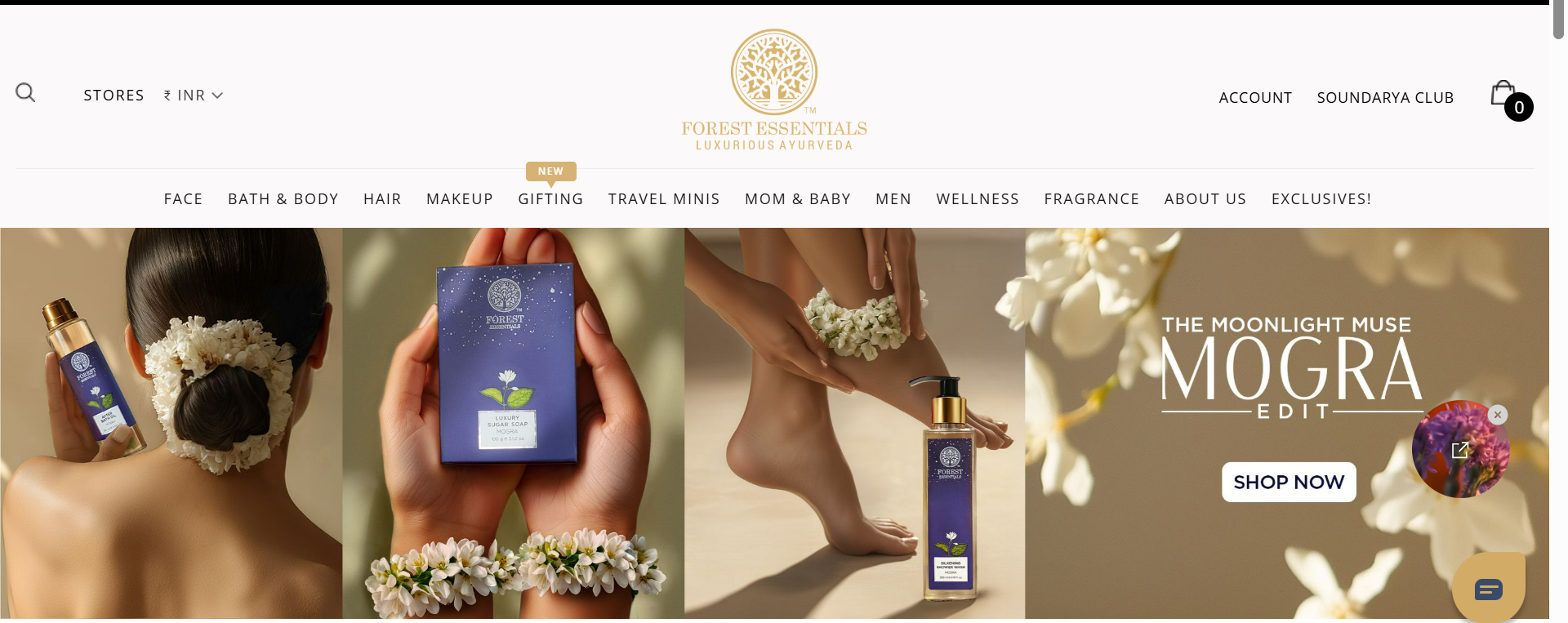
Skincare and makeup always sell well during sale time because shoppers want to stock up on everyday essentials at lower prices. Items like face washes, serums, moisturisers, lipsticks, and eyeliners are used regularly, so people look for affordable combos or offers to save money. Brands like Forest Essentials and Foxtale usually offer combo packs that are simple to use and easy on the budget. Swiss Beauty also gets a lot of attention, especially when makeup kits are priced under ₹500 or ₹999. This category performs strongly on blogs, Instagram, and messaging apps, where users are looking for simple, daily-use beauty deals.

3. Gadgets & Accessories

Big discounts on electronics are one of the main reasons people wait for Independence Day sales. Items like earbuds, smartwatches, and grooming tools usually come with limited-time offers or bundle deals that help buyers save more than usual. Many users hold off on buying gadgets for months, knowing this is when prices drop sharply. Brands like Noise often top the charts with wearable tech deals, while Titan watches remain a trusted choice for both everyday use and gifting.
4. Health & Wellness

This health and wellness has grown steadily, projected to be worth $7.2 trillion in 2025, with a growth rate of 8.5% per year globally, according to Wellness Creative Co. and the Independence Day sales make it even more appealing. Fitness products like protein powders, supplements, and wellness kits from brands such as MuscleBlaze and HK Vitals are often featured in discount campaigns. List-style content or “top 5 under ₹1500” blog posts work well in driving traffic and shares.

5. Home, Decor & Lifestyle

With the monsoon season winding down, shoppers start looking at home upgrades. Search engine queries revolve around furniture, storage items, and travel bags from brands like Wildcraft. These products get more attention when you use urgent messaging and mobile-friendly designs.

6. Travel & Domestic Getaways

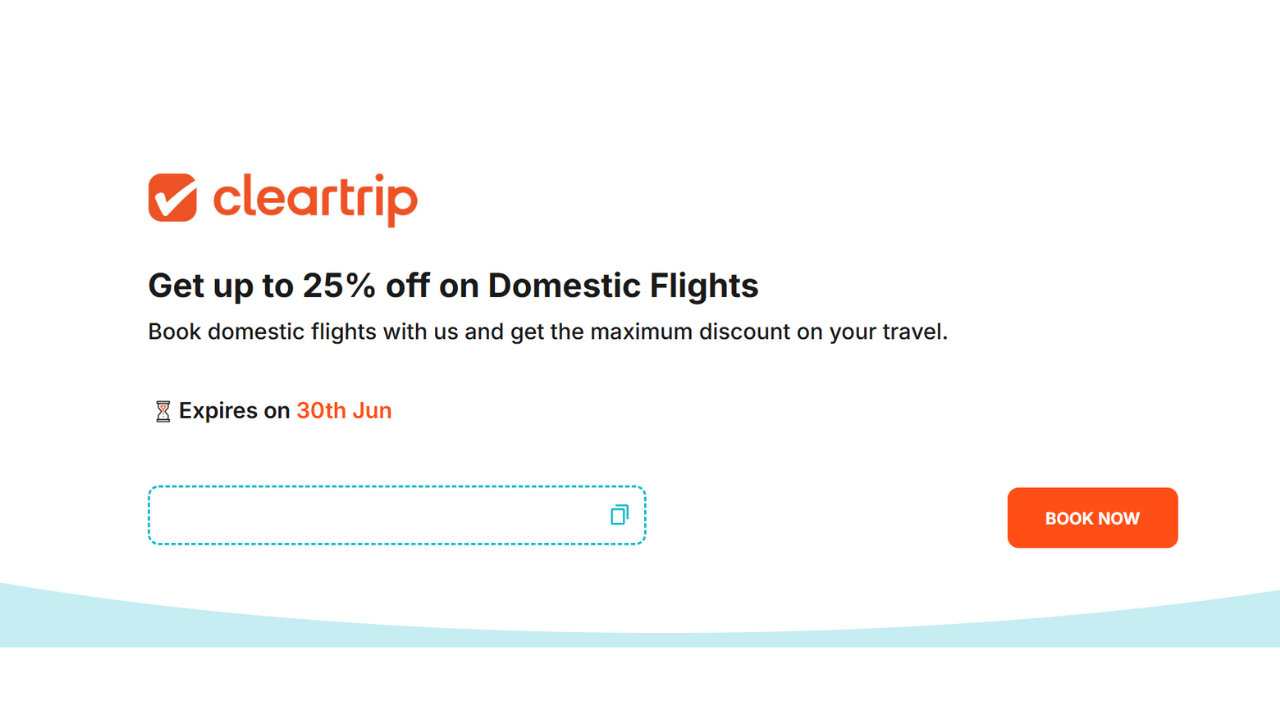
The long weekend around August 15 pushes up travel searches. People are searching for deals on flights, hotels, and quick getaways, making this a great time to promote travel offers. Platforms like Cleartrip often run flash sales or cashback offers during this time. These campaigns work well when targeted at deal-seeking users, even if total conversions are lower.

When to Start Promoting Independence Day Deals

Most buyers don’t wait until August 15 to start browsing. Affiliates start promoting brands and teasing Independence Day sales in the first week of August. As an affiliate, that’s when you should start warming up your audience.

Start promoting early, brands begin rolling out pre-sale and member-only deals as early as the last week of July, nearly 15–20 days before Independence Day. Use this time to warm up your audience, build anticipation, and capture early traffic.

By the first week of August, your main campaigns should be fully live, with updated links, refreshed banners, and daily performance checks in place. The 10-12 day stretch leading up to August 15 is usually the most high-converting window, so keep a close eye on trends and be ready to scale fast.

The Independence Day Sale often extends until August 17 or even August 20, giving you additional days to run “last chance” promotions or highlight bestselling products. Mapping your timeline to this extended sale period helps maximise your reach and boost overall revenue.

Promote Through Approved Affiliate Channels Only

Every campaign has rules about which traffic types are allowed, defined by the advertiser or network. These rules determine which traffic sources are permitted (e.g., SEO, social, email, paid media), and violating them can lead to non-attribution, commission clawbacks, or even blacklisting.

Affiliates are expected to comply with broader regulatory frameworks like the GDPR (for handling EU user data) and PMA codes of conduct (Performance Marketing Association).

Following these guidelines ensures your commissions are tracked and paid correctly.

  1. Content-based promotion is a strong choice. Long-form blogs, reviews, and deal guides that use relevant keywords can bring steady traffic and sales. Keep your content honest, helpful, and customized to what people are looking for.
  2. Coupon and cashback models work best when deals are short-lived and price-driven. Make sure your coupon links are live and accurately describe the offer.
  3. Email and SMS marketing, when permitted, offer a direct line to users. Keep messages short and use clear calls to action. Avoid spammy language, especially in SMS.
  4. Telegram and messaging apps are effective for time-sensitive deals. This is useful for gadgets and beauty, where users look for real-time updates on stock and price drops.
  5. Media buying should only be done on campaigns that explicitly allow it. If allowed, target interest-based segments with clean ad creatives that reflect live deals and clear offers.

Make Your Affiliate Content SEO-Friendly and Useful

High-converting content is also search-friendly content. Use keyword phrases that match what people are really searching for on Google. Use keyword-rich titles that match what people are actually searching for. A few examples are: “Best phones under ₹10,000 for Independence Day 2025”, “Top skincare combo offers this August”, or “Affordable smartwatches during the Independence Day sale.”
Also, go back to your older blog posts. Update the year in the title, swap in current offers, and replace outdated product links. This helps your content stay relevant and keeps it ranking in search results.

Make sure your website is mobile-friendly. It should load quickly, scroll smoothly, and have clear links and buttons that users can click easily, especially on a phone. A smooth experience makes people more likely to buy. A mobile-optimised experience plays a huge role in conversion rates.

Design Creatives That Fit the Independence Day Mood

Your banners and social creatives should reflect the mood of the season without going overboard. Soft tricolour palettes, clean fonts, and short taglines like “Shop August Offers” or “Best Deals of the Month” work better than loud, cluttered designs.

Match the tone of your creative with the product. A skincare post should look clean and soothing, while a fashion deal alert can be more vibrant and playful. Keep the message clear and the CTA above the fold.

Track Your Results and Optimize in Real Time

During high-volume periods like Independence Day, your performance can change by the hour. Log into your vCommission affiliate panel frequently to check metrics like clicks, conversions, conversion rate, EPC (earnings per click), etc.

If a campaign is underperforming, you can experiment with different platforms, placements, banner sizes, and traffic segments. Try shifting your focus to a high-performing category, testing the same creatives on Telegram instead of Instagram, or using the leaderboard banner instead of a square one.

Even subtle changes, like moving a banner higher on your webpage, featuring it in a scroll-stopping position on your Telegram post, or pairing it with a strong headline, can improve visibility and engagement. The key is to optimise what’s within your control while staying fully compliant with the campaign’s guidelines.

Use what’s working and scale it. Don’t waste time on offers that are no longer trending or out of stock.

At the same time, if you notice something is working particularly well, push it harder across your best channels. Real-time adjustments often make the biggest difference during short, high-traffic events.

After the Sale: Analyse, Optimise, and Plan for the Next Big Campaign

Your work doesn’t stop when the Independence Day Sale ends; it evolves. The days following August 15 are a strategic window. Your campaign data is fresh, and upcoming festivals like Rakshabandhan and Diwali are just around the corner. It’s the perfect time to analyse what worked, re-engage your audience with recap content, and start planning smarter campaigns for the next sales cycle. Start with a performance analysis:

    • Which categories drove the most conversions?
    • Which platforms delivered the highest ROI?
    • What creative formats or placements worked best?

Use insights from your affiliate panel: like CTR, EPC, and conversion rate, to identify what resonated with your audience. This data becomes your blueprint for optimising future campaigns.

Next, shift gears toward audience growth and retention. Post-sale is a great time to publish recap content: “Top Products People Loved” or “Best-Selling Deals You Might Have Missed.” These help you stay relevant and build credibility.

Also, encourage signups to your email list or Telegram group by offering early access or exclusive alerts for upcoming events like Ganesh Chaturthi, Diwali, and festive mega-sales.

Affiliates who consistently show up, analyse results, and adapt based on learnings build stronger, more profitable funnels than those who only appear during peak sales. Make every campaign part of a larger, year-round growth strategy.

Make The Independence Day Count with Smart Affiliate Strategy!

The Independence Day Sale isn’t just a quick campaign; it’s a high-impact opportunity that rewards smart affiliate planning. If you align the right product categories with user intent, create content that’s actually useful, and promote via approved traffic channels, your chances of converting rise dramatically.

Stay authentic, stay updated, and use data to guide your moves. With vCommission’s access to top brands across fashion, beauty, gadgets, wellness, and more, you already have the building blocks. All that’s left right execution. So sign up and start promoting now!
Categories
Affiliates

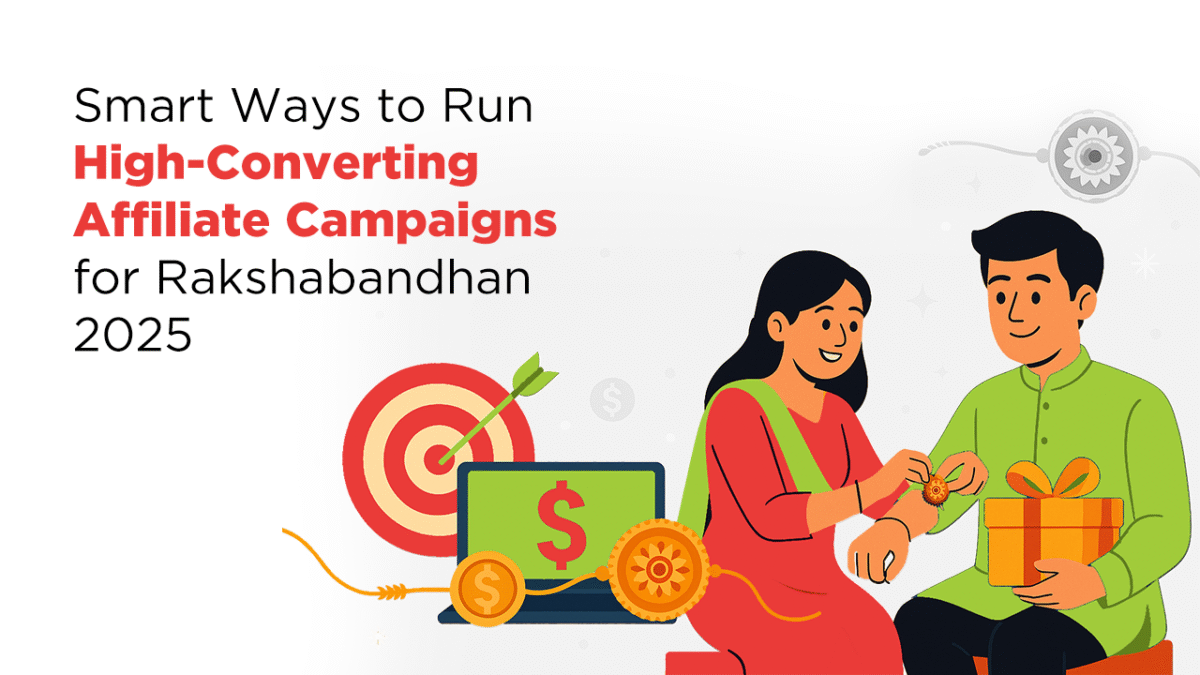
Smart Ways to Run High-Converting Affiliate Campaigns for Rakshabandhan 2025

She tied a rakhi; he planned a surprise. That’s Rakshabandhan – part love, part drama, and full of last-minute gift chaos. It is that one day when siblings go the extra mile, not with words but with gestures: a thoughtful gift, a handwritten note, a last-minute panic buy wrapped with love.

And behind all those moments is a massive wave of people searching, scrolling, and shopping online. As an affiliate, your role is simple: connect people to the right gift at the right time, through the content they trust. And when done right, those clicks turn into meaningful conversions, for them and for you.

In this blog, we will tap into that emotion and turn Rakhi 2025 into your high-converting campaign.

Rakshabandhan 2025: A High-Intent Gifting Season Affiliates Can’t Miss

Rakshabandhan 2025 brings a powerful mix of personal sentiment and peak online shopping behavior, making it a high-conversion moment for affiliate marketers. In the weeks leading up to August 9, search volumes for terms like Rakshabandhan gift for sister, Rakshabandhan gift for brother, and how to surprise my sister on Rakshabandhan began to climb steadily, especially across platforms like Google and YouTube. These aren’t passive scrolls; users are looking for thoughtful, timely options with real buying intent. Add to that a flood of Rakhi-special campaigns by top brands in beauty, fashion, and lifestyle: Foxtale, Titan, IGP, Swiss Beauty, and more, and you’ve got high-demand products backed by attractive cashback and festive deals.

The best part? This season works across channels. If you’re publishing gift guides on your blog, creating quick Instagram Reels, or sending festive deals with happy Rakshabandhan wishes on WhatsApp, your content can meet users exactly where they’re searching. That’s what makes Rakshabandhan gifting campaigns a true win for affiliates: relevant, emotional, and ready to convert.

How to Run High-Converting Affiliate Campaigns for Rakshabandhan 2025

To today’s educated and conscious Gen Z buyers, traditional persuasion doesn’t work. Just posting links won’t cut it this Rakhi. You need a simple, strategic plan that matches how people actually discover and shop for gifts during the festival. Follow these steps to create content that grabs attention, earns trust, and drives conversions, without feeling pushy.

Step 1: Understand What Your Audience is Looking for

On the occasion of Rakhi, people are looking for gifts that feel personal and thoughtful, something that says, “I know you.” Quick delivery is often non-negotiable, especially for siblings living in different cities. And because Rakhi involves gifting not just one but often multiple people, sisters, brothers, and cousins, cashback and affordability become powerful motivators.

This means your content and creatives should be built around the key emotional and search intents. Use terms like happy Rakshabandhan wishes and rakshabandhan wish to brother in SMS campaigns or blog intros to create an instant connection. Content that answers trending queries like how to surprise my sister on Rakshabandhan will naturally rank and resonate better. Don’t forget to dress it up with custom landing pages using festive visuals and sibling-themed messaging.

Step 2: Create High-Converting Content That Connects

You don’t need to write poetry; you just need content that’s timely, relatable, and SEO-aligned. You can start with what grabs attention fast, banners and videos. Eye-catching creatives with Rakhi-specific themes work best to stop the scroll and spark curiosity. Think festive carousels, emotional Reels, and short unboxing clips. Once you’ve drawn them in, support your campaign with smart content, like SEO gift guides or themed recommendations, that answer trending queries such as Top 10 Rakshabandhan Gifts for Sisters Under ₹1500 or Last-Minute Rakhi Gifts with 1-Day Delivery.

Embed affiliate links naturally, and include emotional hooks like: “Still wondering how to surprise my sister on Rakshabandhan? A skincare bundle from Foxtale with a handwritten note might just do the trick.”

Short-form videos & Reels are great for attention-grabbing Rakhi content. Create bite-sized videos such as: “3 Last-Minute Rakshabandhan Gift for Sister Ideas ft. Trybloom & Swiss Beauty”, “Funny Rakhi Gifts for Your Annoying Brother (Ajio Edition),” or “Unboxing My Rakhi Gift from Giva.” Use trending audio, add affiliate links in the bio, and overlay popular search terms like Rakshabandhan gift ideas, happy Rakshabandhan wishes, etc.

Step 3: Use the Right Promotion Channels

Your campaign’s success hinges on where and how you promote it. Here’s how to map your affiliate content across platforms for wider visibility and higher conversions.

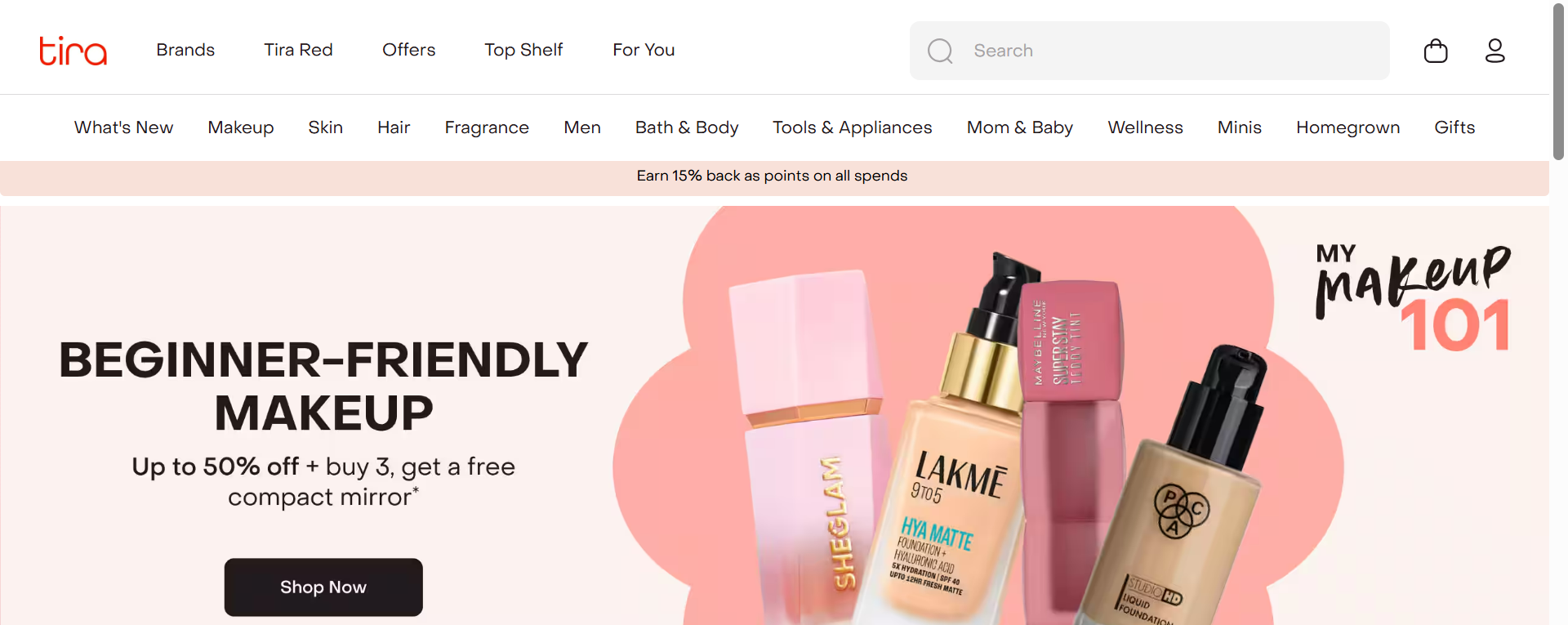
  1. Owned Platforms: Write helpful Rakhi gift blogs featuring vCommission campaigns like Giva, Tira Beauty, Shopsy, or IGP. For emails, use emotional subject lines like “Still need a Rakshabandhan gift for sister?” and include links to gift combos that are ready to shop.
  2. Social Media Platforms: Instagram, Facebook, YouTube, Pinterest, and TikTok offer daily touchpoints. Share festive carousels featuring Marks & Spencer, Myntra, Forest Essentials, and more. Short unboxing videos, before-and-after reels with Nourish Mantra or Swiss Beauty, and Rakhi skits with Neeman’s products can all perform well.
  3. Community & Forum Platforms: On Reddit or Quora, answer gifting-related questions with affiliate recommendations from Ajio, Foxtale, and IGP. Use Discord lifestyle servers to drop Rakhi gift suggestions with exclusive cashback links.
  4. Paid Promotion Channels: When you’re ready to scale, use Google Ads to target keywords like “how to surprise my sister on Rakshabandhan with beauty gifts” or “quick Rakshabandhan gift for brother with cashback.” Promote landing pages or videos featuring Foxtale, Giva, and Trybloom. Use story and carousel ads on Facebook and Instagram to push urgency in the final week.

Multi-channel visibility isn’t just about reach; it ensures your campaign is where your audience is across every step of their decision-making journey.

Step 4: Align with High-Demand Product Categories

Affiliates who pair emotional hooks with trending products win the most Rakhi clicks. The top categories that you should focus on are:

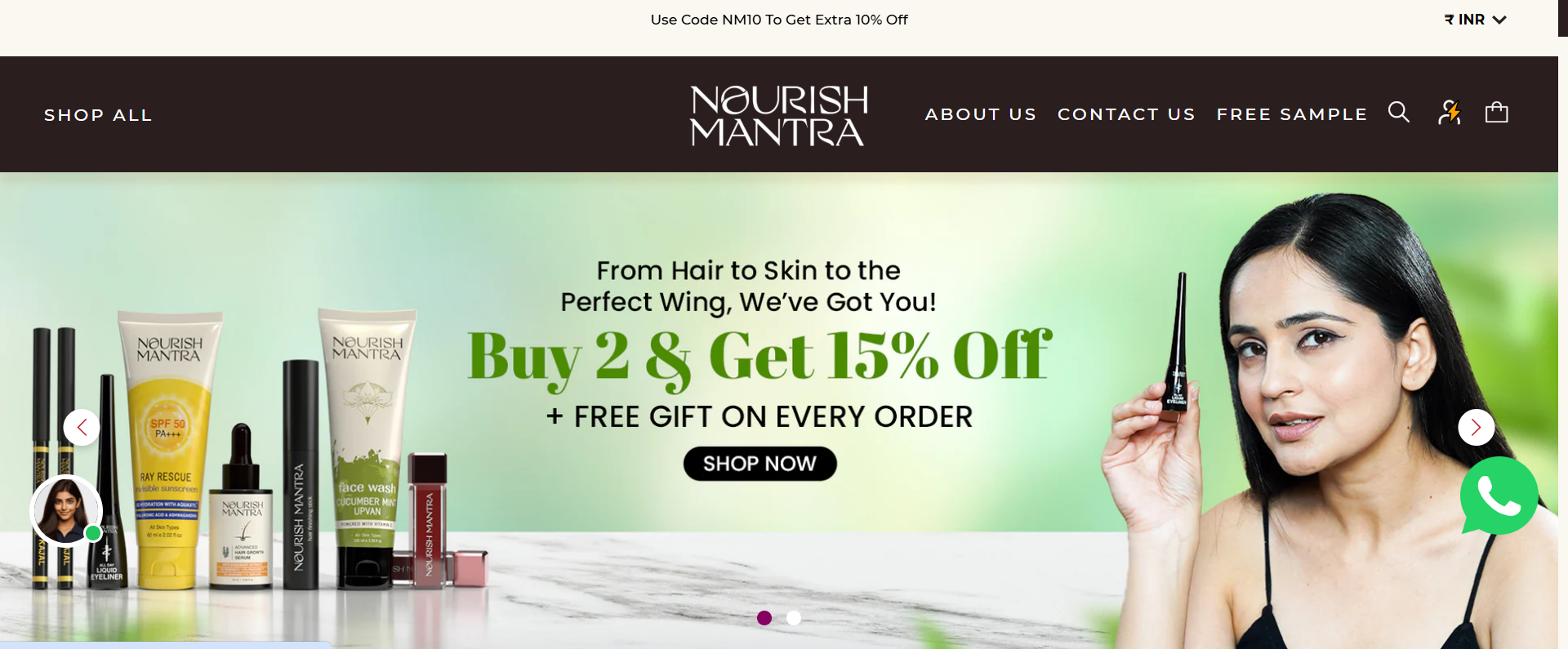
  1. Beauty & Skincare for Sisters: Bundle them as “Glow-Up Hamper”, “Mini Self-Care Spa Kit”, or “Beauty Gift for the Sister Who Deserves the Best” from popular brands Swiss Beauty, Foxtale, Trybloom, Nourish Mantra.
  2. Fashion & Accessories for Brothers: Try quirky messaging like: “A Rakshabandhan gift for brother that lasts longer than your arguments” from Titan, Neemans, and Levi’s.
  3. Gourmet Hampers & Chocolates: Perfect for: “Not sure how to surprise my sister on Rakshabandhan? Chocolate always works.” Brands like IGP, Forest Essentials, and Marks & Spencer are perfect for such gifts.
  4. Tech Gadgets: Smartwatches, earbuds, and mobile gear are very popular, especially among Gen Z brothers.
  5. Home Decor & Spiritual Gifts: Ideal for gifting married sisters, parents, or elder siblings. Products from Ajio, IGP, and Tira Beauty often pair well in bundles.

Make sure your messaging includes real-time keywords like rakshabandhan gift for sister, rakshabandhan gift for brother, and happy Rakshabandhan wishes to capture seasonal search traffic.

Step 5: Time It Right: Your Rakhi Calendar

Rakshabandhan falls on Saturday, 9 August 2025, and that gives you a defined timeline to build, push, and close your affiliate campaigns with maximum efficiency. From July 15–31, you can build early traction with SEO-optimized blogs, banners, emotional reels, carousels, short unboxing clips, and email list-building campaigns. From August 1–7, you can ramp up high-intent traffic with cashback offers, themed reels, influencer tie-ups, and quick delivery hooks. In the end, from August 8–9 (the Last 48 Hours), you must focus on urgency. Promote express delivery, digital gifts, and emotional creatives. Leverage WhatsApp, Telegram, and email for last-minute conversions.

During these crucial final days, even a simple line like “Still figuring out your rakshabandhan gift for sister? Here’s a last-minute winner.” can drive meaningful clicks when paired with fast-shipping campaigns from IGP, Ajio, or Shopsy.

Smart Affiliate Tips to Boost Rakhi Conversions

  1. Speak Their Language. You can add Hindi phrases like “Rakhi ke is bandhan mein kuch khaas ho jaaye” or “Bhai ke liye pyaar bhara tohfa.” Emotional copy in SMS, social posts, and banners instantly resonates with Indian audiences.
  2. Use Festive Design. Add marigold flowers, Rakhi threads, and bright, warm tones to your creatives. These visual cues stand out and drive higher engagement.
  3. Choose SEO-Friendly Headlines. Use keywords like “Best Rakshabandhan Gift for Sister Under ₹1000” or “Quick Rakhi Gifts for Brother with Fast Delivery.” These terms match how people actually search.
  4. Collaborate with Micro-Influencers. Let creators show unboxing videos of Swiss Beauty, Giva, or Foxtale products. Reels with relatable sibling stories and keywords like “how to surprise my sister on Rakshabandhan” have strong shareability.
  5. Stay Active Across Platforms. Post consistently on Instagram, YouTube Shorts, and Pinterest. Cross-link your blog content in captions and replies to increase visibility.
  6. Use Urgency Hooks. Add countdown lines like “Only 2 Days Left to Order Your Rakhi Gift!” or “Last Chance to Send a Surprise Rakshabandhan Gift for Brother.”
  7. Bundle for Impact. Promote combo deals like Foxtale + Tira Beauty + Nourish Mantra as a “Self-Care Rakhi Gift Pack.” Add emotional hooks like: “Because she always puts you first.”

To Sum Up

Rakhi campaigns work best when they feel personal. It’s not just about selling gifts, it’s about helping someone choose a gesture that says, “I care.” When your content captures that feeling, clicks follow. People are already looking for ideas, asking things like how to surprise my sister on Rakshabandhan or searching for a last-minute Rakshabandhan gift for brother. Your role is simple: be present with helpful suggestions, relatable messaging, and the right product links.

The good news? You don’t have to do it alone. With festive campaigns already live across categories like beauty, fashion, lifestyle, and gifting, it’s a great moment to build visibility and trust.

If you haven’t started yet, this is your chance. Sign up with vCommission, explore Rakhi-ready offers, and create content that makes this festival a little more special for your audience and for you.

Categories
Advertiser

AI Search Optimization: How Brands Can Stay Visible in 2025

Your brand might be everywhere, on Google, Instagram, and affiliate blogs, but if AI can’t see you, customers won’t either. That’s the new reality of search. The shift toward conversational, generative search is already rewriting the rules of online visibility from ChatGPT to Google’s Search Generative Experience (SGE) and Microsoft Copilot. For brands, that means traditional SEO isn’t enough anymore.

AI search doesn’t just pull links, it summarizes, recommends, and often skips direct site visits altogether. In fact, by 2028, brands’ organic search traffic will decrease by 50% or more as consumers embrace generative AI-powered search, according to a Gartner report.

The question isn’t whether your brand should adapt. It’s how fast. This blog explores the most effective strategies for AI visibility enhancement, emerging brand visibility factors, and AI optimization best practices for visibility products. Let’s get started!

What Is AI Search Optimization?

AI Search Optimization is the process of customizing your content, structure, and authority to perform well in AI-powered search environments, especially those driven by large language models (LLMs) like ChatGPT, Google’s SGE, and Microsoft Copilot. These tools don’t simply rank web pages. They extract, summarize, and synthesize insights to generate full answers, often without any clicks. AI search optimization focuses on:

    • Being cited or referenced in AI-generated answers
    • Structuring content so it’s easily parsed by machines
    • Building trust as a reliable, authoritative source
    • Matching user intent behind conversational, long-tail queries

Think of it like this: traditional SEO helps people find your site. AI SEO helps AI find and feature your content in its answer, often with no link involved. And for brands looking to boost product discovery, this is the new battleground.

Why Brand Visibility Optimization Matters More Than Ever

If AI is now answering your audience’s questions, you need to make sure your brand is part of those answers. That’s where brand visibility optimization comes in.

Traditional SEO relied on backlinks, keyword density, and domain age. But AI-powered discovery relies on context, credibility, and semantic value.

Here’s what’s changing:

    • Clickless journeys. AI search delivers in-line answers, bypassing websites altogether.
    • Authority over position. AI selects sources based on depth, not just popularity.
    • Semantic relevance. AI understands relationships between concepts, not just keyword matches.

To stay visible, brands must optimize not just for users, but for AI systems, ensuring your product information, content, and partner ecosystem all signal clarity and value.

Top Brand Visibility Factors That Influence AI Rankings

So, how does AI decide which brands and products to show in its answers? It’s no longer a pure numbers game. Instead, AI uses a blend of relevance, credibility, and consistency to determine which brand deserves to be surfaced.

Here are the top brand visibility factors that matter most in 2025:

Semantic Authority and Depth

AI models look for brands that demonstrate deep understanding of their niche. It’s not enough to have one blog post about a trending keyword. Your brand needs to consistently cover related topics, FAQs, and user concerns in a meaningful way.

For example, if you sell fitness supplements, having content on muscle gain, ingredient breakdowns, safe usage, and common fitness goals builds semantic depth. This signals to AI that you’re not just selling, you understand the category.

Structured, Machine-Readable Content

AI doesn’t scroll. It parses. That means your content should be structured in a way that machines can understand. Use proper schema markup for product pages (like price, availability, and reviews), add internal linking between related content, and organize product attributes clearly.

A skincare product page that lists “suitable for sensitive skin,” “contains hyaluronic acid,” and “fragrance-free” as structured attributes is far more likely to be recommended in AI-generated results than one with unstructured product blurbs.

Topical Consistency

AI favors brands that are consistent in their message and coverage across all digital touchpoints, not just their own website.

If your brand regularly appears in affiliate reviews, product comparisons, user forums, and social media conversations, and says the same thing in all places, you build a trustworthy web of relevance.

That means you should:

    • Align messaging across affiliate platforms
    • Repurpose product education content across channels
    • Refresh outdated posts to reflect the current brand positioning

Mentions and Reviews Across the Web

Third-party validation matters. AI tools look at what others are saying about your brand, especially in user-generated content like blog reviews, forums, Reddit threads, and affiliate lists.

When your product is consistently featured in “Top 10” roundups or side-by-side comparisons, it signals trust even better if those reviews come from diverse, credible sources like niche experts, influencers, and performance-driven affiliates.

These brand visibility factors don’t work in isolation. The more aligned your efforts across your own channels, partner content, and affiliate ecosystems, the more AI systems will recognize and reward your brand presence.

AI Optimization Best Practices for Brand Visibility

If you’re selling products online, your product pages aren’t just for human shoppers anymore they’re for machines too. AI tools compare, summarize, and rank products based on how well their information is structured, described, and connected. These AI brand visibility optimization best practices for visibility products will help you make sure your offerings don’t just exist online,  they stand out.

Use Rich Product Schema, Not Just Basic Tags

Every product should include structured data: price, stock status, size, ingredients, usage instructions, and more. AI tools use this data to create product tables and recommendation lists.

For example, if someone asks an AI, “What’s the best moisturizer for oily skin under ₹500?”   AI will look for structured attributes like skin type suitability, price, and product reviews.

Rich schema = better inclusion in AI answers.

Create Natural, Conversational Product Descriptions

AI-generated responses are trained on content that reads naturally. Ditch the jargon and keyword stuffing. Write like you’re explaining the product to a friend.

Answer buyer questions like:

    • Who is this product best for?
    • What does it solve?
    • How is it different from others?

The more your descriptions mirror real search queries and needs, the easier it is for AI to pull your product into its recommendation sets.

Highlight What Makes Your Product Unique

AI tools don’t just want general claims. They prioritize specificity. Does your product use sustainable packaging? Is it clinically tested? Does it come with a no-questions-asked return policy? These details set your product apart and give AI a reason to recommend it over a generic competitor.

Pro tip: Use bullet points for clarity. Machines love it. So do humans.

Leverage High-Intent Affiliate Content to Boost Discovery

Here’s a powerful truth: many AI models pull information directly from affiliate websites, comparison blogs, and listicles. That means being featured in high-quality affiliate content can directly impact your brand visibility factors.

    • “Best budget smartwatches in India”
    • “Top eco-friendly skincare products”
    • “5 reliable luggage brands for international travel”

These are the kinds of queries AI tools answer by scanning affiliate reviews and recommendation lists.

How to Benchmark Brand AI Visibility Metrics

Improving visibility is only useful if you can do brand AI visibility benchmarking effectively. Traditional metrics like web traffic and SERP rankings don’t reflect how well your brand is performing in AI-powered environments. That’s where brand ai visibility benchmarking comes in.

Here’s what you should track:

    • AI Search Presence. Are tools like Google SGE or ChatGPT mentioning your brand when users ask for product recommendations in your niche?
    • Affiliate Placement. Are your affiliate partners featuring your products in “best of” lists or comparison content that ranks well and feeds into AI engines?
    • Web Mentions in Context-Rich Formats. Use listening tools to see how often your product is discussed in reviews, forums, or blogs, places where AI models gather insights.
    • Click-to-Conversion Behavior. Track how users behave after landing from an AI-suggested affiliate or brand link. Use UTM parameters to monitor drop-offs and conversions.

Smart Strategies for AI Visibility Enhancement in 2025

AI-powered search doesn’t care about keyword stuffing or clever headlines. It’s trained to recommend content that’s useful, well-structured, and up to date. Here are a few simple, high-impact brand visibility optimization strategies to make sure your brand gets seen, and suggested.

  1. Create Content Hubs, Not Just Blogs. Pick a key topic your audience cares about (like “sun protection” or “gut health”) and build multiple pieces of content around it,  blogs, videos, how-tos, even FAQs. Link them all together. This shows AI that your brand knows the topic inside and out.
  2. Keep Your Best Pages Fresh. Don’t let your top blogs or product pages go stale. Update them every few months with new stats, images, or tips. Even small changes help AI see your content as current and credible.
  3. Write Like You Talk. Use titles and descriptions that sound like real questions people ask. “Best budget shoes for college students” is better than “affordable student footwear India 2025.” AI understands natural language better than robotic SEO phrases.
  4. Encourage Real Customer Reviews. Ask your buyers to go beyond star ratings. A review that says, “Helped my skin stay calm during a Goa trip” is gold for AI. It gives context and adds trust.
  5. Let Affiliates Do the Explaining. Let your affiliate partners create explainers, tutorials, and comparisons. These are the formats AI tools love to quote. Just make sure they have the right product info and messaging.

These simple shifts help your content speak directly to AI, and keep your products visible, relevant, and recommended.

The Role of Affiliate Marketing in AI Visibility Optimization

In the age of AI, affiliate marketing isn’t just about sales; it’s about visibility. Here’s why your affiliate network plays a much bigger role than you might think.

  1. It Builds Trust. When AI sees your product mentioned in blogs, reviews, and listicles from multiple sources, it sees your brand as credible. Third-party voices matter more than ever.
  2. It Reaches More Formats. Your website is just one piece. Affiliates talk about your product on YouTube, Telegram, forums, newsletters, and comparison blogs, the very places AI scans for insights.
  3. It Gives Context AI Can Use. A list like “Top backpacks for weekend travel” helps AI figure out which brand is best for what. Your product gets placed in a real-life scenario,  and that’s what AI loves.
  4. It Shortens the Buyer’s Journey. When users land on an affiliate page recommended by AI, they see product info, peer reviews, and links, all in one place. That makes them more likely to convert.

By working with trusted affiliate partners who create useful, well-structured content, your brand stays part of the conversation, even in search results you didn’t directly create.

Don’t Just Compete, Be Chosen by AI!

AI is reshaping the way people look for products. Instead of ten blue links, they now see one trusted answer, and that answer is often shaped by structured content, clear messaging, and independent recommendations. To stay visible, your content must be structured, useful, and easy for AI systems to understand. That means clear product data, natural language, and consistent mentions across trusted sources like affiliate reviews and comparison blogs.

Search is no longer about ranking at the top; it’s about being selected as the most relevant. Brands that build depth, trust, and clarity across channels are the ones AI will highlight.

In an AI-driven world, visibility doesn’t come from being loud; it comes from being useful.

Categories
Affiliates

WhatsApp to Roll Out Ads Soon in the Updates Section: What Marketers Need to Know

Imagine opening WhatsApp to check a friend’s Status update, and seeing an ad for a product you didn’t know you needed. That moment isn’t far off.

On June 16, 2025, WhatsApp confirmed it is officially rolling out ads, ending its decade-long promise of staying ad-free. For the billions who use it daily, this move changes how businesses and creators can reach people. For affiliate marketers, it opens a brand-new opportunity.

WhatsApp has over 3.1 billion monthly active users globally in 2025, making it the most widely used messaging app in the world, according to DemandSage. If you’re in affiliate marketing, this change will reshape how you connect with audiences. Let’s explore what’s changing, how WhatsApp ads work, and how to build an effective WhatsApp affiliate marketing strategy around it.

What’s New: How WhatsApp Ads Work

Since Meta acquired WhatsApp for $19 billion in 2014, the app has resisted ads until now. As of June 2025, WhatsApp has started rolling out three key advertising features globally, all housed in the Updates tab to keep personal chats untouched.

1. Status Ads

Users viewing WhatsApp Status updates, photos, and videos that disappear after 24 hours will now see ads inserted between updates from friends and family. It works much like Instagram Stories ads, making it an easy format to adapt for affiliate promotions. For those wondering how to create a WhatsApp advertisement, these Status ads will use vertical creatives (images or short videos), just like Instagram or Facebook. These ads can also link to a product page or open a chat, ideal for affiliates driving sales through conversation.

2. Promoted Channels

In 2023, WhatsApp introduced Channel, a one-way broadcast feature where admins can post updates, news, or exclusive content to their followers. Now, they can use these channels to promote visibility within WhatsApp’s directory. You can pay to get your channel discovered by more users. If you’re an affiliate, you will be able to run a WhatsApp marketing campaign through your channel, sharing product deals, content, and limited-time offers directly with followers.

3. Channel Subscriptions

Creators can now offer monthly subscriptions for exclusive content within their channels. It’s WhatsApp’s answer to Patreon and YouTube memberships. While this is more tailored toward influencers and content creators, affiliates who have built strong personal brands can also benefit.

Why Now? The Strategy Behind the Shift

Meta has been clear: messaging is its next revenue engine. With ad prices rising across platforms and attention spans shrinking, the company is pushing for business messaging as a scalable revenue model. WhatsApp already plays a key role in Meta’s click-to-chat ads on Facebook and Instagram.

This update builds on that, bringing the ads directly into WhatsApp, where conversations happen in real time. Analysts project that business messaging could bring in $30–40 billion annually. That makes WhatsApp a serious contender in the affiliate marketing ecosystem.

Why WhatsApp Ads Matter for Affiliate Marketers?

If you’re already using WhatsApp to share links, broadcast deals, or nurture leads, this change takes things to the next level. Affiliate marketing on WhatsApp will no longer be limited to manual messages or groups; it’s becoming a scalable, trackable channel.

This shift matters because of:

  1. High Visibility in a Low-Noise Environment. Unlike email or social media, WhatsApp isn’t overloaded with ads, yet. That means your WhatsApp marketing campaign will have more attention and less competition, especially in the early rollout phase of WhatsApp advertising campaigns India and beyond.
  2. Mobile-First Conversion Funnel. In markets like India, WhatsApp is often the first and most-used instant messaging app on a smartphone. By embedding ads within the app, Meta allows marketers to shorten the funnel, from impression to conversation to conversion, in just a few taps.
  3. Direct Messaging Drives Higher Engagement. Click-to-chat ads open conversations instantly. This is huge for affiliates promoting COD products, limited-time discounts, or niche offers. You’re not just sending traffic, you’re starting a sales conversation.

What About Privacy?

Good news for users: your privacy is still safe. WhatsApp has clearly said that your personal messages, calls, and group chats will stay private and end-to-end encrypted, just like before. That means no one, not even WhatsApp, can read them.

The ads you see will be based only on basic info like your country, language, channels you follow, and how you interact with ads. Your phone number won’t be shared or sold. If you’ve connected your WhatsApp to Facebook or Instagram through Meta’s Accounts Centre, your ad preferences from those platforms might be used to show you more relevant ads. But this only happens if the accounts are linked.

For affiliates and advertisers, this brings a new way to reach people, while still respecting their privacy. Right now, the targeting is not as detailed as Facebook or Google Ads. But it still gives a chance to share useful content through WhatsApp Channels.

It’s a new kind of advertising, one that focuses more on relevance and trust, not just data.

How to Create a WhatsApp Advertisement That Works

You must be wondering how you can create a WhatsApp advertisement that works well:

  1. Use Short-Form Vertical Creatives: As the WhatsApp status ads are full-screen and mobile-first, you should keep videos or images punchy, relevant, and visual. Include a clear CTA, like “Shop Now,” “Claim Offer,” or “Chat for Details.”
  2. Pick Offers That Match Mobile Behavior: Focus on affordable products, high-converting, and work well with impulse decisions. Beauty, personal care, fashion, and daily-use electronics are all strong categories.
  3. Combine Organic + Paid Reach: Use promoted Channels to grow an audience while testing Status ads for real-time promotions. This hybrid approach gives you both long-term engagement and short-term performance.
  4. Experiment and Measure: Even though ad targeting is basic at launch, Meta will likely expand tools soon. Track interaction rates, CTRs, and conversation starts to refine your content and timing.

Planning for Your WhatsApp Affiliate Marketing Strategy

If you’re thinking long-term, WhatsApp can become more than just a traffic source; it can be a consistent, trusted space where you build real engagement and conversions. Here’s a step-by-step approach to get started:

Step 1. Create a WhatsApp Channel Around a Niche You Know

Start by picking a clear theme or niche, something people want daily updates on. For example: “Budget Beauty Finds” for affordable skincare/makeup, “Gadget Deals India” for mobile accessories and electronics, and “Smart Shopping Tips” for general deals, coupons, and cashback. Once your Channel is live, you can post affiliate product recommendations, limited-time offers, and helpful content that builds trust.

Step 2. Post Regularly Through Status and Channels

Use both features to stay visible. Status updates to share 24-hour deal teasers, product demos, or coupon alerts using eye-catching images or short videos. And, channel posts to provide slightly more detailed product roundups, offer comparisons, or step-by-step buying tips with affiliate links. Regular posting keeps your audience engaged and helps build habits around checking your updates.

Step 3. Promote Your Channel for Visibility

To grow your audience, you can share the Channel link on your social media or website, use Meta’s new promoted channels feature (a paid tool) to increase visibility directly within WhatsApp, and collaborate with other creators or affiliate groups to cross-promote. The more people you reach, the more clicks and conversions your affiliate links can generate.

Step 4. Add Affiliate Links Thoughtfully

Wherever you mention a product, whether in a Channel post, Status ad, or direct message, include your affiliate link. But don’t overdo it. Try to use that product personally to give an honest review, and your audience will trust you. A good format might be: “Try this Vitamin C Serum for under ₹399,  great reviews and currently 25% off.. [link]”. It should feel helpful, not pushy. 

Step 5. Design for Mobile, Always

WhatsApp is a mobile-first app. You can use vertical creatives (9:16 ratio), short, clear text overlays, emojis, and arrows sparingly to draw attention, and compress images/videos for quick loading. Also, keep your messages concise. Users scroll quickly; your content should grab attention within seconds.

To Sum Up

WhatsApp’s move to introduce ads marks a major shift in how users, businesses, and marketers interact on the platform. For affiliate marketers, this is a chance to tap into a high-engagement, mobile-first environment where attention is still high and ad fatigue is low.

With tools like Status ads, promoted Channels, and direct chat links, you now have new ways to promote offers, build relationships, and drive conversions, all while respecting user privacy.

As ad features grow and targeting improves, those who take early steps, experiment with content, and build niche-driven channels will be best positioned to succeed.

The key? Keep your content relevant, helpful, and mobile-friendly,  and treat WhatsApp like what it is becoming: a powerful affiliate marketing channel.

Categories
Affiliates

Why Cashback Campaigns Drive More Sales Than Traditional Ads

Online ads are everywhere, yet conversions often feel out of reach. It isn’t just frustrating, it’s limiting for you, as an affiliate. You’ve done the work, sent the traffic, but users drop off, lose interest, or forget to return. The missing piece? Cashback. It offers a reason compelling enough to make people act now.

In fact, 58% of online shoppers say cashback offers influence their choice of retailer (Enact Soft). At a time when users scroll fast and decide faster, cashback introduces a sense of gain. Offers like ₹200 cashback on an IGP gift or 15% cashback promotions on a Swiss Beauty order catch attention and drive quicker decisions.

In this blog, we’ll look at why cashback ads matters more than ever in 2025, how it performs compared to traditional ads, and what makes it a valuable model for affiliates aiming for better results.

What’s Fueling the Rise of Cashback in 2025

Consumer behavior is shifting in ways that are very relevant to affiliate marketing. People are no longer shopping purely based on brand or convenience; they’re weighing what they get back from every transaction. Cashback fits naturally into this mindset.

  1. Cashback is aligned with economic caution. With prices rising across essentials and discretionary spends alike, even small cashback offers feel meaningful. ₹200 cashback on an IGP gift or 12% back on a MyMuse order can be enough to shift a browsing session into a confirmed sale. Getting ₹15 back on a Swiss Beauty order or 10% on Neemans footwear isn’t trivial; it makes the purchase feel smarter. 
  2. Incentives are no longer a ‘bonus’, they’re expected. We’ve moved past the stage where cashback feels like a surprise reward. For a growing segment of digital shoppers, especially Gen Z and millennials, it’s built into their purchase logic. If there’s no return value, they’re more likely to postpone or abandon the transaction.
  3. Cashback offers repeat purchase behavior. Shoppers who receive cashback are more likely to return to the same ecosystem to use it, creating more re-engagement potential for affiliates working in categories like fashion, beauty, and travel.

Cashback vs. Traditional Ads: Which One Drives Conversions?

Affiliates today are not just choosing between ad formats, they’re choosing between performance models. And when it comes to converting traffic into revenue, cashback has a significant edge.

Traditional Ads: Broad Reach, But Shallow Engagement

Traditional ads like banners, native ads, and display placements are designed for reach. They create awareness, generate impressions, and sometimes even drive clicks. But they rarely offer a direct reason to buy. Users might notice the ad, click out of curiosity, and leave without completing the purchase.

What makes this format limited for affiliates is the intent level of the user. A banner ad on a content site may be visible, but unless the user was already interested in buying, the click is unlikely to result in conversion. Affiliates using these formats often experience:

    • Low click-to-conversion ratios
    • High bounce rates
    • Attribution challenges when the user converts days later through another channel

Cashback & Coupon Offers: Direct Incentives That Trigger Decisions

Cashback and coupon attracts users not just with awareness, but with a tangible reward. A cashback promotions campaign puts an immediate value proposition in front of the user: Make this purchase and receive something in return.

That return might be monetary (like ₹200 cashback on IGP), percentage-based (like 15% back on Foxtale), or tied to payment methods (like 5% prepaid cashback). Either way, it creates urgency and clarity. The user doesn’t need to “think about it.” There’s a reward built into the action.

What this means for affiliates:

    • Higher quality clicks. The user is likely clicking with purchase intent.
    • Shorter conversion paths. Cashback reduces friction in decision-making.
    • Stronger attribution. Since users complete their purchases faster, your tracking remains intact and accurate.

Let’s say you’re promoting a ClearTrip campaign. With a display ad, the user may notice the travel offer but not act immediately. Days later, they book via a direct visit or search engine, and you lose the conversion. On the other hand, with a cashback offer, the user sees “Get 25% cashback on your ClearTrip booking,” clicks, books, and claims the reward, all in one session. You earn the commission. 

Traditional ads interrupt the browsing experience. They rely on catching the eye and diverting attention. Cashback advertisement aligns with user behavior. A shopper already planning to buy makeup, clothing, or book a trip now has a compelling reason to do it through your link. In other words, cashback makes affiliate marketing more effective than persuasion.

Why Affiliates Are Choosing Cashback-Driven Campaigns

Affiliates are increasingly shifting toward cashback promotions because these models are better aligned with how today’s digital consumer shops. But beyond just consumer behavior, cashback models bring measurable advantages for the affiliate side as well.

1. Cashback Attracts Warm Traffic

Affiliates who run cashback campaigns often see a different kind of user behavior. Instead of vague interest or accidental clicks, cashback campaigns bring in users who are already thinking about buying. The cashback simply nudges them across the finish line.

This results in:

    • Higher click-to-sale ratios
    • Improved ROI on paid traffic
    • Better consistency in weekly and monthly earnings

2. Flexibility Across Content and Channels

One of the underrated strengths of cashback campaigns is how well they adapt to different formats. If you publish long-form content, run a Telegram deal group, or send newsletters, cashback integrates easily:

    • On blogs, these can be added to product comparisons or listicles.
    • On Telegram, these short, reward-based copy gets quicker engagement.
    • In emails, Cashback adds urgency and value to offer roundups.

Affiliates don’t need to force-fit offers into their format. Cashback-based content performs organically.

3. Simpler Value Communication

Explaining product benefits often requires effort. Cashback simplifies that task. Instead of explaining why a product is worth the price, you’re showing the user why the timing is right, because there’s money coming back.

It works especially well for budget-conscious shoppers, students, or users making recurring purchases like grooming, supplements, or fashion items.

4. Transparent Frameworks Help Affiliates Plan

Unlike brand campaigns that may shift commissions or terms unpredictably, most cashback campaigns come with:

    • Clearly listed cashback rates
    • Defined cookie durations (e.g., 7 days, 14 days)
    • Set validation timelines (e.g., 30 days post-sale)
    • Accepted and restricted traffic sources

This allows affiliates to build medium- to long-term strategies around the campaign and scale only the top-performing offers. No guesswork. No sudden surprises.

5. Cashback Campaigns Support Repeat Promotion

Unlike one-time seasonal ads, cashback advertisement offers can be promoted throughout the month or quarter. This means:

    • Affiliates don’t need to create fresh content every day
    • Offers can be bundled into recurring deal formats
    • Cashback calendars help structure your communication schedule

Over time, you also get data on which products and price points resonate best with your audience, helping you improve results with each iteration.

How Cashback Campaigns Work Across Key Verticals

Cashback campaigns on vCommission span across verticals, price points, and user needs. These offers are structured for real-world use, with high transparency, clear validation periods, and performance-backed metrics. Let’s break it down by category:

  • 1. Beauty & Skincare campaigns are popular with content creators, coupon sites, and influencers targeting personal care and wellness shoppers. For example: Swiss Beauty (Up to ₹15 cashback) is easy to promote in under-₹500 product roundups. Foxtale (Up to 15% cashback + 5% prepaid cashback) is high on repeat buyers and prepaid push. Nourish Mantra (Up to 50.4% cashback) is ideal for cashback ads platforms and loyalty app integrations.
  • 2. Fashion & Lifestyle campaigns are perfect for promoting trend-driven or season-based purchases. For example, Neemans (Up to 10% cashback) converts well for eco-conscious and value-based users. Ajio (Up to 10% cashback) performs well on mass-scale platforms like Telegram or WhatsApp. Marks & Spencer (Up to 12% cashback) offers high-ticket fashion with premium appeal. Myntra (Up to 6% cashback) works well with influencers and listicle-style content.
  • 3. Gifting & Jewelry campaigns are great for niche occasions, emotional purchases, and gift-buying behavior. For example, IGP (Up to ₹200 cashback), offering categories like flowers, cakes, and gifting. Giva (Up to 10% cashback), which offers jewelry campaigns, tends to have higher cart values.
  • 4. Travel & Booking is a highly competitive space where cashback offers stand out. For example, ClearTrip offers up to 25% cashback. It converts best for last-minute bookings and discount-driven travelers.
  • Each campaign allows for affiliate-friendly terms with support for different traffic types, including Web and Mobile Web, Email and SMS, Telegram and App-Based Distribution, Coupon and Cashback Sites, and Content and Influencer Promotion.The structure of these campaigns, be it fixed cashback or percentage-based, gives affiliates flexibility to tailor communication. Understanding your audience and matching the offer type to that is key.

    Tips to Maximise Cashback Campaign Conversions

    1. Target Peak Shopping Moments. High-traffic retail periods like festive sales, payday weekends, and holiday events lead to better conversions. Cashback ads becomes even more effective when stacked on top of existing discounts, offering users double the incentive to act.
    2. Highlight High-Value, Budget-Conscious Marketplaces. Marketplaces like Shopsy, Ajio, and price-sensitive segments under ₹999 thrive on cashback messaging. Users here are value-first, making cashback a powerful purchase trigger.
    3. Promote Categories That Encourage Repeat Buying. Beauty, fashion, and wellness products naturally invite repurchase. Use cashback to build loyalty among returning users, especially on prepaid models that reward faster.
    4. Focus on Campaigns with Historical Performance. Use data to your advantage. Identify campaigns with strong validation timelines and consistent conversions. Prioritize offers that resonate with your specific audience.
    5. Tailor Your Message to the Medium. Your Telegram channel needs a different pitch than your blog. Use punchy, urgency-driven CTAs for quick platforms and deeper, comparison-based storytelling for blogs or YouTube.
    6. Set Clear Expectations for Cashback Terms. Explain timelines, eligibility conditions, and reward mechanisms. Transparency strengthens trust, especially for new users unfamiliar with the cashback process.

    Summing Up

    In a world full of ads, flashy deals, and too many tabs open, cashback stands out. It gives people one simple reason to click your link instead of someone else’s: they’re getting something back. That small reward turns passive browsers into repeat buyers. And for affiliates, that’s the difference between traffic and true performance.

    What makes cashback advertisement work so well isn’t just the incentive; it’s the setup behind it. With clear validation timelines, dependable tracking, and support across blogs, apps, Telegram, email, and more, you’re not guessing what might work. You’re running campaigns that meet users right where they are, at the moment they’re ready to buy.

    At vCommission, cashback campaigns are built to reflect this shift- transparent, scalable, and relevant across industries. If you’re targeting beauty shoppers, frequent flyers, or festive gifters, there’s a cashback path that aligns with your audience and content style. So, sign up and start promoting. 


Categories
Affiliates

Nutra Affiliate Marketing: Top Offers & Media Buying Strategies 2025

Nutra affiliate marketing doesn’t start with a protein shake or a flashy fitness reel; it starts with a question. “Why am I always tired?” “How do I stop hair fall?” “What’s the best fat burner that actually works?” That’s how real users enter the funnel, not chasing trends, but looking for solutions. And affiliates who can meet that intent with the right product, at the right time, are seeing consistent returns.

In 2025, health is no longer a niche; it’s routine. Students are searching for focus supplements, parents are exploring collagen that actually works, and working professionals are investing in energy boosters. Across age groups and lifestyles, people are actively spending on wellness, and they’re doing it online.

With the global nutraceuticals market expected to reach $919.1 billion by 2030 (Grand View Research), the opportunity for affiliates is massive. In this blog, we’ll break down the top nutra affiliate programs, offers that convert, and media buying strategies that can help you scale your commissions fast, without guesswork.

Why Promote Nutra Brands in 2025?

Nutra affiliate marketing is all about promoting health and wellness products, like protein powders, multivitamins, fat burners, or collagen. As people nowadays aren’t waiting for a doctor’s visit to fix a problem. They’re actively looking for supplements that help them sleep better, lose weight, feel energetic, or get clearer skin. And they’re buying fast, often after seeing one review, one reel, or one helpful post.

That’s exactly why Nutra performs so well in affiliate marketing. You’re not convincing people to care about their health; they already do. You’re just showing them the right product at the right time.

Here’s why 2025 is a smart time to tap into it:

    • The wellness market is expanding faster than ever, both globally and in India.
    • It works across every platform. No matter you’re on Instagram, YouTube, Telegram, or running Google Ads, nutra fits.
    • You get repeat buyers. People restock supplements regularly. One sale can turn into steady monthly commissions.
    • It’s relevant year-round. Energy in exam season, fat burners before summer, collagen for festive glow, there’s always a reason to buy.

Best Nutra Affiliate Marketing Programs in India

At vCommission, we’ve partnered with trusted nutraceutical brands that focus on real results, clean ingredients, and wide consumer appeal. Here are five top nutra offers you can promote in 2025:

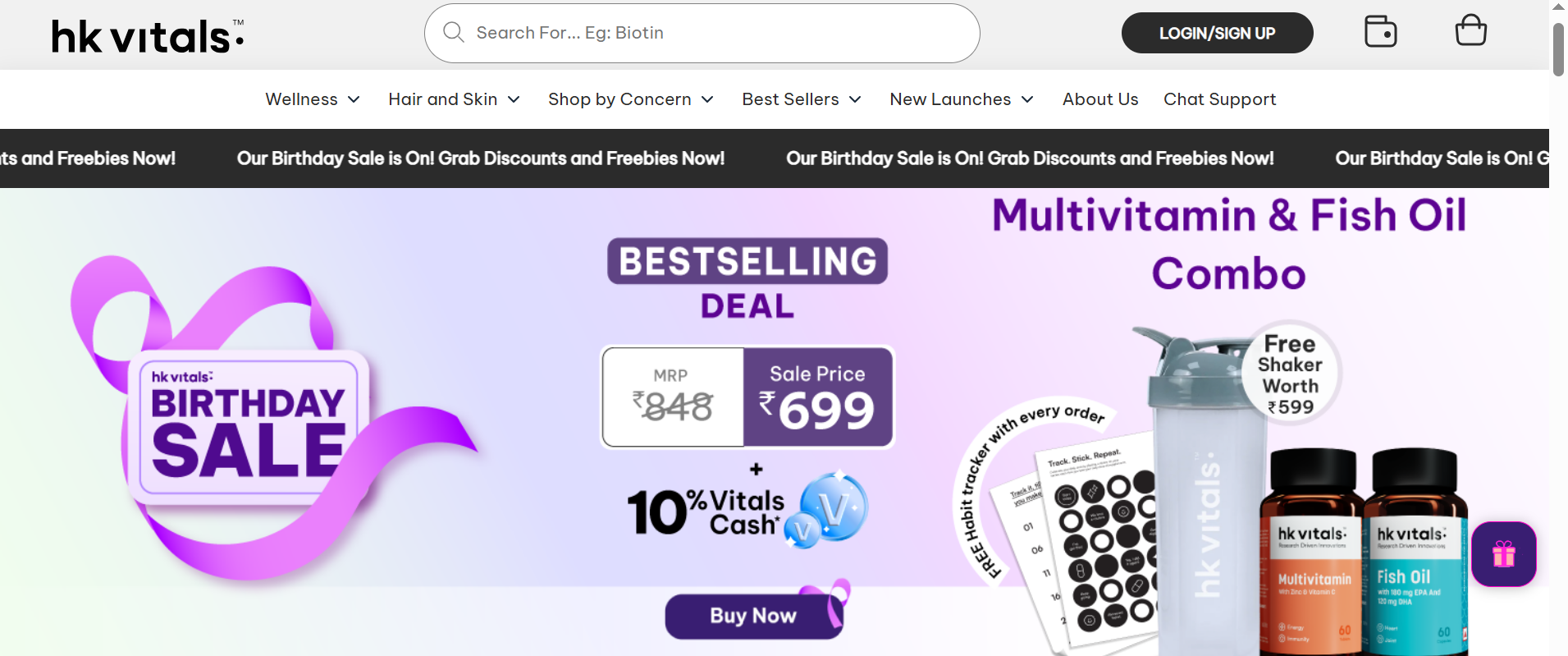
1. HK Vitals: Wellness for the Modern Lifestyle

HK Vitals, a brand by HealthKart, is built for people who want wellness to fit into their busy lives. Their range includes essential amino acids, omega-3 supplements for heart and brain support, protein powders made from blends of whey and soy, and collagen that promotes skin elasticity. Their multivitamin tablets, for example, are vegetarian and include a mix of vitamins (A, C, D3, E, B-complex), minerals (zinc, magnesium, selenium), and herbal extracts like ginseng to enhance focus and athletic performance.

HK Vitals also gives affiliates an edge with regular offers like Flat 40% Off, Buy 2 Get 1 Free, Extra 5% Off on prepaid orders, and free gifts on select combinations. These make it easier to convert users who are already interested in building healthier routines but just need the right deal to click “buy.”

Start promoting HK Vitals and convert intent into action with health-first offers.

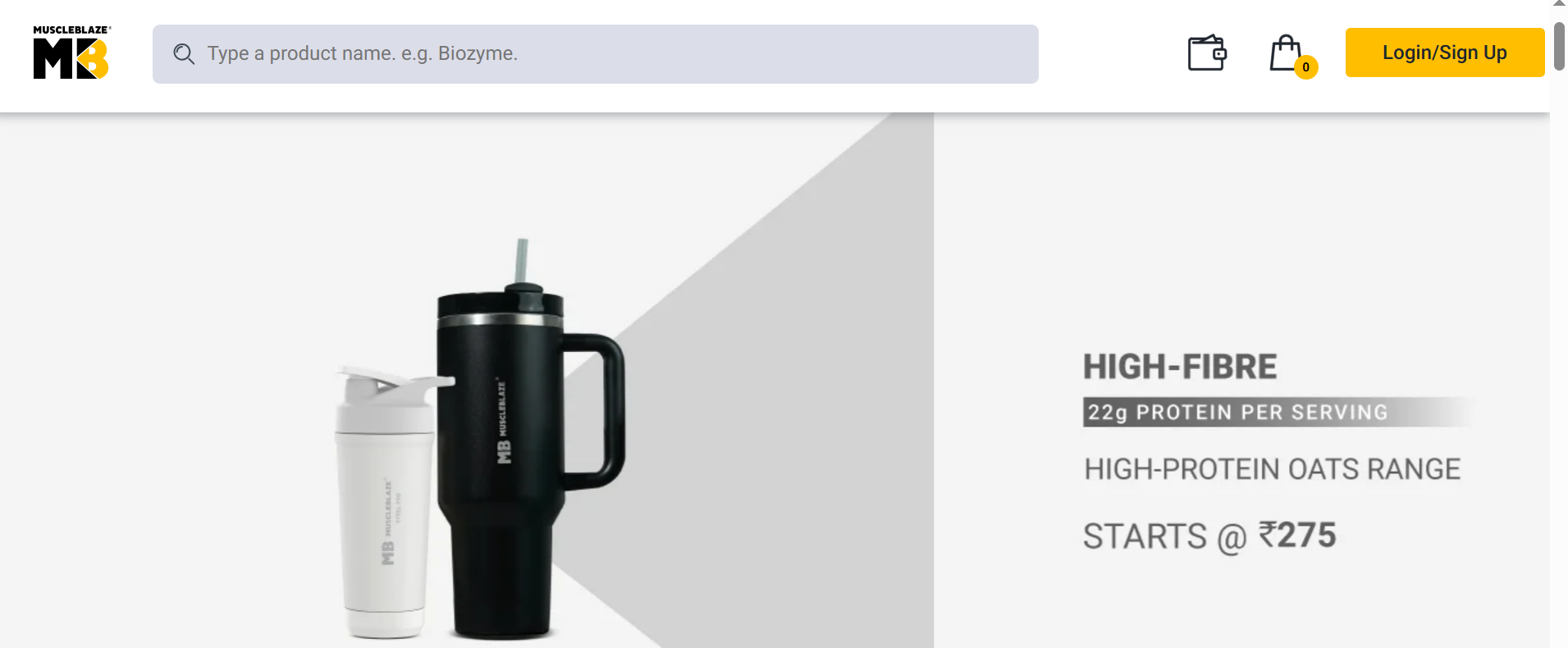
2. MuscleBlaze: Fitness-Focused Nutrition

MuscleBlaze has carved a strong name for itself in the Indian fitness space. They offer a wide range of products including Whey Proteins (like Biozyme Whey with enhanced absorption), Mass & Weight Gainers, BCAAs, Creatine, and Pre/Post Workout formulas, and Multivitamins, Fish Oil, and Fit Foods (like peanut butter, oats, and protein bars).

What helps affiliates is the variety of strong deals available, up to 50% off across major categories, Buy 1 Get 1 Free on key SKUs, flat ₹200 off on Biozyme, Free Gym Bag, and cashback through Simpl. These offers act as instant conversion boosters, especially among people who already buy these products regularly.

Ready to tap into India’s protein boom? Start promoting MuscleBlaze today.

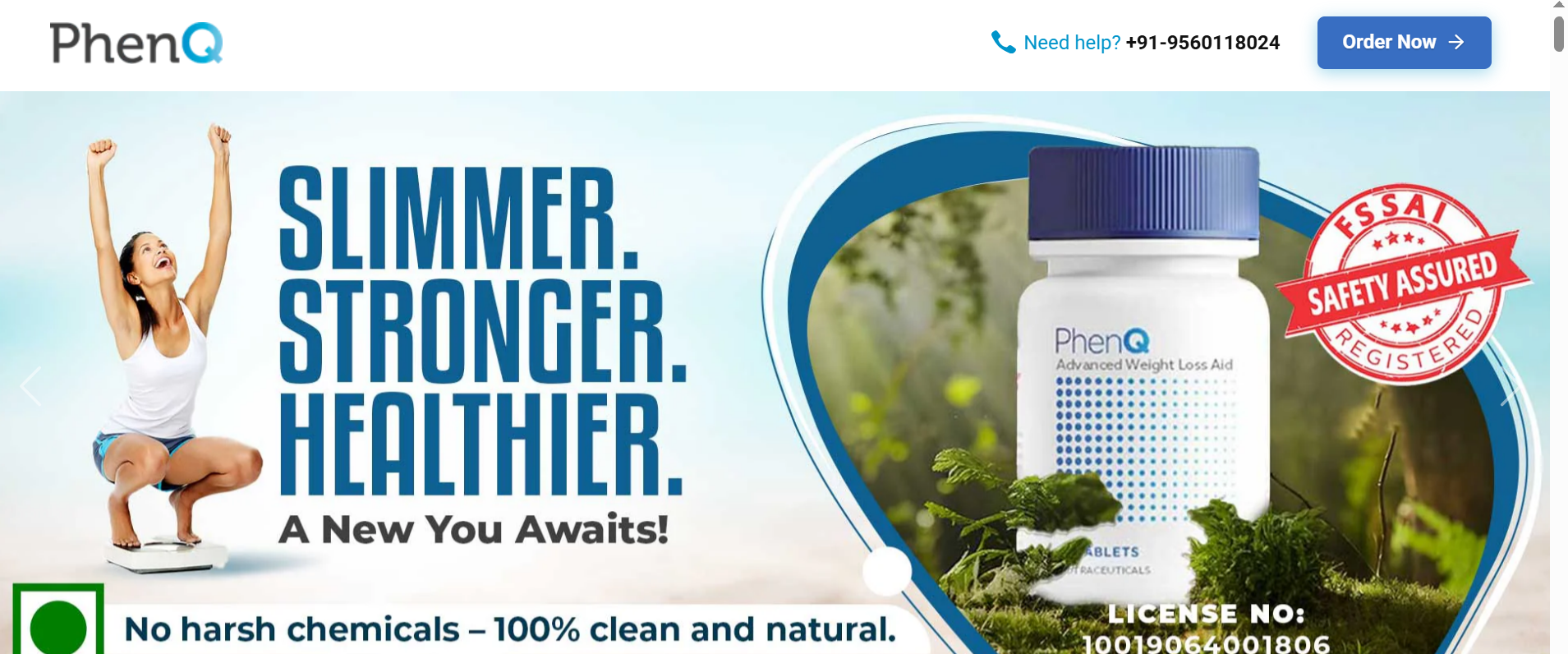
3. PhenQ: All-in-One Weight Loss Supplement

PhenQ is a multi-action weight management supplement to support fat burning, appetite suppression, energy boosting, and mood enhancement- all in one. It targets five key areas of metabolic health using natural, science-backed ingredients like Capsimax Powder, α-Lacys Reset®, Chromium Picolinate, Caffeine, and Nopal Cactus.

PhenQ runs smart promotions like Buy 2 Get 1 Free, Buy 3 Get 2 Free with a bonus detox product, and 10% off on prepaid orders. These bundles appeal to customers who want longer-term value and also boost average order value for affiliates.

Promote PhenQ and capture conversions in one of the most evergreen niches in affiliate marketing.

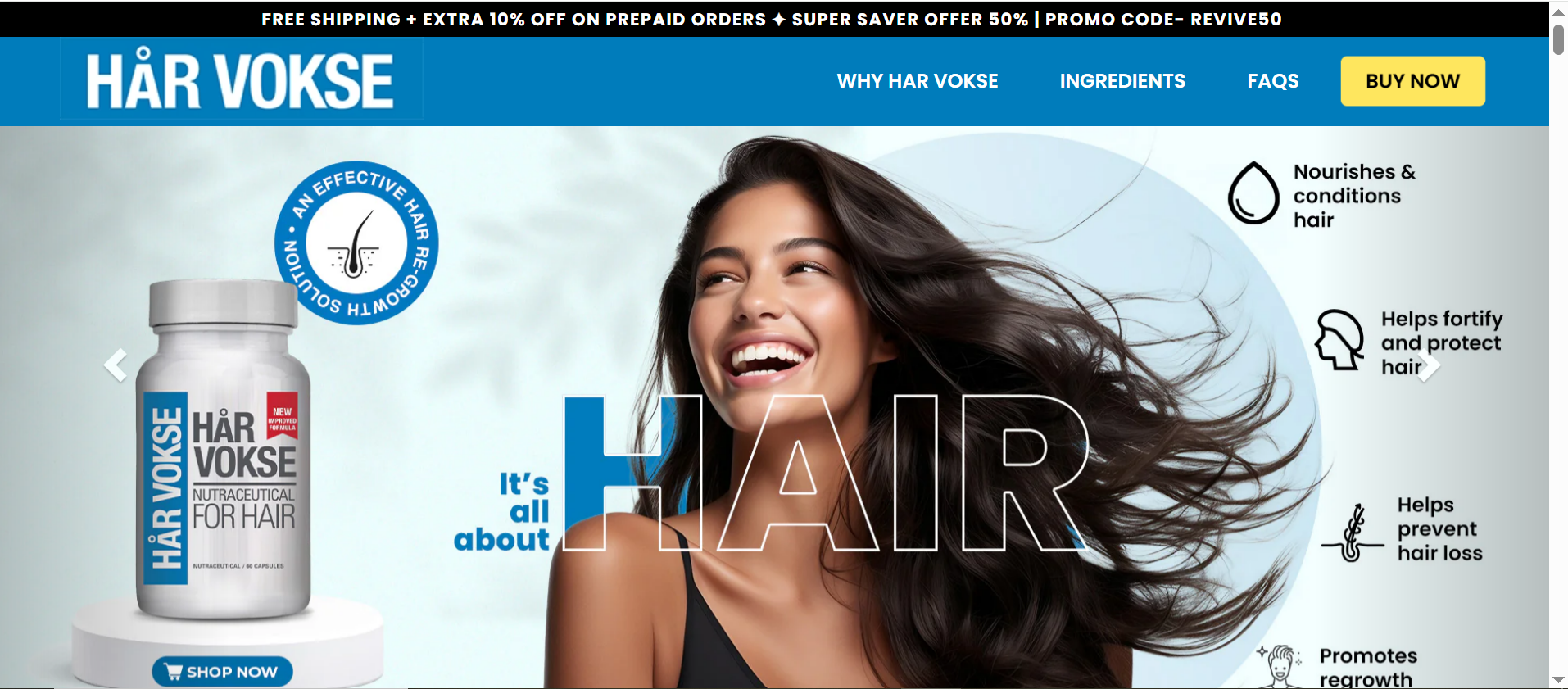
4. HarVokse: Hair Regrowth Backed by Science

HarVokse is a dual-action hair restoration supplement developed by Norwegian researchers, designed to both prevent hair loss and stimulate new hair growth. Its formula is built around marine collagen, amino acids, and natural plant extracts like amla and rosemary, which nourish the scalp, strengthen hair follicles, and promote thicker, shinier hair. It’s suitable for all hair types and works from within to improve hair health at the root level.

HarVokse comes with strong trust-building features for affiliates to use, like a 30-day risk-free refund policy, prepaid offers such as Buy 1 Get 1 Free, and a flat ₹500 off on longer-term packs. These deals work well with audiences who want reassurance before trying something new.

Start promoting HarVokse today and convert real concerns into reliable commissions.

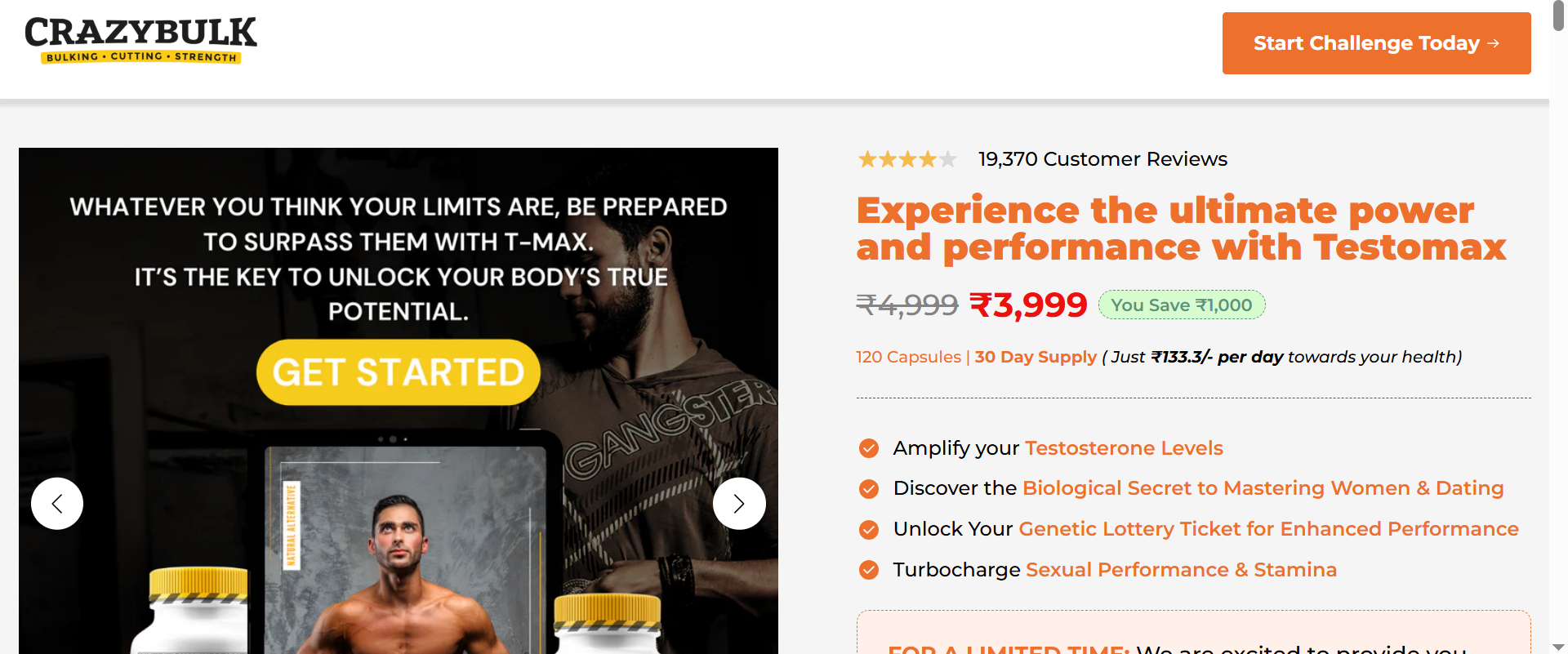
5. Testo-Max: Natural Testosterone Booster

Testo-Max by Crazybulk is a legal, natural testosterone booster designed to help men increase stamina, improve muscle gains, and feel more energetic overall. It’s not a quick-fix pill; it uses herbs and vitamins like D-Aspartic Acid, fenugreek, ginseng, and zinc to support the body’s natural testosterone production safely. This product fits well with men who are into regular workouts, athletes trying to break past fitness plateaus, or even older users looking to maintain strength and performance as they age. The fact that it doesn’t contain steroids or harmful additives adds credibility and appeal.

Promotions like Buy 2 Get 1 Free, Buy 3 Get 2 Free, and free shipping worldwide make it easy to convince buyers to go for multi-month packs, especially those who are serious about results. That also means higher commission potential for affiliates. 

Start promoting Testo-Max now and reach high-intent male audiences with a credible edge.

Best Platforms to Promote Nutra Affiliate Offers in 2025

Nutra affiliate marketing programs can perform well across a variety of platforms. The key is to match your message and content to the nature of the platform. Here’s how to think about where and how to promote:

1. Owned Platforms

Blogs, newsletters, and niche websites offer long-term potential. If you create content around “best protein for women” or “natural supplements for hair growth,” you can attract search traffic month after month. These platforms also allow for detailed reviews, comparison guides, and email-based deals.

They’re especially effective for high-consideration products like multivitamins, collagen, or weight management supplements. If your content is evergreen and optimized for SEO, the affiliate revenue builds steadily.

2. Social Media Platforms

Instagram Reels, TikTok videos, Facebook Stories, and YouTube Shorts are great for nutra products. The key here is to focus on short, engaging content:

    • Quick supplement explainers
    • Before-and-after clips
    • Daily health routines using a product

Nutra offers like collagen powders, protein shakes, or detox supplements fit well with this content style. These platforms also allow you to plug in coupon codes or direct affiliate links through bio or story highlights.

3. Community & Forums

Places like Reddit, Discord, and Quora attract people who are actively looking for advice. When someone searches “how to reduce hair fall naturally” or “is omega-3 good for skin,” that’s your chance. The goal is to be helpful first. Share experiences or real tips, and then introduce the nutra product as a solution. This builds trust and increases the chance they’ll click your affiliate link.

4. Paid Promotions

If you’re ready to scale, paid ads offer faster growth. Here’s where and how to use them:

  • Google Search Ads: Great for high-intent searches like “buy whey protein online India.”
  • Facebook/Instagram Ads: Retarget visitors who showed interest but didn’t convert.
  • Pinterest Ads: Work especially well for beauty and lifestyle-focused supplements like collagen or skin vitamins.

When running nutra ads, keep creatives clear. Highlight active discounts (“Flat ₹500 Off” or “Buy 2 Get 1 Free”) and keep the message direct. Video ads often perform better than static images, especially when they explain benefits within the first few seconds.

Media Buying Strategies for Nutra Campaigns in 2025

Media buying can accelerate your nutra affiliate marketing programs’ results if done right. Here’s how to approach it in 2025 with clarity and precision:

1. Geo-Target Where the Buyers Are

When running nutra ads, focus on cities where awareness and purchasing power are higher. Metro and Tier-1 cities like Delhi, Mumbai, Bengaluru, Pune, Hyderabad, and Chennai consistently show stronger engagement with wellness products. For some campaigns (like hair supplements or collagen), consider targeting Tier-2 cities too, where beauty and health trends are booming thanks to social media.

2. Optimize Creatives for Mobile-First Viewers

The majority of your audience will come from smartphones. That means everything, your ad, landing page, and CTA, should be mobile-optimized. Use vertical formats (9:16), clean headlines, and short, punchy benefits.

Example: Ad Headline – “Feel More Energetic in 7 Days” and CTA Button – “Grab Flat ₹200 Off – Shop Now”

3. Use Retargeting to Capture Lost Conversions

Most users don’t convert the first time. But that doesn’t mean they’re not interested. Set up Meta Pixel or Google Ads remarketing to bring them back with a stronger message, like a limited-time offer, a new deal, or a video testimonial. Show a product demo in your retargeting ad, offer a cashback code or bundle deal, and add urgency: “Only 24 Hours Left to Save!”

4. Match Creatives to Buyer Intent

A one-size-fits-all approach doesn’t work. Your messaging and visuals should change based on where you’re showing the ad and what the user is looking for.

    • Search Ads: Someone searching “best whey protein for beginners” wants a direct, benefits-first answer. Use an ad copy that’s straight to the point and leads to a clean product landing page.
    • Instagram/YouTube Ads: Here, storytelling works better. Use UGC (user-generated content), short reviews, lifestyle clips, or transformation videos. Add subtitles and keep them relatable.
    • Telegram Ads: In Telegram groups (like deals or fitness communities), try simple banners with flat offers: “FLAT 50% OFF on MuscleBlaze Protein – Today Only | Tap to Buy”

5. Add Urgency with Real Offers

Highlight real deals like “Flat ₹500 Off Today” or “Buy 2 Get 1 Free – Ends Tonight” to push quicker decisions. Phrases like “Only Today,” “Limited Stock,” or “Extra 10% Off on Prepaid Orders” create a sense of scarcity and time pressure. When users feel they might miss out, they’re more likely to act immediately.

6. Keep Testing Ad Formats

Different products and audiences respond to different creatives. Test multiple formats to see what works for your vertical. Short Videos are great for testimonials, how-to-use guides, or visible transformations (before/after). Carousel Ads are ideal for showing multiple benefits or product variants (e.g., protein, omega-3, multivitamin). Static Banners are best for Telegram/WhatsApp shares or Google Display placements with clear discounts.

Keep a creative testing cycle: launch 3–4 versions, run them for 3–5 days, and then scale the top performers.

7. Track and Tweak

Don’t just launch and wait; watch everything. Use UTM tracking, ad manager reports, and vCommission insights to monitor: 

    • Which geo is converting better?
    • Which creative gets more CTR or ROAS?
    • Are CPCs too high on one platform?

A/B test different CTAs, ad placements, or headlines. And tweak your bids, budgets, and audience segments based on actual results, not assumptions.

8. Be Platform-Specific with Your Spend

Each platform brings different advantages for nutra ads:

    • Google Search: High-intent, great for keywords like “best supplement for weight loss”
    • Instagram & Facebook: Visual storytelling, good for mid-funnel engagement
    • YouTube Shorts: High engagement, great for transformations, skin glow, fitness motivation
    • Telegram/WhatsApp: Direct deal-driven conversions; use for cashback codes and limited-time drops
    • Pinterest Ads: Useful for categories like beauty, collagen, and women’s wellness

Split your ad budget based on the type of product you are promoting and audience behavior. For example, skin collagen sells better on Pinterest and Instagram, while protein and pre-workouts convert faster on Telegram and YouTube.

To Sum up 

In 2025, people aren’t waiting for a diagnosis to care about their health. They’re actively buying supplements for focus, energy, skin, sleep, and strength. And they’re doing it online, repeatedly. As an affiliate, your success depends on picking the right offers and promoting them the smart way. If you’re using Instagram, YouTube, Google Ads, or Telegram, what matters is showing the right product to the right person at the right time. 

At vCommission, we bring all of that together. We give you access to high converting nutra affiliate programs, real-time offers, and easy tracking tools so you can focus on growing your commissions. So, sign up now and start promoting the best nutra affiliate marketing programs.

Categories
Affiliates

How to Monetize Your Beauty Blogs? (5 High-Paying Beauty Affiliate Programs)

You try new skincare products. Share routines. Post reviews. People listen to you.

That means you have influence. And that influence can earn you money. How? Through affiliate marketing. You share a product link. If someone buys through it, you get paid a commission. That’s it. No selling. No shipping. Just honest content that helps people.

And right now is the perfect time to monetize your content. The Indian beauty and personal care market is booming. According to Statista, it’s expected to hit US$33.08 billion in 2025, with steady growth till 2030. More people are shopping online. And they’re searching for creators they trust. 

In this blog, we’ll show you how to turn your beauty blog into a source of steady income, and 5 high paying beauty and skincare affiliate programs you can promote via vCommission.

Why Affiliates Should Promote Beauty Products in 2025

Beauty is one of the most profitable and consistent affiliate categories in 2025. With growing awareness around skincare, clean ingredients, and personal grooming, more Indians are shopping for beauty products online than ever before. This includes not just women, but also men exploring grooming, hair care, and wellness. You can simply create helpful, relatable content around the products you already love. Here’s why affiliate marketing fits perfectly with beauty blogging:

    • Frequent purchases. People run out of lipstick, cleanser, or sunscreen regularly. That means repeat purchases and recurring commissions for you.
    • Content is naturally visual. Swatches, how-tos, and before-and-after photos all make beauty products easy and fun to promote.
    • You already influence decisions. Your audience trusts your opinion. A recommendation from you is more powerful than any ad.

Promoting the best beauty affiliate programs allows you to keep creating content you enjoy while turning your passion into a steady income stream. Platforms like Instagram, YouTube, and Pinterest are filled with reviews, tutorials, and hauls, making beauty a highly content-friendly niche.

Build Trust Before You Sell

Affiliate marketing is about relationships, not sales pitches. People click and buy because they trust you. So, before you focus on promoting affiliate links, focus on delivering value.

Here’s how to keep that trust strong:

    • Use the products you recommend. Share personal insights, how they worked for your skin type, in your climate, or as part of your routine.
    • Be honest. Share both what you loved and what didn’t quite work. People appreciate real opinions over polished praise.
    • Explain, don’t sell. Help your readers understand why the product is right for them.
    • Be transparent. Let your audience know you earn a commission. A simple line like “This post contains affiliate links. I may earn a small commission if you purchase through them” builds credibility.

When readers know you genuinely want to help them, they’ll trust your recommendations and reward that trust with clicks.

What Kind of Content Actually Makes Money?

Not all beauty content earns equally. Some formats are more effective for affiliate marketing because they give your audience helpful, actionable information. These are the content types that usually convert best:

    • A Tutorial. People love learning how to use products. A “5-minute glow look,” “bridal makeup tutorial,” or “everyday no-makeup makeup routine” gives you a natural opportunity to include affiliate links to each product you use.
    • Detailed product reviews that answer real questions, like “Is this good for oily skin?” or “Does it work under makeup?”- help readers make informed decisions. Be sure to include clear photos and before-and-after results if possible.
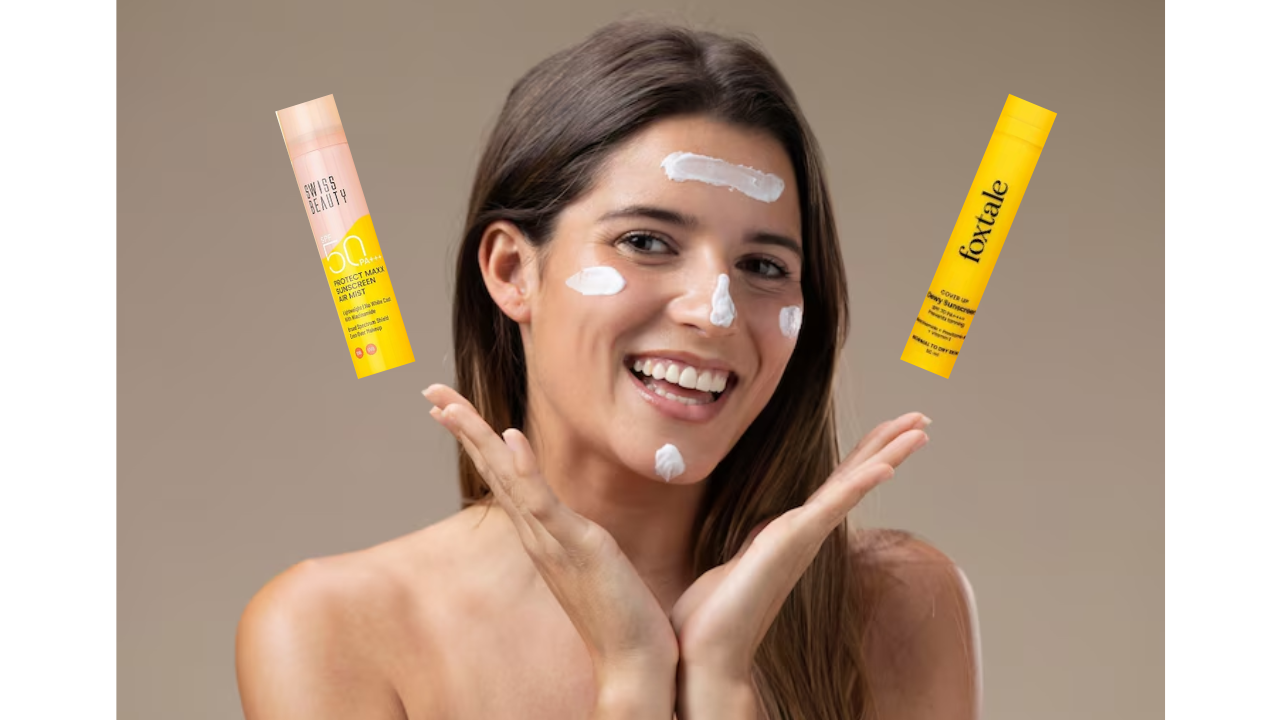
    • Comparison posts or videos like “Swiss Beauty vs. Foxtale  Sunscreen” or “Which Kajal Stays the Longest?” give readers helpful side-by-side info and often lead to direct purchases.

    • Create curated lists like “Top 5 Lipsticks Under ₹500” or “Best Gift Sets for Raksha Bandhan.” These posts allow you to include multiple affiliate links and suit every type of buyer.
    • Before-After & Results. Show transformation stories like “One Month Using Vitamin C Serum” with pictures or honest day-by-day updates. These build trust and boost clicks.
    • Video & Reels. Quick haul videos, mini tutorials, or skincare tips in Reels or Shorts can drive traffic fast. Add your links in bio, captions, or a pinned comment.

Where to Post Your Content (Beyond Blogs)

Most affiliates start with blogs, and that’s a smart move. Blogs are great for SEO, storytelling, and building long-term trust. But if you want to scale faster, increase visibility, and reach buyers where they actually scroll, you need to go beyond just blogging. Here’s where successful affiliates are sharing their content in 2025 to drive more clicks, engagement, and conversions:

1. Owned Platforms (Your Long-Term Growth Engine)

    • Website: Write product reviews, listicles, or how-to guides like “Best Face Washes for Oily Skin” or “Top 5 Affordable Sunscreens.” SEO helps you show up in Google searches and drive organic traffic over time.
    • Email Newsletters: Curate product picks, share sales alerts, or send themed recommendations. Keep it conversational, like a personal note to your subscribers. Email builds loyalty and repeat traffic.

2. Social Media Platforms (For Daily Reach + Engagement)

    • Instagram: Use Reels for quick reviews or mini routines, Stories for limited-time offers, and Highlights to group your best finds. Add affiliate links through link-in-bio tools like Linktree. Use Instagram Collab Posts to reach wider audiences.
    • YouTube: Create content like “Get Ready With Me,” “Monthly Favourites,” or “Skincare Empties.” Add affiliate links in the video description and pinned comments. Use Shorts to create bite-sized promos.
    • Pinterest: Perfect for evergreen content. Design shoppable pins that link to blog posts or product pages. Group them by skin concern, product type, or budget.
    • Facebook: Post in Groups or create your own Page focused on beauty or skincare. Use Facebook Ads to drive targeted traffic to your affiliate landers.
    • TikTok: Leverage trending audio to review or demo products in under 30 seconds. Use your bio to link to your blog or other affiliate hubs.

3. Community & Forum Platforms (Great for Niche Audiences)

    • Reddit: Engage in subreddits like r/SkincareAddiction with honest answers and soft mentions. Some communities allow affiliate links, just check the rules.
    • Quora: Answer beauty-related questions in detail and link back to your content for full recommendations or tutorials.
    • Discord: Join niche beauty or lifestyle communities. Offer value-first suggestions and share links where allowed.

4. Paid Promotion Channels (When You’re Ready to Scale)

    • Google Ads: Run search ads targeting high-intent keywords. Drive traffic to your blog or affiliate product page.
    • Facebook & Instagram Ads: Promote top-performing content with clear calls to action. Works well for product launches or limited-time deals.
    • Pinterest Ads: Boost your best-performing pins to drive consistent traffic to your guides, roundups, or reviews.

Using multiple platforms helps you reach a wider audience and increases your chances of getting clicks and conversions.

How to Choose the Right Affiliate Programs

You want to work with brands that not only align with your audience but also offer good returns for your effort. Before signing up for the best affiliate marketing programs for beauty, ask yourself a few key questions:

    • How much commission will I earn per sale? A higher rate means more money for the same effort.
    • What’s the cookie window? If someone clicks your link today and buys a product five days later, will you still earn a commission? Longer cookie windows are better.
    • Where can I promote it? Some programs allow promotion via blogs and social media, while others might let you use email, Telegram, or even mobile apps.
    • Does this brand suit my audience? Think about whether your followers are more into luxury skincare, everyday makeup, or natural beauty.
    • Is the brand well-known and trusted? Familiar names convert more easily, especially in beauty, where trust is everything.

5 Highest Paying Beauty Affiliate Programs

At vCommission, several beauty brands are offering strong commission potential, especially for creators who know how to connect with skincare and makeup lovers. Here are the five best beauty affiliate programs worth promoting in 2025. 

1. Swiss Beauty

Swiss Beauty is popular for affordable, trend-forward makeup products. Their range includes everything from shimmer eyeshadow palettes to foundations and lipsticks that suit a variety of Indian skin tones. Because of its pricing and wide appeal, it’s ideal for creators who speak to college students, beginners, or beauty lovers looking for budget-friendly options.

The brand converts well in both metro and non-metro cities, making it great for creators targeting a broad audience. It performs strongly on coupon, cashback, app, and Telegram-based traffic. Swiss Beauty is offering up to 35% off on its website. Users can also get an extra 5% discount on prepaid orders. On top of that, there’s a free 3-product gift on purchases above ₹799, and curated combos like brush sets and full-face kits are being sold at discounts of up to 45%.

For affiliates, these stacked discounts create strong urgency and value, helping drive faster clicks and more conversions, especially in price-sensitive markets and deal-based communities like Telegram and cashback apps.

2. Foxtale

Foxtale is a skincare brand built on science and simplicity. Its products, cleansers, moisturisers, and serums are lightweight, effective, and made to suit Indian skin and weather. With Cash on Delivery available and a 14-day cookie period, Foxtale campaigns are suited to creators in the skincare routine or review niche. Their minimalist branding and dermatologist-tested formulas also appeal to users looking for effective, no-fuss skincare. 

Affiliates promoting Foxtale benefit from its flat 25% sitewide discount, plus an extra 5% off on prepaid orders, making it an easy recommendation for cost-conscious shoppers. The brand’s bundle deals (like Buy 2 for ₹799 with 2 freebies or Buy 4 for ₹1499 with 4 freebies) not only boost cart value but also give creators multiple angles for content. The ongoing Monsoon Flash Sale with Buy 2 Get 2 Free on full-size products is a golden opportunity to drive urgency and promote high-volume orders.

3. Tira Beauty

Tira Beauty is Reliance’s multi-brand beauty platform. It features both Indian and global brands like MAC, Maybelline, Minimalist, and Dot & Key. If your blog or channel focuses on hauls, new launches, or “top 10” roundups, this is a great program to explore. The huge product range means more linking opportunities across price points and categories. It’s also a reliable platform for affiliate traffic with a seamless user experience. 

For affiliates, Tira’s aggressive discounting is a big plus. Shoppers can enjoy up to 70% off on hundreds of products, a flat ₹500 off on their first order, and additional savings of up to ₹1000 through coupons. Combine that with free shipping and bundle offers like Buy 3 Get 25% Off, and you get a high-converting campaign with plenty of content hooks. More brands, more offers, more chances to earn.

4. Forest Essentials

Forest Essentials combines Ayurveda with luxury skincare. With elegant packaging and premium pricing, their products are popular for festive gifting, weddings, and self-care rituals. If you write content around wellness, holistic living, or gifting guides, this brand fits beautifully. Because of the higher average order value, creators can earn more per sale. It’s ideal for premium and experience-led content.

Forest Essentials is giving new users a flat 10% discount using the code FWELCOME. There’s also free shipping on orders above ₹475, and their seasonal gift sets come with complimentary samples and exclusive packaging. For affiliates focused on wellness, rituals, or premium beauty, Forest Essentials brings both credibility and higher commissions.

5. Nourish Mantra

Nourish Mantra is a modern Ayurvedic brand that makes vegan, cruelty-free skincare with plant-based ingredients. With its wellness positioning and ingredient-focused storytelling, it works well for creators who love talking about clean beauty and conscious living. It’s great for creators who create content on routines, rituals, or deep dives into ingredients like saffron, turmeric, and ashwagandha.

The brand is currently running sitewide discounts of up to 30%. For affiliates, the brand’s focus on plant-based ingredients and wellness narratives gives you great storytelling opportunities, especially on Instagram, YouTube, and blogs focused on clean living.

How to Use Affiliate Links Without Feeling “Salesy”

Affiliate links can feel natural and helpful when used thoughtfully. You don’t have to turn every post into a pitch. Start by weaving your links into conversations. Mention them when you’re talking about a product’s results or benefits. Instead of forcing a link, place it where a reader might naturally want more info, right after you’ve explained why you love it or how it helped you.

Use descriptive anchor text. Instead of a vague “click here,” say something like, “shop the lightweight moisturizer I use every morning.” This feels more personal and helpful. 

You can also use visual elements like buttons, product photos, or even a “shop my routine” graphic to guide readers without overwhelming them with text. In email newsletters or blog posts, place one link near the top for quick readers and another at the end as a recap.

When you focus on being useful rather than salesy, affiliate links become a natural part of your storytelling.

Track, Learn, and Improve

Affiliate marketing gets easier and more profitable the more you learn about your audience’s behavior. Start by checking your analytics: which posts get the most clicks? What kind of products do people actually buy after clicking your links, budget-friendly makeup, or premium skincare? Are your blog readers buying more than your Instagram followers?

Use this data to shape future content. If tutorials convert better than product reviews, create more tutorials. If most purchases come from a particular category, like serums or lipsticks, focus your next post around those.

Tracking also helps you avoid wasting time on formats or products that don’t work for your audience. It’s a smart way to turn trial and error into consistent success. When you are promoting these beauty brands via vCommission, you’ll have access to reporting dashboards that let you track clicks, conversions, and commissions in real time. 

Let’s Wrap Up!

Monetizing your beauty blog isn’t complicated; you just need the right mix of content, trust, and smart beauty and skincare affiliate programs. If you create tutorials, reviews, or roundups, your honest advice can help people choose better products and earn you a steady income. By joining the highest paying beauty affiliate programs that match your audience, you turn your passion into profit.

And if you’re promoting beauty brands through vCommission, you get access to trusted names, real-time tracking, and substantial commissions, all in one place. So keep creating, stay consistent, and let your blog do what it does best: help and earn.

Categories
Affiliates

Top 10 Affiliate Ecommerce Campaigns to Promote in India

We’re all shopping online these days, quickly, easily, and endlessly.

Need a last-minute gift? A skincare restock? A new set of bedsheets? It’s all just a tap away. However, with endless choices available, we don’t just buy anything; we look for what feels like a good deal. That’s why, for affiliates, not every campaign leads to commissions. Some offers match real shopping intent and convert well. Others get lost in the noise. That’s where smart campaign selection makes all the difference.

And with India’s eCommerce market projected to hit $98.55 billion by 2029 (Statista), there’s huge earning potential for affiliates who promote offers that match real buying behavior: discounts, variety, and Cash on Delivery.

To help you skip the guesswork, we’ve curated 10 top-performing campaigns live on vCommission. Lets have a look!

10 Best Affiliate Ecommerce Campaigns in India

Ecommerce campaigns are reshaping India’s affiliate ecosystem. And to help you make the most of this growing market, we’ve picked the top campaigns that are already getting great results across different channels.

1. Shopsy: Best for Affordable Everyday Products

Shopsy is an online shopping app launched by Flipkart. It features a wide range of affordable products, such as clothing, home essentials, mobile accessories, beauty items, and more. With up to 90% off on most categories and frequent extra discounts, it’s designed for fast-moving, price-sensitive traffic. These are the kind of everyday items that people buy quickly, especially when the prices are low and the payment method is flexible.

Shopsy’s COD feature is a huge trust booster for users, especially in Tier 2 and Tier 3 cities. These people often hesitate to prepay online but are willing to try a platform if they can pay only when the product arrives. That’s what makes this campaign perform so well in mass-market channels.

As an affiliate, you’ll find success promoting Shopsy on WhatsApp, Telegram, and other deal-sharing communities. Flash deals and “budget finds” get attention fast, and the regular flow of new offers means there’s always fresh content to share.

2. Trybloom: Women’s Wellness Made Simple

Trybloom is Bold Care’s women-centric brand offering wellness solutions across period care, hormonal health, personal hygiene, sexual wellness, and more. The brand focuses on clinically backed, effective solutions such as PCOS gummies, reusable period panties, and more. The brand offers a flat 30% off with promo codes and additional cashback via deal platforms, making it highly attractive for first-time buyers exploring new wellness routines.

Most products are priced affordably, and the COD option encourages first-time buyers to try without hesitation. Trybloom is perfect for affiliates creating content around women’s health, wellness routines, and honest product reviews. Its clean design and relatable tone work well on WhatsApp, Instagram Reels, Telegram, blogs, and newsletters.

3. Myntra: Reliable Choice for Premium Fashion

Myntra is one of India’s most recognized and reliable fashion platforms. With thousands of options across apparel, footwear, and accessories, and massive campaigns like the Big Brands Bash, offering 40–80% off across top categories, it caters to almost every age group and style preference.

For affiliates, Myntra brings consistent campaign potential. The site runs frequent sales, brand offers, and app-exclusive deals. Fashion is personal, and COD gives buyers the reassurance they need to go ahead with their first order. If you’re promoting via blogs, Instagram Reels, app push traffic, or deal groups, Myntra can perform well across channels.

4. Neeman: Good Fit for Sustainable Footwear

Neeman is a growing footwear brand known for comfort, sustainability, and smart design. Their use of eco-friendly materials like merino wool and recycled bottles makes them stand out in the cluttered shoe market. Shoppers can enjoy up to 80% off during sale periods, plus extra discounts with codes.

This campaign fits well with lifestyle, wellness, or fashion content. You can promote Neeman through storytelling: talk about comfort, eco-consciousness, or durability, and back it up with the ease of paying later.

5. M&S India: Trusted Name in Premium Clothing

Marks & Spencer brings global style to Indian closets, offering premium quality in clothing, innerwear, and accessories. Their e-commerce site now supports COD, making it easier to convert consumers who are familiar with the brand but hesitant to order online. With its End of Season Sale offering up to 50% off on clothing, innerwear, and accessories, now’s the time to push this campaign.

M&S is especially strong during festive seasons, sale periods, and gifting occasions. Affiliates can use style recommendations, lookbooks, or gifting guides to create relevant content. The brand name already carries trust, and the COD option just gives buyers the final push they need.

6. Tira Beauty: 1 Platform for Multiple Beauty Brands

Tira Beauty is a multi-brand beauty platform by Reliance Retail. It offers both luxury and affordable makeup, skincare, and haircare brands under one roof. From MAC and Clinique to minimalist Indian labels, the site covers a wide range of needs and price points. It regularly offers up to 75% off, plus extra deals through coupons, making it a solid pick for value-conscious yet aspirational buyers.

The campaign performs well with product reviews, influencer recommendations, and beauty comparison content. You can also highlight Tira’s bundles and gift sets that tend to convert well during special occasions.

7. Mymuse: Intimacy and Personal-Care

Mymuse is India’s first dedicated bedroom essentials brand. Its collection includes massagers, lubricants, candles, blindfolds, and more, all designed to make intimate wellness more approachable. With offers like up to 60% off and extra discounts via promo codes, the brand makes premium intimacy products more accessible. 

It offers discreet packaging, fast delivery, and most importantly, Cash on Delivery. This builds trust among first-time shoppers who may be shy about purchasing these items online. The brand works well with content focused on self-care, relationship tips, or wellness routines. Plus, the product visuals are perfect for Instagram and short-form video.

8. Giva: Silver Jewelry with Gifting Appeal

Giva offers premium yet affordable sterling silver jewelry with clean, elegant designs. Their collections often include birthstone rings, engraved pendants, couple bracelets, and minimal daily-wear pieces. Frequent offers include up to 50% off, additional coupon-based savings, and free gifts.

During sale seasons like Diwali or Valentine’s, Giva offers coupon codes, free gifts, gold-making charge waivers, and cash on delivery, making it easy for affiliates to promote. Ideal for content around gifting guides, style tips, and celebration ideas.

9. Ajio: Popular Platform for Fashion Deals

Ajio has carved a strong niche in India’s fashion scene by offering trendy, value-for-money clothing and accessories. It appeals to a wide customer base, from students and working professionals to homemakers and deal hunters. With sales offering up to 90% off, plus additional discounts and cashback layered in, it’s one of the strongest-performing eCommerce platforms for affiliates.

COD support makes Ajio especially powerful in price-sensitive markets. Buyers don’t have to think twice before ordering a ₹399 kurti or ₹799 sneakers when they know they can pay after delivery.

Affiliates can use shopping haul content, Telegram deal posts, or social videos to show off the latest finds. The platform’s frequent discounts and flash sales give affiliates lots of ways to drive urgency.

10. Bacca Bucci: Trendy Shoes for Youngsters

Bacca Bucci is a footwear brand focused on younger buyers. They offer streetwear-inspired sneakers, boots, and casual shoes at affordable prices that appeal to college students and freshers. Since it’s not yet as mainstream as bigger brands, many customers hesitate to prepay.

With up to 71% off on many styles, the brand is budget-friendly and trend-focused, great for buyers looking to refresh their look without breaking the bank. This campaign works best with fashion creators, campus influencers, and content that highlights bold, budget-friendly style.

To Sum Up

The right eCommerce campaigns can make a big difference in your affiliate earnings. In a market as dynamic as India’s, promoting brands that people already trust and shop from gives you a clear advantage. So, if you’re a content creator, coupon site owner, or deal publisher, you’ll find a wide range of affiliate campaigns via vCommission that align with your traffic. 

What makes vCommission especially valuable for affiliates is our focus on making affiliate marketing efficient, transparent, and scalable. With real-time tracking, expert account managers, and reliable payments, we support affiliates at every step of the journey. So sign up now!
Categories
Affiliates

Affiliate Blueprint 2025: How to Build & Monetize Coupon Websites

Do you search for a coupon right before buying something online? Maybe typed “Amazon promo code” or “best deals on skincare”? You’re not alone; millions of people do it every single day. That small habit has turned coupon websites into one of the most reliable engines for affiliate income.

If you’re eyeing this space, you’re not late, you’re right on time. The demand for verified deals, niche platforms, and trustworthy coupon sources has never been higher. In fact, a recent report featured by AffiliateWP found that 83% of shoppers say coupons are their main reason for making a purchase. 

In this blog, we’ll walk you through everything, how do coupon sites work, where to get your deals, how to set up your site, attract traffic, stay compliant, and how to make money with coupon website.

What Is a Coupon Website?

A coupon website is an online platform that provides users with promo codes, cashback deals, and limited-time offers from various brands. But it’s not just a collection of discounts; it’s a performance-based marketing incentive where every coupon click can generate affiliate revenue.

These sites operate using affiliate links that track user behavior. When a user clicks on a coupon and makes a purchase, the site owner earns a commission. However, modern coupon websites are far more than static pages filled with expired deals.

What Makes a Coupon Site Work in 2025

In 2025, a strong coupon site needs to be fast, intuitive, and trustworthy. It starts with mobile optimization. With a majority of users discovering deals via their smartphones, your site must load quickly and feel effortless to browse. Clear layouts, readable fonts, and smart navigation can make or break whether someone stays or exits. 

But even more important? Trust. Verified, working deals. No outdated codes. If you’re building within a coupon business model, real-time updates and validation systems are key. Whether you’re offering flat discounts or cashback bonuses, your user should never feel misled. This principle also supports your website monetization requirements by keeping bounce rates low and conversions high.

And don’t forget structure. Following a solid discount code blueprint helps ensure your site or app makes sense to first-time users and returning deal seekers alike.

Popular formats include:

    • General Aggregators are large platforms featuring deals across all verticals.
    • Niche Coupon Sites are focused on a single vertical, like travel, beauty, or tech
    • Cashback & Coupon Combos are sites that reward users with cashback for using coupons
    • Apps & Extensions are Mobile-first or browser-integrated tools for coupon discovery

Choosing the Right Niche (Yes, It Matters a Lot)

You may think bigger is better, but why not cover every brand and product under the sun? But here’s the truth: focusing on a niche brings faster growth, higher trust, and better SEO ranking. If you’re exploring coupon business ideas, ask yourself what you already know and love. Beauty, fashion, electronics, health, home, pick one. This gives your platform a voice and focus.

Let’s say you pick beauty. You can create rich content around skincare coupons, makeup deal comparisons, seasonal discount roundups, and even product reviews. This ecosystem boosts your site’s credibility and makes it easier to partner with relevant brands. The right niche also helps you qualify for the best coupon affiliate program opportunities, and brands are more likely to approve and promote affiliates who align closely with their target audience.

Building Your Coupon Website from Scratch

Wondering how to start a coupon business in 2025? Here’s a detailed walkthrough:

Step 1. Pick a Memorable, Brandable Domain. Go for a name that sticks and speaks to your niche. “DealsWithStyle.com” works better than “AllCoupons123.net.” A .com domain still carries the most credibility.

Step 2. Choose High-Performance Hosting. Speed matters, not just for SEO, but for user retention. Look for providers that support WordPress and offer built-in caching, CDN, and uptime reliability.

Step 3. Use a Content Management System (CMS). WordPress is the gold standard. With thousands of themes and plugins, it’s beginner-friendly and built for scale.

Step 4. Add a Coupon Theme or Plugin. Top picks include ClipMyDeals (great for organizing coupons by brand, date, and popularity), WP Coupons (clean layouts, mobile-responsive, and optimized for conversions), and CouponXL (perfect for building a marketplace-style site). These tools help display coupons with auto-expiry features, popular deal highlights, and click tracking.

Step 5. Optimize for Mobile from Day One. With over 70% of deal traffic coming from mobile, your site should load quickly and look seamless on any screen size.

Once you’ve built your base, you’re ready to join a coupon affiliate program and start adding real, monetized content.

Where Do You Get Your Coupons From?

You can’t run a coupon website without real, trackable coupons. Here’s how to find them:

Join an Affiliate Network: Sign up with platforms like vCommission, where hundreds of brands list their campaigns. Once approved, you’ll get access to promo codes, banners, and affiliate tracking links.

Apply to Individual Brand Campaigns: Once you’ve joined the network, apply to specific brand programs. Many brands provide public coupons usable by all affiliates, exclusive coupons available only to selected partners, and cashback offers combined with discount codes.

Manage Your Coupons Properly: Use tools or spreadsheets to track coupon validity and performance. Display codes with proper expiration dates and categories. For each coupon, clearly state:

    • What the offer is (e.g., “Flat 20% off on orders above ₹999”)
    • Where it’s applicable (e.g., Ajio, Swiss Beauty)
    • Expiry date or “Verified Today” label
    • Coupon code format or auto-activation link

Managing this well is not just about conversion; it’s how you meet long-term website monetization requirements and build credibility with users and partners.

Must-Have Pages on Your Website

A successful coupon site isn’t just a list of codes; it’s a well-organized experience. These pages help structure your content and improve conversions:

Homepage: Highlight your most popular brands and categories. Showcase limited-time deals in banners. Guide users quickly to what they want.

Brand Pages: Each brand should have a dedicated page with:

    • Store description
    • List of current coupons
    • Related blog content (e.g., deal reviews or product guides)
    • FAQs or return policy info

Category Pages: Segment your coupons by topic, Beauty, Fashion, Electronics, Travel. Users often browse by interest, not just brand.

Blog Section: Create SEO-friendly content that supports your coupons:

    • Sale announcements (e.g., “Myntra Big Fashion Festival 2025 Deals”)
    • Brand comparisons (“Ajio vs. Amazon Fashion – Best Deals for June 2025”)
    • Savings tips and product roundups

About Us + Disclosure Pages: Tell users who you are and why they can trust your site. Add mandatory FTC-compliant disclosures and privacy policy pages.

This isn’t just for UX, it’s a core part of how search engines assess your site’s value and helps support a clean, trustworthy coupon business model.

Get Traffic—The Right Way

Now that your site is live, let’s get traffic. Start with Search Engine Optimization (SEO).

SEO Basics:

    • Use long-tail keywords like “Trybloom skincare coupon code June 2025”
    • Add schema markup to your coupon listings
    • Write unique meta descriptions for every page
    • Avoid duplicate coupon titles from other sites
    • Use alt text for images to improve accessibility

Go Beyond SEO:

Relying solely on search traffic? You’re leaving money on the table. Diversify your strategy:

  1. Email Campaigns: Collect emails via lightbox popups and send weekly “Top 5 Deals” or flash-sale alerts.
  2. Social Media Marketing: Share urgent offers via Telegram, WhatsApp, and Instagram Stories, and use short-form videos to highlight limited-time deals.
  3. Push Notifications: Keep users updated with real-time deal pings, and segment users based on preferences.
  4. Paid Ads: Run high-ROI campaigns on Google Ads targeting discount-related search terms, and use Meta Ads for seasonal collection promos.
  5. Influencer Collaborations: Partner with creators in beauty, fashion, or tech to highlight your offers, and let them drive niche traffic to specific brand pages on your site.

This multi-channel approach is essential if you want to learn how to make money with coupon website ecosystems long-term.

Analyze What Works and What Doesn’t

Once your coupon site is active, tracking what performs well is key. The vCommission dashboard offers real-time data so you can see which campaigns, coupon types, or brand pages are getting the most clicks and conversions. This helps you focus on what’s working and refine what isn’t.

Watch your EPC (earnings per click) to understand which categories offer the best returns. If certain pages have high drop-off rates, that’s your cue to investigate layout, content clarity, or user flow. Even minor tweaks, like updating a headline or repositioning a CTA, can improve engagement. If you’re serious about how do coupon sites work, use analytics tools and feedback loops to constantly refine and optimize.

Stay Compliant, Stay Profitable

Running a coupon website comes with responsibility. Transparency builds trust and keeps your affiliate partnerships secure. Make sure you always disclose affiliate relationships. Let your users know when a link may earn you commission. Keep your coupons verified and updated; outdated offers can frustrate users and hurt your credibility.

Stick to brand-specific promotional guidelines, especially when using their names in ads or banners. Ethical practices are at the core of a sustainable coupon business model, and non-compliance can get you blacklisted from even the best coupon affiliate program options.

How to Scale Smartly

Once your site sees steady traffic, scaling is your next move, but it doesn’t mean doing more of everything. It means doing the right things better. You could launch niche-focused subdomains or microsites, like one exclusively for tech deals or festive offers. This helps target specific user groups and improve SEO.

Creating a mobile app is also a solid step forward. Features like saved deals, personalized recommendations, and real-time notifications boost user engagement and retention.

To drive loyalty, consider integrating a cashback wallet system. It encourages repeat visits and builds a stronger connection with your users.

For seasonal spikes, build campaign pages around big shopping events, Diwali, Independence Day, summer sales, and end-of-season sales. These moments attract high traffic and provide ideal opportunities for SEO and paid campaigns. Automation helps manage it all smoothly. All of this becomes easier once you understand the foundation and how to start a coupon business with systems that support both growth and maintenance.

To Sum Up

Coupon websites are more than a side hustle; they’re full-fledged businesses. When done right, they offer recurring revenue, meaningful brand partnerships, and a helpful service to shoppers. Success in this space comes from more than just listing codes. It’s about curating relevant offers, optimizing user journeys, and building long-term trust. 

That’s where vCommission makes a real difference. We connect you with the best coupon affiliate program across categories like beauty, fashion, electronics, and more. You get access to public and exclusive coupons, real-time tracking tools, dedicated support, and timely payouts, everything you need to build and scale a high-converting site.

So don’t just build a coupon site. Build a system that works, one rooted in strategy, speed, and smart partnerships. Sign up now!
Categories
Affiliates

Mastering Affiliate Platform Approvals: Top Takeaways from the Webinar with Sled Dog Consulting

You’ve done your research, found a promising affiliate program, filled out the application, and then… nothing. No reply. No update. Just radio silence.

For affiliates, this approval gap isn’t just annoying; it’s a barrier to growth. To help affiliates better understand what goes wrong (and how to fix it), vCommission hosted a high-impact webinar featuring Jeannine Crooks, Founder of Sled Dog Consulting, in conversation with Parul Mehta Bhargava, CEO and Co-founder of vCommission. The session dug deep into what it really takes to get approved and stay ahead in the affiliate marketing space.

And the timing couldn’t be more relevant. Affiliate programs are growing at a rate of approximately 15% annually, according to a report by WeCanTrack. With more programs launching, there are more opportunities, but also more competition. Approval isn’t automatic, and networks are increasingly cautious. The good news? There are some key steps that you, as an affiliate, can take to stand out and improve your chances.

Let’s understand how to get approved for affiliate programs.

Be Honest About Who You Are

Jeannine emphasized this right from the start of the session: “Transparency is everything.” Be clear. Be honest. Be specific. Disclose everything: you’re a media buyer, a niche site owner, or running a subnetwork, exactly who you are and what you do.

    • Media buyers should specify what type of media they work with, such as browser ads, mass media, niche native ads, etc. Share if you’re willing to adjust placements based on advertiser preferences.
    • Sub-networks must explain how they vet affiliates, enforce compliance, and ensure transparency. Networks want to know how quickly you can remove bad actors and whether they can access data or insights if needed.
    • Content sites should highlight how their content is produced: is it in-house, outsourced, or user-generated? Detail your expertise, sources, and any FTC disclosures.

Trust is built through transparency, and trust earns approvals.

Personalize Your Application

One of the biggest red flags Jeannine sees? Generic, copy-paste applications. “It tells me you didn’t even try,” she said. Your application should feel tailored and intentional. Instead, your application should feel tailored and intentional. If you run multiple sites, submit your best-performing one first. Include real, working URLs you own. Don’t invent email addresses or mask IPs. Fill in your affiliate profile properly, upload a logo, add a photo, and write a solid description. Every touchpoint is your chance to show why you deserve to be in the best instant approval affiliate programs.

Study the Program Before Applying

As the discussion progressed, Jeannine made it clear: don’t apply blindly. “Advertisers are upfront about what they’re looking for. If your approach doesn’t align, it’s a waste of time for both sides.” Before clicking “Apply,” research the advertiser. Do they allow media buyers? Are they strict about site-level transparency? Have they mentioned preferred placements? Read the terms. Visit their site. If they’ve been clear about the guidelines and your method doesn’t align, don’t waste time applying. Mismatched applications are often the first to be rejected. It’s important to take care of these things if you wondering how to get approved for affiliate programs?

Create a Website That Represents You

Jeannine stressed this: have your own site, even if it’s simple. It’s not just about where you send traffic, it’s about who you are as an affiliate. A basic website acts like your digital resume. Even if you’re a media buyer or run a subnetwork, a professional homepage with an “About Us” page builds instant credibility.

Your site should introduce you and what you do, share past experience or performance highlights, and clarify promotional methods.

Use the Comment Box to Your Advantage

Further, Jeannine highlighted one of the most overlooked parts of the affiliate application: the comment box. Most affiliate platforms give you a comment field during the application. Don’t leave it empty. Use that space to explain your methods, highlight compliance efforts, and clarify how you align with the advertiser’s goals. Even a short, customized message can help you stand out in a sea of applicants for the best instant approval affiliate programs.

Follow FTC Rules—Always

Next, Jeannine shifted focus to compliance, particularly with FTC guidelines. The FTC (Federal Trade Commission) is a U.S. government agency that protects consumers from deceptive marketing practices. If you promote products and earn a commission, that’s considered a material connection, and it must be disclosed. 

No matter your affiliate type, FTC guidelines apply. That includes disclosure like: “This post contains affiliate links. Should you make a purchase, we may earn a commission.” Make sure your site, YouTube channel, or social posts clearly communicate this. 

Jeannine further emphasized that even if you’re not based in the U.S., following FTC standards builds credibility with global affiliate programs and keeps your applications compliant with best practices.

Engagement > Traffic Volume

Don’t have huge traffic numbers? That’s okay, Jeannine reassured. Networks care about engagement. If your 400 Instagram followers are liking and sharing your content regularly, that means more than 40,000 passive impressions.

Share examples of your audience interaction. Highlight community engagement, comments, shares, saves, and conversion stories.

To Sum Up

Throughout the session, Jeannine made one thing clear: Getting approved isn’t about gaming the system; it’s about showing up with honesty, clarity, and professionalism. A clean application, a real website, clear methods, and proof of engagement can set you apart, especially as affiliate networks become more selective and compliance-focused. 

And this is exactly where vCommission steps in. We provide clear onboarding support, compliance guidance, and educational resources like this webinar to help affiliates understand how to get approved for affiliate programs.

FAQs from the Webinar

1. Why do platforms not respond after application submission?

Jeannine explained that this is often due to automated emails ending up in spam. Platforms send thousands of emails daily, and many go unopened or blocked. If you haven’t received even an acknowledgement in 24–48 hours, check your spam folder.

2. How can I stand out among thousands of applications?

Transparency. Explain your promotional methods clearly, use a genuine identity, and include a working, professional-looking site. A complete, thoughtful profile makes you the exception, not the rule.

3. What can new affiliates with low traffic do to improve approval chances?

Focus on engagement. If your small audience is active, liking, commenting, and sharing, that matters more than raw numbers. Highlight actual performance, not just traffic stats.

4. Why are some networks hesitant to approve Indian affiliates?

Jeannine noted some networks have seen fraud from certain regions in the past, so they now apply stricter filters. Strong transparency and credible presentation can help overcome these biases.

5. Should I promote a campaign if the terms are unclear and my manager isn’t responding?

Jeannine advised caution. Without explicit approval, there’s always a risk. If you’re unsure, it’s better to wait than to risk non-payment or policy violations.

6. What are the two biggest red flags that cause rejections?

If I feel someone isn’t being honest in their application, I won’t approve them. I also look at the small details, like if your brand is ‘Nancy’s Kitchen’ and you apply to a shoe brand without updating anything, it shows you’re not serious. If you can’t get the basics right, I can’t trust you with the rest.

7. What’s a typical approval rate, and what’s an ideal approval rate to aim for?

It varies. Some top programs only approve 5–15% of applicants, especially when there’s a mismatch in traffic type or niche relevance. Quality matters more than quantity.

8. Advertisers want site-level transparency, but we prefer sharing affiliate IDs. What can we do?

Jeannine shared that in most cases, advertisers aren’t trying to go around the network; they simply want to understand traffic sources. In her experience, only one merchant in 26 years ever bypassed a network to work directly with a sub-affiliate.

9. What advice would you give to affiliate managers?

Affiliate managers should keep a close eye on who’s performing well and who’s not. Reward the good ones and remove those hurting your program. I once had to remove affiliates sending too many bad clicks; it dragged down our EPC until we fixed it. Watching the numbers helps keep your program healthy.