

Categories
Affiliate Marketing

Can AI Write Winning Affiliate Copy? Testing ChatGPT for Affiliate Marketing

Here’s where it got interesting: I handed ChatGPT my affiliate link, gave it a few product details, and told it to pitch like a seasoned marketer.

If you work in affiliate marketing, you’ve undoubtedly spent more time than you can remember staring at a blank screen, trying to figure out what magical phrases will finally make someone click on that link. Writing affiliate copy that converts is actually a science and an art.

But now that ChatGPT and other AI systems are handling everything from content creation to customer service, a major issue is circulating: Can AI truly create effective affiliate copy?

So I made the decision to test it. This blog will discuss what makes affiliate content effective, how ChatGPT is doing in the industry, where it excels and where it falters, and how affiliate networks like vCommission are already benefiting from artificial intelligence. Are you ready? Let’s get started.

The Anatomy of Good Affiliate Copy

Let’s first discuss what causes affiliate copy to convert before moving on to what AI can accomplish.

Here’s what successful affiliate marketers already understand:

  • It resolves an actual issue. People are looking for a solution, not a product.
  • It doesn’t sound robotic; it sounds human. Consumers purchase from individuals, not advertisements.
  • It quickly fosters trust. Testimonials, statistics, or anecdotes are quite effective.
  • It generates a sense of urgency. Limited-time deals, FOMO, and scarcity are potent.
  • It has powerful CTAs. You must request the click.
  • Even experienced writers find that to be a challenging task. Can ChatGPT provide all of that, then?

Even experienced writers find that to be a challenging task. Can ChatGPT provide all of that, then?

Putting ChatGPT to the Test: The Setup

I did my own little experiment where I gave ChatGPT this prompt:

“Write an affiliate blog post promoting [Product X], targeting [Audience Y], include a call to action, highlight benefits, keep it casual and persuasive.”

I spread it across a variety of sectors, including financial services, skincare goods, software tools, and workout gear. I wanted to find out how flexible ChatGPT was when it came to affiliate writing.

This is what I discovered.

Where ChatGPT Absolutely Crushes It

1. Speed & Output

The biggest flex? In less than 30 seconds, ChatGPT produced a 1,000-word affiliate blog post, and that’s when I realised just how fast and dangerously efficient this tool could be. This is revolutionary if you’re stuck or simply need something to get started. It can assist with:

  • Blog posts
  • Social captions
  • Email marketing sequences
  • Product comparisons
  • Video scripts

Consider how much time you may save by maintaining many offers or affiliate sites at once.

2. Structure & Flow

ChatGPT’s neat structure is one of its advantages. It knows how to introduce itself, walk readers through the features and advantages, and conclude with a call to action.

Example: “Looking for a way to get glowing skin without spending a fortune on salon treatments? Meet [Product Name] — your new skincare BFF.”

That’s a solid, scroll-stopping intro. The AI knows how to keep things punchy and moving.

3. Tone Adaptability

It changed like a chameleon, whether I ordered it to write in a more professional style for financial software or a more approachable, Gen Z tone for beauty products.

Pro Tip: It performs much better if you give it a distinct personality, such as “write as a sceptical customer who tried the product.”

4. SEO Optimization

ChatGPT and other AI technologies can help you go beyond simple keyword stuffing by suggesting hot subjects, high-intent keywords, and even structuring your content according to SEO best practices. You may create outlines, meta descriptions, and keyword-rich paragraphs with the correct prompts, increasing the likelihood that your affiliate content will rank higher and be seen by the relevant people.

Where ChatGPT Needs a Human Touch

1. Real Emotions & Personal Stories

AI is still unable to duplicate lived experience, but it can mimic emotion. AI-written empathy is still inferior to a real customer tale or a true personal use case.

You can always spot a difference in a sentence like: “After using this fitness tracker, I lost 10 pounds and feel more energized every day.”

…has far greater trust when it comes from a real person than when it comes from a text block produced by an AI.

2. Overuse of Generic Phrases

At times, ChatGPT overuses cliches like “game-changer,” “must-have,” and “you won’t believe.” To keep your copy current, you should remove these.

3. Limited Product Understanding

ChatGPT could invent advantages or overlook crucial aspects if you don’t provide it with comprehensive information. Using a reference copy from the product page or bullet points is the best option.

If you’re working with complicated items or industries that are sensitive to compliance (like banking or health), you should never trust it to write without supervision.

How to Prompt Like a Pro

Your prompt game must be solid if you want AI to truly work for your affiliate content. This is a formula for a successful prompt:

“Write a [type of content] promoting [product], targeting [audience], focusing on [pain point or benefit]. Use a casual tone and include a persuasive call to action.”

Example: “Write a 500-word blog post promoting a keto meal delivery service for busy professionals who want to lose weight but don’t have time to cook. Make it friendly, helpful, and persuasive. Include benefits like time-saving, tasty meals, and health impact.”

Also: Always ask ChatGPT to give you 3 headline options and a CTA you can tweak.

Real Example: AI-Written vs Human-Tweaked Affiliate Copy

ChatGPT Originated:

“Are you tired of wasting time cooking meals that don’t align with your keto goals? Introducing [Product Name] — the ultimate solution for busy people who want to eat clean and feel great.”

Human Tweaked:

“I used to prepare meals for hours on end, but by Thursday, I would give up and get a burger. After I tried [Product Name], keto became incredibly simple.”

The second one seems more human and authentic. However, the first one is a good place to start, and that’s where ChatGPT excels. You get the clay from it. You mold it.

So, Can ChatGPT Write Winning Affiliate Copy?

The answer is, yes, but also with your help. 

Similar to your intern, ChatGPT needs a competent editor despite having lightning-fast writing skills. It can produce ideas, write complete blog pieces, draft amazing outlines, and repurpose material for other platforms. However, you are the one who is familiar with your target market, the goods, and the nuanced cues that encourage clicks.

Therefore, if you are an affiliate marketer, consider AI to be a writing assistant that will save you hours of tedious work rather than a substitute.

So… Is AI the Future of Affiliate Marketing? Here’s How vCommission Is Proving It

While AI won’t take the position of affiliate marketers, it will surely make their jobs easier, quicker, and more profitable. The game might be drastically changed by AI, which would enable affiliates to create better copy, run campaigns more effectively, and make more informed judgments based on data. Onboarding is also enhanced with AI-driven chat support, which lets new hires get started and grow without being confused or overloaded with data.

As a result, the answer to the issue of whether ChatGPT or other AI can produce successful affiliate content is yes, particularly when paired with the appropriate tools and a well-thought-out strategy. Even while AI is capable of drafting, brainstorming, and optimizing, it still requires you, your voice, your narrative, and your knowledge of what your target audience actually wants. Consider AI to be your speedy helper. No matter how many offers you manage or how many sites you run, you may have an unfair advantage in the affiliate game if you combine AI efficiency with human innovation. And with vCommission’s AI-powered creatives, performance insights, and content suggestions, you’ll be able to scale campaigns faster while staying ahead of the curve.
Categories
Affiliate Marketing

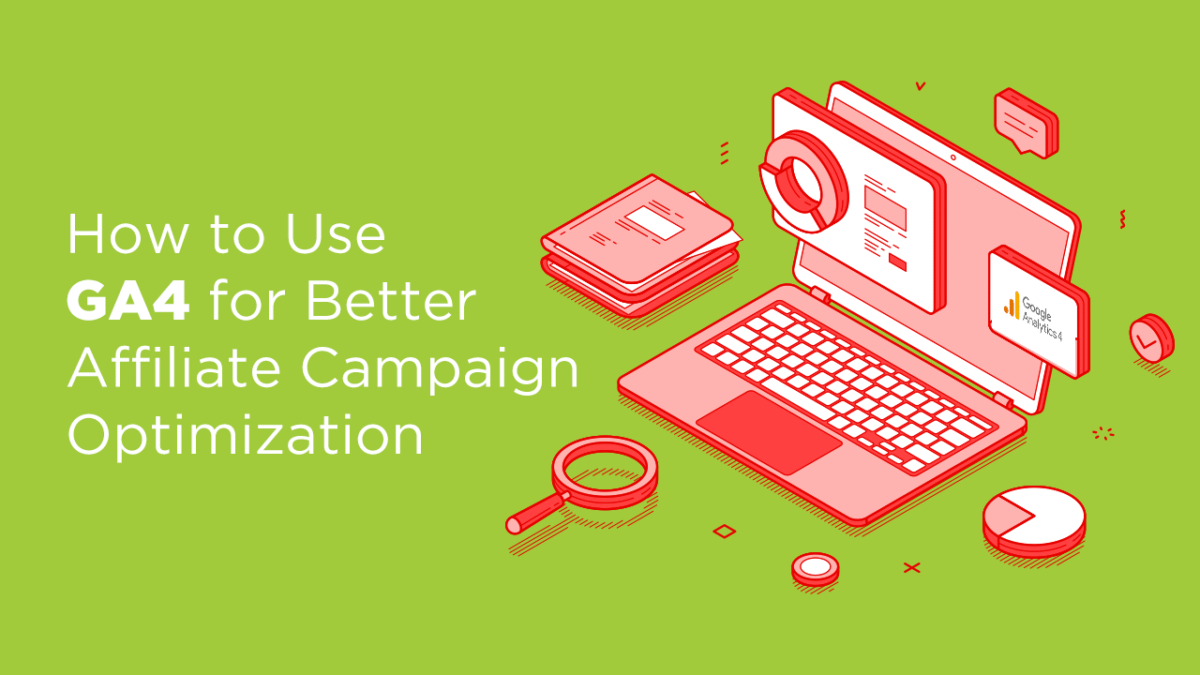
How to Use GA4 for Better Affiliate Campaign Optimization

Are you still having trouble figuring out which links are generating revenue? Well, there are other people like you, but unless you know exactly what is generating those commissions, affiliate marketing is a lot of guesswork. In order to figure out what is working, what is wasting your time, and where your traffic is actually coming from, Google Analytics 4 (GA4) is your new best friend. 

Although Universal Analytics was excellent, GA4 is designed for the modern digital environment. GA4 provides a far more comprehensive and adaptable view of customer journeys, regardless of whether you’re advertising deals via blogs, social media, YouTube, or email. And it is just what you require if you are an affiliate.

However, while GA4 offers detailed insights into user behavior and trends, its default DDA favors Google channels, which can underreport affiliate sales. This means that for accurate conversion and commission tracking, your affiliate network logs and the advertiser’s sales records remain the true source of truth.

Let’s break it down: How can you use GA4 to boost your affiliate efforts and begin making more informed decisions based on data?

Understand GA4 Better: A Brief Knowledge of It

Google’s most recent online and app analytics service is called Google Analytics 4 (GA4). With an emphasis on privacy and a more adaptable, event-based data format, it delivers a more thorough view of user behaviour across websites and apps than the previous edition, Universal Analytics. 

Key Features and Benefits:

  • Cross-platform tracking: GA4 offers a consolidated view of the customer journey by tracking user behaviour across mobile apps and websites.  
  • Event-based data model: GA4 employs an event-based paradigm, which enables more flexible and detailed tracking of user activities than Universal Analytics, which mostly used sessions. 
  • AI and machine learning: Even with little data, GA4 uses AI and machine learning to forecast user behaviour, provide insights, and provide assistance. 
  • Improved Privacy: In accordance with changing privacy laws, GA4 incorporates privacy safeguards like cookieless measurement and behavioural modelling. 
  • Enhanced Measurement: GA4 provides improved measurement capabilities that, without requiring additional setup, automatically track certain events, such as file downloads and video views. 
  • Customisable Reports and Explorations: In GA4, customers can create their own investigations for a more thorough analysis in addition to selecting from a variety of pre-made reports. 
  • Integration with Google Ads: With GA4’s smooth integration with Google Ads, businesses can leverage user behaviour data to optimise ads. 

For affiliate campaigns, it’s recommended to set GA4 attribution to Last Click if you are using it for cross-channel reporting. Ensure that conversion windows match your affiliate program rules, and never rely solely on GA4 DDA for budget or performance decisions. Always validate conversions with your affiliate network logs and the advertiser’s sales/transaction records or OMS.

GA4 is essentially intended to give organizations a more comprehensive and perceptive understanding of user behaviour, enabling them to make data-driven decisions to enhance their websites, applications, and marketing campaigns. 

vCommission’s Position on GA4 Attribution

At vCommission, we follow a clear principle: always validate affiliate performance using two independent sources. First, the affiliate network’s transaction logs; second, the advertiser’s sales/transaction records or order management system (OMS). GA4 can provide directional insights into traffic and user behavior, but it should not be treated as the system of record for affiliate conversions.

If a client requires GA4 for cross-channel reporting or deduplication, we recommend setting attribution to Last Click and aligning conversion windows with the affiliate program policy. Budgets and performance decisions should never rely solely on GA4 DDA data—all reports should be corroborated with network and order data.

Implementation guardrails are equally important. Ensure consistent UTM tagging for affiliate traffic, including utm_medium=affiliate, and review session logic and channel mappings that might suppress last-touch affiliate conversions inside GA4.

This approach is backed by industry leaders:

  1. CJ says that GA4/DDA has inherent bias toward Google channels and recommends Last Click for affiliates.

  2. APMA (UK trade association) notes that using GA data in isolation risks underreporting affiliate contributions and potentially cutting budgets.

  3. Awin, Tradedoubler, Optimise Media, impact.com, and Rakuten Advertising all highlight that GA4 DDA under-reports non-Google channels and advise aligning attribution to Last Click, while validating with network and advertiser data.

By following these best practices, affiliates and advertisers can rely on accurate, unbiased performance data while still leveraging GA4 insights for optimization.

Why Should Affiliates Care About GA4?

Performance is the key to affiliate marketing. In the hopes that someone would click through and make a purchase, you are promoting material, links, videos, and social media posts. What blog post, though, truly got someone to click on your affiliate link? Or which source of traffic generates the highest number of consumers who convert?

With GA4, you can see user behaviour across channels, devices, and time in addition to pageviews. It’s similar to going from a grainy CCTV feed to a 4K action replay of all the movements of your viewers.

Key reasons affiliates prefer GA4:

  • Event-based tracking: Monitor scroll depth, video views, link clicks, and more.
  • Find out if someone began on a mobile device and switched to a desktop computer with cross-device reporting.
  • Understand how users proceed from blog articles to call to action to conversion with custom funnels.
  • Advanced segmentation: Divide data according to campaign tags, devices, traffic sources, geolocation, etc.

While GA4 provides valuable insights into user behavior and campaign performance, always reconcile these insights with your affiliate network logs and the advertiser’s sales/transaction records or OMS to ensure accurate attribution and optimize campaigns effectively.

This sounds good, right? Now, let’s get into the how.

Step 1: Set Up GA4 on Your Affiliate Website

First things first, make the switch from Universal Analytics right now if you haven’t already. As of July 2023, UA is already sunset, and GA4 is the new default.

Here is how to get things started:

  • Start by creating a new GA4 property in Google Analytics.
  • Include the GA4 tracking code (gtag.js) in the header of your webpage.
  • If you want more control over events and custom tags, set up Google Tag Manager (GTM) (strongly advised).
  • For further richer data, link your GA4 property to Google Ads and Search Console.

Also, if you are using WordPress, tools like MonsterInsights or Site Kit make GA4 integration better. 

Step 2: Track Affiliate Link Clicks As Events

This is a stroke of genius. Clicks on external affiliate links can be recorded as custom events in GA4. You can see which links people are clicking on and how frequently thanks to this.

Here’s how to set it up using Google Tag Manager:

  • Launch GTM → For the GA4 Event, create a new tag.
  • Enter an event name such as affiliate_link_click.
  • Use a Click URL trigger, such as out.domain.com or?ref=affiliate, that activates when a user clicks on any link that contains your affiliate domain.
  • Save and release.
  • These clicks appear in GA4 under Events > affiliate_link_click after they go live.

For a more thorough analysis, you can even specify parameters like the link text, destination URL, or page location.

Step 3: Use UTM Parameters for Campaign Tagging

Despite GA4’s abundance of functionality, it still uses the time-tested UTM tracking method to determine the source of traffic. It’s time to start using UTMs on your affiliate links if you haven’t previously.

Example UTM format:

https://youraffiliate.com/product?utm_source=instagram&utm_medium=social&utm_campaign=summer_sale

In GA4, go to Reports > Traffic Acquisition and you’ll see your sessions broken down by source, medium, and campaign.

This enables you to:

  • Compare the quality of traffic from Pinterest, YouTube, and Instagram.
  • Determine which of your campaigns is doing the best.
  • Identify outlets that provide traffic but do not result in conversions.
  • Bonus: Keep your UTM-tagged URLs consistent across platforms by compiling them into a spreadsheet.

Step 4: Create Custom Reports That Matter

Although GA4’s default dashboards are passable, the Explore section is where the true power is. Here, you may create unique funnels, divide up your user base, and do expert performance analysis.

Here are a few custom reports worth building:

  • Funnel Report: Blog Post → Link Click → Conversion
    • Count the number of people who read a blog article, clicked on your affiliate link, and ultimately made a purchase.
  • Traffic Source Report
    • Compare analytics by source or channel (e.g., email vs. Twitter vs. SEO), such as bounce rate, average session time, and link clicks.
  • Devices and Geo Analysis
    • Find out if particular countries do better or if mobile users convert more effectively than desktop users.
  • High-Intent Page Paths
    • Keep tabs on the most typical user paths that result in clicks on affiliate links.

You may use these insights to revise your content strategy and focus even more on what works.

Step 5: Set Up Conversions Based on Clicks

The final sale process isn’t always yours in affiliate marketing. However, clicks, the most quantifiable action on your end, can still be optimised for.

In GA4:

  • Go to Events > Choose the event you set for affiliate link clicks (like affiliate_link_click)
  • Click “Mark as Conversion”

GA4 will now display those clicks in reports as conversions. This assists you in segmenting high-converting pages, figuring out click-through rates, and defending your top traffic sources.

Step 6: Use Audience Segments to Personalize Strategy

GA4’s audience segmentation is yet another undiscovered gem. Users can be grouped according to their demographics and behaviour, such as:

  • Visitors from organic search for the first time
  • Users coming back from email
  • Users on mobile devices who clicked on affiliate links
  • Canadian users who stayed longer than three minutes

Once created, these segments can be exported to Google Ads for remarketing campaigns and utilised in other reports.

Consider displaying a retargeting advertisement tailored to readers of your post on the “Top 10 Fitness Gear” who did not click on any of the product links. That is an example of precise marketing.

Step 7: Monitor Performance in Real Time

The real-time dashboard is one of GA4’s underappreciated features. Use this dashboard to determine if you’re promoting a limited-time offer, starting a flash campaign, or running an Instagram Story with swipe-up links:

  • Which pages are currently trending?
  • How many people are now using your website?
  • Which sources of traffic are causing them to move?

It’s the fastest approach to identify early successes or problems, so you can take swift action.

Final Thoughts: Let the Data Lead the Way

Guesswork is no longer sufficient in the fast-paced world of affiliate marketing. You may learn more about how people interact with your content, which traffic sources are worthwhile, and where to optimize your affiliate approach for best results with GA4’s robust insights. But remember, GA4 should be used to guide strategy, not as the system of record for affiliate conversions, always validate with your affiliate network and the advertiser’s sales or transaction records.

For affiliates, this is where vCommission fits naturally. The platform offers reliable conversion logs, accurate tracking, and responsive support, giving you the confidence to act on GA4’s trends while knowing your commissions are correctly recorded.
When GA4 shows where opportunities are emerging and vCommission confirms every conversion, you get a complete, trustworthy view to plan smarter campaigns and scale with clarity.

Start tracking smarter. Join vCommission today and unlock GA4-powered insights to maximize your affiliate earnings.

Categories
Affiliate Marketing

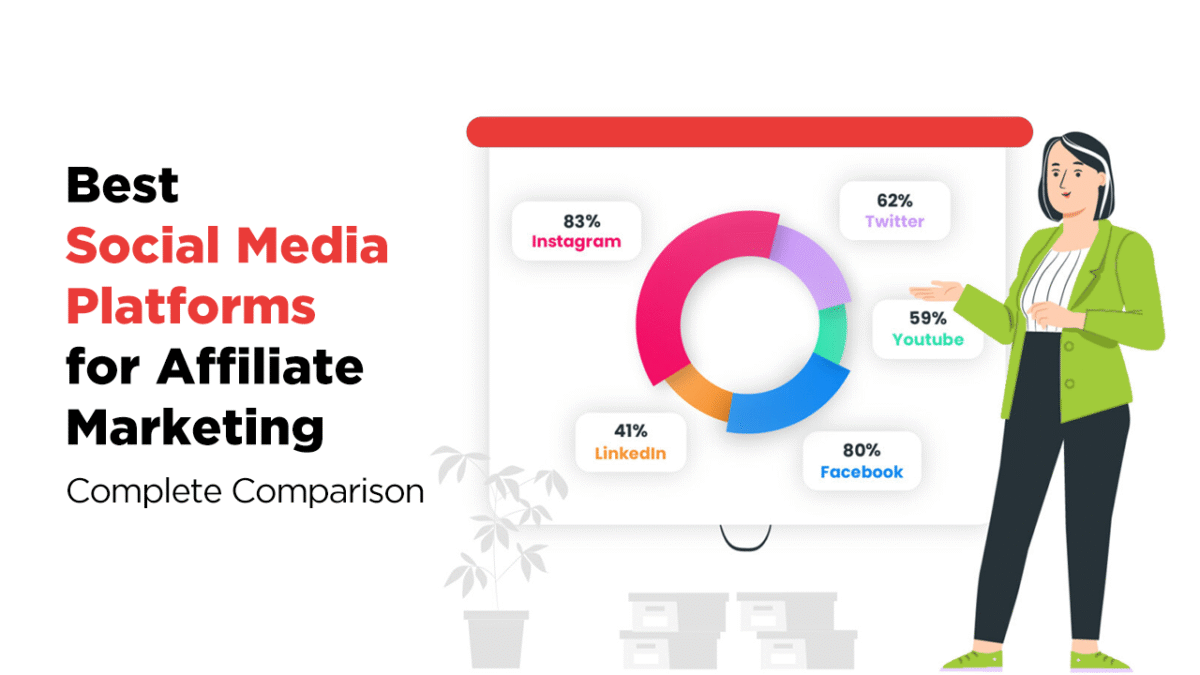
Best Social Media Platforms for Affiliate Marketing: Complete Comparison

Have you ever suggested or recommended something to a friend and they brought it right away without questioning? Now, think if you could do it at scale, over the internet, where you can earn every single time someone makes a purchase. Sounds amazing, right? Well, this is what affiliate marketing is all about. 

Affiliate marketing has found a natural home on social media, which has emerged as the new-age marketplace. Influencers no longer only use well-lit selfies to promote skincare products. By suggesting goods and services through affiliate links, creators from all walks of life, from Pinterest cooking mothers to Twitter finance nerds, are making real money.

However, the issue still stands: which social media site should YOU concentrate on in order to succeed with affiliate marketing?

Let’s examine, contrast, and assist you in selecting the top platforms for your affiliate business.

Why Social Media + Affiliate Marketing = A Perfect Match

Social networking sites are becoming the forefront of research. Whether it’s a fitness regimen, the newest skincare trick, a trendy device, or a nice $20 Amazon purchase, customers are looking to trusted producers for unbiased suggestions.

And affiliate marketing flourishes there.

You receive a portion of the sale when someone clicks on your special link and buys something. No bother, no inventory, and no customer service. Just the appropriate platform, trust, and quality material.

A Platform-by-Platform Breakdown for Affiliate Marketers

Let’s now examine the offerings of the major social media platforms to affiliate marketers like you.

1. Instagram – Where Aesthetics Sell

Best for: Fashion, beauty, travel, fitness, food

Individuals love to purchase with their eyes first, and Instagram is a visual haven. There are numerous ways to quietly (or overtly) sell things, whether you’re sharing an eye-catching photo dump, a brief reel showcasing your most recent discoveries, or behind-the-scenes Stories.

Here are some of the promotional methods on Instagram:

  • Reels: Quick, captivating videos with the potential to become viral. Ideal for “before and after” makeovers, product unboxing, and styling advice.
  • Stories with Link Stickers: Perfect for flash sales, time-sensitive promotions, or behind-the-scenes glimpses. Followers may easily swipe and shop instantaneously with link stickers.
  • Carousel posts, which combine several photos into a single post, are excellent for step-by-step instructions or listings of the “Top 5” products.
  • Products are instantly tagged in shoppable posts, allowing users to tap and purchase without ever leaving Instagram.
  • Live Sessions: To increase engagement and trust, hold live product demos, Q&A sessions, or giveaways.
  • Instagram guides are carefully curated sets of images or products with affiliate links included; they’re ideal for suggestions or gift ideas during certain seasons.

For example, a fashion designer shares a reel showing five different ways to style a pair of reasonably priced trousers. “Jeans linked in bio!” is mentioned in the caption, along with a Linktree that includes their affiliate URL. They receive a commission for any purchase made through that link.

Why it works:

  • The “browse and buy” mentality is already present among Instagram users.
  • Redirecting is made simple with the Story link sticker.
  • Time-sensitive promotions, such as “20% off only today!” can be advertised.

Pro Tip:

  • To keep all of your affiliate links in one location, utilize Beacons or Linktree.
  • To make it seem natural, incorporate product recommendations with lifestyle information.
  • Use carousel posts to display “before and after” results; these are excellent for fitness or beauty.

2. YouTube – Trust is Built Over Time

Best for: Tech, gadgets, finance, parenting, educational content

Long-form material excels on YouTube, which is ideal for in-depth product evaluations, comparisons, and tutorials. Over time, this platform will reward you with views and affiliate clicks if you can effectively explain things.

When do you start earning on YouTube?

You need to meet these requirements to earn from YouTube’s Partner Program (ad revenue):

  • 1000 subscribers
  • 10 million Shorts views in the last 90 days, or 4,000 watch hours over the last 12 months
  • YouTube approval following fulfillment of the requirements

You can begin making money from advertisements as soon as you reach this milestone, but affiliate marketing doesn’t require you to wait; you may include affiliate links in your video descriptions right away. If the audience is engaged and targeted, commissions can be earned by even small channels.

Ways to Earn on YouTube as an Affiliate:

  • Affiliate Links in Descriptions: Add your unique product links below the video so viewers can click and buy.
  • Pinned Comments: Highlight your affiliate link at the top of the comments for better visibility.
  • On-Screen CTAs: Mention “Check the link below” or use graphics during your video to guide viewers.
  • Product Comparisons: “Best of” or “Top 5” videos showcasing multiple affiliate products.
  • Tutorials and How-To Guides: Show the product in action to build trust and prove its value.

For instance, a tech YouTuber makes a video titled “Top 5 Budget Laptops for Students.” In the description, they provide affiliate links for every laptop. Already in the process of making a decision, viewers click and buy.

Why it works:

  • Before purchasing, viewers receive comprehensive information.
  • Old videos can still generate clicks since content has a long shelf life.
  • Ideal for expensive items and evergreen products.

Pro Tip:

  • During your video, make sure you include the phrase “link in description.”
  • Include chapters and timestamps so that viewers can quickly navigate to the product that most interests them.
  • Use thumbnails that are favourable to affiliates, such as “$300 vs. $1000—Is It Worth It?”

3. TikTok – The Viral Machine

Best for: Gen Z, trendy products, impulse buys, beauty, lifestyle, food

TikTok’s bite-sized videos make going viral really simple, and when your affiliate suggestions become viral, a ton of people will see them. A complex setup is not necessary. All you need is a relatable tone, a popular song, and sincere enthusiasm for the product you’re marketing.

Nevertheless, due to governmental limitations, TikTok is not currently available in India. In markets like the US, UK, Australia, Canada, and a number of Southeast Asian nations, where TikTok’s algorithm is still among the most lenient for up-and-coming producers, it still does remarkably well.

Example: A 20-second video shows a designer opening a little portable blender. After demonstrating how simple it is to use and clean, they include a “Check my bio for the link!” and hundreds of purchases follow.

Why it works:

  • Low production barrier = short videos.
  • TikTok users enjoy testing out inexpensive, viral products.
  • Product discovery is actively encouraged by hashtags such as #TikTokMadeMeBuyIt.

Pro Tips:

  • To remain relevant, take advantage of difficulties and trends.
  • Add a clear call to action (“Use my code,” “Link in bio”).
  • Don’t overwrite; in this case, authenticity is what counts.

4. Facebook – Still Powerful, Just Different

Best for: Parenting, health, gadgets, local services, older audiences

Facebook is still one of the most popular platforms worldwide, even though Gen Z may not find it “cool.” Groups and live videos, two tools that active, specialised groups regularly utilize, are the goldmine here.

Example: In a parenting community, a mom blogger posts a post about a cheap baby monitor. In the comments, she provides the affiliate link, explains why it worked for her, and then watches as the commissions come in.

Why it works:

  • Conversations in the community seem more reliable.
  • Posts that are lengthy allow for background and narrative.
  • Facebook is more trusted by older populations (30+) than other platforms.

Pro Tips:

  • Create or join audience-relevant speciality groups.
  • Use Lives to conduct Q&A sessions or product demos.
  • Post YouTube or blog content with affiliate links included.

5. Pinterest – The Visual Search Engine

Best for: DIY, decor, crafts, recipes, fashion, weddings

These days, Pinterest is more than simply inspiration boards. Users regularly search for ideas, products, and tutorials on this search engine, which makes it the ideal place for affiliate links.

For example, a pin with the title “10 Easy Meal Prep Lunches” is made by a food blogger. For bento boxes, containers, and kitchen tools, each recipe card provides a link to their affiliate partner.

Why it works:

  • For months or even years, pins increase traffic.
  • Users are frequently prepared to take action (plan, test, or buy).
  • A layout that prioritises visuals is ideal for promoting products.

Pro Tips:

  • Design eye-catching pins using Canva or similar tools.
  • Include keywords in your pin title and description.
  • Link pins to blog posts or directly to affiliate offers.

6. Twitter (X) – Niche and Knowledge-Driven

For creators who prefer words a little more over visuals, Twitter is a fantastic platform. This is your domain if you like dissecting ideas or offering solutions to certain issues.

Example: “I’ve been using @XYZTool to automate my email marketing,” tweets a digital creator. more than four hours a week. This is the reason I switched (🧵) 👇. followed at the end of the thread by an affiliate link.

Why it works:

  • Smart, curious users seek value and tools.
  • Prior to pitching, threads develop engagement and narrative.
  • Perfect for advertising software, finance items, eBooks, and courses.

Pro Tips:

  • To increase visibility, interact with others in your niche.
  • Provide case studies or product results that you have obtained.
  • Don’t spam; instead, keep affiliate links useful and discreet.

7. LinkedIn – The B2B Powerhouse

Best for: SaaS, business tools, marketing courses, fintech

LinkedIn isn’t simply for people looking for work. If you’re targeting business professionals or marketing goods that enhance work-life balance, such as project management apps, accounting software, CRMs, etc., this platform is excellent.

Example: “I used XYZ CRM to increase client retention by 40%,” writes a productivity coach. Here’s how. “Try it free for 14 days – [affiliate link]” is added at the end.

Why it works:

  • Experts are constantly searching for improved instruments.
  • A high level of trust results in higher conversion rates.
  • Affiliate competition is less crowded than on other platforms.

Pro Tips:

  • Prioritise problem-solving and storytelling.
  • Post recurrent material on LinkedIn by creating newsletters.
  • Instead of making cold calls, include affiliate links in blogs that offer value.

Strategic Use of Social Platforms to Maximise Affiliate Performance

Let’s discuss how vCommission affiliates are making the most of them.

We give users access to hundreds of brands in industries including finance, SaaS, and eCommerce. Their affiliates are making innovative use of all the main social media platforms.

Here’s how:

  • Instagram Stories and Reels are being used to create urgency while utilizing vCommission’s fashion and beauty campaigns’ limited-time promo offers.
  • YouTubers are delving deeply into comparison and unboxing videos of home appliances.

By promoting partner software across appropriate digital channels, affiliates are producing high-quality leads for financial services and business-to-business apps through focused campaigns accessible on the vCommission dashboard.

Additionally, affiliates can plug in their campaigns across platforms with ease thanks to vCommission’s real-time analytics, ready-to-use creatives, and attentive support staff.

Want to run the ads on all of these platforms to grow your affiliate marketing business? Sign up with vCommission now and begin making money while you browse!

Final Thoughts: Pick Your Platform, Play Your Strengths

When it comes to affiliate marketing, there isn’t a single platform that works for everyone.

Use Pinterest or Instagram if you’re a visual person.

If you are a teacher or speaker, LinkedIn and YouTube may be invaluable resources.

TikTok could be your golden goose if you’re trying to get viral.

Selecting a platform that fits your audience, niche, and content type is crucial. Learn what works, start small, and remain consistent. You’ll increase both your fan base and your revenue over time.

In 2025, your next commission could be just one well-placed post away.

Ready to turn your content into consistent earnings? Explore high-performing campaigns on vCommission and start building your affiliate success story today.

Categories
Affiliate Marketing

The Rise of AI Tools in Affiliate Copywriting: Can ChatGPT Write Your Next High-ROI Campaign?

Hold on a second… Did AI just write that?

That’s something affiliate marketers have been asking these days, and honestly that is a fair question to ask. 

Affiliate marketing is evolving rapidly, and one of the biggest shifts in paradigm is the rise of AI tools like ChatGPT. AI is not just helping anymore, it is leading. From crafting fascinating ad copies to email marketing campaigns to full-fledged blogs, or even landing page content. 

So, if you are shuffling through 10 product launches, five different brands, and thousands of CTAs, you might start wondering if AI can write copies that can convert? And more importantly, is it worth taking the risk for your next big campaign?

Let’s get to know about it.

Why AI Copywriting Tools Are Restructuring Affiliate Marketing

We all have been in that time where a new product or campaign is about to launch, the clock keeps ticking, and your content calendar is probably crying in a corner. Writing an affiliate copy that does the talking takes time, creativity, and constant testing. But now, AI has got your back. 

Here are some of the reasons why AI is making waves:

  • Speed: AI can generate quality content within seconds, which means you can run more campaigns faster. 
  • Consistency: You can relax without stressing over creative block because AI can put out content that is reliable, structured and aligns with your products/campaigns tones. 
  • Cost-Effective: AI significantly lessens the demand for ongoing in-house resources or freelance outsourcing for teams overseeing several projects.
  • Multilingual Capabilities: Going worldwide? Without employing numerous translators, AI can assist you in localizing material for various markets.

The outcome? Without burning, affiliate marketers may create scalable, personalized content.

But Can AI Tools Actually Convert?

Let’s just cut to the chase. We all know AI can write well, but can it sell?

It’s not all nice words when it comes to affiliate marketing. It involves psychology, persuasion, establishing credibility, and understanding what appeals to others. Large datasets of human language, sales letters, blogs, and other types of content are used to train tools like ChatGPT. Because of this, it can surprisingly mimic persuasive writing strategies.

Here are some of the things that you can ask ChatGPT:

  • Create A/B variations of ad copy
  • Craft email sequences based on your funnel
  • Rewrite the content to match the brand’s voice
  • Optimize meta descriptions and SEO titles
  • Generate SEO focused blog posts for affiliate promotions

But the prompt remains the key to success. If you know how to give clear instructions, ChatGPT will perform the work like an extremely intelligent intern.

Therefore, ChatGPT can undoubtedly assist you in creating a high-ROI affiliate campaign if you have the appropriate plan and input.

Top Use Cases of AI Tools for Affiliate Marketing Success

Let’s move past theory. Here are some examples of how AI is already changing affiliate copywriting in the real world:

1. Email Marketing: 

One of the most effective affiliate marketing strategies is mail marketing, which is used to gradually increase conversions, cultivate prospects, and establish credibility. However, creating a compelling email sequence can take a lot of work, particularly when managing several campaigns. AI can help with it.

Suppose you are running a week-long campaign to promote a health supplement. An entire seven-email series may be generated by ChatGPT with just a few key parameters, such as your target demographic, product benefits, and tone of voice. This consists of strong subject lines, convincing body copy, and obvious calls to action that are all intended to effectively move your readers down the conversion funnel.

2. SEO Blogs and Product Reviews

For your vacation affiliate niche, do you need ten SEO-friendly blogs? Writing keyword-rich content that ranks and converts can be aided by AI. Even better, you can give it specific products and watch as it creates blogs that compare them.

3. Ad Creatives and Social Copy

AI algorithms are excellent at writing succinct, impactful text for everything from Google Ads headlines to Facebook captions. Multiple versions of the same advertisement are available, which is perfect for campaign optimisation and A/B testing.

4. Landing Page Content

Not a designer? Don’t worry. Write wireframe-level copy for your affiliate landing pages using ChatGPT. Hook, value proposition, social proof, call to action, if properly prompted, it will even offer layout suggestions.

So, What’s the Catch?

Alright, everything isn’t sunshine and roses.

Human input is still essential in the following areas:

  • Emotional nuance: AI is unable to detect the nuanced emotional tone that appeals to particular audiences.
  • Cultural context: AI may not always be able to comprehend regional humour or cultural sensitivity.
  • Original insights: AI is incapable of conducting product research or testing; it cannot determine whether a vacuum is truly a bad product.

Therefore, the most insightful affiliate marketers employ AI as a tool rather than a crutch. Imagine it as your creative partner who brainstorms, writes, and expedites tasks while you supply the final judgement, strategy, and emotional intelligence.

The Rise of Hybrid Campaigns: Human + AI = Gold

You know what the real sweet spot is? Collaboration. 

Think about this: You create a rough campaign strategy. It becomes structured content thanks to AI. You make necessary adjustments, including actual client insights, and finish it. The outcome? An efficient, scalable, and conversion-oriented piece of material.

Marketers who use this hybrid strategy report significant increases in performance and efficiency. Additionally, it allows you to focus on more complex activities like performance analysis, funnel optimisation, and audience segmentation.

Embracing the Future: AI + Human Strategy = Affiliate Success

AI is becoming a crucial part of affiliate marketing processes and is no longer merely a fancy tool. Tools like ChatGPT are revolutionising affiliate marketing by accelerating content production and producing data-backed copy that genuinely converts. It is a potent companion to human creativity, but it cannot completely replace it. The true advantage is in how you integrate AI’s effectiveness with your own knowledge of your audience, strategy, and insights.

Today’s most prosperous affiliates are those who can find the ideal balance. While they concentrate on developing brand trust, presenting stories, and figuring out what works, they let AI take care of the tedious, repetitive duties. The outcome? Improved ROI, quicker launches, and greater expansion potential.

This change is already being made possible by a number of platforms, such as vCommission, which provide affiliates with AI tools that simplify and scale campaign creation.

Ready to launch smarter affiliate campaigns with the support of AI? Sign up on vCommission and take your performance to the next level.

Categories
Affiliate Marketing

How to Generate Affiliate Link & Track Performance on vCommission Panel

If you are new to vCommission and do not know how to get started, we have got you covered. vCommission is one of the leading global affiliate networks that connects you with multiple well-known brands and offers. As an affiliate, you can promote these offers and get commissions each time someone uses your provided link to complete an action, such as buying something, registering, or downloading an app.

Even for beginners, affiliate marketing is made simple by the platform. After logging in, the vCommission panel provides you with all the information you need, including tools to generate tracking links, campaigns to promote, and reports to view your earnings. The panel makes it easy to manage and track all of your marketing efforts, whether you use YouTube, Instagram, blogs, or even WhatsApp.

This guide will walk you through the process of creating affiliate links using the vCommission panel and determining whether or not your links are generating clicks and conversions. Let’s begin!

First Things First: Logging In & Exploring the Dashboard

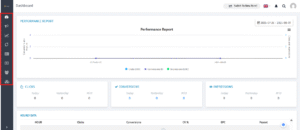
You must sign into your vCommission affiliate panel before you can create links or track anything. What to look for once you’re inside is as follows:

  • Campaign Tabs: This is where all of the offers that you can advertise will appear.
  • Reports Tab: Clicks, conversions, earnings, and other performance indicators are all displayed here.
  • Tools Tab: This page shows earnings, clicks, conversions, and other performance metrics.
  • Profile and Payment Settings: Where you may configure payout preferences and manage your account information

Navigating the panel is easy once you know where everything belongs, because it is well-organised.

How to Generate Your Affiliate Links

Alright, let’s get right to the point. You want to start earning commissions and promoting offers with your special affiliate link. To create one in less than a minute, follow these steps:

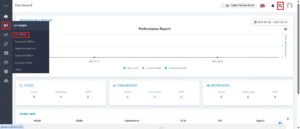
Step 1: Go to the “Campaigns” Section

  • Navigate to the “Campaigns” tab located in the side panel. 
  • Go to the “All offers” subtab and look for the offer you want to promote. 
  • If you are unable to find your offer, try searching the offer or campaign in the search box (GEO, Category, Payout kind, etc.).

Step 2: Review the Offer Details

Once you have clicked on the campaign:

  • Carefully read the description to learn about the compensation structure, permitted traffic kinds, promotional limitations, and creative content.
  • Verify that you are adhering to any particular conditions, such as content limitations or no trademark bidding.

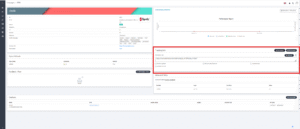
Step 3: Generate Traffic Link

Scroll down to the “Tracking Link” section.

  • You can either use the default landing page or choose your own creative, if it’s available.
  • If you wish to track traffic from several channels, select the appropriate source ID or sub-affiliate; you can also add a tracking parameter if that is available.
  • Directly below is an automatically produced tracking link for you. It will appear somewhat like this:
  • Once you click “Copy Link,” you can share it via email, your blog, Telegram channel, website, or any other platform you want to use for promotion.

Pro Tip: If you wish to link to a particular product page on the advertiser’s website instead of the main page, use the Deep Linking Tool. Conversion rates are greatly increased by this.

How to Track Your Affiliate Performance

Tracking the effectiveness of your links is the next step after they are live and functioning. vCommission’s Reports section makes this absurdly simple.

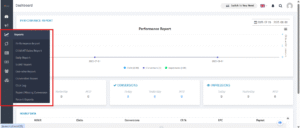
Step 1: Navigate to the “Reports” Tab

All of your tracking data is displayed on this tab; there are no intricate spreadsheets, just a clear dashboard.

You’ll see sub-tabs like:

  • Performance Report
  • Child Affiliate Report
  • Daily Report
  • SubID Report
  • Geowise Report
  • Conversion Report
  • Conversion Report
  • Click Log
  • Report Missing Conversion

Step 2: Understand The Key Metrics

Here are some of the main things that you will be looking at:

  • Clicks: The number of times your affiliate link was clicked.
  • Conversions: How many successful actions (sales, installs, sign-ups) occurred?
  • CR (Conversion Rate): How well your traffic is converting.
  • EPC (Earnings Per Click): How much money you’re making per click.
  • Payout: Your earnings from each conversion.
  • Status: Whether the lead is pending, approved, or rejected.

Step 3: Filter and Analyze

To further deconstruct your data, use the campaign filter, subID filter, and custom date range.

  • While creating your link, you can tag each source of traffic with SubIDs to check the performance of your blog or Telegram/WhatsApp channel. 
  • If you are also curious about a campaign’s performance during the past seven days or more than that, you can select a range of dates to fetch the data. 

Pro Tip: Reports can be exported as CSV for further research or to be plugged into dashboards in Google Data Studio.

Pro Level Tools You Should Use

Do you want to improve your affiliate marketing efforts? You can use a variety of tools provided by vCommission to simplify your life:

Deep Linking Tool

Suppose you are marketing Myntra and would like to link to a popular product page rather than the homepage. Create a straight path that feels more relevant and tailored to your audience by using the Deep Linking Tool.

Postback URL (S2S Tracking)

In the “Tools” section, configure a postback URL if you’re using your own tracking system. Each time a conversion occurs, your server will be ping-ed.

SubID Tracking

You can append up to 4 SubIDs in your link to track:

  • Source (e.g., Telegram)
  • Ad placement (e.g., Header banners)
  • Campaign type (e.g., CPS/CPL/CPA)
  • Date or creative type

Troubleshooting: What If You Don’t See Clicks or Conversions?

If things look a little off, here is what you need to check:

  • Is the copy of your link accurate? Tracking can be broken by even a missing argument.
  • Are you sending traffic that is appropriate? Verify the offer’s limitations (some don’t permit incentive or social traffic).
  • Do leads appear to be pending? Before allowing conversions, several offers are examined.
  • If you’re not sure whether a link will redirect, try clearing your cookies or testing it in Incognito Mode.

Are you still stuck? Affiliate managers and a very helpful support staff are available at vCommission to help you.

How vCommission Helps You Track Smarter and Scale Faster

The strong framework that makes link tracking and performance analysis easy is what really distinguishes vCommission from other affiliate networks, not just the range of offers. With features like dynamic tracking links that adapt automatically to campaign modifications and real-time monitoring that keeps you continuously informed about your revenue, vCommission makes sure you never end up advertising a broken URL. 

In order to ensure that your consumers always land on the most pertinent version of the landing page, the platform also provides intelligent link routing based on device type and geography. vCommission provides sophisticated analytics tools and API access to sync performance insights straight into your systems for affiliates that enjoy delving into data. This enables you to expand more quickly, optimize campaigns, and modify creatives without second-guessing your next course of action.

Affiliate marketing doesn’t have to be difficult if you have the correct resources and plan in place. Success becomes more methodical and scalable once you’ve mastered the creation of affiliate links and the interpretation of performance data utilising the vCommission panel. Avoid link spamming and instead use SubIDs and Deep Links to promote strategically. Analyze your reports thoroughly, removing what isn’t performing well and concentrating on what is. And if you’re just getting started, keep in mind that every high-achieving affiliate started with just one easy step: creating that initial link. So sign up, pick your campaign, and start your affiliate journey. 

Categories
Affiliate Marketing

Warnings from Google: What Affiliates Must Know About Core Web Vitals

What if Google pulled the plug on your traffic overnight?

That sounds scary, doesn’t it? But for many affiliate marketers, this is becoming a serious problem. Google is no longer playing around with Core Web Vitals, a set of user experience elements that directly affect your search engine rankings. There is no secret to these technical SEO techniques. Your affiliate business could succeed or fail based on these main goals.

Ignoring Core Web Vitals could result in poorer ranks, fewer visitors, and diminishing revenues if you depend on organic traffic and conversions, which you most likely do. Let’s understand what they are, why affiliates care about them now more than ever, and how to maintain your good standing with Google.

What Are Core Web Vitals and Why Should You Care?

Google’s larger Page Experience update includes Core Web Vitals. They try to understand how well your website functions for actual users under real-world circumstances. These measurements are based on field data gathered from Chrome users, so forget about theoretical load times. Google is aware of any latency or glitches on your website.

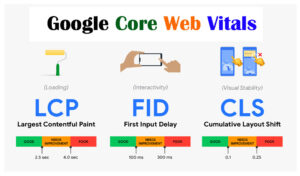
There are three main components to Core Web Vitals:

1. Largest Contentful Paint (LCP)

This gauges how quickly your page’s greatest visible content; typically an image or a block of text- loads. Google wants it to take less than 2.5 seconds. Is there anything slower? That is a warning sign.

2. First Input Delay (FID)

This calculates the interval of time between a user’s first interaction (clicks, taps, etc.) and the browser’s actual processing of that interaction. FIDs under 100 ms are considered good.

3. Cumulative Layout Shift (CLS)

Have you ever clicked on something only to have the page abruptly change, causing you to hit the incorrect link? That is CLS, and it is extremely annoying to both Google and users. To ensure a seamless experience, keep this below 0.1.

These measurements aren’t arbitrary. They are indicators of usefulness and trustworthiness. They are used by Google to determine the ranking of your content. Even great content may go unnoticed if your Core Web Vitals are weak.

Why Affiliate Marketers Should Take Core Web Vitals Seriously

Targeted traffic is the one thing that affiliate marketers live on. That hard-earned traffic might be converted into a missed conversion with every second of delay or user annoyance. The stakes are now higher because Google has directly included CWV into its algorithm. How?

Organic Traffic that Drives Scalable Growth

Yes, you may launch email blasts and sponsored advertising, but SEO remains the main source of consistent revenue for the majority of affiliates. Core Web Vitals are now taken into account by Google’s algorithm when determining rankings. This implies that the quicker and more seamless website with comparable content wins.

Optimise to Lower Your Bounce Rate

The percentage of visitors that leave your website after only reading one page is known as the bounce rate. It shows how many users aren’t interacting or doing further research.

Missed opportunities are frequently indicated by a high bounce rate.

In short: They came, they saw, they left. 

Affiliate landing pages frequently include buttons, pop-ups, advertising, and information. Users will leave before they’ve ever seen your pitch, though, if it means performance is compromised. Low trust + fewer purchases is what a high bounce rate means.

Mobile-First Indexing Means Mobile Experience Comes First

Since the majority of people now surf on mobile devices, the mobile experience comes first.

Higher conversions, reduced bounce rates, and improved engagement are all guaranteed by a quick, responsive design.

Nowadays, the majority of affiliate traffic is mobile. Additionally, slowness, layout changes, and poor UX are considerably more noticeable to mobile users. Google prioritises your mobile version because it is aware of this. You are doomed if your website does not pass CWV on mobile devices.

Google Isn’t Just Suggesting Improvements; It’s Sending Warnings

Drama is not a hallmark of Google. You can tell it’s severe when it begins to literally alert you about Core Web Vitals through Search Console.

There have been noticeable drops in ranks for websites with low LCP, FID, or CLS since 2021. A lot of affiliate marketers report abrupt declines without knowing why, until they look at their performance ratings.

Here’s What Google Is Doing:

  • Notifying Search Console of URLs that don’t meet CWV thresholds.
  • Penalizing landing pages with a lot of clutter, even if the content is excellent.
  • Putting speed and user experience first for competitive segments, such as affiliates in the IT, health, and finance industries.
  • Favouring mobile-friendly, light-weight pages in search engine results.

This isn’t conjecture. It’s a methodical change. Google wants the web to be more user-friendly, faster, and cleaner. You will suffer if your affiliate website does not support that goal.

Common CWV Mistakes Affiliates Make Without Realizing It

Let’s face it, affiliate websites can quickly become disorganized. Performance is frequently neglected in favour of tracking codes, ad placements, CTA buttons, and third-party pop-ups.

The following are some of the most common errors we find on affiliate websites:

1. Heavy Images and Auto-Playing Videos

Although they slow down LCP, you may want to display high-resolution product photos or video reviews. One of the most frequent CWV mistakes is not optimising or compressing them.

2. Bloated WordPress Themes and Plugins

Popular affiliate themes frequently have a tonne of features, the most of which are unnecessary. Your site will render more slowly the more scripts and CSS files it loads.

3. Poor Hosting

Although inexpensive shared hosting can save money, it frequently leads to sluggish server response times. Particularly during traffic spikes, your FID and LCP measurements suffer.

4. Third-Party Scripts

Pop-up tools, ad scripts, and affiliate trackers can impede rendering and create delays. You must control when and how these appear on your page.

5. Sudden Layout Shifts

Your CLS may suffer from layout jumps brought on by those “flashy” pop-ins or delayed banners. People despise it. Google is even less fond of it.

How to Check Your Core Web Vitals (The Easy Way)

If you’re not sure how your site is doing, here’s how to find out fast:

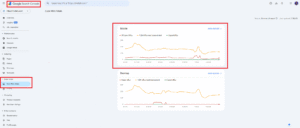
  • Look under “Enhancements” and under “Core Web Vitals.” Performance data derived from actual user experiences will be displayed to you.

  • Go to PageSpeed Web.dev and enter your URL there. Along with optimisation advice, you’ll receive distinct scores for desktop and mobile devices.
  • To audit any page, utilise Chrome’s DevTools (F12 → Lighthouse tab). It provides you with useful input on CWV, accessibility, SEO, and other topics.
  • As you explore your website, this Chrome add-on provides you with real-time feedback on CWV metrics.

 Every month, run these checks. Make the necessary repairs. Give mobile, LCP, and CLS enhancements top priority.

Simple Fixes to Boost Core Web Vitals Without Hurting Conversions

You don’t have to sacrifice creativity or conversions to fix your vitals. You just need to work smarter. Here’s how:

  • Make use of contemporary codecs (such as WebP), compress big files, and load content below the fold in a slow manner.
  • International traffic benefits greatly from a content delivery network, which expedites content delivery worldwide.
  • To get rid of additional code bloat, use programs like Autoptimize or WordPress Rocket.
  • Don’t stop scripts that aren’t necessary from rendering. Third-party scripts should ideally be loaded after the page loads.
  • Audit your plugin list. If you don’t need it, delete it.
  • Instead of displaying them immediately upon page load, do so a few seconds later or after scrolling.

These are low-lift, high-impact steps. Put these into practice, and you’ll see an improvement in conversions and CWV scores.

Core Web Vitals Are No Longer Optional —They’re Business-Critical

Meeting Core Web Vitals criteria is more than just checking an SEO box in today’s performance-driven digital market; it’s a clear indication of your brand’s dependability, professionalism, and user-first philosophy. Delivering quick, dependable, and responsive experiences is crucial for affiliate marketers, particularly those working in cutthroat niches, in order to maintain organic visibility, lower bounce rates, and increase conversions. Poor user experience can subtly undermine your entire approach, whether you’re using it to drive users to high-value lead funnels, blog material, or product websites.

Marketers are now in charge of treating technical performance as a fundamental component of their company strategy. This entails carrying out routine assessments, maximising responsiveness on mobile devices, reducing layout changes, and consistently enhancing site speed. Core Web Vitals are now prominently displayed at the top of Google’s ranking system rather than being buried behind the curtain. Setting them as your top priority guarantees that each click you receive will provide genuine value in addition to keeping you algorithm-proof. Performance is not merely a component of the plan; it is the strategy in the realm of affiliate marketing, where every second and pixel matters.

With performance-focused advertising and professional support, vCommission may help you scale your affiliate efforts more quickly. It is the partner your growth strategy needs, from conversion-ready infrastructure to optimised creatives. Make every click matter by starting now.

Categories
Affiliate Marketing

Instagram Affiliate Marketing 2025: New Rules, Best Practices, and Strategies

Scrolling through Instagram does not feel the same as it did two years ago. A full-fledged content universe with reels, product tags, live shopping, AI influencers, and even affiliate-ready posts with real-time analytics has replaced static posts and simple Stories. Additionally, this progression is more than just eye candy for affiliate marketers; it’s a combination of your performance tracker, pitch room, and playroom.

Well, the Instagram affiliate marketing 2025 landscape has changed (for the better). And now is the time to learn the new tactics of social, and adopt more astute tactics. 

Let’s explore what’s hot, what’s working, and how you can thrive in this adaptive affiliate landscape.

Instagram’s Affiliate Evolution: From Hashtags to Hyper-Targeted Commerce

In the past, Instagram affiliate marketing involved sending followers to a link in the bio or displaying a promo code. Hey, it worked for a time. However, in 2025, Instagram has developed into a smooth e-commerce platform. The platform now offers clickable product tags in Reels and Stories, real-time performance analytics, native affiliate capabilities for producers, and clever interfaces with third-party affiliate networks, Shopify, and Amazon.

Even more revolutionary? AI-powered exploration. Instagram’s algorithm now promotes relevant content in addition to popular stuff. This implies that you don’t need a ton of followers if you’re aiming to reach specialized markets (vegan skincare, low-cost technology, upscale decor). All you need is the correct message, delivered to the right people at the right moment.

Instagram is moving towards performance-based content and transparency. Accordingly, it is expected of producers and affiliates to reveal collaborations, provide quantifiable value, and develop trustworthy narratives around their products.

The New Algorithm of Instagram Affiliate Marketing in 2025

Let’s discuss the ground rules. These days, Instagram affiliate marketing is about being astute, strategic, and platform-compliant as it is about looking fancy. Among the significant changes that each affiliate must manage are the following:

1. Mandatory Disclosure But Make It Nature

Affiliate relationships must now be disclosed clearly and promptly, per Instagram and regulatory bodies like the FTC. Ads and affiliate partnerships are mandated by law and are not optional. However, artists have figured out how to incorporate this openness into narrative. Instead of saying, “I was paid to say this,” consider saying, “Here’s why I genuinely love this brand (affiliate partner!) and how it helps me…”

2. Short Form Reigns Supreme

More, more, more reels. That is the catchphrase. Static articles are losing ground to 15–30 second content bits as attention spans get shorter. Affiliate conversions are driven by short-form video, whether it’s product demos, unboxings, or fast lifestyle integrations.

3. Performance-Based Ranking

Vanity measures are no longer used by Instagram’s 2025 algorithm to determine favourites. Posts are now ranked according to their real conversion potential. This indicates that your affiliate content is rated better because it generates valuable activities like clicks, link taps, product views, and sales, not merely because it receives likes or comments.

For example, Instagram will display your post to even more people if you publish a reel reviewing a popular skincare product and it results in a spike in sales through your affiliate link. Who can get their audience to take action is more important now than who has the most following.

4. Micro & Nano Influencers Are the Real MV

Creators with smaller, highly engaged fan bases are being given preference by brands and networks. Why? since these authors frequently have higher conversion rates. They are trusted by their audience. Therefore, if your involvement is genuine, you may be a high-performing affiliate regardless of how many followers you have, 3,000 or 30,000.

5. Unified Analytics with Affiliate Panels

Instagram now permits data synchronization with affiliate dashboards, including vCommission. This implies that it is possible to track clicks, conversions, profits, and engagement in a single location. It’s a victory for optimization and transparency.

Best Practices That Actually Work in 2025

What makes someone spinning their wheels different from an Instagram affiliate that is strong? These strategies, which seem less like advertisements and more like real storytelling, are currently effective.

1. Tell Stories, Don’t Sell Products

Ad fatigue is a problem for 2025 audiences. Value is what they seek. Create a story around the product you’re advertising. Demonstrate how it enhances your day, resolves an issue, or brings you joy. Instead of being the main attraction, the product ought to be a component of a lifestyle.

2. Use Native Tools Like Product Tags & Affiliate Stickers

Create recurring content series like “Tech I Can’t Live Without” or “Monday Must-Haves” instead of one-time posts. Over time, your audience is more inclined to believe your recommendations because of the familiarity and expectations these mini-formats serve to establish.

3. Double Down on Reels SEO

You read correctly – Reels now have SEO. Discoverability is increased by using alt-text, spoken text, and captions that contain keywords. When marketing a skincare serum, don’t only state, “This is fantastic!” Say something like, “This is the best oily skin serum I’ve ever used, especially in the summer.”

4. Engage Like a Human, Not a Billboard

Answer comments, direct message interested followers, and provide frank evaluations. Authentic affiliates create relationships in the comments section, and those relationships lead to conversions.

Instagram Affiliate Strategy: What to Focus On in 2025

Let’s take a calculated approach. Here are the main points of your strategy if you want to grow as an Instagram affiliate marketer.

 1. Find the Right Brands & Offers

Although the affiliate market is expanding, not all offers are suitable for your target demographic. Work with affiliate networks like vCommission to discover high-converting campaigns that align with your niche. Seek out companies that provide marketing materials, conversion-tested landing pages, and competitive payments.

2. Treat Your Page Like a Funnel

Your Instagram profile serves as your sales funnel in addition to being a gallery of content. Use Link-in-Bio tools that allow you to monitor performance and clear call-to-actions to optimize your bio. Viewers should be guided through the funnel by your content: Interest → Click → Conversion → Awareness.

3. Test. Analyze. Improve.

In 2025, Instagram will be all about analytics. Use insights to compare Reels vs. Stories, product categories, posting periods, and messaging approaches. Next, refine. The most successful affiliates are those who made adjustments until they got it just right, not those who got it right the first time.

4. Diversify Revenue Streams

The most insightful affiliate marketers in 2025 are not putting all of their eggs in one basket. Instagram can serve as your main platform, but you can reach a larger audience without putting in twice as much work if you combine it with other platforms, particularly Facebook. You can now share your Instagram posts, Reels, and Stories straight to Facebook with a one-click thanks to Meta’s cross-posting tools. This doubles your exposure without requiring any more production time by providing your content with immediate visibility across two enormous platforms. Pair that with additional channels like Telegram or YouTube Shorts, and you’ve got yourself a multi-platform affiliate ecosystem that works in sync, not in silos.

What the Future Holds for Instagram Affiliate Marketing

The distinction between content generation and conversion will continue to blur as Instagram develops into a dynamic commerce platform. Affiliates that recognise this change are already ahead of the curve. What was once a place for brand exposure is now a high-performing sales channel. Instagram is now more about performance than just looks, thanks to algorithm changes that prioritise action over attention and features that make shopping easy within the app.

We may anticipate even greater content and commerce integration in the future. Deeper personalisation, intelligent affiliate dashboards, and AI-driven product recommendations will become commonplace. Staying flexible, figuring out what your audience reacts to, and embracing authenticity will be crucial whether you’re an experienced affiliate or just starting out.

The potential is as great as the competition. If you want to succeed, you need to blend strategy and storytelling, facts and creativity, and always base your content on genuine value. Instead of just following trends, Instagram affiliate marketing in 2025 will prioritise building community, trust, and turning every swipe become something valuable.

To stay ahead of the affiliate marketing curve, we collaborate with reputable companies, provide committed assistance, and consistently innovate. No guesswork, no obsolete systems, just smart tools and improved results.

Ready to elevate your affiliate journey? Join vCommission today and turn your content into consistent revenue.

Categories
Affiliate Marketing

Top Traffic Sources for Affiliate Marketers That Work Best in the Festive Season

The festive season is not all about lights, glitters, and celebrations – it is also a treasure trove for affiliate marketers. 

Every year, as the holiday buzz begins, something wonderful happens in the world of affiliate marketing: user intent soars, buying choices grow shorter, and customers are considerably more emotionally driven. Be it Diwali in India, Black Friday in the US, or Christmas globally, everyone’s purchasing, scrolling, and looking. But what separates top-performing affiliates from the rest during this lucrative period? It’s the traffic. Not just any traffic, but high-quality, ready-to-convert joyful traffic.

Let’s see how things are and what the source of the traffic. How can it be captured? And which channels are responsible for those high-commission conversions during the busiest time of year? We’ll go into great detail about the best traffic sources to use throughout the holiday season in this blog, including why some of them perform better than others while the lights and fireworks are on.

Social Media (Especially Instagram & Facebook): The Festive Wonderland

People are living on social media over the holiday season, in addition to shopping. Social media sites like Facebook and Instagram serve as inspiration and decision-making hubs for anything from gift guides to Diwali selfies and Christmas purchases.

Visual storytelling is king at this point in time. Consider influencer partnerships, carousel posts, reels, giveaways, and festive lookbooks—all of which capitalise on the audience’s elevated emotional quotient. When combined with affiliate links, Facebook’s store integrations and Instagram shopping tags assist expedite the purchasing process.

Affiliate marketers who provide carefully chosen content, such as “Best Skincare for Winter Glow” or “Top 10 Gifts Under ₹999,” get a tonne of clicks. Why? because such guidance is sought after by people. When you combine that with geo-targeted boosts and hashtags particular to the holiday, your content starts to convert rather than just be seen.

Google Search & SEO: Intent Is Everything

Never undervalue the power of search, particularly during a time when people are actually entering in terms like “top festive fashion under ₹2000,” “budget Christmas gifts for dad,” or “best Diwali phone deals.” This is the best kind of high-intent traffic.

Strong SEO material created far in advance of the holiday season gives affiliate marketers a significant advantage. Anticipate a consistent stream of organic traffic that is prepared to make a purchase if your site is ranking for brand-specific keywords, comparison guides, or product roundups. The finest aspect? When intent and content are aligned, this kind of traffic has the highest conversion rate and is free.

Here, timing is crucial. In order to allow Google to crawl and rank their pages right before the buying frenzy starts, savvy affiliates start promoting holiday-themed blog content a month or two in advance. Affiliates have a significant advantage in organic results because to targeted landing pages, product listings with schema markings, and clever interlinking.

Email Marketing: Festive Inbox, Higher CTR

Email marketing may be considered outdated, but guess what? Open rates for inboxes increase during holidays. Why? because consumers are searching for special offers, limited-edition drops, and customised gift recommendations. For recurring audiences who already have faith in your suggestions, this is particularly true.

Segment your list based on demographics, historical clicks, or interests if you’re an affiliate with a sizable list, then send them customised holiday content. Emails allow you to directly enter the user’s decision-making zone, whether it’s for a Christmas wish list, Black Friday countdown, or Raksha Bandhan gift suggestions.

Effective festive emails frequently include:

  • Curated bundles of affiliate products
  • Codes for early access (when brands grant them)
  • Temporary holiday discount codes
  • A direct call to action that directs users to your affiliate link

Indeed, a mobile-first design is essential, as the majority of festive buying takes place on phones and apps.

Influencer Collaborations & User-Generated Content

The holiday season is a time of desire and emotion. People want to buy what other people are talking about, not simply what they want to buy. Working with tiny or niche influencers might therefore improve your affiliate performance more than anything else.

A layer of relatability is added by influencer material, such as “Christmas Home Decor Tour” or “Get Ready With Me for Diwali.” Warm, engaged, and conversion-ready traffic is produced when users tag your affiliate links or highlight your offerings in stories, comments, or pinned posts.

Focus on micro-influencers if you’re an affiliate and cannot pay well-known influencers. Despite having smaller audiences, they typically have extremely high levels of trust. Even better, solicit user-generated content (UGC) from your current followers. Examples could include a present haul bought through your link or a festive outfit made with your suggested product.

Native Ads & Push Notifications: The Subtle Converters

During the holiday rush, native advertisements have a cunning and powerful quality. They frequently show up on news websites or entertainment portals where consumers are already in the consuming mode and mix in perfectly with editorial content.

Native advertisements with a festive theme, such “Top 5 Watches Under ₹1500 for Raksha Bandhan” or “Must-Have Winter Skincare Gifts,” appear editorial rather than commercial, increasing the likelihood that they would be clicked.

The festive months also show a spike in CTR for push notifications. Sending clever nudges with attention-grabbing callouts like these is ideal if you’re using web push technologies as part of your affiliate arsenal.

  •  Last day for 50% off on headphones!
  • Just dropped: Limited-time Diwali combo pack!

Because spamming pings ruin the festive mood, it’s important to coordinate your push schedule with active promotions and avoid sending too many messages at once

Telegram Channels & WhatsApp Broadcasts: The New-Age Affiliate Guards

If 2024 and 2025 have taught us anything, it’s that WhatsApp and Telegram have evolved into complete affiliate ecosystems rather than merely messaging apps.

In particular, Telegram channels are very popular during holidays. Users go to these communities, whether they are coupon channels or gadget deal groups, in search of up-to-date, concise information on flash discounts, discount coupons, and special affiliate drops.

Local or regional affiliate marketers find WhatsApp Broadcasts to be very effective. Lists can be divided into buyer personas, and links with pictures, timers, and product advantages can be sent. The finest thing? Unlike social media or even email, these venues offer you unparalleled open rates, often reaching 90%.

The true secret? Don’t be forceful; keep your tone helpful. “Hey, Diwali Sale Alert!” Come to mind. Instead of saying “BUY NOWWWWW,” say “Check it out here ” for 40% off JBL speakers.

YouTube & Shorts: Visual Traffic That Sticks

Demonstrations are typically necessary for festive buying. Whether it’s a haul, tutorial, or product unboxing, video content has a huge impact on consumers’ decisions.

YouTube and, more lately, YouTube Shorts come into play here. For weeks, a well-produced review video, holiday do-it-yourself project, or list of the “Top 10 Amazon Finds for Diwali” might bring in steady affiliate traffic. Shorts complement vertical buying behaviour because they are quick and mobile-first.

It is becoming commonplace to include affiliate links in overlays, pinned comments, and descriptions. Just make sure your material is timely, keyword-rich, and relevant, after all, nobody wants to watch a guide to Christmas gifts on January 5.

How to Win the Festive Traffic Game—And How We Help You Do It

You don’t have to follow every possible traffic channel when the holiday season arrives. The ones where your audience is most engaged and prepared to buy are the ones you should concentrate on. Smart affiliates go where conversions truly occur, whether it’s through influencer shoutouts, Telegram deal blasts, SEO-driven blog material, or buyer-intent email campaigns. You have the ideal opportunity to interact, try new things, and convert like never before during the holiday season.

At vCommission, we actively assist you in generating traffic that converts rather than merely providing you with links and crossing our fingers. In order to make your campaigns click-worthy, we collaborate with leading influencers on Instagram, YouTube, and Telegram and provide them access to special discount codes, creatives, and temporary festive deals. During Dussehra, Diwali, Black Friday, and Christmas, our internal tools monitor which traffic channels are most effective so you can focus on what’s working in real time. We give you the tools you need to effectively promote your items on reels, blogs, or broadcast groups.

You’re not alone this holiday season. You may convert holiday hype into actual income if you have the correct affiliate partner and traffic sources. Thus, establish a plan, choose your channels carefully, and allow us to assist you in making this the most lucrative affiliate season to yet.

Sign up with vCommission today and get early access to high-converting festive campaigns, premium offers, and expert support that’s built to help you achieve right when it matters most.

Categories
Affiliate Marketing

Affiliate Program Is Generating Traffic but Not Converting? 12 Common Reasons and Quick Fixes

Your clicks are bussin’, but your commissions have been MIA. Ever wondered why?

It is one of the oldest dilemmas of an affiliate marketer: you are doing everything right. Traffic is working smoothly like a well-oiled machine. You have promoted the campaigns, your content is killing it, and maybe you have launched paid ads. People are also clicking. But when you check for the conversions… It’s a no-show. No sales, no sign-ups, just a string of zeros. 

It does not feel fair, does it?  At the end, traffic means interest, right? Not necessarily, though. 

Well, the truth is, generating traffic is just the beginning of a much longer journey. The real work is when the commissions start getting in. This is what happens ‘after’ the click. If your affiliate program is not converting, then maybe the problem lies in your funnel, and not in the traffic. 

Let’s know about the 12 most frequent causes of your affiliate program’s traffic but low conversion rates, and more crucially, how you can quickly change that trend.

1. You Are Attracting the Wrong Kind of Traffic

Every type of traffic is different. Even if you have thousands of visitors, conversions won’t happen if they aren’t your target customers.

Perhaps your low-cost travel site is encouraging reservations at upscale hotels. Or perhaps your sponsored advertisement is aimed at a broad audience rather than specific consumers. One of the most frequent factors that kill conversions is the mismatch between the offer and the traffic source.

Quick Fix

Be very clear about who your audience is. Who are they? What are they seeking? Which problems are you resolving? Make sure your traffic sources and content are matched with offers that are relevant to them. Investigate who is clicking using analytics, then adjust your targeting appropriately.

2. Your Landing Page and Ad Message Don’t Match

Suppose you click on an advertisement that reads, “Get 50% Off Today Only!” and are taken to a page that discusses the features of the product without mentioning the offer. That ticket to a bounce is one-way.

Trust is destroyed by this kind of distance. Confusion, the adversary of action, is another effect it produces.

Quick Fix

Your content or advertisement should make a commitment. That promise should be immediately fulfilled by your landing page. From source to destination, align your headlines, images, and tone. Give the user the impression that they are at the proper place.

3. There’s Too Much Friction in the Funnel

Users won’t stay to discover the cheese if your funnel seems like a maze. Long forms, ambiguous instructions, or several pages before the action? In the modern world, that is too much effort.

Quick Fix

Examine your user experience. What is the number of clicks required to convert? Can you see your call to action above the fold? Can the user finish the task in less than a minute? If not, make the flow simpler. Make the following step easy for them to take.

4. Your CTA (Call to Action) Isn’t Doing Its Job

A weak or generic CTA is like asking someone to dance without offering your hand. Just adding “Click Here” or “Submit” in your CTA will definitely fail to get the attention of your audience. 

Quick Fix

Craft CTAs that are clear, actionable, and that resonate with your audience. “Claim Your Free Trial Now” should be used in place of “Learn More.” Make the action seem simple and satisfying, and make the benefit clear.

5. Your Offer Isn’t Just Compelling

Sometimes, despite excellent targeting and content, your audience isn’t excited by your primary offer. Perhaps the price isn’t competitive. The product may not be unique. Perhaps your commission rate is too low to make the effort worthwhile.

Quick Fix 

Try out several offers. Collaborate with affiliate networks that provide you with access to successful campaigns. To make the offer enticing, combine it with bonuses, special offers, or incentives that are only available for a limited time.

6. Trust Signals Are Missing or Weak

No matter how fantastic the deal is, people will leave if your landing page seems shady or strange. It is impossible to compromise on establishing confidence in a world full with scammers.

Quick Fix

Include things like social proof, trust badges, star ratings, and customer reviews. Make sure the design of your page is neat and expert. Confidence can be increased by even minor changes like HTTPS security and easily identifiable branding.

7. Your Site Looks Cluttered on Mobile

Mobile devices account for almost half of all affiliate traffic. Conversions will be lost if your landing page loads slowly or if the layout is not readable on small devices.

Quick Fix

Test on mobile devices first. Use the Mobile-Friendly Test tool from Google. Reduce the length of your forms, make buttons large enough to be tapped, and optimise the speed at which pages load. It won’t convert if it doesn’t look good on your phone.

8. Your Page Is Overwhelming or Distracting

Multiple CTAs, pop-ups, autoplay movies, and unclear menus all fight for users’ attention and cause confusion. Users stop or bounce when there is too much going on.

Quick Fix

Less is more. Clear the visual clutter. Concentrate on a single message and call to action every page. To create a distraction-free environment that encourages action, use white space, standardised typefaces, and straightforward navigation.

9. No Urgency, No Action

Procrastination is a natural human trait. Users will think, “I’ll come back later,” and the majority of them never will, if your page doesn’t evoke a feeling of urgency.

Quick Fix

Add a sense of urgency without becoming overbearing. Include phrases such as “Limited Stock,” “Only 24 Hours Left,” or “Ends Tonight.” To gently encourage visitors to take action right away, use countdown timers or real-time stock indicators.

10. Your Value Proposition Isn’t Clear Enough

It should be clear to visitors right away what they are getting and why it is important. Conversions will suffer if your landing page doesn’t respond to the question, “What’s in it for me?” inside the first five seconds.

Quick Fix

Don’t focus on features; lead with benefits. Make the headline about your values. For instance, use “Grow Sales 3x with Our Easy-to-Use CRM Tool” rather than “Best CRM Software.”

11. Slow Page Loading Times Are Killing Your Chances

Every second matters. According to studies, conversions can drop by 7% for every second that a website takes to load. Users won’t wait if your website is slow.

Quick Fix

To assess your load time, use programs like Google PageSpeed Insights or GTmetrix. Use a CDN (Content Delivery Network), reduce code clutter, compress pictures, and remove any extraneous plugins or scripts.

12. No Retargeting or Follow-Up Strategy

On their first visit, the majority of people do not convert. You’re losing money if you don’t have a way to get in touch with them again.

Quick Fix

Emails can be captured by using exit-intent popups. Create retargeting audiences on Google, Facebook, and other websites. Re-engage users with material that encourages them to finish the action, such as value-driven emails or coupon vouchers.

From Clicks to Conversions: Building a Funnel That Performs

The technology you’re depending on may be the problem if your affiliate program is generating traffic but not converting. vCommission fills that need. vCommission is more than just an affiliate network; it also gives you mobile-optimized landing pages, high-converting offers, real-time performance data, and committed affiliate managers that help you close funnel leaks. Our efforts, which range from travel and D2C to e-commerce and BFSI, are supported by strategic support and in-depth insights that convert visitors into buyers and purchasers into repeat customers.

Affiliate marketing now focuses on building a smooth click-to-conversion journey rather than merely increasing traffic. Using vCommission eliminates the need to guess what works. In order to increase the likelihood that each click will result in a commission, you’re utilising tried-and-true assets, optimised funnels, and methods supported by experts. After all, you want results that generate revenue, not just traffic that looks good on a dashboard. And we’re here to assist you in doing that.

Categories
Affiliate Marketing

Telegram Ads for Affiliates: Why It’s the Hottest Traffic Source in 2025

What if I told you that your next big affiliate win won’t come from Facebook, Google, or even TikTok, but from Telegram?

Yes, Telegram. In 2025, the chat app you most likely use to keep up with cryptocurrency news or participate in fan communities has subtly become a veritable treasure for affiliate marketers. Telegram has become a platform to execute affiliate campaigns that convert like wildfire because of its hyper-engaged audience and more than 1 billion active users worldwide.

This is your wake-up call if you’re not paying attention to Telegram ads. Because time is everything in the affiliate marketing industry, and Telegram is more popular than ever at the moment.

Let’s examine why your traffic strategy should prioritise this rising star.

Why is Telegram Built For Affiliates?

The ecosystem of Telegram is not built for just chatting, it is so much more to the affiliate marketers. Let me explain why:

  • Niche Communities Thrive Here: There are many close-knit groups and channels on Telegram, ranging from bookworms and cryptocurrency speculators to sneakerheads and fitness enthusiasts. These audiences are not your typical “spray and pray” crowds. They are devoted, involved, and very likely to believe what is said in their places.
  • Unfiltered Reach: TWith its simple content delivery, Telegram has a distinct edge. When you post something in a channel, all subscribers immediately see it. This is particularly useful for delivering affiliate content with high engagement potential because it guarantees consistent visibility without depending on algorithm-based distribution.
  • Privacy-First Vibes: Telegram users have greater trust in the platform than most others due to growing privacy concerns and ad weariness. If offers are presented correctly, this results in higher click-through rates and decreased scepticism.
  • Massive Global Growth: In markets where affiliate marketing is flourishing and cost-per-clicks are still reasonable, such as India, Indonesia, Nigeria, and Eastern Europe, Telegram has taken off.

Therefore, the conditions are ideal. However, how can one truly access it?

Telegram Ads: The Game Changer

Telegram lacked a native advertising option in 2021. In the year 2025, it finally does. Now you can insert native-looking advertisements into public channels with more than 1,000 users by using Telegram Ads, also known as Telegram Sponsored Messages. Given that these are excellent, pre-curated communities, that is significant. You’re integrating your message into pertinent conversations rather than merely blasting out advertisements.

Here what new and exciting Telegram Ads are about?

  • Precise Targeting: Targeting by interest, location, language, device kind, and even channel category (think e-learning, fashion, travel, ecommerce, nutra etc.) is now possible.
  • High Click-Through Rates: CTRs are said to be three to five times higher than on Instagram or Facebook Ads because of native placement and channel-level relevancy. With properly optimised creatives, some affiliate marketers are observing 8–10% CTRs.
  • Cost-Effective: Telegram’s CPMs are still less than those of more established platforms. Right now, you aren’t up against Fortune 500 companies. This implies that affiliates can still attract top attention without going over budget.
  • Message-Style Ads: Unlike banners or videos, Telegram Ads look like regular text posts, with a link at the end. Instead of a business shouting at you to buy something, it feels like a buddy making a recommendation. In terms of conversions and trust, there is a significant advantage.

Affiliate Niches Crushing It on Telegram in 2025

Although Telegram isn’t a platform that works for everyone, some niches are flourishing here more than anywhere else. You’re going to have a great time if you’re advertising deals in any of these categories:

  • eCommerce & D2C Brands: Consider promo codes, time-limited offers, or releases that are specific to Telegram. Nothing creates more urgency and excitement than this format.
  • BFSI (Banking, Financial Services, and Insurance): Telegram is a fantastic platform for affiliate offers pertaining to digital banking, personal loans, insurance policies, investing tools, and financial literacy materials because its users are very receptive to content about finance. Since more and more financial decisions are being made on mobile devices, Telegram offers a reliable and direct way to connect with customers where they are already interested.
  • Nutra & Wellness: Telegram’s wellness groups are popular for things like testosterone boosters, weight loss, and mental clarity. Compared to Facebook, where advertisements feel invasive, people are more likely to trust product links and peer recommendations here.
  • Education & E-learning: In Telegram study groups and professional channels, courses, digital downloads, and job upskilling offerings do remarkably well.
  • Adult & Casino: Content that would be prohibited or limited on conventional ad platforms is permitted on Telegram. It’s a safe refuge for affiliates in “taboo” or high-risk sectors.

Developing High-Impact Creatives for Telegram Ads That Drive Results

Generic ad copy should not be posted on Telegram because attention spans are short, and the audience is astute. Top affiliates are mastering their Telegram campaigns in the following ways:

  • Native Feel: Give the impression that your communication is from a peer or the channel administrator. Steer clear of salesy jargon. Try saying “I found this amazing deal you guys might love…” instead of “Buy Now.”
  • Short and Sharp: No one wants to read a novel. Keep your copy short and crisp – around 2 sentences max, with a clear CTA.
  • Test Multiple Variants: Smart affiliates are manually conducting parallel ads with various creatives because Telegram Ads cannot currently be A/B tested automatically. Your conversion rate can treble with even little adjustments.
  • Landing Page Speed: The majority of Telegram is mobile. You’re losing money if it takes longer than three seconds for your landing page to load.
  • Make It Exclusive: FOMO and trust are fueled by phrases like “Only for our Telegram members” or “Private offer for channel followers.

Community Building: Going Beyond Ads

Building your own Telegram channel is the long-term strategy, even though Telegram ads are effective.

Nowadays, a lot of affiliates make themed channels, such as “Daily Travel Deals,” or “Fitness Hacks,” and use them as tiny funnels. You don’t have to continue paying for traffic after you have a devoted Telegram following. You can consistently increase conversions by dropping offers at any time.

How do you grow such a channel?

  • Use Telegram Ads to directly market your channel
  • For shoutouts, work together with other Telegram administrators.
  • Provide incentives to encourage memberships, such as free guides or coupon codes.

When you own your audience, the affiliate model transforms into something more long-lasting. And you can accomplish that with Telegram.

Why Telegram Deserves a Strategic Spot in Your Affiliate Marketing Playbook

Telegram’s ability to provide privacy-first engagement, niche community reach, and cost-effective performance is what has caused it to quickly become a high-impact affiliate marketing traffic source. By 2025, astute marketers are including Telegram into their main plans, not as a test, but as a dependable medium with significant return on investment. Networks that enable Telegram advertising make it simpler than ever to get started and scale rapidly, without the guesswork, with organised campaign tools, tested ad creatives, and professional advice.

Telegram should be at the top of your performance marketing playbook if you want to reach highly engaged people and diversify your traffic mix. Now is the moment to investigate its possibilities, whether you’re starting your first campaign or branching out into new verticals. 

Start testing, start scaling, and get ahead while the opportunity is wide open.