
Categories
Affiliate Marketing

Website Traffic Monetisation for Global Campaigns: Deeplinking, Offers & CRO

Big publishers are no longer the only ones who can turn website traffic into revenue.

It’s now crucial to monetise your traffic through lead generation, affiliate links, or advertisements, regardless of whether you own a blog, review site, or content hub. Banner advertisements are still a mainstay among them; the average click-through rate (CTR) for Google Display advertisements is approximately 0.46% across all industries, according to WordStream. Due to reduced ad-block usage on mobile devices and better CTRs (often 2–5× desktop rates), they provide even greater engagement when tailored for mobile and relevant.

The secret? using conversion-focused design, deep linking, and strategic ad placement to match pertinent offerings. We’ll explain in this blog how to create a worldwide website monetisation plan that generates revenue rather than merely clicks.

Let’s be honest: receiving thousands of visits does not guarantee that you will make any money. Understanding how to monetise, what offers convert, and where to put those offers using technologies like conversion rate optimisation (CRO) and smart links is essential to unlocking your full potential. This tutorial explores that topic in great detail, as well as how networks like vCommission can accelerate your monetisation process.

Why Global Campaigns Deserve Special Attention

Global traffic monetisation is more difficult than it seems. Every location has its unique payment infrastructure, offer sensitivity, device preferences, and consumer behaviour. In the US, something that works in India might not work. In Western Europe, a pay-on-delivery skincare offer will hardly receive any clicks, but it may do well in Southeast Asia.

A generic monetisation strategy won’t work if your website receives traffic from several different countries, such as the US, UK, India, Canada, or even Latin America. So, you need:

  • Localised deals based on language and location
  • Intelligent links that automatically reroute according to IP, location, or device
  • Affiliate networks that pay well and fit your target traffic
  • Conversion-oriented pages that are convincing in addition to being attractive

Deep Linking: The Precision Tool Behind High-Converting Campaigns

vCommission uses deep linking, which is more targeted and intentional than smart linking, which has long been heralded as the silent hero of global monetisation because it automatically directs consumers to offers based on geo, device, or browser.

vCommission gives publishers precise control over user destination instead of relying on generic smart links. You can guide your viewers to the most pertinent product page, rather than just a homepage or category, by using deep linking. In verticals where user intent is already high, like product reviews, pricing comparisons, or tech blogs, this is extremely important.

Benefits of Deeplinking Include:

  • With laser-focused targeting, you select the landing page based on the audience’s purpose and the content.
  • Increased conversion rates: By directing consumers to the checkout or product details instead of generic homepages.
  • No broken user journeys: This is particularly important in affiliate marketing, where relevancy is key.
  • Easy tracking and optimisation: Each deep link’s performance can be monitored separately.

Deeplinking gives you control, while smart linking gives you flexibility. You have control over that using vCommission, which guarantees that your campaigns are not just optimised but also intent-matched.

Global Affiliate Offers: Choosing the Right Ones That Actually Convert

Now comes the crucial part: What exactly should you promote?

Too many website owners make the mistake of promoting arbitrary deals simply because they are lucrative. The fact is, however, that relevance always outperforms reward.

Some globally appealing verticals you should consider:

1. Ecommerce

Offers from Amazon, Walmart, or specialised direct-to-consumer brands are effective for DIY, lifestyle, and product review traffic. These frequently include country-specific versions (such as Amazon CA and Amazon IN) and occasionally even provide pay-per-click or sale.

2. Finance and Insurance

Offers from specialised D2C brands, Amazon, and Walmart are effective for DIY, lifestyle, and product review traffic. In addition to occasionally offering pay per sale or click, these frequently include country-specific variants (such as Amazon CA and Amazon IN).

3. Gaming and Entertainment

Campaigns for services like Disney+, SkyShowtime, or Coda Shop game top-ups are popular worldwide, particularly in Asia, Europe, and Latin America.

4. Education and SaaS

Productivity tools, language learning applications, and online courses sometimes provide alluring CPLs (Cost Per Lead). Excellent for visitors from blogs in topics like tech, productivity, or education.

5. Travel

Seasonally, campaigns from Viator, Booking.com, or even domestic travel partners are effective in a variety of geographic locations.

Pro tip: Join networks that give many geo-targeted offers in one location. This will save you time and guarantee that you aren’t wasting money.

CRO: The Secret Sauce That Separates Amateurs From Pros

You’re dealing with traffic. You have clever links. Your offers are good. But why do conversions still remain stagnant?

Conversion Rate Optimisation (CRO) is a crucial performance statistic in the affiliate marketing industry, not just a phase in the process. The effectiveness with which your traffic is converted into income is shown by your CRO. Without conversions, high traffic is meaningless, which is where CRO, a crucial performance metric, comes in.

Monitoring and increasing your conversion rate lets you know what’s working and where optimisations might increase profitability, whether you’re using direct product placements or content-driven marketing.

Making minor, data-supported adjustments to your website or landing pages in order to increase conversions is known as CRO. It’s the difference between getting 10,000 clicks and making $50 and $500, respectively.

To begin, follow these steps:

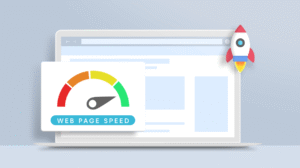
  • Improve your website’s speed: a one-second lag can reduce conversions by 7%. Make use of resources like PageSpeed Insights and GTmetrix.
  • Strategically place CTAs: To see where users are clicking, use heatmaps (such as Hotjar). Put links or buttons where the action is.
  • Try modifying your headlines and descriptions. Changing “Buy Now” to “Try It Free Today” can increase clicks by 30% in certain cases.
  • Make use of sticky bars and exit pop-ups: Catch users who are about to quit or who are skimming through crucial links.
  • Include trust signals: “as seen on” branding, user reviews, and star ratings all lend authenticity, particularly to international users who might not trust unknown firms.

Gaining more from your current traffic is the aim here, not gaining more.

SEO and Traffic Sources That Work for Monetization

Sustainable traffic conversion is the ultimate goal of monetisation. Every type of traffic is different. The following are the top-performing channels for making money out of international campaigns:

  • Organic Search (SEO): Websites with a lot of content that rank for buyer-intent keywords, such as “cheapest flight tickets from Canada” or “best earbuds under $50 US,” typically do well.
  • Email newsletters: Niche newsletters are excellent for repeat affiliate clicks because they have better conversion rates.
  • Push traffic and native ads are effective for offers that address pressing issues or appeal to a large audience (such as antivirus software, weight loss programs, or impulsive online purchases)
  • Social media (YouTube, Instagram): Product recommendations, instructional, and affiliate material based on reviews benefit greatly from visual visitors.

Turn Traffic Into Income: How vCommission Helps You Monetize Smarter and Scale Globally

This is where the real conversation begins. All of this doesn’t have to be resolved by you alone.

With the use of performance-driven tools, customised assistance, and high-converting offers, vCommission is already assisting thousands of partners in making money off of their worldwide traffic. vCommission has something made for your audience, whether they are in the US, India, Canada, or somewhere else.

Here’s how vCommission empowers smart monetization:

  • Deep Linking Technology: Instead of using generic landing pages, you may route people to the most relevant product or offer pages by using vCommission’s deeplinking features. Particularly helpful for eCommerce and product review material, this lowers drop-offs, enhances user experience, and generates noticeably greater conversion rates.
  • Localized, High-Converting Offers: vCommission provides geo-targeted campaigns that precisely match your audience groups, ranging from Amazon Sellers, Pay Per Call campaigns in the US, to COD-based eCommerce offerings in India.
  • Conversion-Focused Tools: To assist you in tracking, testing, and optimising each click, vCommission offers pixel support, dynamic banners, and tracking links. Their technologies are designed to help different verticals achieve better CRO results.
  • Exclusive Goal Campaigns: Get access to campaigns that other affiliate networks do not offer, providing you with a competitive advantage and special chances for monetisation in a variety of regions.
  • Performance Support: In order to help you generate more commission with less trial and error, vCommission’s team works closely with publishers to recommend offers that are most likely to perform well.

vCommission’s partner-first strategy helps close the gap if you’ve been wondering how to start making actual, scalable revenue instead of merely traffic.

The last thing to remember is that a website without revenue is like a shopfront without a cash register. It’s possible that you get visits but no sales.

vCommission’s partner-first strategy helps close the gap if you’ve been wondering how to start making actual, scalable revenue instead of merely traffic.

The last thing to remember is that a website without revenue is like a shopfront without a cash register. It’s possible that you get visits but no sales.

To monetize effectively in 2025 and beyond, the formula is simple:

  • Combine geo-specific, converting offers with the appropriate traffic.
  • Reduce friction and boost conversions by utilising deeplinking.
  • Utilise best practices for CRO to maximise each visit.
  • Join forces with an affiliate network that helps multi-geo success from the ground up, such as vCommission.

Every visitor may be turned into a revenue-generating opportunity when you combine a clever approach with solid partnerships.

Ready to turn clicks into commissions?
Start leveraging deep linking and smart CRO techniques to optimise your global campaigns today.
Join vCommission and maximise your affiliate earnings!

Categories
Affiliate Marketing

Pay Per Call Campaigns in 2025: Best Niches & Traffic Tactics That Work

One recurring issue in the field of performance marketing is that clicks don’t always result in conversions. It’s simple for brands, marketers, and affiliates to drive traffic, but how can they convert that traffic into actual income? Not at all.

Calls enter the picture at that point. By 2025, high-intent, action-ready people will be making decisions in real time over the phone, which is where the big conversions occur.

In the United States, pay-per-call (PPC) advertising is experiencing a significant uptick in 2025. Smart American affiliates are changing their focus and dialing into phone calls that genuinely generate high-intent prospects and larger fees, even while the digital world is aflutter with TikTok trends, influencer agreements, and constantly changing SEO strategies.

Pay Per Call has emerged as the preferred approach for affiliates that need outcomes rather than clicks in a market where customers still favour in-person interactions, particularly when making decisions about home services, healthcare, or finances.

The top niches you should be aware of, the reasons for the Pay Per Call surge, and traffic tactics that will yield a profit in 2025 are all covered in this article. Additionally, we’ll provide you with actual instances of how partners are using platforms like vCommission to strategically scale campaigns.

Why Pay Per Call Is One of the Most High-Converting Strategies in 2025

  • High Buyer Intent: Calls come from people ready to take action. They’re not browsing, they’re buying.
  • Better Conversion Rates: Phone calls convert at a much higher rate than clicks or forms.
  • High Payouts: Depending on the niche, affiliates can earn anywhere between $10 to $100+ per qualified call.
  • Omnichannel Friendly: Being an affiliate, you can run Pay Per Call across search, social, native, email, display, you name it.

Best Niches for Pay-Per-Call Campaigns in 2025

Pay-Per-Call verticals are not all made equal. Here are the top-performing niches that are now dominating the market if you’re trying to make money:

1. Healthcare & Medicare Enrollment

Pay-Per-Call is still quite popular in the healthcare industry. The demand is quite high, ranging from calls to addiction treatment centres to Medicare Advantage signups and insurance plan consults.

Depending on the campaign and vertical, payouts for Pay Per Call leads in the healthcare sector often vary from $25 to $80 per qualified call. These payout ranges are commonly listed by networks such as Ringba and OfferVault, and are usually determined by advertisers or networks based on the worth of the leads. This sector is well-known for its steady demand and high conversion rates, even though real earnings can vary.

2. Legal Services

In the United States, the most popular Pay Per Call niches include workers’ compensation, personal injury, and class action cases. Because a single call can result in a high-value case, law firms are willing to pay for exclusive leads.

Here, affiliates are successful because they execute geo-targeted marketing that link lawyers with high-intent, urgent callers. Firms frequently offer $100+ each qualified call, with the opportunity to earn thousands per client. This makes it a continuously high-performing niche.

3. Home Services

Home services are timeless and include pest control, HVAC repairs, appliance maintenance, plumbing, roofing, and solar installation.

Why it functions: It is trust-based, time-sensitive, and local. Instead of using online forms, people prefer to make service reservations over the phone.

4. Finance & Insurance

Credit repair, loan consolidation, mortgage refinancing, and life or auto insurance are all included in this.

Why it functions: One of the most lucrative and competitive affiliate marketing verticals is finance. Because calls are frequently pre-qualified, companies are willing to pay a premium for exclusivity.

5. Travel & Hospitality

People are using the phone to arrange vacation packages, resorts, and cruises, which is particularly pertinent in the wake of the COVID-19 pandemic.

Why it works: Human interaction is frequently necessary for complex purchases. Additionally, phone bookings are increasing as senior travellers resume their travels.

Traffic Tactics That Drive Results in 2025

It takes more than merely putting a number on a landing page to get calls. When it comes to where and how you create that traffic, you must be strategic. Here’s what’s now functioning:

1. Search Engine Marketing (Google Ads & Bing)

Pay-Per-Call is still dominated by search. particularly when focusing on high-intent phrases like “talk to a Medicare advisor” or “plumber near me.”

Use Google Ads’ call-only campaigns or call extensions as a tip. Use local and specialist keywords when bidding, such as “emergency AC repair Houston.”

2. SEO & Local Listings

It’s really effective to rank naturally for specialty queries. Provide click-to-call buttons on service pages. Additionally, don’t undervalue Google Business listings that include buttons for trackable calls.

Example: A page that is optimised for “best solar panel installer in Miami” and has a call-to-action button.

3. Native Ads

Affiliates can run native advertisements with long-form advertorials that generate click-to-call funnels using platforms like Taboola and Outbrain. Excellent for sectors including healthcare, home services, and insurance.

Why it works: Native advertisements, particularly on mobile devices, blend in and encourage curiosity clicks.

4. Social Media Ads

TikTok is compatible with Pay Per Call, which is surprising. particularly when it comes to UGC-style videos that focus on pain points. For industries like insurance and rehabilitation, Facebook lead advertisements combined with click-to-call buttons also provide high conversion rates.

Use lookalike audiences that are based on callers who have converted. Adjust for the length of the call or for things like “appointment scheduled.”

5. Call-Optimized Landing Pages

Getting the user to call is the only goal of your landing page. Make sure it is mobile-first, use call tracking numbers (such as those from Ringba or Invoca), and display trust signals (such as BBB badges).

Additionally, display local numbers or dynamically add numbers according to the user’s location. The conversion rate is higher when it feels more local and intimate.

Why Pay Per Call Is Booming in 2025 — And How You Can Get a Head Start with vCommission

terms of quality and compensation because users are looking for direct, real-time assistance, and businesses are willing to pay top cash for qualified leads.

To get the most out of it, though, you need the perfect partner in addition to traffic. vCommission can help with that.

vCommission is driving highly effective Pay Per Call campaigns across key industries including healthcare, legal, insurance, and home services. With attributes such as:

  • Leveraging mobile deep linking to send users directly to call-ready landing pages, ensuring a smoother and faster conversion path.
  • Sophisticated call monitoring for duration and quality
  • Localised routing for US-targeted ads
  • Professional assistance to help affiliates maximise their creatives and funnels

vCommission provides real-time performance dashboards and reporting, so you can track campaign results instantly, no guesswork needed.

Ready to start earning from high-intent calls?
Join vCommission’s Pay Per Call program today and get access to top-converting campaigns across healthcare, insurance, legal, and more.

Sign up with vCommission now and turn traffic into qualified calls!

Categories
Affiliate Marketing

US Lead Gen in 2025: Best Performing Verticals and CPL Benchmarks

Do you also feel the same sometimes that you are running ads, tweaking your creatives, playing with ads, but you still keep wondering why these leads are not converting or why are they so freaking expensive? Well, let me tell you something, in 2025, US Lead Gen is more competitive than ever, and it is also profitable, if only you know where to look. 

While certain verticals are stealthily consuming your advertising budget, others are dominating the market and producing high-quality leads at scale with competitive CPLs. If you operate in affiliate marketing, media buying, or performance marketing, it’s important to understand which verticals are currently successful and what kind of cost-per-lead benchmarks you can reasonably anticipate.

Let’s break it down, starting with the most popular lead generation categories in the US and ending with the CPL figures you should aim for if you want your ROI to soar. You’ll know what to adjust, where to concentrate, and how networks like vCommission are transforming U.S. lead generation into a high-converting machine by the end of this blog.

What Makes US Lead Generation the Crown Jewel in 2025?

No market compares to the United States in terms of scale, targeting precision, and payment possibilities for affiliate and performance marketing. The U.S. lead generation market is a dream come true for professional marketers because of its high consumer intent, distinct target demographics, and developed regulatory frameworks. American consumers are actively looking for answers in a variety of areas, including healthcare, education, home services, and finance. They frequently do this by using quote engines, comparison tools, or signup forms. CPL campaigns can help with that.

However, demand alone does not guarantee that every campaign generates revenue. Understanding which verticals are producing steady performance and long-term CPLs is the key. Not every $100 lead results in a loss, and not every $5 lead results in a win. Just as important as the number is the quality. Let’s examine the leading categories that will be popular in 2025.

Finance Leads That Convert

It should come as no surprise that lead generation in finance is still at the top. Better lending options, credit repair services, debt consolidation, and credit score monitoring tools are all things that consumers in the United States are continuously searching for. The intent is quite high because these requirements are frequent, urgent, and frequently motivated by actual pain locations. Because end users are actively working to improve their financial circumstances, sub-verticals including personal loans, mortgage refinance, and credit card signup flows enjoy great traction.

With good reason, financial offers regularly yield some of the best payments for affiliates in the US lead generation market. These leads are usually high-value, high-intent, and supported by robust customer demand. While personal loan leads can bring in between $40 and $80, credit repair leads typically range between $25 and $45. Mortgage refinances, one of the most profitable sub-verticals, frequently pay out between $60 and $120 per lead.

This vertical can easily become your top-earning sector provided you have strong pre-qualification flows and appropriate targeting techniques. Finance campaigns provide a clever mix of volume and profitability for affiliates who want to grow.

Healthcare and Insurance: Fueled by Need and Policy

Health insurance lead generation is expanding due to factors including ageing populations, rising healthcare expenses, and ongoing changes to Medicare and ACA policies. This is one of the most active and competitive verticals since users are continuously comparing plans, changing providers, and looking for lower rates. Obamacare enrolments, dental plans, supplemental insurance, and Medicare Advantage leads are the true stars here.

Depending on specialisation and targeting accuracy, CPL rates in the healthcare and insurance sectors vary greatly. Medicare leads, for instance, usually cost $25 to $50, but for the correct target segments, generic health insurance leads can fetch up to $60. In contrast, dental and life insurance leads often vary from $35 to $70.

These numbers are consistent with information from current industry standards. According to First Page Sage’s April 2025 report, typical healthcare CPLs were between $26 to $50. The recurring motif? These offers provide high-quality, conversion-ready leads, but in order to safeguard consumers and maintain data integrity, they also need to strictly adhere to industry laws.

Home Services: Geo-Targeted and High Intent

Home services and home improvement are the best options for hyper-local yet highly scalable lead generation. Thanks to government solar energy subsidies, hybrid work, and a general increase in real estate improvements, more Americans are investing in their homes in 2025. This indicates a huge need for services like window replacement, roofing, pest control, solar panel installation, and HVAC repair.

Although careful geotargeting is necessary for this vertical, the rewards are worthwhile. CPL standards for HVAC and roofing leads average between $30 and $60, while solar leads range between $40 and $100. Although they deliver in large quantities, pest control and lawn care services have rather lower CPLs. Leveraging local intent through geo-specific landing pages, dynamic phone numbers, and quick lead distribution is where the true magic in this sector lies.

Legal Services: High Payouts for High-Stakes Leads

Legal services are one of the most lucrative but frequently under-leveraged categories in US CPL marketing. A qualified legal lead is extremely valuable in a variety of situations, including bankruptcy, workers’ compensation, personal injury, and SSDI (Social Security Disability Insurance). Because a single converted lead might be worth thousands of dollars, attorneys are willing to pay top money for quality, and for good reason.

CPL campaigns excel in this situation. Depending on the targeting, personal injury leads might fetch up to $100 to $300. SSDI leads are more scalable yet significantly less expensive, typically ranging from $50 to $120. Longer form fills or call-based flows are usually required for legal marketing, which weeds out low-quality traffic. However, this vertical might be a treasure trove provided you have sources of compliant traffic.

Auto Insurance and Vehicle: Evergreen Demand

Because of the ongoing demand, auto insurance lead generation keeps producing results. A portion of the US market is always willing to participate, whether it be in the form of warranty plans, policy renewals, new driver enrolments, or auto loan refinances. Auto-rotating offers and real-time bidding help this vertical, which moves quickly.

In this vertical, CPLs are often more moderate. Extended warranties and loan refinance leads pay between $25 and $70, while auto insurance quotes usually pay $15 to $40. The secret is speed: conversion rates are significantly increased by automated lead delivery and quick routing to sales teams. In this area, affiliates who use pay-per-call or live transfer marketing frequently do better than others.

Why CPL Alone Doesn’t Tell the Full Story

Cost per lead (CPL) should always be considered in the context of a campaign, despite the temptation to do so. A $100 lead that closes at 20% is less expensive than a $15 lead that never converts. Lead quality, funnel behaviour, and the final lead-to-sale ratio are the things you should truly concentrate on. Additionally, you should track your return on ad spend (ROAS) and earnings per lead (EPL) over time.

Real profitability is influenced by vertical-specific funnels, traffic sources, and lead pre-qualification. Because of this, astute marketers monitor every single thing, including clicks, conversions, and revenue.

Final Thoughts: Why Partnering with vCommission Is the Smartest Move for Your U.S. Lead Gen Success

Our specialty at vCommission is lead generation for high-performing U.S. verticals, including home services, healthcare, legal, and financial. We are a platform designed for publishers with traffic that meets the lead-gen model or brands hoping to get quality leads from the US market. vCommission is the intersection of high-intent and high-performance, offering premium CPL campaigns, extensive market knowledge, and robust tools to support your growth. Together, we can convert your traffic into leads and those leads into lasting outcomes.

Categories
Affiliate Marketing

15 Key Affiliate Marketing Statistics in 2025

First things first, affiliate marketing is not just still relevant, it is thriving in 2025. You might want to check again if you believed that this industry was at its height during the pandemic years. We are witnessing a complete transformation: affiliate networks are developing into tech-savvy ecosystems in their own right, content producers are becoming experts at monetisation, and more brands than ever before are investing in performance-based partnerships. It now involves strategy, intelligence, and identifying what truly works rather than merely posting links and hoping for clicks.

Let’s examine 15 important affiliate marketing figures from 2025 that aren’t just fascinating, they’re game-changers, to get a sense of how big and developed this industry has grown.

  1. By 2025, the worldwide affiliate marketing market has grown to an astounding $17 billion in value according to multiple reports like Statista, Influencer Marketing Hub, and more. This indicates where brands are investing their money, as it is more than double what it was only a few years ago. Although affiliate marketing has established itself as a performance-first business, meaning brands only pay when results are achieved, traditional marketing still has a place. This expansion presents an opportunity for affiliates. As more companies enter the market, there will be more goods to advertise, commissions to receive, and a more dynamic, diverse ecology to investigate.
  2. Furthermore, there are now more brands than just a handful dabbling in the market. As per Rakuten Affiliate Global Network Report 2024, affiliate programs are currently used by an astounding 80% of brands, making them a common practice rather than a specialised one. This statistic is your green signal if you’re a blogger, influencer, or even a novice creator with a modest but active following. The supply of eager affiliates is expanding in tandem with the strong demand for partnerships.
  3. The extent to which affiliate marketing is influencing the eCommerce scene, however, is even more astounding. Current trends from Awin report 2025 and eMarketer E-commerce Study indicate that 31% of all eCommerce sales worldwide are now attributed to affiliate channels. This means that influencer links, comparison blogs, video recommendations, and content-driven promotions account for almost one in three sales. It indicates that consumers are actively persuaded by reliable internet voices rather than merely discovering items by chance. 
  4. Another important factor propelling affiliate growth is the mobile revolution. By 2025, mobile devices will account for more than 65% of affiliate conversions according to StatCounter Global Stats (2024), CJ Affiliate Mobile Performance Data. Yes, customers are no longer waiting to shop on desktop computers after returning home. They are making an instant purchase after seeing a product on Instagram, reading a blog on their phone, or seeing a YouTube Shorts review. It emphasises how crucial mobile-friendly information is. You may be losing more conversions than you think if your affiliate approach isn’t mobile-friendly.
  5. Influencers that combine sponsored content with affiliate promotions are also causing a change in the affiliate market. Indeed, this year alone has seen a 55% increase in the influencer-affiliate hybrid model, reported by the HubSpot Creator Economy Report 2025. Today’s creators do both affiliate links and brand deals instead of just one. It makes sense: a single video can produce long-term passive money through affiliate links in the description and earn upfront revenue from a brand. This win-win strategy demonstrates the growing power of hybrid monetisation.
  6. It’s interesting to note that B2B affiliate marketing is also growing, and significantly so. PartnerStack Affiliate Benchmark Report 2025 states that payouts for software, corporate services, and enterprise tool programs are now typically 40% greater than those for business-to-consumer programs. B2B may involve more work in terms of product education and lead nurturing, but the reward for each sale or signup makes the work worthwhile. This may be the moment to give B2B another look if you’ve been neglecting it because you thought it was too technical.
  7. The effectiveness of affiliate content is considerably higher than that of conventional ad formats. Affiliate content now converts three times better than display ads, according to studies. This means that a product review, blog post with instructions, or comparison guide is more than just content; it’s a tool for conversion. Affiliate content, as opposed to display adverts, provides genuine answers to queries and aids consumers in making decisions, which inevitably increases click-through rates and trust. Sources: Content Marketing Institute, Awin Global Study
  8. According to the reports of Impact.com Affiliate Trends and Forecasts 2025 the use of recurring commissions has also become much more prevalent. Now that SaaS, health, online education, and even food delivery are dominated by subscription models, companies are paying affiliates on a monthly basis as long as the user is subscribed. Because of the 70% increase in recurring commission structures, affiliate income in 2025 will be more focused on creating long-term revenue streams than on one-time gains.
  9. This year, one of the most intriguing affiliate marketing markets has been India in particular. India is currently the affiliate market with the fastest rate of growth in the world because of factors including increased internet penetration, widespread eCommerce adoption, and expanding creator-led consumption. It is understandable why affiliates in India are becoming so popular when you consider additional elements like cash-on-delivery campaigns, UPI-based transactions, and regional content. The timing is ideal for Indian influencers and marketers.
  10. Let’s take a moment to discuss money. Affiliate marketing’s reputation as a “side hustle” source of income is being challenged. The top-performing affiliates in 2025 are making over $100,000 annually, demonstrating that affiliate marketing can be a stable, full-time profession with the correct focus, approach, and perseverance. Although it takes time, it is by no means a pipe dream. 
  11. Social media sites are also quite important. In actuality, 35% of all affiliate traffic is currently generated by social commerce, resources via WARC Global Advertising Trends and Influencer Marketing Hub 2025. TikTok, Instagram Reels, and YouTube Shorts are becoming more than just amusement; they are fully functional online stores. Short-form videos that demonstrate a product or provide a tutorial are fast emerging as one of the best strategies for increasing affiliate sales.
  12. Long-form content is still popular, though. 43% of all affiliate income comes from blogs and SEO-optimized websites according to SemRush Blog Monetisation Blog. Blogs frequently rank on Google for months or even years, offering continuous value, even though eye-catching videos could draw attention. The most astute affiliates of 2025 are combining the two strategies, using social media to drive immediate conversions and evergreen written content to drive long-term traffic.
  13. Affiliate tracking on the backend has also become considerably more intelligent. Reports by Refersion and Partnerize Affiliate Tech Survey Study 2025 says that by 2025, tracking and attribution technologies driven by AI will be used by 78% of affiliate networks. Commissions lost because of broken links or missing cookies are a thing of the past. Affiliates are more likely to receive just compensation for the value they generate since modern platforms use AI to guarantee precise, real-time tracking.
  14. The fact that micro-affiliates with fewer than 10,000 followers are experiencing four times higher engagement rates than macro-influencers is incredibly empowering for tiny creators. Why? because communities of smaller creators tend to be closer-knit and more trustworthy. Their listeners pay attention, participate, and become customers. This evens the playing field and demonstrates that you can earn a respectable living through affiliate marketing without having a large following. Resources: Later & Influencer Marketing Hub Nano/Micro Influencer Report 2024-2025
  15. Finally, even though social media is all the rage, affiliate email marketing is yielding twice as much return on investment as natural social media posts. Email makes it possible to communicate directly and individually. When it comes to actual purchases, a well-written newsletter with the appropriate product recommendation can do better than a viral video. Therefore, now is the perfect time to begin growing your email list if you haven’t already. Resources: Campaign Monitor & GetResponse ROI Benchmark Report 2025

Wrapping Up: Affiliate Marketing in 2025 Is a Whole New Game

It’s undeniable that affiliate marketing will take off in 2025. Larger expenditures, more intelligent technologies, greater payments, and a creator-first strategy are all evident from the data. The moment to act is now, regardless of whether you are just getting started or want to grow your affiliate business.

Value is rewarded by affiliate marketing, which is its beauty. You can earn a commission if you can inform, amuse, or actually assist someone in making a better purchase choice. Additionally, your success has a solid base to build upon since networks like vCommission continue to lead the way.

Join vCommission now to take advantage of the tools, support, and 2025-focused campaigns that will enable you to transform your passion into passive income.

Categories
Affiliate Marketing

10 Low Competition Niches With High Profit For Affiliate Marketers in 2025

In 2025, affiliate marketing is about discovering your edge, not about following the pack. There is too much competition in niches like IT, cosmetics, and finance. In these areas, competing with SEO experts and large blogs? It’s almost impossible if you’re just getting started.

Because of this, astute affiliate marketers, particularly those who are just starting out and are at a mid-level, are refocusing their attention on high-profit, low-competition niches where there is real potential for growth and income.

We’ll go over ten underappreciated themes in this blog that have a lot of potential for affiliate revenue but are still relatively unknown in 2025. This is where you start if you’re prepared to quit competing and start converting.

Let’s get started.

1. Eco-Friendly Pet Products

Pet owners are spending more money than ever before, and sustainability is becoming a bigger issue. Accordingly, goods like hemp collars, plant-based pet food, eco-friendly grooming supplies, and biodegradable poop bags are in great demand, and you can get them from Koozo’s pet friendly collection, but have not yet received much affiliate marketing.

It’s simple to create a content website about “green living for pets,” connect with eco-aware Gen Z and millennial pet owners, and include links to affiliate shops or direct-to-consumer goods. Although there isn’t much competition for keywords, what about the margins? Quite high.

2. Digital Wellness and Dopamine Detoxing

In 2025, burnout is real. More people are attempting to regain focus and break free from the never-ending scroll. Enter the market for digital wellbeing, which includes items like productivity planners, detox journals, minimalist phones, blue-light blockers, and offline retreat programs.

Although there isn’t much affiliate competition because it is still a niche, growing search interest indicates that this is an area that is poised for growth. Combine blog posts with affiliate links to tech-life balance-related books, tools, and courses.

3. Indoor Hydroponic Gardening

The trend of home gardening that began during the epidemic has changed rather than slowed down. These days, indoor hydroponics systems are popular, particularly in urban areas with limited space. These are ideal for affiliate profits because they are small, technologically advanced, and typically have a high price tag.

Indoor hydroponics is still underutilised, although the majority of affiliate marketers concentrate on outdoor gardening or general house renovation. Instructional materials such as “how to grow lettuce indoors without soil” are prime candidates for commercialisation.

4. Sleep Optimization Products

By 2025, sleep is a science, and efforts to improve it are being heavily funded. The majority of affiliate sites continue to promote mattresses, but there is unrealised potential in items like magnesium sprays, EMF blockers, soundproof curtains, and red light night lamps.

For instance, Pepperfry provides sleep-friendly products like ergonomic pillows and blackout curtains that are simple to incorporate into articles about improved sleeping practices. These products have excellent affiliate margins and are less competitive.

You may create an SEO-friendly niche that converts well by combining product evaluations with sleep advice.

5. Home Office Ergonomics (for Remote Creators)

The general “work from home” niche has been overdone; forget about it. Zooming in, however, reveals a lucrative opportunity in ergonomic tools for content creators, such as remote developers, YouTubers, podcasters, and designers.

This is a treasure trove of affiliate opportunities, including vertical mice, height-adjustable seats, wrist-rest keyboards, soundproofing panels, and stylish workplace arrangements. In addition, developers enjoy clicking affiliate links and showcasing their settings.

6. Prepping & Off-Grid Living (Modernized)

Doomsday is no longer the only time to prepare. Solar panels, portable power stations, survival water filters, and even simple camping equipment are all part of the smart self-reliance trend of 2025. This niche blends content that generates significant trust and engagement with evergreen affiliate items.

Above all? Since individuals don’t browse survival gear for fun, the competition isn’t nearly as intense as it is in the fitness or financial industries, but the conversion rates are still very high. They purchase.

7. Digital Nomad Family Travel

There are plenty of lone digital nomads, but are families moving away? There is a lot of promise in that area. The affiliate selections are extensive and include everything from family-friendly visas to small strollers and homeschooling supplies.

You can advertise insurance, travel aids, and websites like Cleartrip, which simplify the process of planning family vacations and flights. It’s a niche worth investigating because there aren’t many marketers in this field, and the target audience consists of high-income decision-makers.

9. Sustainable Men’s Grooming

Beyond razors and aftershave, men’s grooming has evolved. Reusable skincare kits, bamboo razors, and plastic-free beard oils are examples of eco-friendly grooming items, although they are still a specialty within a niche.

Affiliate marketing is ideal for DTC brands, product bundles, subscription models, and campaigns that tell a brand’s story. Affiliate marketers abound in the women’s beauty product sector, but men’s beauty is still relatively unexplored.

With less competition and higher commissions, you could simply launch a brand centred around “ethical grooming for the modern man” and capitalise on this trend.

Final Thoughts: Don’t Compete. Create (And Partner Smart)

These low-competition, high-profit niches are ideal for new business owners or even seasoned entrepreneurs who wish to avoid oversaturated marketplaces. 2025 is not a time to dive into the same old cliches that everyone is currently exploiting. It involves forging your own path, creating material centred on emerging trends, and being ahead of the curve enough to have an impact.

Choosing a clever niche is only half the battle, though. The opposing half? identifying an affiliate partner who can truly help you expand in these new markets.

vCommission fills that need.

In contrast to networks that exclusively serve highly competitive industries like finance or e-commerce behemoths, vCommission actively pursues new and unexplored markets, ranging from eco-friendly pet supplies and AI solutions for solopreneurs to sustainable grooming and digital wellness. Their inventory is full of lifestyle items, digital disruptors, and direct-to-consumer companies that are all well-suited to the demands of today’s consumers.

Therefore, don’t go it alone if you’re serious about making money off of specialised content in 2025 in a way that is profitable, sustainable, and forward-thinking. Use vCommission as a springboard to success in affiliate marketing.

Are you prepared to make a living from a niche? To gain access to affiliate campaigns created for your success, sign up with vCommission right now.


Categories
Affiliate Marketing

Affiliate Marketing Tips To Boost Sexual Wellness Brand Performance

Promoting sexual wellness products is not the same as marketing kitchen blenders or yoga mats. It’s an environment that requires subtlety, imagination, and just the perfect amount of audacity. The best part is that the benefits are well worth the effort if you do it correctly.

Globally, the sexual wellness sector is flourishing in 2025. Discussions on intimacy, pleasure, and self-care are becoming more prevalent and free. Customers are actively searching for high-quality products that improve their personal lives, ranging from performance enhancers and vitamins to lubricants and vibrators. The true query, though, is: how can you, as an affiliate marketer, get your audience interested in these products?

That is the main focus of this blog. We’re going beyond general advice to find affiliate tactics specific to brands that promote sexual wellbeing. Let’s use taboo to get momentum.

1. Understand the Psyche of the Buyer

Consider who you are speaking to before you make a single product pitch. Purchases related to sexual wellbeing are frequently quite personal, in contrast to general health or fitness products. Consumers may be inquisitive, cautious, ashamed, or very private.

Thus, tone is important. Unless your audience wants medical-grade conversations, avoid becoming overly clinical. Additionally, unless your site is designed for boldness, avoid being too cheeky. Whether your readers are millennial women seeking tools for self-pleasure, guys interested in performance supplements, or couples seeking intimacy, customize your messaging accordingly.

Prioritise empathy before selling.

2. Content is (Still) King – But Make it Spicy and Safe

Writing sensual novels is not necessary, but your writing should be interesting, educational, and consoling. Blog entries about subjects like “How to Introduce Toys in the Bedroom” or “Top 5 Libido-Boosting Supplements That Actually Work” can generate a lot of clicks, as can product reviews, listicles, how-to manuals, and Q&As.

Your key to visibility is SEO-optimized content that responds to users’ real search queries, particularly those including long-tail keywords. However, keep in mind that search engines and platforms have limitations on adult content. Use wording that is both suggestive and compliant with community standards. For instance, substitute words like “enhancing pleasure” for potentially marked explicit language.

Your objective? Maintain the human element while making it Google-friendly.

3. Lean Into Storytelling and Real-Life Scenarios

People purchase results rather than goods. Show how these items change experiences rather than just listing attributes like “Made of medical-grade silicone” or “100% vegan ingredients.”

Use narratives, such as customer journeys or anonymous testimonies. For example, 32-year-old working mother Amy was hesitant to test libido supplements. But after two weeks, she feels closer to her spouse and more self-assured.

Even user-generated content (UGC), such as before-and-after photos, anonymous reviews, or real-life guidance from influencers, can increase authenticity if your company permits it. It’s particularly crucial in the field of sexual wellbeing, where stigma exists and trust is brittle.

4. Get Niche With Your Platform

Don’t be tempted to post affiliate links on every platform, including Instagram, Pinterest, TikTok, and YouTube. Not all platforms welcome content related to sexual wellbeing. Some impose limitations on advertising efforts or shadow-ban hashtags.

Rather, concentrate on venues that support wellness, adult education, and body positivity. Powerful affiliates can include blogs, Reddit-like forums, specialised podcasts, and intimacy-positive newsletters. 

Additionally, don’t undervalue email marketing. If readers have opted in, a subtle yet informative newsletter might be a goldmine for engagement. Make sure your calls to action are subtly alluring.

5. Influences: Choose Advocates, Not Just Promoters

Authenticity is more important than celebrity when it comes to sexual wellness. Influencers who genuinely care about the message are what you want, such as relationship therapists, health coaches, sex educators, or influencers in specialised lifestyles who discuss intimacy candidly.

Don’t just concentrate on the number of followers. A micro-influencer with a close-knit, devoted following can yield a higher return on investment than a well-known figure who just shares your link once. Their reviews will seem more sincere, and their fans will be more inclined to believe and give it a shot.

Indeed, it helps if kids feel at ease being both sensitive and bold. This is a place for those who wish to normalise the discussion, not for passive endorsements.

6. Bundle Products & Create Desires, Not Just Needs

Don’t only advertise one-off items; this may be one of the best affiliate strategies. Encourage a way of life or an adventure. For instance, present the water-based lubricant as a component of a “Couple’s Night Starter Pack” that also contains a massager, candles, and a toy cleaner rather than just suggesting it.

The average order value (AOV) can be raised by creating bundles such as “Libido-Boosting Self-Care Routine” or “First-Time Toy Buyers Guide.” You’re generating a yearning for more rather than only resolving one issue.

Even though it’s subtle upselling, it succeeds because it seems well-considered and managed. When a purchase feels more like an experience than a one-time purchase, people are more ready to spend money.

7. Compliance, Disclaimers & Consent—Don’t Skip It

This is the important but unglamorous portion. Depending on your country or platform, sexual wellness goods may be subject to different health and safety requirements. Verify that your affiliate links adhere to regional advertising regulations, particularly when it comes to medical devices or supplements.

Be open and honest as well. Never make unsubstantiated health claims, and be sure to include explicit disclaimers that you receive a commission from sales. Promoting something that puts you or your audience in hot water is the last thing you want to do.

In many respects, consent is essential. Give your users a sense of security, knowledge, and control over their decisions.

8. Analyze Data to Learn What Engages Your Audience

Your best ally should be data. Keep track of which goods convert the best, which articles receive the most clicks, and which traffic sources yield the biggest return on investment. Does your audience click more on toys or links to supplements? Do mobile users convert more effectively than desktop users?

Your blog’s scroll depth tools and heatmaps can even show you what your viewers are interested in. After that, you can focus more on what works and less on what doesn’t.

It’s not enough to just spray and pray when it comes to sexual wellness affiliate marketing. It all comes down to using data to make your approach more deliberate and personal.

9. Seasonal and Emotional Hook Works Wonders

Sexual wellness experiences seasonal fluctuations, much like any other e-commerce specialty. International Women’s Day, Self-Love September, Valentine’s Day, and Pride Month are all excellent opportunities for themed advertising.

More powerful than product titles are emotional hooks like “Reignite the Spark,” “Celebrate Body Confidence,” or “Feel More You.” Instead than just being sold to, people want to be emotionally understood.

Create campaigns that focus on moments and feelings rather than just SKUs.

10. Be Part of the Conversation, Not the Commercial

This sector is changing. It’s about mental health, body positivity, empowerment, and inclusivity. You’re losing out on both the earnings and the purpose of your affiliate strategy if it consists solely of promoting links.

Participate in the discussion. Compose intelligent material. Deal with taboos. Exchange information. Participate in sex-positive groups. Make your page or affiliate site a trusted destination where customers come to feel recognised, not merely to make a purchase.

Performance comes after purpose alignment.

Bringing It All Together

Affiliate marketing for sexual wellness products requires more than just creative, eye-catching content or clever writing; it needs an awareness of human connection. You are assisting someone in becoming more self-assured, content, and in tune with themselves or their spouse, not trying to sell them a product. That has a lot of power.


Categories
Affiliate Marketing

Social Commerce Storytelling: Weave Shoppable Narratives that Convert Life Magic

What if I told you that the next viral product isn’t being sold—it’s being storytold?

Greetings from the age of social commerce storytelling, where community, entertainment, and shopping all blend together to create a smooth, scroll-worthy experience. Putting a “Buy Now” button on a product image and hoping for conversions is no longer sufficient. These days, the goal is to tell stories that are so emotionally engaging and captivating that the checkout button feels like a logical extension of the narrative.

Customers are no longer just purchasing goods; they are embracing identities, stepping into tales, and adopting lifestyles thanks to TikTok hauls, Instagram Reels, influencer “day-in-the-life” vlogs, and Pinterest boards that resemble personal diaries. And which brands actually benefit from this change? In the realm of social commerce, they are working magic. Our affiliates are doing just that by creating relatable, narrative-driven content that easily connects, resonates, and converts.

So, how do you tell a shoppable story that converts browsers into buyers? Let’s unpack that.

The Rise of Social Commerce: More Than Just Shopping

Although social commerce is not new, it is rapidly changing. On social media sites like Facebook and Instagram, what began as simple product tagging has evolved into a fully immersive experience. TikTok has a shopping tab of its own. Customers can purchase goods straight from pins on Pinterest. Product sites are now linked in YouTube Shorts. What about influencers? This fresh shopping story is told by them.

Today’s consumers need more than simply utility, particularly Gen Z and millennials. They are in search of purpose. They want to know who uses a product, why it matters, and how it fits into a lifestyle they already lead or hope to lead. Storytelling can help with it.

Brands elicit emotional resonance when they incorporate narrative into their content, whether it is a transformational journey, a problem-solution arc, or just a relatable “I needed this so bad” moment. And that pull of emotion? That’s what makes people click “add to cart” without thinking twice.

Stories That Stick (and Sell)

Let’s face it: consumers are cynical, feeds are busy, and attention spans are short. Stories are so effective because of this. They are a natural part of human speech. For thousands of years, people have told stories over fires, in books, on film, and now on our phones.

What makes a shoppable narrative really memorable is as follows:

  •  Authenticity over Aesthetics

Do you recall a time when social media appeared to be a magazine spread? Not any more. Being honest, genuine, and relatable is now crucial. A customer demonstrating the true effects of a skincare product on their skin, which is prone to acne? It’s gold. What if someone wore the same outfit three different ways for date night, brunch, and work? Content with context, that is.

  • Characters People Care About

A protagonist is essential to any great story. That’s frequently the influencer, content producer, or even the brand’s own staff in social commerce. People make an emotional investment when they follow someone’s journey with a product, whether it’s organizing their home, losing weight, or creating a capsule wardrobe.

The transition is more important than the final product. The magic wand happens to be the product.

  • Emotion Drives Action

Although we prefer to believe that we are logical beings, the reality is that we make decisions based on our emotions first and then our reasoning. Effective storytelling makes use of that. Perhaps it’s nostalgia. Perhaps it’s FOMO. Perhaps it’s the thrill of improving your skincare regimen or discovering a present that truly takes your partner by surprise.

People are far more likely to convert when your material evokes an emotion in them.

From Scroll to Sale: Building Shoppable Content That Doesn’t Feel Like Selling

So, how can you create content that encourages sales without shouting “BUY THIS!”?

Consider your content as a trip to begin. Your audience should follow the story from discovery to desire to decision. It might be a TikTok that begins, “Here’s how I saved my frizzy hair in 7 days,” and concludes with a link to a product in the comments section. Perhaps it’s an Instagram carousel that explains a “morning routine for busy moms,” with a product discreetly woven into each slide.

Contextual location is crucial. The product should support the narrative, not the other way around.

Indeed, you also require technology. Make use of affiliate integrations, “Shop Now” buttons, link stickers, and product tags. However, ensure that they are adding to the experience rather than detracting from it.

Platforms Are Evolving—And So Should Your Stories

Storytelling styles vary depending on the platform. Here’s how to get along with each of them:

  • Instagram: More polished, yet Stories and Reels are great for sharing stories from everyday life and providing short, bite-sized advice.
  • Pinterest: Very ambitious and visual. Consider product collections, how-tos, or vision boards.
  • YouTube: In-depth, longer-form content. This is a terrific place for product depth dives, lifestyle vlogs, and unboxings.

The rule is always the same, regardless of the platform: story first, product second.

Influencers: Your Co-Storytellers in the Social Commerce Narrative

If your brand is the director, then influencers are your star actors. They lend authenticity, scale, and personal narrative touch that’s simply impossible for traditional ads to match. But here’s the catch—you can’t simply give them a promo code and hope for the best.

The most effective influencer campaigns offer creators liberty to share the story they want. Allow them to set up the product within their life. Allow them to speak to their followers as always. That authenticity is what drives conversions.

Even better still? Trackable links, affiliate initiatives, and intelligent attribution software allow you to quantify how effectively each story performs. It’s not merely storytelling—it’s storytelling with ROI.

Micro Moments and Everyday Magic

Not all stories need to be epic ones. In fact, the strongest stories tend to emerge from the most ordinary moments.

That mother is telling how a quick-dry towel made her morning easier? That student describing how a budget coffee machine keeps them sane during exams? Those are the stories that make products feel necessary, not discretionary.

Social commerce lives off micro-moments—those brief, intensely shareable moments of everyday life in which a product takes center stage, if only for a moment. Lean into them. Ask your customers to share theirs. User-generated content is the greatest evidence that your product needs to be in real people’s narratives.

Conclusion: Sell Less. Storytell More.

Fundamentally, social commerce storytelling is a concept rather than merely a strategy.

Realising that your audience doesn’t want to see another advertisement in their feed is key. They desire a moment of intimacy. A chuckle. A nudge. A tear. An excuse to stop. And the magic happens if your product can be a part of that moment.

Therefore, don’t question, “How do I sell this?” the next time you start a campaign.

Instead, ask: What is a story I can tell about this?

Because narrative isn’t just how we share, it’s also how we shop in 2025 and beyond. And when done correctly, it produces lifelong admirers rather than merely converts.

This storytelling-first approach is already well underway at vCommission. vCommission is assisting its affiliates in creating experiences rather than merely advertisements, from carefully planned influencer campaigns that showcase real-world use cases to short-form video content that combines narrative with functionality.

Instead of promoting items, the emphasis is on assisting creators in telling tales that emotionally connect with people. In the world of social commerce, when each swipe, like, and view has the potential to result in a significant transaction, vCommission stands out for its unique combination of performance marketing and emotional resonance.

Ready to turn your content into high-converting stories? Sign up with vCommission and start earning through powerful, narrative-driven affiliate marketing today!

Categories
Affiliate Marketing

How AI and Automation Are Revolutionizing Affiliate Campaigns in 2025

Do you recall the days of spreadsheets, laborious tracking, and guesswork in affiliate marketing? 2025 just phoned, and it’s doing all the heavy lifting using AI.

From its Wild West days of cumbersome dashboards and unsuccessful campaigns, affiliate marketing has advanced significantly. These days, data-driven decisions, clever automation, and streamlined algorithms power it. You’re already falling behind in 2025 if you’re not using AI in your affiliate marketing approach.

Knowing how automation and artificial intelligence are changing affiliate campaigns is now crucial, regardless of your level of experience in the field. Let’s dissect it.

The Old Way vs The AI Way

Let’s go back a little. Conventional affiliate marketing entailed:

  • Locating publishers and influencers by hand
  • Configuring static offers
  • Using simple analytics to track traffic and conversions
  • Speculating about what might work next

It was ineffective, time-consuming, and, let’s face it, a little draining.

Now fast-forward to 2025. AI tools are:

  • Finding successful affiliates before you even get in touch with them
  • Real-time personalization of offerings
  • Examining user activity on various platforms and devices
  • Campaign optimization that happens automatically using real-time data

It’s similar to switching from a flip phone to a smartphone that can be folded in an instant.

Smarter Affiliate Recruitment

Finding the appropriate partners, those who do more than just promote, is one of the most challenging aspects of affiliate marketing.

In 2025, AI takes the guesswork out. Platforms now use machine learning to:

  • Affiliates are rated according to their prior performance, audience relevancy, and area of expertise.
  • Before you even sign new partners, estimate their prospective return on investment.
  • Similar to a dating service, Match provides affiliates with offers (but for revenue development)

The results? Higher conversion rates, better partnerships, and less trial and error.

Real-Time Optimisation = Better Results

Here is where automation kicks into higher gear.

Imagine starting a campaign without having to oversee it all the time. Now, automation and AI allow:

  • Media buy auto-bidding: Similar to Google Ads, but for affiliate placements
  • Dynamic commission models: Instantaneously rewarding high-performing affiliates
  • Real-time A/B testing: Enabling algorithms to test landing pages, CTAs, and creatives

This isn’t merely a “nice-to-have”; it’s how top affiliates grow their revenue and brands maximize return on investment with little effort.

Fraud Detection and Quality Control

Affiliate fraud is a horror movie. You name it: cookie stuffing, bot clicks, fake leads, etc.

Fortunately, affiliate marketing is now protected by AI. Real-time analysis and pattern recognition capabilities enable automation tools to:

  • Quickly identify questionable click patterns
  • Affiliates that exhibit abrupt performance spikes should be flagged as a prevalent symptom of fraud.
  • Stop the budget drain before it starts.

Better-quality leads, cleaner traffic, and increased trust between affiliates and networks are all results of this.

Smarter Content and SEO

Indeed, AI is even assisting affiliates in producing higher-quality content.

AI-powered SEO software and GPT-based copy generators are examples of tools that can:

  • Provide blog post ideas based on popular searches.
  • Automatically optimize headlines and meta tags
  • Create comparison tables and product descriptions in bulk.

With automation taking care of the labor-intensive tasks, content producers can now concentrate on strategy and creativity. More productivity, less exhaustion.

Predictive Analytics = Future-Proof Strategy

Indeed, AI is even assisting affiliates in producing higher-quality content.

AI-powered SEO software and GPT-based copy generators are examples of tools that can:

  • Provide blog post ideas based on popular searches.
  • Automatically optimize headlines and meta tags
  • Create comparison tables and product descriptions in bulk.

With automation taking care of the labor-intensive tasks, content producers can now concentrate on strategy and creativity. More productivity, less exhaustion.

It’s not magic. It’s just data, used smartly.

Voice and Visual Search: The Next Frontier

2025 is seeing the rise of voice commerce and visual search. Consumers are now:

  • Requesting that Alexa “locate the best protein powder”
  • Taking photos of sneakers and looking them up online
  • Using Instagram and TikTok as online marketplaces

Affiliate marketers are adapting with AI tools that:

  • Content optimization for voice inquiries
  • Add affiliate connections to visual components.
  • Monitor conversions on unconventional platforms.

In short: If it can be searched, it can be monetised.

AI + Automation = More Time for Strategy

The true benefit of automation and artificial intelligence is that it frees up your time.

Eliminate your obsession with click-through rates and spreadsheets. Rather, marketers can:

  • Pay attention to the stories
  • Develop more robust affiliate partnerships
  • Try out new formats and platforms.
  • Don’t just follow trends; stay ahead of them.

That’s how you create long-term success rather than just clicks.

Final Thoughts: The Future Is Automated — Are You In?

Utilise these ten tried-and-true strategies, get ideas from how leading affiliate networks, such as vCommission, create platform-specific, data-driven campaigns, and—above all—continue to test, learn, and improve. Because the future of native advertising isn’t just about fitting in; it’s about doing it well while maintaining a laser-like focus on what your audience finds most compelling.

And you need look no farther than vCommission to find out who is doing it correctly. In order to match brands with the most qualified affiliates, optimise campaigns in real time, and thwart fraud before it begins, they have fully embraced AI-powered solutions. Their technology makes it easier than ever for brands and affiliates to expand revenue without the extra work by utilising machine learning for performance forecasts, automated rewards, and smarter targeting.

Therefore, take this as a sign if you’re still using spreadsheets while your rivals are using smart technology to scale. Working smarter, not harder, is what affiliate marketing is all about in 2025.

And thanks to AI and automation, that smarter future is already here.


Categories
Affiliate Marketing Affiliates

Forest Essentials Affiliate Program: Bridging Tradition and Modernity

Have you ever considered transforming traditional Ayurvedic practices into contemporary requests? In addition to promoting holistic beauty, you can make money with Forest Essentials’ affiliate program!

India is seeing a significant change in the skincare industry. Consumers today care just as much about traditional customs as they do about routines that look good on Instagram. Forest Essentials really excels in that regard. The brand has established a niche for itself not only in India but also on foreign shelves by fusing 5,000 years of Ayurvedic knowledge with modern packaging and global sensibilities.

But you know what? Forest Essentials is now a marketing opportunity as well as a skincare revolution. The Forest Essentials Affiliate Program is your new playground if you’re an influencer, affiliate marketer, content producer, or someone who enjoys clean, conscientious beauty.

Let’s unpack how this elegant fusion of tradition and modernity is also becoming a hotbed for affiliate income.

What Makes Forest Essential So Special

Before we dive into the affiliate nitty-gritty, it’s worth understanding the magic behind the brand.

Forest Essentials isn’t your typical cosmetics brand. It has Ayurvedic roots and is dedicated to sustainability and purity. Each product is made with seasonal, fresh ingredients, such as cold-pressed plant extracts, steam-distilled essential oils, and hand-pressed oils.

Forest Essentials transforms Ayurvedic recipes into sumptuous products, such as nourishing hair elixirs and opulent facial serums. The outcome? a lineup that is both historically significant and contemporary. It’s a luxurious yet significant kind of beauty. Yes, the container looks stunning on any flat-lay or bathroom shelf.

Imagine joining forces with a brand that promotes tradition, openness, and trust while offering some of the highest affiliate commissions in the wellness and beauty industry. 

Forest Essentials Affiliate Program: Key Details You Should Know

So how does the affiliate program work? Let’s break it down.

Platform: The program is exclusively available through vCommission

Target Market: PAN India

Available Promotions:

  • Web & M-Web compatible
  • Content marketing
  • Coupons
  • Cashback sites
  • Telegram & Push notifications
  • Pop ads
  • Incentivised traffic
  • Media buying (native and display)
  • Subnetworks allowed

Cookie Duration: 30 days (ample time for your leads to convert)

Attribution: Real-time and offline tracking available

Approval: Pre-approved for most marketing models

To put it briefly, you are covered whether you are a media buyer conducting native marketing, a blogger sharing beauty routines, or a Telegram channel admin promoting flash deals.

Why It Converts?

Affiliate marketing does not just depend on whether the product sells, but also on how it resonates with the target audience. 

1. Premium Brand Recall

Beauty-conscious consumers love Forest Essentials because of their sophisticated aesthetics and dependable brand messaging. This lessens the need for persuasion because half the work is already completed.

2. High Average Order Value (AOV)

Being an affiliate, you’re in luck because luxury Ayurvedic skincare is not inexpensive. Larger commissions on each sale are associated with a larger AOV.

3. Repeat Purchases

Numerous favourable evaluations demonstrate how well-liked products like the Soundarya Radiance Cream and Delicate Facial Cleanser have become.

  • Soundarya Radiance Cream: Based on more than 600 reviews worldwide, this opulent cream has a 4.2 out of 5-star rating on Amazon India. Consumers regularly compliment its efficacy in skincare, quality, and aroma.
  • Delicate Facial Cleanser: With around 9,800 verified reviews, this mild cleanser has a 4.5 out of 5-star rating on Nykaa. One user commented, “The cleanser is very mild yet skin feels squeaky clean after washing. This face wash feels great on my skin and leaves it cleansed without stripping off moisture.”

4. Festive and Gifting Potential

Beautiful gift boxes from Forest Essentials are popular for birthdays, weddings, and Diwali. You may greatly increase conversions by taking advantage of this seasonal desire.

Who Should Promote This Campaign?

Although Forest Essentials can be promoted by anyone in the affiliate market, it is particularly effective for:

  • YouTubers and beauty bloggers sharing skincare regimens
  • Instagram influencers creating GRWM or skincare clips
  • Wellness & Health Authors exploring Ayurvedic lifestyles
  • Sites for coupons and cashback that have high-AOV offers
  • Administrators of beauty and lifestyle groups on Telegram and WhatsApp
  • Lifestyle traffic is available to buyers of display media.

Basically, this is a goldmine if your audience appreciates conscientious living, clean beauty, or anything even slightly upscale.

Tips to Maximize Your Commission

Do you want to do more than simply provide a link? Here’s how to step up your Forest Essentials affiliate marketing:

Create Storytelling Content

Describe the history of Ayurvedic practices, give a product evaluation of Forest Essentials, or discuss your own skincare experience with them.

Use Seasonal Hooks

Promote gift sets for Valentine’s Day, Diwali, or wedding season. During festivities, Forest Essentials shines.

Use Coupons & Cashbacks

Provide special promo codes and cashback incentives if your audience enjoys discounts. These are frequently distributed to affiliates by vCommission.

Don’t Sleep on Telegram

Underappreciated treasure for beauty and leisure offers are Telegram groups. Here, a straightforward promotional post can get hundreds of clicks.

Retarget

Retarget customers who came to the product page but did not purchase by using remarketing pixels; this works especially well for expensive skincare products.

Why vCommission is the Perfect Partner for Promoting Forest Essentials

vCommission is the starting point for the Forest Essentials affiliate program if you’re considering joining. One of the top affiliate networks in India, vCommission provides a smooth, dependable platform to assist you in converting this luxury Ayurvedic brand into a steady source of income.

With a 30-day cookie window, real-time and offline tracking, and support for a variety of traffic types, including discounts, content, Telegram, and media buying, vCommission makes it simple to expand your campaigns according to your strengths. The resources are there for you, whether you’re a media buyer seeking high AOV conversions or a content writer with a strong interest in natural skincare.

Additionally, keep in mind that this is more than just product promotion. The foundation of the Forest Essentials brand is legacy, storytelling, and mindful beauty. By promoting it, you’re inviting your audience to join a traditional, wellness-driven lifestyle rather than merely posting a link.

So go ahead and register, begin sharing, and let vCommission and Forest Essentials help you implement Ayurveda.

Categories
Affiliate Marketing Affiliates

Tira Beauty Affiliate Program: A Gateway to India’s Flourishing Beauty Market

Imagine earning money each time a customer purchases their go-to skincare products, puts on a striking new lipstick, or expands their online beauty collection. The Tira Beauty Affiliate Program places you squarely in the centre of this thriving sector, where content meets commerce, as the beauty and personal care market in India is expected to reach nearly $28 billion by 2025.

India’s passion for self-care and beauty is at an all-time high. The market for genuine, high-quality beauty goods is expanding faster than ever before, from vegan lipsticks to skincare serums. One name is rapidly gaining attention in the midst of this revolution in beauty: The exciting aspect is that the Tira Affiliate Program gives you access to one of India’s most dynamic and rapidly expanding markets: the beauty and personal care industry. This is true whether you’re a blogger, influencer, content creator, or affiliate expert.

Let’s explore how you may take advantage of this chance, get actual commissions, and establish a fruitful collaboration with one of the most exciting e-commerce platforms in the beauty industry.

What is Tira Beauty?

Tira Beauty is Reliance Retail’s dedicated platform built exclusively for all things beauty and personal care. It is intended to serve as a one-stop store for wellness, skincare, haircare, cosmetics, and fragrances. Tira offers a premium shopping experience with 100% genuine products, whether you’re searching for K-beauty items, cult skincare brands, or daily necessities.

Their platform is crafted for the contemporary beauty fan and does more than just promote products. Imagine ingredient breakdowns, individualized suggestions, cosmetic tutorials, and easy app navigation.

You can explore it all on Tira app here.

Why the Tira Affiliate Program A Big Deal?

By 2025, the Indian beauty and personal care market is expected to reach $28 billion, representing a huge opportunity that you may take advantage of with the Tira Affiliate Progra This is why it is unique:

  • High-Converting Products: Tira offers everything for every customer, from low-cost options to cult favourites in skincare, cosmetics, and wellness.
  • Pan-India Reach: Make money from viewers in Shillong, Delhi, Kochi, and other parts of the nation.
  • Real-Time Tracking + 30-Day Cookie: Real-time data and a wide tracking window allow you to get credit even if your audience shops days later.
  • Content-Friendly Campaign: Ideal for anyone creating content with a beauty theme, including bloggers, influencers, app publishers, media buyers, and video producers.
  • Mobile App Advantage: To ensure a seamless, app-first buying experience, advertise Tira’s specialised Android app.

Who Should Join the Tira Affiliate Program and How to Get Started

If you fall into any of the below categories, this is your chance to cash in on beauty trends:

  • Beauty bloggers and vloggers: Use Tira links to produce reviews, tutorials, and “get ready with me” material.
  • Lifestyle Influencers: Include beauty-related content in your regular vlogs to get paid for products that are highlighted. 
  • Deal and Coupon Websites inform your readers about Tira’s best discounts and offers.
  • Media buyers and native advertisers can use highly engaged audiences to increase beauty conversions.
  • Publishers of mobile apps include Tira’s beauty catalogue in your app to interact with customers directly.

How vCommission is Powering the Tira Beauty Campaign?

If Tira is the glamour, vCommission is the backbone that keeps it shining in the affiliate industry.

vCommission is boosting Tira’s affiliate marketing in the following ways:

  • Diverse Publisher Ecosystem: vCommission offers a variety of affiliate models that increase Tira’s visibility on various channels, from bloggers to influencers.
  • Realtime Tracking Tools: Affiliates are guaranteed to be fully aware of their performance thanks to vCommission’s live dashboards and performance insights.
  • App Attribution: Because of vCommission’s extensive integration for campaigns based on mobile apps, producers may more easily advertise the Tira app and monitor installs and conversions.
  • Dedicated Support: In order to optimize their effectiveness, affiliates who work with vCommission have access to campaign support and account managers.

vCommission makes promoting Tira Beauty easy and scalable, regardless of your level of experience with high-volume affiliate marketing.

Final Thoughts: Beauty Meets Business

This is your chance if you’ve ever considered making money off of your articles in the beauty sector.

Tira is more than simply an online store; it’s a part of a broader cultural movement that combines technology, ease, and beauty. Additionally, the Tira Affiliate Program provides you with the means to make money while engaging in your passion, particularly when driven by vCommission.

Why wait, then?

Explore Tira. Promote must-have beauty products. Earn on every conversion.

Because in 2025, beauty isn’t just skin deep, it’s a business opportunity.