Categories
Affiliates

PUMA Affiliate Program: Why Sports Brands Convert 3x Better

Walk through any Indian city and you’ll notice the shift: sneakers on the streets, running shoes at the gym, and sporty footwear everywhere from cafes to offices. Sportswear has moved from the track to daily life.

The numbers tell the same story. According to Custom Market Insights, India’s sports apparel market was valued at USD 696.45 million in 2025 and is projected to touch USD 1976.10 million by 2034, growing at a 19.07% CAGR. That’s more than doubling in less than a decade.

For affiliates, this boom is golden. Sports brands like PUMA don’t just attract clicks; they convert. When customers already see sportswear as part of their lifestyle, your campaigns naturally convert at a higher rate.

About PUMA

PUMA India has grown into one of the country’s most popular sportswear and lifestyle brands, offering footwear, apparel, and accessories for men, women, and kids. What sets it apart is the way it blends performance with street-ready style. Whether it’s gear for running, football, or training, or bold everyday fashion, PUMA manages to tick both boxes.

The brand regularly rolls out global collaborations like PUMA x Rosé and PUMA x Skepta, keeping collections fresh and appealing to younger audiences. Alongside this, it maintains a strong presence in both digital and offline retail, making it easy for shoppers across India to connect with the brand.

Its tagline, “Forever Faster,” sums up the philosophy well: speed, innovation, and pushing boundaries, both in sport and in everyday life.

PUMA Campaign at a Glance

Affiliates can promote PUMA’s performance-driven footwear, apparel, and accessories and earn commissions on every sale through vCommission.

Campaign Details:

    • Vertical: E-Commerce
    • Category: E-Commerce
    • GEO: PAN India
    • Tracking: Online – Realtime
    • Validation Period: 60 days
    • Cookie Period: 30 days
    • COD Availability: Yes
    • Deeplinks: Yes
    • Promotional Channels: Web / M-Web / App
    • Allowed Promo Methods: Content, Cashback, Mobile App, Smartlink

The program gives affiliates the opportunity to tap into India’s growing sportswear and lifestyle market while leveraging flexible promotional options and reliable tracking.

How Affiliates Can Promote PUMA Effectively

  1. Content Marketing: Create simple blogs, reviews, or unboxing videos around fitness and streetwear. For example, a piece like “Top 5 Running Shoes for 2025” with links to PUMA products can attract both clicks and sales.
  2. Cashback Platforms: Add PUMA offers on cashback or deal sites, especially during big shopping periods like Diwali or End-of-Season Sales. Extra cashback often gives shoppers the final push to buy.
  3. Mobile App Promotions: Affiliates can optimize push notifications and in-app banners for PUMA offers. Highlighting discounts or new product launches quickly grabs attention and clicks.
  4. Smartlink Integration: Smartlinks save time. Instead of changing links again and again, affiliates can use one smartlink that always shows the best and latest PUMA offers.

Why Join Puma Affiliate Program with vCommission

If you’re looking to maximize your earnings with Puma, joining the vCommission affiliate program can make the process even easier. Here’s how:

    • Real-Time Tracking: Monitor your performance with detailed reports to understand what’s working and where you can improve.
    • Promotional Materials: Access banners, links, and creatives that make promoting Puma products a breeze.
    • 24/7 Support: Whether you need assistance or resources, vCommission is there to support you every step of the way.

With these tools, you can focus on what you do best, driving traffic and earning commissions, while the platform takes care of the rest.

Additional Tips to Maximize Your Earnings

    • Focus on Seasonal Collections: New launches, festival editions, or limited drops often have higher demand.
    • Leverage Multiple Channels: Don’t rely on just one method. Combine content, social media, and email marketing for broader reach.
    • Show real-life use: Don’t just list features. Share stories such as running in comfort, styling PUMA sneakers for daily wear, or using their gear for workouts. Readers relate to practical examples more than specs.
    • Keep links relevant: Use deep links to take users straight to the product they’re reading about. It’s a small step that avoids losing a sale.
    • Check what clicks: Watch the dashboard on vCommission to see which posts or promos are actually driving sales. Then do more of what works, rather than guessing.

Turn Your Sports Passion into Earnings!

PUMA is a brand people trust, wear, and talk about. As an affiliate, you get to share the latest sneakers, apparel, and seasonal collections with an audience that already cares about quality and style.

With vCommission, running campaigns is smooth and simple. You get real-time tracking, ready-to-use banners and links, transparent reporting, timely payouts, and dedicated support whenever you need it. By sharing products your audience enjoys, your efforts naturally turn into consistent commissions while making your affiliate journey easier and more rewarding.

Categories
Affiliate Marketing

Push Notifications in 2025: Do They Still Work for Affiliate Marketing?

You’ve probably noticed it yourself: a buzz on your phone or a small pop-up on your screen. In an instant, your attention shifts. Maybe it is a discount on shoes you saw yesterday or a reminder about a flash sale from your favorite skincare brand. And just like that, you’re clicking through.

That’s what push notifications are. And they have a direct impact on buying decisions. According to the World Metrics.org report 2025, 72% of consumers made a purchase directly because of a push notification.

For affiliates, push notifications play a huge role in turning attention into conversions. The question now is, how do they fit into affiliate marketing in 2025, and are they still worth your focus?

Why Push Notifications Still Matter in 2025

Every year, new ways to reach buyers appear, such as TikTok ads, influencer posts, and AI emails. But even with all that, push notifications are still one of the quickest ways to get clicks.

The reason is straightforward: push notifications appear right on a user’s phone or desktop, instead of sitting in an inbox. That instant visibility is why over 63% of mobile users get push notifications every day (Vellko, 2025). For affiliates, this means your message reaches potential buyers immediately, without waiting or hoping they’ll see it.

They get more attention than email. While email opens hover around 15–20%, push notifications often deliver 4–8% CTR, and personalized ones can perform up to 25% better (My Lead, 2025).

Push traffic shines most when urgency is needed. Flash sales, discounts, “only a few left” alerts, these are moments where every second counts. The average response time is just 90 seconds after the notification appears (My Lead, 2025). Perfect for quick campaigns that need instant results.

And it’s not limited to one niche. Travel, beauty, fitness, fashion, push adapts to all of them. A last-minute flight deal, a skincare launch, or a trending gadget, if the offer feels relevant, people act.

Push Notification: Best Practices for Affiliate Marketers in 2025

Push notifications aren’t just short text messages anymore. They are a quick way for affiliates to get people’s attention and clicks. In 2025, following a few easy tips can make them work better.

  1. Add Pictures and Buttons: Plain text can be missed. Use images, GIFs, or buttons like “Buy Now” or “Save for Later.” This helps more people click, and can increase conversions by over 50% (Accio, 2025).
  2. Send Smarter Messages: Look at what users like, where they are, and how they behave. Personalized notifications get more opens, about 9% higher, and help keep people coming back (Accio, 2025).
  3. Send Location Alerts: When a user is near a store, mall, or event, send a push notification. It works well for quick or local deals.
  4. Use with Other Channels: Push notifications work better with email, SMS, or social media. Even alone, they can keep users coming back, and regular users can visit up to 8 times more often (Accio, 2025).
  5. Don’t Forget Voice Devices: Smart speakers like Alexa or Google Assistant can now deliver alerts. Make your notifications work well for people using voice commands.
  6. Respect User Control: Privacy updates give people more say, users can block alerts during Do Not Disturb or filter low-value pushes. Balance frequency with value to avoid fatigue.

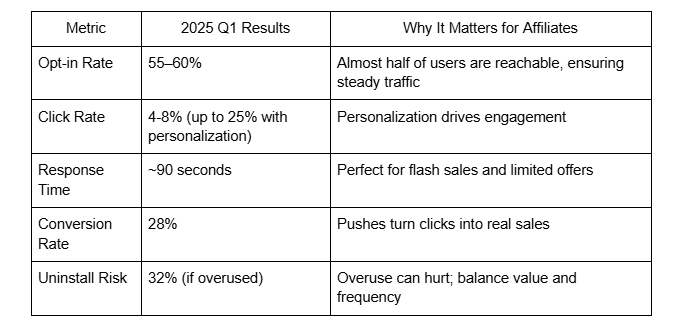
If used correctly, push notifications grab attention and their results can be measured. Recent Pushwoosh (2025) data shows just how effective they can be.

Common Mistakes Affiliates Should Avoid

    • Overloading Users: Don’t send too many notifications in a short time, as it can lead to uninstalls and push fatigue.
    • Generic Messages: Don’t push notifications without personalization or context, it may fail to engage and reduce CTR.
    • Ignoring Timing: Notifications sent at odd hours may be ignored or blocked. Understanding your audience’s active times is key.
    • No Clear Call-to-Action: Pushes without actionable buttons or links leave users confused or unmotivated to click.
    • Neglecting Mobile Optimization: Images, GIFs, and buttons must render well on various devices, or engagement drops.
    • Ignoring Analytics: Not tracking opt-ins, CTR, or conversions prevents optimization and better targeting.

Top Verticals for Affiliates to Use Push Notifications in 2025

Push notifications work for almost every niche, but the strategy changes depending on the product or service. Here’s a look at the top verticals with examples of how you can use them:

  1. E-commerce: The e-commerce market is growing fast and is expected to reach $5.89 trillion by 2029 (Statista). Affiliates can use push notifications to share flash sales, back-in-stock alerts, or special offers. For example, if someone looked at a pair of headphones yesterday, a push saying “Your headphones are back, 20% off today!” can get them to click and buy quickly.
  2. Travel: The travel industry is huge, worth $11.39 trillion in 2025 (Zion Market Research). Affiliates can send push notifications for cheap flights, hotel deals, or holiday packages. For example: “Flights to Goa are 15% off, book now!” This can make people click and buy fast.
  3. Fashion and Beauty: The beauty market is growing fast and may reach $580 billion by 2027 (McKinsey). Push notifications are great for new products or discounts. For example, a push saying “Your favorite lipstick is back, grab it now!” with a picture can get people to click and buy.
  4. Technology: The tech market, including apps and software, is set to reach $673 billion by 2027 (Statista). Affiliates can promote gadgets, software, VPNs, or SaaS products. A push like “Get 50% off on the new VPN for the first 3 months” can bring high commissions, sometimes up to $500 per sale.
  5. India COD (Cash-On-Delivery): India’s cash-on-delivery e-commerce market is growing fast. According to a 2025 report by IAMAI and Kantar, around 105 million Indian online shoppers prefer COD. Affiliates can use push notifications to remind users about ongoing discounts, items left in the cart, or limited stock. Since most COD shoppers use mobile devices, timely notifications help them take action quickly, boosting conversions.
  6. Utility Services: The global utility market is expected to grow at a 6% CAGR by 2029. Affiliates can send push alerts for bill payments, subscription renewals, or seasonal offers. A simple push like “Your electricity plan has a special discount this week, renew now!” can drive quick actions.

Let’s Wrap Up!

Push notifications remain one of the fastest ways to grab users’ attention. A quick message about a sale, new product, or limited-time offer can pop up on a phone or desktop and get users to click almost instantly. This works across many niches, e-commerce deals, travel discounts, beauty and fashion launches, tech products, COD reminders, or even utility alerts.

To make push notifications work, add images, personalized messages, or buttons to help users take action. You can also use push with email, SMS, or social media, which works even better. An affiliate network, such as vCommission helps affiliates run campaigns, track results, and promote offers across different niches.

With the right approach, even small notifications can earn commissions and help affiliates grow steadily. Sign up now to maximize your affiliate earnings with push notifications!

Categories
Affiliates

Festive Season Affiliate Strategy: How to Promote IGP & FNP with vCommission

As October gets closer, Diwali shopping is ready to begin. Soon, gift searches will spike, carts will fill up, and orders will start pouring in. Platforms like IGP and FNP will be buzzing with buyers, offering affiliates plenty of opportunities to earn from festive traffic.

With so many people shopping for gifts online, it’s no surprise that India’s gifting market is expected to reach USD 92.32 billion by 2030, growing at a CAGR of 3.55% (TechSci Research). Every click and every purchase is a chance for affiliates to earn commissions.

The key to earning well this festive season is simple: choose the right products, promote them at the right time, and reach the right audience. Here’s how affiliates can turn festive traffic into real income with IGP and FNP.

Why IGP and FNP Are Great for Affiliates During Festivals

When choosing brands to promote during the festive season, you want two things: products people actually buy, and campaigns that make it easy for you to earn. That’s exactly what IGP and FNP offer.

IGP Affiliate Program

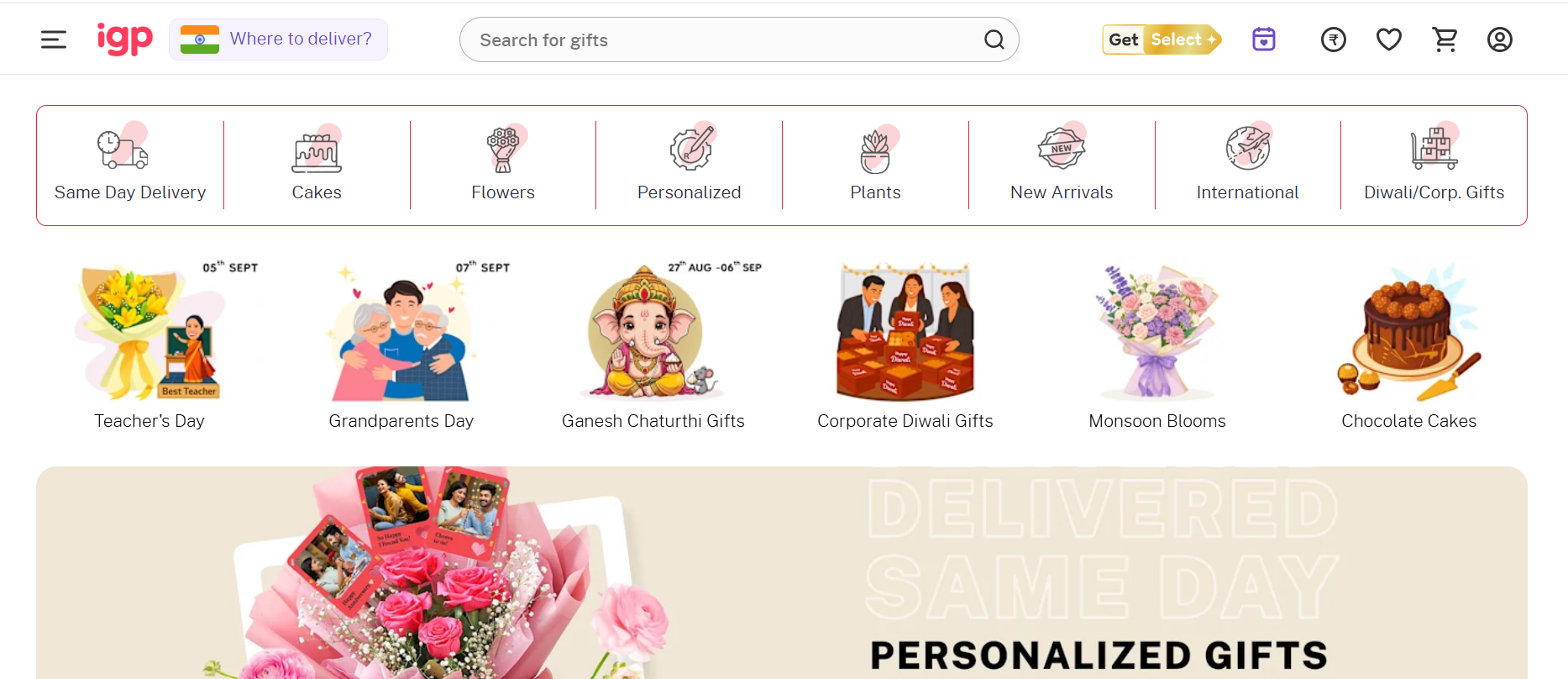
IGP is one of India’s largest online gifting platforms, with a huge variety of products. You’ll find personalized gifts, flowers, cakes, home & living items, fashion & lifestyle products, toys, jewellery, gourmet goodies, and plants, basically gifts for every occasion. From Valentine’s Day and birthdays to anniversaries, Rakhi, and New Year, IGP covers the entire festive calendar. IGP offers same-day delivery in over 400 cities across India. They also provide free shipping within India and to more than 90 countries worldwide.

As an affiliate, vCommission’s IGP affiliate program gives you:

    • Geo: PAN India
    • Tracking: Online, Real-time
    • Validation Period: 30 days.
    • Cookie Period: 30 days, meaning even if someone buys within a month of clicking your link, you earn.
    • Promo Methods: Content, Coupons, Cashback, Email, SMS, Telegram, Influencer campaigns, Pop-ups, Push notifications, Video, Media Buying (Native & Display).

FNP Affiliate Program

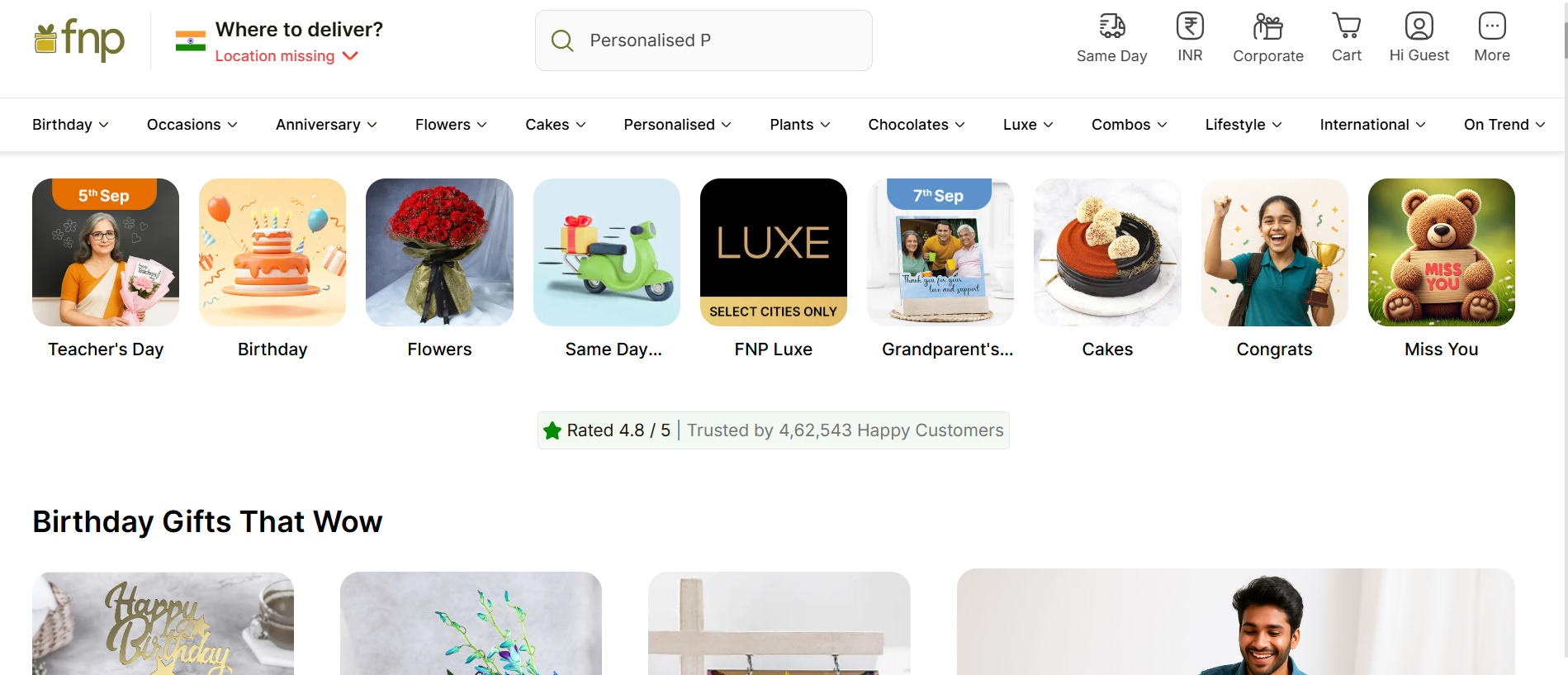
FNP (Fern N Petals) is India’s largest floral boutique franchise, delivering floral gifts for over 27 years. They offer flowers, cakes, plants, gift boxes, and more. Their campaigns run during all major festivals, just like IGP. They have grown to over 450+ stores across India, along with delivery services in 100+ countries. FNP also provides same-day and midnight delivery across 19,000+ pin codes in India, ensuring fast and reliable service.

As an affiliate, vCommission’s FNP affiliate program provides:

    • Geo: Worldwide
    • Validation Period: 20 days
    • Cookie Period: 24 hours, giving a short but focused window to earn.
    • Promo Methods: Content, Coupons, Cashback, Mobile App, Email, Telegram, Influencer campaigns, Sub-network, Incent, Media Buying (Native, Search, Social).

Promoting both IGP and FNP during festivals gives affiliates a wide range of products and opportunities to earn, with reliable tracking and flexible promo options provided through vCommission.

How to Promote IGP & FNP Affiliate Program with vCommission

Planning a campaign for the festive season doesn’t have to be complicated. If you follow these steps, you can make the most of IGP and FNP affiliate programs with vCommission.

1. Choose Your Products Wisely: Focus on items that sell well during festivals. For IGP, cakes, flowers, and gift hampers are top picks. For FNP, flowers, gift boxes, and personalized gifts are crowd favorites. Pick products that are seasonal and in high demand.

2. Time Your Promotions: Start sharing your affiliate links a little before the festival. People begin looking for gifts early, so this gives you more chances to earn. FNP’s cookie lasts 24 hours, so quick clicks matter. IGP’s cookie lasts 30 days, giving you more time to get commissions from your links.

3. Use Multiple Channels: Don’t stick to one platform. Share your links via your website, blog posts, social media, email newsletters, Telegram, SMS, or push notifications. Use banners, coupons, and deeplinks provided by vCommission to make promotions easier.

4. Create Engaging Content: There are many ways to promote IGP and FNP; don’t limit yourself to one. You can:

      • Write short gift guides, top-5 lists, or “last-minute gift ideas.”
    • Share posts, reels, or stories on social media with affiliate links.
    • Use email newsletters or Telegram/SMS messages to reach your audience.
    • Add banners, coupons, or pop-ups on your website or app.
    • Try push notifications, videos, or media buying campaigns for wider reach.

5. Use the Right Offers, Banners, & Copies: Festive campaigns perform better when they look festive and feel urgent. Here’s what typically works well for affiliates:

    • Offers: Flat discounts, limited-time deals, and free shipping attract the most clicks. Bundle offers (e.g., “buy 1 get 1 free” or “gift hampers at special prices”) also perform well during Diwali, Christmas, and New Year.
    • Banners: Bright, festival-themed visuals with strong CTAs (“Order Now,” “Deliver Happiness Today”) grab more attention. Seasonal colors like gold, red, and green for Christmas, or yellow and orange for Diwali, create instant relevance.
    • Ad Copies: Short, emotional, and urgency-driven lines work best. Phrases like “Same-Day Delivery for Your Loved Ones” or “Last Chance to Surprise with Christmas Gifts” encourage quick action.
    • Coupons: Exclusive coupon codes shared via email, Telegram, or SMS usually see high conversions during holidays.

6. Monitor and Adjust: Check your campaign performance with vCommission’s tracking tools. If some products aren’t selling, focus on the ones that are doing well. Make small changes to your campaign to earn more.

7. Plan for Repeats: Festivals aren’t a one-day event. Diwali, Christmas, New Year, and other occasions happen close together. You can save effort by planning campaigns that can work across multiple festivals.

    • Use what works: If a gift guide or social post did well for Diwali, tweak it slightly for Christmas or New Year instead of starting from scratch.
    • Swap visuals and messages: Change banners, coupons, or push notifications to match the new festival theme. 
    • Keep track of timing: Start promotions a few weeks before each festival so you catch early buyers. For FNP, remember the 24-hour cookie means timely promotion matters. For IGP, the 30-day cookie gives more flexibility.
    • Learn from previous results: Check your vCommission dashboard to see which products and channels brought the most clicks and sales. Focus on those in your next campaign.

Doing so, you reduce work, stay consistent, and maximize earnings throughout the festive season.

Maximize Your Festive Earnings with IGP & FNP

With IGP and FNP campaigns lined up for the festive season, you have a strong chance to earn commissions by promoting them through your own channels. vCommission gives you everything you need inside the affiliate dashboard, links, tracking, and performance reports, so you can see which clicks and sales are turning into revenue.

You don’t need to worry about complicated setups. Just share the affiliate links on your website, blog, social media, email, Telegram, or messaging apps. vCommission ensures every sale you generate is accurately tracked and recorded, so you get the commission you earned. So, start earning with IGP and FNP today!

Categories
Affiliates

Where to Share Affiliate Links: 6 Best Platforms for Creators in 2025

If you’re into affiliate marketing, one of the first questions that comes up is: “Where should I share my links so people actually click and buy?” Having the right links is just the starting point; what really matters is putting them in places where your audience is active and paying attention.

Just think about it- you could be promoting the best product out there, but if the link is hidden somewhere nobody visits, it won’t bring you any results. On the other hand, the same link shared in the right space can keep bringing in clicks and conversions. 

And in 2025, affiliates aren’t short of options. There are plenty of ways to reach buyers, like social media, blogs, email, and more. The challenge is knowing which platforms work best for your content and audience.

So, where should affiliates really drop their links in 2025? Let’s explore the 6 best spots that actually get clicks.

1. Social Media Platforms
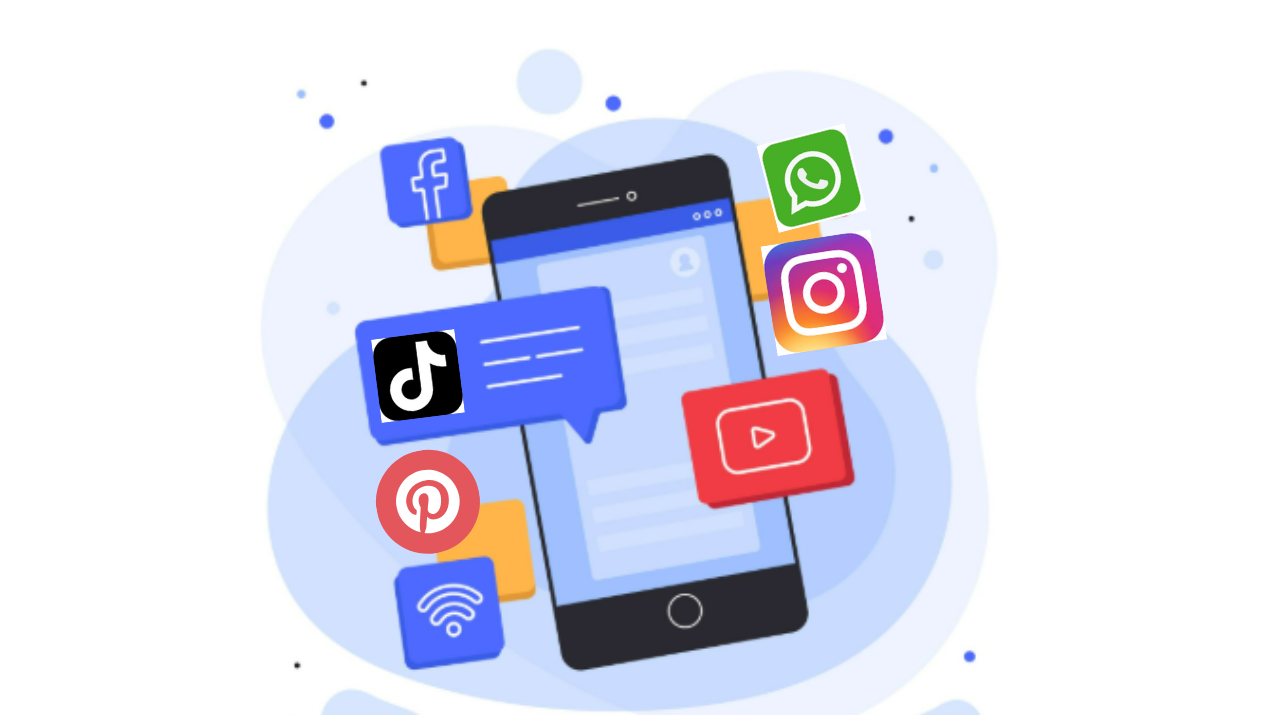
Social media is the most common place affiliates think of when sharing links, and for good reason. 97% of Gen Z shoppers use social media platforms as their main source of product inspiration (Forbes, 2025), which makes them the best place to get attention. But each platform works differently, so it’s important to use the right approach.

a) Meta Apps

Meta’s apps (Facebook, Instagram, and WhatsApp) are used by 3.43 billion people every day (Statista, March 2025), giving affiliates access to a massive audience.

Facebook may feel old compared to TikTok, but it remains the largest platform with 3.065 billion monthly active users as of Q1 2025 (Outfy, 2025), making it ideal for niche groups, communities, and targeted recommendations. Instagram, with over 2 billion monthly active users (Zebracat, 2025), is perfect for lifestyle, beauty, fashion, and travel products thanks to its visuals, reels, and stories.

By combining organic sharing on these platforms with Meta Ads, affiliates can target users by location, interests, and behavior. This ensures your links reach the right people at the right time, maximizing clicks and conversions.

b) TikTok

TikTok is growing fast, with almost 1 billion users worldwide (Zebracat, 2025). Unlike Instagram, TikTok is all about short, creative videos. People don’t come here just to scroll; they come to be entertained.

That’s the reason why affiliates who make short tutorials, quick product demos, or fun challenges often see strong results. The trick is not to make it look like a boring ad. Instead, show the product in action in a way that feels real. TikTok’s algorithm pushes good content to a huge audience, even if you don’t have many followers, so it’s a big opportunity.

c) YouTube

For many affiliates, YouTube is a goldmine. In fact, 62% of affiliate marketers say they earn their highest commissions from YouTube content, especially reviews and tutorials (Zebracat, 2025).

The reason is simple: people use YouTube to research before buying. If someone searches for “best skincare for oily skin” or “top budget headphones,” they are already close to making a decision. That’s why long-form reviews, comparisons, and how-to videos work so well. Adding affiliate links in the video description is an easy way to capture those buyers.

d) Pinterest

Pinterest is different from other platforms. It’s not just for browsing, it’s for planning. And it works: 85% of weekly Pinterest users have made a purchase based on a pin (Publift, 2025).

This makes it a great platform for affiliates in home decor, fashion, food, and lifestyle niches. People come here looking for ideas, so if your pins inspire them and link directly to helpful products, they’re likely to save, click, and buy.

2. Blogs and Websites
When people want to buy a new skincare product, a supplement, or even check reviews of the latest fashion trend, they often start with a Google search. This is where blogs and websites play a huge role in affiliate marketing.

Blogs allow affiliates to create detailed guides, comparisons, and product reviews that answer real questions buyers have. Unlike social media posts that disappear quickly, a well-written blog can keep bringing readers for months through search engines.

Many affiliates focus on niches like beauty, skincare, nutrition, and eCommerce products because these are areas where people actively look for advice before making a purchase. For example, a blog post comparing different vitamin supplements or explaining the best routine for acne-prone skin can drive steady traffic and conversions.

And the earnings are strong too. According to InBound Blogging (2025), 35% of bloggers make more than $20,000 a year from affiliate marketing. The key is to provide helpful content that solves buyer problems while naturally linking to products.

Over time, blogs and niche websites can become reliable sources of information that buyers trust, which makes them one of the most consistent platforms for affiliates.

3. Coupon & Cashback 
Everyone loves a good deal. Imagine scrolling online for a product and finding it with a discount or cashback; it’s hard to resist. That’s why coupon and cashback sites are a goldmine for affiliates. People visiting these platforms aren’t just browsing; they’re ready to buy if the deal is right.

The market has grown rapidly and is expected to be almost $6.7 billion by 2025, growing at a CAGR of 8.7% from 2020 to 2025 (Lasso, 2025). Even better, 72% of cashback users return to the same platform for future purchases (MailModo, 2025), which means the audience keeps coming back.

Just imagine a shopper looking for a discount on a popular skincare product. They find your affiliate link on a cashback site, claim the offer, and complete the purchase. Later, when they check the platform again for another deal, they might click your links once more.

For affiliates, this creates a steady stream of high-intent buyers. With clear, visible links and the right offer, coupon, and cashback sites can turn casual visitors into repeated conversions over time.

4. Influencer & Content Collaborations
People trust recommendations from creators they follow. That’s why working with influencers or content creators can be very effective for affiliates.

In fact, creator-driven affiliate revenue surged 71% year-over-year, and the industry is expected to reach $12 billion in affiliate earnings from influencer collaborations alone (Accio, 2025). This shows how powerful authentic recommendations have become.

Imagine a content creator making a short video showing how a product works or writing a detailed review. Their audience trusts them, so an affiliate link included naturally feels helpful instead of pushy.

These collaborations also help your content reach a wider audience. One post from the right creator can expose your link to hundreds or thousands of engaged viewers who might never have found it otherwise.

The key is authenticity. When content educates, entertains, or solves a problem, it resonates better, and people are more likely to click the link. Done right, influencer collaborations can drive clicks, conversions, and long-term awareness.

5. Media Buying (Display & Native Ads)

Media buying lets affiliates pay to show their links where the right people can see them. This gives more control than just posting on social media or blogs.

There are a few popular ways to do it:

a) Search Ads

Search ads appear when people are actively looking for products or services. For example, someone typing “best skincare for oily skin” on Google is already interested in buying. This makes search ads highly effective for affiliate links. The scale is massive, search ad spending is projected to reach $351.55 billion in 2025 (Statista). By placing links alongside relevant searches, affiliates can reach buyers exactly when they’re ready to make a decision.

b) Native Ads

Native ads blend with the website’s content, like an article titled “Top 5 Budget Smartphones in 2025” can include affiliate links naturally. People are more likely to click these because they look helpful rather than intrusive. In fact, native ads have click-through rates 8.8 times higher than banner ads (WorldMetrics, 2025), making them a top performer for affiliate marketing.

c) Display Ads

Display ads are visual or interactive ads, including banners, pop-ups, in-text ads, and short videos. They can appear across websites, apps, or videos, helping affiliates reach a large audience quickly. A growing trend is programmatic advertising, which automates ad placement based on audience behavior. It’s expected to make up 90% of global digital display ad spend by 2026 (WeCanTrack, 2025). Display ads work best when paired with clear visuals and strong calls-to-action.

6. Messaging & Community Platforms
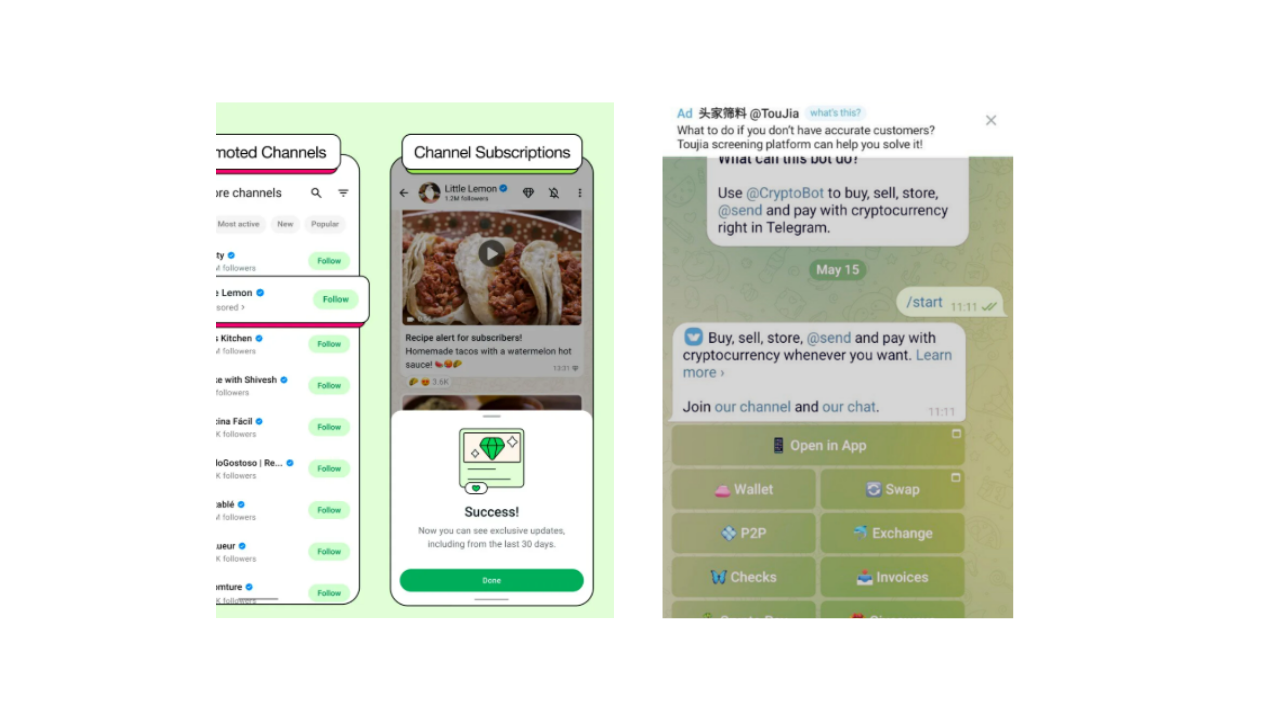
Messaging apps are not just for chatting anymore. They’ve become places where people share tips, deals, and product recommendations. For affiliates, Telegram and WhatsApp are great for reaching audiences who are already interested.

Telegram has over 700 million monthly active users worldwide, making it the 10th most popular social platform (Affiliate Booster, 2025). Many groups focus on specific topics like skincare, fitness, or lifestyle. Sharing your affiliate link in these groups feels natural because it’s part of a conversation. For example, a skincare group might discuss the best serums, and your link to a recommended product fits right in.

WhatsApp is even bigger, with over 2.93 billion users globally, making it the most-used messaging app (SQ Magazine, 2025). Small interest-based groups here are perfect for sharing tips, product links, or deals with people who already trust the recommendations.

The best part is engagement. People in these groups check updates often and value advice from peers. By joining conversations naturally and sharing helpful links, affiliates can get clicks, sales, and even repeat visits from the same audience.

Let’s Wrap Up!

At the end of the day, as much as picking the right brand matters in affiliate success, so does choosing the right place to showcase it, such as blogs, social media, or communities. To achieve real growth, you can try different approaches and learn what works.

With trusted brand partnerships, transparent tracking, flexible payout options, and access to high-performing campaigns across niches, vCommission helps affiliates focus on growth instead of guesswork. Share your links where they matter, and with vCommission, every click has the potential to become lasting revenue. Sign up now to get started!


Categories
Affiliates

How to Boost COD Campaign Conversions with Pop-Under Traffic in India

Most online ads scream for attention, popping up right in your face. Pop-under ads take a different approach, they stay quietly in the background while you browse and only appear at the perfect moment. No interruptions, no annoyance, just a subtle nudge that gets noticed.

This approach works especially well in India, where shopping habits are unique. Even with UPI and digital wallets gaining popularity, around 60% of all consumer spending still happens in cash (Reserve Bank of India). For affiliates, this creates a clear opportunity, but also a challenge. How do you get the attention of these COD-first customers and turn them into confirmed conversions? The answer is using Pop-under traffic.

In this blog, we’ll discuss how pop-under traffic can help affiliates boost COD conversions in India, why this ad format works so well, and the strategies you can use to get maximum ROI.

Why COD Campaigns Need Special Attention in India

Cash on Delivery (COD) is one of the most preferred payment methods in India, but it comes with unique challenges that affiliates must understand to run successful campaigns. COD campaigns require careful planning because not all clicks lead to confirmed purchases.

  1. Cart Abandonment: Many shoppers leave items in their carts because they don’t fully trust the website, aren’t sure about delivery times, or change their minds. On mobile, cart abandonment in India can reach 85% (ClickPost), which is a big challenge for COD campaigns.
  2. Low Buyer Intent: COD often attracts casual shoppers rather than serious buyers. Over 60% of Gen Z shoppers in India buy on impulse, especially for fashion and gadgets (Market Xcel), which can lower conversion rates.
  3. Fraud Risk: COD orders can include fake requests or wrong contact details, which cause failed deliveries and lost money. With India expected to lose ₹20,000 crore to cybercrime in 2025 (CloudSEK), it is important to check orders carefully.
  4. Logistics & Delivery Issues: Poor roads and wrong addresses often cause delivery failures. Last-mile delivery alone costs more than 50% of total shipping (Filuet), making smooth delivery very important.
  5. Higher Operational Costs: Handling cash requires extra work with delivery partners, which increases costs. Nearly 47% of Indian companies report rising expenses (ABP Business News), adding pressure on COD campaigns.

How Pop-Under Traffic Helps Increase COD Conversions

After seeing the challenges of COD campaigns in India, it’s clear that affiliates need to have a traffic strategy that subtly reaches potential buyers. Pop-under ads do exactly that. 
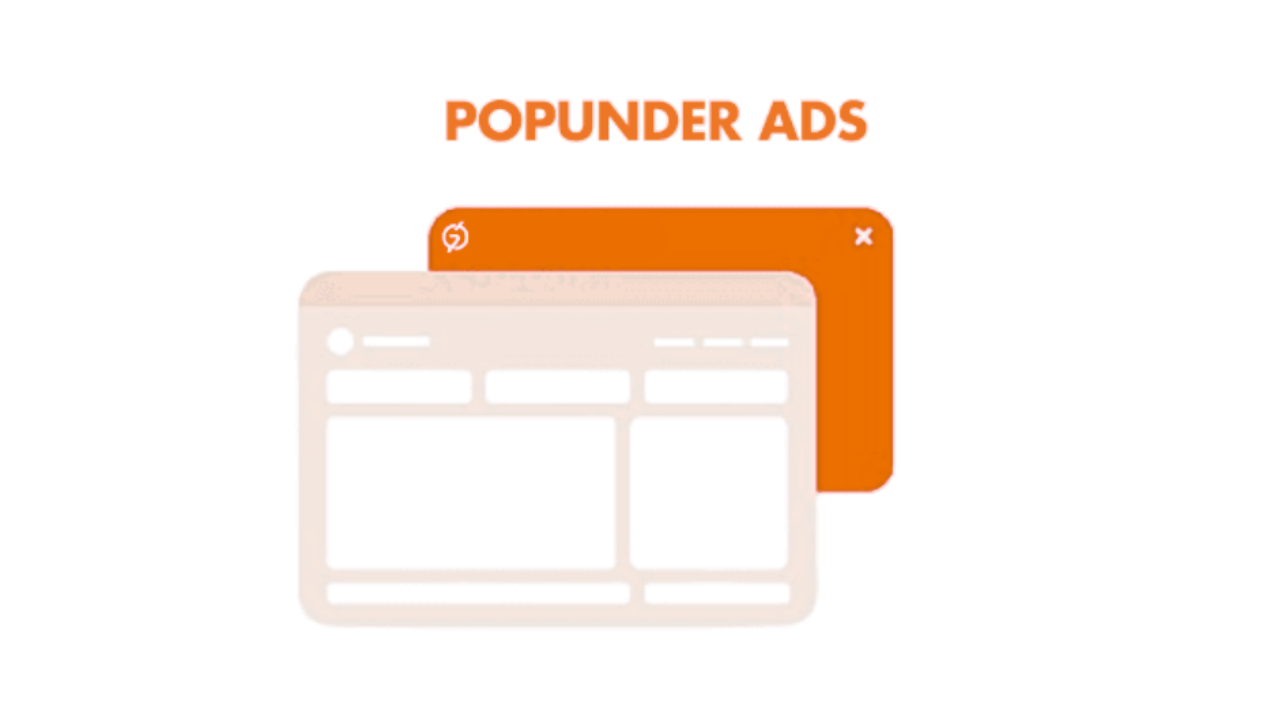
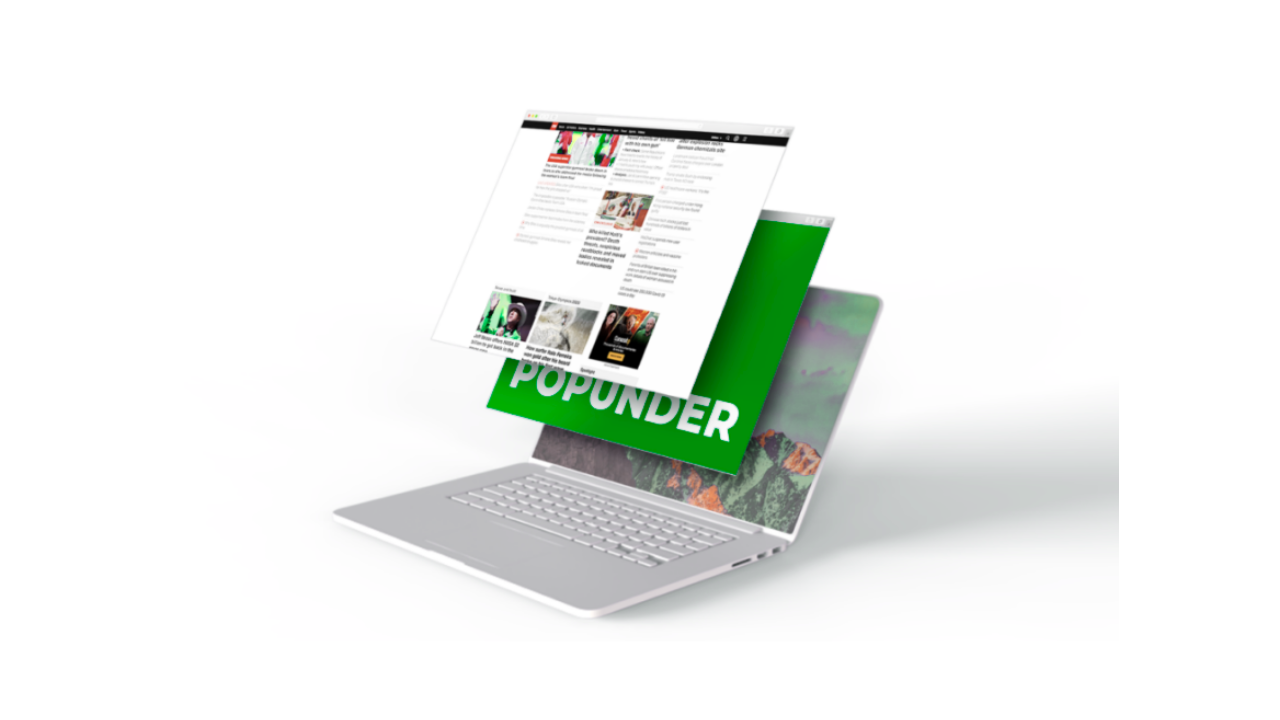
These ads are open in a new browser window or tab behind the main page, so users notice them only after finishing their primary activity. They don’t interrupt the user’s browsing experience like pop-ups, which makes users more receptive to your message.

Why pop-under traffic works for COD campaigns:

  1. Subtle Visibility: Ads appear at the right moment without annoying the user.
  2. Cost-Efficient: Typically lower cost per click than display or native ads.
  3. Targeted Reach: Most pop-under networks allow targeting by location, device, or user behavior.

By combining timing, targeting, and subtle messaging, pop-under ads can guide COD-first buyers toward completing a purchase, turning hesitant clicks into confirmed conversions.

Step-by-Step Guide to Boost COD Conversions with Pop-Under Traffic

Now that you know why pop-unders work, here’s a strategic way to get the most out of them. Let’s understand it step by step:

Step 1: Understand Your Audience: Not everyone who will see your ad, will buy. Focus on those who are genuinely interested in the type of products you are willing to promote. For example, if you’re promoting fashion or beauty items, target users who have browsed similar products. Also, think about location, people in smaller cities may prefer COD more than those in big cities.

Step 2: Make Your Message Clear and Trustworthy: Pop-under ads don’t interrupt, so your message must be simple. Highlight COD benefits like “Pay Only When You Receive It,” fast delivery, and easy returns. Your landing page should be easy to use on mobile and quick to complete, with no extra steps that might confuse the buyer.

Step 3: Show Ads at the Right Time: Pop-unders work best when they appear after users finish browsing their main page. Don’t show too many ads too often, or users might ignore them. Well-timed ads get noticed and clicked.

Step 4: Test Different Ads and Offers: Try different ad designs, headlines, and offers. Mention discounts, popular products, or COD benefits to see what works best. Small changes can make a big difference in getting users to place an order.

Step 5: Keep an Eye on Performance: Track clicks, conversions, and completed COD orders. See which ads, networks, and audience segments perform best. Focus on what works and stop what doesn’t. This helps save money and get better results.

Step 6: Build Trust on the Landing Page: People who buy on COD are cautious. Show reviews, delivery guarantees, and secure cash handling to make them feel safe. A trustworthy landing page helps turn interest into a confirmed purchase.

Common Mistakes Affiliates Should Avoid:

  1. Avoid Broad Targeting: While over 105 million Indians use COD, only about 12% of internet users started their e-commerce journey with COD and avoided other payment methods (IAMAI). This shows that broad targeting wastes budget on users who may never convert through COD.
  2. Ensure Mobile Optimization: Mobile is where most shopping happens in India. More than 80% of internet users access the web via smartphones, and 77% of e-commerce transactions take place on mobile devices (Wright Research). Landing pages that aren’t optimized for mobile can significantly reduce conversions, especially in Tier 2 and Tier 3 cities, where smartphones are the primary access point.
  3. Build Trust to Reduce Bounce Rates: Trust is critical for people buying on COD. E-commerce sites in India see an average bounce rate of 41%, which can rise above 60% on poorly optimized or untrustworthy pages (Cpluz). Suspicious creatives or unclear product information can make cautious COD users leave instantly.

Tips to Boost COD Conversions Along with Pop-Under Campaigns

Once your pop-under campaigns are running, you can boost COD orders further using these strategies:

  1. Multi-Channel Retargeting: Don’t stop at one touch. Reach users who didn’t convert with follow-up ads on social media, display networks, or native platforms. Gentle reminders through emails, push notifications, or SMS can help keep your COD offer in front of potential buyers.
  2. Time-Sensitive Promotions: Encourage users to act quickly by offering limited-time discounts, seasonal deals, or free shipping specifically for COD orders. A sense of urgency can help hesitant buyers make the purchase.
  3. Incentives for First-Time COD Buyers: Promote campaigns that offer cashback or first-time COD incentives, as provided by the advertiser. These little nudges often make the difference between abandoning the cart and completing the order.
  4. Geo-Targeting and Segmentation: Not every region behaves the same. Focus on cities or towns where COD is preferred, and adjust your messaging for urban versus semi-urban audiences to make it more relevant.
  5. Cart Recovery Techniques: If users leave items behind, use abandoned cart emails or retargeting ads highlighting COD convenience and ongoing offers. Reminders can bring them back to complete the purchase.
  6. Social Proof: People who prefer COD often hesitate due to trust issues. Display product reviews, ratings, testimonials, or trusted seller badges to make them feel confident about their order.
  7. A/B Testing Retargeting Creatives: Keep experimenting with ad copy, visuals, and CTAs in your retargeting campaigns. Continuous testing helps identify what works best and can improve conversions over time.

By combining these tactics with your pop-under campaigns, affiliates can convert hesitant visitors into COD buyers and boost overall campaign performance without appearing pushy.

Boost Your COD Conversions the Right Way!

Cash on Delivery campaigns in India can be tricky. Shoppers may hesitate, carts get abandoned, and delivery problems can happen. Using pop-under ads, clear messaging, mobile-friendly landing pages, and smart retargeting can help turn interested users into buyers without annoying them.

vCommission helps affiliates do this smoothly. Our tracking platform offering real-time dashboards make sure every approved sale is recorded correctly, so you are properly credited for every sale you generate. You can focus on promoting campaigns through web, mobile, or content, knowing vCommission platform keeps everything accurate and fair. 

Sign up now to boost your COD conversions using Pop-under traffic, gain trust from buyers, and grow your earnings confidently!

Categories
Advertiser

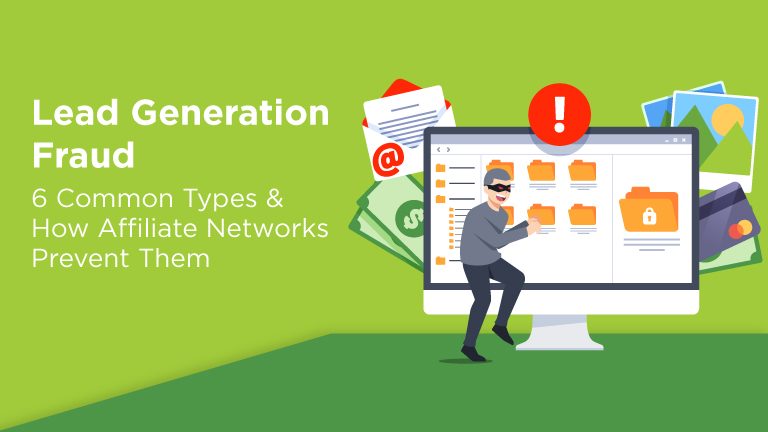
Lead Generation Fraud Explained: 6 Common Types & How Affiliate Networks Prevent Them

Brands love the sight of leads rolling in; it feels like proof that campaigns are working. But what if many of those leads are nothing more than smoke and mirrors? Fake sign-ups, stolen data, and empty clicks can make reports look healthy while silently draining your budget.

And this isn’t just a rare case. Almost 30% of brands have reported fraudulent activities like cookie stuffing and chargebacks (WeCanTrack, 2025). That means nearly one in three advertisers has faced the hidden cost of bad leads.

With affiliates playing a crucial role in customer acquisition, affiliate networks need to be aware of how fraud happens, why it’s so damaging, and how to keep campaigns safe.

Let’s discuss 6 common types of lead generation fraud and how affiliate networks prevent them!

What is Lead Generation Fraud?

Lead generation fraud is when leads appear real but hold no value in practice. They can come from bots filling out forms, recycled or stolen data, or people who never had any real interest in your product. To an advertiser, metrics like sign-ups, clicks, or downloads may look good at first, but none of them turn into actual customers.

The problem isn’t just wasted ad money. Fake leads make your sales team spend time following up on people who will never convert, clutter your CRM, and make your campaign results look better than they really are. There’s also a legal risk many brands forget. If these leads include stolen emails or phone numbers, contacting them without permission could lead to TCPA fines of up to $100,000 (LeadsHook, 2025).

In short, Lead generation fraud makes advertisers pay for results that don’t drive real business growth, and in some cases, exposes them to serious legal and financial risks.

Type 1: Bot Traffic & Fake Form Fills

Bot traffic and fake form fills happen when automated programs or scripts submit forms instead of real users. This creates the illusion that your campaign is generating leads, even though no actual customers are behind those submissions.

In 2025, 38% of form submissions in performance marketing funnels were found to be invalid or bot-generated (ClearTrust). That’s almost 4 in 10 leads that will never convert, clogging your CRM, wasting your sales team’s time, and giving a false picture of your campaign’s performance.

Type 2: Cookie Stuffing

Cookie stuffing is a sneaky trick where affiliates place tracking cookies on a user’s browser without their knowledge. This means the affiliate gets credit for a sale or lead, even if they didn’t actually bring the customer to the advertiser’s site.

Cookie stuffing distorts attribution, increases acquisition costs, and, according to TrackAd, accounts for up to 60% of affiliate fraud cases.

Type 3: Lead Recycling & Data Reselling

Lead recycling and data reselling happen when the same leads are used more than once or sold to multiple advertisers. For example, an affiliate might submit the same contact to different campaigns or sell a list of emails to other companies.

This is a big problem for advertisers. Recycled or resold leads can make your numbers look bigger than they really are, waste your marketing budget, and make it hard to know which leads are actually real. In fact, Search Engine Land’s 2025 report says that over 22% of global digital ad spend was lost to affiliate fraud, including lead recycling and data reselling, adding up to $84 billion in losses worldwide.

Type 4: Click Fraud & Incentivized Traffic

Click fraud happens when someone repeatedly clicks on ads or lead links without real interest, just to generate commissions or inflate campaign numbers. Incentivized traffic is a similar tactic, where users are paid or rewarded to complete a form or click a link, regardless of whether they are genuinely interested in the product.

The impact is huge. According to Statista, click fraud costs brands $35 billion annually, wasting ad budgets and lowering ROI. It also makes it hard to know which affiliates are actually driving real results.

Type 5: Affiliate Misrepresentation & Brand Hijacking

Affiliate misrepresentation happens when affiliates give wrong information about a product or offer, like saying a discount exists when it doesn’t, or exaggerating features. Brand hijacking is more serious, it’s when affiliates use a brand’s name or logo without permission to promote their own offers or products.

Both can hurt advertisers. They confuse customers, waste ad money, and can even lead people to buy fake products. In fact, MarqVision’s 2025 Brand Protection Report found that 31.8% of shoppers bought a counterfeit product they first saw on social media, often because the brand was hijacked.

Type 6: Chargebacks & Payment Fraud

Chargebacks and payment fraud happen when a customer makes a purchase or submits a lead, but later cancels the payment, disputes the charge, or uses stolen payment details. This can make it look like a sale or lead happened, even though the advertiser never got paid.

The loss can be significant. According to Chargeflow, e-commerce businesses can lose up to 1.8% of their yearly revenue to fraud-related chargebacks. It also creates extra work for finance teams and makes it harder to know which affiliates are really delivering results.

How Affiliate Networks Prevent Lead Generation Fraud

Affiliate networks play a big role in keeping campaigns safe. They make sure advertisers only pay for real leads and sales. Here’s how they do it:

  1. Monitoring Traffic Closely: Networks watch how leads come in. They look for unusual patterns, like too many submissions from the same IP, or forms filled out too quickly. Anything that looks off is flagged for review.
  2. Checking for Duplicate or Fake Leads: They verify emails, phone numbers, and IP addresses to catch repeated or fake leads. Only unique, real leads are approved, so advertisers don’t waste money on fake contacts.
  3. Securing Tracking: Instead of relying only on cookies, networks use server-to-server (S2S) tracking and postback validations. This means the lead or sale information comes directly from the advertiser’s server, making it harder for fraudsters to manipulate data.
  4. Reviewing Affiliate Activity: Networks audit affiliates regularly. If someone is sending suspicious traffic, using fake promotions, or trying to game the system, they are warned or removed. This keeps the ecosystem clean and trustworthy.
  5. Protecting Brands and Offers: Networks check that affiliates follow brand rules. Misleading messages, fake discounts, or brand hijacking are stopped quickly. This protects both advertisers and customers.
  6. Payment and Conversion Checks: They track payments and conversions carefully. Any lead or sale that is reversed, canceled, or shows signs of fraud is removed. This ensures advertisers pay only for real results.

vCommission’s Approach to Fraud-Free Campaigns!

Affiliate campaigns perform best when everyone gets real results, affiliates earn fairly, and advertisers pay only for genuine leads or sales. That’s why protecting campaigns from fraud is so important.

At vCommission, campaigns are closely monitored from start to finish. Every lead and sale is tracked carefully to make sure it’s real. Suspicious activity, duplicate submissions, or unusual traffic patterns are flagged immediately. Advanced tracking methods, like server-to-server validations, ensure conversions come directly from the advertiser’s site, making it almost impossible for fraudsters to manipulate results.

Protecting brands is a key focus. Affiliates must follow clear promotion rules, so no misleading messages, fake offers, or unauthorized use of brand assets reach users. This keeps the brand’s reputation safe and maintains trust.

Payments and conversions are carefully checked. Advertisers pay only for real results, and affiliates get credit for genuine performance. With careful monitoring, advanced tracking, and strict brand rules, vCommission makes sure affiliates and advertisers can grow together without worrying about lead generation fraud. Sign up now to keep your campaign safe.

Categories
Advertiser

Affiliate Pixel Tracking: Everything You Need to Know

Affiliate campaigns work best when you can measure exactly what’s happening. If you’re looking for sign-ups, purchases, or app installs, you need to know when a user completes that action and the conversion generated to your campaign. Pixel tracking helps you do exactly that. 

A tracking pixel is a piece of code, in the advertising world, macro/token placed on your website’s final landing page (like a thank-you or confirmation page). When a user completes the action, the pixel quietly sends the data back to the affiliate platform. From there, the conversion is matched with the original click, and the results appear in your advertiser panel, giving you real-time visibility into which campaigns are driving results.

In this blog, we will discuss how tracking works, how to implement it based on your campaign type, and what best practices to follow.

How Affiliate Pixel Tracking Works

Pixel tracking helps confirm when a user completes a specific action on your site. The action could be making a purchase or submitting a form. Let’s say you’re running campaigns with vCommission; the affiliate tracking pixels make sure every conversion is linked back to the right affiliate effort. Affiliate pixel tracking works in a few simple steps:

First, Someone Clicks on Your Campaign Link

Affiliates promote your campaign by placing a tracking link, provided by the affiliate network, on platforms like their website, Telegram channel, blog, or social media. When a user clicks this link, they are redirected to your landing page or website.

At this point, the tracking system activates. It appends multiple macros to the URL to capture essential user data, such as click ID, source, sub-source, device type, transaction ID, and more, depending on what needs to be tracked for that campaign.

Second, They Complete an Action

If that user makes a purchase, fills out a lead form, or takes any other goal-based action, they land on a confirmation page (like a “Thank You” or “Order Placed” page).

Then, The Pixel Fires

The tracking pixel placed on that page quietly activates. It sends the click ID, Order Value (for purchase-based campaigns), Lead ID (for form or signup campaigns), conversion timestamp, Transaction ID, and more info to the vCommission tracking system.

Traffic Source Information (subIDs/macros)and other info, like the order value or lead ID, back to vCommission’s system.

In the end, The Conversion Is Recorded

Using the click ID, along with other macros like subIDs, source tags, transaction ID, and device information, the conversion is matched with the campaign that brought the user in. You see the result in your advertiser panel: when the action happened, how much it was worth, and what kind of traffic drove it.

Pixel tracking works without disrupting the user experience and ensures every action is counted accurately, so you get full visibility in your dashboard.

Types of Tracking Pixels and When to Use Them

Once you understand that pixel tracking is essential for accurate conversion attribution in affiliate marketing, the next question is: how do you actually implement it?

The answer depends on your campaign type and tracking needs. Different campaign goals, whether lead generation or product sales, require different tracking methods. And depending on your tech stack and user journey, one type of pixel may work better than another. Here are the three main types of affiliate tracking pixels: 

  1. Image Pixel: This is the most basic form, a 1×1 pixel image embedded on your confirmation page. When the page loads, it fires a request to the affiliate platform and logs the conversion. It is easy to install and doesn’t require scripts or advanced configurations.
  2. Iframe Pixel: An HTML <iframe> tag that loads the tracking URL in a small, invisible frame. It behaves similarly to an image pixel but adds slightly better compatibility for some CMS and browser environments. It is a sandboxed setup that works across platforms and blocks less often by browser extensions.
  3. Server-to-Server (S2S) Postback: This is a more secure and scalable method. Instead of relying on a browser to fire the pixel, your backend server directly notifies the affiliate platform when a conversion occurs, passing along transaction data with high accuracy. It is Immune to ad blockers, allows backend validation, and is ideal for mobile, delayed actions, or sensitive data.

Now that we’ve covered the types of tracking pixels, let’s look at how to apply them based on your campaign type. 

1. Implementation Methods for CPL Tracking

CPL campaigns are designed to capture leads, like newsletter sign-ups or form submissions. Since these actions usually happen on a “Thank You” page, this is where your pixel should go.

Implementing an Image Pixel. 

This code can be added directly to your thank-you page:

Replace {Leadid} with your actual lead identifier.

Implementing an Iframe Pixel

If you need broader compatibility or want to avoid conflicts with page elements, use this version:

Key Parameter (sub1): This should pass a unique lead ID or internal reference to help track the conversion later.

2. Implementation Methods for CPS Tracking

For eCommerce or checkout-based campaigns, tracking the actual sale value is important. You’ll need to pass additional transactional data, such as the order ID and cart amount.

Image Pixel for Sales

Iframe Pixel for Sales

Key Parameters

  1. txn_id: Unique transaction or order reference
  2. sale_amount: Total value of the purchase
  3. sub1 to sub3: Optional placeholders for internal reporting, like category or geography

Using Server-to-Server (S2S) Postback for Secure Tracking

If you’re tracking in-app purchases or need high-accuracy tracking, consider using an S2S postback. This setup involves storing a unique click_id when the user clicks the affiliate link, and firing a postback URL from your server once the transaction is confirmed.

Example of a Postback URL:

Key Parameters

  1. click_id – The most important value, generated when someone clicks the affiliate link. It helps match the conversion to the right affiliate.
  2. security_token – Provided by vCommission to validate your postback.
  3. txn_id – Your internal order or transaction ID.
  4. sale_amount – The final transaction amount (no currency symbols).
  5. event_type – Use this to define the event: purchase, signup, install, etc.
  6. currency –INR by default; set it if you’re using another.
  7. status – Mark the conversion as approved, pending, or rejected.
  8. sub1–sub5 –Values passed by affiliates in the click link. Useful for tracking source, device, etc.
  9. ud1–ud5 –For your internal tracking (e.g., user ID, session ID).
  10. coupon – If the conversion used a coupon code.
  11. custom_info – For any extra data (non-sensitive).

Setting Up Tracking with vCommission

Getting tracking started with vCommission is simple. You don’t need to figure it out alone; our team works with you to make sure everything is set up correctly. Here’s what the process looks like:

1. Tell Us About Your Conversion Flow

We begin by understanding how your campaign works. What action counts as a conversion? Is it a lead form, a sale, or an app install? Where does that action happen on your website?

You’ll just need to share the final page where the user lands after converting (like a thank-you or order confirmation page), a few sample lead or order IDs, and what information do you want to track (like order value, lead ID, payment status, etc).

2. We Provide the Right Tracking Format

Once we understand your setup, we give you the correct pixel or tracking link. This could be a CPL or CPS pixel (for leads or sales), or an S2S postback link (for server-to-server tracking). We also help align the right macros so your data matches correctly on both sides.

3. Place the Pixel and Test It

Your team is responsible for placing the pixel on your website, but vCommission provides the exact macros and supports you throughout the setup and testing process. Then, we run a few test conversions with you to make sure the pixel is firing at the right place, the right data is being captured, and there are no duplicate or missing conversions. Once it’s all working properly, your campaign is ready to go live.

Accurate Tracking Starts with the Right Setup!

Pixel tracking helps you know which clicks lead to real results, like signups, sales, or installs. Choosing the right method, like image, iframe, or server-to-server postback, depends on your campaign type and setup.

vCommission makes the entire process easier. Our team understands your conversion flow, shares the correct pixel or tracking link, and helps test everything before the campaign goes live. We also make sure the right data appears in your panel, with no missed or duplicate conversions.

Clear tracking means better decisions, better payouts, and better growth. With the right setup in place, you’re ready to run smarter, more successful campaigns through vCommission. Connect with the vCommission team today and get started.

Categories
Affiliate Marketing

Top 50 Affiliate Marketing Terms You Should Know in 2025

Getting started in affiliate marketing can feel like learning a new language. You’ll come across terms like EPC, eCPA, CPS, and CPL, and if you’re new, whether as an influencer, a D2C brand owner, or just exploring, it can be overwhelming.

As the industry grows, there are more terms, platforms, and rules to understand. According to Publift’s 2025 report, affiliate marketing is projected to surpass $31 billion globally by 2031. That means more platforms, more data, and more conversations are filled with short forms and jargon that everyone assumes you already know.

This blog simplifies that for you. We have listed 50 important terms you’ll keep hearing in campaigns, dashboards, and calls. Let’s get started.

Affiliate Marketing Basic Terms

If you’re in affiliate marketing, there are a few key terms you need to understand first. These basics explain how affiliate marketing works, who the main participants are, and how everything connects.

  1. Affiliate Marketing: Affiliate Marketing is a performance-based marketing where an affiliate promote products or services using a unique tracking link. When someone clicks the link and makes a purchase or completes a desired action, affiliate earn a commission as a reward for driving that sale or lead. To know more about affiliate marketing, read it out – Affiliate Marketing for Beginners: A Simple Guide to Getting Started as an Affiliate.
  2. Affiliate: An individual or company that promotes offers on behalf of brands/advertisers. Affiliates use different platforms/traffic sources like content marketing, cashback websites, media buying, or social media traffic, to send users to a brand’s page.
  3. Advertiser: A company or business that represents a brand and owns the product or service being promoted. Advertisers work with affiliate networks like vCommission to connect with high-quality affiliates and boost their reach, sales, and customer base.
  4. Publisher: A publisher is an individual or business that works directly with an affiliate network or advertisers to promote offers using their own traffic sources, such as websites, blogs, apps, social media channels, or paid ad campaigns. Publishers manage and run campaigns themselves, leveraging their platforms to drive targeted traffic and generate conversions. Unlike affiliates who may pass campaigns to sub-affiliates, publishers typically execute promotions on their own channels.
  5. Affiliate Network: An affiliate network like vCommission is a platform that facilitates partnerships between advertisers (brands or merchants) and affiliates (partners who promote their products or services). It acts as the middle layer, providing affiliates with access to multiple offers, tracking technology to record clicks and conversions, and real-time reporting to monitor performance. The network also manages key operations such as offer approval, compliance checks, real-time tracking, and timely payouts.
  6. Offer: An offer is a specific product, service, or deal listed by an advertiser for affiliates to promote. It includes key details such as commission rates, conversion requirements (e.g., sale, lead, install), and permitted traffic sources.
  7. Campaign: A campaign is the affiliate’s execution plan to promote an offer and drive conversions. This could involve channels like paid ads, content marketing, app notifications, or Telegram broadcasts. In affiliate marketing, “offer” and “campaign” are sometimes used interchangeably, especially in ad platforms, because both refer to the promotional opportunity provided by the advertiser. However, the offer is what the affiliate promotes, and the campaign is how the affiliate promotes it.
  8. Affiliate Link: A unique tracking URL provided by the affiliate network to each affiliate. It contains macros or special codes that identify the affiliate’s traffic. When a user clicks this link and completes an action, such as making a purchase or submitting a lead, the system records the details and attributes the conversion to that affiliate, ensuring accurate commission payment.
  9. Landing Page: The webpage users are directed to after clicking an affiliate link. A well-designed landing page helps encourage users to take the required action, such as making a purchase or signing up.
  10. Advertiser Dashboard: An internal panel used by advertisers to view how their campaign is performing, including clicks, conversions, traffic sources, and affiliate activity.

Affiliate Marketing Metrics and What They Mean

Once a campaign is live, performance tracking becomes the most important part of affiliate marketing. This section covers the key metrics you’ll see on affiliate dashboards, helping you understand what’s working, what’s not, and how to measure success.

  1. Click: A click occurs when a user actively interacts with an affiliate’s tracking link, banner, or creative used in a campaign. This action takes them to the advertiser’s landing page or app store listing. Clicks mark the starting point of the conversion journey and are recorded in real time within the affiliate network’s tracking system, ensuring that every affiliate-driven visit is accurately attributed.
  2. Impression: An impression is counted each time an ad, banner, or affiliate link is displayed to a potential customer on any approved platform. It does not require the user to take any action; simply loading the page or app where the creative appears is enough to register the view. 
  3. Conversion: A completed action that the advertiser pays for, such as a purchase, lead, app install, or form submission. This action is performed by the end user, the person who clicks the affiliate’s link and then completes the required goal on the advertiser’s site or app. Once the action is completed, it is tracked through the affiliate network system so the affiliate receives proper credit for the conversion.
  4. Conversion Rate (CR): The percentage of people who click the affiliate link and then complete the required action. The formula for CR is (Conversions ÷ Clicks) × 100. A higher CR means your traffic is converting well.
  5. Click-Through Rate (CTR): The percentage of people who saw the affiliate link or ad and clicked on it. The formula of CTR = (Clicks ÷ Impressions) × 100. This shows how appealing your content or ad is.
  6. Earnings Per Click (EPC): The average amount of money affiliates earn for each click. The formula of EPC = (Total Commission ÷ Total Clicks). It helps compare how profitable different campaigns are.
  7. Lead: A potential customer who shares their contact details or signs up through an affiliate link. Leads are usually tracked in Lead Generation (Lead Gen) campaigns, which run on the CPL (Cost Per Lead) model.
  8. Revenue: The total money generated by the advertiser through sales or leads from an affiliate link, recorded in the tracking panel before any deductions such as refunds, cancellations, or adjustments.
  9. Payout: The amount of commission the affiliate will receive for each valid conversion, as mentioned in the campaign details provided by advertiser. This could be a flat rate or a percentage of the sale.
  10. Validation: The process where advertisers check if the conversion was real, complete, and not fraudulent. Only validated conversions are eligible for payout.

Affiliate Payout Models Explained

Every affiliate campaign follows a specific payout model, which tells affiliates how and when they’ll earn a commission. Knowing these models helps them choose the right offers based on their traffic type, niche, and promotion method.

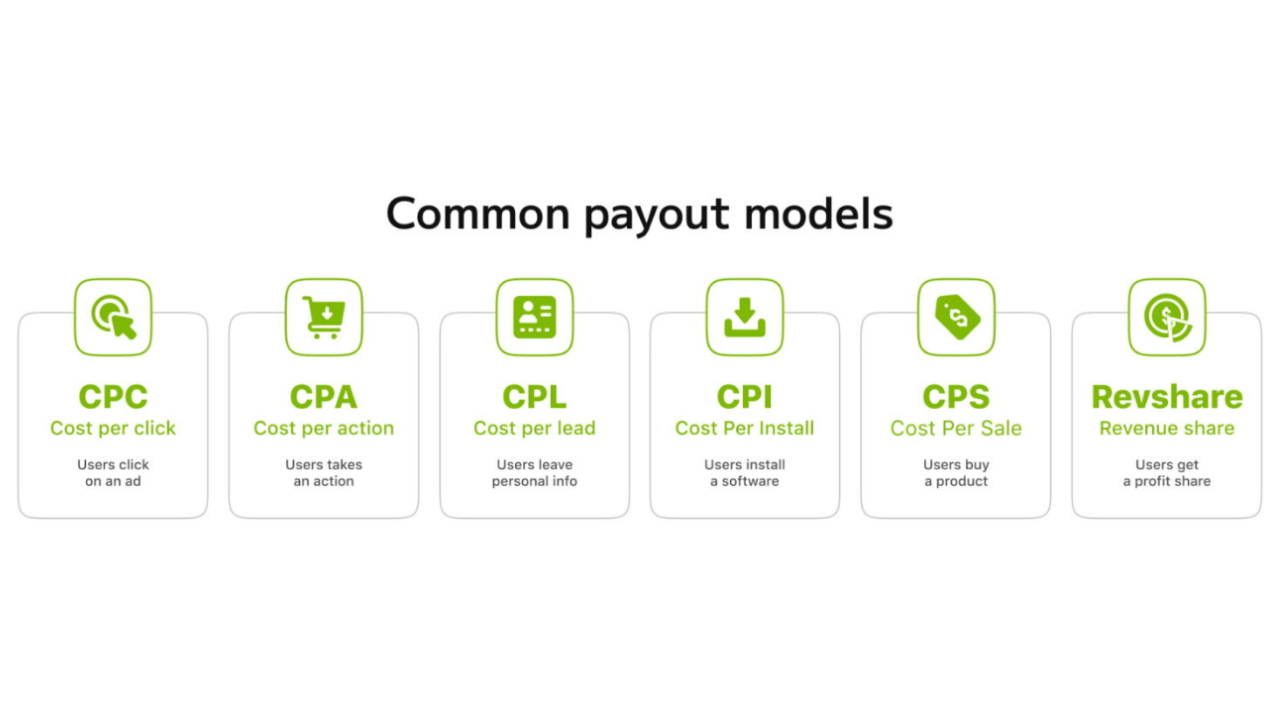
  1. Cost Per Sale (CPS): Affiliates get paid when someone makes a purchase using their affiliate link. This is one of the most common models in eCommerce affiliate marketing. Formula: CPS Earnings = Sale Amount × Commission Rate. If commission is 10% and the sale amount is ₹2,000, earnings = ₹200.
  1. Cost Per Lead (CPL): Affiliates earn a commission when a user completes a form, signs up for a service, or submits their contact details, without needing to make a purchase. Formula: CPL Earnings = Number of Valid Leads × Payout per Lead. If the payout is ₹50 per lead, and 100 leads are generated, then the earnings = ₹5,000.
  1. Cost Per Action (CPA): Affiliates get paid when a user completes a specific action, which could be a purchase, sign-up, download, or form fill. It’s a broad category that includes CPS and CPL. Formula: CPA Earnings = Number of Valid Actions × Payout per Action. If payout is ₹100 per action and 40 actions are completed, earnings = ₹4,000.
  1. Cost Per Install (CPI): Affiliates earn money for every successful app install that happens via their affiliate link. Formula: CPI Earnings = Number of Installs × Payout per Install. If payout is ₹10 per install and 500 installs happen, earnings = ₹5,000.
  1. Cost Per Click (CPC): Affiliates are paid for every valid click on their link, even if it doesn’t lead to a conversion. This model is usually used in special cases where traffic quality is being tested. Formula: CPC Earnings = Number of Clicks × Payout per Click. If payout is ₹2 per click and 1,000 clicks are generated, earnings = ₹2,000.
  1. Revenue Share (RevShare): Affiliates earn a percentage of the revenue generated by the user, sometimes recurring with subscriptions. The amount depends on the user’s spending and continues for each billing cycle (if recurring). Example: A subscription brand pays 30% every month a customer stays active.
  1. Flat Payout: Affiliates receive a fixed commission per valid conversion, regardless of how much the user spends later. This model is common in lead-gen, app installs, and COD sales. Example: ₹100 per verified sign-up, whether the user spends more or not.

Affiliate Tracking and Attribution Terms

Affiliate marketing works only when tracking is accurate. If you’re running content, coupon, or media buying campaigns, it’s important to know how clicks and conversions are tracked, and who gets credit for the sale.

  1. Tracking Link: A special URL given to the affiliate for each campaign. It contains unique parameters that help the system know which affiliate sent the traffic. When someone clicks your tracking link and buys something, the platform knows you referred them.
  1. Pixel: A small code placed on the advertiser’s website to track user actions, like clicks, sign-ups, or purchases. It helps record conversions in real time.
  2. Postback URL (S2S Tracking): A server-to-server (S2S) postback method for tracking conversions. It is considered more secure than pixel tracking because it doesn’t rely on cookies or browser sessions. Instead, conversion data is sent directly from the advertiser’s server to the affiliate network’s server. This makes it especially reliable and widely used in mobile and app-based campaigns.
  3. Cookie: A small file stored in the user’s browser when they click your affiliate link. It helps remember which affiliate referred them. If someone clicks your link today and purchases three days later, you still get paid if the cookie is valid.
  1. Cookie Duration: A cookie is a small piece of data stored in a user’s browser when they click on an affiliate link. It contains tracking information such as the affiliate ID and campaign details, allowing the advertiser or network to identify which affiliate referred the user. If the user converts (makes a purchase or takes an action) within the cookie’s active period, the affiliate earns the commission. Common durations are 7 days, 14 days, or 30 days.
  2. First Click Attribution: Attribution refers to the method of deciding which affiliate (or traffic source) gets credit for a conversion when a user interacts with multiple links or ads. Under the first click attribution model, the credit goes to the first affiliate who brought the user in, even if the user clicked on other affiliate links later before making the purchase.
  3. Last Click Attribution: In last click attribution, the credit is given to the last affiliate whose link the user clicked before converting.
  4. Offline Tracking: When conversions happen in-store or through non-digital channels, but still get tracked using phone numbers, QR codes, or connected systems. A user visits a physical store after clicking your link, and the sale is tracked via mobile number.
  1. Sub ID (SubID Tracking): A custom parameter affiliate can attach to their affiliate link to track extra details about where a click or conversion came from. Affiliates often use Sub IDs to identify which ad, page, keyword, or placement drove the result. Example: You can use Sub ID to see whether your blog or Instagram post performed better.

Traffic Sources and Promotion Channels

How affiliates promote their affiliate links matters as much as what they promote. Different campaigns work better with different traffic sources, and understanding each method helps affiliates choose what fits their strategy.

  1. Web and M-Web (Mobile Web): Web means desktop traffic from browsers like Chrome or Safari, while M-Web is traffic from mobile browsers. Desktop traffic usually fits research-heavy or high-value niches like finance or software, with users showing higher intent and spending more time comparing before buying. Mobile Web works better for fast-moving niches like fashion, beauty, and food delivery, where people browse on the go, respond quickly to visuals, and prefer easy checkouts. Desktop tends to bring more detailed, quality leads, while mobile brings higher volume but sometimes lower focus.
  2. Content Marketing: Content marketing means promoting offers through useful content like blogs, listicles, or product reviews. It works best for audiences who research before buying—for example, a blog titled “Top 5 Vitamin C Serums in India” with affiliate links. Such content is discovered by search engines (like Google) through crawlers that scan and index web pages. To get picked up, your content needs the right keywords, the words or phrases people search for, placed naturally in titles, headings, and text. Without relevant keywords, even the best content may not rank well or reach the target audience. A blog titled “Top 5 Vitamin C Serums in India” with affiliate links to each product.
  1. Coupon and Deal Sites: Affiliates promote offers by sharing promo codes and discounts to attract buyers looking for savings. A promo code is a short combination of letters or numbers (like SAVE20) that shoppers enter at checkout to get discounts, free shipping, or special deals. This method works especially well with price-sensitive audiences who actively search for the best offers before purchasing.
  2. Cashback Platforms: These are websites or apps where affiliates attract users by offering them a cashback incentive for shopping through their affiliate links. When a user makes a purchase, the affiliate earns a commission and shares a part of it back with the user as cashback. For example, a user may get ₹200 cashback for buying from Swiss Beauty through an affiliate’s tracked link.
  3. Mobile App Promotion: This refers to promoting affiliate campaigns through mobile applications. Affiliates can use their own apps or partner with third-party apps to place offers, banners, or links. Some brands allow traffic from apps (in-app promotion), while others may restrict it to prevent misuse. 
  4. Email Marketing: Email marketing in affiliate promotion means sending brand offers and affiliate links directly to an email subscriber list. Affiliates can share newsletters, special discounts, or product recommendations to drive clicks and sales. However, proper opt-in practices are essential to avoid spamming users; only people who willingly subscribe should be contacted.
  5. SMS Marketing: This involves sharing affiliate offers through text messages. SMS has one of the highest open rates among digital channels, which makes it powerful for quick promotions, flash sales, and urgent deals. However, affiliates must target carefully and ensure proper user consent; otherwise, it can be seen as spam. 
  6. Telegram Marketing: Affiliates use the Telegram app to share coupons, deals, and flash sale alerts with a highly engaged audience. Since Telegram allows instant sharing and has a viral element (people forwarding offers to friends), it’s particularly effective for time-sensitive campaigns like festive discounts or limited-period promotions.
  7. Influencer and Social Media Promotion: Affiliates leverage social media platforms such as Instagram, YouTube, and Facebook to share affiliate links. The strength of this method lies in trust; audiences are more likely to buy if they value the influencer’s recommendation. Whether it’s a YouTube product review, an Instagram reel, or a Facebook post, affiliates can reach large communities with relatable, engaging content that drives conversions.
  8. Media Buying (Paid Ads): Affiliates spend money to run ads (on Google, Facebook, Instagram, etc.) to drive targeted traffic to their landing pages or directly to the brand. It requires a budget and careful tracking setup to ensure profitability. Paid ads allow affiliates to scale campaigns quickly, but success depends on smart targeting, compliance with brand rules, and optimizing ad spend. For example, an affiliate might run a Facebook ad for a trending wellness brand and redirect traffic through their affiliate link to earn commissions.

Key Terms in Reporting, Validation, & Payments

After affiliates start driving traffic and conversions, the next step is knowing how their performance is measured, how commissions are confirmed, and how payments are made. This section clears up the terms related to reporting, validation timelines, and payouts.

  1. Affiliate Dashboard: An affiliate dashboard is the interface provided to affiliates by the network. It shows all campaign data in one place, clicks, conversions, earnings, top-performing offers, and traffic breakdowns. Affiliates use it to track performance daily and optimize strategies. For example, an affiliate can log in to their vCommission dashboard to check how many sales they generated for brands like Noise, Foxtale, or Minimalist.
  2. Validation Period: The number of days brands take to approve or reject a conversion. This ensures there are no cancellations or returns before commissions are confirmed. Common durations are like 30 days, 45 days, or 60 days. This period starts from the date of conversion.
  3. Approved Conversion: This means a sale or lead has been reviewed and accepted by the advertiser, and the affiliate will get paid for it. A conversion usually gets approved after the advertiser checks that the action was valid and genuine, for example, the order wasn’t cancelled, the payment wasn’t refunded, and the lead wasn’t fake or duplicate. The approval process often happens during the validation period (commonly 7–30 days, depending on the brand and campaign). Once approved, the conversion shows as payable in the affiliate dashboard.
  4. Rejected Conversion: This means the sale or lead didn’t meet the brand’s rules. Maybe it was cancelled, fake, or broke some policy. The affiliate won’t earn commission for it.

Final Words

Affiliate marketing might seem tricky at first, but once you get familiar with the key terms, everything starts to make sense. If you’re new to the space or already running campaigns, knowing these 50 terms will make it easier to understand how things work, talk to partners clearly, and track your progress with confidence.

You’ll avoid common mistakes like using the wrong traffic sources, missing cookie windows, or getting confused during validation. Instead, you’ll focus on the important stuff, picking the right campaigns, sending quality traffic, and earning commissions for your hard work.

At vCommission, we make sure our affiliates aren’t left guessing. From clear tracking dashboards to timely validation and payments, we support every step of your journey. And if you’re ever unsure about how a term works in a live campaign, our team is here to help, so you can focus on scaling your commissions.

Now that you speak the language of affiliate marketing, you’re ready to turn knowledge into action. Let the earnings begin.

Categories
Affiliates

Retargeting for Affiliates: How to Win Back Lost Visitors with Smart Pixels

You’ve worked hard to get people to your page, maybe through a blog, a landing page, or ads, but most of them leave without buying. It’s frustrating, especially when you know they were interested. This is one of the biggest challenges affiliates face: driving traffic but not getting enough conversions.

The solution lies in retargeting. It lets you reach out to those visitors again with ads that remind them of the product they checked out. And it actually works. In fact, visitors who see retargeted ads are 70% more likely to convert than first-time visitors, according to a World Metrics report. This means many potential buyers can be encouraged to return and complete their purchase.

In this blog, we’ll explain how retargeting works, why smart pixels are essential, and how affiliates can use them to win back lost visitors and boost their earnings.

What is Retargeting in Affiliate Marketing?

Retargeting is a form of online advertising that targets visitors who have interacted with your content or affiliate link but didn’t complete a purchase. Instead of focusing only on new traffic, retargeting reconnects you with people who already showed interest, making conversions much more likely.

Lets understand this with the help of an example: If 100 people click your affiliate link, perhaps only 2–3 buy immediately. Retargeting allows you to reach the remaining 97, increasing the chances that your efforts turn into commissions.

How Smart Pixels Make Retargeting Possible

A pixel is a small piece of code provided by ad platforms such as Facebook, Google, or TikTok. The code tracks visitor actions on pages you control. By installing a pixel on your landing, pre-sell, or content page, you can capture visitor behaviour and create audience lists for retargeting ads.

Pixels allow you to segment audiences based on actions like visitors who only read your content, clicked your affiliate link but didn’t convert, and returned multiple times but still haven’t purchased. Segmenting your audiences ensures your retargeting ads are relevant and more likely to convert.

How Affiliates Can Set Up Smart Pixels: Step by Step

Step 1. First, you have to create a landing or pre-sell page. On this page, you can introduce the product, highlight its benefits, or provide a short review. Your visitors will land here, and the pixel starts tracking their behaviour.

Step 2. Now it’s time to install a pixel. The pixel will track everything: who visits, what they interact with, and how they move through your page. It can be a Facebook Pixel, Google Ads tag, or TikTok Pixel. You can add it to your page header or via a tag manager. 

Step 3. With your pixel live, the next step is to send traffic to your page. The traffic could come from paid ads, social media posts, or organic search, and as visitors interact with your page, the pixel collects valuable data such as which pages they view, what links or buttons they click, how long they stay, how far they scroll, how often they return, and any micro-conversions like form submissions or newsletter sign-ups.

Step 4. As the data comes in, it’s time to segment your audience. Some visitors only read your content, some click your affiliate link but don’t convert, and others return multiple times without making a purchase. Creating groups based on behaviour allows you to target each segment with the right message.

Step 5. Finally, you’re ready to run retargeting ads. For those who clicked but didn’t buy, show urgency-driven ads. For content-only visitors, highlight product benefits or customer testimonials. And for returning visitors, send gentle reminder ads to nudge them toward conversion.

Best Practices Affiliates Can Use for Retargeting

  1. Limit Ad Frequency: Running a retargeting campaign is more than just showing ads repeatedly. You can start by controlling how often your audience sees your ads. If there are too many impressions, it may feel spammy. On the other hand, too few may not remind them enough. So it’s important that you find the right balance and your message stays in their mind without annoying them.
  2. Tailor Your Message: Someone who clicked your affiliate link but didn’t purchase might respond to urgency, like “Limited stock available.” On the other hand, visitors who just read your content for the first time may need more convincing, highlight product benefits, share reviews, or explain why it’s valuable. Matching your message to their stage in the buying journey increases the chance they’ll convert.
  3. Set Time Windows: Timing also matters. For small, impulse-buy products, showing ads over a 7–14 day window usually works well. Higher-ticket or considered purchases may 4.
  4. Experiment with Your Ads: Keep trying different versions of your ads, like new headlines, images, or videos, to see which ones your audience responds to best. Even small changes can increase conversions.
  5. Remove Past Buyers: Make sure to exclude people who have already made a purchase from your retargeting campaigns. This saves money and your ads reach only those who still need a nudge to convert.

Best Retargeting Tools Affiliates Can Use to Boost Conversions

Retargeting is much easier and effective when you have the right tools to help you track visitors, understand their behaviour, and show ads that actually get results:

1. Facebook Pixel

It is a small piece of code you install on your landing or pre-sell pages. It tracks how visitors interact with your page, which buttons they click, which sections they read, and whether they take micro-actions like signing up for a newsletter.

Once your pixel collects this data, you can create custom audiences for retargeting ads. For example, you can target visitors who clicked your affiliate link but didn’t buy, or people who spent a lot of time reading your content. This lets you serve highly relevant ads on Facebook and Instagram, increasing the chances of conversion.

2. Google Ads Remarketing Tag

The Google Ads Remarketing Tag allows affiliates to retarget visitors across multiple Google platforms, including YouTube, Google Display Network, and Google Search Ads.

By placing the tag on your pages, you can track visitors’ interactions and serve ads to people who didn’t convert the first time. Google’s platform also allows audience segmentation, so you can show different ads to people based on their engagement level, such as content readers versus link clickers.

3. TikTok Pixel

If your audience spends time on TikTok, the TikTok Pixel is essential. It works similarly to other pixels, capturing visitor interactions on your pages. Affiliates can use this data to run retargeting campaigns with TikTok’s in-feed or spark ads, reaching users who have already shown interest in the product.

TikTok’s algorithm also helps optimize retargeting campaigns automatically, serving ads to users most likely to convert based on past behaviour. This is especially useful for products that perform well with younger, mobile-first audiences.

4. AdRoll

AdRoll is a comprehensive solution for affiliates who want to retarget visitors across multiple networks without managing each platform separately. It allows you to track visitor behaviour on your pages, segment audiences based on actions, and serve retargeting ads:

  1. Social Media: Facebook, Instagram, LinkedIn, and Twitter
  2. Display Networks: Google Display Network and other programmatic ad networks
  3. Email Campaigns: Retargeting via email to visitors who opted in
  4. Websites & Apps: Ads through AdRoll’s network on your websites and apps

For affiliates, AdRoll simplifies the process of managing campaigns across platforms while providing analytics to improve performance over time.

Let’s Turn Lost Visitors into Buyers!

Retargeting is a smart way for affiliates to turn missed opportunities into actual earnings. Place pixels on pages you manage. With the help of that pixel you can track visitors, group them based on their behavior, and show ads that match their interests, boosting the chances of a sale.

The process can be made easier with vCommission’s reliable tracking system. You don’t have to worry about losing credit for sales or dealing with tracking errors; every click and conversion is accurately recorded. When you combine your own pixel-based retargeting with vCommission’s transparent tracking and campaign support, you can make the most of every visitor and increase your earnings.

This means affiliates can focus on creating effective campaigns while vCommission handles the tracking and reporting, turning potential sales into real commissions with confidence.

Categories
Affiliates

Affiliate Marketing in India 2025: Laws, Taxes, and Compliance Guide

Making money online sounds great, but the question is, how do you do it ethically? In affiliate marketing, you can earn by simply recommending products you believe in. And this industry is growing faster than ever in India.

According to IAMAI, affiliate marketing spending in India is around $331 million and is projected to exceed $420 million by 2025. This rapid growth means more opportunities for affiliates to earn, but it also brings greater scrutiny from regulators. New tax rules and compliance requirements are being introduced to ensure the industry operates transparently.

Understanding these rules is essential to ensuring your affiliate campaigns run smoothly and without any legal trouble.

This blog breaks down everything you need to know about the laws, taxes, and compliance related to affiliate marketing in India. Let’s get started!

Understanding the Legal Framework in 2025

One of the first questions many new affiliate marketers ask is: Is affiliate marketing legal in India? The answer is a clear Yes. Affiliate marketing is completely legal and recognized as a legitimate business activity. As long as you follow general business laws and tax rules, you can run your affiliate marketing business safely. Here are important legal points you should remember:

  1. Contracts and Agreements: Most affiliate programs require you to sign an agreement or accept terms and conditions. These contracts define how commissions are paid and your responsibilities.
  2. Disclosure Rules: The Advertising Standards Council of India (ASCI) requires that affiliates clearly disclose if content is promotional. Transparency builds trust with your audience and keeps you compliant.
  3. Intellectual Property: When promoting products, do not misuse brand names, logos, or copyrighted content without permission.

How to Comply with the Law as an Affiliate Marketer

  1. Always read and understand the affiliate campaign’s terms before joining.
  2. Clearly mention your affiliate relationship when promoting products.
  3. Avoid misleading or false claims about products or services.
  4. Keep records of payments and agreements for your reference.

By following these simple guidelines, affiliate marketing remains a safe and legal way to earn income in India.

Affiliate Marketing Income Tax Rules in India 2025

If you earn money as an affiliate by running affiliate campaigns, you are considered a digital earner or freelancer under Indian tax laws. Your income is taxable if you are a resident of India, even if your payments come from foreign companies.

Who Needs to Pay Tax on Affiliate Income?

Any individual or entity earning through affiliate marketing must pay tax if their annual income exceeds the basic exemption limit of ₹2.5 lakh for individuals below 60 years of age. Even smaller earnings should be tracked carefully for proper compliance.

How Is Your Affiliate Income Taxed?

Affiliate income is classified under Profits and Gains from Business or Profession (PGBP). This means you are treated like a small business owner for tax purposes. That means you need to file income tax returns using ITR-3 or ITR-4.

If your total tax liability exceeds ₹10,000 in a financial year, you must pay advance tax quarterly.

You must maintain detailed records of all income and expenses unless you opt for a simplified scheme (note: affiliate marketers are generally not eligible for presumptive taxation under Section 44ADA).

Presumptive Taxation (Section 44ADA): Is It for You?

Presumptive taxation is a simplified method meant for professionals such as doctors, lawyers, and consultants. Affiliate marketers are NOT eligible for this scheme, so you need to calculate your actual income and expenses in detail.

How to Reduce Your Taxable Income: Claim Business Expenses

You can lower your taxable income by claiming business-related expenses, such as website hosting fees, internet bills, marketing tools or software subscriptions, equipment like laptops, cameras, or smartphones, and travel and other content creation costs. Make sure to keep proper invoices and receipts for all expenses claimed.

Updated Income Tax Slabs for FY 2025–26 (Under New Tax Regime)

Note: If your total income is up to ₹12 lakh, you can claim a rebate of up to ₹60,000 under Section 87A, effectively meaning no tax liability up to ₹12 lakh under the new regime.

GST Rules for Affiliate Marketers in 2025

GST (Goods and Services Tax) is a tax on income earned from providing services. As an affiliate marketer earning commissions by promoting products or services, you may need to register for GST and follow certain compliance rules.

Why Do You Need to Register for GST?

You must register for GST if any of the following apply to you:

  1. Your annual income from affiliate marketing and other services exceeds ₹20 lakh (₹10 lakh for special category states like the Northeast).
  2. You earn income from inter-state services, for example, promoting a brand or working with a company outside your state.
  3. You receive payments from foreign companies, even if paid in USD or other foreign currencies.

If your income is below ₹20 lakh, you still need to register if you’re involved in inter-state or international business.

What Is the GST Rate on Affiliate Marketing Income?

The standard GST rate applicable to affiliate marketing services is 18%. This applies to your commissions, payouts or any income earned from promoting products or services online.

What If You Receive Barter Deals Instead of Cash?

If you receive free products or services as payment (instead of cash) for your promotions, GST still applies. You must pay GST based on the fair market value of what you received.

Understanding the Reverse Charge Mechanism (RCM)

If you purchase services from unregistered vendors, such as freelance designers or video editors, you may have to pay GST on their behalf under the Reverse Charge Mechanism. This means you self-assess and pay GST directly to the government.

How to Stay GST-Compliant: A Simple Checklist

Important Tools for GST Compliance

Using billing and accounting software like CaptainBiz or ClearTax can automate your GST invoicing and filing process. You can also use online GST calculators to estimate your tax liability quickly.

Penalties for Non-Compliance

Failing to register for GST or not filing your returns can lead to penalties up to ₹10,000 or more, losing the right to claim Input Tax Credit, or delays or withholding of payouts from affiliate networks.

GST compliance may sound complicated, but with proper planning and the right tools, you can stay fully compliant and keep your affiliate business running smoothly in 2025.

The Bottom Line

The affiliate marketing industry in India is expanding fast, and with growth comes the responsibility to stay updated on laws, taxes, and compliance. At vCommission, we make sure our affiliates have the right information and support to stay on the right side of the rules like contracts, honest disclosures, or respecting brands policies.

We know taxes and GST can feel complicated, but keeping good records and understanding what expenses you can claim makes a big difference. If your earnings cross certain limits, registering for GST might be needed, and it’s always a good idea to check with a tax expert if you’re unsure. Our focus is to keep things transparent and simple for our affiliates with clear reports and timely payments, so you can spend your energy growing your business without worrying about the legal stuff.

Staying informed and following the basics will help you run your affiliate campaigns smoothly and build trust with your audience. That’s what really matters in the long run.