
Categories
Affiliates

Affiliate Blueprint 2025: How to Build & Monetize Coupon Websites

Do you search for a coupon right before buying something online? Maybe typed “Amazon promo code” or “best deals on skincare”? You’re not alone; millions of people do it every single day. That small habit has turned coupon websites into one of the most reliable engines for affiliate income.

If you’re eyeing this space, you’re not late, you’re right on time. The demand for verified deals, niche platforms, and trustworthy coupon sources has never been higher. In fact, a recent report featured by AffiliateWP found that 83% of shoppers say coupons are their main reason for making a purchase. 

In this blog, we’ll walk you through everything, how do coupon sites work, where to get your deals, how to set up your site, attract traffic, stay compliant, and how to make money with coupon website.

What Is a Coupon Website?

A coupon website is an online platform that provides users with promo codes, cashback deals, and limited-time offers from various brands. But it’s not just a collection of discounts; it’s a performance-based marketing incentive where every coupon click can generate affiliate revenue.

These sites operate using affiliate links that track user behavior. When a user clicks on a coupon and makes a purchase, the site owner earns a commission. However, modern coupon websites are far more than static pages filled with expired deals.

What Makes a Coupon Site Work in 2025

In 2025, a strong coupon site needs to be fast, intuitive, and trustworthy. It starts with mobile optimization. With a majority of users discovering deals via their smartphones, your site must load quickly and feel effortless to browse. Clear layouts, readable fonts, and smart navigation can make or break whether someone stays or exits. 
But even more important? Trust. Verified, working deals. No outdated codes. If you’re building within a coupon business model, real-time updates and validation systems are key. Whether you’re offering flat discounts or cashback bonuses, your user should never feel misled. This principle also supports your website monetization requirements by keeping bounce rates low and conversions high.

And don’t forget structure. Following a solid discount code blueprint helps ensure your site or app makes sense to first-time users and returning deal seekers alike.

Popular formats include:

    • General Aggregators are large platforms featuring deals across all verticals.
    • Niche Coupon Sites are focused on a single vertical, like travel, beauty, or tech
    • Cashback & Coupon Combos are sites that reward users with cashback for using coupons
    • Apps & Extensions are Mobile-first or browser-integrated tools for coupon discovery

Choosing the Right Niche (Yes, It Matters a Lot)

You may think bigger is better, but why not cover every brand and product under the sun? But here’s the truth: focusing on a niche brings faster growth, higher trust, and better SEO ranking. If you’re exploring coupon business ideas, ask yourself what you already know and love. Beauty, fashion, electronics, health, home, pick one. This gives your platform a voice and focus.

Let’s say you pick beauty. You can create rich content around skincare coupons, makeup deal comparisons, seasonal discount roundups, and even product reviews. This ecosystem boosts your site’s credibility and makes it easier to partner with relevant brands. The right niche also helps you qualify for the best coupon affiliate program opportunities, and brands are more likely to approve and promote affiliates who align closely with their target audience.

Building Your Coupon Website from Scratch

Wondering how to start a coupon business in 2025? Here’s a detailed walkthrough:

Step 1. Pick a Memorable, Brandable Domain. Go for a name that sticks and speaks to your niche. “DealsWithStyle.com” works better than “AllCoupons123.net.” A .com domain still carries the most credibility.

Step 2. Choose High-Performance Hosting. Speed matters, not just for SEO, but for user retention. Look for providers that support WordPress and offer built-in caching, CDN, and uptime reliability.

Step 3. Use a Content Management System (CMS). WordPress is the gold standard. With thousands of themes and plugins, it’s beginner-friendly and built for scale.

Step 4. Add a Coupon Theme or Plugin. Top picks include ClipMyDeals (great for organizing coupons by brand, date, and popularity), WP Coupons (clean layouts, mobile-responsive, and optimized for conversions), and CouponXL (perfect for building a marketplace-style site). These tools help display coupons with auto-expiry features, popular deal highlights, and click tracking.

Step 5. Optimize for Mobile from Day One. With over 70% of deal traffic coming from mobile, your site should load quickly and look seamless on any screen size.

Once you’ve built your base, you’re ready to join a coupon affiliate program and start adding real, monetized content.

Where Do You Get Your Coupons From?

You can’t run a coupon website without real, trackable coupons. Here’s how to find them:

Join an Affiliate Network: Sign up with platforms like vCommission, where hundreds of brands list their campaigns. Once approved, you’ll get access to promo codes, banners, and affiliate tracking links.

Apply to Individual Brand Campaigns: Once you’ve joined the network, apply to specific brand programs. Many brands provide public coupons usable by all affiliates, exclusive coupons available only to selected partners, and cashback offers combined with discount codes.

Manage Your Coupons Properly: Use tools or spreadsheets to track coupon validity and performance. Display codes with proper expiration dates and categories. For each coupon, clearly state:

    • What the offer is (e.g., “Flat 20% off on orders above ₹999”)
    • Where it’s applicable (e.g., Ajio, Swiss Beauty)
    • Expiry date or “Verified Today” label
    • Coupon code format or auto-activation link

Managing this well is not just about conversion; it’s how you meet long-term website monetization requirements and build credibility with users and partners.

Must-Have Pages on Your Website

A successful coupon site isn’t just a list of codes; it’s a well-organized experience. These pages help structure your content and improve conversions:

Homepage: Highlight your most popular brands and categories. Showcase limited-time deals in banners. Guide users quickly to what they want.

Brand Pages: Each brand should have a dedicated page with:

    • Store description
    • List of current coupons
    • Related blog content (e.g., deal reviews or product guides)
    • FAQs or return policy info

Category Pages: Segment your coupons by topic, Beauty, Fashion, Electronics, Travel. Users often browse by interest, not just brand.
Blog Section: Create SEO-friendly content that supports your coupons:

    • Sale announcements (e.g., “Myntra Big Fashion Festival 2025 Deals”)
    • Brand comparisons (“Ajio vs. Amazon Fashion – Best Deals for June 2025”)
    • Savings tips and product roundups

About Us + Disclosure Pages: Tell users who you are and why they can trust your site. Add mandatory FTC-compliant disclosures and privacy policy pages.

This isn’t just for UX, it’s a core part of how search engines assess your site’s value and helps support a clean, trustworthy coupon business model.

Get Traffic—The Right Way

Now that your site is live, let’s get traffic. Start with Search Engine Optimization (SEO).

SEO Basics:

    • Use long-tail keywords like “Trybloom skincare coupon code June 2025”
    • Add schema markup to your coupon listings
    • Write unique meta descriptions for every page
    • Avoid duplicate coupon titles from other sites
    • Use alt text for images to improve accessibility

Go Beyond SEO:

Relying solely on search traffic? You’re leaving money on the table. Diversify your strategy:

  1. Email Campaigns: Collect emails via lightbox popups and send weekly “Top 5 Deals” or flash-sale alerts.
  2. Social Media Marketing: Share urgent offers via Telegram, WhatsApp, and Instagram Stories, and use short-form videos to highlight limited-time deals.
  3. Push Notifications: Keep users updated with real-time deal pings, and segment users based on preferences.
  4. Paid Ads: Run high-ROI campaigns on Google Ads targeting discount-related search terms, and use Meta Ads for seasonal collection promos.
  5. Influencer Collaborations: Partner with creators in beauty, fashion, or tech to highlight your offers, and let them drive niche traffic to specific brand pages on your site.

This multi-channel approach is essential if you want to learn how to make money with coupon website ecosystems long-term.

Analyze What Works and What Doesn’t

Once your coupon site is active, tracking what performs well is key. The vCommission dashboard offers real-time data so you can see which campaigns, coupon types, or brand pages are getting the most clicks and conversions. This helps you focus on what’s working and refine what isn’t.

Watch your EPC (earnings per click) to understand which categories offer the best returns. If certain pages have high drop-off rates, that’s your cue to investigate layout, content clarity, or user flow. Even minor tweaks, like updating a headline or repositioning a CTA, can improve engagement. If you’re serious about how do coupon sites work, use analytics tools and feedback loops to constantly refine and optimize.

Stay Compliant, Stay Profitable

Running a coupon website comes with responsibility. Transparency builds trust and keeps your affiliate partnerships secure. Make sure you always disclose affiliate relationships. Let your users know when a link may earn you commission. Keep your coupons verified and updated; outdated offers can frustrate users and hurt your credibility.

Stick to brand-specific promotional guidelines, especially when using their names in ads or banners. Ethical practices are at the core of a sustainable coupon business model, and non-compliance can get you blacklisted from even the best coupon affiliate program options.

How to Scale Smartly

Once your site sees steady traffic, scaling is your next move, but it doesn’t mean doing more of everything. It means doing the right things better. You could launch niche-focused subdomains or microsites, like one exclusively for tech deals or festive offers. This helps target specific user groups and improve SEO.

Creating a mobile app is also a solid step forward. Features like saved deals, personalized recommendations, and real-time notifications boost user engagement and retention.
To drive loyalty, consider integrating a cashback wallet system. It encourages repeat visits and builds a stronger connection with your users.

For seasonal spikes, build campaign pages around big shopping events, Diwali, Independence Day, summer sales, and end-of-season sales. These moments attract high traffic and provide ideal opportunities for SEO and paid campaigns. Automation helps manage it all smoothly. All of this becomes easier once you understand the foundation and how to start a coupon business with systems that support both growth and maintenance.

To Sum Up

Coupon websites are more than a side hustle; they’re full-fledged businesses. When done right, they offer recurring revenue, meaningful brand partnerships, and a helpful service to shoppers. Success in this space comes from more than just listing codes. It’s about curating relevant offers, optimizing user journeys, and building long-term trust. 

That’s where vCommission makes a real difference. We connect you with the best coupon affiliate program across categories like beauty, fashion, electronics, and more. You get access to public and exclusive coupons, real-time tracking tools, dedicated support, and timely payouts, everything you need to build and scale a high-converting site.

So don’t just build a coupon site. Build a system that works, one rooted in strategy, speed, and smart partnerships. Sign up now!
Categories
Affiliates

Mastering Affiliate Platform Approvals: Top Takeaways from the Webinar with Sled Dog Consulting

You’ve done your research, found a promising affiliate program, filled out the application, and then… nothing. No reply. No update. Just radio silence.

For affiliates, this approval gap isn’t just annoying; it’s a barrier to growth. To help affiliates better understand what goes wrong (and how to fix it), vCommission hosted a high-impact webinar featuring Jeannine Crooks, Founder of Sled Dog Consulting, in conversation with Parul Mehta Bhargava, CEO and Co-founder of vCommission. The session dug deep into what it really takes to get approved and stay ahead in the affiliate marketing space.

And the timing couldn’t be more relevant. Affiliate programs are growing at a rate of approximately 15% annually, according to a report by WeCanTrack. With more programs launching, there are more opportunities, but also more competition. Approval isn’t automatic, and networks are increasingly cautious. The good news? There are some key steps that you, as an affiliate, can take to stand out and improve your chances.

Let’s understand how to get approved for affiliate programs.

Be Honest About Who You Are

Jeannine emphasized this right from the start of the session: “Transparency is everything.” Be clear. Be honest. Be specific. Disclose everything: you’re a media buyer, a niche site owner, or running a subnetwork, exactly who you are and what you do.

    • Media buyers should specify what type of media they work with, such as browser ads, mass media, niche native ads, etc. Share if you’re willing to adjust placements based on advertiser preferences.
    • Sub-networks must explain how they vet affiliates, enforce compliance, and ensure transparency. Networks want to know how quickly you can remove bad actors and whether they can access data or insights if needed.
    • Content sites should highlight how their content is produced: is it in-house, outsourced, or user-generated? Detail your expertise, sources, and any FTC disclosures.

Trust is built through transparency, and trust earns approvals.

Personalize Your Application

One of the biggest red flags Jeannine sees? Generic, copy-paste applications. “It tells me you didn’t even try,” she said. Your application should feel tailored and intentional. Instead, your application should feel tailored and intentional. If you run multiple sites, submit your best-performing one first. Include real, working URLs you own. Don’t invent email addresses or mask IPs. Fill in your affiliate profile properly, upload a logo, add a photo, and write a solid description. Every touchpoint is your chance to show why you deserve to be in the best instant approval affiliate programs.

Study the Program Before Applying

As the discussion progressed, Jeannine made it clear: don’t apply blindly. “Advertisers are upfront about what they’re looking for. If your approach doesn’t align, it’s a waste of time for both sides.” Before clicking “Apply,” research the advertiser. Do they allow media buyers? Are they strict about site-level transparency? Have they mentioned preferred placements? Read the terms. Visit their site. If they’ve been clear about the guidelines and your method doesn’t align, don’t waste time applying. Mismatched applications are often the first to be rejected. It’s important to take care of these things if you wondering how to get approved for affiliate programs?

Create a Website That Represents You

Jeannine stressed this: have your own site, even if it’s simple. It’s not just about where you send traffic, it’s about who you are as an affiliate. A basic website acts like your digital resume. Even if you’re a media buyer or run a subnetwork, a professional homepage with an “About Us” page builds instant credibility.

Your site should introduce you and what you do, share past experience or performance highlights, and clarify promotional methods.

Use the Comment Box to Your Advantage

Further, Jeannine highlighted one of the most overlooked parts of the affiliate application: the comment box. Most affiliate platforms give you a comment field during the application. Don’t leave it empty. Use that space to explain your methods, highlight compliance efforts, and clarify how you align with the advertiser’s goals. Even a short, customized message can help you stand out in a sea of applicants for the best instant approval affiliate programs.

Follow FTC Rules—Always

Next, Jeannine shifted focus to compliance, particularly with FTC guidelines. The FTC (Federal Trade Commission) is a U.S. government agency that protects consumers from deceptive marketing practices. If you promote products and earn a commission, that’s considered a material connection, and it must be disclosed. 

No matter your affiliate type, FTC guidelines apply. That includes disclosure like: “This post contains affiliate links. Should you make a purchase, we may earn a commission.” Make sure your site, YouTube channel, or social posts clearly communicate this. 

Jeannine further emphasized that even if you’re not based in the U.S., following FTC standards builds credibility with global affiliate programs and keeps your applications compliant with best practices.

Engagement > Traffic Volume

Don’t have huge traffic numbers? That’s okay, Jeannine reassured. Networks care about engagement. If your 400 Instagram followers are liking and sharing your content regularly, that means more than 40,000 passive impressions.

Share examples of your audience interaction. Highlight community engagement, comments, shares, saves, and conversion stories.

To Sum Up

Throughout the session, Jeannine made one thing clear: Getting approved isn’t about gaming the system; it’s about showing up with honesty, clarity, and professionalism. A clean application, a real website, clear methods, and proof of engagement can set you apart, especially as affiliate networks become more selective and compliance-focused. 

And this is exactly where vCommission steps in. We provide clear onboarding support, compliance guidance, and educational resources like this webinar to help affiliates understand how to get approved for affiliate programs.

FAQs from the Webinar

1. Why do platforms not respond after application submission?

Jeannine explained that this is often due to automated emails ending up in spam. Platforms send thousands of emails daily, and many go unopened or blocked. If you haven’t received even an acknowledgement in 24–48 hours, check your spam folder.

2. How can I stand out among thousands of applications?

Transparency. Explain your promotional methods clearly, use a genuine identity, and include a working, professional-looking site. A complete, thoughtful profile makes you the exception, not the rule.

3. What can new affiliates with low traffic do to improve approval chances?

Focus on engagement. If your small audience is active, liking, commenting, and sharing, that matters more than raw numbers. Highlight actual performance, not just traffic stats.

4. Why are some networks hesitant to approve Indian affiliates?

Jeannine noted some networks have seen fraud from certain regions in the past, so they now apply stricter filters. Strong transparency and credible presentation can help overcome these biases.

5. Should I promote a campaign if the terms are unclear and my manager isn’t responding?

Jeannine advised caution. Without explicit approval, there’s always a risk. If you’re unsure, it’s better to wait than to risk non-payment or policy violations.

6. What are the two biggest red flags that cause rejections?

If I feel someone isn’t being honest in their application, I won’t approve them. I also look at the small details, like if your brand is ‘Nancy’s Kitchen’ and you apply to a shoe brand without updating anything, it shows you’re not serious. If you can’t get the basics right, I can’t trust you with the rest.

7. What’s a typical approval rate, and what’s an ideal approval rate to aim for?

It varies. Some top programs only approve 5–15% of applicants, especially when there’s a mismatch in traffic type or niche relevance. Quality matters more than quantity.

8. Advertisers want site-level transparency, but we prefer sharing affiliate IDs. What can we do?

Jeannine shared that in most cases, advertisers aren’t trying to go around the network; they simply want to understand traffic sources. In her experience, only one merchant in 26 years ever bypassed a network to work directly with a sub-affiliate.

9. What advice would you give to affiliate managers?

Affiliate managers should keep a close eye on who’s performing well and who’s not. Reward the good ones and remove those hurting your program. I once had to remove affiliates sending too many bad clicks; it dragged down our EPC until we fixed it. Watching the numbers helps keep your program healthy.

Categories
Affiliates

Top 20 Affiliate Link Questions Answered (Affiliate Marketing FAQs)

Confused About Affiliate Links? You’re Not Alone.

You’ve probably seen creators drop a “link in bio,” bloggers recommend products with a “read more here,” or Telegram channels sharing deals that just happen to convert. What connects them all? Affiliate Link– a single link that tracks clicks, credits referrals, and turns honest recommendations into real earnings. And if you’re reading this, chances are you’re wondering, How do these links actually work? Where do I get them? How do I use them right?

In this blog, we’ve answered the 20 most common (and often confusing) affiliate link questions. Let’s get started.

1. What exactly is an affiliate link?

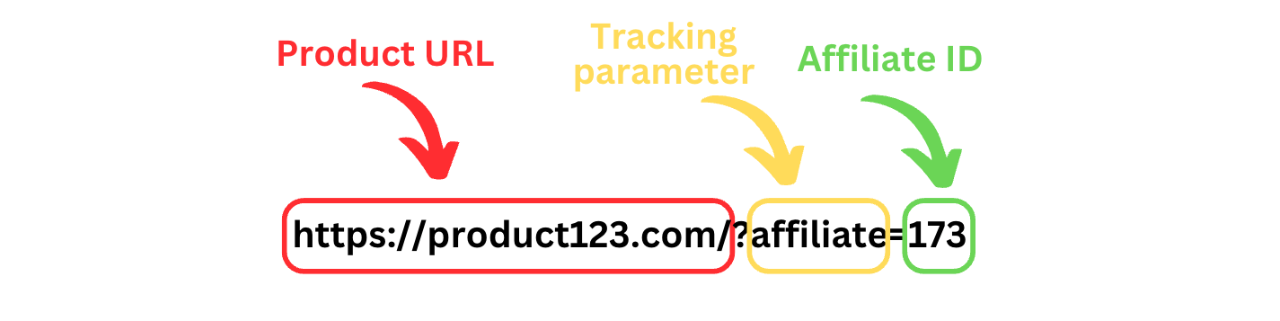
An affiliate link is a special URL given to you by the affiliate network (like vCommission) that tracks your referrals. When someone clicks on it and makes a purchase, you earn a commission. It contains your unique ID or tracking parameters to ensure the sale is credited to you.

2. What does an affiliate link look like?

Affiliate links often look long and contain parameters. Example: https://track.vcommission.com/click?c=12345&subid=yourid

This link may redirect users to the actual brand site, but the initial URL ensures tracking. You can always shorten or cloak it for better aesthetics.

3. Where do I generate an affiliate link?

Once you’re approved as a publisher on vCommission, you can generate your affiliate links directly from the dashboard:

  1. Log in to your vCommission affiliate account.
  2. Go to the “Campaigns” section and browse or search for the brand you want to promote.
  3. Click on the campaign to view its details.
  4. You’ll see a tracking link (also called an offer link) generated for you; copy this to promote the brand.
  5. If you want to customize your link (e.g., add a SubID for tracking), use the parameters provided on the same page.

Make sure to only promote offers you’ve been approved for, and always use the affiliate link provided to ensure your conversions are tracked properly.

4. What is cookie duration, and why does it matter?

Cookie duration tells you how long a user’s click remains valid for tracking. For example, if a campaign has a 14-day cookie window and someone makes a purchase on Day 12, you still earn the commission. This varies from campaign to campaign and is mentioned clearly in the campaign brief.

5. Where can I post affiliate links?

You can promote affiliate links via multiple traffic sources like blogs or websites, social media (Instagram, Facebook, Twitter/X, YouTube), telegram, WhatsApp (if the campaign allows it), email newsletters, and coupon or cashback websites. Just make sure to follow each campaign’s allowed promotional methods.

6. Do I need a blog to promote affiliate links?

No. While blogs help with SEO and long-term traffic, they’re not necessary. You can use social media apps, content-based landing pages, and even Telegram channels to promote links, depending on what you’re approved for.

7. Where should I place affiliate links on my blog?

Put them where they feel natural:

  1. Inside product reviews
  2. Under product images
  3. Within call-to-action buttons
  4. In comparison tables
  5. At the end of helpful blog posts

Always write content that makes the link feel helpful, not forced.

8. What type of content works best for affiliate links?

Some content formats just convert better, and it’s no coincidence. They solve real problems, build trust, and offer genuine value to the reader. Here are the top types to try:

  1. “Top” listicles: Great for showcasing multiple affiliate products in one post. Think “Top 5 Budget Skincare Brands for Summer.”
  2. Product comparisons: Help readers choose between similar products (and earn a commission either way). Example: “Foxtale vs Minimalist: Which Sunscreen Is Better?”
  3. Honest reviews: Share your personal experience, highlight pros and cons, and show how the product helped you.
  4. “How-to” guides: Walk readers through a process and include affiliate products as part of the solution.
  5. Resource or tools page: A simple page listing the tools, products, or brands you recommend. Easy to create, and it keeps earning passively.

These formats work across blogs, emails, and even social media. Keep it real, helpful, and relevant, and your links will perform.

9. When should I start placing affiliate links?

You can start adding affiliate links once two things are in place. First one – you’ve been approved for an affiliate program via vCommission, and the second- you have relevant, helpful content that your audience actually wants to read.

Here’s how to get started the right way:

Step 1: Focus on valuable content first: Don’t rush to insert links. Build content that solves a real problem, ike product reviews, how-to guides, or listicles. Good content attracts traffic, and traffic drives conversions.

Step 2: Choose products that fit your niche: Think about what your audience needs. If your blog is about skincare, don’t promote fitness gear. Go for products and brands that align with your theme and offer value to your readers.

Step 3: Set up link tracking inside your affiliate dashboard: vCommission gives you the ability to track clicks, conversions, and performance through custom subIDs. Use these to track where your traffic is coming from, like blog posts, emails, or social media.

In short? Add affiliate links when your content is useful, your audience is targeted, and your tracking is ready. That’s how you set yourself up for success.

10. What are the best ways to boost affiliate link clicks?

You need to focus on trust, clarity, and timing to boost your affiliate link clicks. Here’s what works well:

  1. Place links where intent is high: Add them to product reviews, comparison posts, or FAQ sections, where people are already looking for answers or buying advice.
  2. Use strong call-to-actions (CTAs): Instead of just saying “click here,” try action-driven CTAs like “See the latest price,” “Try it for free,” or “Check today’s offer.”
  3. Make links look clean and clickable: Use buttons or hyperlinked text that stands out but still fits naturally within your content.
  4. Build trust first: Content that feels honest, personal, and useful leads to more clicks. Readers can tell when you’re recommending something just to earn a commission, so only promote products you’d actually use.
  5. Test different placements: Try adding links in your intro, mid-content, and final CTA. Use tracking (via subIDs in vCommission) to see what works best.

11. How do I add the “sponsored” tag to affiliate links?

To properly mark an affiliate link as sponsored, add rel=”sponsored” to your anchor (<a>) tag. This helps search engines understand that the link is part of a paid partnership or affiliate program. 

Here’s the correct HTML format:

If you also want to prevent search engines from passing link equity, you can include both nofollow and sponsored like this:

Using the sponsored attribute aligns with Google’s guidelines for disclosing paid links and helps maintain transparency.

12. Do I need to disclose affiliate links to my readers?

Yes. Transparency builds trust. Most countries, including India, recommend that you clearly mention that some links may earn you a commission. It’s also required by platforms like Google.

13. How do I tell readers about affiliate links without sounding pushy?

Use a simple line: “Some of the links in this post are affiliate links. That means if you click and buy, I may earn a small commission at no extra cost to you.” You can place this at the top or bottom of your content.

14. Can I track how many people clicked my affiliate links?

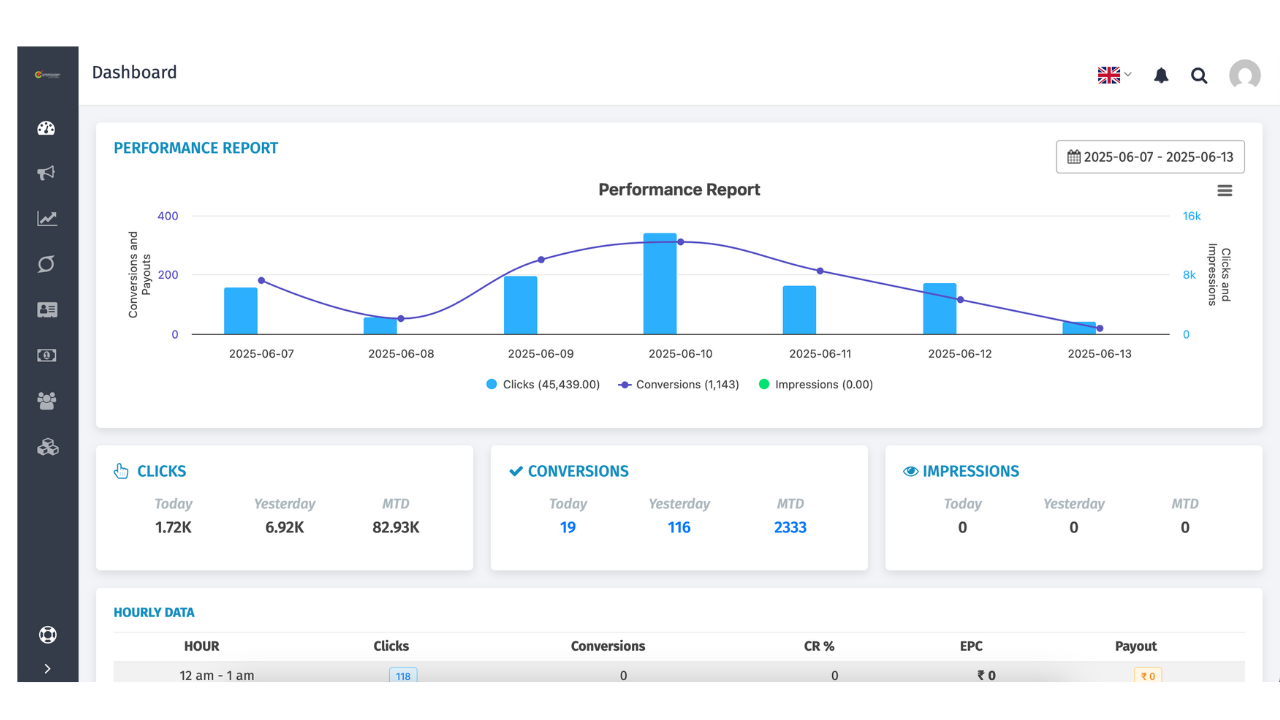
Yes, vCommission provides real-time tracking through your dashboard. You can see how many people clicked your links, how many conversions you’ve received, and how much you’ve earned. The dashboard also offers SubID-level tracking, which helps you understand which traffic sources or content placements are performing best. 

In some campaigns, you can even view additional details like device type, location, and operating system. All this data makes it easier to spot trends, test what’s working, and improve your strategy over time.

15. Why should I track affiliate link clicks?

Tracking helps you understand what content performs best, where your traffic is coming from, and which campaigns are worth your effort. It also helps in testing headlines, placements, and content styles.

16. Can I use pop-ups to show affiliate links?

Yes, you can! Most vCommission campaigns allow you to use affiliate links inside popups. Just make sure to check each campaign’s rules; some brands may have their own guidelines. Pop-ups help your audience notice your affiliate links. But if they show up too early or too often, they can annoy visitors. That’s why it’s smart to use them carefully.

Smart ways to show popups:

    • After scrolling, show the popup only when someone has read part of your blog. That way, they’re already interested.
    • After some time, set the pop-up to appear after a few seconds. This gives readers time to settle in.
    • On exit, show the pop-up when someone is about to leave your page. It’s a great last chance to grab attention.

When used the right way, popups can boost your clicks and sales without hurting the user experience. 

17. Can I add multiple affiliate links in one post?

Absolutely. You can include several links as long as they add value and don’t confuse the reader. For example, a “Top 5 Protein Powders” post might have five different affiliate links. The only rule is to be sure every affiliate link you are adding is relevant to the post’s topic.

18. How do I promote affiliate links on social media?

Promoting affiliate links on social media is all about blending value with visibility. Instead of just dropping links, focus on creating content that informs, solves a problem, or inspires action.

Direct Promotions

On platforms like Instagram, X (formerly Twitter), or Facebook, you can add affiliate links in bios, captions, or swipe-up stories (where allowed). Additonally, you can share exclusive deals, discount codes, or product spotlights to draw attention. Use compelling CTAs (like “Shop now” or “Check it out”) that feel natural and not overly salesy.

YouTube & Video Content

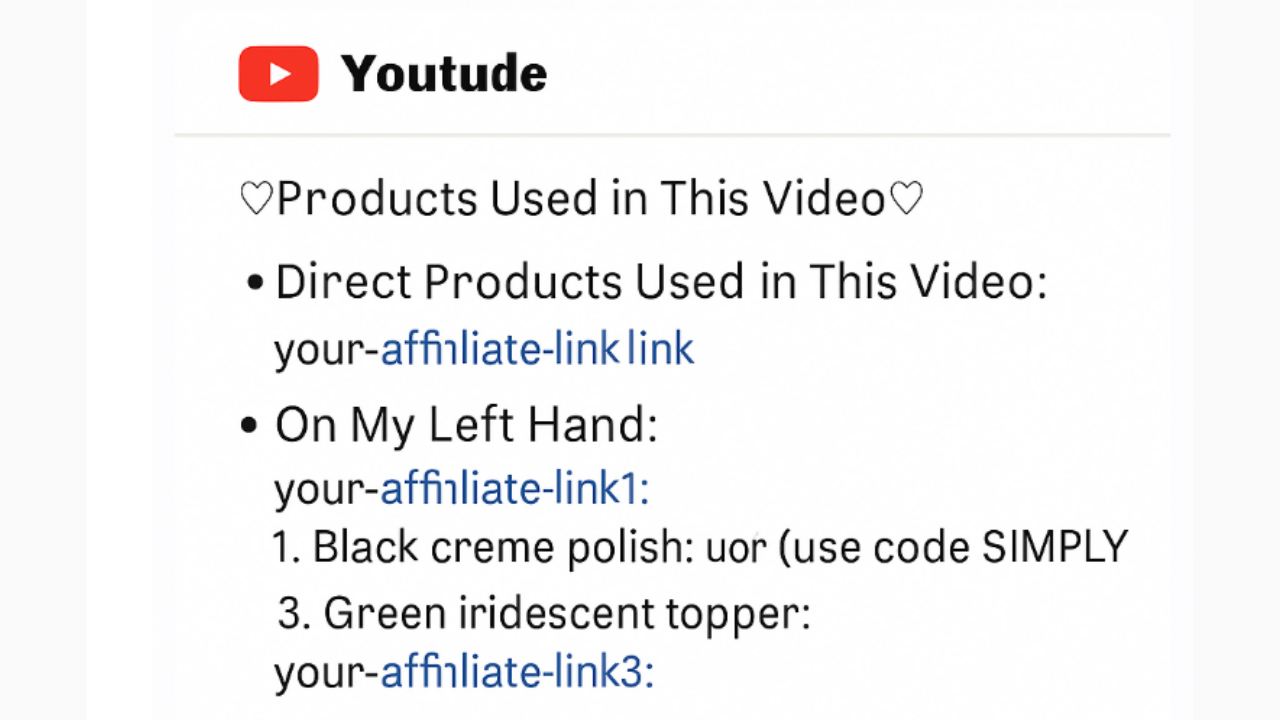
If you’re sharing video content, mention the product naturally during the video. You can add your affiliate link in the description box with a short reason to click, or pin a comment with the link for extra visibility. Most of the YouTubers do this all the time when promoting affiliate products on their videos. They even prompt their viewers to use the link to check out the product. Here is how you can do it:

Facebook Groups & Communities

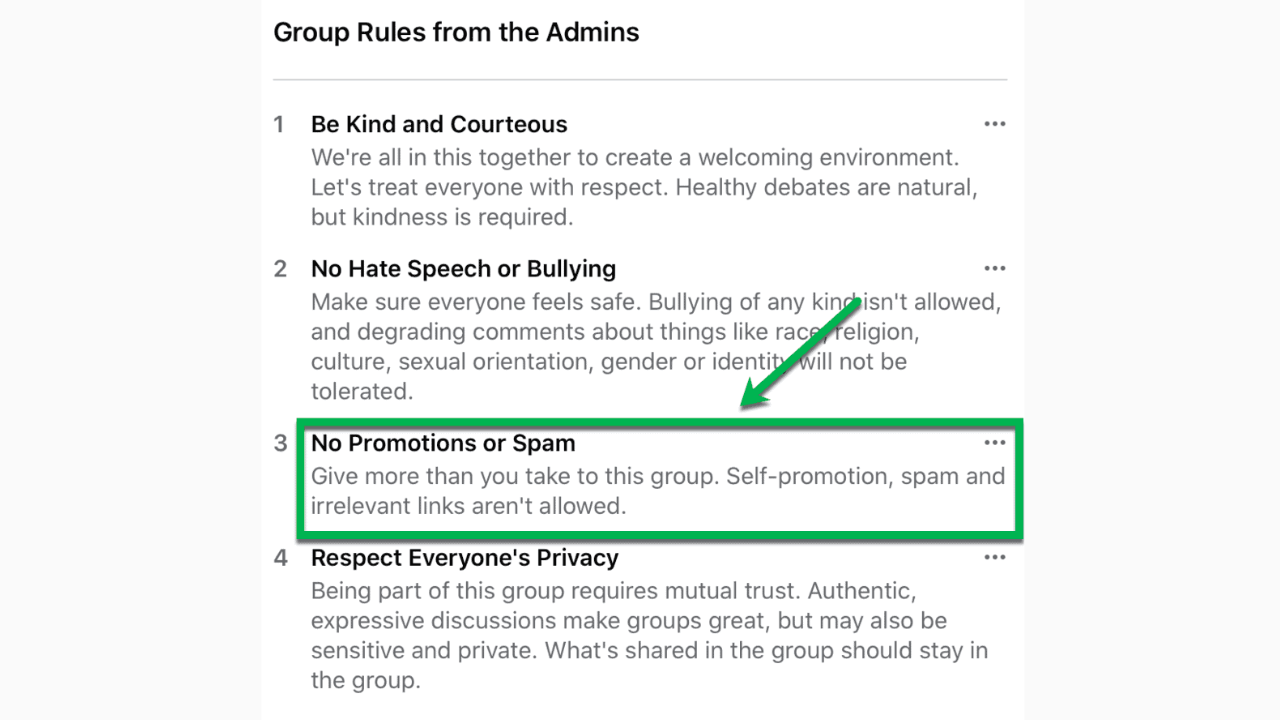
Before sharing affiliate links in groups, always check the group rules; some allow it, many don’t. A smarter approach is to share valuable blog content (like tutorials, reviews, or listicles) that includes your affiliate links, and offer genuine recommendations or feedback when someone asks for advice. Just remember that groups often have rules regarding affiliate links, such as:

The Indirect Route

You can also promote affiliate links through content like blog posts or reels that review or compare products, and quick how-to guides that incorporate the link as a helpful resource.

Ultimately, success on social media comes from building trust. When your audience feels like you’re offering something helpful, not just selling, they’re far more likely to click.

19. What is link cloaking, and why do some affiliates use it?

Link cloaking means turning long affiliate links into cleaner URLs like: yoursite.com/go/product. This makes links look better and can improve click rates. Cloaking also protects your affiliate ID and helps with tracking. But note: always check campaign rules before cloaking, as some brands or networks may not allow it.

20. Why should you hide your affiliate ID number?

Hiding your affiliate ID helps protect your commissions. If someone sees your ID in a link, they could replace it and earn credit for your referral.

It also makes links look cleaner and more trustworthy, especially on blogs or social media. Just remember, always check if the campaign allows link cloaking before doing it.

Use Links Wisely, Earn Steadily

Affiliate links aren’t just about adding URLs to your content. They’re about helping your audience discover the right products at the right time. The more thoughtful you are with your placement, disclosures, and strategy, the better your results. Mastering how to use affiliate links is the first step toward long-term affiliate income. 

With vCommission, you’re not alone in that journey. You get access to high-performing campaigns, accurate tracking, and expert support that helps you scale, link by link. Sign up now!
Categories
Affiliates

Best Health and Wellness Affiliate Programs in 2025

Health isn’t a trend, it’s the new normal. Gone are the days of quick fixes and one-size-fits-all diets. Today, people are more health-conscious and looking for diets and products that suit their body type. They’re Googling why they’re always tired, scrolling TikTok for realistic weight loss tips, and turning to YouTube for honest supplement reviews.

And they’re not chasing perfect, they’re chasing real. That’s why creators are winning over commercials. Affiliate content that feels genuine, a blog post, a “what I take every morning” story, or a quick transformation reel, drives real clicks and trust.

The health space is booming. If you’re picking your affiliate focus for 2025, wellness should be right at the top. Let’s take a look at the top health campaigns you can promote through vCommission.

The Rise of Health and Wellness

According to Bloomberg, the health and wellness industry is blowing up, and it’s racing toward $9 trillion by 2028. From supplements and superfoods to fitness tech and holistic wellness, consumer demand is exploding across every category. And as more purchases shift online, affiliate marketers are in a unique position to tap into this momentum.

In 2025, the most successful affiliates in the wellness space are not necessarily doctors or fitness trainers; they’re content creators, comparison bloggers, app owners, and niche influencers who understand:

    • What people search for
    • Which problems need solving
    • And how to connect the right product to the right person

But to succeed, it starts with choosing the right affiliate programs.

Top Health Campaigns to Promote with vCommission

Health campaigns perform best when they solve real needs and come from brands people already trust. The options below offer strong product-market fit, solid conversion rates, and clear use cases, making them ideal for affiliates.

Here are the standout health and fitness affiliate programs in the vCommission network that combine brand trust, product demand, and affiliate-friendly terms:

1. HealthKart

HealthKart is an online and offline retailer specializing in health and fitness supplements. They offer a wide range of products, including bodybuilding supplements, vitamins, and wellness essentials. The company serves millions of customers and provides fast shipping. It is one of India’s most trusted platforms when it comes to health supplements, Ayurvedic remedies, and general wellness products. 

But here’s why that matters for affiliates: the brand already has strong recognition, which means your content doesn’t need to work as hard to build trust. Combine that with regular discount offers and same-week delivery in most areas, and you’ve got one of the best health and wellness affiliate programs in India built for clicks and conversions.

It works particularly well for lifestyle bloggers, fitness creators, and wellness pages that want to recommend mainstream yet effective products. If your content targets busy professionals, new gym-goers, or health-conscious families, HealthKart naturally fits into the conversation.

Want to start fast? Try creating content around themes like:

    • “Best protein powders for beginners”
    • “Supplements for joint pain over 30”
    • “Top vitamins for women in 2025”

These topics perform well on blogs, Instagram carousels, and YouTube shorts alike, and they link seamlessly into HealthKart’s vast product range.

2. HK Vitals

HK Vitals is part of the HealthKart family and is growing fast in India’s wellness space. It offers easy-to-understand health solutions like multivitamins, omega-3s, collagen, and biotin, products that help with overall wellness, skin, hair, and energy.

If you’re a content creator in the beauty, lifestyle, or wellness space, this brand is a great fit. Think simple content like morning routines, “what I actually use” lists, or product comparisons. Since it’s backed by HealthKart, people already trust it, making it easier to get clicks and sales.

Here are some content ideas that work well: “My collagen + vitamin C routine with HK Vitals”, “Best multivitamins for women in 2025”, and “What helped my hair and nails in 30 days?”

No matter what you’re sharing on Instagram, your blog, or through email, HK Vitals fits naturally into content that feels real and relatable.

3. MuscleBlaze

MuscleBlaze is one of the best health and wellness affiliate programs in India among gym lovers and fitness creators. Known for their quality whey proteins, mass gainers, and workout supplements, the brand is all about building strength, with science to back it.

The best part? MuscleBlaze products are designed for the Indian body type and taste preferences, which boosts loyalty. Customers often come back month after month, making it a solid pick for affiliate income.

If your content focuses on workouts, body transformation, or fitness motivation, this is a great campaign. You don’t need to overcomplicate it; 30-second challenge updates, review reels, or “What’s in my stack” content work well.

4. PhenQ

Weight loss never goes out of trend. PhenQ is a multi-action fat burner designed to help with appetite control, boost energy, and burn fat, all in one. It’s becoming a top pick in 2025 thanks to its science-first formula.

Want to promote it well? Try a video series like “Tried PhenQ for 30 Days, Here’s My Honest Review,” or articles like “Fat Burners That Actually Work.” These topics do well because they answer real questions people have before buying.

5. Harvokse

Hair fall is a common issue, especially in younger age groups. Harvokse is a two-in-one solution that works both internally and externally to support hair regrowth, strength, and thickness.

Content that works? Try reels like “What actually helped my hair fall after 30,” or YouTube videos that walk through a 60-day hair regrowth journey. People love seeing real results.

6. Testo Max

Testo Max is for men looking to boost energy, muscle growth, and overall performance, naturally. It’s not a steroid, but a legal supplement meant to support testosterone levels safely.

This campaign suits male fitness creators, biohackers, or lifestyle influencers talking about strength, recovery, and vitality.

It performs well because the men’s wellness space is growing fast. If you’re creating gym vlogs, supplement comparisons, or content on natural health boosters, Testo Max fits in naturally. Try “What happened after I used Testo Max for 3 weeks” or “Natural vs artificial testosterone boosters, my take.”

Tips to Maximize Conversions in the Health Niche

  1. Be Transparent, as it isn’t just good ethics, it builds long-term trust. Add disclaimers, avoid overhyping, and be upfront about timelines and limitations.
  2. Share real experiences. Whether it’s your own journey or curated testimonials, show proof that’s personal. Before-and-after visuals, diary-style vlogs, or written progress updates all work well.
  3. Sell the outcome, not just the ingredients. Instead of listing what’s inside a supplement, talk about how it makes users feel or the transformation it supports.
  4. Link to seasons and trends. Tap into what’s top-of-mind, “Monsoon immunity hacks” or “Summer hydration must-haves” can boost seasonal conversions.
  5. Build an email list. Don’t let one-time clicks be the end. Offer a lead magnet like “Free 7-Day Sleep Optimization Plan” and turn readers into long-term followers.

Why the Health Niche Is Worth Your Time in 2025

The affiliate space is full of competition, but health and wellness stands out for one reason: it’s consistent. Why? Because the problems it solves are universal and ongoing.

Weight loss alone is a massive market. The India Weight Management sector is projected to grow at a CAGR of 8.79%, hitting USD 55.9 billion by 2033, according to IMARC Group. That’s long-term potential, not a passing trend.

Poor sleep is a growing concern, too. India ranks as the second most sleep-deprived country in the world, with 61% of Indians getting less than six hours of quality sleep, says DNA India. Wellness campaigns that genuinely improve rest and recovery are highly sought-after.

And hair loss? The global hair loss treatment industry is on track to reach USD 88.18 billion by 2030, as per Scandinavian Biolabs. That’s huge, and affiliate content targeting hair wellness is only becoming more popular

For affiliates, that means steady interest, long content lifespans, and repeatable revenue.

Let’s Wrap Up!

Health and wellness isn’t a quick-money niche. It’s a reliable one. With vCommission’s strong lineup of health campaigns, from trusted Indian names like HealthKart, MuscleBlaze, HK Vitals, PhenQ, Harvokse, and Testo Max, you get access to high-converting offers, consistent payouts, and dedicated support.

If you’re looking to build a content business that actually helps people feel better, live better, and make better choices, this is your sign. Join the highest paying health and fitness affiliate programs with vCommission now!

Categories
Affiliates

Marketing to Gen Z in 2025: What Actually Works (and What Doesn’t)

Swipe right, and there they are, Gen Z.

They’re digital natives living on TikTok, Instagram, YouTube, and more. But they’re not just scrolling, they’re creating, critiquing, and shaping culture. Their attention isn’t automatic; it’s earned. According to HubSpot, 57% of Gen Z use short-form videos to discover or research products.

But if content feels fake or forced, they’ll scroll right past. As an affiliate marketer, this presents an opportunity: meet them where they are, stay authentic, and create content they actually want to watch. Let’s talk about what is actually in Gen Z marketing trends in 2025. 

Who Is Gen Z, Really?

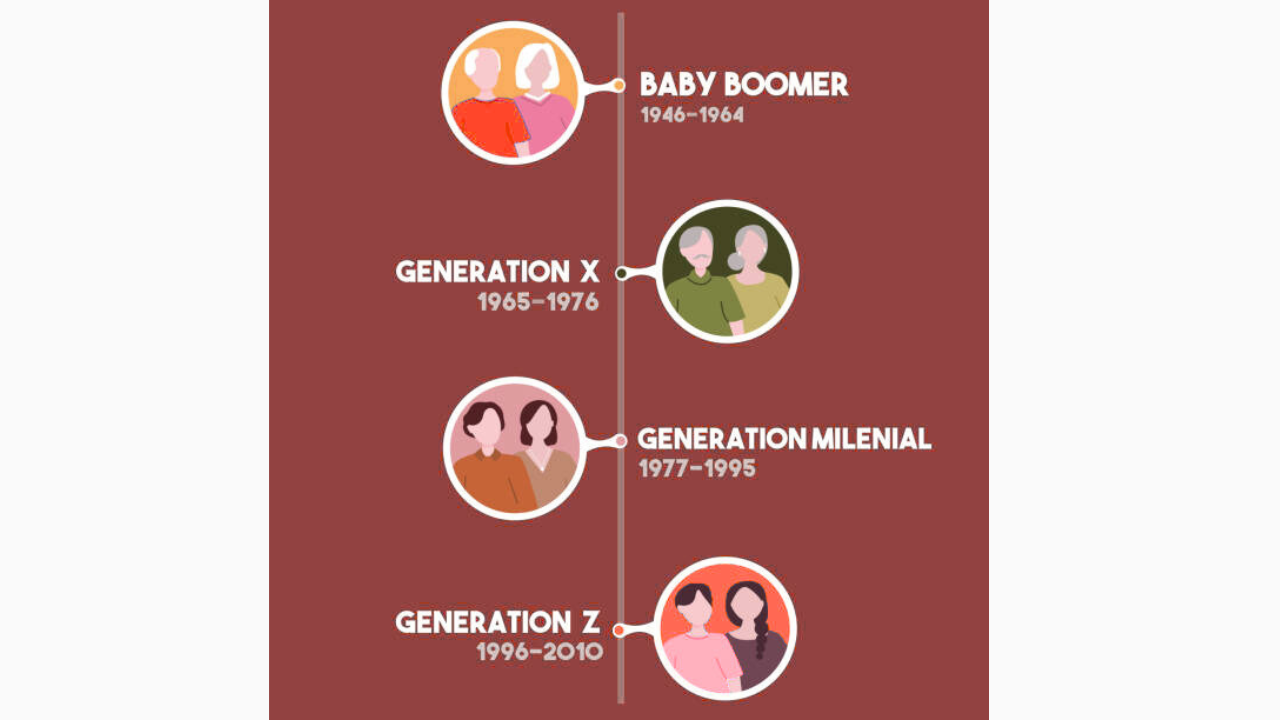
Gen Z refers to people born roughly between 1996 and 2010. In 2025, they’re aged between 15 and 29, meaning they’re not just teenagers anymore. They’re college students, entry-level professionals, early parents, entrepreneurs, and most importantly for marketers, a dominant consumer force.

What sets them apart isn’t just age, it’s the way they interact with the world. They’ve grown up with smartphones, Wi-Fi, and social media as the norm. Unlike Millennials, who witnessed the digital shift, Gen Z has never known a world without it.

They value authenticity, speed, inclusivity, and purpose. They don’t trust traditional ads, but they do follow creators. They scroll fast, engage with content that feels real, and will quickly click away if something feels off.

Understanding Where Gen Z Lives

Gen Z doesn’t simply “go online”; they live across platforms, especially short-form video spaces. Their digital journey flows naturally between YouTube Shorts, TikTok, and Instagram Reels/Stories, making mobile-first content their default experience. According to Statista, YouTube is the most popular social media platform among Gen Z marketing trends, with 96% of respondents using it, followed by TikTok and Instagram.

They spend over 3 hours daily watching mobile video, but they’re not just scrolling,  researching, discovering, and deciding. TikTok, for instance, has become a search engine for everything from beauty finds to tech gadgets.

For affiliates, this means one thing: platform-native content is non-negotiable. Gen Z can spot recycled content instantly. If it doesn’t match the tone and format of the platform, whether it’s trending sounds on TikTok or snappy Reels, it won’t perform.

Success lies in speaking their language, where they already are, and doing it natively.

Hook Gen Z in Under 30 Seconds

Short-form video is how Gen Z consumes the internet. With attention spans dropping and endless content at their fingertips, videos under 90 seconds consistently see 2–2.5× higher engagement compared to longer formats (Firework). And more importantly, over *half of Gen Z uses short videos to discover products, which makes this format gold for affiliates.

To convert their interest into clicks, every second matters. Here is what works best for affiliates:

Hook in 3 seconds: Start with a bold statement or visual, “Wait till you see this!” or “I just tried this skincare hack…”. Show the product right away: No intros, no waiting. Gen Z marketing trends include scrolling fast and getting to the point. Additionally, use captions, as many Gen Z viewers watch on mute, so ensure your key message lands even without sound. End with a natural CTA, for example, A soft nudge like “Link in bio if you want to try it” feels more authentic than a sales pitch.

You can try high-performing formats like:

    • 30-Second Demos to show what the product does, with quick pros/cons.
    • Unboxing reactions to let your real-time reaction do the selling.
    • Side-by-side comparisons for niches like beauty, tech, and fashion.

In 2025, if you’re not using short-form video in your affiliate Gen Z marketing strategies, you’re leaving Gen Z conversions on the table.

Gen Z Trusts Creators Over Traditional Ads

Gen Z sees right through polished studio promos. What stops their scroll? Real people. Real reactions. Real results. That’s why User-Generated Content (UGC) and creator collaborations outperform traditional ads, not just in reach, but in trust and conversions.

According to The Times and Vidico, UGC can drive up to 85% higher conversion rates than polished branded content. Why? Because it looks and feels like the Gen Z marketing trends that Gen Z would create, or trust.

For affiliates, here’s the winning formula:

    • Work with micro-creators (10K–100K followers) who actually use and enjoy the product.
    • Send free samples and let them shoot authentic, low-fi videos with no heavy scripts.
    • Repurpose their content on your own channels with credit and affiliate links.
    • Encourage your buyers to share their own clips, offer shout-outs, or small perks for uploads.

UGC isn’t just cost-effective, it’s believable. And when it’s paired with affiliate links, it keeps your promotion organic while still driving measurable results.

Selling Where Gen Z Scrolls

Gen Z doesn’t jump between apps to buy; they want to shop where they already hang out. Whether it’s TikTok or Instagram, platforms are turning into storefronts, and Gen Z is buying in.

According to Hootsuite, 83% of Gen Z shoppers have made purchases directly from social platforms. That makes social commerce one of the most powerful affiliate channels in 2025.

What you, as an affiliate, should do:

    • Use shoppable content. Tap into Instagram product tags or TikTok “link in bio” strategies to direct viewers to deals without friction.
    • Optimize mobile-first landing pages. Gen Z won’t wait; ensure pages load fast and are checkout-ready.
    • Highlight clear offers. Phrases like “Free Shipping” or “Today Only” grab attention fast.
    • Track every tap. Use deep links or UTM tags to monitor what’s converting, and where.

If you make it seamless to scroll, click, and buy, Gen Z will reward you with conversions.

Involve Gen Z to Boost Engagement

Gen Z doesn’t just consume, they co-create. They love brands (and creators) who involve them, listen, and build content together. According to the International News Media Association (INMA), interactive tools like polls and Q&As can double engagement. And that engagement turns into trust, which turns into conversions.

How you can tap in:

    • Use Instagram polls. You can try “Which one should I try next?” with product images. It drives clicks and FOMO.
    • Go Live with purpose. Demo a product and drop your affiliate link in the chat. Answer real-time questions to remove doubts before they become drop-offs.
    • TikTok Q&A Clips. Respond to comments with short videos, especially when users ask for comparisons or “will it work for X?”

Such Gen Z marketing trends make them feel seen, and when they feel seen, they buy.

Promote What Gen Z Cares About

Gen Z shops with intention. They support products that reflect their values, and avoid brands that don’t walk the talk. According to INMA, 86% of Gen Z say brand authenticity is key to loyalty. That means being clear, honest, and value-aligned isn’t optional; it’s essential.

Here is what you can do:

    • Pick purposeful products. Think cruelty-free skincare, plastic-free packaging, or women-led startups.
    • Frame it right. “Every purchase supports clean water projects” hits differently than a plain discount.
    • Avoid vague claims. Gen Z can spot greenwashing. Be transparent about what the brand stands for and what the purchase actually does.

Values aren’t a side note for this generation; they’re the reason they buy. Tap into that with integrity.

Be Real, Not Salesy

Gen Z doesn’t respond to pushy selling. They want honesty, raw, real, and clear. They’re quick to unfollow or ignore content that feels overly polished or lacks disclosure. Hence, you need to disclose always. Use #ad or “affiliate link” clearly; it builds trust, not doubt. Always share your honest take. Mention what you like and what could be better. That credibility makes your word count. You can also show real proof, like screenshots of reviews, product feedback, or your own results, that work better than polished brand claims. This isn’t about being perfect, it’s about being believable.

Speed It Up, Keep It Simple

Even the best content will fail if your link is slow or clunky. Gen Z expects things to work fast, especially on mobile. According to Hootsuite, most users leave if a page takes more than 3 seconds to load. That’s especially true on mobile, where Gen Z spends most of their online time.

Make sure your setup delivers:

      • Fast-loading links. Test them across networks (even slower ones).
      • Direct paths. Fewer clicks = fewer chances to drop off.
      • Clean CTAs. Say what the deal is. “Buy now – ₹100 off” > “Learn more.”
      • Clear pricing. No last-minute fees or extra steps.

Affiliate success often comes down to one thing: how smooth that click-to-cart path feels.

Track, Test, Repeat

Guessing won’t cut it in 2025. Gen Z marketing strategies evolve fast, and the only way to stay ahead is by tracking what actually works. Always keep track of click-through rates (CTR) on your links, conversion rates per platform (Instagram vs. YouTube Shorts, for example),  watch time, and engagement on videos. And most importantly, Content ROI: What format drives the most sales?

Start simple: A/B test your thumbnails, headlines, or video hooks. Use affiliate dashboards and link trackers to see patterns. Then keep what converts, and drop what doesn’t. The best Gen Z strategies aren’t just creative. They’re tested, tweaked, and proven.

What Doesn’t Work with Gen Z?

Not everything flies with Gen Z, no matter how big your budget is. Here’s what to avoid if you want real traction:

  1. Repurposed Content That Feels Out of Place: Taking a YouTube ad and cropping it for Reels or TikTok? Gen Z sees through it in seconds. Content that doesn’t match the tone, format, or pace of the platform gets skipped. Native matters more than polished.
  2. Ignoring Comments or DMs: This generation wants connection, not broadcasts. If you’re posting but not engaging—no replies, no responses, no interaction, you’re essentially invisible. They’ll move on to creators and brands that do listen.
  3. Overly Polished, Scripted Ads: Hyper-edited, ad-agency-looking videos? Gen Z marketing strategies often find them fake. They prefer relatable clips with minor flaws, background noise, or spontaneous humor. The more “produced” it feels, the more likely they are to scroll past.
  4. Hiding Affiliate Intent: Failing to disclose affiliate links or trying to mask your sales role isn’t clever, it’s risky. Gen Z rewards transparency and punishes deception. Always be upfront.
  5. Slow Load Times or Confusing Checkouts: Even if your content hits, a clunky user experience can kill the conversion. If your landing page isn’t mobile-friendly or your link adds unnecessary friction, you’ve lost them.
  6. Generic Messaging: Copy-paste captions or one-size-fits-all product blurbs feel cold. Gen Z expects the content to feel personal and tailored. If it sounds like you didn’t care, they won’t either.

So, How Do You Win with Gen Z?

Winning Gen Z’s attention doesn’t take flashy ads or forced messaging; it takes content that feels real, fast, and made for the platforms they actually use. If you’re an affiliate looking to stay ahead in 2025, focus on trust, mobile-first content, and values that align with this generation’s mindset.

That’s exactly where vCommission fits in. From top-performing campaigns to real-time tracking and strong creator partnerships, we make it easier for affiliates to connect with Gen Z the right way. No guesswork. Just tools that work, and support that scales with you, with the best affiliate marketing strategies.

Want to meet Gen Z where they are? We’re already there.

Categories
Affiliates

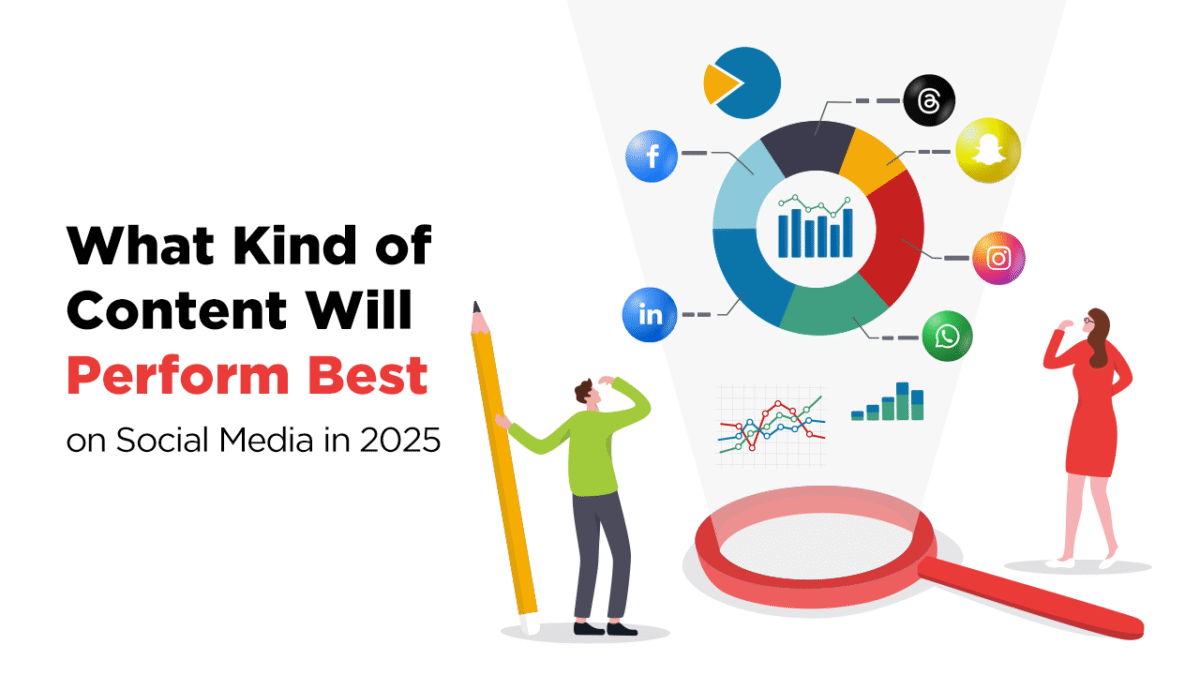
What Kind of Content Will Perform Best on Social Media in 2025

It’s 2025. You’re scrolling through Instagram Reels and suddenly pause, someone just made a 10-second video that convinced you to click, swipe, and add to cart. It wasn’t an ad. It wasn’t flashy. It felt real. That’s the power of today’s social content, and it’s exactly where affiliates should be. This shift is no longer subtle. It’s seismic.

Let’s start with one number: $207.1 billion.
That was the global spend on social media ads in 2023. According to Forbes, this will grow to $247.3 billion by 2027. Behind this surge? Short-form video, creator-driven commerce, and zero-friction shopping experiences are all areas where affiliates are thriving.

So, if you’re wondering what kind of content will drive the most engagement and sales in 2025, keep reading the blog.

2025 Isn’t for Lazy Content- Here’s What Works Now

In today’s algorithm-first world, the way content performs isn’t just about what’s being said; it’s about how, where, and by whom. Social platforms are no longer just networking tools; they’re full-blown media ecosystems. The future of social media is: TikTok, Instagram, and YouTube are blurring the lines between social interaction and passive media consumption. Meanwhile, content creators have become digital storefronts, and affiliate links are the new-age salespeople following the latest social media trends.

This evolution of social media content strategy means affiliates can’t rely on old-school types of social media content tactics, basic static posts, or unpersonalised product links that won’t deliver. To drive real engagement, content must now meet multiple criteria: it has to be algorithm-friendly, visually compelling, valuable to the viewer, and action-oriented. Understanding this shift is crucial to creating content that actually converts.

Where Are the Audiences in 2025?

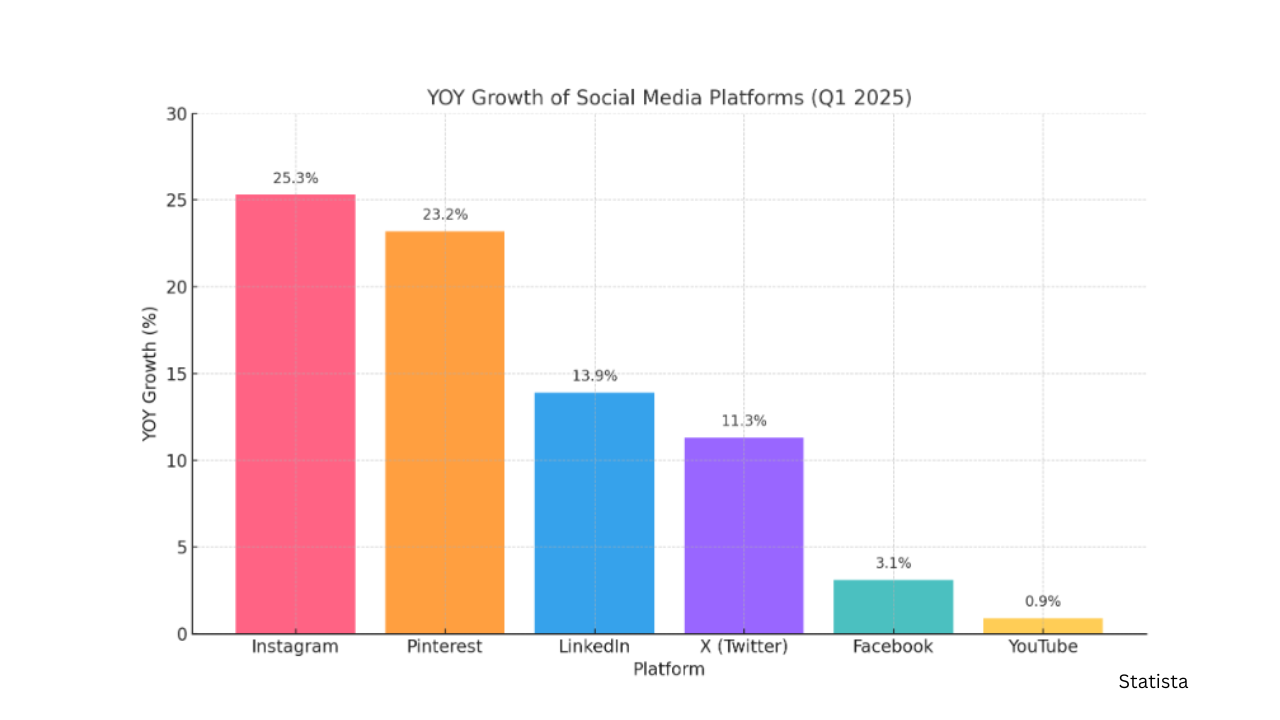
The first rule of effective content: meet your audience where they are. In 2025, audiences are moving rapidly across platforms, but not all platforms are growing equally. According to Statista, here’s the year-on-year global audience growth for the top social media platforms:

As seen above, Instagram and Pinterest have experienced the most significant year-on-year growth globally in social media trends 2025, with Instagram leading at 25.3% and Pinterest close behind at 23.2%. LinkedIn and X (Twitter) are also growing steadily, while Facebook and YouTube show much slower increases. Affiliates should align content formats with platform dynamics and the latest social media trends.

Why Short-Form Video Still Dominates

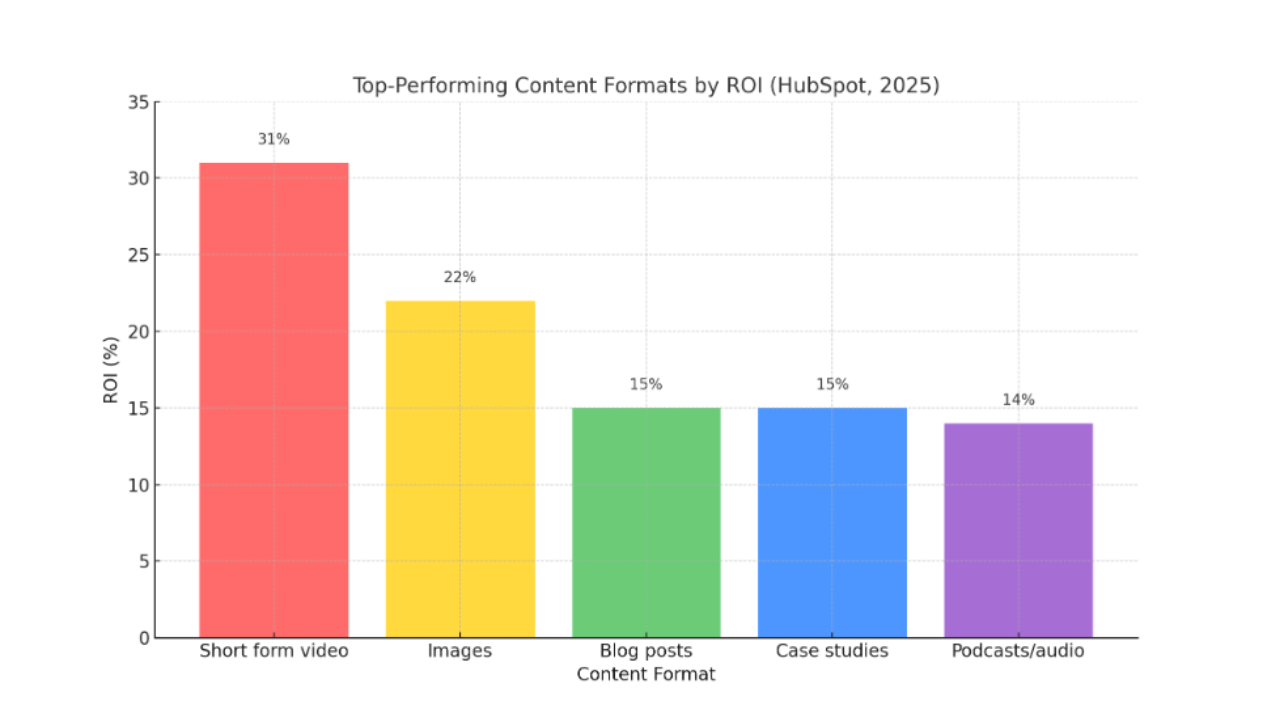
Short-form videos, on TikTok, Reels, and YouTube Shorts, are everywhere, and for good reason. Quick, punchy content grabs attention fast and keeps users watching just long enough to make an impact. These videos continue to dominate the future of social media, not just in visibility but in performance. According to Hubspot, short-form videos deliver 31% ROI, the highest among all types of social media content.

Platforms like TikTok, Instagram Reels, and YouTube Shorts push this format algorithmically. They suit shrinking attention spans and offer instant value or entertainment. Gen Z (57%) and Millennials (42%) prefer learning about products through short videos (Hubspot).

Images Still Catch the Eye

Images still hold their ground with 22% ROI and about 61% engagement, especially on visual-first platforms like Instagram and Pinterest. 

High-resolution images, infographics, and carousel posts showcasing product benefits or transformation stories are popular formats. Even for e-commerce-focused affiliate campaigns, well-edited image sets can guide the user from curiosity to click.

Overlay text on carousel slides to highlight USPs. A hook + benefit + CTA formula works wonders in affiliate promotions. The new social media trends work best when paired with concise copy or incentives, think “Offer ending today!” or “Before/after results.”

Live Video: Real-Time, Real Results

Live content brings the human side of affiliate marketing to life. Whether it’s a quick Q&A, product launch, or “ask me anything” session, 37% engagement shows that audiences appreciate spontaneity and authenticity.

It’s not always about perfect production; it’s about connection. Real voices, real feedback, real-time links. Announce your live in advance. During the session, pin your affiliate code or product link. Feature giveaways or flash coupons to keep viewers hooked till the end.

UGC: Your Customers Are Your Best Creators

In an internet full of polished ads, UGC feels refreshingly real. That’s why 55.7% of TikTok’s content today is user-generated (Statista). Whether it’s reviews, challenges, or before/after clips, the new social media trends say: people trust people.

Affiliates can actively spark UGC by launching hashtag campaigns or engaging loyal buyers. A shared customer story can do more than a scripted promotion. Reward users who create content using your links or codes. Repost their types of social media content, give them a shoutout, and create highlight reels from authentic clips.

Influencer Collaborations: Keep It Niche, Keep It Real

Instagram, TikTok, and YouTube continue to dominate the influencer marketing space. As per Oberlo (2025), over 80% of marketers are still using Instagram for influencer partnerships.

And it’s not just macro-influencers. Micro-influencers with niche audiences often outperform bigger names in engagement and ROI. Look for creators in your niche with <50K followers and authentic interaction. Offer custom discount codes and trackable links. Let them craft their own narrative; forced scripts don’t convert.

Long-Form Video & Audio

While short-form gets the attention, long-form content like YouTube tutorials, webinars, and podcasts keeps it. These formats of the latest social media trends are ideal for audiences deeper in the funnel, who are researching or comparing products.

HubSpot reports long-form videos and audio earn 24% and 14% ROI, respectively. They’re not mass-reach tools, but they build credibility.

Private Communities: Quality Over Quantity

Public feeds are noisy. That’s why creators and brands are building private, invitation-only groups on Facebook, WhatsApp, Discord, and Slack. These communities offer higher engagement and better retention.

Reports show that 60% of users feel more loyal to brands that offer community access (Statista). For affiliates, this means more trust and repeat conversions while following new trends in social media marketing.

Build niche communities around interests, like budget fashion, skincare routines, or healthy cooking. Use affiliate links subtly. Focus on education, discussion, and product recommendations as a friend, not a seller.

Let AI Help, But Don’t Lose Your Voice

AI tools are streamlining content creation like never before. Whether it’s Instagram’s MovieGen for auto-generating video concepts or multilingual avatar voiceovers from platforms like Keek, automation is helping creators produce faster, localize smarter, and scale bigger.

But while AI can repurpose content into multiple formats, suggest hashtags, or translate captions, it can’t replicate what makes your content yours. Affiliates still need to lead with originality, personal insights, niche knowledge, and emotional storytelling are irreplaceable.

Use AI for speed. Rely on your voice for impact. That’s how content converts as per the 2025 new social media trends.

What’s Worth Posting? Let ROI Be Your Guide

Creating eye-catching content is fun, but at the end of the day, it’s ROI (Return on Investment) that tells you what’s really working. If you’re putting time and effort into social media posts, you want to make sure they’re actually helping you earn. That’s where ROI steps in.

According to a recent HubSpot report, not all content formats perform equally. Some give you better results than others, more clicks, more conversions, and ultimately, more commissions. Let’s have a look:

For affiliates, ROI tells you which formats to prioritize if you want to drive both clicks and conversions with your social media content strategy.

What Affiliates Should Focus On!

The most successful social media content strategy in 2025 is the kind that makes discovery and conversion seamless. Whether you’re creating a product tutorial or running a private Telegram group, the new trends in social media marketing suggest that your content should offer real value, feel authentic, and reduce the time between interest and action. At vCommission, we help affiliates match high-performing content with high-converting campaigns. With access to top e-commerce brands, transparent tracking, and a wide variety of verticals, we make sure your content has the tools it needs to perform. 

Want to build campaigns that work on today’s platforms? Sign up with vCommission Now!

Categories
Affiliates

What Father’s Day Gifts to Promote in 2025: Top 7 Product Niches

Not All Heroes Wear Capes, Some Wear Watches, Shoes, and That Old Favorite Shirt.

Your father may not say it, but he remembers every small gesture. Every hand-drawn card, every late-night talk, every time you picked a gift just for him. Father’s Day is one of those rare occasions where the market meets emotion. And for affiliate marketers, that means it’s also an ideal time to ride the wave of high buying intent.

In India, Father Day offers and the shopping scene are booming with categories that go well beyond traditional choices. From premium watches and sustainable footwear to luxury skincare, curated gifting platforms, and travel experiences, today’s buyers want options that reflect the uniqueness of their dad.

With vCommission’s robust lineup of top-performing CPS campaigns, affiliates get the support, tracking, and trusted brands they need to make the most of this moment. Let’s break down the categories and the brands you can promote in 2025.

1. Clothing: Dads Need to Retire That Faded Shirt

Fashion gifts are always popular, and when it comes to Father Day special offers, the safest (and smartest) bets lie in classic categories: casual shirts, polos, trousers, jackets, and even loungewear. Here are the vCommission’s affiliate programs that you can promote:

    • Myntra’s range includes premium and value brands across all fashion categories. Their Father’s Day deals typically include curated collections, bundles, and special discounts.
    • Ajio is known for exclusive collections and fashion-forward styles. Ajio’s wallet-friendly pricing and frequent sales help boost conversions.
    • Levi’s is a globally trusted brand. Their clean, classic designs appeal to all generations. Denim jackets, jeans, and tees make for evergreen gifts. 

2. Footwear: Casual Comfort to Statement Style

Shoes might not be the first gift idea that comes to mind, but they should be. In 2025, sustainable, comfortable, and durable footwear is on-trend, especially for working dads, traveling dads, and fitness-focused dads. Here are the key affiliate campaigns to explore:

    • Neeman’s is well-known for their environmentally friendly line of shoes composed of recycled and natural materials. Excellent for fathers who appreciate sustainability and comfort.
    • Bacca Bucci offers streetwear-inspired, fashionable shoes at reasonable prices. These shoes are well-liked by young fathers or people with an eye for style.
    • Puma is a trusted sportswear brand with versatile sneakers, gym shoes, and slides. Ideal for sporty dads or fitness-focused gifting.

3. Skincare: Self-Care Has No Gender

Gone are the days when skincare was a women-only category. Modern consumers understand the value of grooming kits, moisturizers, and skincare routines, especially as Father Day offers gifts. Top affiliate-ready skincare brands:

    • Foxtale is an affordable, dermatologist-tested skincare product with high engagement among Gen Z and millennials.
    • Nourish Mantra is an ayurvedic ingredient with modern formulations. Perfect for mature skin and wellness-conscious gifting.
    • Forest Essentials is a premium Ayurveda brand with a strong international presence. Ideal for NRIs or buyers abroad sending gifts to India.

4. Jewellery: Sleek. Sentimental. Sophisticated.

Yes, jewellery for men is on the rise, especially minimalist silver pieces, engraved items, and statement accessories. Gifting jewellery to dads can be surprisingly emotional and stylish, particularly when it includes a personal touch. Best affiliate picks are Giva, which offers sterling silver jewellery with gifting-ready packaging. The emotional angle works beautifully for Father’s Day campaigns. Another one is Salty, which offers bold, urban designs ideal for Gen Z gifting. Works well for edgier content styles or Telegram channels focused on men’s fashion.

5. Gifting Platforms: 1 Site, 100 Ideas

For last-minute buyers or those seeking something more flexible, curated gifting platforms like IGP.com are a one-stop shop. They offer everything from Father’s Day gift hampers and cakes to personalized mugs and grooming kits, making them a reliable fallback for anyone short on time. IGP is India’s leading gifting platform. It offers hampers, flowers, grooming kits, cakes, and personalized items.

6. Luxury: When Only the Best Will Do

For shoppers who want to give something premium and unforgettable to their beloved fathers, luxury items remain a top-tier category. Watches, perfumes, and leather accessories from legacy brands like Titan offer both sophistication and sentiment. Titan is a legacy brand known for watches, perfumes, and accessories. Excellent for milestone moments like a dad’s 50th birthday, retirement, or first Father’s Day.

7. Travel & Outdoor: A Gift of Experience

With the boom of travel enthusiasts in 2025, not limited to adults alone, experiential gifting has become the perfect choice for Father’s Day. Whether it’s a short trip, a getaway plan, or even the gear to support an adventure, travel-focused Father’s Day gift hampers are booming in 2025. Affiliate campaigns to tap into include ClearTrip, one of India’s leading platforms for booking flights, hotels, and holiday packages. Another one is Wildcraft, which offers outdoor gear, backpacks, and adventure clothing. Perfect for dads who love road trips or weekend hiking.

Smart Content Ideas for Father’s Day 2025

Here are targeted content formats and themes that you, as an affiliate, can use:

1. Gift Guides with Built-In CTAs

It’s best for formats like blog, YouTube, and Web Story. Here are some content ideas: 

    • “Top 10 Father’s Day Gift hamper in 2025 (That You Can Still Get in Time)”.It can include products from Myntra, IGP, Titan, and Neeman’s
    • “Best Father’s Day Gifts Under ₹999 / ₹1999 / ₹2999”. Tiered pricing attracts budget and premium buyers alike
    • “Gifts for Every Type of Dad: The Stylish, The Sporty & The Sentimental”. Segment and target based on user personas

2. Quick Comparison Posts

Can be used in the Instagram carousels, emailers, and comparison blogs. Here are some content Ideas: 

    • “Neeman’s vs Puma vs Bacca Bucci: Which Shoe to Gift Dad This Year?”
    • “Forest Essentials vs Foxtale for Gifting? Here’s What You Should Know”
    • “Ajio vs Myntra: Best Father Day Deals for Fashion”

3. “Don’t Know What to Buy?” Posts for Late Shoppers

Formats like Telegram deals, WhatsApp groups, and microblog are best for these posts. Some of the best content Ideas: “Too Late to Find a Gift? These Are Ready-to-Ship & On Sale” (Promote IGP, Myntra, Cleartrip, Titan) and “Instant Gifting Options That Feel Personal” (Gift cards, digital subscriptions, IGP curated gifts).

4. Emotional Storytelling + Affiliate Links

This type of content is best for Instagram captions, short-form videos, and email copy. Some great content ideas are: Share a memory and end with “This year, I’m gifting my dad a watch from Titan, because some bonds deserve timeless things.” Reels with “Dad, I remember when you… This year, I found a gift that says…….”Link to Giva or Forest Essentials.

5. “What’s Trending?” Reels or Shorts

Formats like Instagram Reels, YouTube Shorts, and Pinterest Pins perform the best. Some trending content ideas are: “Top 3 Gifts Going Viral This Father’s Day” (Promote stylish watches, silver bracelets, grooming kits) and “What Indian Dads Actually Want in 2025” (Based on surveys or creator polls, link to actual products).

6. Bundled Content for Higher Cart Value

Such content can be used in formats like Blog, Instagram carousel, and deal post. Here is what you can do: “Build Your Own Father’s Day Gift Hamper”. Include Giva bracelet + Titan watch + Foxtale skincare and “Gift Packs That Do More Than Say Thanks”. Link to Wildcraft backpack + Forest Essentials + Levi’s.

7. Coupon Code Roundups

The formats, including Telegram posts, WhatsApp stories, and Emailers, can be used. Here are some content ideas:  

    • Father’s Day Discounts Coupons Roundup: All the Best Discounts in One Place”
    • Include vCommission campaigns like Puma, Foxtale, Myntra, IGP, and Cleartrip
    • Add CTAs like “Tap to claim code – valid for 48 hours only!”

8. Regional or Language-Based Content

These content types perform great in Instagram Reels, YouTube Shorts, and Blogs. Here is what you can create: 

    • “Papa ke liye kya kharidein? Yeh 5 ideas sabse alag hain”
    • Use regional language content for platforms like Moj, Josh, or ShareChat
    • Promote curated gifts (IGP), skincare, and fashion

9. Email Templates for Gifting

You can use Pre-written email templates for personal or community newsletters. Ideas: “Still Thinking What to Gift Dad? We Found 7 Options He’ll Actually Use” and add a CTA: “Start with his style. “Hot Myntra Deals” or “Grooming for Dad. Explore Foxtale”.

10. “What NOT to Gift Your Dad” Content

This is unique and interesting. You can use formats like Listicle, YouTube video, and humorous Reel for this content. Ideas: “5 Things Dads Pretend to Like (and What You Should Get Instead)”. “Socks Again? No Thanks. Try These Ideas.” Link to Neeman’s, Titan, Wildcraft.

vCommission Has Your Back- From Click to Conversion

When the shopping season picks up, you need more than just good offers; you need a partner that helps you earn smoothly. That’s where vCommission comes in.

With access to top-performing brands like Myntra, Titan, IGP, Neeman’s, Foxtale, and Cleartrip, you don’t have to go looking for campaigns that convert; we already have them for you.

But that’s just the start.

Here’s how vCommission helps you get the most out of every festive season or sales moment:

    • Fast & Easy Setup – Start promoting campaigns quickly with the link you need.
    • Real-Time Tracking – Keep an eye on every click, lead, and sale as it happens.
    • Multiple Traffic Sources Allowed – From blogs and reels to WhatsApp and Telegram, we support the platforms you actually use.
    • Dedicated Affiliate Support – Stuck somewhere? Our team is here to help you fix, launch, or scale.
    • Reliable Payouts – Your effort is always rewarded, on time, every time.

To scale up this Father’s Day campaign, vCommission gives you the right tools, trusted brands, and complete visibility so you can earn with confidence.

To Sum Up

Father’s Day in 2025 is a deeply personal opportunity to connect with shoppers looking to show appreciation for their dads. When they’re shopping for stylish clothes, thoughtful skincare, a timeless watch, or a surprise getaway, you have the content ideas and campaigns to turn clicks into conversions.

With vCommission, you get the reliable partner you need to make your Fathers Day deals and promotions successful, from the first impression to the final sale. 

Sign up Now!

Categories
Affiliates

Earn from Every Step with Neeman’s Footwear Affiliate Program

What if your next paycheck came from someone simply walking in the shoes you recommended?

Sounds easy, right? And with Neeman, it truly is easy. This isn’t just another shoe brand; Neeman is where every step someone takes in sustainable footwear can turn into real income for you.

Whether your audience is full of sneakerheads, eco-conscious shoppers, or comfort seekers, Neeman has something for everyone. Their shoes don’t just look good, they feel good and do good for the planet. And that triple combo is exactly what makes them easy to promote.

According to Statista, India’s footwear market is expected to generate $33.86 billion in revenue in 2025, with an annual growth rate of 7.73% (CAGR 2025–2030). That’s a huge pie, and you can get a slice of it by joining the Neeman affiliate program via vCommission.

Why People Love Buying from Neeman

Founded in 2017 by Taranjeet Singh Chhabra and Amar Preet Singh, Neeman was created with a simple idea: footwear can be stylish, comfortable, and sustainable. Most shoes in the market use synthetic fibers that harm the planet. Neeman said no to that. Instead, they use eco-friendly materials like:

        • Australian Merino Wool – naturally breathable, moisture-wicking, and good for all seasons.
        • Recycled Rubber & Castor Bean Oil – giving waste a second life.
        • Recycled Plastic Bottles – over 3.2 million bottles repurposed into durable shoes.

Neeman designs are minimalist, yet versatile, perfect for everything from work meetings to weekend getaways. It’s no surprise that the brand has become a favorite among urban millennials, professionals, and environmentally conscious shoppers across India.

Neeman Affiliate Program at a Glance

Here’s what makes the Neeman affiliate program worth your time:

        • Type: CPS (Cost Per Sale)
        • Geo: PAN India
        • Tracking: Offline
        • Validation Period: 30 days
        • Cookie Duration: End of the session
        • Cash on Delivery: Yes
        • Promo Channels Allowed: Content, Coupons, Cashback, Email, SMS, Telegram, Influencers, Sub-networks, Pop, Push, Video, Incent, Smartlink, Media Buying, Social, Native & Display

So whether you’re a content creator writing about sustainable living, a coupon site driving traffic during a sale, or a Telegram channel sharing deals, Neeman has the flexibility you need to succeed.

What Makes Neeman a Strong Brand to Promote?

      1. Everyday Comfort That Converts: Neeman shoes are built for all-day wear. From their wool joggers to sneakers and slip-ons, comfort is at the core. That makes it easy for you to promote them in lifestyle blogs, YouTube reviews, or social media reels where everyday wear meets real-life use.
      2. Strong Eco-Story That Sells: Consumers today care about the planet. Neeman eco-story isn’t a marketing gimmick; it’s their brand DNA. Highlight their sustainable materials and recycled packaging, and you’ll attract audiences who value conscious shopping.
      3. Stylish Yet Practical Designs: Minimalist design means Neeman pairs easily with most outfits, formal, casual, or travel-friendly. And because it suits all age groups, you can pitch it to students, working professionals, or parents looking for quality footwear.
      4. Direct-to-Consumer Advantage: Available on their official website, Neeman often releases exclusive collections and deals online, giving affiliates more reasons to push web traffic and conversions.

Who Should Join the Neeman Affiliate Program?

Neeman is a perfect fit for affiliates across a wide range of niches:

        • Eco-conscious influencers promoting green living
        • Lifestyle bloggers writing about fashion, health, or travel
        • Coupon and cashback platforms with deal-seeking users
        • YouTubers and Instagram creators are making product review videos
        • Telegram and WhatsApp deal channels
        • Performance marketers running native or social ad campaigns

The versatility of both the product and the program means almost any traffic source can work, just align your audience with the story Neeman tells.

Why Promote Neeman Through vCommission?

Joining the Neeman affiliate program gets even better when you’re backed by vCommission’s performance-driven affiliate ecosystem. As one of India’s most trusted affiliate networks, vCommission gives you the tools and support to turn traffic into real, reliable earnings. Here’s how:

      1. Seamless Tracking: Advanced tracking setup ensures accurate credit for every conversion, even across diverse traffic types.
      2. Flexible Payouts: Timely and consistent payments so you never have to chase your earnings.
      3. Dedicated Support: Get access to an affiliate manager who understands your traffic and helps you optimise it.
      4. Wide Promo Access: Promote across multiple allowed channels, from content and email to Telegram, pop, and push traffic.
      5. Real-Time Reports: Transparent, data-rich dashboards to monitor your performance at every step.

Lace Up Your Earnings!

Neeman isn’t just another shoe brand; it’s a story people love to walk in. From sustainability to style to comfort, it ticks all the boxes modern shoppers care about. And with India’s footwear market booming, there’s no better time to step into this affiliate opportunity.

Every step counts, both for the planet and for your earnings. Join the Neeman affiliate program with vCommission today, and start turning clicks into commissions with every stylish, sustainable step. Sign up Now!

Categories
Affiliates

Boost Your Earnings with Ajio’s High-Demand Fashion Deals

Fashion trends change at lightning speed!

One day it’s oversized shirts, the next it’s matching sets and streetwear vibes. But one thing that doesn’t change? People love to shop for fashion, especially when they can find trendy pieces at great prices. And if you’re in the affiliate space, this habit is your opportunity to earn.

Ajio, one of India’s most-loved fashion platforms, is packed with fashion-forward collections that appeal to every age group and style preference. Whether it’s casual wear for college students, formal looks for professionals, or stylish outfits for weddings and parties, Ajio has it all.

According to Statista, revenue in the Indian fashion e-commerce sector is expected to hit $17.24 billion in 2025, with a projected market volume of $24.35 billion by 2029.

That’s massive. And it means there’s huge potential for affiliates to cash in on India’s growing love for online fashion with Ajio affiliate via vCommission.

Why Ajio Is a Shopper’s Favorite

Ajio is an online fashion store started by Reliance Retail in 2016. It offers a wide range of clothes, footwear, and accessories for men, women, and kids. Ajio features popular Indian and international brands, along with its own label called “Ajio Own.” It also supports local artisans through its Indie collection. Ajio is known for trendy styles, good discounts, and easy returns. Recently, it started offering faster deliveries in many cities. Ajio also partnered with Shein to bring its fashion back to India. It’s a trusted shopping platform for people who love fashion and want stylish options at good prices.

Ajio Affiliate Program Snapshot

Here’s what makes the Ajio affiliate program stand out:

    • Type: CPS (Cost Per Sale)
    • Geo: PAN India
    • Tracking: Real-time
    • Validation Period: 30 days
    • Cookie Duration: 1 day
    • COD (Cash on Delivery): Available

With Ajio, you can promote deals through Web, Mobile Web, App, and various channels like Content, Coupons, Cashback, Email, SMS, Telegram, Influencers, Video, Push, Pop, Sub-network, Reseller, Social Media, Display, and Native Ads.

That’s a lot of room to test what works best for your traffic, whether you’re a blogger, YouTuber, Telegram channel owner, or someone running paid ads.

What You Can Promote (And Why It Works)

Here’s what makes Ajio a strong product to promote year-round:

  1. Trendy Fashion for All: Ajio keeps its catalog fresh. That means you’re never short on high-converting collections, seasonal wear, ethnic styles, western casuals, kids’ outfits, and activewear.
  2. Frequent Discounts & Big Sales: Ajio runs some of the most talked-about sales in Indian fashion e-commerce,end-of-season, festive drops, Ajio Mania, and more. These events create urgency and help you close more conversions.
  3. Ajio Luxe and Exclusive Brands: For creators targeting premium shoppers, Ajio Luxe is a goldmine. Promote high-ticket items from luxury brands and earn bigger commissions per sale.
  4. Accessories, Footwear & Beauty: Don’t stop at clothes. Ajio also offers trending handbags, shoes, makeup, skincare, and even statement jewelry, great for creators in the lifestyle space.

Who Should Join?

This affiliate program is ideal for:

    • Fashion bloggers and vloggers
    • Coupon and cashback sites
    • Telegram deal channels
    • Instagram creators and influencers
    • Email marketers and push networks
    • Performance marketers doing media buying

Because of its large product range and frequent deals, you’ll always find something that fits your content or audience interests.

How You Benefit as an Affiliate

Joining the Ajio program through vCommission gives you the support and tools you need to succeed:

    • Real-time Tracking- Track every click and sale instantly to optimize your strategy.
    • Wide Range of Promo Methods- From content and coupons to media buying and influencer promos, use what fits your brand.
    • Cash on Delivery- Increases trust and boosts conversions, especially with first-time shoppers.
    • Creative Freedom- Create reels, blogs, emailers, or just share deal links; you can promote Ajio in the way your audience responds best.

Start Earning with Ajio Now!

Ajio’s massive reach, combined with its fresh catalog and exciting deals, makes it a top choice for affiliates who want consistent earnings. You’re not just promoting fashion, you’re promoting a lifestyle that people love to be part of.

If you’re already a content creator or performance marketer, this is your chance to tap into India’s booming fashion scene.

Fashion is personal. Shopping is emotional. And Ajio blends both beautifully, giving you the perfect platform to earn with every trend, every deal, and every sale.

Ready to turn your traffic into earnings? Join the Ajio affiliate program with vCommission today and start promoting India’s most exciting fashion destination.

Categories
Webinar

Mastering Social Ads for Affiliate Lead Gen: Key Takeaways from the vCommission × AWC Webinar

Social media ads are everywhere, but how do you actually use them to get real leads as an affiliate? It can be tricky for affiliates to know which offers work best, how much to spend, and where to find good traffic.

To help cut through the noise, vCommission joined hands with Affiliate World Conference to host a webinar titled “Mastering Social Ads for Affiliate Lead Gen.” Led by Parul Mehta Bhargava (CEO, vCommission) and Khawar Jamil (COO, Affiliate World Conferences), the session offered practical strategies for running profitable lead generation campaigns using paid social ads.

If you missed the live session, don’t worry. This blog shares the key takeaways from that session, so you can understand how to pick the right offers, budget your campaigns, and find the best places to advertise. If you want to make your social ads work better and get more leads, keep reading.

Why Lead Generation Matters in Affiliate Marketing?

Lead generation (or lead gen) means attracting potential customers and collecting their contact details, like phone numbers or emails, so businesses can follow up and convert them into buyers. For affiliates, lead gen is a powerful way to earn commissions by sending high-quality leads to advertisers. But with many brands competing online, mastering social ads to generate leads efficiently is crucial to stand out and succeed.

Start Smart: When to Use Affiliate Networks vs. Building Your Brand

Khawar Jamil began the webinar by highlighting a common dilemma for newcomers:

Should you start by running your own campaigns or work through affiliate networks?

He strongly recommends starting with affiliate networks because:

    • Plug-and-play Simplicity: You don’t have to find advertisers or build funnels yourself.
    • Access to Volume and Variety: Networks have many offers and buyers ready to pay for leads.
    • Better Guidance: Affiliate managers can help you pick offers that fit your traffic and niche.

This advice is golden for beginners. Working with a network helps you understand the market better without a heavy upfront investment.

Picking the Right CPA Offer: 4 Tips That Work

Choosing the right Cost Per Action (CPA) offer is the backbone of successful lead gen. Khawar shared some practical tips:

Tip 1. Talk to Your Affiliate Manager

Your affiliate manager is your best friend in the business. They have real-time data and know what’s working across the network. Don’t hesitate to ask them:

    • Which offers convert well?
    • What kind of traffic works best?
    • What are the average payouts and earnings per click (EPC) for your target geography?
    • Are there proven funnel or landing page examples you can model?

This personalized guidance can save you time and money.

Tip 2. Promote Recognizable Brands

When starting, pick offers from well-known, trusted brands. For example, if you’re in the travel vertical, Booking.com is a great choice because people already trust the name. This reduces friction and boosts conversion rates since you don’t have to convince users from scratch.

Tip 3. Explore New Verticals

While proven verticals (like insurance or dating) may look attractive, they’re often saturated with competition. Parul Mehta Bhargava advised looking for new or less crowded verticals. These have less competition and give you a better chance to win and scale.

Tip 4. Spy on Your Competitors (The Smart Way)

Use tools like AdPlexity, SpyFu, and Facebook Ad Library to see what your competitors are doing. But remember- Don’t just copy their ads or funnels. Instead, analyze what’s working and improve it. For example, if User Generated Content (UGC) ads are trending, understand their style, script, and structure. Then create your own improved version with higher quality or better messaging.

Should You Build Your Own Lead Gen Brand? Pros and Cons

The webinar also covered why and when affiliates might want to launch their own lead-gen brand instead of working only through networks.

Advantages

    • More control over the funnel and lead quality.
    • Ability to build a sustainable, long-term business.
    • Potential to charge premium prices for exclusive leads.

Disadvantages

    • Higher upfront investment and effort.
    • Need to build and maintain funnels, traffic, and buyers.
    • More complex tracking and validation processes.

How to Price Your Lead?

If you go this route, Khawar advised understanding how to price your leads correctly, including options like:

    • Exclusive leads: Selling a lead to only one buyer, usually at a higher price.
    • Shared leads: Selling the same lead to multiple buyers at a lower cost.
    • Backend Model: Earn revenue from buyers based on leads’ long-term value or performance beyond the initial sale.
    • Zero-Risk Model: Structure deals where buyers pay only for validated, high-quality leads, minimizing their risk and allowing you to charge a premium.

Validating leads (via phone and email verification) can help you charge extra by guaranteeing quality.

Building Funnels for Lead Gen Campaigns

Khawar explained the three key stages when building your own lead gen funnel:

  1. Ads: Create engaging and eye-catching creatives to generate awareness and attract your audience.
  2. Lead Collection Pages: These pages collect the user’s contact info. Good landing pages are clear, simple, and have strong Call To Action (CTA) buttons visible at all times.
  3. Lead Management: After collecting leads, you need to validate, filter, and distribute them efficiently to buyers.

Using Content to Warm Up Leads

Further, he discussed advertorials, a blend of ads and editorial content. They look like regular blog posts but subtly promote a product while educating the reader. Common types include:

    • Blogs – Informative posts that build trust.
    • Blogvertorials – A mix of blogs and ads with soft promotion.
    • Sponsored stories – Branded content that tells a relatable story.

Niche Verticals: Local vs. Nationwide

Affiliates often ask: Should I target a small area or go national?

The answer depends on your traffic sources and offer strength. The webinar explained the distinction:

    • Local Verticals:  These are easier to dominate with geo-targeted ads and often have lower ad costs. For example: dentist appointments, gyms, pest control, and home improvement.
    • Nationwide Verticals: These require bigger budgets but offer larger scale and long-term monetization potential. For example: solar panels, broadband, insurance, and education. 

Knowing your funnel capacity, traffic quality, and lead buyer network helps you pick the right type of vertical.

Finding Buyers for Your Leads

With this, Khawar took everyone through how to find the right buyers who actually want quality leads:

    • Use Google to search keywords like “buy life insurance leads” or “buy broadband leads.”
    • Check the privacy policies of lead gen companies; they often list their buyers due to legal requirements.
    • Build relationships with affiliate managers and traffic networks to get introductions.

Traffic Sources That Work for Lead Gen

Multiple platforms can deliver traffic for your lead-gen campaigns. Khawar highlighted platforms like:

    • Facebook and Google Ads (popular but sometimes costly)
    • Native Ads (surprisingly effective, often outperforming Facebook and Google)
    • Push Notifications (platforms like PushNami and Notify AI provide high-quality, converting traffic)
    • LinkedIn Ads (great for professional and B2B verticals)
    • TikTok Ads (excellent for younger audiences and viral content)
    • Google Display Network (useful for broad reach and retargeting)
    • YouTube Ads (video ads that engage users visually)
    • DSP Platforms (Demand-Side Platforms for programmatic buying and niche targeting)

Maintaining Quality Leads

If you send low-quality or invalid leads, buyers won’t return, and your campaigns will lose credibility fast. 

To keep buyers happy, focus on:

    • Always run email and phone validations before passing leads to buyers. Tools like ZeroBounce, Emailable, and Phone Validator APIs can help automate this step and reduce fake entries.
    • Platforms like Go High Level or HubSpot can help you organize, score, and follow up with leads efficiently. 
    • Leads that are verified, exclusive, or validated through double opt-in processes hold higher value. Buyers are willing to pay more for leads that require less filtering on their end.

To Wrap Up

Mastering social media ads for affiliate lead generation takes strategy, testing, and the right guidance. Whether you choose to start with affiliate networks or build your own lead-gen brand, understanding your offers, traffic sources, and how to maintain lead quality is essential. The insights shared by industry experts, Parul Mehta Bhargava and Khawar Jamil provide a strong foundation to help you grow your campaigns effectively in 2025 and beyond.

Stay honest, stay adaptable, and focus on delivering value; this is how you turn clicks into real, profitable leads.

FAQs

  1. Which traffic source performs best for lead gen—Meta, TikTok, or others?

Native traffic gave the best results with a lead-to-sale conversion rate of over 50%. Push notification. Traffic from sources like PushNami and Notify AI also performed exceptionally well. Facebook and Google gave 20-35% conversion rates.

  1. I’m a beginner in affiliate marketing. What tips do you have for me?

Build your network by socializing with industry people. Connect with affiliate managers and traffic network representatives. Learning from experienced people helps more than just hunting for offers alone.

  1. How do I determine my Cost Per Lead (CPL) and traffic testing strategy?

Ask your affiliate manager and traffic network representatives about average CPL and expected results. Test traffic sources based on that info, adjusting bids and offers accordingly.

  1. Should I go for a pay-per-call model in 2025?

Yes, pay-per-call still has strong potential and is preferred by many buyers for its quality. But new regulations are coming, so be ready to adapt if you want long-term success.

  1. What kind of creative angles are considered too aggressive for each?

The key is to avoid misleading your audience. Always stick to the facts and clearly represent the offer. You can still create attractive, clickable ads, even some that are a little “clickbait-y”, but there’s a line you shouldn’t cross.