
Categories
Affiliates

Social Commerce for Affiliates: How to Sell More on Instagram, YouTube & WhatsApp

Think about the last time you bought something because it popped up in your Instagram feed, you saw it used in a YouTube video, or a friend sent you a link on WhatsApp. Shopping is no longer just about visiting online websites; it’s happening right inside the apps people use every day.

This change is a big opportunity for affiliates. Instead of waiting for people to search for products, you can reach them where they spend most of their time online. The gap between seeing and buying a product is getting smaller, and because of this, India’s social commerce market is growing quickly. In fact, according to a Bain & Company report cited in The Economic Times, the market is expected to reach $16 to $20 billion by 2025. This means more chances for affiliates to turn their followers into customers without relying only on traditional e-commerce websites.

In this blog, we’ll look at how Instagram, YouTube, and WhatsApp can become powerful sales tools for affiliates, and what steps you can take to make them work for you.

Why Social Commerce Works for Affiliates

Social commerce means selling directly through platforms like Instagram, YouTube, and WhatsApp. And the buyers don’t need to switch between multiple apps or websites. The product, the recommendation, and the buying link all appear in one place, making the process faster and simpler. This approach is beneficial for affiliates, as:

1. Your audience is already active

One of the best things about social commerce is that it meets people where they already are. Instagram alone sees users spending around 11.7 hours a month on the app (Statista), so your content isn’t fighting for attention in a new space; it’s appearing in their daily scroll. On WhatsApp, where open rates top 90% (Verloop.io), your message has a far better chance of being seen than in an email inbox. And with YouTube reaching about 2.5 billion people globally (Global Media Insight), it offers affiliates a chance to connect with massive, highly engaged audiences, especially Gen Z.

2. Recommendations feel personal

Social commerce thrives on trust. When a recommendation comes from someone people already follow, it feels like advice rather than advertising. That’s why more than half of users have made a purchase directly on platforms like Instagram or TikTok (Publift). These buyers also tend to spend more, about 21% extra per order on average. 

3. Fewer steps to buy

Social commerce removes the friction between “I like this” and “I’m buying it.” Features like Instagram’s shoppable posts or YouTube Shorts’ built-in checkout mean people never have to leave the app. This simplicity pays off; affiliate links now account for nearly a third of all global eCommerce sales, and campaigns generate about $15 in revenue for every $1 spent (Authority Hacker).

4. Content shows the product in action

Seeing is believing, especially online. A product demo, a review, or a quick tutorial can turn curiosity into a sale far more effectively than static images. In fact, 53% of affiliate sales come from this kind of content (GeekChamp, 2025), and video formats convert at nearly twice the rate of still posts. With eCommerce making up 67% of affiliate revenue, niches like lifestyle and tech are finding even greater success by showing products in use.

How to Optimize Your Instagram Profile for Affiliate Sales
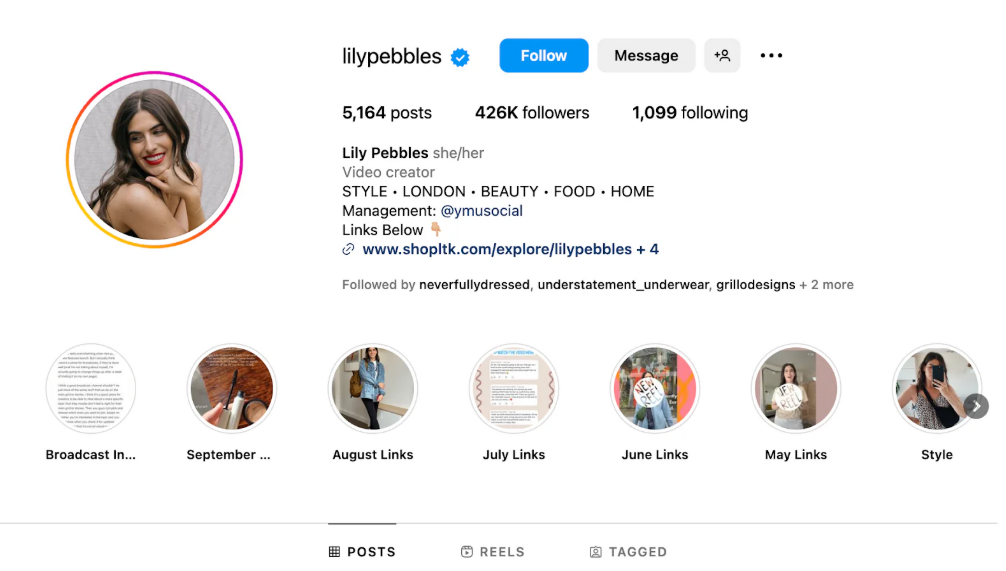
Instagram is one of the most effective platforms for social commerce because it combines visuals, storytelling, and built-in shopping features. Affiliates can use different content formats to reach their audience and guide them toward a purchase without disrupting their browsing experience.

1. Use Reels to Show Products in Action

Short videos are dominating Instagram right now. Reels get around 67% more engagement than regular posts (Outfy), and when viewers see a product being used, they’re about 2.3x more likely to buy. They already account for roughly a quarter of all affiliate purchases on the platform, so skipping Reels means leaving sales on the table.

2. Share Time-Sensitive Deals in Stories

Stories work well for flash offers because they create urgency. They get about five times more taps than feed posts (Publift), and adding a link sticker can lift clicks by around 32%. Simple features like countdown timers or polls can also push engagement up by nearly 28%, and that extra interaction often leads to higher conversions.

3. Add Shoppable Tags to Posts

The easier it is to buy, the better your results. Posts with product tags convert about 23% better than those without (Influencer Marketing Hub), and with 80% of Instagram users having tapped a product tag at least once, this is one of the simplest ways to shorten the path from interest to purchase.

4. Post Helpful, Trust-Building Content

People follow creators for more than discounts; they want value. Share tips, how-to guides, or personal reviews instead of only sales pitches. According to HubSpot, 61% of users trust creator recommendations more than ads, and micro-influencers can drive engagement rates up to 60% higher. That trust can easily turn into clicks and sales.

5. Respond to Comments and DMs Quickly

Quick replies show you’re attentive and build buyer confidence. Affiliates who respond to questions within two hours see around 40% more conversions (EarnKaro). Direct messages, in particular, are powerful, with click-through rates of about 48%; they outperform many other online channels.

YouTube Affiliate Marketing Strategies for Higher Conversions
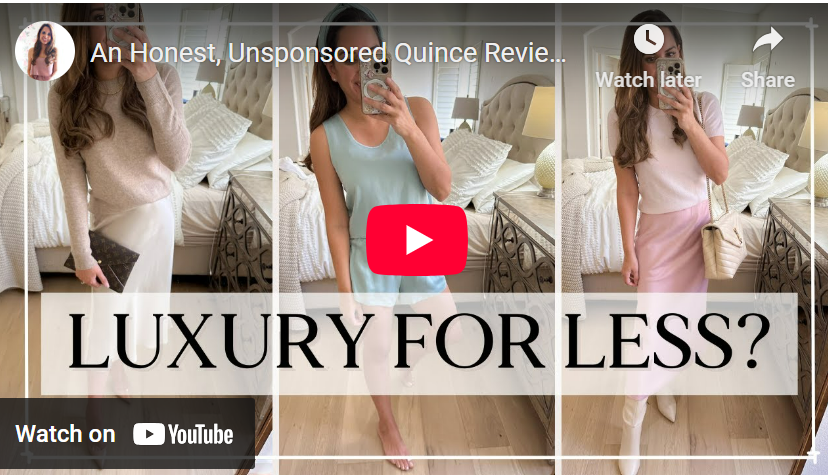
YouTube is one of the most powerful platforms for affiliate marketing because it blends learning, entertainment, and shopping in one place. With over 2 billion people using it every month (GeekChamp), even small creators have the chance to reach a huge audience.

Also your videos can keep generating views, and sales, for months or even years after posting. In fact, YouTube affiliate marketing brought in $2.6 billion globally in 2024 (Zebracat), showing just how much opportunity it holds.

1. Give Honest Reviews

People connect with creators they can trust. Share the real picture, what you liked, and what could be better. This builds credibility, which is essential when you’re competing in a space where over 60% of marketers now consider YouTube their main affiliate channel (WeCanTrack).

2. Make Simple How-To Videos

Step-by-step guides help viewers imagine themselves using the product. That visual connection often turns into clicks on your affiliate link. Considering that the average earnings per affiliate link on YouTube are $6.80 (Zebracat), those clicks can add up quickly.

3. Try Using YouTube Shorts

Short videos are quick to make but very effective. Even though they make up only about 11% of videos uploaded, they lead to 22% of affiliate sales on YouTube (Zebracat). Videos like quick unboxings, product comparisons, or short tips work great in this format.

4. Make Your Videos Easy to Find

Use clear titles, detailed descriptions, and the right keywords to help your videos show up in search results. Put your affiliate link near the top of the description so viewers can easily find it without scrolling.

5. Add Timestamps for Multiple Products

If your video talks about several products, adding timestamps lets viewers jump straight to the part they want. This makes watching easier and can increase the chance they’ll click your affiliate link for that product. With its wide reach, trust-building power, and long-lasting visibility, YouTube remains one of the best platforms for affiliate marketing.

WhatsApp Affiliate Marketing Strategies to Increase Conversions
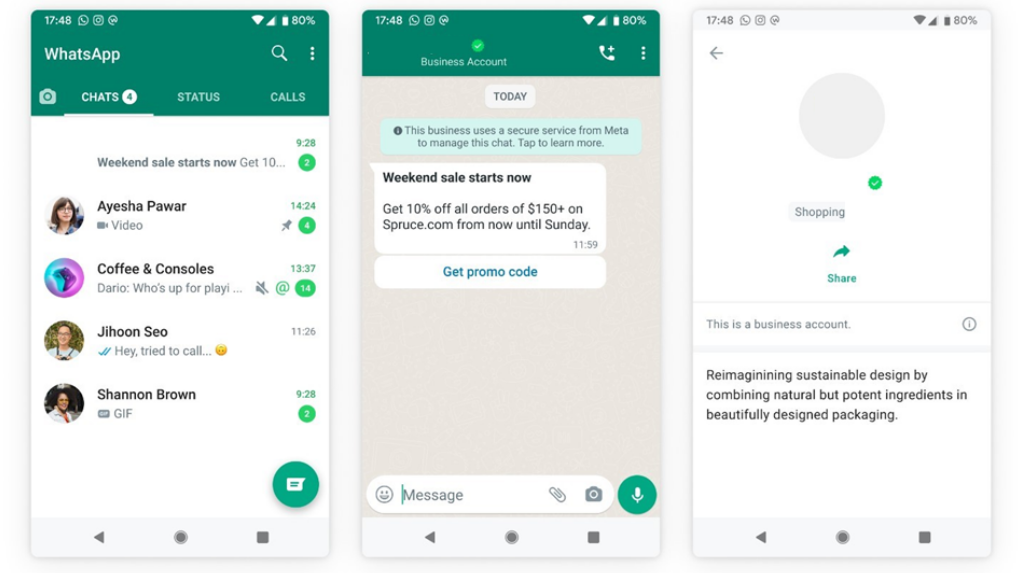
WhatsApp may not look like a traditional sales platform, but it’s one of the most personal and high-conversion channels available. With over 2 billion users worldwide (Backlinko), it’s a great way to reach people directly. And most of the people see and react to your message here.

1. Start with People Who Engage with Your Niche

Focus on building a list of contacts who are genuinely interested in your topic. You can collect leads through sign-up forms, social media promotions, or QR codes at events. Targeted leads are much more likely to convert; they convert four times better than random contacts (AffiliateWP, 2025).

2. Use WhatsApp Broadcast Lists for Quick Updates

Broadcast lists allow you to send the same message privately to many people at once. They have high engagement, with WhatsApp open rates averaging 98%, far higher than email (Authority Hacker, 2025). Use them to share product launches, special offers, or tips with affiliate links.

3. Share Exclusive Deals in Niche Groups

WhatsApp groups are useful for building a small, loyal community. Engagement here can be three times higher than on public social media. Share valuable content along with product recommendations so it feels helpful rather than promotional.

4. Send Short Videos, Images, and Voice Notes

Rich media makes your messages feel personal and engaging. Video content shared via WhatsApp can get a click-through rate of 5.2% (Whop.com, 2025). Use short demo videos, image carousels, or quick voice notes to explain product benefits in a friendly way.

5. Use WhatsApp Status for Quick Promotions

WhatsApp Status works like Instagram Stories and disappears after 24 hours. About 40% of users check statuses daily (Backlinko, 2025), making it a good place to share flash sales, behind-the-scenes moments, or seasonal offers.

To Sum Up!

Social commerce is changing how people shop, making it easier and faster to buy products directly on Instagram, YouTube, and WhatsApp. For affiliates, this opens up new ways to reach customers where they spend most of their time online. By sharing honest reviews, helpful tips, and engaging content, affiliates build trust and guide their followers to buy without extra steps.

At vCommission, we focus on making affiliate marketing straightforward and effective. You can track your clicks and sales in real time, so you always know how your efforts are performing. Our platform lets you promote in ways that suit your style and audience, giving you the flexibility to grow your income your way.

With clear and timely payments, we help you focus on creating useful content that helps your followers find great products. As social commerce grows, affiliates who use the right tools and strategies have the best chance to succeed. With our support, you can confidently use Instagram, YouTube, and WhatsApp to boost your affiliate sales and grow your income steadily. 
Categories
Affiliates

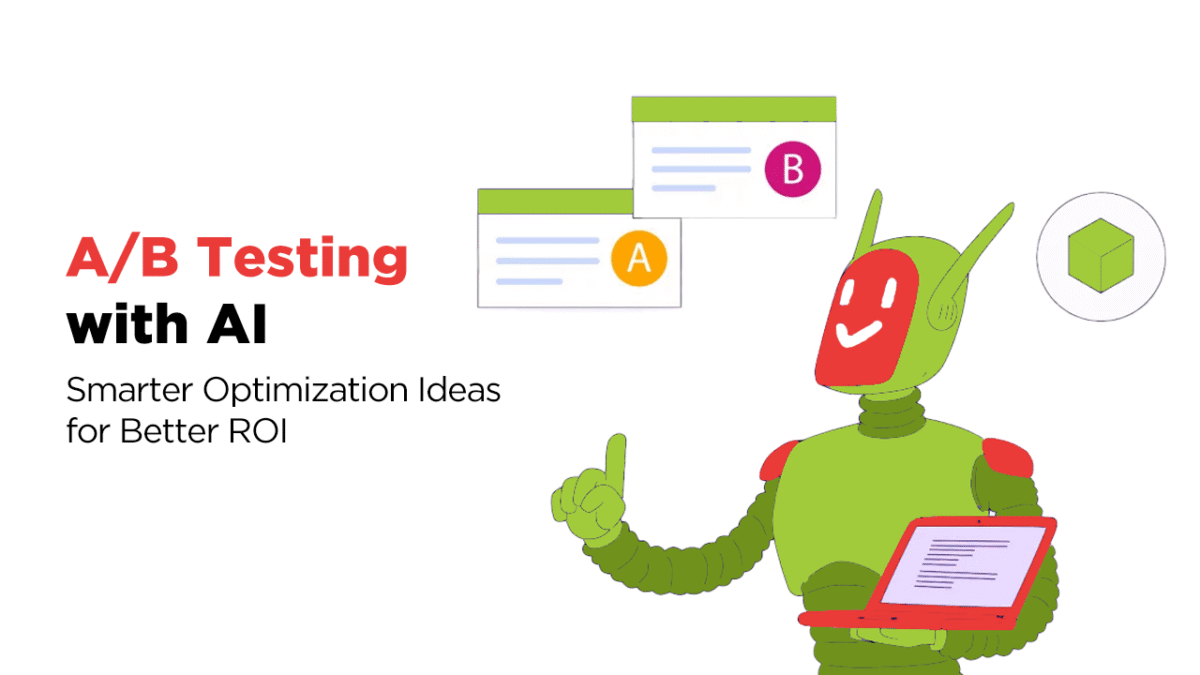
A/B Testing with AI: Smarter Optimization Ideas for Better ROI

A good offer can still flop if the creative doesn’t click. In affiliate marketing, even small creative choices can mean the difference between a scroll and a sale.

That’s why many top affiliates rely on A/B testing, comparing two versions of a page, ad, or email to see what actually works. But traditional testing takes time, and by the time you get results, the traffic may have moved on.

AI can help solve that precisely. It speeds up testing, spots what’s working early and helps you adapt in real-time, without wasting budget. According to a 2025 report by AI Testing Tools, this approach cuts testing time by up to 70% and increases test coverage by up to 90%. For performance marketers, that means quicker decisions and more reliable results, without wasting budget or traffic.

In this blog, we are going to talk about how A/B testing works in affiliate marketing, the best AI tools that affiliates can use for A/B testing, and how AI is changing the game for affiliates across traffic types and platforms.

What Is A/B Testing in Affiliate Marketing?

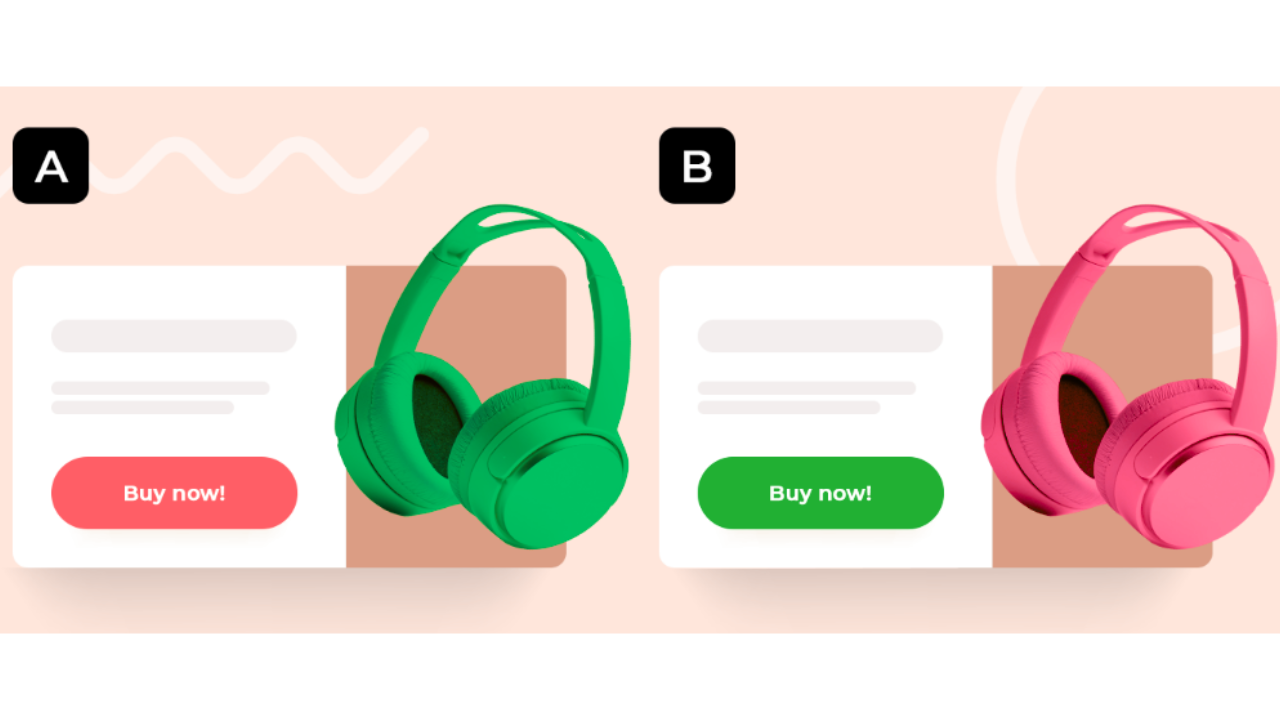
A/B testing is the process of comparing two versions of a campaign element to see which one performs better. In affiliate marketing, this could mean testing different ad creatives, call-to-actions, headlines, or even how and where you place tracking links.

For example, you might be promoting a beauty product through a native ad campaign. You try two versions: One ad uses a close-up image of the product, and the other uses a “before and after” result image.

Both lead to the same advertiser-provided landing page, but you’re testing which creative drives more clicks and conversions. Affiliates need to typically test:

  1. Ad copy variations (emotional vs. direct)
  2. Images or thumbnails used in ads
  3. CTA buttons (Shop Now vs. Get Deal)
  4. Headline structures (problem-solution vs. product-first)
  5. Traffic source performance (Push vs. Email vs. Telegram)
  6. Audience targeting parameters (age, geo, time slots)
  7. Funnel entry points (content-driven link vs. coupon)

The key point is that you’re not editing the product page; you’re optimizing how people get there. Every test helps you understand what works best for your audience and traffic channel.

Over time, these small changes can lead to a big difference in ROI. But testing manually takes time, especially when you’re juggling multiple offers, formats, or geographies. That’s why many affiliates are now exploring smarter ways to scale this process, like using AI for A/B testing.

Why Traditional A/B Testing Falls Short in Affiliate Campaigns

Affiliate campaigns often demand speed as the offers change, traffic spikes unexpectedly, and you’re constantly testing new angles to stay ahead. But the problem is that traditional A/B testing isn’t built for this pace. And, affiliates need to work on the creative elements that bring users to those pages: the ad visuals, the hook, the headline, the traffic type, and the timing.

Traditional A/B testing methods, like creating separate campaign versions manually, waiting days to gather data, and analyzing results one test at a time, don’t match the speed at which affiliate decisions are made. Here’s where things slow down:

  1. It takes time to set up variations for each traffic channel
  2. You can only test a few elements at once (e.g., headline or image)
  3. High-traffic sources burn budget quickly if the wrong version runs longer
  4. It’s hard to adapt when trends shift mid-campaign

And if you’re managing multiple campaigns across geos or platforms like Telegram, SMS, content, or media buying, you’re likely juggling more tests than you can handle manually. This is where AI in A/B Testing handles the repetitive parts, so you can focus on strategy.

How AI Is Changing A/B Testing for Affiliates

AI-powered A/B testing tools offer something affiliates desperately need: real-time feedback across multiple variables and traffic sources, without manual effort. Instead of waiting for results, AI platforms automatically optimize what’s working. You can test multiple creatives, headlines, or hooks across campaigns and get insights in real time.

Here’s how AI in A/B Testing is making things more efficient for affiliates:

  1. Quick detection of winners. AI spots top-performing creatives early and shifts more traffic to them automatically, saving budget and boosting returns.
  2. Smarter variable testing. Instead of running dozens of isolated tests, AI allows you to test multiple elements at once, such as headlines, CTAs, images, and formats.
  3. Channel-specific insights. AI can track how different creatives perform across Telegram vs. push ads vs. content traffic, giving sharper direction on what to scale.
  4. Ongoing optimization. You don’t need to pause campaigns or wait for long cycles. AI tools optimize in real-time, so you can make small adjustments without interrupting delivery.

AI doesn’t change the fundamentals; you’re still promoting offers through approved channels with pre-set tracking and landing pages, but it gives you more control over what you can test. With AI, you can tweak a creative for a high-performing coupon site or test headlines in a content partnership. AI helps make those decisions faster and with more confidence.

How Affiliates Can Use AI for A/B Testing

You don’t need advanced tech skills to use AI for A/B testing. Many tools are built for everyday marketers, helping you test faster and make better creative decisions across your traffic channels. If you’re running paid ads, building content on your website, or engaging audiences on social media, AI helps you figure out what works without wasting time or traffic.

Here are some simple, real ways affiliates are using AI for A/B Testing:

  1. Try different Ad creatives. If you’re running paid ads on Google, Facebook, Instagram, or Pinterest, AI tools can automatically test different combinations of headlines, images, and call-to-actions. Instead of checking performance manually, the system figures out which one is getting better clicks or conversions, and shifts traffic accordingly.
  2. See what works best on your website or blog. Using your own website or content pages to promote offers? AI can help you test article titles, link placements, or even button colors to see what gets more people to click. It’s a quick way to make small changes that improve your overall results.
  3. Test your messages on SMS, Telegram, or email. Short messages can be tricky. One word can make a difference. With AI, you can test multiple versions of your message, like different hooks or discounts, and find out which one gets better responses without sending the wrong one to everyone.
  4. Find the right format on Instagram, YouTube, or TikTok. If you’re using social media to promote offers, AI tools can help test different types of posts, like reels vs. static images, or short captions vs. longer ones. You’ll get quick feedback on what’s keeping people engaged and clicking through.
  5. Tweak your tone for forums or communities. Posting on platforms like Quora, Reddit, or Discord? AI can help you experiment with different writing styles, more casual, more direct, more informative, to see what gets better traction in specific groups.
  6. Spot what’s working by location or platform. Sometimes what works on Telegram doesn’t work on Pinterest, or what converts in Delhi might underperform in Mumbai. AI can spot these patterns faster than manual checks, helping you personalize your creatives based on location or channel, without extra effort.

Best AI Tools for A/B Testing That Affiliates Can Use

With so many channels to manage, affiliates don’t always have the time (or team) to run complex tests. These AI tools cut through the manual work and help you test smarter if you’re scaling paid ads, fine-tuning a blog, or experimenting with SMS campaigns. Each tool below is easy to use and maps well to specific affiliate workflows:

1. AdCreative.ai  (Ad Creatives)

Running paid ads on Facebook, Google, or Instagram? AdCreative.ai can instantly generate and test multiple ad versions. It scores each creative on its potential to convert, helping you choose the best one before spending your budget. It can be used for Google/Facebook Ads, testing image + text combos, and faster ad approval cycles.

If you’re A/B testing banners or iterating on copy. AdCreative.ai integrates seamlessly with major ad platforms, offering a freemium model with paid plans starting at just $29/month. It’s an ideal tool for affiliates managing large-scale paid traffic campaigns who want better ROI without trial-and-error guesswork.

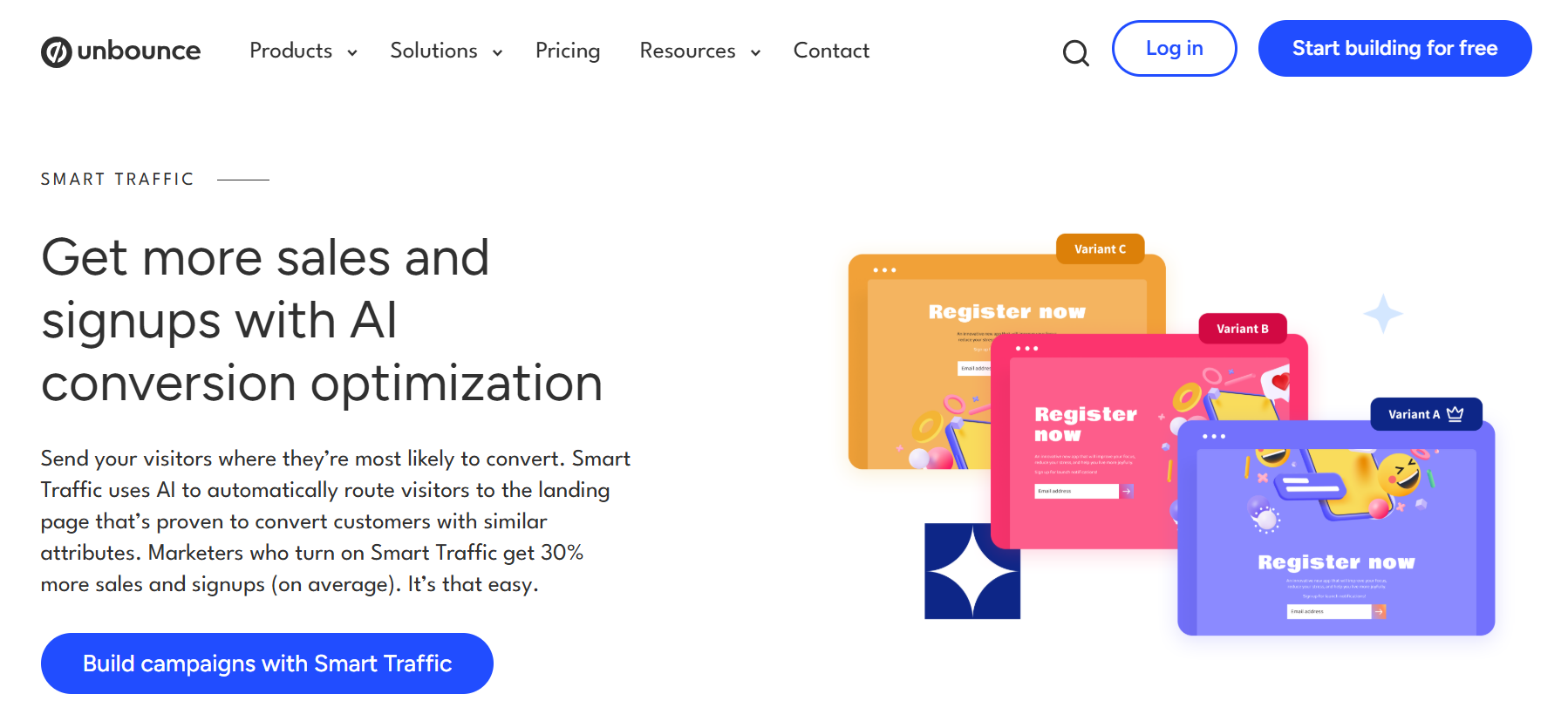
2. Unbounce Smart Traffic (Landing Page Testing)

If you’re driving traffic to custom landing pages (especially on your own site), Unbounce uses AI to automatically send each visitor to the version most likely to convert based on their behavior. It can be used for blog/Website landers, faster split testing without code, and boosting conversions from organic or paid traffic. 

If you’re testing page designs, lead gen forms, or pre-landers, Smart Traffic helps improve conversions faster than traditional split-testing methods. Pricing starts at $99/month, with Smart Traffic included in all paid tiers, making it a solid investment for scaling results.

3. Anyword  (Ad and Email Copy)

This AI writing tool lets you test different headlines, CTAs, and messages in seconds. It predicts how each version will perform and helps you tweak content based on your audience type. It can be used for email/SMS campaigns, social media promos, and blog intros and product reviews.

It also provides persona-specific suggestions, helping you craft high-converting CTAs, blog intros, or even product reviews tailored to different user intents. Anyword operates on a freemium model with paid plans beginning at $39/month, making it accessible to both beginner affiliates and seasoned media buyers alike.

4. Mutiny (Personalizing Website)

Running your own website or niche blog? Mutiny helps you personalize content for different visitors, by device, location, or traffic source, without needing developers. It’s ideal for content-heavy affiliate setups. It can be used for changing CTAs or banners by region, A/B testing article layouts, and personalizing for mobile vs. desktop.

It’s particularly useful for campaigns that target different audience segments or regions, enabling you to dynamically serve the most relevant messaging without needing developer support. Mutiny is an enterprise-level tool with custom pricing, but its impact on conversion rates makes it a strong contender for serious affiliates aiming to scale.

5. VWO or Google Optimize (A/B Testing)

If you prefer full control and have your own site, these tools let you set up classic A/B tests without much tech know-how. Google Optimize was phased out, but VWO still offers beginner plans suited for affiliates. It can be used for testing pop-ups, buttons, or form placement, improving blog post engagement, and validating creative ideas before scaling.

VWO also offers AI-generated testing ideas and image variations, streamlining your decision-making process. There’s a free plan available, with paid plans starting at $154/month,  making it a great long-term testing tool for affiliates who prioritize data-backed performance.

Key Reminders When Using A/B Testing Tools with vCommission:

  1. Never modify the advertiser’s landing page. Testing must be done on your pre-landers or content.
  2. Ensure tracking links/macros stay intact across versions. Broken tracking = missed conversions.
  3. Avoid policy violations during testing (e.g., exaggerated claims, misleading CTAs).
  4. If a campaign is marked “No pre-landers allowed” in the dashboard, avoid testing custom landers for that offer.

Common Mistakes to Avoid When Using AI for A/B Testing

Even with powerful tools, AI won’t magically fix poor testing strategies. To get real results, here are some smart habits that align with how top affiliates run campaigns:

  1. Don’t test everything at once. It’s tempting to tweak headlines, images, CTAs, and page layout in one go, but that confuses the results. Start small. Test one element at a time, especially when you’re running paid traffic. You’ll know exactly what’s working
  2. Give the test enough time (but not too much). Many affiliates end tests too soon or let bad versions run too long. Use AI tools that adjust in real-time or flag underperformers early. You don’t have to wait weeks, modern tools start showing patterns in just a few hundred clicks.
  3. Match tests to the right traffic source. A version that works on Pinterest might flop on Google Ads. Segment your traffic when testing and avoid mixing data from platforms with different user behavior. Smart affiliates tag their traffic properly and test channel-wise.
  4. Rely on AI suggestions, but always review. AI tools offer smart predictions, but they’re not perfect. Use them to guide you, not control you. Add your brand voice, context, or regional touch when finalizing creatives or copy.
  5. Track conversions properly across all channels. Testing is pointless if tracking is broken. Always double-check your links, pixels, and macros, especially when running offers with postback URLs. With multiple campaigns live, even one tracking miss can skew results.

Boost Affiliate Conversions with Smarter Campaign Tracking

A/B testing is one of the most reliable ways to improve your affiliate results. With AI, affiliates no longer have to guess what works; testing creatives, formats, and traffic sources becomes quicker and more accurate. If you’re working with native ads, email, or content, these tools help you spot patterns and optimize faster without burning through budget.

At vCommission, we understand that affiliates need flexibility, fast insights, and clear tracking. That’s why we support testing across multiple traffic types and offer reliable postback tracking, regular validation, and campaign-level guidance. If you’re experimenting with new channels or scaling existing ones, having the right infrastructure makes testing easier.

Keep improving, keep testing, and focus on what drives results. With smart tools and a strong affiliate network, you’ll be able to turn small changes into consistent growth.

Categories
Affiliates

Top Questions Affiliates Ask – And Their Answers

Getting into affiliate marketing is exciting, but also overwhelming. You sign up with an affiliate network, grab your first tracking link, and start promoting. Then come the real questions: Why isn’t my sales tracking? What’s a good EPC? Should I join multiple programs or stick to one? These are not just beginner doubts; they’re the kind of questions even experienced affiliates ask when scaling up. 

Affiliate marketing is growing fast. According to Backlinko’s 2025 Affiliate Marketing Report, global affiliate marketing spend is projected to hit $14 billion this year, with 81% of advertisers actively using affiliate programs.

That means there’s more competition, more platforms, and more noise. But it also means one thing: asking the right questions is no longer optional. It’s what sets serious affiliates apart. This blog provides clear, honest answers to the 20 most common affiliate questions, so you can stop guessing and start earning smarter. 

1. What is affiliate marketing and how does it work?

Affiliate marketing is a performance-based partnership where individuals (affiliates) promote a brand’s products or services online and earn a commission for each successful sale, lead, or action generated through their efforts.

Here’s how it works: Advertisers or brands list their campaigns on an affiliate network like vCommission, defining how much they’ll pay per sale, signup, or other desired action. Affiliates then join these campaigns, receive unique tracking links, and promote the brand across platforms such as blogs, YouTube, Instagram, Telegram, email, or paid media.

You don’t need to handle inventory, shipping, or customer service. The advertiser fulfills the order and supports the customer, while the affiliate network ensures your conversions are tracked and your commissions are paid on time. Your focus is just on promotion. It’s a great source of income for content creators, influencers, bloggers, or anyone who wants to monetize their audience without setting up a full business.

2. How much money can I make by running brands’ Campaigns?

There’s no fixed number, your earnings depend on the campaign, your traffic quality, and how consistent you are. Some affiliates earn a few thousand rupees per month when starting out, while experienced ones can make even lakhs monthly. It all comes down to choosing the right campaigns and promoting them in the right way.

High-ticket items (like electronics or travel bookings) often pay more per conversion, but may have fewer buyers. Low-ticket but fast-moving products (like beauty or fashion) may bring in smaller commissions, but in higher volumes.

Affiliate networks usually offer clear commission structures, so you know how much you’ll earn per sale or action. With vCommission, for example, some campaigns offer a flat payout, while others offer a percentage on the total cart value.

Also remember: it’s not just about traffic, it’s about quality traffic. If your users are engaged and ready to buy, your conversion rate will be higher, and so will your earnings. Affiliate marketing can be part-time pocket money or a full-time income stream. But either way, you’ll need patience, smart promotion, and the right tools to grow steadily.
3. How do I choose the right affiliate program?

Picking the best affiliate program isn’t just about earning more per sale; it’s about choosing what suits your content and audience. 

Think about who your audience is. If you create fashion content, promoting beauty or lifestyle products will likely give better results than promoting tech or travel. The closer the product is to your niche, the better your chances of earning.

Also, check how long the cookie lasts and how the commission is paid. Some programs give you credit if someone buys within 30 days. Some offer a fixed amount per sale, while others give you a percentage of what the customer spends.

Look at the allowed traffic sources. Campaigns usually list what’s allowed, like content, cashback, mobile app, media buying, or SMS. If your main promotion method isn’t accepted, the conversions may not be tracked, or worse, rejected during validation.

Joining through a trusted affiliate network makes this easy. Campaign rules, tracking links, allowed channels, and payouts are clearly listed. You don’t have to chase advertisers; the network handles approvals, tracking, and payments.

The right program is one that matches your audience, supports your traffic methods, and comes with clear guidelines. That’s how you build long-term, reliable earnings.

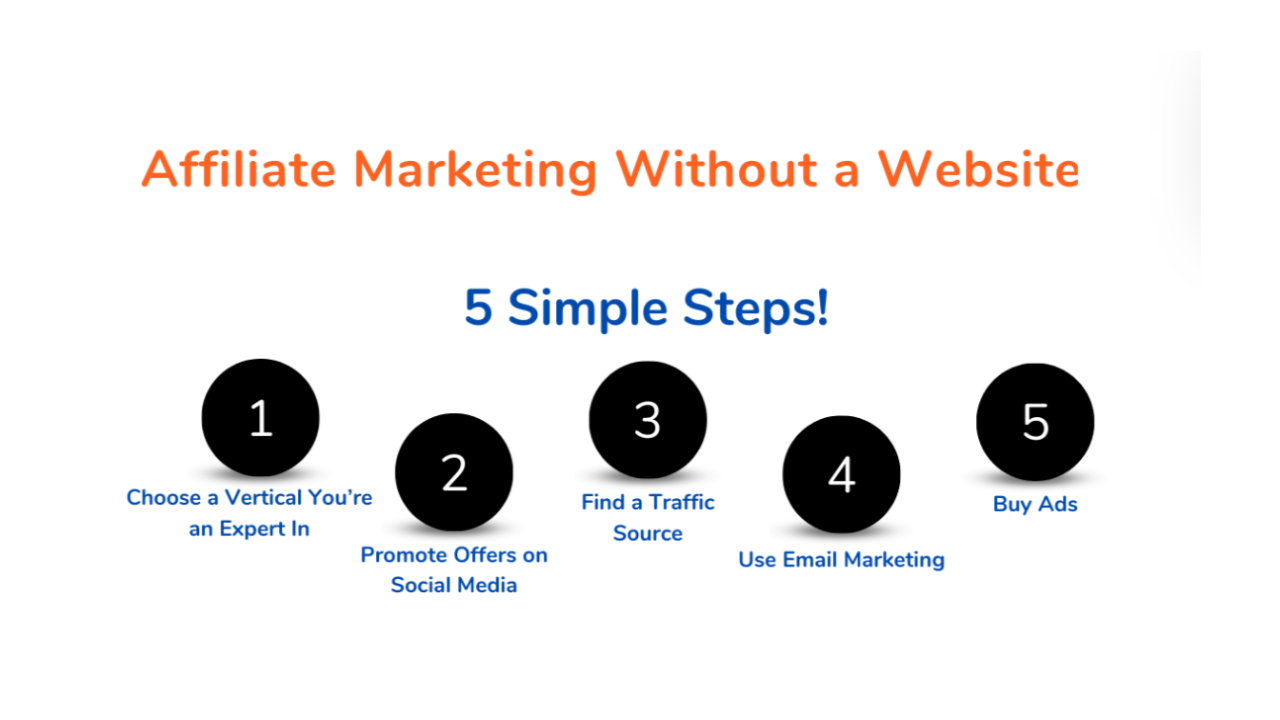
4. Do I need a website to become an affiliate?

No, having a website is not a must. Many successful affiliates follow five simple steps to promote offers without one. You can choose a vertical you know well, promote offers on social media like Instagram or Telegram, find a traffic source that fits your audience, use email marketing, or buy ads to reach more people. What matters is that the traffic source is approved for the campaign you’re working on.

Campaigns usually list allowed traffic channels, like content, coupon, email, SMS, or cashback, so you can pick ones that fit how you want to promote. Choose the channel that works best for you and stay within the campaign rules for smooth tracking and earnings.

5. What kind of content works best for affiliate marketing?

The best content is the kind that helps people. Instead of just showing a product, explain how it works or why it’s useful. This could be a product review, a comparison, a “top 5” list, or even a simple how-to guide. For example, if you’re promoting skincare, a blog or video like “How I Fixed My Dry Skin Using This Serum” works better than just posting a discount code.

You don’t need fancy equipment or long posts. Even short videos, Instagram stories, or Telegram messages can work well, if they’re clear and honest. People are more likely to buy when they feel your recommendation is real and helpful.

The most important thing? Build trust with your audience. If they believe you’re giving good advice, they’ll click your links and try the products for themselves.

6. Why aren’t my conversions tracking properly?

One of the most common frustrations affiliates face is when they see traffic but no conversions showing up. There can be several reasons for this:

  1. Incorrect tracking link: Always use the exact tracking link generated by the affiliate panel. Editing or shortening it incorrectly can break the tracking.
  2. Unapproved traffic source: If you’re promoting through a channel that the campaign doesn’t allow (e.g., SMS or paid ads without approval), your conversions may be rejected or go untracked.
  3. Ad blockers or browser issues: Some users may have privacy tools or browsers that block cookies, which can prevent tracking.
  4. Conversion window not reached: If a campaign has a delayed validation period, it might take days or weeks before the conversion appears as approved.
  5. Pixel/postback setup issues: If you’re using your own tracking system, ensure postbacks are set up correctly so conversions are recorded.

To fix tracking issues, double-check your promotion methods against the campaign rules, make sure you’re using the correct links, and reach out to your affiliate manager if conversions still don’t show. It’s better to troubleshoot early than lose commissions.

7. How long does it take to see results in an affiliate campaign?

Affiliate marketing is not a get-rich-quick model. Some affiliates see results in a few days, others take weeks or even months. It depends on your traffic source, how you promote the product, and how well it matches your audience.

If you’re sharing links through content like blogs, videos, or social media, it might take time to build trust and drive action. Paid ads can bring quicker results, but only if they’re targeted and follow the campaign rules.

Once your links are live and tracking is set up correctly, your clicks and conversions are recorded in real-time. But turning those clicks into earnings requires testing, patience, and consistency. The more effort you put into understanding what works, the faster you’ll grow.

8. How do I get paid and how often?

Once you start earning commissions from your affiliate campaigns, the next big question is: when will that money land in your account? Affiliate networks’ payment cycles can stretch to 60 or even 90 days after the month in which the sale was made. This delay is often due to long validation windows, advertiser-side approvals, or manual invoicing and reconciliation.

At vCommission, we simplify this by following a standard NET30 payment cycle. That means payments are processed 30 days after the month ends, provided your conversions are approved and you meet the payout threshold. For example, if you earn commissions in July, your payment will typically be processed and paid out by the 10th of August, offering a faster and more predictable payout timeline compared to many industry peers.

Payment methods are simple. Indian affiliates receive their earnings directly into their bank accounts. Affiliates outside India are paid via Tipalti or wire transfer, depending on your earnings and location. Just make sure your bank or payment details are filled out correctly in your vCommission profile, so you never miss a payout.

9. What kind of traffic is allowed in affiliate campaigns?

The type of traffic you can use depends on the specific campaign. In an affiliate network, each campaign clearly mentions what’s allowed and what’s not. Some allow content marketing, coupon and cashback promotions, social media sharing, email marketing, SMS, or even media buying. Others may only allow a few of these.

Before you promote any offer, it’s important to check the allowed traffic sources mentioned in the campaign details. Promoting through unapproved channels can lead to rejected conversions or even removal from the campaign.

If you’re unsure, it’s always best to ask your affiliate manager. This helps keep your account safe and ensures your efforts turn into approved commissions.

10. What happens if a sale gets canceled or returned?

If a customer cancels or returns their order, the sale becomes invalid and you don’t earn a commission. This is because commissions are only paid for completed, successful sales where the brand actually makes money. Most programs review these actions during the validation period (usually 30–45 days), after which approved sales are locked for payout.

To avoid surprises, always keep an eye on your panel’s status updates. It will show whether a sale is approved, pending, or rejected, so you can track your performance clearly.

11. How long does it take for a sale to get approved?

Once someone makes a purchase through your affiliate link, the sale doesn’t get approved instantly. It first goes through a validation process. This step ensures that the order is genuine, meaning it wasn’t canceled, returned, or marked as fraudulent.

The approval time varies brand by brand. Some campaigns may take around 30 days. For others, it might be a bit shorter or longer. You’ll see the exact validation window in the campaign details before you start promoting.

After this period, the sale is either approved or rejected, and your commission is updated accordingly in your panel. Keeping track of your pending and approved conversions regularly is a good habit; it helps you understand how your campaigns are performing.

12. What can I do to get approved faster for campaigns?

To get faster approval, make sure your affiliate account is properly set up. Include details like your traffic sources, whether you run a blog, a Telegram group, a coupon site, or do media buying. The more clearly you describe how you’ll promote campaigns, the easier it is for the team to review your application.

Campaign approvals are reviewed by the account management team, so having a complete and transparent profile helps them make quicker decisions. Using reliable platforms and maintaining a good performance history can also work in your favor.

Also, using known and trusted platforms instead of suspicious or blank domains helps speed things up. Having a good history of past campaigns can also work in your favor.

13. What should I do if my campaign application is stuck on pending?

Sometimes, after applying to a campaign, your application stays in “pending” for a while. This happens because the network’s review team needs time to check if your promotion methods and traffic sources match the campaign’s rules.

Pending status means your application is under review. It could take a few hours to a couple of days. To speed up approval, make sure your profile is complete and clearly explains how you plan to promote.

If it takes too long or you have questions, you can reach out to support or your affiliate manager for help.

14. How do I promote affiliate links on social media?

Social media is a great way to share affiliate links and reach a wide audience. To promote effectively you have to use short and clean links to make sharing easier, create helpful content like posts, videos, stories, or reels that explain the product or offer value. Always let people know if your post includes affiliate links to keep things clear and honest. Use the right hashtags and simple, clear messages to get more clicks.

Also, choose the platform that fits the product. Visual products do great on Instagram and TikTok, while Telegram and WhatsApp are better for sending deals and coupon links. Before promoting, always check if the campaign allows social media promotions.

15. What is an affiliate dashboard and how do I use it?

An affiliate dashboard is your personal conversion tracking center where you can track all your activity. It shows details like how many clicks your links have received, how many conversions you made, and the commissions you’ve earned.

You can also view which campaigns are performing best, check the status of your payments, and access creative materials like banners and tracking links provided for your promotions.

Regularly checking your dashboard helps you understand what’s working and where you can improve, making it easier to grow your affiliate income.

16. What are some common mistakes affiliates should avoid?

Many affiliates make mistakes that affect their earnings and account health. These include:

  1. Promoting products that don’t fit their audience or niche, which lowers conversions.
  2. Ignoring data and not checking which campaigns or links perform best.
  3. Using spammy or banned promotion methods, risking link rejection or account suspension.
  4. Not telling their audience about affiliate links, which can reduce trust.
  5. Adding too many affiliate links in one place can overwhelm visitors.

Sticking to clean promotion methods and monitoring your results regularly helps keep your account safe and your earnings steady.

17. How can I grow and scale my affiliate income?

To grow and scale your affiliate income, focus on using a variety of traffic sources such as social media, blogs, and email marketing. Paid campaigns (media buying) are also supported and can help you get faster results, but it’s important to follow campaign rules and get approval before starting. To widen your reach, you can build an email list and collaborate with influencers. Meanwhile, you can also explore new product categories to tap into fresh opportunities.

Prioritizing campaigns with higher earnings per click or recurring commissions can bring steady, long-term income. Consistency and testing different methods will help you find the best strategies to increase your earnings over time.

18. What is a sub-affiliate or referral program?

A sub-affiliate or referral program lets you earn money by inviting other affiliates to join the platform. If they sign up using your referral link and start earning commissions, you get a small share of their earnings as a bonus, without doing any extra promotion yourself.

At vCommission, this feature is available. It’s a simple way to build passive income, but make sure to follow the referral rules and only invite genuine, quality affiliates to stay eligible.

19. Can I use Google Ads or Facebook Ads to promote affiliate offers?

Yes, but only if the campaign allows it. At vCommission, every offer clearly shows which traffic sources are approved. Some campaigns allow paid ads on Google, Facebook, or Instagram, while others don’t. You can check this under “Allowed Promotion Methods” in your vCommission dashboard before starting. Always follow the rules to avoid rejection.

Before running any paid campaign, always double-check the rules. Avoid using brand keywords if restricted, and make sure your landing pages follow ad platform policies. Promoting the right way keeps your account safe and improves your chances of long-term success.

20. How do I track my affiliate performance on vCommission?

vCommission gives you a real-time dashboard to track your performance. Once you log in, you can see clicks, conversions, approved sales, and your earnings, everything in one place. You can also check which campaigns are performing well, how much traffic you’re sending, and what’s getting approved.

You can use filters to check data by date, campaign, or traffic type, which helps you see what’s performing well. For more detailed tracking, you can export reports or set up postbacks and macros to integrate with your own tools.

Wrapping Up!

Affiliate marketing can feel confusing at first, but once you understand how it works, it becomes a smart and rewarding way to earn online. If you’re just starting out or looking to grow, asking the right questions, and finding clear answers, can save you time and help you earn faster. From choosing the right campaigns to tracking performance and getting paid, every step matters.

With vCommission, you don’t have to figure it all out alone. You get access to high-performing campaigns, real-time insights, and expert support that actually helps you grow. We simplify your affiliate journey, find the tools and transparency you need to succeed, minus the fluff. Join vCommission and start building a smarter, more consistent income stream.

Categories
Affiliate Marketing

When Links Meet Likes: Key Webinar Takeaways to Help Influencers Monetize Smarter

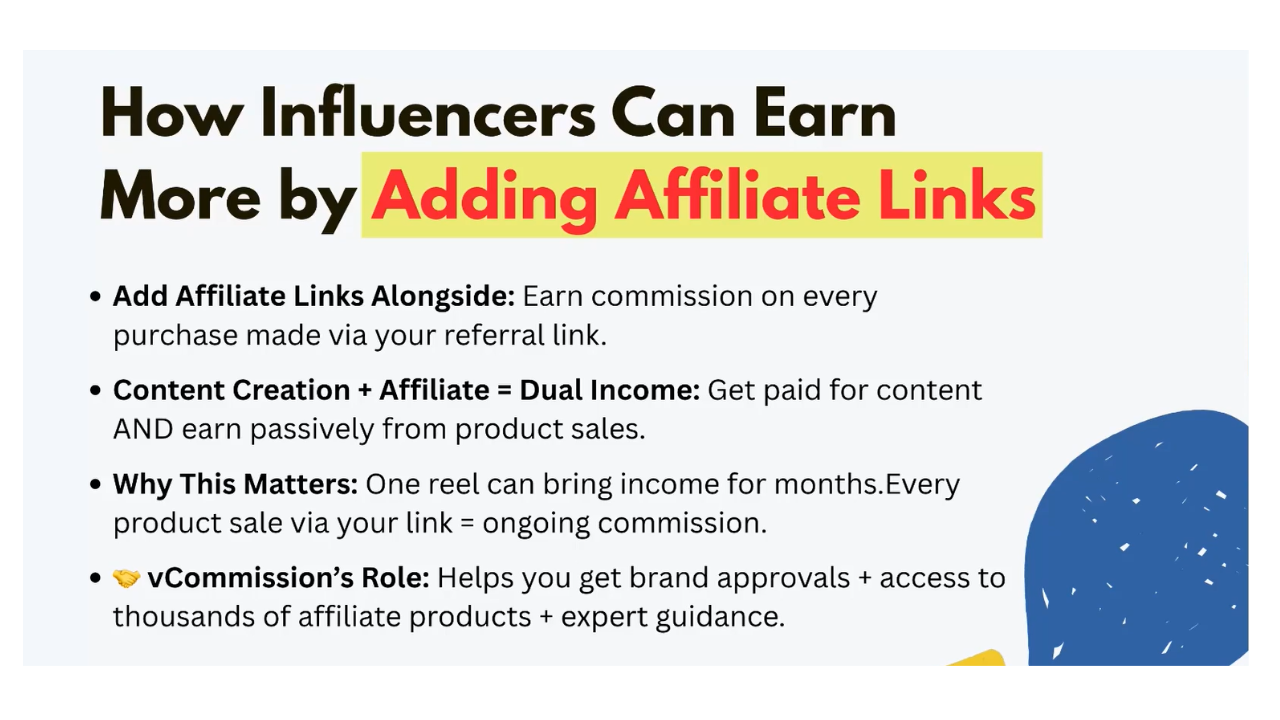
What if a single reel you created today could keep earning for you weeks or months after you post it? That’s not wishful thinking. It’s exactly what smart influencers are already doing by combining content creation with affiliate marketing. 

To spotlight this growing opportunity, vCommission recently hosted a high-impact webinar “When Links Meet Likes: How Affiliate & Influencer Marketing Make the Perfect Power Couple!” The session featured an insightful conversation between our CEO Parul Bhargava, and digital content creator Satish Kushwaha, where they discussed how influencers, regardless of niche or follower count, can build steady income streams by weaving affiliate marketing into their everyday content strategy.

The best thing is that you don’t require a massive shift in your current workflow. You don’t have to change your content style, switch platforms, or start from scratch. All you need is a smarter monetization layer, something affiliate links can provide when used right.

Here are the top takeaways from the webinar that every content creator should know:

Why Influencers Need Affiliate Marketing in 2025

The influencer economy is bigger than ever, set to cross $30 billion by the end of 2025 (Statista). Platforms like Instagram and YouTube are leading this growth, with Instagram hosting 42% of brand collaborations (Collabstr, 2025) and YouTube holding 33% of marketing budgets for reviews and tutorials (Sci-Tech Today, 2025).

That means brands are spending big, and creators who know how to monetize their audience can earn more from every post.

A lot of influencers are focused on building content, growing followers, and landing brand deals. But affiliate marketing lets you earn even when no brand has reached out.

As Satish shared in the webinar, you don’t need to change your content style or switch platforms. You just need to add a link.

Here’s how it works in 3 simple steps:

  1. Talk about a product you love, like you already do.
  2. Add an affiliate link to your bio, description, story, or caption.
  3. If someone clicks and buys, you earn a commission.

That’s it. No pitching. No cold emails. Just steady income from content you’ve already created.

Affiliate marketing isn’t about replacing your existing content; it’s about amplifying your earnings through it.

Top Niches for Affiliate Marketing on Instagram and YouTube

If you’re creating content on Instagram or YouTube, the kind of niche products you talk about can make a big difference. Satish further discussed these five product types that are doing really well currently: 

1. Home Decor

People love watching simple room makeovers or space-saving ideas online. This type of content works especially well on Instagram Reels. According to Grand View Research, the home decor market in India is expected to reach USD 27.6 billion by 2030. That’s huge!

If you show how to decorate a small space using LED lights, wall art, or indoor plants, your content has a high chance of getting saved and shared. Plus, these are easy-to-promote items that look great on camera.

2. Pet Products

More people in India are adopting pets and treating them like family. The pet care market is expected to reach $800 million by 2025, as reported by Creature Companion Magazine.

This means there’s strong demand for grooming tools, food bowls, toys, and pet care tips. If you’re a pet parent, sharing what works for your dog or cat makes your content relatable and also helpful to others. It’s a niche where honest reviews really matter.

3. Baby & Kids’ Products

New parents often turn to the internet to find safe and reliable products. If you create videos that explain how a baby product works or compare two similar items, it builds trust.

According to JJTU Journals, the baby care market in India is growing fast and is expected to hit ₹25,345 crore by 2026. That’s a 14.8% CAGR from 2022 to 2027.

Short, helpful videos, like how to use a feeding bottle or set up a baby monitor, can get great reach, especially when they’re easy to understand.

4. Tech & Gadgets

Tech content never goes out of style. People love watching product demos, unboxings, and “does it really work?” videos. According to ExtraPe, gadgets make up 15–20% of total affiliate sales in India, showing how strong this category is.

Even small products, like earphones, phone stands, or mini blenders, do really well if you show how they fit into everyday life. Clear visuals and real-life use cases can boost both engagement and sales.

5. Car Accessories

Car accessory content is getting more popular, especially among new car owners in Tier 2 and Tier 3 cities. The Indian car accessories market is growing steadily and is expected to cross ₹29,600 crore by 2033, with a 5.5% CAGR, says IMARC Group.

Content that shows how to use mobile holders, air fresheners, or organizers in your car performs well, especially when it solves a common problem like clutter or discomfort.

How Affiliate Marketing Works for Creators: A Step-by-Step Guide

You don’t need to be a tech expert or have a huge following to earn through affiliate marketing. If you regularly talk about products, whether it’s skincare, gadgets, books, or fitness gear, you can start monetizing that influence right away. Here’s how you can start:

  1. Join an Affiliate Program
    Sign up with a trusted affiliate network like vCommission. You’ll get access to hundreds of brands across niches, from beauty to electronics to fashion.
  2. Choose the Right Campaigns
    Pick brands and products you already use or believe in. Promoting something authentic leads to higher engagement and more clicks.
  3. Get Your Unique Affiliate Link
    Once approved, you’ll receive a tracking link for each product or campaign. This link records all the traffic and conversions coming from your content.
  4. Add the Link to Your Content
    Place your link wherever your audience is most likely to engage, for example in a YouTube description, Instagram story, pinned comment, or blog post.
  5. Earn from Every Purchase
    Every time someone clicks your link and completes a purchase, you earn a commission. It’s that simple, and transparent.

Affiliate marketing doesn’t require a shift in your content style. You just embed a smart revenue model into what you’re already doing. As Satish mentioned during the webinar, “It’s about making your content work for you, even when you’re not online.”

Start Small, Grow Steady!

Affiliate marketing isn’t about chasing trends; it’s about building trust. The creators who win are the ones who stay true to their voice, share products they believe in, and show up consistently. You don’t need a massive following to start; you just need direction.

With access to diverse campaigns and reliable tracking, vCommission gives creators the tools to turn everyday content into long-term income. Sign up now to grow.

Frequently Asked Questions from Webinar

1. How will AI change affiliate marketing for influencers in the next few years?

AI will make content creation faster. It can help with ideas, writing, and editing. But don’t rely fully on it, people still trust real human opinions. Use AI to explain a product, but always share your personal experience too. Earlier, we had to invest in expensive tools to get good quality, but now many AI tools and apps give the same results without much effort or money.

2. What’s one big mistake new creators make in affiliate marketing?

New creators try too many niches at once. It’s better to stick to one focused area. A micro-niche builds trust and loyal followers. Also, they often lack consistency, which slows growth.

3. Is Linktree good for affiliate promotions?

You can use Linktree, but I’ve seen better results with Auto DM or a personal landing page. Auto DMs increase your engagement and drive more clicks directly from your audience.

4. Do commission rates change based on how I promote the product?

No, it doesn’t matter if you use a blog, Instagram, or YouTube. The commission depends on the brand or product you’re promoting. Each product has a fixed rate shown on the platform.

5. How can AI help rank websites faster?

Use AI tools for keyword research, SEO-friendly content, and backlinks. Don’t copy blindly. Write in your own style to connect better with your audience. AI helps, but human touch builds trust.

6. What AI tools are good for reels and short videos?

Try using Gemini. It’s an advanced tool and really helps with creating short videos quickly, especially if you want high-quality results with less effort.

7. How can affiliate managers build better relationships with influencers?

Influencers usually charge per post. A good idea is to offer a mix, some fixed payment and a performance-based bonus. This way, influencers are motivated to make better content and also get rewarded for results.

8. For a D2C brand, what works best: micro-influencers, celebrities, or in-house content?

Use your in-house team to explain products clearly. Micro-influencers are great for honest feedback and relatable content. You can even boost their content with ads. Celebrities help build authority. A smart mix of all three works best depending on your goals.

9. How can influencers make sure they get credit for their sales?

You can use tracking links and dashboards for these updates. These show how many clicks and sales you got. You can also use unique coupon codes. These help track first-click and last-click attribution and give proper credit for the sale.

10. Can LinkedIn be used for influencer marketing?

Yes. It works well for B2B brands, especially in software and SaaS. Focus on good storytelling and use text posts to build reach.

Categories
Affiliates

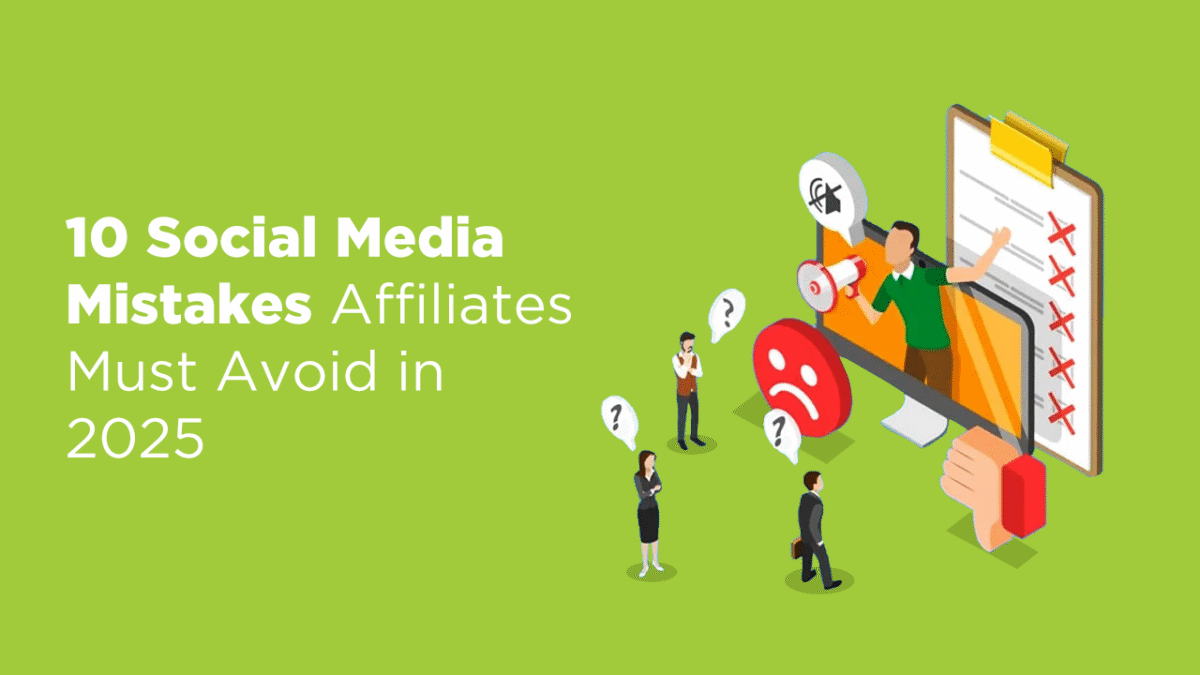
10 Social Media Mistakes Affiliates Must Avoid in 2025

As an affiliate, you run a campaign on social media. It gets a few likes. You add a trending song. The views go up, but clicks? Still flat. This is the trap many affiliates fall into in 2025: mistaking reach for results. Social media is crowded, fast, and constantly shifting. But if you know what not to do, it can become a powerful conversion channel. The trick isn’t just showing up, it’s showing up smart.

And the stakes are high. 81% of brands are now using affiliate programs to boost both sales and awareness, according to Statista’s 2025 Affiliate Marketing Report. That means more competition and higher expectations, from brands and users alike.

You don’t need a massive following to win. You just need to stop making the small mistakes that cost you big. Let’s break down the top 10 social media mistakes affiliates must avoid this year, and what to do instead.

Mistake #1. Treating Every Platform the Same

If you’re posting the same creative with the same caption across Instagram, Telegram, Facebook, and YouTube Shorts, PAUSE.

Each platform has its own pace, audience behavior, and content style. What clicks on Telegram (flashy discount, quick link, short CTA) may flop on Instagram, where storytelling and visuals drive engagement. YouTube Shorts needs a strong hook in the first 2-3 seconds, while Facebook still responds to long-form captions and share-worthy deals.

By copy-pasting across channels, you risk blending into the noise or looking out of place.

What to do instead?

Adapt your content format and tone based on the platform. Use Instagram for reels, swipe-throughs, and aesthetic product stories. Telegram and WhatsApp work well for urgency-based deals. YouTube Shorts? Keep it fast, visual, and value-packed.

Platform-specific content doesn’t mean more work; it means smarter strategy.

Mistake #2. Overusing Coupon Codes Without Context

Dropping a coupon code in every post might seem like a smart push, but it becomes digital noise without context.

Users are bombarded with discounts all day. If your post just says “Use coupon code ABC123 to get 20% off,” without telling them why this product matters or how it fits into their life, they’ll scroll past. Even worse, your feed can start looking more like a classified ad than a trusted source. 

What to do instead?

Lead with value. Explain the product’s use, share a personal win, or tie it to a trend (“Here’s what helped me manage oily skin this summer”). Then drop the code as a bonus, not the headline. When the offer feels like a reward for staying till the end, rather than the only reason to click, conversions naturally go up.

Mistake #3. Ignoring Platform Policies (And Getting Shadowbanned)

Sometimes your reach drops, not because your content is bad, but because the platform is silently penalizing you.

Affiliates often overlook platform-specific rules. For example, they could be using too many hashtags, posting misleading thumbnails, or overusing outbound links. These violations can trigger shadowbans, which means their content stops appearing in feeds, searches, or explore pages without any official warning. On Facebook, especially, violations can quickly snowball into account restrictions or full blocks.

Instagram and TikTok also have sensitive algorithms. On top of that, some affiliates post adult content, restricted product categories, or promote in ways that don’t meet community standards.

What to do instead?

Stay updated with the platform’s latest guidelines. Avoid clickbait or deceptive captions. Always disclose affiliate partnerships when required. Use link-in-bio tools or shortened links carefully, and don’t spam your audience with back-to-back promotions.

A clean, consistent approach builds long-term trust, with both your followers and the platform.

Mistake #4. Posting Only When You Have a Campaign

If your feed only comes alive when there’s a deal to push, your audience will start tuning out. Fast. 

Social media thrives on connection and consistency. When followers see that you only show up during flash sales or cashback events, it signals that you’re here to promote, not to engage. That hurts credibility and reduces the performance of even your best campaigns.

Also, platform algorithms reward regular posting. Long gaps in activity can cause your future posts to get less visibility, even if they’re important ones.

What to do instead?

Keep your content flowing between campaigns. Share user feedback, product comparisons, behind-the-scenes content, industry trends, or personal tips. Not everything needs to be a hard sell.

Build a content rhythm that keeps your audience warm. That way, when you do drop an offer, it lands on a feed that’s already active and engaged.

Mistake #5. Using Hard Sell Tactics in Soft Sell Platforms

“Buy now!” “Hurry, last chance!” “Don’t miss out!” These lines might work on a push notification or SMS, but they fall flat on platforms like Instagram or Pinterest.

Affiliates sometimes bring a high-pressure sales tone into soft-sell environments, where users are looking to scroll, explore, or get inspired, not to be sold to immediately. This mismatch can feel intrusive and cause followers to disengage.

People don’t log into Instagram to see offers; they stay for stories, aesthetics, and experiences. If every post screams urgency without any narrative, you risk losing trust and reach.

What to do instead?

Match your tone to the platform. Use storytelling, personal reflections, or trend tie-ins to introduce your offer. Try lines like “Here’s what’s helped me lately” or “This is a game-changer I didn’t expect.”

Soft-sell platforms reward subtlety. Use it to your advantage.

Mistake #6. Not Tracking What’s Working (or What Isn’t)

If you’re just posting and hoping for the best, you’re not marketing, you’re guessing.

Many affiliates focus on publishing more content, but forget to analyze what that content is actually doing. Which platform drives the most clicks? Which reel got saves but no conversions? Are people dropping off before they reach your link? These are questions that can guide smarter decisions, but only if you’re tracking the right metrics.

Relying on likes alone can be misleading. A post with fewer likes but more click-throughs might be far more valuable than a viral reel with no sales.

What to do instead?

Use platform insights (Instagram, Telegram analytics, etc.) and your affiliate dashboard to monitor key performance indicators, clicks, conversions, bounce rates, time of day, and content type.

Small adjustments based on data often lead to big results. Guess less, optimize more.

Mistake #7. Missing the Mobile-First Mentality

If your creatives look great on a desktop but are cluttered on a phone, you’re missing the mark.

Over 99% of social media users access platforms via mobile devices according to Sprinklr. Yet some affiliates still post horizontal videos, tiny-text screenshots, or captions that get cut off halfway. These small formatting issues can silently kill your reach and response.

People scroll fast. If your content doesn’t grab attention within seconds on mobile, it’s likely to be ignored, even if the offer is solid.

What to do instead?

Design for vertical screens. Use a 9:16 aspect ratio for videos and reels, keep text big and readable, and test your posts on your own phone before publishing. Make sure your CTA and link are visible above the fold.

Mobile-first isn’t just a design choice, it’s a conversion strategy.

Mistake #8. Ignoring Comments and DMs

Every unanswered comment is a missed opportunity. Every ignored DM is a potential conversion slipping away.

Affiliates often focus so much on pushing content that they forget to listen. But engagement is a two-way street. When someone takes the time to ask about a product, inquire about a coupon code, or even just react to your reel, it’s a signal. Ignoring that signal makes your account feel transactional, not trustworthy.

Worse, platforms like Instagram and Facebook actually prioritize content with active conversation. That means every comment you respond to can help boost your visibility.

What to do instead?

Treat your comment section and inbox as extensions of your content. Respond to questions promptly, thank users for positive feedback, and help clarify where needed.

Small interactions build long-term trust, and trust drives affiliate sales.

Mistake #9. Not Using Storytelling to Your Advantage

Social media users don’t connect with products; they connect with stories.

Too many affiliates stick to plain posts like “Get 15% off this serum” or “Try these shoes today.” While direct, they lack emotion, relatability, or any reason for the user to care. When your feed looks like a list of sales flyers, people scroll past. What’s missing is you, your experience, your voice, your journey.

Storytelling doesn’t mean long essays. It means framing the product in a way that feels real and human.

What to do instead?

Start with a relatable moment: “This sunscreen saved my weekend trip,” or “These earbuds actually stayed in during a 5K run.” Show how the product fits into your life, solves a problem, or beats expectations. Then introduce the offer.

People buy stories first, then products.

Mistake #10. Jumping on Trends That Don’t Fit Your Niche

Trends come and go fast, but not all of them are meant for you.

It’s easy to feel pressure to follow the latest audio, challenge, or meme format. But if that trend has nothing to do with your content niche or your affiliate product, it can confuse your audience or dilute your message. Followers might wonder, What does this even have to do with the product? and scroll away.

Chasing every trend can also make your feed feel scattered or inconsistent, especially if you’re trying to build authority in a specific space like beauty, tech, fitness, or fashion.

What to do instead?

Be selective. Use trends that naturally align with your product or audience. You can still join in, but with a twist that reflects your niche. A beauty reel using a trending song is great if the visuals and CTA match your brand.

Staying relevant doesn’t mean being everywhere. It means showing up where you fit best.

A Bonus Tip: Burnout Is Real, Don’t Ignore It

Affiliate marketing on social media often feels like a never-ending sprint: post, engage, repeat. But pushing nonstop without rest doesn’t just affect your well-being; it shows in your content.

When you’re burned out, your captions may feel forced, creativity fades, and you start copying what others are doing instead of staying original. Your audience can sense that. And over time, your engagement drops, not because your products aren’t good, but because your energy isn’t there. This is especially common for solo affiliates who manage everything like content creation, tracking, group management etc on their own.

What to do instead:

Plan ahead. Batch-create content on your high-energy days. Use scheduling tools to stay consistent without being constantly online. More importantly, take breaks. Step away from screens, clear your mind, and come back fresh.

To Sum-up!

Social media is powerful, but only when used with care. As an affiliate, your job isn’t just to share links or offers. It’s to build trust, share stories, and guide your audience toward helpful products in a way that feels natural.

Avoiding these 10 mistakes can help you turn your feed from just “active” to actually effective. You don’t need fancy tools or a huge following; you just need the right habits, clarity on what works, and a platform that supports your growth.

That’s where choosing the right affiliate network makes a difference. With vCommission, you get access to reliable tracking, quality campaigns, and responsive support, so you can focus more on your content and less on the technical guesswork. If you’re planning to do things more seriously, it might be a good time to sign up with vCommission.

Categories
Advertiser

D2C Affiliate Campaigns: What Works for Indian Brands in 2025

Selling online in 2025 isn’t what it used to be. Ads cost more, attention spans are shorter, and even the best D2C brands are struggling to get noticed. That’s why so many are turning to affiliate marketing, with over 80% of global brands now running affiliate programs (Global Growth Insights, 2025) to get real results.

With affiliate campaigns, you don’t pay for likes or views. You pay only when someone signs up, installs your app, or makes a purchase. It’s performance-first, and it works. In fact, India’s affiliate industry is expected to exceed $800 million USD by the end of 2025 (The Times of India). That’s a clear sign that more brands are choosing this smarter way to scale.

If you have a D2C brand and want it to reach a wider audience who genuinely engage with the product, affiliate marketing is worth a closer look. Let’s break down what actually works in 2025 and how you can tap into it.

Why Top D2C brands in India Are Shifting to Affiliate Marketing in 2025

For Top D2C brands in India, the advertising agenda of 2025 revolves around smarter spending and measurable outcomes. With ad fatigue rising and platform costs eating into margins, affiliate marketing has become a practical choice, not just a trend. Here’s why the Top D2C brands in India are doubling down on performance-based campaigns:

  1. You pay only for action. You don’t have to be paying for views that don’t convert. With affiliate marketing, your money goes toward actions, like a completed purchase or a verified sign-up. That makes it easier to manage budgets and improve ROI over time.
  2. Your reach multiplies without extra media buying. Affiliates promote your brand across blogs, social media, deal sites, cashback platforms, YouTube, and Telegram. You get visibility in more places without running multiple paid ads.
  3. You stay in control with real-time tracking. With clean integration and macros aligned to your tracking system, you can monitor conversions, sources, and partner performance directly, with no blind spots and no guesswork.
  4. You break into Tier 2 and Tier 3 markets. Many affiliate partners work in regional languages and have loyal followings in smaller cities. Their trust with local audiences helps new-age D2C brands grow organically and at scale beyond metros.

Best Performing Affiliate Campaign Models for D2C Brands in 2025

D2C brands struggling with rising ad costs and lower ROAS in 2025 should consider affiliate marketing models that are not just cost-effective but also aligned with customer behavior. If you’re selling skincare, apparel, home décor, or health supplements, choosing the right payout model makes all the difference.

Here are the most effective D2C affiliate marketing India 2025 models:

1. CPS (Cost Per Sale)

This is the most common and effective model for D2C brands. You only pay when a customer makes a purchase, no clicks or impressions, just real results. For instance, Giva, a silver jewelry brand, uses CPS, where they only have to pay when a user completes a purchase through their referral link. Also, Swiss Beauty and Foxtale rely heavily on CPS to push product sales during seasonal promotions. D2C brands often have tighter margins. With CPS, you only spend when you earn.

2. CPL (Cost Per Lead)

If your brand’s goal is lead generation, like email signups, quiz completions, or free trials, CPL is the way to go. You pay only when a user shares their contact info or takes a qualifying action. For example, Trybloom, a period care brand, works on the CPL model with vCommission

during product sampling campaigns to collect leads for future retargeting. MyMuse also runs CPL during campaigns focused on newsletter opt-ins or gated wellness guides. Top D2C brands in India can build email lists affordably and convert users later.

3. CPI (Cost Per Install)

If your primary experience lives inside an app, like loyalty shopping, subscriptions, or personalized services, this model pays affiliates for every successful app install. For example, a beauty brand like Nourish Mantra runs a CPI campaign with vCommission. It’s measurable, scalable, and ideal for brands with app-first experiences.

4. CPC (Cost Per Click)

In this model, you pay for every click your ad or affiliate link receives, regardless of whether the user converts. For example, a brand like Neeman’s, which focuses on sustainable footwear, runs CPC with vCommission to test new product launches or drive traffic to a landing page during Earth Day promotions. CPC is great for brand discovery or retargeting pools.

5. CPE (Cost Per Engagement)

This model focuses on deeper user actions like watching a video, playing a game, or spending time on the site. Top D2C brands in India are experimenting with richer content to measure engagement. For example, MyMuse runs a CPE model with vCommission involving intimacy quizzes or product guides that engage the user before purchase. It builds trust and captures attention before asking for a sale.

Top Promotion Channels D2C Brands Can Leverage

Once your campaign is live with vCommission, the next important step is deciding where your brand should be promoted. The approved affiliates promote your products using channels that align with your goals.

Here are few of the channels, your brand can leverage:

1. Content Sites & Review Blogs

These work best for products people research before buying, like skincare or wellness. vCommission connects your brand with bloggers and review websites that write about your products in detail, like how they work, what ingredients they have, or why they’re worth trying. Brands like Minimalist, Trybloom, and Nourish Mantra use this to attract buyers who are already interested.

2. Social Media Promotions

Visual-first platforms like Instagram, YouTube, and TikTok are ideal for brands such as Foxtale, Swiss Beauty, Giva, and Neeman’s. Influencers here create how-to content, product demos, and testimonials that bring your brand into everyday conversations. vCommission ensures the right creators carry your message forward with authenticity.

3. Deal, Coupon & Cashback Platforms

If you’re running offers or discounts, these platforms help you reach shoppers looking for the best deals. vCommission ensures your brand’s offers are featured on top coupon and cashback platforms to get more eyes on them. Brands like Ajio, Levi’s, and Ashpveda use this to boost visibility during sales.

4. Messaging & Community-Based Channels

For product drops, flash sales, or quick offers, platforms like Telegram and WhatsApp offer high engagement. For example, brands such as Bacca Bucci and Ashpveda use these channels to trigger impulse buys. vCommission connects brands with high-engagement affiliate partners who run active Telegram and WhatsApp communities.

5. Paid Ads (Media Buying Affiliates)

When scale is the goal, paid campaigns via Google or Meta help capture wider intent. With vCommission’s vetted media buying partners, D2C brands like Trybloom, Minimalist, and Neeman’s activate controlled ad spends with full transparency, maximizing reach while sticking to performance goals.

How Tracking Works for D2C Affiliate Campaigns

For any affiliate campaign to succeed, accurate tracking is non-negotiable. It’s how we know whether a sale happened, who drove it, and what to credit them for. When it comes to D2C brands, vCommission ensures smooth and reliable tracking.

1. Conversion Pixels & Macros

For D2C brands, vCommission helps integrate conversion pixels or postback URLs on the thank-you or success pages of your website. Let’s say a user clicks on an affiliate link to buy from Trybloom. Once they complete the order, the tracking pixel fires, sending back conversion data to vCommission’s system. If the brand has its own panel, we align our macros to reflect accurate sales tracking, real-time reporting, and smooth attribution for COD & prepaid orders accurately on both sides.

2. Tracking for Cash on Delivery (COD) Orders

Since many Indian D2C brands offer COD (e.g., Baccabucci, Swiss Beauty, Neeman’s), vCommission supports COD tracking too. Affiliate sends a user to the brand’s site. The user places a COD order. The order is marked as “pending” in the affiliate dashboard. Once the customer accepts the delivery, the order status updates to “approved.” This ensures no commission is paid on canceled or returned orders.

3. Mobile and Web Compatibility

Tracking works across platforms, whether your users shop on Websites (e.g., Giva.co, Nourishmantra.in), Mobile web, or brand apps (if integrated). This cross-platform coverage ensures no sale slips through the cracks.

4. Affiliate Panel Access

Every affiliate promoting D2C brands with vCommission gets access to a dedicated panel with live campaign links and creatives, real-time clicks and conversions, order status: pending, approved, rejected, and payout summaries and export options. It’s a transparent, no-confusion setup where affiliates always know what’s working.

Right Campaign Model + Right Platform = Scalable Growth

For D2C brands, affiliate marketing isn’t just an extra channel, it can become a major revenue driver when set up with the right foundation. But not all campaign models or platforms work the same way for every brand. For example, what delivers results for a premium skincare brand like Foxtale, think influencer-led Instagram Reels or YouTube reviews, may not work as well for a sustainable footwear brand like Neeman’s, which might perform better through Reddit threads, Pinterest boards, or community-led platforms where authenticity matters more.

That’s why the best-performing D2C affiliate campaigns in India today focus on two things: first, working with a network that has high-converting capabilities, and second, activating the right performance model, like Cost Per Sale (CPS), after the brand is successfully onboarded.

At vCommission, we work with niche-focused, high-converting affiliates who understand these platforms deeply. You get full transparency, seamless campaign setup, and expert alignment with your business goals, whether you’re aiming for top-funnel reach or bottom-funnel conversions. We make sure your affiliate program performs like a natural extension of your D2C team, just faster and smarter.

Categories
Affiliates

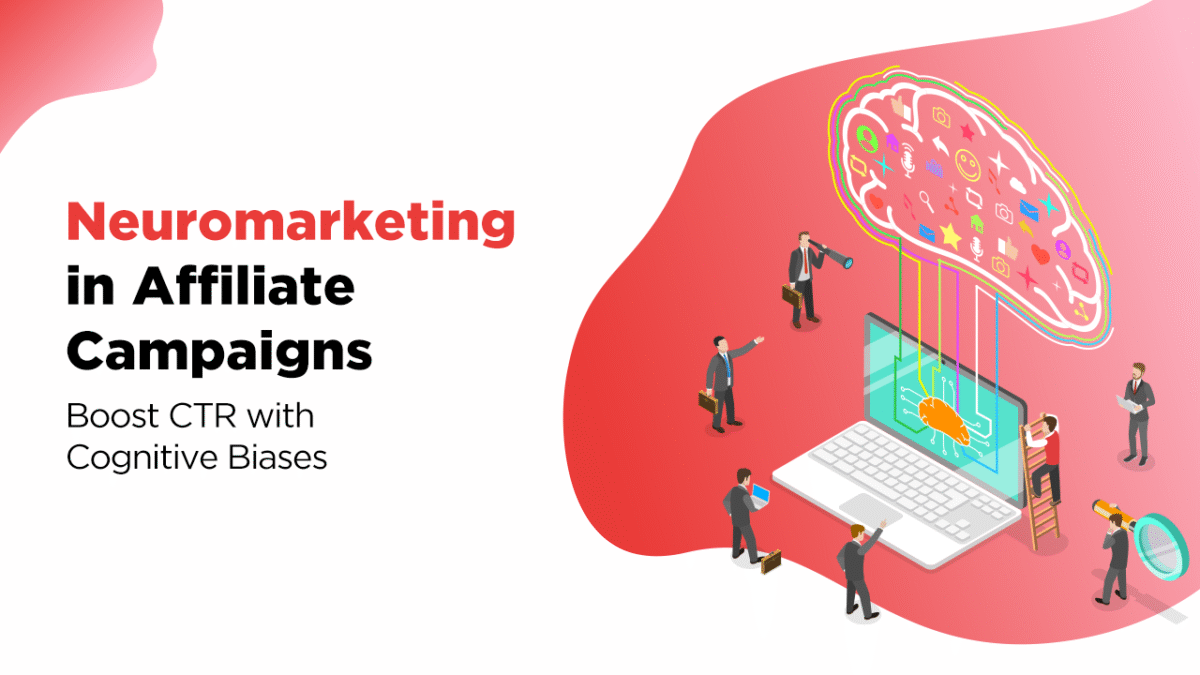
Neuromarketing in Affiliate Campaigns: Boost CTR with Cognitive Biases

A user doesn’t always click because a product is relevant; sometimes, they click because of how it’s shown. The shape of a button, the way a discount is framed, or even a few choice words in the headline can tip the balance. In affiliate marketing, these little things often decide whether someone clicks or scrolls past.

That’s why understanding how people make decisions can help affiliates get more clicks and better results. In fact, a 2024 study by the Journal of Consumer Research says that about 95% of buying decisions happen automatically, without deep thinking. People rely on habits, emotions, and shortcuts.

By applying basic principles of neuromarketing in affiliate marketing, affiliates can frame their content or creatives to match how users naturally react, making their campaigns more clickable, without needing extra budget.

What Is Neuromarketing in Affiliate Campaigns?

Neuromarketing helps us understand that people don’t always make decisions based on logic; they often rely on gut feelings. It uses ideas from psychology to shape marketing messages in a way that connects with how the brain naturally responds.

In affiliate marketing, this shows up in subtle but powerful ways. A person might forget the product name, but they’ll remember how the ad made them feel. Was it urgent, helpful, or trending? That emotional reaction is what often leads to a click (or not).

As an affiliate, you don’t need to trick anyone or use complicated tech. It’s about creating messages that feel right to the audience using the concept of neuromarketing in affiliate marketing. It’s about using smart, proven patterns, like the way a headline is framed, or how scarcity and social proof are displayed, to help your product catch attention in a crowded space.

Why Click-Through Rate (CTR) Matters for Affiliates

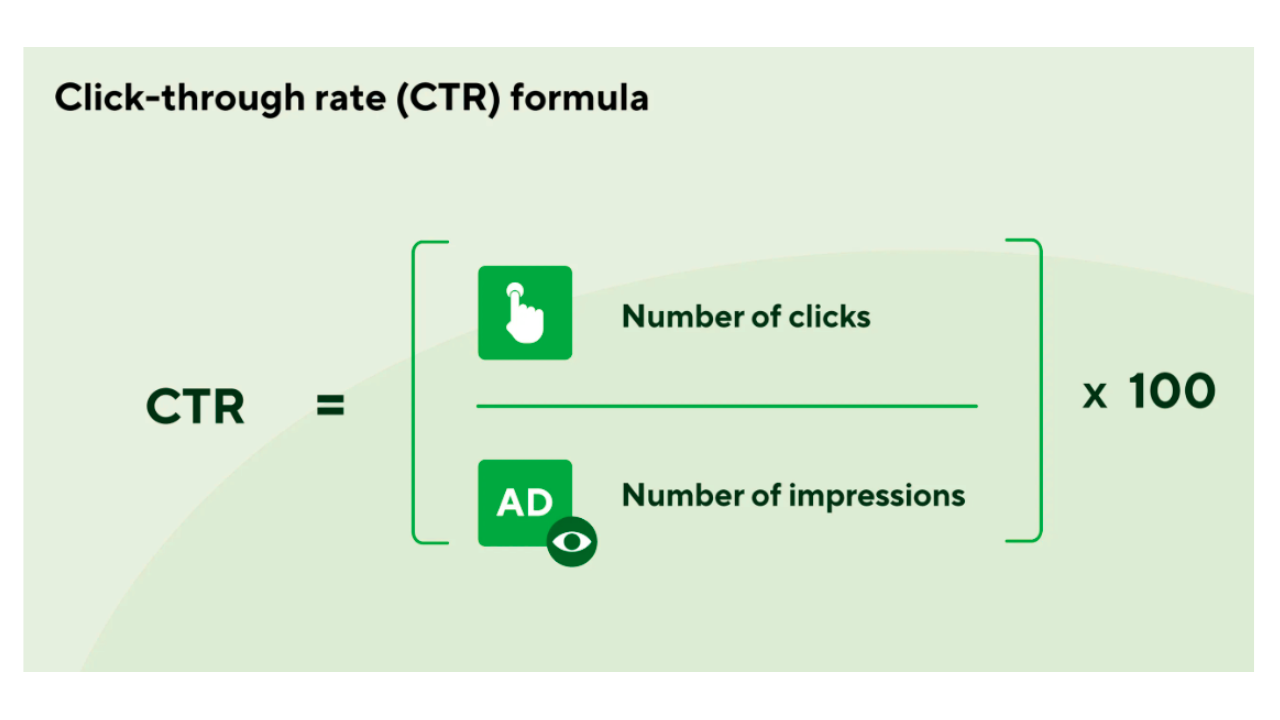
Click-Through Rate (CTR) shows how often users who see your content actually click on your affiliate links. It’s one of the clearest signs of your message getting attention across blogs, coupon pages, push ads, social content, or any other format you’re using.

A strong CTR means more users are landing on the brand’s page through your tracking link. That gives your traffic a better shot at converting and helps improve your chances of generating more commissions.

Many affiliates focus heavily on final conversions, but those start with the click. If your CTR is low, it often means your creative, headline, or message isn’t connecting well with the audience. Improving CTR is usually the first step in fixing underperforming campaigns.

You can also use CTR to test what’s working. Try different banners, messages, or placements. The version with the higher CTR is usually the one to scale.

How to Measure and Track CTR in Affiliate Campaigns

CTR (Click-Through Rate) is calculated like this: CTR = (Clicks ÷ Impressions) × 100. So, if your banner or push was shown 10,000 times and received 500 clicks, your CTR would be 5%.

Most affiliate platforms, including the one you’re using, track clicks and impressions in real time. You can view this data by traffic source, creative, format, or even device type. Keeping an eye on this helps you understand what’s working and where there’s room to improve.

Here are a few ways to track CTR effectively:

  1. Check performance by format. Look at how banners, push notifications, SMS, or email are doing individually. If one format has a lower CTR, try adjusting the message or switching creatives.
  2. Compare variations. If you’re testing different versions of the same offer, use CTR to see which one performs better. Even small differences in headlines or CTA wording can show clear trends.
  3. Track by campaign and source. Look at CTR data by campaign, offer, or traffic source. This helps you understand which type of content resonates with your audience and where to focus your efforts.
  4. Know your benchmarks. In general, a 1–2% CTR is considered average for eCommerce campaigns. If your numbers are below that, try changing your headline, angle, or creative format. If you’re already above average, look at ways to scale the traffic source.

Tracking CTR isn’t just about reports; it’s a tool to guide how you plan and adjust your affiliate strategy in real time.

6 Cognitive Biases That Can Help Improve CTR in Affiliate Campaigns

Most users don’t carefully study an ad before clicking. They react to what feels familiar, urgent, or emotionally appealing. These reactions are shaped by something called cognitive biases, mental shortcuts our brains use to make quick decisions.

As an affiliate, understanding these biases can help you present campaigns in a way that naturally grabs attention and improves CTR. No matter if you work with banners, coupon titles, push creatives, or content pages, these techniques can help make your links more clickable.

Here are 6 simple, proven cognitive biases you can apply through your affiliate campaigns:

  1. Anchoring Bias: Buyers rely heavily on the first piece of information they see, like a high original price. If you’re promoting a product with a visible price drop (₹1,499 down to ₹899), highlight the original price clearly in your creative or caption. This sets an anchor, making the discounted price feel more valuable, even if the discount isn’t huge.
  2. Social Proof Bias: We’re wired to look at others when making decisions. Reviews, ratings, and even statements like “bestseller” or “most redeemed offer” create trust through validation. If the product is a bestseller, has high ratings, or is trending, include that in your messaging. Something as simple as “Most redeemed offer” or “Rated 4.5 star by 10,000+ users” can build instant trust, even on first glance.
  3. Authority Bias: People trust experts, established names, or even familiar faces. If the product has won awards, is backed by a known influencer, or is a well-established brand, you can mention that. A small line like “Trusted by over 1 lakh users” or “Recommended by experts” adds subtle authority to your content or captions.
  4. Loss Aversion: Psychologically, people hate losing out more than they enjoy gaining something. Instead of saying “Save ₹200,” try lines like “Don’t miss ₹200 savings” or “Offer ends today.” This taps into urgency and makes the user feel they might lose a good deal by not clicking now.
  5. Reciprocity: If consumers feel they’re getting something extra, like a freebie, early access, or exclusive deal, they’re more inclined to return the favor by clicking or buying. If the campaign includes perks like a free sample, early access, or an exclusive deal, mention that clearly. For example: “Free gift with every order” or “Members-only deal live now.” These simple lines increase the appeal of your links.
  6. Scarcity Effect: People are more likely to act when they believe something is in limited supply. Phrases like “Only 3 left,” “Limited-time offer,” or “Deal ends tonight” can push users to act faster. You can add these naturally to your coupon headlines, push titles, or content intros, especially when promoting flash deals or low-stock items.

How Cognitive Biases Boost CTR in Performance Marketing

Cognitive biases in marketing aren’t just theory; they directly influence how people respond to your content in real time. But their impact depends on how they’re applied.

In affiliate marketing, this becomes especially useful. The same offer can be promoted across different formats, deal sites, blogs, push ads, content pages, or Telegram groups. Each format speaks to users differently. When you use psychological cues like urgency, scarcity, or social proof in a way that fits your audience, your messaging feels more relevant, and more likely to be clicked.

For example, on a cashback site: Use “Most redeemed deal” (social proof). In a push notification: Say “Only 2 hours left to save ₹200” (loss aversion). In a blog: Mention “Rated by experts” or “4.7 stars” (authority bias).

As an affiliate, your job is to make an offer stand out in a crowded space. By using these cues thoughtfully, you’re not just sharing a deal, you’re helping users feel why it matters. And when that happens, CTR improves without the need for extra traffic or aggressive promotions.

Do’s and Don’ts of Using Biases in Affiliate Campaigns

You can apply cognitive biases smartly in your affiliate campaigns without overdoing it.

Dos: 

  1. Stay Subtle and Consistent- Cognitive biases work best when they don’t feel forced. If you’re using scarcity, urgency, or social proof, aim for messaging that’s clear and believable. For example: “Only 4 items left” is simple and effective. Repeating “Hurry! Ending soon!” on every banner can reduce its impact over time.
  2. Match the Bias to the Campaign Type- Each product category responds differently: Scarcity and urgency work well in fast-moving categories like fashion or electronics. Social proof and authority can boost credibility in finance, wellness, or skincare campaigns. Choose a bias that fits the user’s mindset for that product.
  3. Test, Observe, and Optimize- If urgency-based headlines improve CTR, test variations. Monitor what works across platforms and formats. Share learnings with your manager, they may provide custom creatives or help fine-tune the messaging.

Don’ts: 

  1. Use Deception or Gimmicks- Avoid false urgency, false timers, or fake discounts. Such cognitive biases in marketing might bring clicks, but it hurts trust. Once the buyers feel tricked, it is unlikely for them to convert or return.
  2. Overload Your Message- Using too many psychological tricks at once, like urgency, scarcity, and authority, can feel forced or fake. It’s better to pick just one or two that fit your message and use them naturally.
  3. Rely on Biases Alone- Biases enhance performance, but they don’t replace quality. Make sure your campaign still targets the right audience, uses clean creatives, and promotes relevant, trustworthy offers.

Bringing It All Together!

Affiliate marketing isn’t just about the right product; it’s about showing it the right way using the concept of neuromarketing in affiliate marketing. When you use cognitive biases like urgency, scarcity, or social proof correctly, you make it easier for users to act. You’re not tricking anyone, you’re helping them decide faster and with more confidence.

If you’re promoting on blogs, coupon sites, or Telegram channels, these psychological nudges can lift your performance without major changes to your content. With vCommission, you get access to high converting campaigns that are already designed to perform. But when you bring in the right messaging and user understanding, that’s when results really grow.

So, test what works, stay honest, and remember, understanding how people think is one of the most powerful tools in affiliate marketing.

Categories
Advertiser

Top 20 Advertiser FAQs in Affiliate Marketing (Answered!)

More brands are turning to affiliate marketing to grow, because it works. You don’t need a huge ad budget. You don’t have to pay for impressions or clicks that don’t convert. You pay only when a sale happens.

If you’re an advertiser, this model sounds appealing. But it also comes with many affiliate marketing FAQs: Who are these partners? How do we track results? What kind of offers work best?

Most brands don’t run affiliate programs alone. They work with affiliate networks, platforms that connect them with trusted partners, manage tracking, and help run campaigns more efficiently. You don’t need to build anything from scratch. Just share your offer, set your tracking, and the rest is handled for you.

And the impact is real. In 2025, brands are earning an average of $12 for every $1 spent on affiliate marketing, according to DemandSage.

This blog answers the top questions advertisers ask in affiliate marketing. If you’ve been searching for practical, clear insights, start here.

1. How does affiliate marketing increase sales and revenue?

Affiliate marketing helps your brand reach the right people without big upfront costs. When you launch your program through an affiliate network, the platform connects your brand with relevant, vetted partners: publishers, influencers, coupon sites, or content creators, who promote your product. The network handles the tracking setup, compliance, and campaign logistics, so you’re not managing dozens of individual relationships.

Unlike other ad methods where you pay for clicks or views even if they don’t convert, this model ensures your budget goes toward real outcomes. Affiliates are paid only after their conversions are tracked and approved. It helps you keep better control of costs while growing your sales at the same time.

2. What is the benefit of joining an affiliate network for advertisers?

An affiliate network makes the entire process faster, safer, and more efficient for advertisers. You get access to a wide pool of verified affiliates already active across categories like fashion, beauty, health, electronics, and more, without spending time on recruitment.

All the tracking is built in, so you don’t need to set up tools from scratch. You can view conversions, revenue, and commission data through regular performance reports. The system also filters out invalid traffic, and campaign rules are enforced automatically to protect your brand.

The platform handles most of the heavy lifting, like affiliate management, fraud checks, and channel monitoring. You focus on your offer, creatives, and sales, while everything else runs in the background.

3. How do I find the right affiliates for my brand?

You don’t need to search for affiliates yourself. Inside a network, you’re connected to a large group of partners, people who are already promoting brands like yours. The system helps match your brand with the right kind of affiliates. This match depends on your industry, audience, and the kind of traffic you want. For example, you might want content-based traffic, or maybe coupon websites or influencer channels.

Once your campaign is live, the right affiliates can start promoting your offers. This saves time and gives your campaign a better chance to succeed from the start.

4. Which affiliate marketing strategy is the most effective?

The right strategy depends on what kind of product or service you’re offering. Some partners work better for certain categories, and some channels convert better than others. A few of the common combinations that perform well through affiliate networks:

  1. Fashion and Beauty: YouTube videos, Influencers, Instagram reels, Telegram ads, coupon sites, cashback platforms, banner ads, and display ads.
  2. Health and Wellness: Blog reviews, content creators, mobile app ads, push notifications, email marketing, and native ads.
  3. Travel and Services: Aggregator websites, flight/hotel comparison tools, SMS campaigns, pop ads, and seasonal offer banners.
  4. E-commerce: A mix of content-based promotions, coupon and deal websites, paid media (Google/Facebook), social media ads, display, and remarketing banners.
  5. Finance and Insurance: Long-form blog content, cost-per-lead (CPL) campaigns, push ads, form-based landing pages, and WhatsApp outreach.

You can also decide what types of traffic you want to allow or block. If something doesn’t match your brand image, like certain channels or ad styles, you can restrict it. The best part is, you don’t have to figure it all out alone. You get help choosing what works based on your goals and product type.

5. How to calculate ROI in affiliate marketing?

Calculating ROI is simple because you only pay when a confirmed sale or lead happens. You don’t need to spend on impressions or clicks that don’t convert. 

Let’s say your campaign generated ₹5,00,000 in sales, and the commission paid to affiliates was ₹50,000. Your ROI would be:

ROI = (Revenue from affiliate sales – Commission paid) ÷ Commission paid × 100

(₹5,00,000 – ₹50,000) ÷ ₹50,000 × 100 = 900%

This means you earned ₹9 for every ₹1 spent.

You don’t have to set up any tracking manually. vCommission integrates with your system during onboarding using postback or pixel-based tracking. Once live, all your conversions, sales amounts, and commissions are automatically recorded.

You’ll receive regular reports showing total approved conversions, revenue generated, commission paid, ROAS (return on ad spend), and Performance by traffic type, device, and source

ROI becomes easy to track because all the heavy lifting from tracking to validation is handled for you. You just need to review your reports and scale what’s working.

6. What commission models should we offer to affiliates?

Most advertisers start with CPS (Cost Per Sale), where you pay a fixed percentage or flat amount for every confirmed order. This model is especially effective for e-commerce and D2C brands. If your aim is lead generation, you can also choose CPL (Cost Per Lead) or CPA (Cost Per Action). These reward affiliates for actions like form submissions, app installs, or account sign-ups.

You decide the commission rates during campaign setup, based on your margins and customer value. You can also offer seasonal boosts or bonus payouts during sales events or on selected products. These can be discussed and set up through your account manager.

Once the campaign is live, the system tracks each conversion, calculates commissions based on your approved structure, and ensures affiliates are paid correctly, without you needing to manage payouts directly.

7. How do we make sure affiliates follow our brand guidelines?

Before your campaign starts, you can share detailed instructions on how your brand should be promoted. These may include what kind of creatives should be used, the type of messaging that’s allowed, and which traffic sources or platforms are approved. For instance, you might want to allow influencer or content traffic but block SMS, incent, or pop traffic. You can also restrict the use of brand names in search ads or specify that traffic should go only to certain landing pages. 

All of these rules are included in your campaign brief and shown to affiliates before they begin promoting. The platform also monitors affiliate behavior. If someone promotes your offer in a way that breaks the agreed-upon rules, their access can be paused or removed. This setup helps protect your brand while keeping affiliate management simple.

You don’t need to worry about building any tracking systems yourself. Once your campaign is live, all tracking is handled through the platform’s backend. It uses a combination of tracking links, cookies, and server-to-server (postback) setups to capture every click and conversion. During onboarding, the team will connect your system to the platform using macros that track important details like order ID, amount, and transaction time. 

You can choose how long a user should be tracked after clicking a link,  usually 14 to 30 days. You also set a time frame to approve or reject a sale, in case of returns or cancellations. All conversions are tracked in real time, and you’ll get clear reports showing how many sales happened, how much you earned, and how your campaign is performing. You don’t have to set up anything yourself. vCommission takes care of it all.

9. How do we ensure affiliate quality?

A trusted affiliate network like vCommission checks every affiliate before they join your campaign to ensure they meet basic quality standards. We look at their traffic sources, promotional methods, and past performance to confirm they can represent your brand well.

Once they’re onboard, we keep a close eye on how they promote your offer. We regularly review their traffic and marketing materials to spot any unusual behavior or violations of your guidelines. If an affiliate shows signs of sending low-quality or fake traffic, we take quick action by pausing or removing them from the campaign.

This careful screening and ongoing monitoring help ensure that only reliable affiliates drive traffic to your campaign, protecting your brand and ensuring better results.

10. What mistakes should we avoid in affiliate marketing?

When you run your affiliate program through a reliable network, most challenges are already managed for you. The platform has fraud checks in place, monitors how affiliates promote your brand, and filters out invalid traffic, so you don’t need to worry about it daily.

Still, there are a few things to keep in mind. Avoid relying too much on a single type of affiliate, like only coupon or cashback sites. Keep your campaign guidelines clear from the start, including what creatives to use, which channels are allowed, and any restrictions. If any affiliate breaks those rules, their access can be paused or removed.

Overall, the system is designed to keep your campaign safe and performance-driven, so risks stay low and manageable.

11. How do we share the right creatives and offers with affiliates?

You can share all essential promotional assets with the account team during onboarding. This usually includes banners, product images, descriptions, coupon codes, and your preferred messaging guidelines.

The team then makes these assets available inside the platform for approved affiliates to use. It’s best to provide creatives in multiple formats, like display banners, text snippets, or mobile-friendly versions, since different affiliates operate across various channels such as blogs, social media, cashback platforms, or push traffic.

You can update your materials anytime, especially around festive sales, product launches, or new campaigns. The platform ensures that only eligible affiliates can access and use the assets, and all promotions stay aligned with your brand’s guidelines.

12. What are the legal requirements for affiliate marketing?

As an advertiser, your main legal responsibility is to make sure your offers are honest and follow basic advertising and data privacy laws. This means no misleading claims, fake discounts, or unclear pricing. If you collect customer data, it should comply with rules like India’s Digital Personal Data Protection Act or global standards like GDPR.

vCommission helps you stay compliant by reviewing how affiliates promote your brand. Campaign rules, such as allowed channels, messaging style, and use of brand terms, are set at the start and shared with all affiliates. If any affiliate breaks these rules, the platform can pause or block their access.

Staying transparent, using clean creatives, and sharing proper disclaimers where needed is the best way to keep your affiliate marketing legally safe.

13. How do we communicate with affiliates?

You don’t need to speak with affiliates directly, that’s handled by the platform. If an affiliate has questions, needs clarification, or requests campaign details, the support team takes care of it on your behalf.

As an advertiser, your focus is on keeping the campaign brief up to date. You can share offer changes, new creatives, seasonal promotions, or product highlights with the account team. They’ll make sure all active affiliates receive the right updates at the right time.

If needed, the team can also share performance updates or suggest improvements. This keeps everything clear and avoids the hassle of talking to affiliates one by one, so your campaign stays on track without extra effort.

14. How often do we pay affiliate commissions?

The network handles commission payouts based on the conversions tracked and validated through your campaign. As an advertiser, you receive a monthly invoice from the network for all approved sales within the validation period. Once payment is cleared from your side, the network releases payouts to affiliates according to its cycle, usually monthly or bi-weekly. 

This setup ensures smooth financial operations, removes the need for manual affiliate handling, and keeps the process transparent for everyone involved.

15. Can we run limited-time campaigns with affiliates?

Yes, limited-time campaigns work very well in affiliate marketing, especially during festive seasons, product launches, flash sales, or end-of-season offers. You simply need to share the offer details, timelines, and updated creatives with the platform team. 

They’ll push the promotion live, update affiliate access, and highlight it across relevant partner types, like deal sites, cashback apps, influencers, or content publishers. You can also combine them with higher commission rates, exclusive coupon codes, or short-term bonuses to encourage faster promotion.

16. Is affiliate marketing a good fit for new or smaller brands?

Yes, affiliate marketing is especially well-suited for new and growing brands. Since you only pay when there’s a confirmed result, be it a sale or a lead, it removes the pressure of big upfront ad budgets.

You don’t need to set up complex systems either. Once your campaign is live on the platform, tracking, reporting, and affiliate management are already taken care of. You just need a working website, clear product information, and the ability to handle incoming orders.

17. What traffic sources do affiliates typically use?

Affiliates use a wide range of traffic sources, depending on your campaign settings and product category. Some common ones include:

  1. Content websites and SEO blogs – for reviews, listicles, and recommendations
  2. Influencer channels – including YouTube, Instagram, and Telegram
  3. Coupon and cashback platforms – offering deals and rewards
  4. Push and pop ads – for mobile-focused promotions
  5. Display and banner ads – on high-traffic websites and apps
  6. Email and SMS marketing – for direct audience engagement
  7. Paid media buying – on search engines, social media, or native ads

Not all traffic types are allowed by default. When your campaign is being set up, you can specify which sources you want to allow or restrict. The platform ensures affiliates follow those settings and promote your offer through the right mix of channels.

18. How long does it take to see results from affiliate marketing?

You can start seeing results within days of your campaign going live. Once tracking is set up and affiliates get access, they begin promoting your offer right away. Performance usually builds over time as more affiliates pick it up and try different channels. During festive periods or sales, results can come even faster. It’s a quick-to-activate channel, with both short-term and long-term impact.

19. How do cookie durations and validation periods work?

Cookie duration is the time after someone clicks an affiliate link during which they can still be counted for a sale, usually 14 or 30 days. The validation period is the time you take to approve or reject that sale based on things like returns or cancellations.

Both are set during campaign setup. The platform tracks everything automatically and shows the status (approved, pending, or rejected) on your dashboard. This ensures clean, transparent reporting for both you and your affiliates.

20. How do we scale our affiliate program?

Once your campaign starts delivering results, it can be scaled smoothly through the platform. Your account team can help you expand to new affiliate types, like influencers, content partners, or paid media sources, based on what fits your brand.

You can also boost performance by offering short-term incentives, higher commissions for specific categories, or launching time-sensitive offers. Sharing updated creatives for seasonal promotions also helps maintain affiliate interest and momentum. Scaling happens step by step, with support from the platform, so your campaign grows steadily without becoming difficult to manage.

Wrapping Up!

Advertisers often have many questions before starting, about tracking, commissions, validation, and more. These affiliate marketing FAQs and the top questions advertisers ask in affiliate marketing are all part of setting up a campaign that works smoothly.

At vCommission, we help you through every step. From setting up your tracking to choosing the right partners for you, our team works closely with you to make sure everything runs the way it should. If you’re unsure about anything, we’re always here to guide you.

The more clarity you have, the better your campaign performs, and we’re here to support that from day one. Sign up now to explore how affiliate marketing can work better for your brand, with the right support from vCommission.

Categories
Affiliates

Friendship Day 2025: 8 High-Converting Gifting Campaign Ideas for Affiliates

Some days drive traffic. Others drive connection and commissions. Friendship Day is both. It’s one of those rare occasions where emotion meets action. People aren’t just shopping, they’re searching for gifts that feel right.

Gift-buying becomes intentional; think skincare sets that show care, personalised bracelets that hold meaning, or matching sneakers that celebrate shared style. When intent is high, conversions follow. And this shift in intent creates the perfect window for affiliate marketers.

Instead of pushing random offers, you now have the chance to match real emotions with real solutions. A 2025 report by Wix shows that seasonal campaigns like Friendship Day see up to 32% higher engagement compared to regular promotions. Because when timing and relevance align, people click with purpose.

This blog shares 8 high-converting campaign ideas that are easy to implement and built for the affiliate ecosystem. You’ll also find examples from active campaigns across beauty, fashion, gifting, and more, so you can start planning today.

Why Friendship Day Boosts Affiliate Sales Through Gifting Campaigns

When people look to appreciate their best friends, they’re often browsing for thoughtful, budget-friendly gifts like skincare kits, jewellery, accessories, and wellness hampers. And they’re not browsing casually; many have purchase intent, especially if there’s a time-sensitive offer or limited deal involved.

That’s why affiliates are uniquely positioned to capture that intent. By promoting curated gift ideas and highlighting real discounts, affiliates can tap into the emotional tone of the occasion and guide users from browse to buy.

A leading report from Retail Research Trends indicates that the gifting market in India was valued at USD 75.16 billion in 2024 and is projected to grow to USD 92.32 billion by 2030, expanding at a steady CAGR of 3.55%. Clearly, gifting is no small matter, and occasions like Friendship Day play a meaningful role in that growth.

When your readers are already in a gifting mindset, a well-timed campaign, like promoting Swiss Beauty bundles or Giva jewellery sets can feel less like a sale and more like a helpful suggestion. A lot of these campaigns offer discounts, combos, or cashback, which encourages people to shop. That’s why affiliates usually get more clicks and sales during Friendship Day.

Let’s discuss some of the high-converting campaign ideas you can use this Friendship Day to boost your conversions and grow your affiliate earnings:

1. Beauty Gifts That Always Work

Beauty products are a consistent favorite for Friendship Day gifts. In fact, according to Statista, the Global beauty market projected to reach $677.19 billion in 2025, growing at 3.9% CAGR. From lip kits to fragrance combos, these products offer the right mix of affordability and charm. Swiss Beauty is currently running offers like flat 15% off above ₹899 with codes. There’s also a value-packed “Buy 4 for ₹999” deal on select items, along with free shipping on orders above ₹399.

Tira Beauty offers up to 70% off on categories like skincare and makeup, with an additional ₹500 off for first-time users. Affiliates can create “First Order Offer” promotions on Telegram, cashback sites, mobile ad banners, or deal posts. Phrases like “Your first beauty order, almost free!” paired with limited-time urgency messaging can nudge new users into converting quickly.

This kind of bundle-based pricing works well with younger audiences. Affiliates can drive better results by using carousel creatives, makeup swatches, and video demos to highlight these as ready-made gift packs.

2. Jewelry That Feels Personal

Jewelry gifting is booming, and the market is expected to grow from $366.79 billion in 2024 to $578.45 billion by 2033, at a 5.3% CAGR according to the Grand View Research. Jewelry always holds emotional value, especially when it’s lightweight, stylish, and affordable.

Giva’s ongoing offers include up to 50% off, an extra 15% off with code, ₹500 off on orders above ₹1999, and Buy 3 Get 20% off. These overlap nicely with the Friendship Day–Raksha Bandhan shopping window.

Affiliates promoting Giva can use messaging around personalized gifting, such as initial pendants or charm bracelets that symbolize connection. Simple storytelling in ad copy, like “One charm for every memory,” can help drive better CTRs.

3. Skincare Gifts with Clean Ingredients

Clean skincare is now seen as an act of care, and the Global skincare market is expected to reach $122.11 billion in 2025, growing to $194.05 billion by 2032 at a 6.84% CAGR, according to Fortune Business Insights. Many people look for thoughtful gifts that focus on self-care, which makes this a great time for brands with natural, Ayurvedic, or simple skincare products.

For example, Nourish Mantra has ready-made combos that work well as gifts. Right now, they’re offering 10% off with a code and free samples on select orders. These make excellent gifts for audiences who value mindful products. Affiliates can frame Nourish Mantra kits as thoughtful, self-care gift sets, ideal for first-time skincare users or friends who love natural beauty. Before-after images and product review content tend to work best in this niche.

Promote skincare duos or “starter kits” as budget-friendly gift ideas. Testimonials and real results content (before-and-after photos) tend to boost CTRs in this vertical.

4. Footwear That Speaks Style

Fashion-forward gifting often includes shoes, especially for best friends who share the same sneaker obsession or streetwear aesthetic. The Global footwear market projected to reach $306.04 billion in 2025, growing to $378.18 billion by 2033 at 2.4% CAGR according to Global Growth Insights. Whether it’s chunky sneakers, formal shoes, or limited-edition drops, stylish footwear adds a personal edge to any gift.

BaccaBucci offers up to 75% off on shoes, belts, and wallets, along with an additional ₹400 off on carts above ₹4999. No coupon code is needed, making it easier to convert.

Affiliates can position this campaign for fashion-loving Gen Z buyers. Use short-form content or Instagram story ads with hooks like “Gift your bestie a style upgrade” or “Sneakers made for shared memories.”

5. Personalised Hampers and Same-Day Gifts

Personalised gifts are always popular, especially around Friendship Day. Things like gift hampers with custom notes or fast delivery often get more orders, especially in the last couple of days before the occasion. The personalised gift market is growing quickly and is expected to double in the coming years.

IGP is running strong offers like up to 70% off, ₹500 off on orders above ₹2699, and extra 20% off with coupons. Some gifts also come with free combos, making them perfect for last-minute shoppers. Simple lines like “Delivered in 24 Hours” or “Few Hampers Left” in your ad copy can help you get more clicks.

6. Budget Fashion for Gifting at Scale

For mass appeal, nothing beats affordable fashion. Platforms like Shopsy makes it perfect for Friendship Day campaigns aimed at mass appeal. With prices starting under ₹299, free delivery, and discounts of up to 90% on categories like fashion, kitchenware, home décor, and personal care, it’s a go-to platform for affordable gifting.

It’s especially effective for reaching Tier 2 and Tier 3 audiences, where budget plays a big role in purchase decisions. Affiliates can lean into this with regional content, listicles like “Top 5 Gifts Under ₹299,” or relatable posts that work well on Facebook and WhatsApp. Simple pitch, wide reach, strong potential.

7. Timeless Gifts That Convert

Watches make classic Friendship Day gifts, stylish, reliable, and always appreciated. Titan’s name brings trust and quality, which increases CTR and conversion for affiliates. Titan has in store up to 60% off on select models during Prime Day and Flat 10–20% off on Karishma, Neo Gents, and Raga collections. Global watch market expected to grow at 1–3% CAGR through 2025, with Asia leading demand according to the Mckinsey Report.

These offers work well across content, mobile, cashback, and even influencer videos. Promote them with messaging like “Celebrate every second of your friendship” or “Timeless gifts for timeless bonds.”

8. Wellness Gifts That Add Real Value

Wellness gifting is on the rise, and the market is projected to grow at 8–10% CAGR, with demand for clean, functional products. Many wellness-focused brands like TryBloom are getting attention. Their current offer includes 30% off sitewide with code and up to 58% cashback on select products. Orders above ₹299 get free delivery.

This campaign is ideal for creators producing lifestyle or wellness content. Influencer reels or short YouTube videos like “5 Meaningful Gifts Your Friend Will Actually Use” can drive strong engagement. These products also work well in educational or product-led blogs.

Turn Friendship Day Gifting into Affiliate Earnings!

Affiliate marketing works best when it meets people in their moment, and Friendship Day is one of those moments. People aren’t just browsing; they’re looking for meaningful, thoughtful gifts. For affiliates, that’s a clear signal to step in with well-timed, well-matched offers.

The campaigns shared above tap into a wide range of interests, from beauty to fashion, self-care to personalized picks, giving you enough variety to match any audience or platform. If you create content, run performance ads, or manage coupon and cashback traffic, this is a seasonal opportunity worth seizing.

Choose the right mix, plan your strategy early, and stay consistent. A single occasion can drive lasting results, especially when backed by strong offers and smooth execution. With the right affiliate network like vCommission, turning this traffic into trusted commissions is just a few clicks away. So sign up now!

Categories
Affiliate Marketing

How to Use AI to Create High-Converting Ad Copies

Ad fatigue is real and fast. With users scrolling past content in seconds, the difference between being ignored and getting clicked often comes down to the words you choose. In performance marketing, good creative isn’t just about visuals. It’s the copy that frames the offer, hooks the audience, and drives the action.

Writing high-performing ad copy, over and over again, across platforms and audiences, is time-consuming. That’s where AI is proving to be more than just a shortcut. It’s helping marketers test faster, write smarter, and unlock new angles they might not have considered otherwise.

In fact, a 2025 report from Zebracat shows that AI-generated ad creatives boost Facebook and Google Ads click-through rates by 47% while lowering cost-per-acquisition by 29%. That kind of uplift can’t be ignored, especially in a competitive space where margins and attention spans are razor-thin.

In this blog, we are going to discuss how AI is transforming ad copywriting and how both advertisers and affiliates can use it to improve results, simplify testing, and scale winning messages across channels.

How AI Improves Ad Copywriting for Better Conversions

AI is quietly changing how marketers write ad copy. Earlier, writing ads took time. You had to come up with ideas, write different versions, get approvals, and then finally launch. This worked fine when things moved more slowly. But today, online campaigns need to be quick, creative, and tested across different platforms. That’s hard to manage manually. But, AI ad copy tools can help you by:

1. Fast Content Creation

Ad campaigns often need many versions of the same offer, different headlines, body text, call-to-actions, and hooks. Instead of writing them all one by one, AI tools can quickly generate 10 to 20 strong options based on your goal. For affiliates, this means saving time while testing creatives across channels. For advertisers, this helps prepare campaign messaging faster before sharing it with the affiliate network for setup.

2. Easier A/B Testing

A/B testing is key in performance marketing. AI makes this easier by generating copy in multiple tones: emotional, direct, urgency-driven, and more. Affiliates can test different versions across allowed traffic sources to see which gets more clicks or conversions. Advertisers, on the other hand, can test variations during internal reviews before finalizing the creatives they share with the affiliate network.

3. Copy Personalization for Different Audiences

Different types of audiences respond to different styles of messaging. AI helps you adjust your copy based on who you’re targeting. For affiliates, this means adapting tone and style while staying within campaign guidelines, like writing a fun, casual line for younger users on Instagram, or a benefit-focused message for working professionals on Google or native ads.

4. Regional Language Support

India has a wide mix of languages and cultures. AI tools now support writing in Hindi, Tamil, Bengali, and more. This helps affiliates create regional versions of promotional messages where local language campaigns are effective and allowed. It’s always a good idea to review translations for accuracy, but AI saves time by helping create the first draft quickly.

5. Helps Avoid Repeating the Same Copy

Using the same ad copy again and again can lower engagement. AI gives you fresh options by suggesting different angles, like urgency, benefits, or emotion. Affiliates can use this to rotate ad text across push notifications, banners, or blogs. This keeps the campaign fresh and improves click-through rates over time.

6. Useful Across All Copy Formats

AI tools work well for both short and long-form copy. Affiliates can use them to write quick lines for push ads or SMS, and also longer content for blogs or native ads. They can also use character limits when generating content, which is helpful for platforms like Meta, Google Ads, or mobile banners, where space is limited.

Tools to Generate High Converting Ad Copy with AI

The best AI tools to create ad copies that convert today are easy to use and designed for marketers and advertisers. All you need is a clear idea of your offer, audience, and how to write ad copy with AI. Here are some helpful tools you can explore:

1. ChatGPT

This tool is great for generating all kinds of ad content, from short headlines and hooks to longer ad body text. You can ask it to write ads in a specific tone, for a specific audience, or even in a certain number of words. Many affiliates and advertisers use it to brainstorm new ideas or write quick drafts for Meta and Google Ads. Example prompt: “Write 3 ad headlines for a fashion sale targeting Gen Z shoppers in a fun tone.

2. Jasper.ai

Jasper comes with built-in templates for Google Ads, Facebook Ads, product descriptions, and more. It allows you to set a tone, choose your audience type, and even create AIDA (Attention, Interest, Desire, Action) style copy. It’s useful if you want structured content without writing prompts manually.

3. Copy.ai

This tool focuses on performance marketing copy. It’s fast and easy to use, one of the best AI tools to create ad copies that convert, especially for creating short, catchy ad texts. Copy.ai is good for product ads, eCommerce offers, and discount-based creatives. Use it to create ad versions for cashback deals, festive campaigns, flash sales, category-specific product pushes (like skincare, electronics, etc.)

4. Grammarly + Quillbot

These are not ad-generation tools, but they help refine and clean up the copy you’ve created. Grammarly ensures your grammar and sentence flow are clear. Quillbot helps rephrase sentences or adjust tone. They’re useful when you want the final ad copy to feel polished and easy to understand.

What Makes These Tools Effective?

These tools work well because they save time and bring variety. In performance campaigns, having more versions of ad copy means better testing, if you’re an affiliate testing across different traffic sources, or an advertiser trying out angles internally before rollout. That’s where your inputs matter.

Here are a few things to always include when using an AI tool:

  1. Target audience (age, interest, buying behavior)
  2. Platform (Google, Facebook, native ads, SMS, etc.)
  3. Offer details (cashback, discount, limited time, etc.)
  4. Tone (fun, serious, emotional, direct, etc.)
  5. Character limit if needed (e.g., “within 30 characters” for a headline)

The more context you give, the better and more relevant your output will be.

How Advertisers Can Use AI to Improve Campaign Copy

Advertisers handle messaging, offers, and creative direction. When promoting through affiliate networks like vCommission, advertisers are responsible for preparing campaign creatives and details, which are then activated through the network’s platform for affiliate distribution.

That said, writing compelling ad copy across different formats, Google Ads, Meta Ads, email, or landing pages, takes time. AI makes this process faster, especially when you’re handling frequent campaigns, working with limited teams, or launching across diverse audience segments.

Here are a few ways advertisers can use AI tools more effectively when preparing campaigns for affiliate and paid channels:

1. Speed Up Copy Development Across Campaign Types

No matter if you’re launching a new cashback offer, festive promotion, or category push, AI can help generate multiple versions of your ad copy faster. You can feed the AI your offer details, target audience, and preferred tone, and it will create ad headlines, descriptions, and even landing page intros for an AI-generated ad copy.

This helps your internal team test multiple angles before finalizing what gets shared with affiliates.

2. Maintain Consistent Brand Voice Across Platforms

Advertisers working with large affiliate networks often need to maintain brand consistency. AI tools can be trained using your previous ads, website content, and emailers to match the tone and structure. Once your messaging is finalized, your team can share pre-approved creatives and ad copy with the affiliate network for campaign setup and distribution.

This is particularly helpful when your internal team handles all creative approvals or shares pre-approved banners and messaging with affiliates through the network.

3. Tailor Messaging for Multiple Markets

India’s digital audience is not one-size-fits-all. AI helps brands write versions of their messaging that fit urban metros, regional audiences, or tier-2 and tier-3 cities. Even if you eventually standardize your creative across the network, AI can assist your team in developing sharper initial drafts based on buyer personas.

You can also use AI to adapt copy for specific moments, like end-of-season sales, flash offers, or app-only discounts, before uploading them to the tracking panel or sharing with affiliate managers.

4. Accelerate Internal Reviews and Testing

Instead of starting every ad campaign from scratch, advertisers can use AI to produce first drafts for quick internal discussions. Once your internal team finalizes the versions that work best, those approved creatives can be passed to the affiliate network team for launch and tracking alignment.

This speeds up campaign readiness and ensures your promotions are out in the market faster, especially useful when timing is key, such as during Diwali, Independence Day, or payday campaigns.

How Affiliates Can Use AI to Scale Creatives and Drive Conversions

Affiliates don’t create the product or control the brand’s messaging; they work with what advertisers approve and allow. At vCommission, affiliates gain access to ready-to-use creatives, offers, and tracking links once a campaign goes live. But within those boundaries, affiliates still need to do one important thing extremely well: drive conversions.

And for that, copy matters. Here’s how affiliates can use AI ad copy tools to work smarter:

1. Generate Scroll-Stopping Ad Headlines and Hooks

When promoting a live campaign, affiliates often need to write copy that gets attention fast, especially on traffic sources like push notifications, mobile banners, or native ads. AI tools like ChatGPT or Copy.ai can help you quickly come up with different hooks using the same offer.

Let’s say the brand is offering 15% cashback on Adidas. You can use AI to generate “Fresh kicks, flat 15% cashback: limited time only!”, “Your favorite Adidas styles, now with cashback rewards”, or “Why pay full price? Shop Adidas with 15% back in your wallet.”

These small changes help avoid repetition, reduce ad fatigue, and improve results, without stepping outside the campaign’s approved messaging.

2. Customize Copy for Different Traffic Sources

Affiliates use many channels: Telegram, SMS, content blogs, mobile apps, browser push, and more. While the offer stays the same, the way you frame the message needs to change with the medium. AI helps you adapt fast.

Here’s how copy changes across channels:

  1. Blog or content site intro: Needs a 70–100 word paragraph explaining the offer, adding urgency, and linking to the product page.  AI can help you write product intros, listicles, and even SEO-friendly descriptions.
  2. Telegram or SMS: Needs to be short, urgent, and easy to act on. Users scroll fast, so the message should be clear in one line. Use AI ad copy tools to generate 5–10 quick variants you can rotate to reduce message fatigue.
  3. Native ad or push notification: Works best with curiosity, benefits, or offers packed into less than 50 characters. Ask AI to generate short ad titles that can be used for clickbait-style pushes without violating guidelines.
  4. Display ads (banners, pop, and push traffic): These need short headlines and quick call-to-action phrases that match the visual. AI can help you write combinations like: “Flat 40% Off – Grab Yours” or “Limited Time: Cashback on Top Brands.”
  5. Instagram banner or story ads: Needs catchy phrases, emojis (if allowed), and product-driven messaging. Copy should be clean and mobile-optimized. AI tools can create ad lines like: “New Drop! Flat 25% Off on Levi’s: Shop Now” or “Glow Up Time: Skincare Sale Inside.”
  6. In-app notifications or app banners: Text here should be functional, short, and highly relevant. Ask AI for concise, location-based, or time-based variations, like “Your 15% Cashback Deal Ends Tonight!”

Instead of rewriting each version manually, AI helps you create all three instantly, with the right tone and length.

3. Spin Fresh Angles Within Brand Guidelines

Affiliates must follow advertiser-approved messaging, but that doesn’t mean you’re stuck with just one version. AI allows you to spin multiple angle variants while staying compliant.

For example, a beauty brand may offer “Buy 2 Get 1 Free.” AI can help you write it as “Your 3rd product is on us: shop clean beauty today”, “Glow more, spend less: buy 2, get 1 free now”, or “Stock up and save: buy 2, get 1 across all Foxtale products”. Each of these is rooted in the same offer, but speaks to different user mindsets: value, results, or convenience.

4. Create Localized or Festive Campaign Messaging

Many high-performing affiliate campaigns revolve around Indian festivals, regional offers, or payday sales. AI ad copy tools can help you reframe copy with festive tones (“Your Raksha Bandhan gift is just a click away”), use regionally-inspired words (“shop now, daalu to cart karo!”), and write seasonal or payday urgency (“July deals end tonight, grab your cashback now”). These are small edits, but they make your AI-generated ad copy feel more current and more relevant.

5. Save Time, Test More, Earn More

Affiliates who run paid traffic often work on tight budgets. You need to test multiple ad versions quickly and pause underperformers fast. With AI, you can generate high-converting ad copies faster for A/B testing, refresh copy more often to reduce and fatigue, and experiment with new tones or angles without overthinking.

You Still Write. AI Just Makes It Easier.

Writing ad copy can take time, especially when campaigns need to run across multiple platforms and audience types. AI helps make this process faster. It supports advertisers in building campaign-ready content, testing different angles, and keeping messaging consistent. Affiliates can use it to create stronger headlines, refresh creatives, and stay aligned with campaign guidelines across traffic sources by using the best AI tools to create ad copies that convert.

The goal isn’t to replace human input, but to remove the delays that often hold back campaign performance.

At vCommission, we ensure campaign setup, tracking, and reporting are aligned, so advertisers and affiliates can focus more on results. With AI added to the mix, it becomes easier to create, test, and improve high-converting ad copies without starting from scratch every time.