

 Black Friday Deals 2026: How to Promote High Ticket Items to Affluent Shoppers
 Halloween Haul: Scale Your Earnings with the POP MART Affiliate Program
 AliExpress 11.11 Sale 2026: How Affiliates Can Capture Global Shopping Demand
 Best Electronics Campaigns to Test Before Scaling for BFCM
 BFCM Tech Deals: Scale Your Revenue with High Paying Saas Campaigns
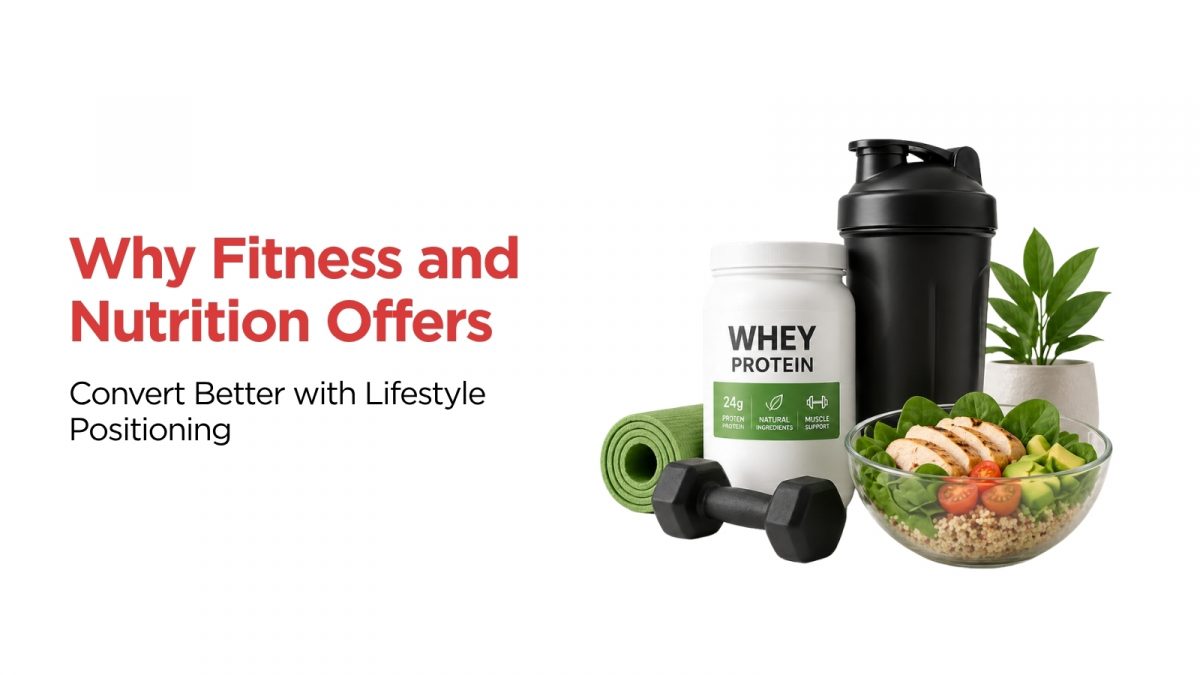
Nobody buys a protein shake – they buy the person they want to become.
There is a reason the stock in the supplement aisle at your local store is barely moving, while on the other side, some random creator’s “morning routine” reel is getting good engagement overnight. The product is the same, but the story is different.
Fitness and nutrition offers have always had a demand problem, which really is not a demand problem. Well, let me clarify: people “want” to be healthier, but do not want to be pointed out for their flaws or be sold to. And the moment a brand stops featuring what it is leading with, and starts leading with how a product fits into someone’s lifestyle, something clicks. Conversions go up. Return rates go down. Customers come back the following month because the product has become part of their routine rather than a one-time purchase.
That shift, from product-first to lifestyle-first, is arguably the most underrated lever in health and wellness marketing right now.
Before getting into why, it helps to understand the scale of what is happening.
The global wellness economy reached a record $6.8 trillion in 2024, a figure that is growing by 10% annually, and now encompasses fitness, nutrition, mental health, and preventive healthcare. Moreover, this figure is projected to exceed $10 trillion, as the industry has consistently outpaced global GDP growth and is forecast to reach nearly $10 trillion by 2029. (Global Wellness Institute). Alongside this, the sports supplement market was at $90.24 billion in 2024, and is projected to nearly double to $189.38 billion by 2033, growing at a CAGR of 8.7% (Grand View Research)
And consumer intent is shifting to match. In 2025, 74.7% of people said they planned to prioritize their health, up from 62.4% in 2024. That’s a nearly 20% jump in the number of health-focused consumers within a single year (PR Newswire). This isn’t a resolution spike. It’s a sustained mindset change.
But here is the more telling number. 76% of US consumers said they preferred to buy from a brand that provides clear information and transparency in its sourcing. (Nutrition Business Journal, 2024). People want to know what they are putting in their bodies and what fits their goals.
That last part, why it fits their goals, is exactly what lifestyle positioning delivers.
Making your product appear aspirational in a picture shoot is not the goal. It involves incorporating the product into a realistic, relatable portrayal of a person’s everyday life.
When a fitness brand says “25g of protein per serving”, that is a feature, but when a creator says “ this is the only thing that keeps me full in between back-to-back client meetings”, that is a lifestyle. The second one tells you where the product lives – and whether it fits your lifestyle.
The difference is what matters when we are talking about conversion. A consumer, while scrolling through a fitness product, is probably asking themselves: is this product made for someone like me? When the content answers the questions, the mental leap from browsing to buying gets shorter.
The nutraceuticals and fitness space benefits from this more than almost any other vertical, because health is deeply personal. A face cream can be universal. A protein powder, a fat burner, or a hair regrowth supplement carries emotional weight. The person buying it isn’t just buying a product – they’re buying a belief that their situation can change.
That’s why lifestyle positioning converts. It doesn’t just show what a product does. It shows what it does for you.
The before-and-after transition hook has lost its impact as consumers are more skeptical and informed these days. What works better now is specific messaging tied with real needs – like recovery, gut health, better skin or hair care, or stress support – back with ingredient awareness (collagen, creatine, probiotics). The audience has also widened beyond gym-goers to professionals, parents, and Gen Z consumers focused on everyday wellness and prevention.
Lifestyle content then turns that relevance into repeat customers. It creates habits from the first use by placing items into actual routines, increasing the likelihood of reorder. Brands that blend into daily life fare better than those that rely on one-time, discount-led conversions in a retention-driven category.
Affiliate marketing works because affiliates turn products into real-life use crises. A brand explains benefits; a creator shows when it actually matters, during a 3 pm energy crash, after a tough workout, or on days when routines fall apart. That shift from promise to context makes the content feel lived-in, not scripted, and that’s what builds trust.
Performance is driven by that trust. Compared to most sponsored channels, well-targeted affiliate efforts can achieve conversion rates of 5–10%. (vCommission) Relevance gives affiliates with targeted audiences, such as those interested in gut health, recuperation, or sleep, a competitive advantage because their followers are already enthusiastic about the subject. The product blends in seamlessly with an existing lifestyle rather than disrupting it.
The way contemporary fitness and nutrition firms promote themselves is one of the most obvious indicators that lifestyle-led wellness marketing is effective. These days, very few well-known companies promote themselves as “just supplements” or “just wellness products.” Rather, they focus on daily health objectives, routines, habits, and self-improvement.
Because consumers no longer relate to items in isolation, this change is crucial. They relate to experiences that seem pertinent to their way of life. Consumers today seek out brands that organically fit into their everyday routines rather than those that merely aggressively promote benefits, whether they are for strengthening, improving digestion, managing stress, or maintaining healthier eating habits.
This is also why a number of vCommission-related wellness campaigns perform well in affiliate networks. Because they already know how contemporary consumers interact with online fitness and nutrition content, the brands are appealing. Here are some of the campaigns that are live on vCommission:
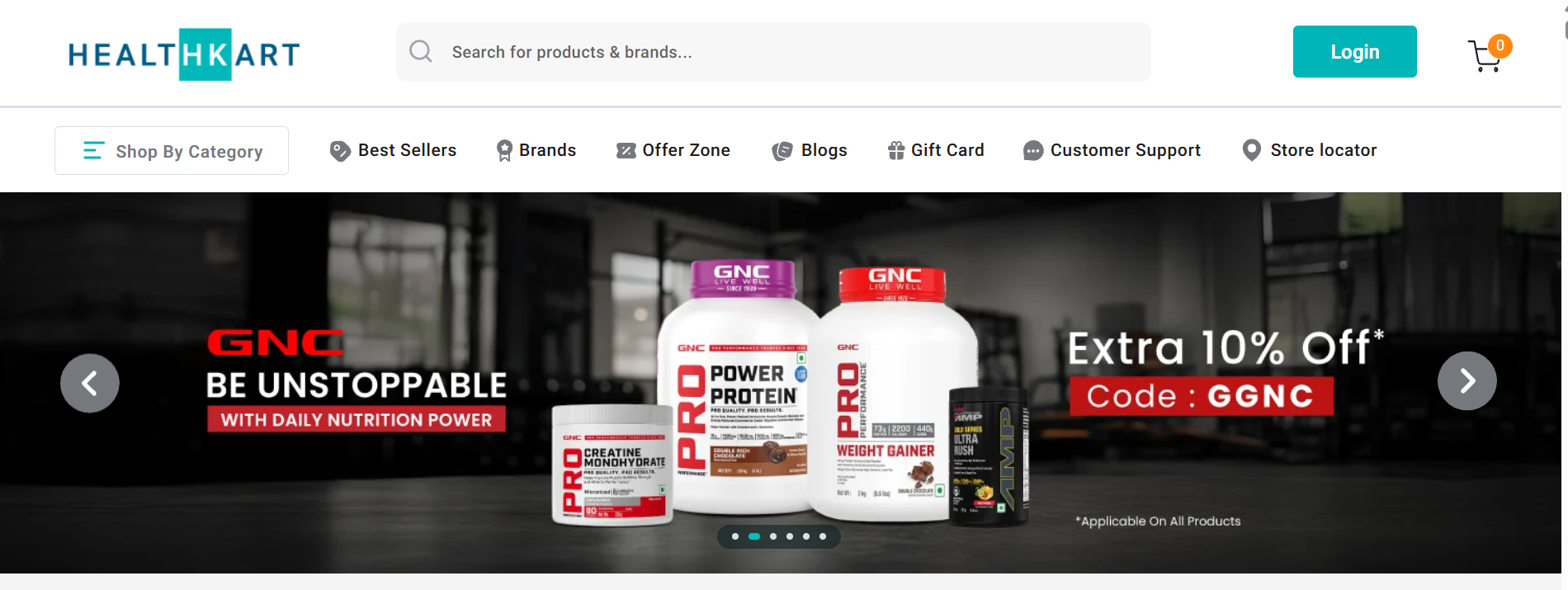
HealthKart has established itself as more than just a supplement eCommerce brand. The brand serves a wide range of wellness consumers seeking health products, lifestyle-enhancement tools, dietary support, and fitness advice in one place.
HealthKart’s accessibility is what makes it so successful in affiliate marketing. Both newcomers to the wellness industry and seasoned fitness enthusiasts who are familiar with performance nutrition and supplements will find the brand appealing. Instead of viewing the platform as a straightforward buying destination, its ecosystem-driven strategy makes it easier for affiliates to incorporate it into instructional content, exercise regimens, and useful wellness suggestions.
Promote this campaign for up to 5% payout!
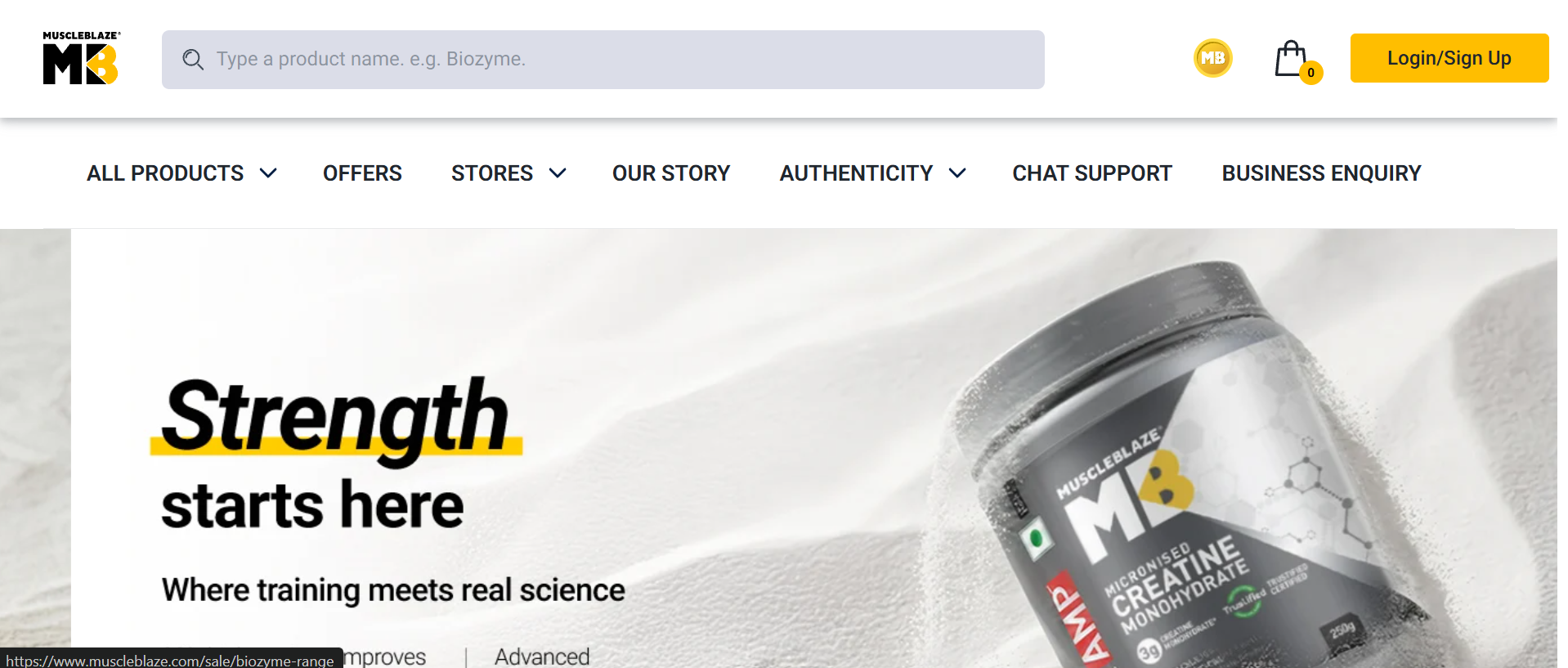
One of the best examples of a fitness brand that is closely linked to identity and aspirations is MuscleBlaze. Performance, consistency, strength-building, and a goal-oriented fitness culture have all been central to the brand’s positioning.
Rather than solely marketing protein products, MuscleBlaze has dedicated years to fostering familiarity through gym-focused content, transformation-led fitness conversations, and workout communities. Because of this lifestyle association, the brand is a good fit for content creators who cover training regimens, progress journeys, and discipline-focused wellness.
Because audiences are already familiar with the brand in the context of fitness advancement and regular gym culture, that positioning is important for affiliates.
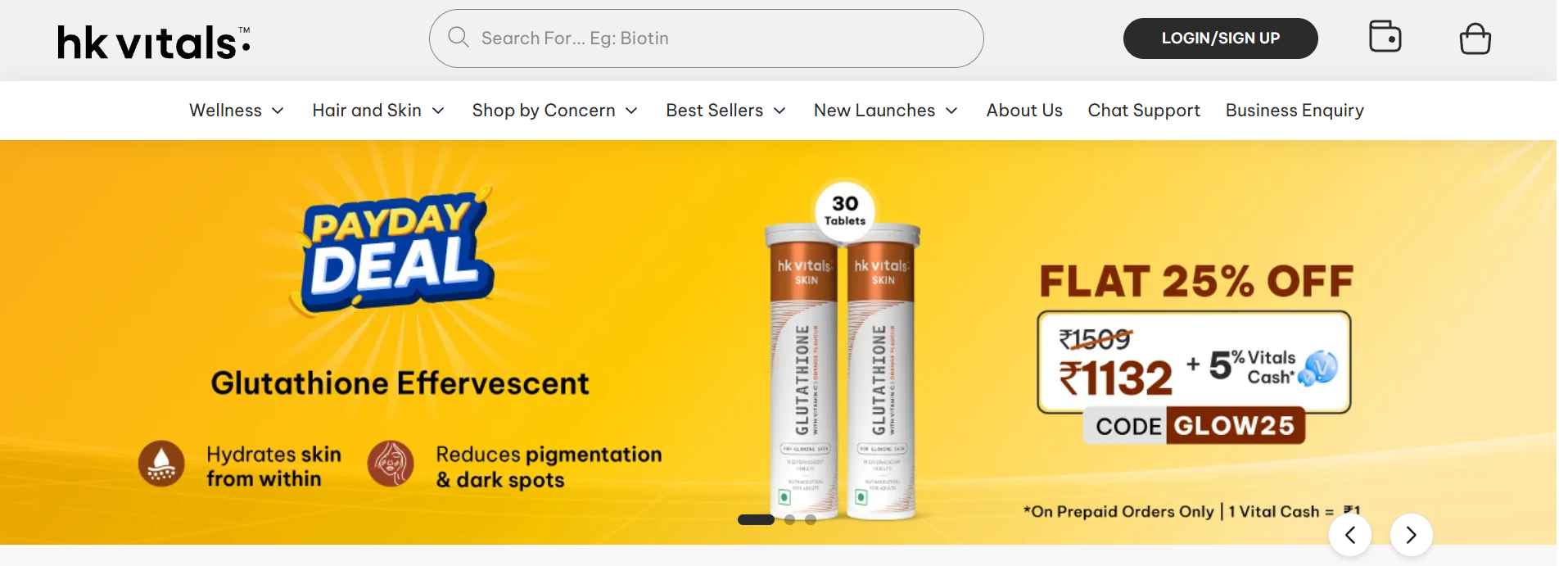
HK Vitals focuses on preventive wellness and daily nutrition support rather than hardcore performance fitness alone. The brand’s positioning appeals strongly to modern consumers who are becoming increasingly aware of immunity, sleep quality, energy management, and balanced supplementation.
This broader wellness-focused identity helps the brand connect with audiences beyond traditional gym-goers. Working professionals, beginners, and lifestyle-focused consumers often engage more with wellness brands that feel practical and sustainable instead of overly intense.
That makes HK Vitals particularly effective for affiliates creating content around healthy routines, self-care habits, and long-term wellness improvements.
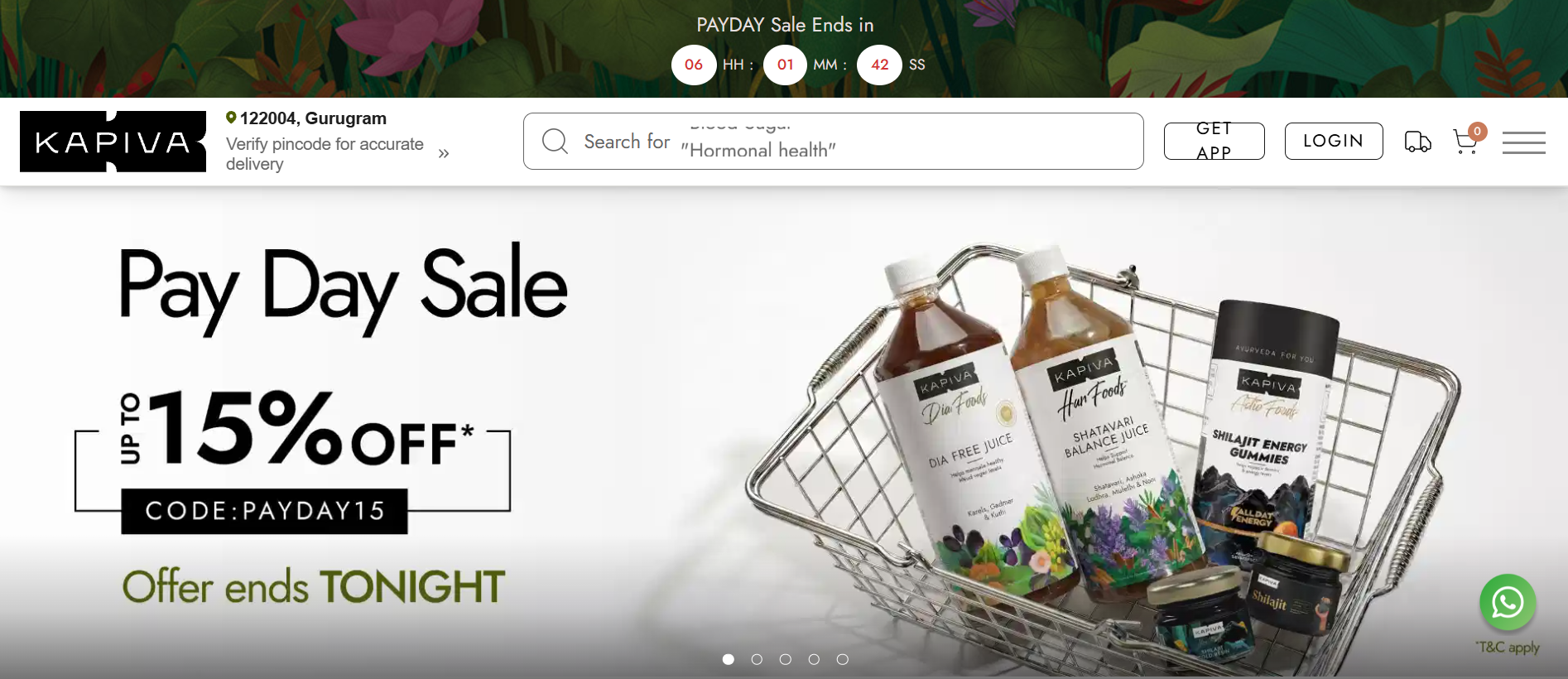
Kapiva is an Indian wellness brand that focuses on Ayurveda-based health, nutrition, and lifestyle products. The brand offers products across categories like digestion, weight management, immunity, skin and hair care, detox, juices, and daily wellness supplements.
Kapiva combines traditional Ayurvedic ingredients with modern wellness positioning, which is why it connects strongly with audiences interested in healthier routines, clean living, and preventive healthcare. The brand is especially popular among consumers seeking natural, lifestyle-focused wellness solutions rather than highly performance-driven fitness products.
Get up to 14% commission on this campaign!
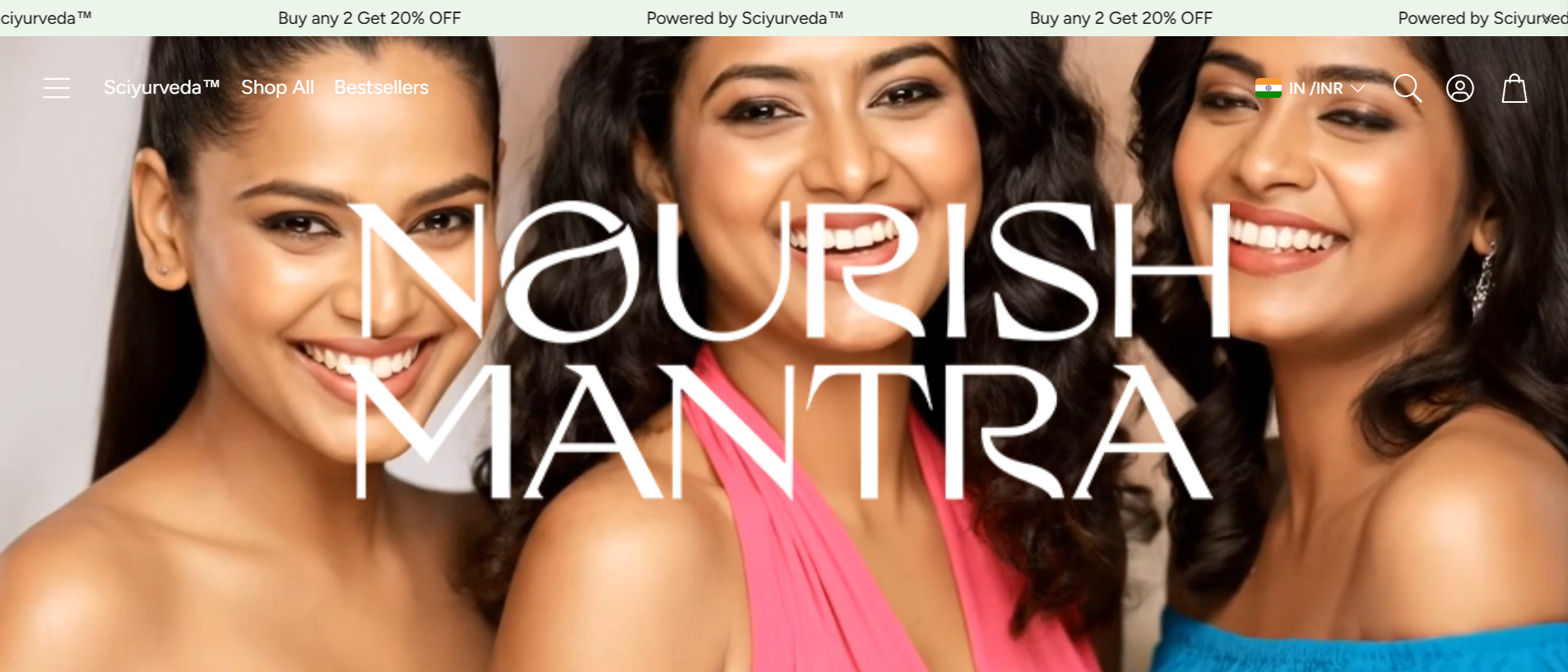
Nourish Mantra approaches wellness from a beauty-meets-self-care perspective, combining skincare with mindful wellness positioning. The brand connects particularly well with audiences interested in holistic lifestyle improvement rather than isolated beauty products.
Its messaging revolves around balance, nourishment, and self-care rituals, which align closely with the growing overlap between wellness, nutrition, skincare, and lifestyle content online.
This kind of positioning performs strongly in affiliate ecosystems because audiences engaging with wellness content today rarely treat fitness, beauty, and self-care as completely separate categories. Consumers increasingly view all of them as part of one broader lifestyle journey.
For affiliates, this creates opportunities to integrate Nourish Mantra into content on routines, wellness habits, stress management, and overall self-improvement, rather than limiting promotion to traditional skincare conversations alone.
One of the few industries where individuals are truly driven to make changes is health and nutrition. The challenge is not creating the desire to live healthier, but making the transformation feel realistic and achievable in everyday life. Before they spend money on a product, consumers must recognise themselves in the narrative.
That demand is met by lifestyle positioning. It shifts the product from marketing to showcasing. It substitutes identification for urgency. Additionally, it fosters long-term buying habits rather than one-time, discount-driven purchases.
The change isn’t difficult for companies and affiliates in this industry, but it does take intention. “What does this product do?” is not the question. It asks, “Who is the person who uses this every day, and what does their life look like?”
If you provide a good response, the conversions will follow.
Join vCommission to promote top wellness brands such as MuscleBlaze, Kapiva, and HealthKart and effectively monetize fitness-focused audiences.