

 High-Converting Branding Campaigns for Indian Affiliates in 2026
 Agoda Affiliate Program: Scale Earnings with the Best Flight + Hotel Deals Worldwide
 StubHub Affiliate Program: Cash In on Multi-Geo Event Traffic for High Payouts
 High-Converting Valentine’s Day Brands for Affiliate Marketing
 Affiliate Program Niches Growing Rapidly in 2026
Have you ever thought that your love for sneakers could actually help pay your bills? Now think of it this way: someone reads your blog, clicks your link, buys a pair of shoes, and you earn money from it. That’s affiliate marketing in its simplest form.
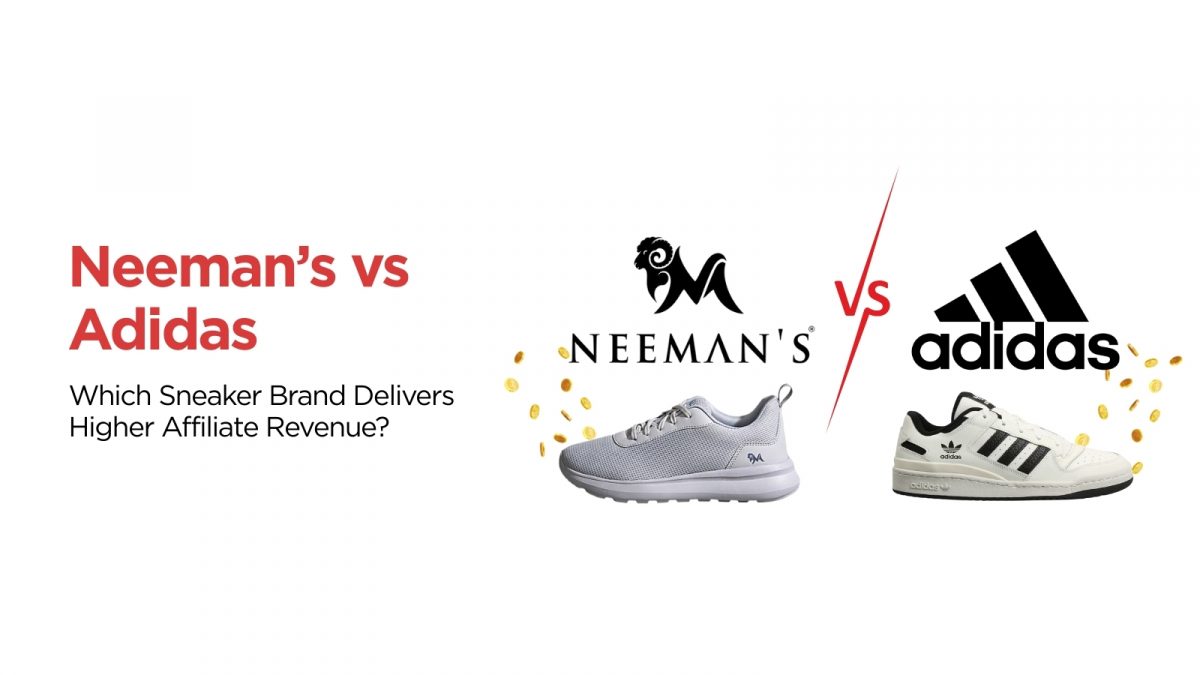
But when it comes to sneakers, not every brand works the same way for affiliates. Some focus on mass appeal and global reach, while others succeed with niche products and loyal communities. Today, we’re looking at two sneaker brands with completely different products and marketing styles: Adidas, the global sportswear giant, and Neeman’s, an Indian brand known for its sustainable everyday shoes.
Instead of picking sides, we’ll break down how each brand approaches sales, pricing, and affiliates, so you can decide which one fits your content and audience better
Neeman’s is an Indian D2C sneaker brand that focuses on making comfortable, everyday shoes with a strong sustainability angle. The brand uses materials like natural wool and recycled fabrics, which appeal to eco-conscious buyers. Neeman’s targets people who want practical, stylish footwear rather than high-performance sports shoes. While it is still a relatively young and niche brand, it has built a loyal customer base across India. Recent reports estimate Neeman’s annual revenue at around ₹78.6 crore ($9.5 million), showing steady growth. Its rising popularity reflects increasing demand for sustainable footwear in the Indian market.
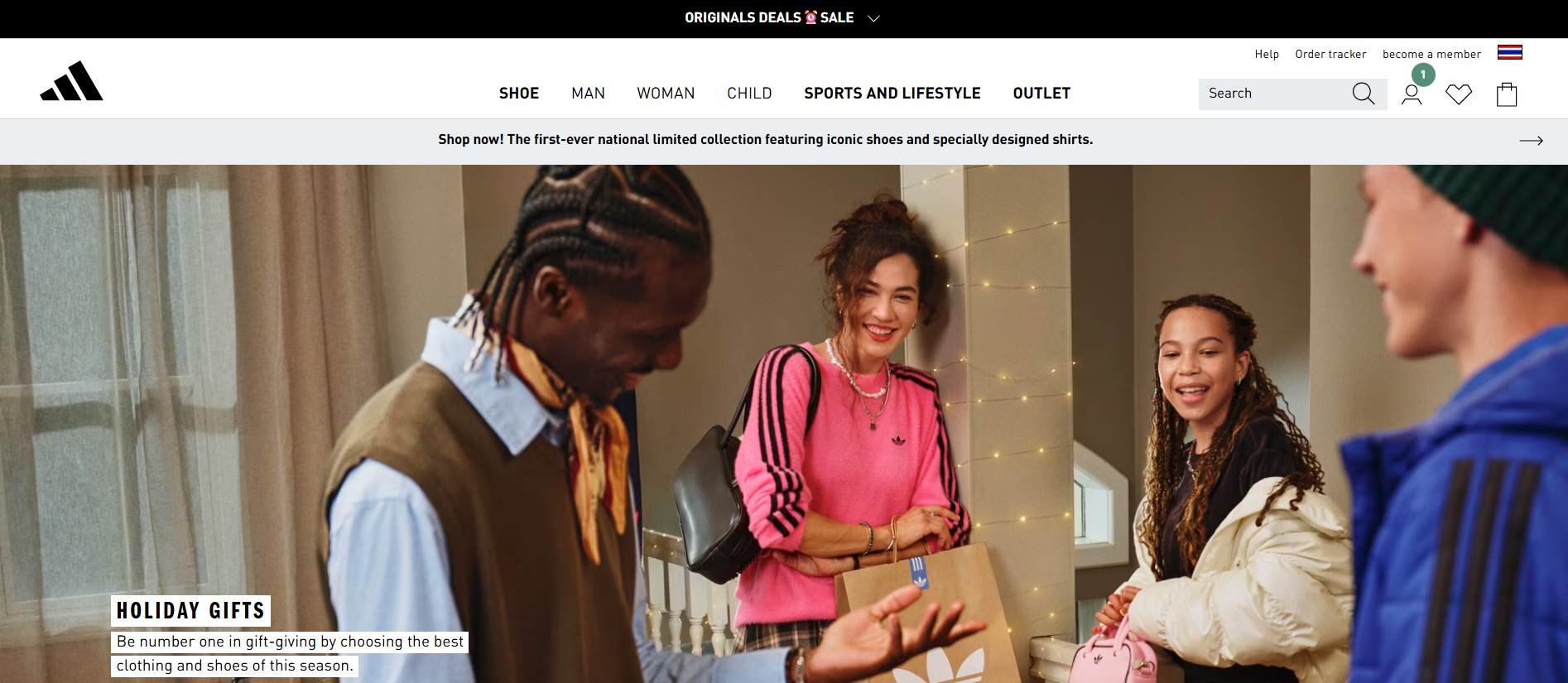
Adidas is one of the oldest and most trusted sportswear brands in the world. It sells a wide range of products, including running shoes, sports sneakers, casual footwear, clothing, and accessories for both athletes and everyday users. The brand has a strong global presence and is widely recognized for its performance-focused and lifestyle products. In 2024, Adidas reported revenue of €23.683 billion (over $25 billion), driven largely by strong demand for footwear and apparel. [Adidas Report]
Put simply, Adidas operates at a global scale with mass-market appeal, while Neeman’s focuses on a smaller, more specific audience. This difference in product range and brand reach plays a big role in how their affiliate programs perform and how affiliates earn from them.
Let’s get down to the numbers that matter – the rates behind how affiliates earn.
With Neeman’s Cost-Per-Sale (CPS) affiliate program, you earn a percentage each time a customer you recommend purchases shoes. But here’s the kicker: the payout is actually pretty attractive for a smaller brand:
For a brand selling shoes often priced in the ₹2,000–₹5,000 range, that’s a decent chunk of commission, especially when you think about volume from content that resonates with local audiences.
Bottom line: Neeman’s gives affiliates a relatively high percentage on each sale, especially for a niche, India-focused brand.
Adidas might be huge, but big brands tend to be conservative with affiliate payouts — and that’s reflected in the numbers:
So Adidas can pay competitive commissions, but they’re more unpredictable and can be lower in some markets.
Bottom line: Adidas offers slightly lower or similar percentages compared to Neeman’s, but with the added benefit of higher average order values (because its shoes often cost more).
Earning potential isn’t just about commission rates — it’s about traffic, trust, and conversions.
That’s why some affiliates find smaller brands easier to work with early on, the audience feels closer and more receptive.
So while Adidas might pay good money per sale, you might need more strategic SEO and content marketing to capture conversions at scale.
Understanding the overall business health of the brands can also help you gauge long-term affiliate opportunities.
Although Neeman’s revenue is currently modest, the company is rapidly expanding in the sustainable footwear market, particularly in India. This indicates that the brand is driven to collaborate with affiliates in order to increase visibility. [Tracxn]
Adidas’ huge revenue base, €23.683 billion in 2024, shows it’s a mainstream powerhouse with large marketing budgets and robust e-commerce infrastructure. A brand that big can push affiliate incentives during big campaigns (Black Friday, product launches), which sometimes raises those up to 14% deals mentioned earlier. [Adidas Report, learnacdmy]
Adidas may occasionally provide affiliates with lucrative opportunities, but these are not as reliable as the regular Neeman’s rates.
Whether you’re leaning toward Neeman’s or Adidas, the strategies for affiliate success are surprisingly similar:
Big brand sales, holiday discounts, anniversary releases, and Black Friday often boost conversion rates significantly.
By now, one thing should be clear: affiliate revenue isn’t about crowning a single “winner.” It’s about alignment. The most profitable sneaker brand for you depends less on logos and more on how well the brand fits your audience, content style, and traffic intent.
If your platform thrives on storytelling, sustainability, and value-driven buying decisions, a growing brand with strong commission rates and easier conversions might quietly become your most reliable revenue stream. On the other hand, if your audience already has buying power and brand loyalty baked in, a globally recognized name with higher cart values and massive demand can unlock bigger payouts per conversion.
Knowing how your customer shops, impulse versus research, premium versus practical, trend-led versus purpose-led, is what truly makes a difference. Affiliate revenue comes easily when your content reflects that approach.
At the end of the day, affiliate success isn’t about picking a single “better” sneaker brand; it’s about choosing the one that fits your audience, content style, and buying intent. When your recommendations align with how your audience shops, conversions feel organic, and revenue becomes repeatable.
That’s also where networks like vCommission quietly make a difference. By giving affiliates access to performance insights, optimized tracking, and brand partnerships in one place, vCommission helps you focus less on guesswork and more on scaling what actually works.
Because in affiliate marketing, the smartest move isn’t choosing sides, it’s choosing the right setup.