

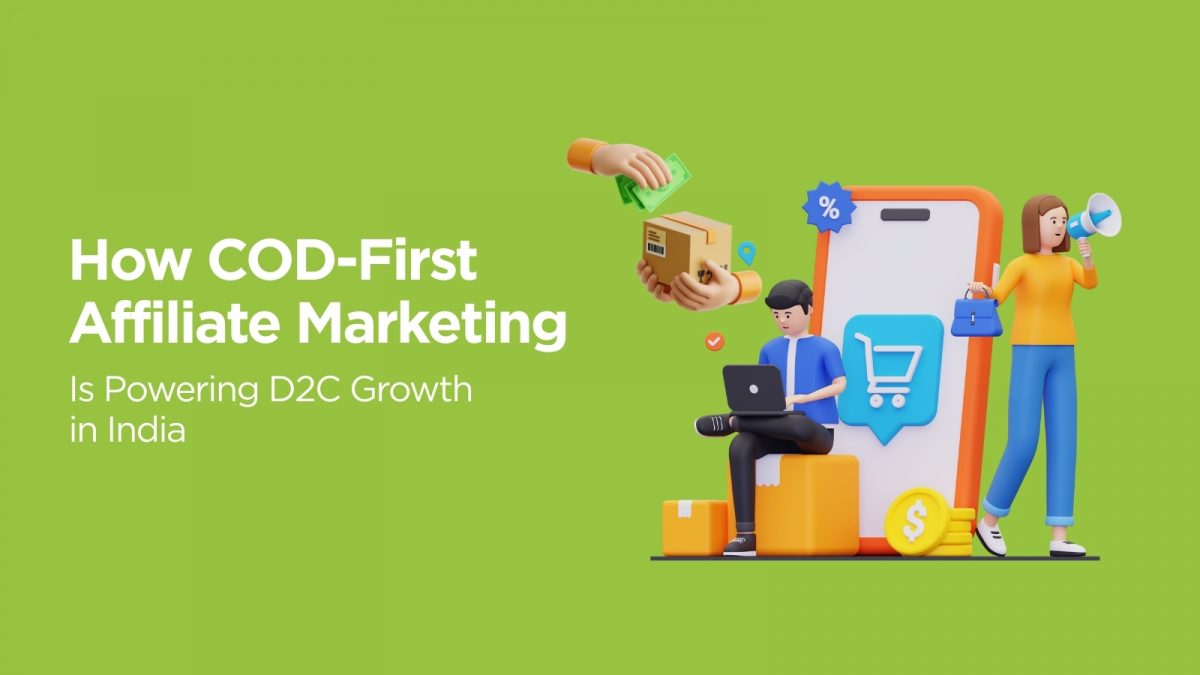
 Dot & Key Women’s Day Offer: A High-Conversion Campaign for Beauty Affiliates
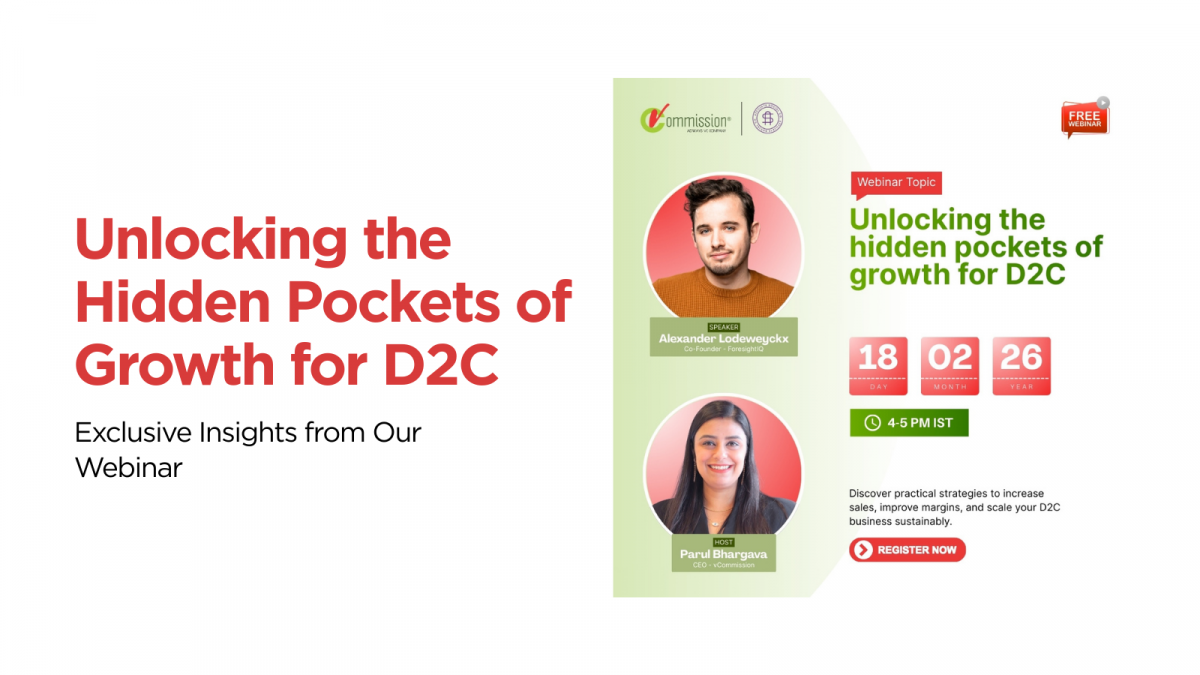 Unlocking the Hidden Pockets of Growth for D2C – Exclusive Insights from Our Recent Webinar
 DAZN Campaign Overview: Capitalize on the Growing Sports Streaming Audience
 Kinguin Affiliate Program: A High-Conversion Offer for Gaming Publishers
 Inside the Shopee Campaign: Scale Your Affiliate Earnings in High-Growth Markets
Digital payments have surged across India, yet a significant share of online purchases still rely on cash-on-delivery.
Despite explosive growth in digital payments, a surprisingly large slice of Indian e-commerce orders is still being completed only when cash changes hands at the customer’s doorstep. And this preference isn’t just a habit of the past; it’s become a strategic twist for direct-to-consumer (D2C) brands and affiliate marketers alike.
Let’s understand the real scenario of COD ecommerce in India, why it matters, and how this cash-on-delivery (COD) mindset has become a surprising backbone for e-commerce growth in India.
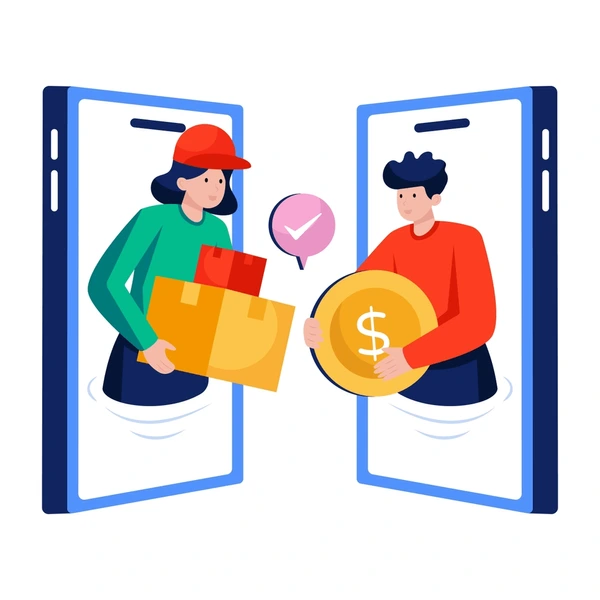
For a lot of people still getting comfortable with online shopping, cash feels like a safety net. UPI has made payments faster, but many buyers still prefer paying only when the product shows up. In fact, even in 2025, COD remains the first choice for over 40% of Indian shoppers.
In line with the other studies, depending on the source and market, COD’s percentage of online orders has traditionally ranged from 45% to 80%. And while some projections show COD gradually declining as digital wallets and cards take share, it’s far from irrelevant, because a large portion of the Indian population still just feels safer paying when they see the product in hand.
In non-metro cities, online payments still take some getting used to. Deliveries can be unpredictable, trust builds slowly, and first-time buyers feel more at ease paying cash at the doorstep. That’s why COD can account for as much as 90% of rural e-commerce orders.
All of this shows that COD isn’t just sticking around. It’s shaping how consumers buy, how brands plan, and how affiliates earn. And this is where things start to get interesting.
You would expect that customers who regularly use PhonePe and Google Pay would gladly pay for products online, but there’s a catch. Buying a pair of shoes online without feeling the texture or fit is a mental barrier most Indians still hesitate to cross. COD breaks that barrier because it removes risk; you pay only when you actually have the product in your hands.
In turn, this means:
And because a majority of India’s e-commerce orders still use COD, ignoring it essentially cuts off half your audience before you even start.
In India COD is not just a payment option, it has grown into a full-fledged affiliate marketing vertical.
Indian e-commerce required a system that catered to trust-driven consumers long before prepaid-first models gained popularity. Brands wanted actual sales, affiliates needed payout certainty, and consumers wanted control. By linking conversions to actual deliveries rather than just checkout intent, COD was able to fix that issue.
When affiliate networks started developing systems based on validated and delivered orders, this model gained structure. One of the first platforms to operationalise this strategy was vCommission, which helped transform COD from a dangerous fallback into a scalable performance channel.
Today, D2C brands in the fashion, home essentials, wellness, personal care, and utility-driven categories, particularly outside of metropolitan areas, continue to flourish because to COD-first affiliate efforts.
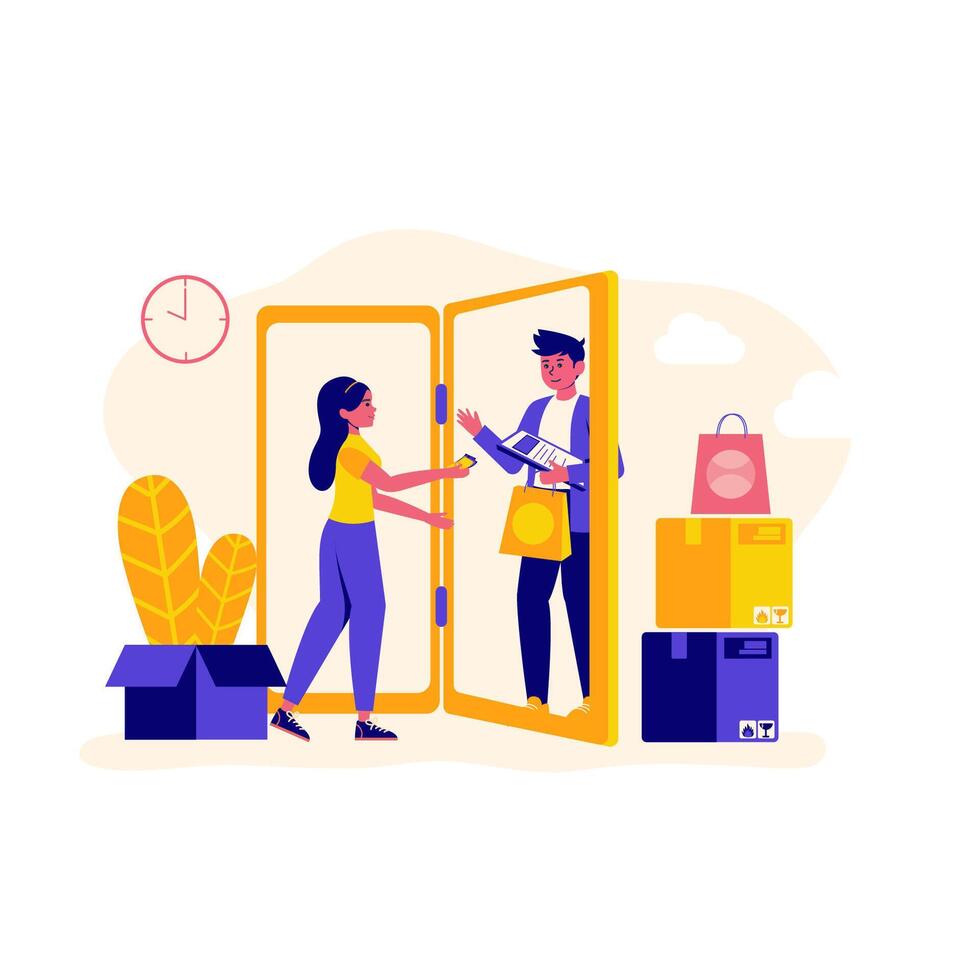
COD affiliate e-commerce only works when quality and accountability are built into the system.
Instead of rewarding every placed order, successful COD campaigns focus on:
This structure protects brands from inflated volumes and ensures affiliates are rewarded for conversions that actually reach customers.
Over time, networks like vCommission helped standardise these checks, making COD-based affiliate marketing reliable for both advertisers and publishers. The result is a performance model where brands can scale confidently without compromising on order quality.
In India, COD-first affiliate marketing is more than just a theory; when done well, it’s a repeatable growth model. This strategy has been adopted by a number of D2C firms to join the market, validate demand, and scale sustainably without significantly depending on paid advertisements.
These campaigns were structured end-to-end around COD behaviour, from onboarding and funnel setup to affiliate activation and delivery-based optimisation. The focus wasn’t on chasing volume, but on building a system that converts intent into delivered orders.
Skimmylo, a D2C shapewear brand, is a strong example of how COD-first execution can unlock scale.
The campaign was launched with a clear understanding of buyer hesitation in this category. Shapewear is trial-driven, size-sensitive, and trust-dependent, making COD a natural fit. Instead of forcing prepaid conversions, the campaign leaned into COD while tightening tracking, optimising funnels, and activating high-intent affiliate partners.
As the campaign scaled:
This approach allowed the brand to grow quickly while maintaining control over returns and fulfilment economics.
Slursh, a D2C home and kitchen brand, followed a similar launch-to-scale playbook, but in a very different category.
The product required education and demonstration, making affiliate-led discovery essential. COD played a key role in closing the loop by allowing interested buyers to commit without upfront payment risk.
The campaign was scaled by:
As a result, the brand experienced a significant increase in revenue and conversions, demonstrating that COD-first affiliate execution is effective even for higher-consideration products when trust obstacles are eliminated.
Across both campaigns, the same pattern holds true:
When D2C brands treat COD as a strategic growth lever, and run affiliate programs with clear validation and optimisation layers, it becomes possible to move from launch to scale without burning budgets or forcing prepaid adoption too early.
This is how COD-first D2C affiliate campaigns continue to grow in India: practical, performance-driven, and built around how people actually shop.
COD-first affiliate marketing is a market-aligned approach, not a quick fix.
For brands hoping to replicate this success:
India’s D2C growth isn’t being driven by perfectly optimized funnels. It’s being driven by brands that respect how Indian consumers actually buy.
The truth is simple: in India’s D2C landscape, growth doesn’t come from pushing harder; it comes from removing doubt. COD-first affiliate marketing does exactly that. It meets shoppers where their comfort lies, turns trust into action, and lets brands scale without burning money on unproven traffic. In a market where a large share of buyers still want control at the doorstep, COD isn’t slowing D2C down; it’s quietly speeding it up.
vCommission plays a practical role in making this model work at scale. By running affiliate programs that are built for COD flows, backed by clear tracking and pay-for-results pricing, it enables D2C brands like Koozo to tap into ready-to-buy audiences across both large cities and fast-growing markets, without relying on assumptions or inflated reach metrics.
If you understand how India shops, it’s time to turn that insight into income, join vCommission as an affiliate, and start earning on real conversions.
If you’re a brand or affiliate looking to scale D2C campaigns through COD, join vCommission and work with performance-driven programs built around delivered orders, not just traffic.