

 How Affiliates Can Generate Consistent Revenue with PPC Affiliate Marketing in 2026
 Credit Card and Loan Affiliate Campaigns: Strategies for Higher Conversions
 Semrush Affiliate Program: A High-Payout Offer for Marketers and SEO Publishers
 10 Best Affiliate Marketing Platforms of 2026
 Fintech Affiliate Campaigns: Monetizing Finance Traffic with High-Payout Offers
Online ads are everywhere, yet conversions often feel out of reach. It isn’t just frustrating, it’s limiting for you, as an affiliate. You’ve done the work, sent the traffic, but users drop off, lose interest, or forget to return. The missing piece? Cashback. It offers a reason compelling enough to make people act now.
In fact, 58% of online shoppers say cashback offers influence their choice of retailer (Enact Soft). At a time when users scroll fast and decide faster, cashback introduces a sense of gain. Offers like ₹200 cashback on an IGP gift or 15% cashback promotions on a Swiss Beauty order catch attention and drive quicker decisions.
In this blog, we’ll look at why cashback ads matters more than ever in 2025, how it performs compared to traditional ads, and what makes it a valuable model for affiliates aiming for better results.
Consumer behavior is shifting in ways that are very relevant to affiliate marketing. People are no longer shopping purely based on brand or convenience; they’re weighing what they get back from every transaction. Cashback fits naturally into this mindset.
Affiliates today are not just choosing between ad formats, they’re choosing between performance models. And when it comes to converting traffic into revenue, cashback has a significant edge.
Traditional ads like banners, native ads, and display placements are designed for reach. They create awareness, generate impressions, and sometimes even drive clicks. But they rarely offer a direct reason to buy. Users might notice the ad, click out of curiosity, and leave without completing the purchase.
What makes this format limited for affiliates is the intent level of the user. A banner ad on a content site may be visible, but unless the user was already interested in buying, the click is unlikely to result in conversion. Affiliates using these formats often experience:
Cashback and coupon attracts users not just with awareness, but with a tangible reward. A cashback promotions campaign puts an immediate value proposition in front of the user: Make this purchase and receive something in return.
That return might be monetary (like ₹200 cashback on IGP), percentage-based (like 15% back on Foxtale), or tied to payment methods (like 5% prepaid cashback). Either way, it creates urgency and clarity. The user doesn’t need to “think about it.” There’s a reward built into the action.
What this means for affiliates:
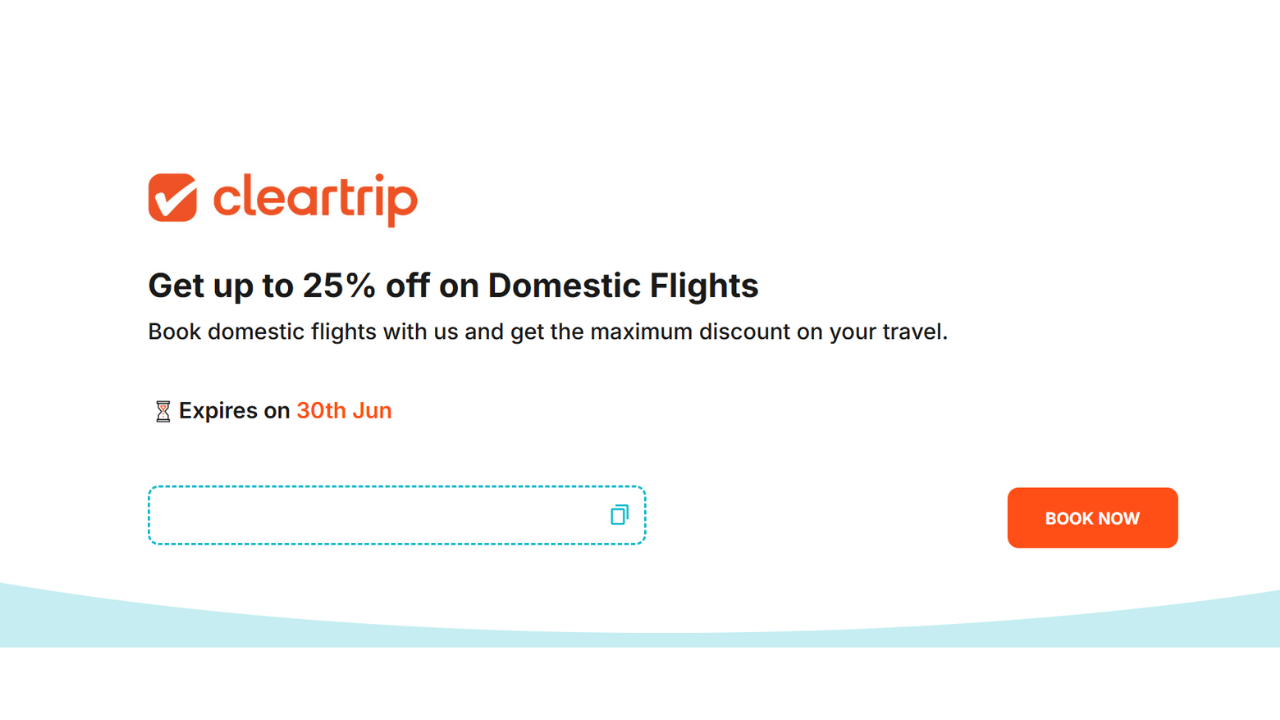
Let’s say you’re promoting a ClearTrip campaign. With a display ad, the user may notice the travel offer but not act immediately. Days later, they book via a direct visit or search engine, and you lose the conversion. On the other hand, with a cashback offer, the user sees “Get 25% cashback on your ClearTrip booking,” clicks, books, and claims the reward, all in one session. You earn the commission.
Traditional ads interrupt the browsing experience. They rely on catching the eye and diverting attention. Cashback advertisement aligns with user behavior. A shopper already planning to buy makeup, clothing, or book a trip now has a compelling reason to do it through your link. In other words, cashback makes affiliate marketing more effective than persuasion.
Affiliates are increasingly shifting toward cashback promotions because these models are better aligned with how today’s digital consumer shops. But beyond just consumer behavior, cashback models bring measurable advantages for the affiliate side as well.
Affiliates who run cashback campaigns often see a different kind of user behavior. Instead of vague interest or accidental clicks, cashback campaigns bring in users who are already thinking about buying. The cashback simply nudges them across the finish line.
This results in:
One of the underrated strengths of cashback campaigns is how well they adapt to different formats. If you publish long-form content, run a Telegram deal group, or send newsletters, cashback integrates easily:
Affiliates don’t need to force-fit offers into their format. Cashback-based content performs organically.
Explaining product benefits often requires effort. Cashback simplifies that task. Instead of explaining why a product is worth the price, you’re showing the user why the timing is right, because there’s money coming back.
It works especially well for budget-conscious shoppers, students, or users making recurring purchases like grooming, supplements, or fashion items.
Unlike brand campaigns that may shift commissions or terms unpredictably, most cashback campaigns come with:
This allows affiliates to build medium- to long-term strategies around the campaign and scale only the top-performing offers. No guesswork. No sudden surprises.
Unlike one-time seasonal ads, cashback advertisement offers can be promoted throughout the month or quarter. This means:
Over time, you also get data on which products and price points resonate best with your audience, helping you improve results with each iteration.
Cashback campaigns on vCommission span across verticals, price points, and user needs. These offers are structured for real-world use, with high transparency, clear validation periods, and performance-backed metrics. Let’s break it down by category:
In a world full of ads, flashy deals, and too many tabs open, cashback stands out. It gives people one simple reason to click your link instead of someone else’s: they’re getting something back. That small reward turns passive browsers into repeat buyers. And for affiliates, that’s the difference between traffic and true performance.
What makes cashback advertisement work so well isn’t just the incentive; it’s the setup behind it. With clear validation timelines, dependable tracking, and support across blogs, apps, Telegram, email, and more, you’re not guessing what might work. You’re running campaigns that meet users right where they are, at the moment they’re ready to buy.
At vCommission, cashback campaigns are built to reflect this shift- transparent, scalable, and relevant across industries. If you’re targeting beauty shoppers, frequent flyers, or festive gifters, there’s a cashback path that aligns with your audience and content style. So, sign up and start promoting.