

 Qorfit Pulse Affiliate Program: Capitalize on High-Converting Health Campaign in 2026
 Why D2C Affiliate Campaigns Give Better Margins and Repeat Customer Revenue
 LegalZoom Affiliate Program: A High-Ticket Offer with Strong Upsell Potential
 How Affiliates Should Promote AI SaaS Tools for Higher Conversions in 2026
 Affiliate Marketing in 2026: Key Trends to Know Before Planning Your Strategy
Travel insurance isn’t just growing, it’s accelerating alongside a global surge in travel demand, with more travelers actively choosing protection as part of their booking journey. For affiliates, this creates a high-intent, high-value window in which conversions rise and commissions scale faster than usual. The opportunity isn’t hidden; it’s seasonal, predictable, and highly monetizable if you understand how travel cycles influence buying behavior.
There’s a window every year, roughly a few weeks wide, when someone deciding between a beach trip and a mountain retreat will also quietly add travel insurance to their cart. Not because they’re cautious people. Because the flights are expensive, the stakes feel real, and the internet reminds them that things go wrong. That’s when travel insurance affiliates earn disproportionately. And most of them still don’t plan for it.
Here is the thing: travel affiliate verticals are already one of the higher-earning verticals out there. The average monthly income for a travel affiliate is roughly $13k, which is higher than in other verticals (Opensend, 2025). But even within that niche, affiliates who understand seasonal demand cycles are not just earning more; they are probably earning 3x as much as they do during the off-season months that count. The gap is not just luck; it is structure.
The market for travel insurance was estimated at $23.8 billion in 2024 and is expected to grow at a compound annual growth rate of 18.4%, reaching $132.9 billion by 2034 (Allied Market Research, 2025). Grand View Research puts the market at $27 billion in 2024, growing at a 15.4% CAGR through 2030.
What is driving that? Rising incomes, more international trips, better digital platforms to buy policies, and a post-pandemic mindset where travelers genuinely want a safety net. In 2025, 74% of respondents worldwide planned up to three domestic travels and 59% planned up to three overseas travels, according to an American Express poll. More travel means more regulations. Affiliate commissions increase with the number of policies.
According to Mordor Intelligence (2026), the Asia-Pacific region alone is expected to develop at a 17.26% CAGR between 2025 and 2030. This is significant for affiliates who promote platforms that cater to that market. In contrast, Europe already accounts for 39% of the world’s travel insurance income, in part because Schengen visa rules require travelers to obtain coverage before arrival.
In most affiliate categories, summertime (June through August) really lowers conversion rates by 10–15%. The exception is travel. It’s one of the only categories where summer drives demand instead of slowing it down.
Opensend report also states that conversion rates in travel affiliate programs can reach three to five times the typical baseline during high-intent buying periods, such as peak summer travel, the winter holiday window (mid-December through January), and spring break (March–April). It’s not a rounding-up. When people are already committed to a journey and only need to tick boxes, their behavior changes structurally.
The reasoning is simple: a person who has already secured a cruise package on Mein Schiff or purchased airfare to Southeast Asia through Agoda is not looking for travel insurance; rather, they are purchasing it. The insurance is the final component; the decision has already been made. The psychological experience of cold traffic coming across an unknown offering is very different from that.
What happens to average order values during peak seasons is one of the more overlooked aspects of affiliate marketing for travel insurance. The insurance coverage associated with premium packages, such as multi-destination itineraries, long-haul flights, and cruise cabins, carries a premium that is proportionately greater. It takes more than just a click for a traveler to book a cheap regional trip with Airpaz or a last-minute European journey with Volagratis. They are likely to purchase an insurance policy that covers medical emergencies, trip cancellations, and baggage if they are traveling abroad, and that coverage is far more expensive than a typical domestic add-on.
Certain travel affiliate programs have much greater earning potential, particularly when commissions are based on percentages. Platforms like Mein Schiff and Volagratis, for example, offer rewards of up to 70% through vCommission, so your earnings are directly correlated with the value of each reservation. Therefore, your per-sale income increases as your audience switches toward luxury travel, such as cruises or overseas routes during high seasons. The 3X payment effect involves both higher-value reservations and greater commission rates occurring simultaneously, rather than just more conversions.
The research phase for travelers began much earlier. Before the season arrives, they have already decided the destination, comparing accommodation, and figuring out whether they need comprehensive coverage or just medical, which happens weeks to months before the actual booking (Affiverse, 2025)
Smart affiliates began preparing months ago. They start publishing comparison content, insurance explainers, and destination-specific guides well before peak season hits, not during it. Someone scrolling through a Trip.com booking page won’t be interested in reading a 1,500-page guide; they’ll just scan, click, and convert.
The programs that perform best understand this. They provide affiliates with ready-to-go seasonal creative, updated commission structures, and timely alerts when promotional windows open.
Travel has one of the longest consideration phases of any consumer purchase. It’s possible that an affiliate click in April won’t result in a conversion until the traveler actually makes the purchase in June. Programs with brief cookie windows completely lose those conversions for both the platform and the affiliate.
Because of this, cookie duration is more than simply a technicality. For a general product, a 30-day cookie window would seem fair, but in the travel industry, where leisure travelers’ booking cycles might last anywhere from 45 to 90 days (Causal Funnel, 2025), it is a structural liability. The actual purchasing behavior of travelers is taken into account when developing programs with 60- to 365-day periods.
Before a busy season, affiliates should consider cookie duration just as much as commission rate when deciding which travel programs to prioritize. When your audience takes time to make a decision, a moderate commission with a 60-day window is frequently more valuable than a high commission with a 7-day window.
Travel insurance conversions almost never happen in isolation. They occur when someone makes the initial reservation. For this reason, during peak season, affiliates that work with all aspects of the booking funnel, flights, lodging, and insurance, see compounding profits rather than isolated spikes.
When a customer books a hotel on Agoda and discovers a flight discount via an Airpaz affiliate link, they are already in the process of completing a transaction. At that point, a well-placed insurance recommendation is a reasonable next step rather than an interruption. The best lead a travel insurance affiliate will ever come across is someone who finds a Mediterranean cruise through Mein Schiff or packages a multi-city trip through Trip.com or Volagratis.
Multi-vertical travel affiliate tactics are based on this compounding reasoning. The insurance is converted based on the intent, which is driven by the booking platform. All steps of that pipeline accelerate simultaneously during peak seasons. Three commission streams from a single reader’s session can be impacted by a single well-structured content article that addresses itinerary planning, lodging possibilities, and insurance considerations.
To make the most of this seasonal surge, you need campaigns that align with user intent across the booking journey.
Below are high-converting travel platforms that affiliates are actively leveraging and are live at vCommission, making them easy to integrate into your funnel.
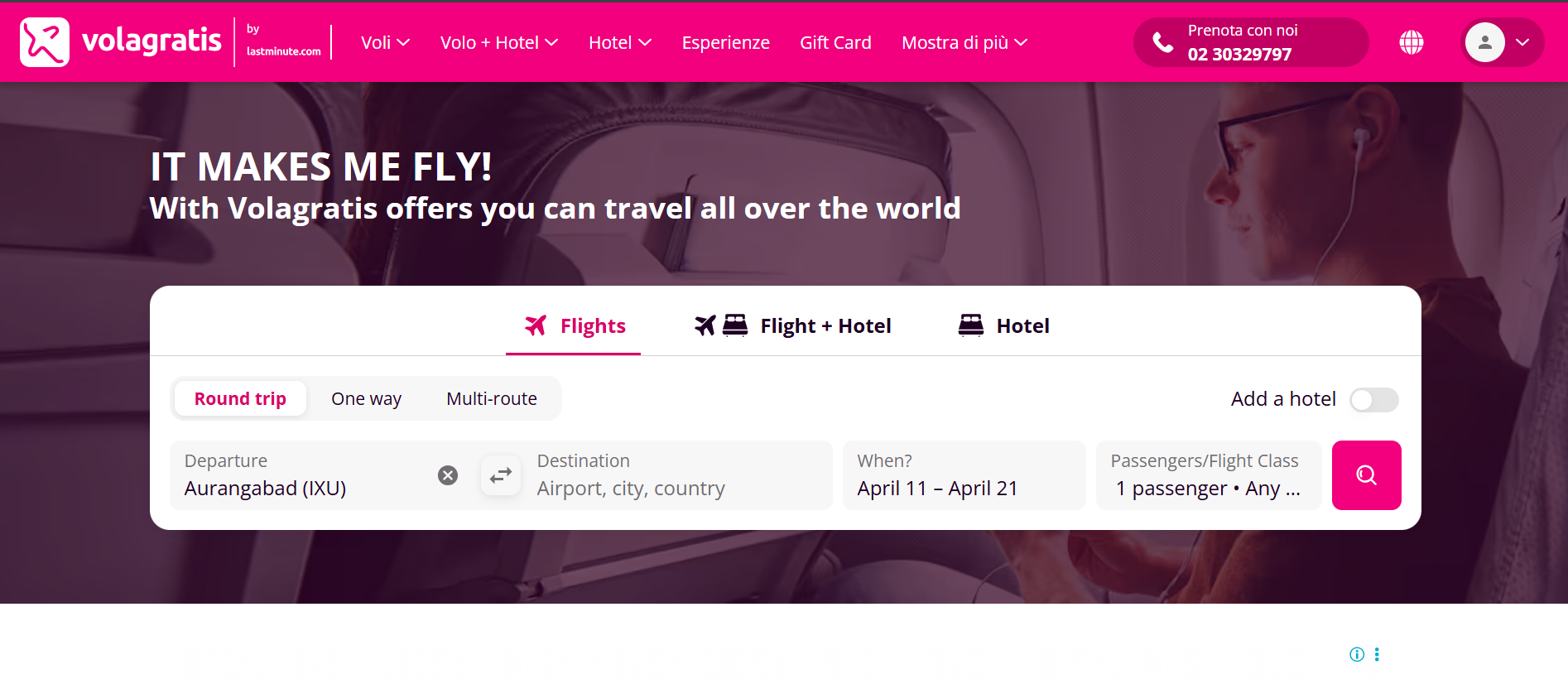
Volagratis is a well-established travel booking platform, particularly popular across Europe for flights, hotel deals, and bundled travel packages. It caters to users who are actively comparing options but are close to making a final booking decision, making it a high-intent environment for affiliates.
From an affiliate standpoint, this campaign opens up multiple entry points without restricting how you promote. There’s enough flexibility to test and grow what works best for your audience, whether it’s content-driven blogs, deal-based pages, email drops, or even paid channels like search and social. Even if customers don’t make reservations right away, conversions are simpler to record thanks to real-time tracking and a 15-day cookie window. When you combine it with performance-based incentives, such as fixed earnings on bundled packages or percentage payouts on hotel reservations, you can significantly increase your total revenue by increasing both booking value and volume
Promote Volagratis for 70% payouts!.
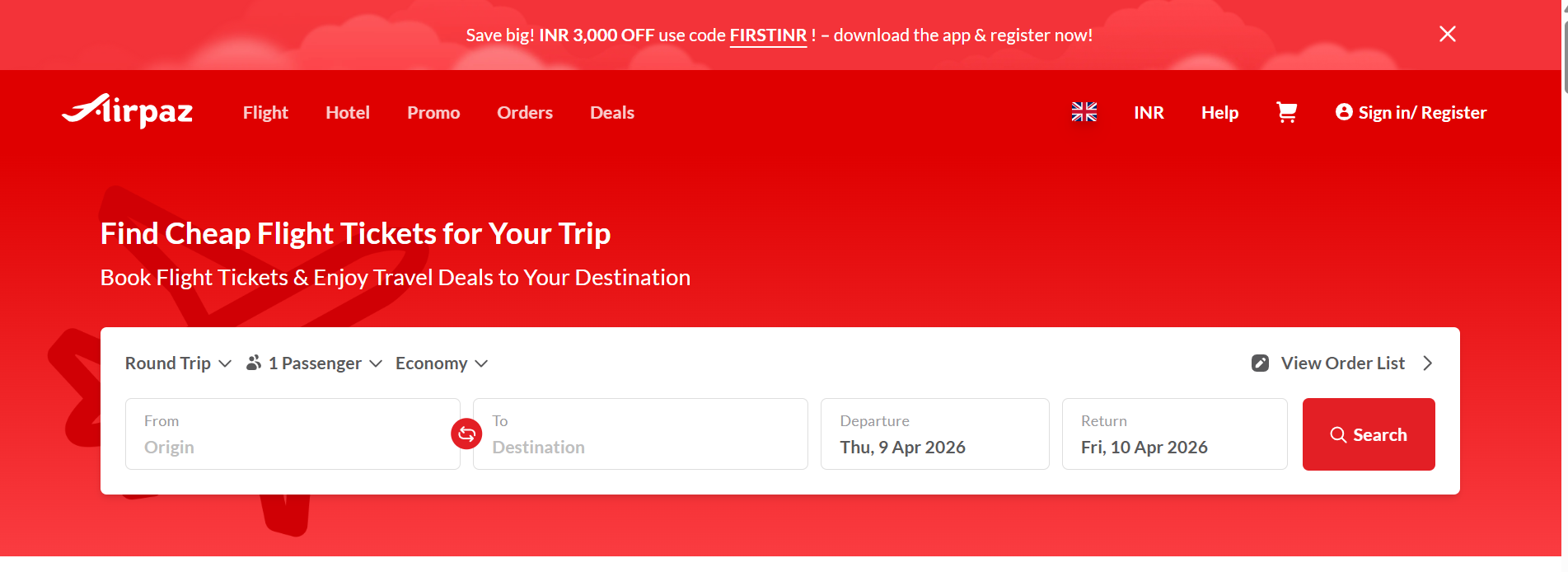
Airpaz is a fast-growing flight booking platform with a strong footprint across Asia and emerging travel markets. It’s known for offering competitive fares and a smooth booking experience, which attracts users who are actively searching for deals but are ready to lock in their tickets quickly.
For affiliates, this creates a steady flow of high-intent users that can be tapped into through content, deal-driven pages, or even performance channels like search and social. With deep linking capabilities, you can guide users directly to specific routes or offers, improving both relevance and conversion chances. The campaign also supports multiple conversions and offers a payout of around 2.8%, which becomes more meaningful as booking values increase, especially during peak travel periods. Combined with flexibility across traffic sources and formats, it gives you room to scale without being boxed into a single approach.
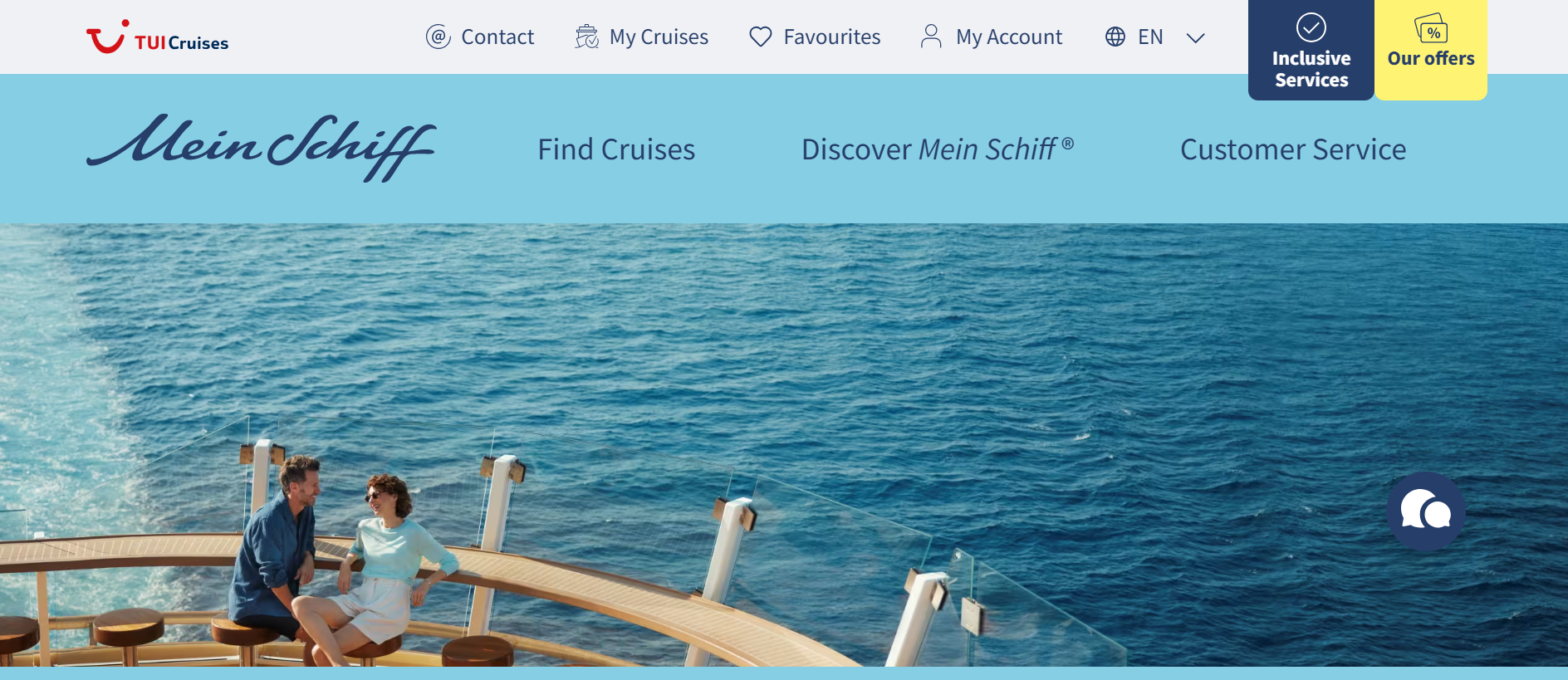
Mein Schiff is a premium cruise line known for its all-inclusive experiences and curated travel journeys, primarily catering to European travelers. It attracts a more considered audience, users who are planning longer, higher-value trips and are willing to invest in comfort and experience.
For affiliates, this translates into fewer but significantly more valuable conversions. With a longer consideration window, the campaign supports a 30-day cookie duration and real-time tracking, giving you more room to capture delayed bookings. Features like deep linking and multiple conversion tracking allow you to guide users directly to specific cruise itineraries, improving relevance. When paired with content or influencer-led promotion, the percentage-based payouts, ranging around 3.5% to 4.2% depending on the booking tier, start to scale meaningfully as ticket sizes increase, especially during peak travel seasons.
Promote Mein Schiff, and get up to 70% payout!
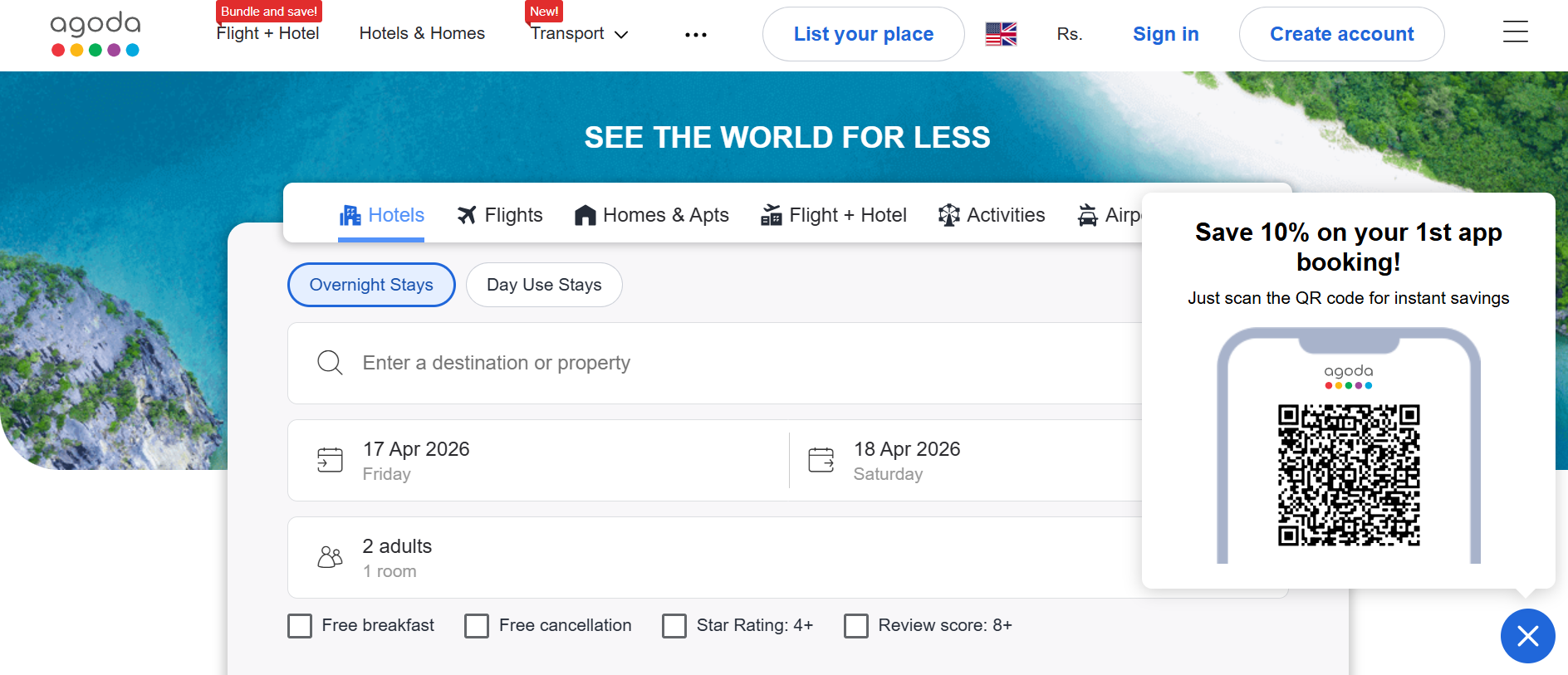
Agoda is one of the most widely used hotel booking platforms, especially across Asia, offering a massive inventory of accommodations ranging from budget stays to premium properties. Its strength lies in high booking frequency and a user base that often makes quick, price-driven decisions.
For affiliates, this creates a consistent stream of conversion opportunities, particularly through content-led approaches such as destination guides, hotel recommendations, and travel-planning blogs. Since the campaign operates on a cost-per-sale model with around 4.2% payout, earnings naturally scale with booking value and volume. With real-time tracking and support for multiple conversions, even short decision windows can work in your favor, especially when users are booking close to their travel dates. While the campaign leans more toward structured promotion methods, formats like content and cashback-driven strategies still offer enough room to drive steady performance during peak travel periods.
Sign up and promote the campaign!
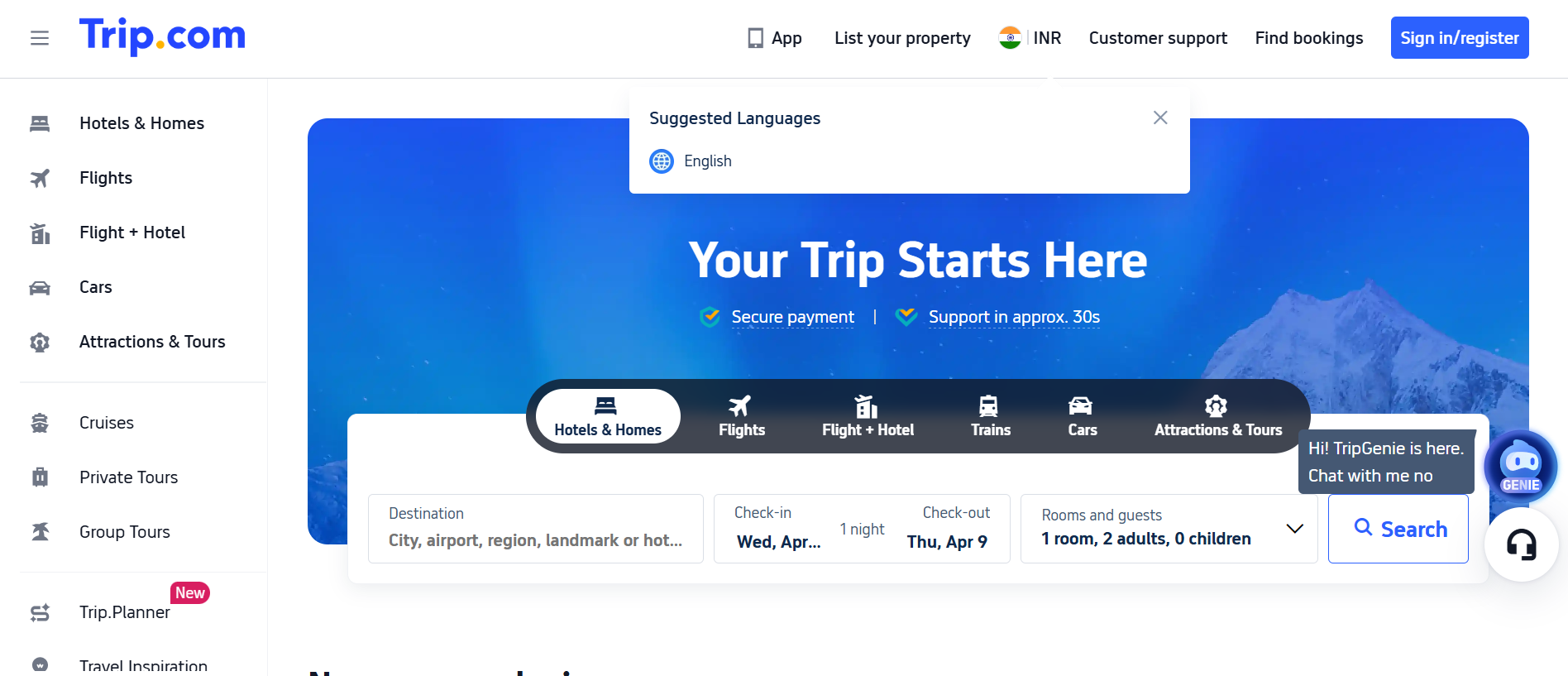
Trip.com is a full-service travel platform that brings together flights, hotels, trains, and complete travel experiences in one place. It’s widely used by travelers who prefer managing their entire itinerary within a single ecosystem, which naturally attracts users with strong booking intent.
For affiliates, this creates an opportunity to tap into multiple booking categories rather than relying on a single conversion point. With deep linking support, you can direct users to specific hotels, flights, or packages, making your content more actionable and conversion-focused. The campaign runs on a performance-based model with tiered payouts, especially on hotel bookings, where commissions can scale as volume increases. Combined with a longer cookie window and flexibility across content, email, influencer, and even select media channels, it allows you to build a funnel that captures users at different stages while still benefiting from repeat and high-value bookings over time.
Promote the 70% payout campaign!
Affiliates who see 3X commissions during the busiest travel seasons are not being fortunate; rather, they are following market trends. They focus on high-intent moments, select ads with useful cookie windows, and position their content early, well before booking spikes, because the travel insurance market is expanding at 15–18% annually. More significantly, they develop during the entire process, from discovery to final checkout, so each stage has the potential to generate revenue.
With vCommission, affiliates can combine high-intent travel marketing and scale across the funnel rather than just at one stage, which can help.
If you’re looking to turn seasonal spikes into consistent revenue, this is the right time to get in, join vCommission, and start building smarter travel funnels.
Q1. What is travel insurance affiliate marketing?
A. Travel insurance affiliate marketing is a performance-based model where you earn a commission every time someone buys a travel insurance policy through your referral link.
Q2. How much do travel affiliates earn per sale?
A. Depending on the policy value and program, travel insurance affiliates earn anywhere between $1.50 to $150 per sale.
Q3. Which are the best travel affiliate programs to join in 2026?
A. Programs like Agoda, Trip.com, Volagratis, Airpaz, and Mein Schiff offer strong commissions and cover diverse traveler intents across flights, stays, and cruises.
Q4. When is the best time to promote travel insurance as an affiliate?
A. The highest-converting windows are peak summer (June–August), winter holidays (mid-December to January), and spring break (March–April).
Q5. How does cookie duration affect travel affiliate earnings?
A. A longer cookie window, ideally 60 to 365 days, ensures you still get credited for bookings made weeks after the initial click, which is critical given how long travelers take to decide.