

 How Affiliates Can Generate Consistent Revenue with PPC Affiliate Marketing in 2026
 Credit Card and Loan Affiliate Campaigns: Strategies for Higher Conversions
 Semrush Affiliate Program: A High-Payout Offer for Marketers and SEO Publishers
 10 Best Affiliate Marketing Platforms of 2026
 Fintech Affiliate Campaigns: Monetizing Finance Traffic with High-Payout Offers
If you’re into affiliate marketing, one of the first questions that comes up is: “Where should I share my links so people actually click and buy?” Having the right links is just the starting point; what really matters is putting them in places where your audience is active and paying attention.
Just think about it- you could be promoting the best product out there, but if the link is hidden somewhere nobody visits, it won’t bring you any results. On the other hand, the same link shared in the right space can keep bringing in clicks and conversions.
And in 2025, affiliates aren’t short of options. There are plenty of ways to reach buyers, like social media, blogs, email, and more. The challenge is knowing which platforms work best for your content and audience.
So, where should affiliates really drop their links in 2025? Let’s explore the 6 best spots that actually get clicks.
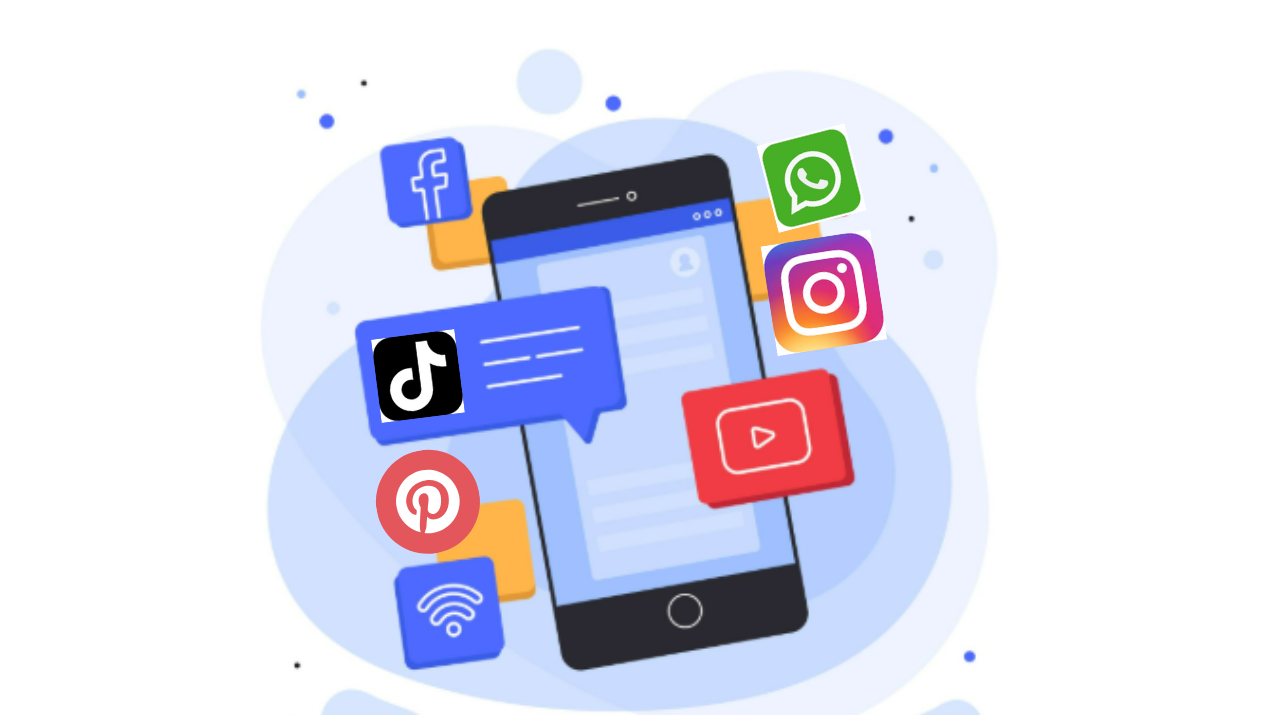
Social media is the most common place affiliates think of when sharing links, and for good reason. 97% of Gen Z shoppers use social media platforms as their main source of product inspiration (Forbes, 2025), which makes them the best place to get attention. But each platform works differently, so it’s important to use the right approach.
Meta’s apps (Facebook, Instagram, and WhatsApp) are used by 3.43 billion people every day (Statista, March 2025), giving affiliates access to a massive audience.
Facebook may feel old compared to TikTok, but it remains the largest platform with 3.065 billion monthly active users as of Q1 2025 (Outfy, 2025), making it ideal for niche groups, communities, and targeted recommendations. Instagram, with over 2 billion monthly active users (Zebracat, 2025), is perfect for lifestyle, beauty, fashion, and travel products thanks to its visuals, reels, and stories.
By combining organic sharing on these platforms with Meta Ads, affiliates can target users by location, interests, and behavior. This ensures your links reach the right people at the right time, maximizing clicks and conversions.
TikTok is growing fast, with almost 1 billion users worldwide (Zebracat, 2025). Unlike Instagram, TikTok is all about short, creative videos. People don’t come here just to scroll; they come to be entertained.
That’s the reason why affiliates who make short tutorials, quick product demos, or fun challenges often see strong results. The trick is not to make it look like a boring ad. Instead, show the product in action in a way that feels real. TikTok’s algorithm pushes good content to a huge audience, even if you don’t have many followers, so it’s a big opportunity.
For many affiliates, YouTube is a goldmine. In fact, 62% of affiliate marketers say they earn their highest commissions from YouTube content, especially reviews and tutorials (Zebracat, 2025).
The reason is simple: people use YouTube to research before buying. If someone searches for “best skincare for oily skin” or “top budget headphones,” they are already close to making a decision. That’s why long-form reviews, comparisons, and how-to videos work so well. Adding affiliate links in the video description is an easy way to capture those buyers.
Pinterest is different from other platforms. It’s not just for browsing, it’s for planning. And it works: 85% of weekly Pinterest users have made a purchase based on a pin (Publift, 2025).
This makes it a great platform for affiliates in home decor, fashion, food, and lifestyle niches. People come here looking for ideas, so if your pins inspire them and link directly to helpful products, they’re likely to save, click, and buy.
When people want to buy a new skincare product, a supplement, or even check reviews of the latest fashion trend, they often start with a Google search. This is where blogs and websites play a huge role in affiliate marketing.
Blogs allow affiliates to create detailed guides, comparisons, and product reviews that answer real questions buyers have. Unlike social media posts that disappear quickly, a well-written blog can keep bringing readers for months through search engines.
Many affiliates focus on niches like beauty, skincare, nutrition, and eCommerce products because these are areas where people actively look for advice before making a purchase. For example, a blog post comparing different vitamin supplements or explaining the best routine for acne-prone skin can drive steady traffic and conversions.
And the earnings are strong too. According to InBound Blogging (2025), 35% of bloggers make more than $20,000 a year from affiliate marketing. The key is to provide helpful content that solves buyer problems while naturally linking to products.
Over time, blogs and niche websites can become reliable sources of information that buyers trust, which makes them one of the most consistent platforms for affiliates.
Everyone loves a good deal. Imagine scrolling online for a product and finding it with a discount or cashback; it’s hard to resist. That’s why coupon and cashback sites are a goldmine for affiliates. People visiting these platforms aren’t just browsing; they’re ready to buy if the deal is right.
The market has grown rapidly and is expected to be almost $6.7 billion by 2025, growing at a CAGR of 8.7% from 2020 to 2025 (Lasso, 2025). Even better, 72% of cashback users return to the same platform for future purchases (MailModo, 2025), which means the audience keeps coming back.
Just imagine a shopper looking for a discount on a popular skincare product. They find your affiliate link on a cashback site, claim the offer, and complete the purchase. Later, when they check the platform again for another deal, they might click your links once more.
For affiliates, this creates a steady stream of high-intent buyers. With clear, visible links and the right offer, coupon, and cashback sites can turn casual visitors into repeated conversions over time.
People trust recommendations from creators they follow. That’s why working with influencers or content creators can be very effective for affiliates.
In fact, creator-driven affiliate revenue surged 71% year-over-year, and the industry is expected to reach $12 billion in affiliate earnings from influencer collaborations alone (Accio, 2025). This shows how powerful authentic recommendations have become.
Imagine a content creator making a short video showing how a product works or writing a detailed review. Their audience trusts them, so an affiliate link included naturally feels helpful instead of pushy.
These collaborations also help your content reach a wider audience. One post from the right creator can expose your link to hundreds or thousands of engaged viewers who might never have found it otherwise.
The key is authenticity. When content educates, entertains, or solves a problem, it resonates better, and people are more likely to click the link. Done right, influencer collaborations can drive clicks, conversions, and long-term awareness.

Media buying lets affiliates pay to show their links where the right people can see them. This gives more control than just posting on social media or blogs.
There are a few popular ways to do it:
Search ads appear when people are actively looking for products or services. For example, someone typing “best skincare for oily skin” on Google is already interested in buying. This makes search ads highly effective for affiliate links. The scale is massive, search ad spending is projected to reach $351.55 billion in 2025 (Statista). By placing links alongside relevant searches, affiliates can reach buyers exactly when they’re ready to make a decision.
Native ads blend with the website’s content, like an article titled “Top 5 Budget Smartphones in 2025” can include affiliate links naturally. People are more likely to click these because they look helpful rather than intrusive. In fact, native ads have click-through rates 8.8 times higher than banner ads (WorldMetrics, 2025), making them a top performer for affiliate marketing.
Display ads are visual or interactive ads, including banners, pop-ups, in-text ads, and short videos. They can appear across websites, apps, or videos, helping affiliates reach a large audience quickly. A growing trend is programmatic advertising, which automates ad placement based on audience behavior. It’s expected to make up 90% of global digital display ad spend by 2026 (WeCanTrack, 2025). Display ads work best when paired with clear visuals and strong calls-to-action.
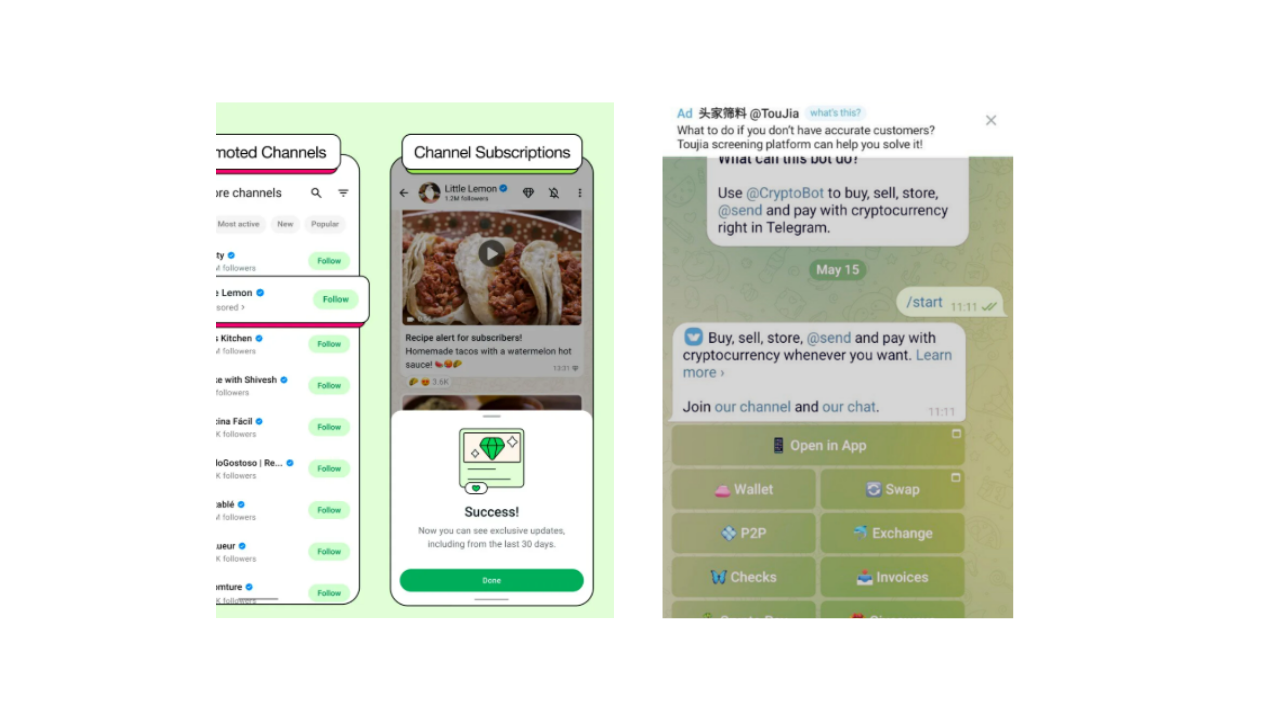
Messaging apps are not just for chatting anymore. They’ve become places where people share tips, deals, and product recommendations. For affiliates, Telegram and WhatsApp are great for reaching audiences who are already interested.
Telegram has over 700 million monthly active users worldwide, making it the 10th most popular social platform (Affiliate Booster, 2025). Many groups focus on specific topics like skincare, fitness, or lifestyle. Sharing your affiliate link in these groups feels natural because it’s part of a conversation. For example, a skincare group might discuss the best serums, and your link to a recommended product fits right in.
WhatsApp is even bigger, with over 2.93 billion users globally, making it the most-used messaging app (SQ Magazine, 2025). Small interest-based groups here are perfect for sharing tips, product links, or deals with people who already trust the recommendations.
The best part is engagement. People in these groups check updates often and value advice from peers. By joining conversations naturally and sharing helpful links, affiliates can get clicks, sales, and even repeat visits from the same audience.
At the end of the day, as much as picking the right brand matters in affiliate success, so does choosing the right place to showcase it, such as blogs, social media, or communities. To achieve real growth, you can try different approaches and learn what works.
With trusted brand partnerships, transparent tracking, flexible payout options, and access to high-performing campaigns across niches, vCommission helps affiliates focus on growth instead of guesswork. Share your links where they matter, and with vCommission, every click has the potential to become lasting revenue. Sign up now to get started!