


 How Affiliates Can Generate Consistent Revenue with PPC Affiliate Marketing in 2026
 Credit Card and Loan Affiliate Campaigns: Strategies for Higher Conversions
 Semrush Affiliate Program: A High-Payout Offer for Marketers and SEO Publishers
 10 Best Affiliate Marketing Platforms of 2026
 Fintech Affiliate Campaigns: Monetizing Finance Traffic with High-Payout Offers
You’ve worked hard to get people to your page, maybe through a blog, a landing page, or ads, but most of them leave without buying. It’s frustrating, especially when you know they were interested. This is one of the biggest challenges affiliates face: driving traffic but not getting enough conversions.
The solution lies in retargeting. It lets you reach out to those visitors again with ads that remind them of the product they checked out. And it actually works. In fact, visitors who see retargeted ads are 70% more likely to convert than first-time visitors, according to a World Metrics report. This means many potential buyers can be encouraged to return and complete their purchase.
In this blog, we’ll explain how retargeting works, why smart pixels are essential, and how affiliates can use them to win back lost visitors and boost their earnings.
Retargeting is a form of online advertising that targets visitors who have interacted with your content or affiliate link but didn’t complete a purchase. Instead of focusing only on new traffic, retargeting reconnects you with people who already showed interest, making conversions much more likely.
Lets understand this with the help of an example: If 100 people click your affiliate link, perhaps only 2–3 buy immediately. Retargeting allows you to reach the remaining 97, increasing the chances that your efforts turn into commissions.
A pixel is a small piece of code provided by ad platforms such as Facebook, Google, or TikTok. The code tracks visitor actions on pages you control. By installing a pixel on your landing, pre-sell, or content page, you can capture visitor behaviour and create audience lists for retargeting ads.
Pixels allow you to segment audiences based on actions like visitors who only read your content, clicked your affiliate link but didn’t convert, and returned multiple times but still haven’t purchased. Segmenting your audiences ensures your retargeting ads are relevant and more likely to convert.
Step 1. First, you have to create a landing or pre-sell page. On this page, you can introduce the product, highlight its benefits, or provide a short review. Your visitors will land here, and the pixel starts tracking their behaviour.
Step 2. Now it’s time to install a pixel. The pixel will track everything: who visits, what they interact with, and how they move through your page. It can be a Facebook Pixel, Google Ads tag, or TikTok Pixel. You can add it to your page header or via a tag manager.
Step 3. With your pixel live, the next step is to send traffic to your page. The traffic could come from paid ads, social media posts, or organic search, and as visitors interact with your page, the pixel collects valuable data such as which pages they view, what links or buttons they click, how long they stay, how far they scroll, how often they return, and any micro-conversions like form submissions or newsletter sign-ups.
Step 4. As the data comes in, it’s time to segment your audience. Some visitors only read your content, some click your affiliate link but don’t convert, and others return multiple times without making a purchase. Creating groups based on behaviour allows you to target each segment with the right message.
Step 5. Finally, you’re ready to run retargeting ads. For those who clicked but didn’t buy, show urgency-driven ads. For content-only visitors, highlight product benefits or customer testimonials. And for returning visitors, send gentle reminder ads to nudge them toward conversion.
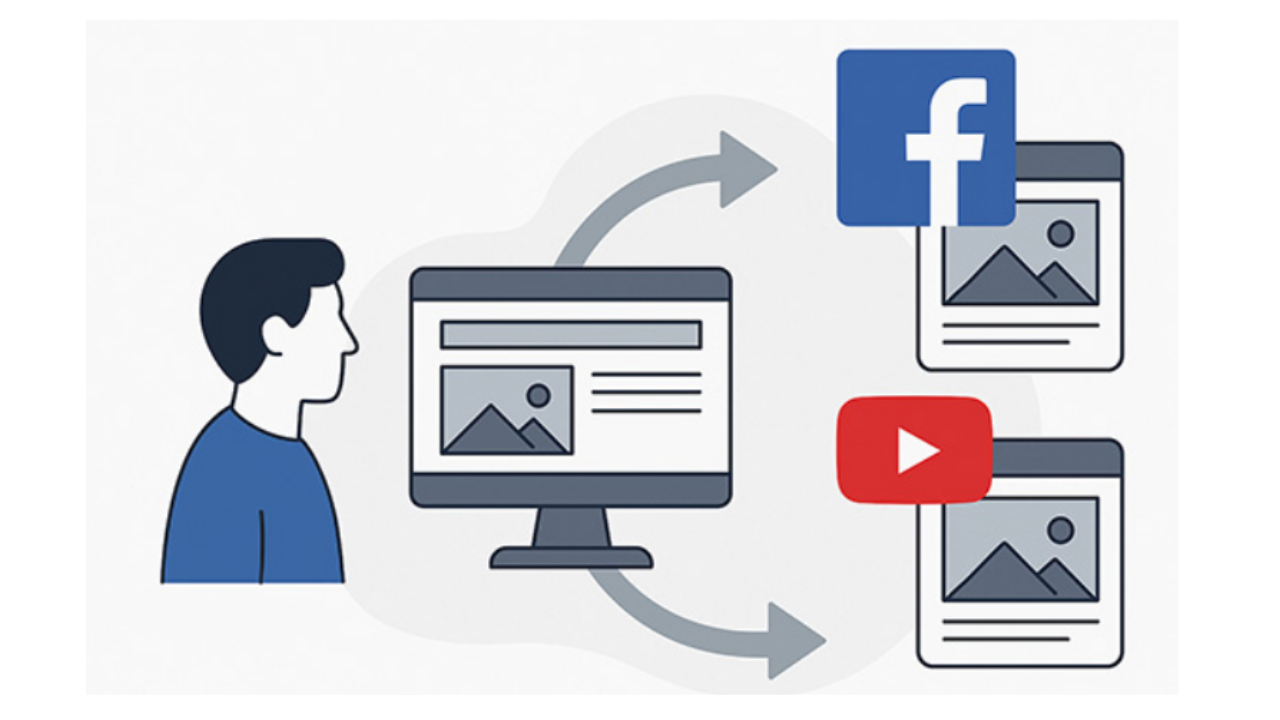
Retargeting is much easier and effective when you have the right tools to help you track visitors, understand their behaviour, and show ads that actually get results:
It is a small piece of code you install on your landing or pre-sell pages. It tracks how visitors interact with your page, which buttons they click, which sections they read, and whether they take micro-actions like signing up for a newsletter.
Once your pixel collects this data, you can create custom audiences for retargeting ads. For example, you can target visitors who clicked your affiliate link but didn’t buy, or people who spent a lot of time reading your content. This lets you serve highly relevant ads on Facebook and Instagram, increasing the chances of conversion.
The Google Ads Remarketing Tag allows affiliates to retarget visitors across multiple Google platforms, including YouTube, Google Display Network, and Google Search Ads.
By placing the tag on your pages, you can track visitors’ interactions and serve ads to people who didn’t convert the first time. Google’s platform also allows audience segmentation, so you can show different ads to people based on their engagement level, such as content readers versus link clickers.
If your audience spends time on TikTok, the TikTok Pixel is essential. It works similarly to other pixels, capturing visitor interactions on your pages. Affiliates can use this data to run retargeting campaigns with TikTok’s in-feed or spark ads, reaching users who have already shown interest in the product.
TikTok’s algorithm also helps optimize retargeting campaigns automatically, serving ads to users most likely to convert based on past behaviour. This is especially useful for products that perform well with younger, mobile-first audiences.
AdRoll is a comprehensive solution for affiliates who want to retarget visitors across multiple networks without managing each platform separately. It allows you to track visitor behaviour on your pages, segment audiences based on actions, and serve retargeting ads:
For affiliates, AdRoll simplifies the process of managing campaigns across platforms while providing analytics to improve performance over time.
Retargeting is a smart way for affiliates to turn missed opportunities into actual earnings. Place pixels on pages you manage. With the help of that pixel you can track visitors, group them based on their behavior, and show ads that match their interests, boosting the chances of a sale.
The process can be made easier with vCommission’s reliable tracking system. You don’t have to worry about losing credit for sales or dealing with tracking errors; every click and conversion is accurately recorded. When you combine your own pixel-based retargeting with vCommission’s transparent tracking and campaign support, you can make the most of every visitor and increase your earnings.
This means affiliates can focus on creating effective campaigns while vCommission handles the tracking and reporting, turning potential sales into real commissions with confidence.