

 10 Best Affiliate Marketing Platforms of 2026
 How Coupon and Deal Websites Generate Revenue for E-commerce Campaigns
 Choosing the Right AI Offers: What Actually Drives Conversions for Affiliates
 Sintra AI Affiliate Program: A High Payout Opportunity for Affiliates Worldwide
 HONOR Affiliate Program: Turn Tech Traffic into High Smartphone Commissions
Someone lands on your finance blog to read about credit cards, trading apps, or personal finance tips. They’re already thinking about money. That moment, when intent is high and curiosity is real, is where fintech affiliates quietly turn traffic into revenue.
Finance traffic behaves differently from other categories. When users land on a page about personal finance tools, investment apps, or credit solutions, they’re usually close to taking action. That’s exactly why fintech affiliate campaigns consistently deliver some of the highest payouts in performance marketing.
For publishers and affiliates who already have finance-focused audiences, whether through comparison websites, fintech blogs, deal platforms, or personal finance communities, this category offers strong earning potential. And with fintech companies aggressively acquiring users online, affiliate partnerships have become a major acquisition channel.
This article explores why fintech affiliate campaigns perform so well, what types of offers convert best, and how affiliates can monetize finance traffic effectively.
Not all traffic holds the same value. It’s possible that someone perusing entertainment content isn’t prepared to make a purchase. However, a person who searches for “how to start investing” or “best credit card for cashback” is already on the verge of making a financial decision.
Fintech companies are prepared to pay hefty charges for new clients because of this. Financial products create long-term value for businesses, whether they are digital wallets, trading accounts, insurance, or loans. Gaining a user through an affiliate turns into an affordable marketing avenue.
The broader market numbers explain why this model keeps expanding.
For fintech companies, affiliate partnerships offer measurable results. Every click, lead, and conversion can be tracked. For publishers, it’s a performance-driven revenue stream.
At its core, fintech affiliate marketing follows a simple structure:
Brand > Affiliate Network > Publisher > Customer
Fintech brands come with high-intent products to promote, whether it’s credit cards, trading apps, or lending solutions. These offerings are structured into performance campaigns to align with specific acquisition goals.
Affiliate networks enable this by onboarding relevant publishers, setting up tracking infrastructure, and managing attribution, validation, and payouts.
Publishers with suitable inventory, such as finance content, comparison platforms, or finance content, comparison platforms, or deal platforms, integrate these offers into their user journeys, where intent is already established.
When users with strong intent engage through these placements and complete defined actions, it results in measurable conversions, driving revenue for publishers and customer acquisition for brands.
The most common payout models include:
Affiliates get paid when a user signs up or completes a form.
Payment happens when a user completes a deeper action like opening an account or making a deposit.
Affiliates earn based on the number of clicks driven to the advertiser’s platform. While less common in fintech compared to CPL and CPA, it is sometimes used for scaling top-of-funnel traffic.
Some fintech platforms offer a percentage of the revenue generated by referred users.
CPA and CPL are especially popular in finance because companies can easily track onboarding steps.
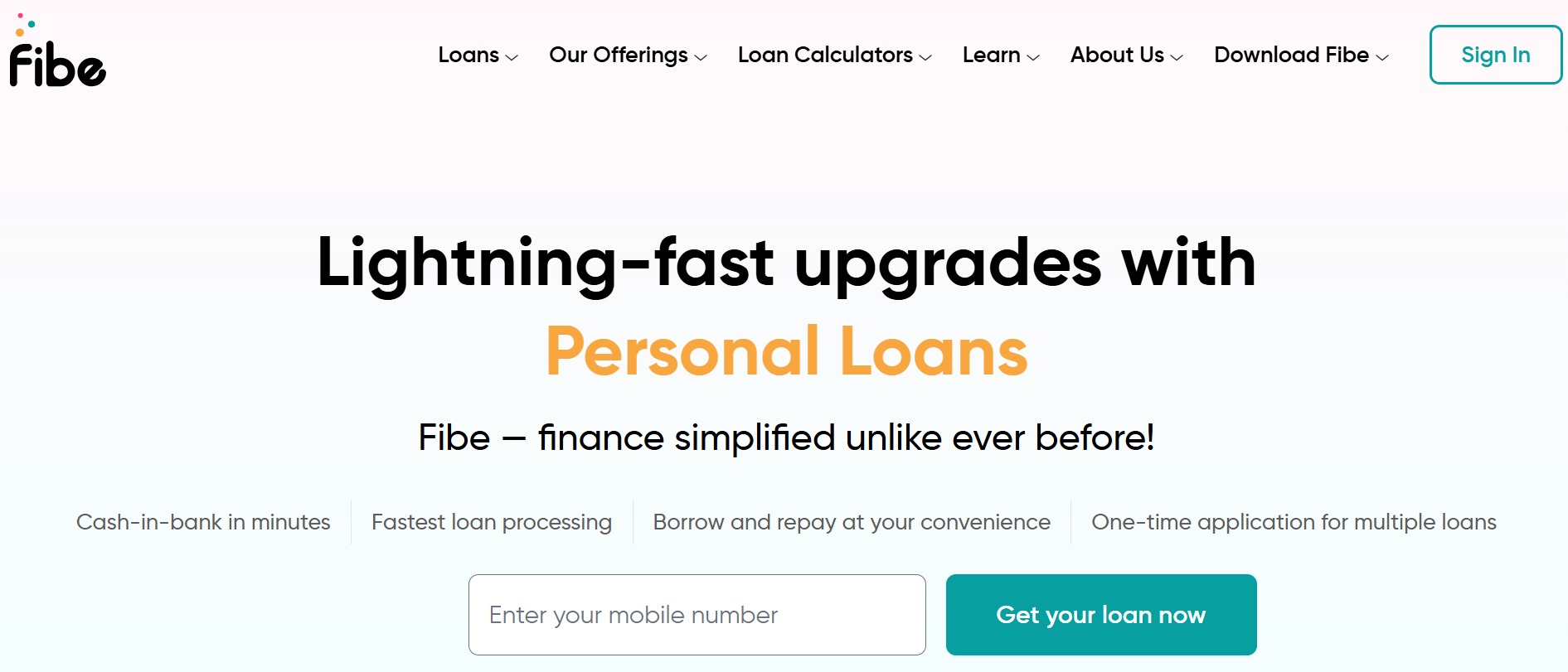
A live lead-generation campaign available on vCommission, where affiliates earn when a user submits a valid application for a personal loan through Fibe. Approval isn’t required, only accurate and verified user details are needed for the lead to qualify.
Why it works:
Personal loans are driven by immediate need, and users actively look for quick, digital-first borrowing options with minimal documentation.
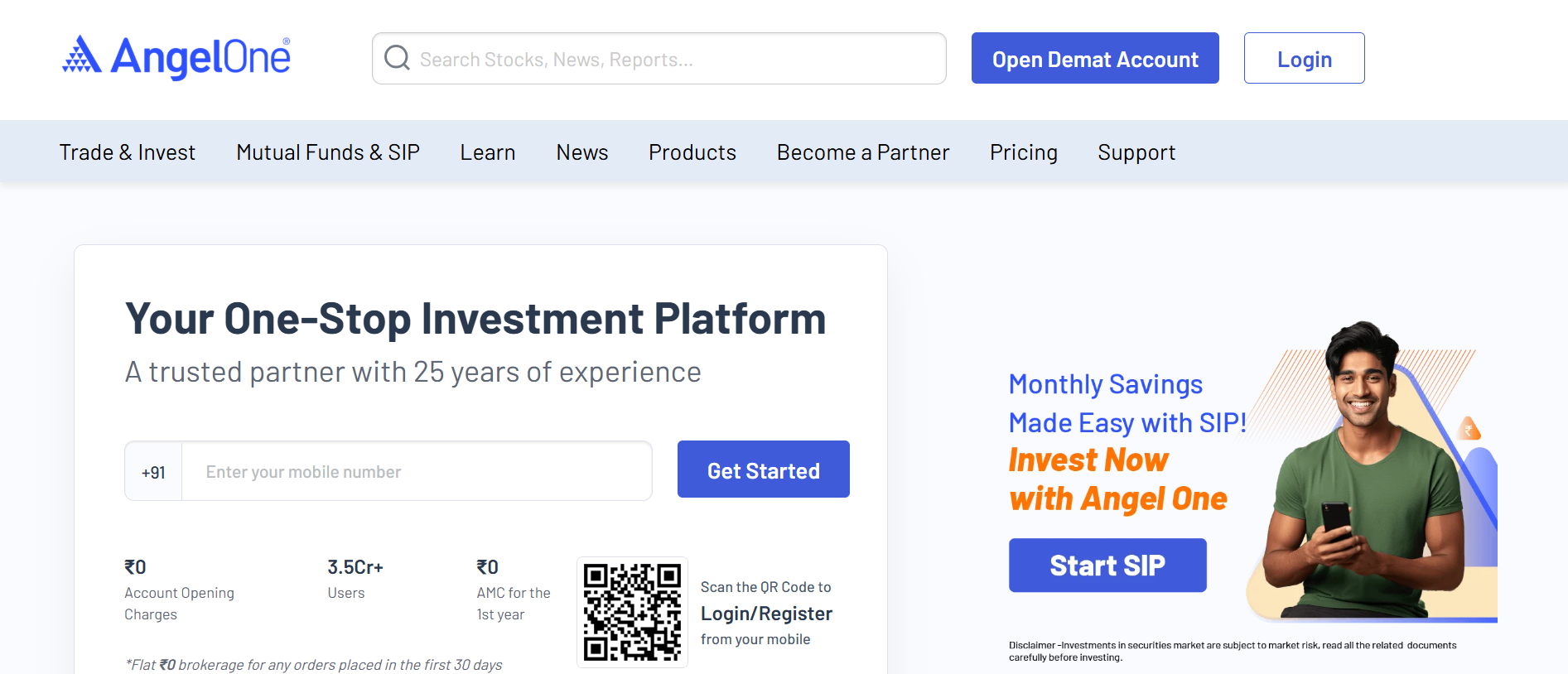
A live Cost-Per-Acquisition (CPA) campaign on vCommission for Angel One, one of India’s leading retail stockbroking platforms. Payouts are triggered when a user completes onboarding, typically including registration, KYC verification, and in some cases, the first trade.
This campaign works best with audiences that already show interest in investing, such as beginners exploring stock markets, active traders comparing platforms, or users consuming content around wealth creation and trading strategies.
Why it works:
India’s retail investing boom has brought in millions of first-time traders, making brokerage platforms a high-converting category.
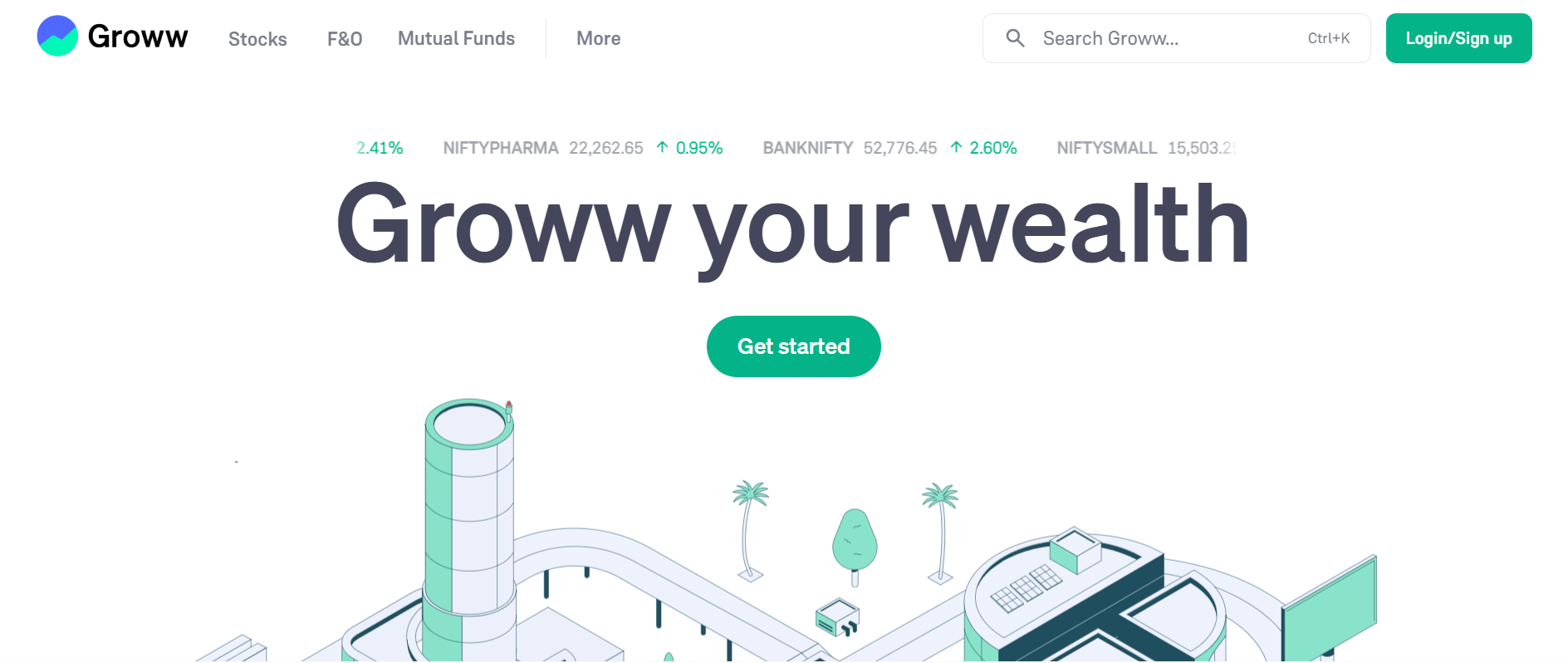
Groww is one of India’s fastest-growing investment platforms, known for simplifying stock market investing for first-time users. Its mobile-first approach and clean interface make it especially popular among younger investors entering the market.
You earn when a user installs the Groww app and completes required actions (such as signup or KYC) via Android devices.
Why it works:
Groww has strong brand recall among beginner investors, and mobile-first users are easier to convert through content and social traffic.
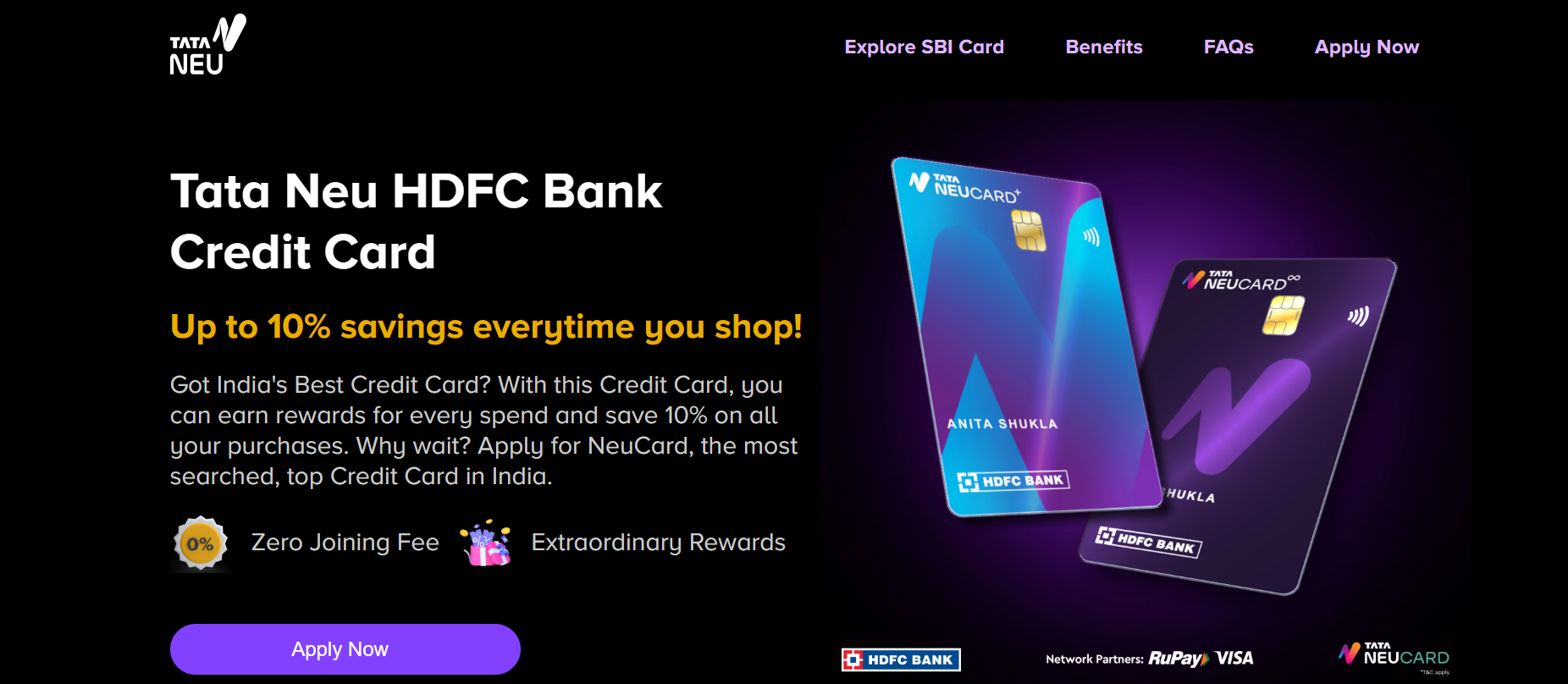
The Tata Group’s digital platform, TataNeu, unifies financial services, payments, and commerce into a unified ecosystem. Its co-branded credit cards are intended to provide incentives for regular purchases made within the Tata network.
Affiliates in this performance-based promotion get paid when customers apply, are accepted, and finish the TataNeu credit card activation process.
Why it works:
TataNeu leverages a strong brand ecosystem and rewards-driven usage, making it appealing for users already engaged with Tata services and looking for added benefits on their spends.
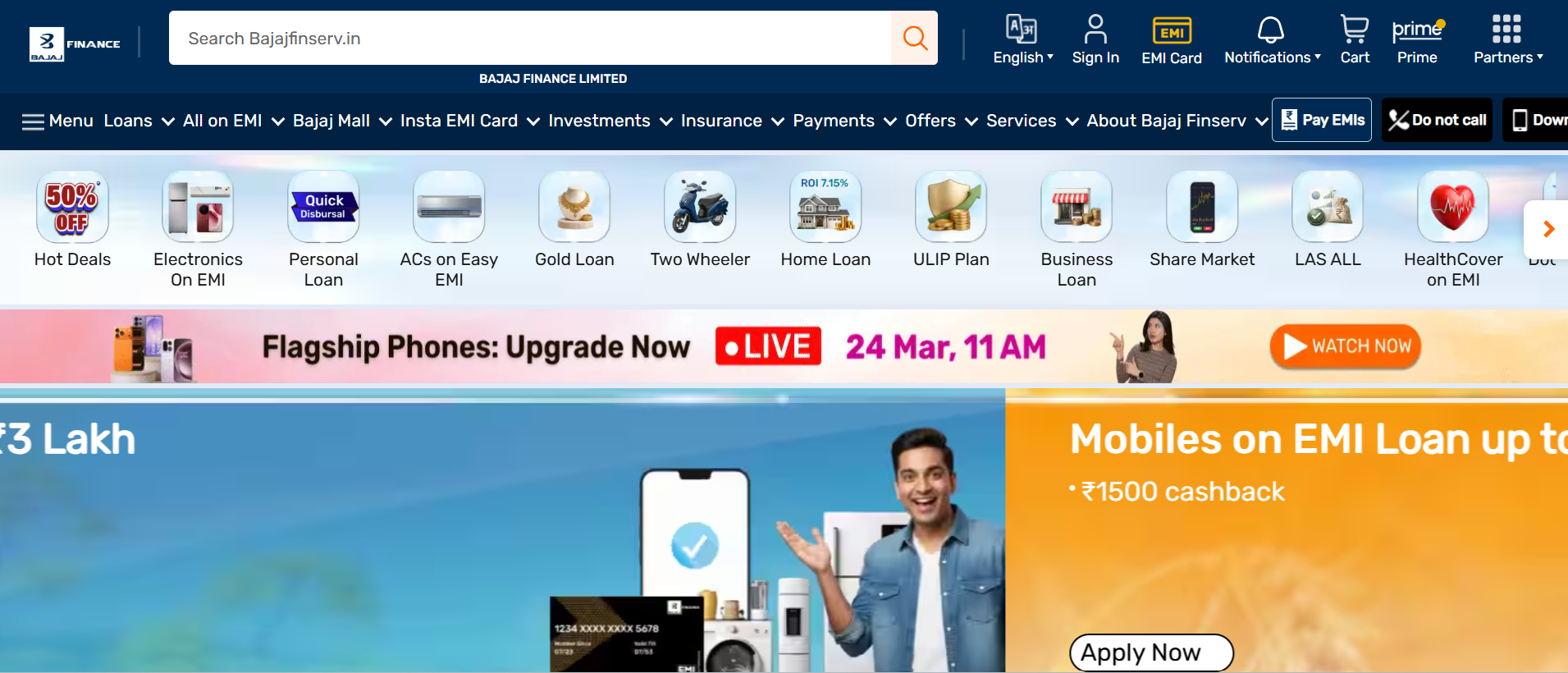
Bajaj Finserv is one of India’s leading financial services brands, offering a wide range of solutions across lending, payments, and consumer finance. It has strong offline and digital presence, making it a familiar and trusted name among users.
This campaign typically spans multiple financial products—such as personal loans, EMI cards, and other financial services—with payouts based on leads or successful applications.
Why it works:
It appeals to a wider audience beyond investing, especially users looking for quick credit or financing options.
When the audience is already interested in financial content, fintech affiliate campaigns are most effective.
Below are the affiliate segments that usually perform well.
People looking for financial tools frequently visit websites that offer advice on budgeting, investing, and saving.
These consumers are very receptive to fintech offers since they are already searching for answers.
These platforms are built to compare brands offering similar financial products, such as multiple credit cards, trading apps, or loan providers, side by side. By breaking down features, fees, benefits, and eligibility across options, they help users make informed decisions, which naturally drives higher engagement and conversions for fintech campaigns.
Visitors to these sites are more likely to convert because they are already weighing their options.
Financial businesses that provide sign-up bonuses or welcome incentives receive a lot of attention from deal communities and cashback platforms.
In these platforms, users actively search for deals.
High-value traffic for trading platforms is also attracted by blogs, forums, and content producers who specialise in investment or cryptocurrencies.
These audiences are usually seasoned consumers who are open to trying new platforms and are knowledgeable about financial items.
Fintech is not going to slow down anytime soon.
Financial technology companies will continue to compete for users as billions of people shift to digital banking, investing, and payments.
Fintech revenues are expanding at a rate of more than 21% per year, which is much quicker than that of traditional financial services, according to industry sources.
Simultaneously, the array of products accessible to consumers is being expanded via digital investment platforms, AI-powered financial services, and integrated finance.
This implies more campaigns, more payments, and new financial goods to market for affiliate marketers.
One straightforward benefit is the foundation of fintech affiliate campaigns: intent.
Users aren’t being persuaded to try something new. They have already begun making a decision, and you are assisting them in finishing it.
Because of this, even a tiny amount of finance traffic can surpass higher numbers from other sectors.
Affiliates have access to offers that combine significant payments with high demand through campaigns like HDFC Bank Credit Card CPL, Angel One CPA, Groww Android Mobile CPA, Upstox CPA India, and Bajaj Finserv.
The true opportunity lies not just in attracting traffic, but also in knowing what that visitor desires and presenting the appropriate product.
If you do that successfully, fintech will become one of your most reliable sources of income rather than just another category.
Affiliates may access a carefully selected collection of successful fintech marketing without having to guess thanks to networks like vCommission. It makes it simpler to scale finance traffic into steady revenue by bringing together the appropriate audiences and offers.
Turn your finance traffic into real revenue. Join vCommission and start promoting high-payout fintech campaigns today.