

 Why D2C Affiliate Campaigns Give Better Margins and Repeat Customer Revenue
 LegalZoom Affiliate Program: A High-Ticket Offer with Strong Upsell Potential
 Affiliate Marketing in 2026: Key Trends to Know Before Planning Your Strategy
 Target Affiliate Program: Promote Everyday Essentials to Grow in 2026
 How Affiliates Can Generate Consistent Revenue with PPC Affiliate Marketing in 2026
You’re not losing conversions because your links don’t work; you’re losing them because your promotion isn’t grabbing attention fast enough across the channels you’re using.
To be clear, blogs are no longer the sole battlefield.
In 2026, affiliates are promoting AI SaaS tools through YouTube demos, short-form videos, newsletters, Discord communities, and even WhatsApp broadcasts. The competition isn’t limited to written content; it’s happening everywhere your audience spends time.
But before going further, let’s simplify one thing.
AI SaaS (Software-as-a-Service) tools are cloud-based platforms powered by artificial intelligence that help users complete tasks faster or more efficiently, without needing technical expertise. These tools are used for:
Think of them as everyday productivity tools — but smarter, faster, and often automated. The market for AI SaaS has grown rapidly in recent years:
By 2026, the worldwide AI software industry is projected to reach $300 billion, primarily due to the uptake of SaaS.
Over 1 billion visits are made to AI tools each month, indicating enormous user demand.
Affiliate and partner channels account for 30–50% of SaaS companies’ client base. Thus, the opportunity is enormous.
However, you must comprehend this shift: AI tools are widely available to users nowadays.
They signed up for platforms, tried free trials, and left as soon as possible. Claims like “save time” or “boost productivity” are no longer immediately credible to them.
That does not imply a lack of interest. It only indicates that they are pickier. Therefore, when you advertise an AI tool these days, you’re not just up against other affiliates; you’re also up against a user’s hesitancy, expectations, and past experiences.
Better storytelling, more precise positioning, and more astute marketing are crucial in this situation.
Before getting into tactics, it is important to understand what is actually happening in the space.
AI Saas is not another affiliate marketing tool; it is one of the fastest-growing acquisition channels for the software industry.
(Sources: SEO Sandwich, RefGrow, Alignify, Thunderbit)
That’s the situation. The opportunity is huge, but there’s also a lot of noise around it.
When it comes down to it, most affiliates continue to use antiquated techniques that are incompatible with how AI products are used.
They usually do this:
And that creates a disconnect.
Despite SaaS free trial conversions averaging between 1.5% and 2%, many affiliates fail because their traffic lacks clarity or intent.
The main problem?
Users need better context, not more information.
This sounds easy, but this is where most conversions are either won or lost.
No one is actively searching for “AI SaaS tools.” They’re searching for solutions to very specific problems.
Think about how users usually think:
If your content doesn’t directly connect to these outcomes, it won’t convert.
Instead of talking about the tool, show how they can execute or what the impact of those tools is.
For example, instead of saying – This AI tool generates blog content
You’d position it as: “This reduces your content production time from half a day to under an hour.” That shift isn’t cosmetic; it’s what makes users feel the value immediately.
AI tools have one advantage: they can demonstrate transformation instantly. And that is exactly what affiliates should lean into.
Content that performs well shows a clear “before” and “after” contrast. Not in an exaggerated way, but in a practical or observable way.
You can structure this through:
For example:
What this does:
And in SaaS, visualization often replaces persuasion.
Traffic is still easy to get in 2026, but conversion is not.
A major chunk of AI Saas traffic, nearly 68%, comes from organic search, but only a fraction of that traffic converts.
The difference lies in intent. High intent users are anyway looking for solutions, whereas low intent users are still exploring.
Content that converts usually targets:
Whereas content like:
may bring traffic, but rarely drives conversions.
A useful way to think about it:
And if you are choosing between conversions, always choose the one that wins.
Promote technologies that already have a clear market, useful use cases, and significant revenue potential if you want to drive actual conversions from AI SaaS. Working with the appropriate campaigns is crucial in this situation.
Platforms like vCommission have already onboarded AI SaaS tools that fit this exact criteria. Campaigns such as Sintra AI, OpenArt AI, DesignsAI, Talkpal.AI, and Sider AI are part of the network, giving affiliates access to products that are not only relevant in today’s market but also easier to convert when promoted correctly.
Take Sintra AI, for example. It fits into the productivity and automation space, which naturally sees higher retention and recurring commissions. Instead of promoting it as just another AI tool, it works better when positioned as a way to simplify daily workflows. Showing how tasks can be automated or streamlined makes the value immediately clear, which directly improves conversions.
With OpenArt AI, the advantage is visual output. This is one of the easiest categories to sell because users can instantly see what the tool does. When you highlight generated images, creative outputs, or design improvements, you remove hesitation. The promotion doesn’t need a heavy explanation; the output does most of the work.
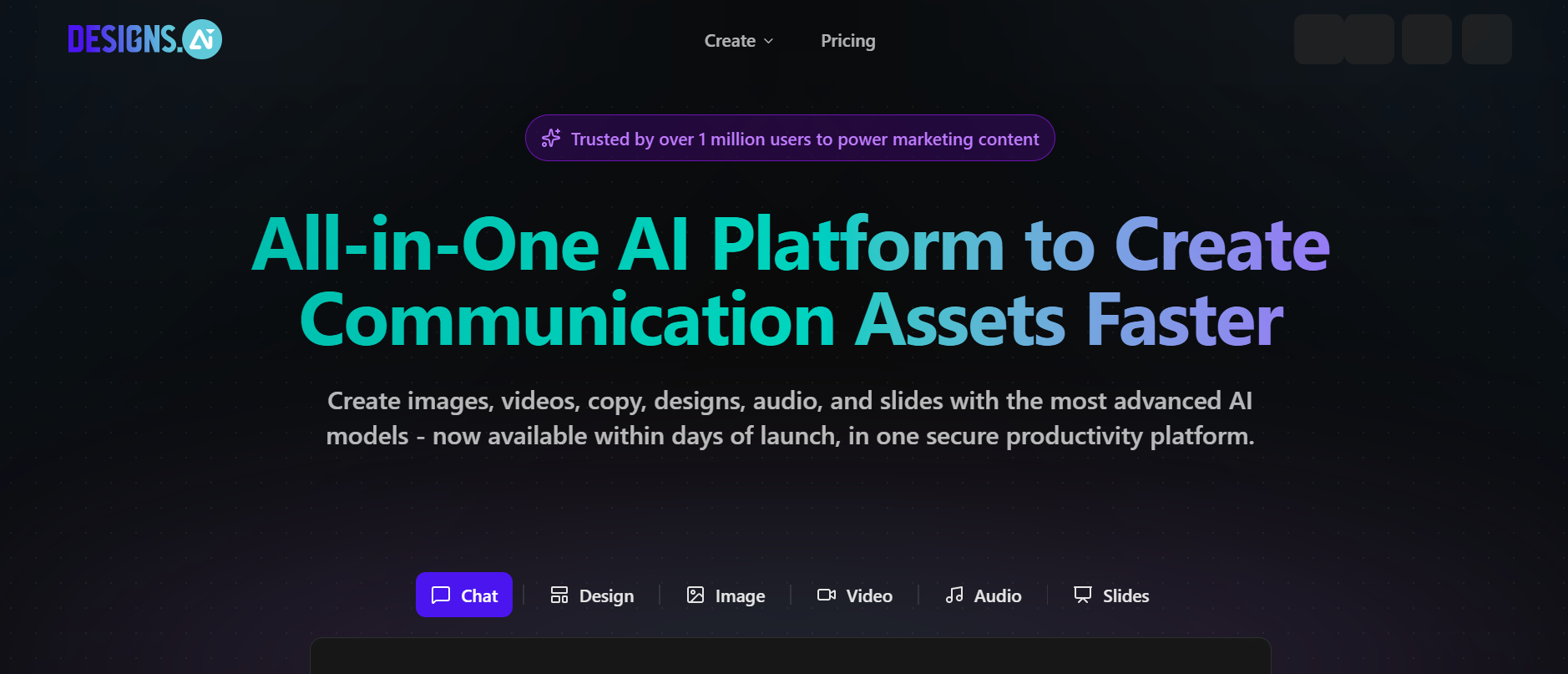
DesignsAI appeals to users who want quick branding solutions without hiring designers. This includes startups, freelancers, and small businesses. When positioned around speed and convenience, like creating logos, videos, or banners in minutes, it becomes much easier for users to see its relevance and take action.
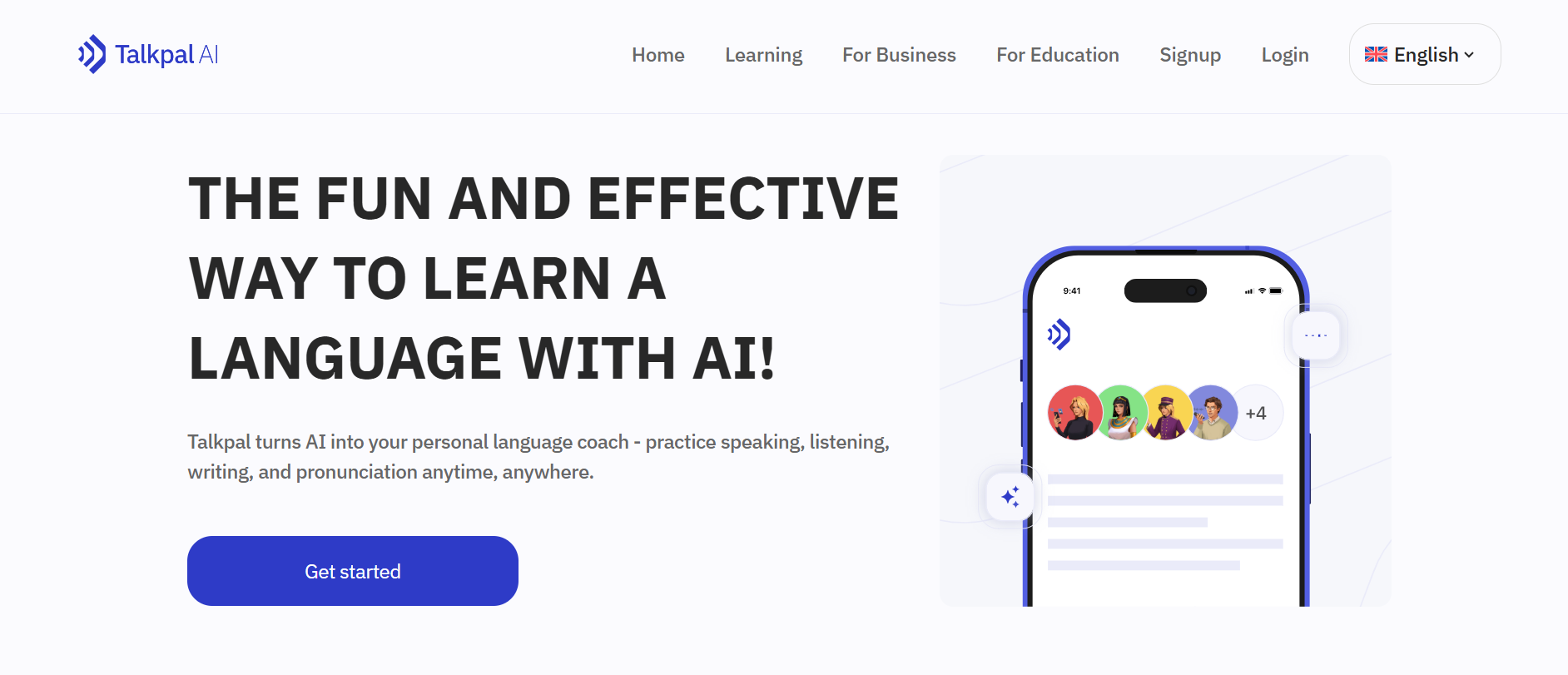
Then there’s Talkpal.AI, which taps into a completely different but highly active audience, people looking to improve their language skills. Whether it’s students or working professionals, the appeal lies in consistent, everyday usage. When you present it as a simple way to practice conversations or build fluency over time, it becomes less of a “tool” and more of a habit users are willing to adopt.
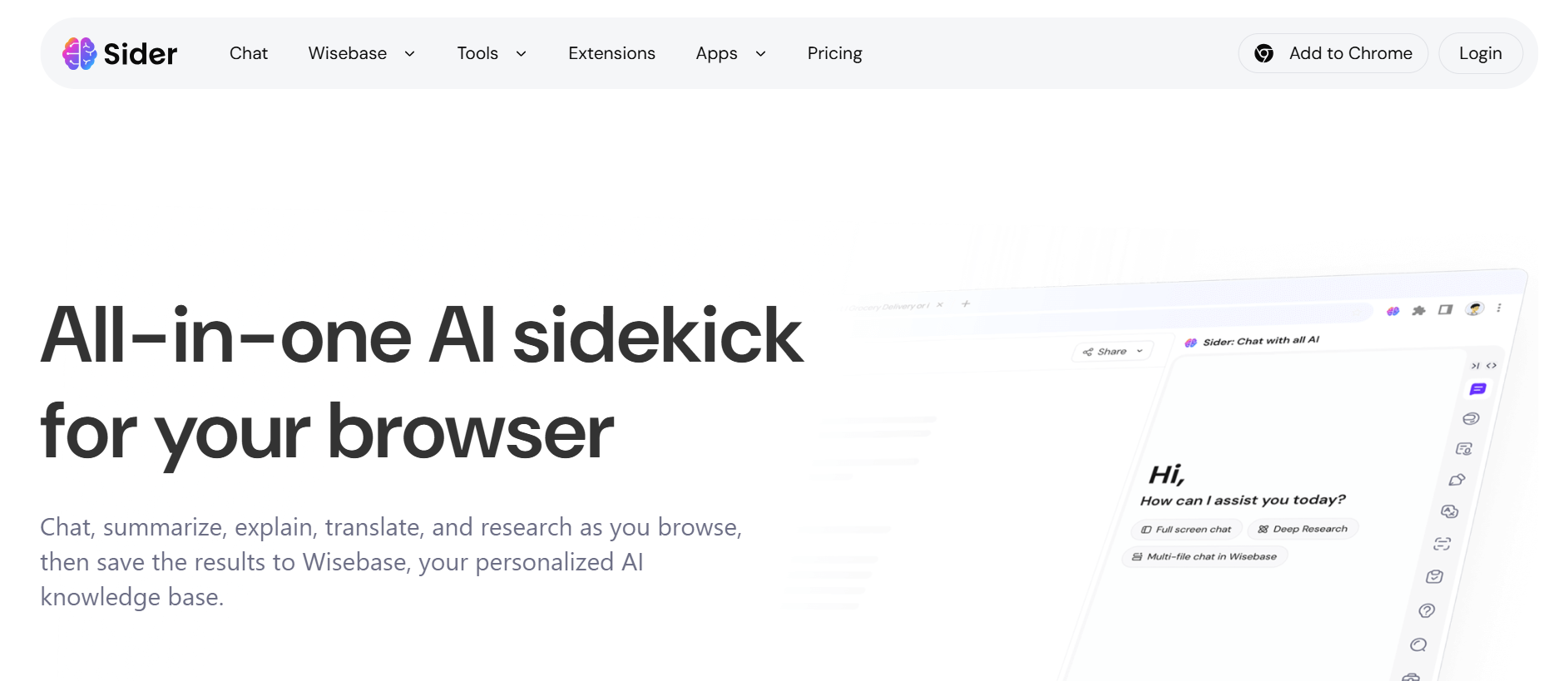
Finally, Sider AI stands out because of how seamlessly it fits into daily online activity. As a browser-based assistant, it doesn’t require users to change their workflow; it enhances it. Promoting it as a tool that helps with reading, writing, summarizing, or researching in real time makes it instantly relatable and easy to try.
What connects all of these campaigns is that they solve clear, practical problems and can be demonstrated without over-explaining. And that’s exactly why they perform well within affiliate ecosystems like vCommission.
As an affiliate, the focus shouldn’t be on pushing multiple tools at once. It should be on picking the right campaign, showing one strong use case, and making it obvious how the user can benefit from it immediately. That’s what turns interest into action—and action into consistent commissions.
In 2026, promoting AI SaaS solutions will focus on eliminating obstacles at every stage rather than adding additional links.
When you
You become involved in the user’s decision-making process instead of just being another affiliate. Conversions genuinely take place there. Because the affiliate’s job is to facilitate decision-making in an area where the product is already intelligent.
Turn your AI SaaS traffic into real revenue. Join vCommission today and start promoting high-converting campaigns that actually scale.