

 How Affiliates Can Generate Consistent Revenue with PPC Affiliate Marketing in 2026
 Credit Card and Loan Affiliate Campaigns: Strategies for Higher Conversions
 Semrush Affiliate Program: A High-Payout Offer for Marketers and SEO Publishers
 10 Best Affiliate Marketing Platforms of 2026
 Fintech Affiliate Campaigns: Monetizing Finance Traffic with High-Payout Offers
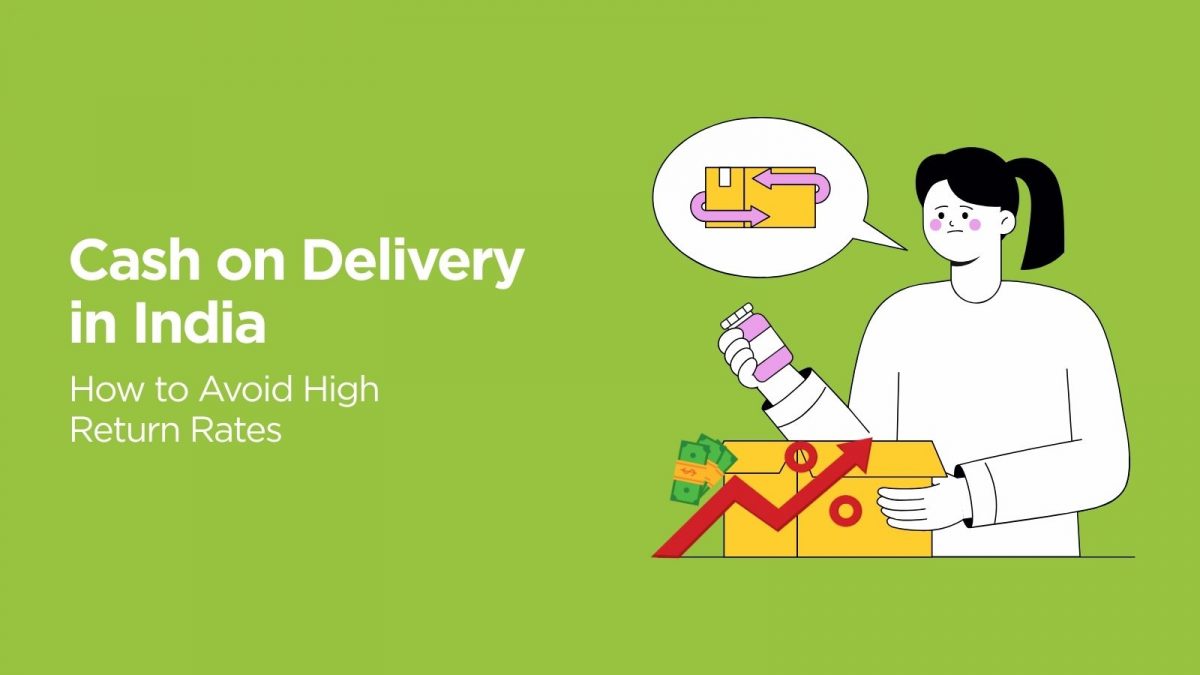
Cash on Delivery (COD) remains one of the most search-driven and conversion-heavy payment methods in India’s ecommerce ecosystem – especially in Tier 2 & Tier 3 cities where digital payment adoption still lags. Despite its strong conversion power, high COD return rates continue to erode profitability for brands, affiliates, and ecommerce marketers alike.
In this updated 2025 guide, we explore the latest COD trends, why COD return rates spike, and tactical solutions you can implement today to lower returns, improve delivery acceptance, and maximize affiliate revenue.
Several factors contribute to the high return rates on COD orders in India:

Here are updated and trend-aligned tactics adopted by e-commerce brands, D2C merchants, and affiliate marketers to optimize COD performance.
1. Implement Partial COD Payments: Rather than allowing full cash-on-delivery with zero commitment, introduce a small upfront token payment before checkout. This helps screen serious buyers and reduces impulse orders that commonly convert into RTOs.
Tip: Charge a small amount (₹50–₹150) upfront and collect the rest at delivery. This has been shown to improve delivery acceptance and reduce false orders.
2. Use Predictive Analytics for High-Risk Order Flags: Modern e-commerce analytics can predict risk based on PIN codes, past order behavior, device patterns, and other signals. Use predictive models to flag high-RTO orders and intervene, for example, via SMS confirmations or phone verification.
3. Smart COD Availability Rules
Instead of offering COD universally, restrict it using dynamic logic based on:
Order value thresholds
Repeat customer history
Shipping zones with high RTO risk
This helps cut unnecessary returns without losing core conversions.
4. Enhanced Pre-Delivery Communication: COD refusals often happen simply because the buyer forgot the purchase or wasn’t available. SMS, WhatsApp, email, and even automated voice reminders significantly improve delivery acceptance rates, a fast, low-cost optimization.
5. Leverage Geolocation & Address Verification Tools: Advanced address verification engines and geolocation risk profiling help you block or conditionally enable COD for unreliable pin codes and high-fraud areas. This tactic lowers logistic losses and improves net delivery success.
6. Better Product Presentation & Size Guides: High-quality product images, video previews, in-depth descriptions, and interactive size guides reduce mismatch and confusion, especially for fashion, footwear, and accessories.
Include buyer testimonials and unboxing videos, both proven to boost trust and lower return rates.
7. Partner With Logistics & Fintech Optimization Platforms: Integrating with tools like Shiprocket Checkout, GoKwik, Razorpay Magic Checkout, and others helps with COD order verification, OTP verification, risk scoring, and faster settlement cycles, all pivotal in 2025.
For affiliates, especially performance marketers, COD return rates directly affect your earnings.
High returns mean lower commission payouts because many networks validate COD orders only after delivery confirmation.
Slow cash cycles or payout delays are typical if returns spike unchecked.
Optimizing for lower returns not only improves brand satisfaction but also boosts affiliate conversions and faster payouts, a major trend in 2025 affiliate strategies.
COD in India continues to be a high-intent purchase driver — but only when managed intelligently. By adopting data-driven return reduction strategies, tightening COD criteria, leveraging smart payment tech, and aligning your affiliate tactics accordingly, you’ll not only lower return rates but also boost conversion quality, affiliate payouts, and customer trust.
With these 2025-ready strategies, you’re set to navigate India’s COD ecommerce landscape with confidence.
Want to promote high-converting COD ecommerce brands without worrying about excessive returns? Join vCommission today and get access to verified Indian COD campaigns, smart tracking, and reliable payouts designed for performance-driven affiliates.
