

 How Affiliates Can Generate Consistent Revenue with PPC Affiliate Marketing in 2026
 Credit Card and Loan Affiliate Campaigns: Strategies for Higher Conversions
 Semrush Affiliate Program: A High-Payout Offer for Marketers and SEO Publishers
 10 Best Affiliate Marketing Platforms of 2026
 Fintech Affiliate Campaigns: Monetizing Finance Traffic with High-Payout Offers
Have you ever suggested or recommended something to a friend and they brought it right away without questioning? Now, think if you could do it at scale, over the internet, where you can earn every single time someone makes a purchase. Sounds amazing, right? Well, this is what affiliate marketing is all about.
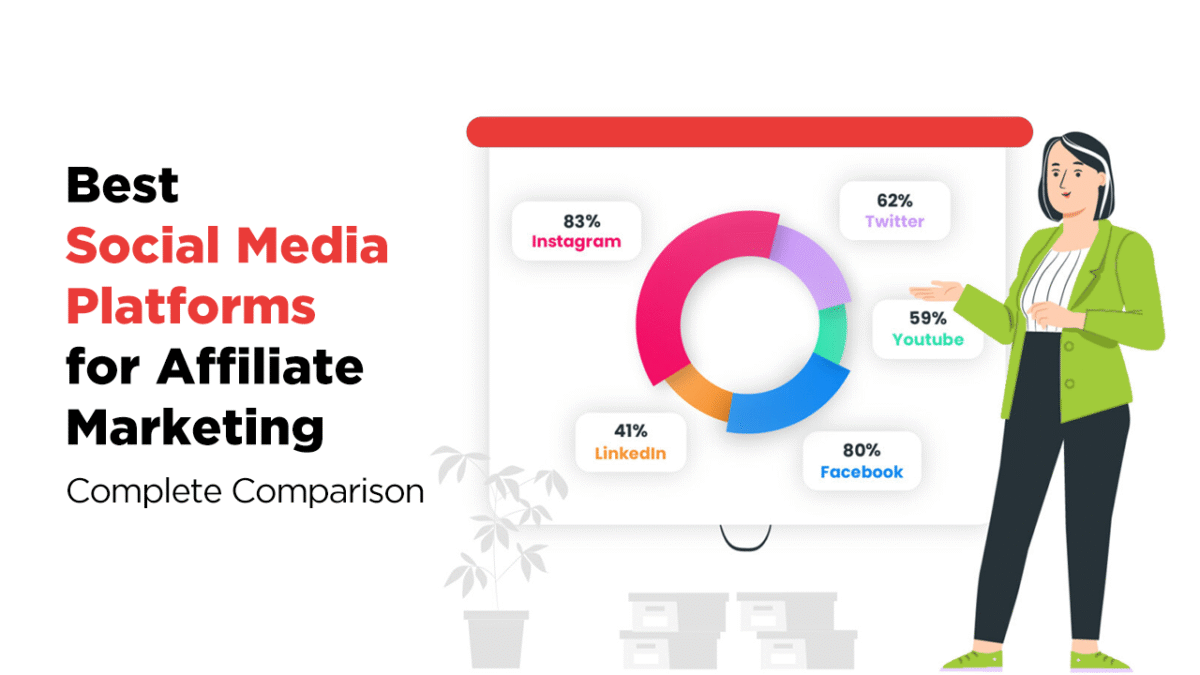
Affiliate marketing has found a natural home on social media, which has emerged as the new-age marketplace. Influencers no longer only use well-lit selfies to promote skincare products. By suggesting goods and services through affiliate links, creators from all walks of life, from Pinterest cooking mothers to Twitter finance nerds, are making real money.
However, the issue still stands: which social media site should YOU concentrate on in order to succeed with affiliate marketing?
Let’s examine, contrast, and assist you in selecting the top platforms for your affiliate business.
Social networking sites are becoming the forefront of research. Whether it’s a fitness regimen, the newest skincare trick, a trendy device, or a nice $20 Amazon purchase, customers are looking to trusted producers for unbiased suggestions.
And affiliate marketing flourishes there.
You receive a portion of the sale when someone clicks on your special link and buys something. No bother, no inventory, and no customer service. Just the appropriate platform, trust, and quality material.
Let’s now examine the offerings of the major social media platforms to affiliate marketers like you.
Best for: Fashion, beauty, travel, fitness, food
Individuals love to purchase with their eyes first, and Instagram is a visual haven. There are numerous ways to quietly (or overtly) sell things, whether you’re sharing an eye-catching photo dump, a brief reel showcasing your most recent discoveries, or behind-the-scenes Stories.
Here are some of the promotional methods on Instagram:
For example, a fashion designer shares a reel showing five different ways to style a pair of reasonably priced trousers. “Jeans linked in bio!” is mentioned in the caption, along with a Linktree that includes their affiliate URL. They receive a commission for any purchase made through that link.
Why it works:
Pro Tip:
Best for: Tech, gadgets, finance, parenting, educational content
Long-form material excels on YouTube, which is ideal for in-depth product evaluations, comparisons, and tutorials. Over time, this platform will reward you with views and affiliate clicks if you can effectively explain things.
When do you start earning on YouTube?
You need to meet these requirements to earn from YouTube’s Partner Program (ad revenue):
You can begin making money from advertisements as soon as you reach this milestone, but affiliate marketing doesn’t require you to wait; you may include affiliate links in your video descriptions right away. If the audience is engaged and targeted, commissions can be earned by even small channels.
Ways to Earn on YouTube as an Affiliate:
For instance, a tech YouTuber makes a video titled “Top 5 Budget Laptops for Students.” In the description, they provide affiliate links for every laptop. Already in the process of making a decision, viewers click and buy.
Why it works:
Pro Tip:
Best for: Gen Z, trendy products, impulse buys, beauty, lifestyle, food
TikTok’s bite-sized videos make going viral really simple, and when your affiliate suggestions become viral, a ton of people will see them. A complex setup is not necessary. All you need is a relatable tone, a popular song, and sincere enthusiasm for the product you’re marketing.
Nevertheless, due to governmental limitations, TikTok is not currently available in India. In markets like the US, UK, Australia, Canada, and a number of Southeast Asian nations, where TikTok’s algorithm is still among the most lenient for up-and-coming producers, it still does remarkably well.
Example: A 20-second video shows a designer opening a little portable blender. After demonstrating how simple it is to use and clean, they include a “Check my bio for the link!” and hundreds of purchases follow.
Why it works:
Pro Tips:
Best for: Parenting, health, gadgets, local services, older audiences
Facebook is still one of the most popular platforms worldwide, even though Gen Z may not find it “cool.” Groups and live videos, two tools that active, specialised groups regularly utilize, are the goldmine here.
Example: In a parenting community, a mom blogger posts a post about a cheap baby monitor. In the comments, she provides the affiliate link, explains why it worked for her, and then watches as the commissions come in.
Why it works:
Pro Tips:
Best for: DIY, decor, crafts, recipes, fashion, weddings
These days, Pinterest is more than simply inspiration boards. Users regularly search for ideas, products, and tutorials on this search engine, which makes it the ideal place for affiliate links.
For example, a pin with the title “10 Easy Meal Prep Lunches” is made by a food blogger. For bento boxes, containers, and kitchen tools, each recipe card provides a link to their affiliate partner.
Why it works:
Pro Tips:
For creators who prefer words a little more over visuals, Twitter is a fantastic platform. This is your domain if you like dissecting ideas or offering solutions to certain issues.
Example: “I’ve been using @XYZTool to automate my email marketing,” tweets a digital creator. more than four hours a week. This is the reason I switched (🧵) 👇. followed at the end of the thread by an affiliate link.
Why it works:
Pro Tips:
Best for: SaaS, business tools, marketing courses, fintech
LinkedIn isn’t simply for people looking for work. If you’re targeting business professionals or marketing goods that enhance work-life balance, such as project management apps, accounting software, CRMs, etc., this platform is excellent.
Example: “I used XYZ CRM to increase client retention by 40%,” writes a productivity coach. Here’s how. “Try it free for 14 days – [affiliate link]” is added at the end.
Why it works:
Pro Tips:
Let’s discuss how vCommission affiliates are making the most of them.
We give users access to hundreds of brands in industries including finance, SaaS, and eCommerce. Their affiliates are making innovative use of all the main social media platforms.
Here’s how:
By promoting partner software across appropriate digital channels, affiliates are producing high-quality leads for financial services and business-to-business apps through focused campaigns accessible on the vCommission dashboard.
Additionally, affiliates can plug in their campaigns across platforms with ease thanks to vCommission’s real-time analytics, ready-to-use creatives, and attentive support staff.
Want to run the ads on all of these platforms to grow your affiliate marketing business? Sign up with vCommission now and begin making money while you browse!
When it comes to affiliate marketing, there isn’t a single platform that works for everyone.
Use Pinterest or Instagram if you’re a visual person.
If you are a teacher or speaker, LinkedIn and YouTube may be invaluable resources.
TikTok could be your golden goose if you’re trying to get viral.
Selecting a platform that fits your audience, niche, and content type is crucial. Learn what works, start small, and remain consistent. You’ll increase both your fan base and your revenue over time.
In 2025, your next commission could be just one well-placed post away.
Ready to turn your content into consistent earnings? Explore high-performing campaigns on vCommission and start building your affiliate success story today.