

 How Affiliates Can Generate Consistent Revenue with PPC Affiliate Marketing in 2026
 Credit Card and Loan Affiliate Campaigns: Strategies for Higher Conversions
 Semrush Affiliate Program: A High-Payout Offer for Marketers and SEO Publishers
 10 Best Affiliate Marketing Platforms of 2026
 Fintech Affiliate Campaigns: Monetizing Finance Traffic with High-Payout Offers
If you already have an inventory of products or an audience ready to buy, and you’re thinking of stepping into affiliate marketing, chances are Alibaba and AliExpress has popped up on your radar as platforms worth exploring.. But the question lies, which one is better? Is it Alibaba, the B2B giant, or AliExpress, the online retail platform that caters to consumers’ needs? If you are currently trying to choose between the two, then you have come to the right place. We are about to dive into the nitty-gritty of both the marketplaces and figure out where your affiliate marketing would pay off.
Before we get into the affiliate side of things, let’s break down how these two marketplaces are different from one another.
While both are a part of the Alibaba group, they cater to different customer segments, and that is why the platforms offer different opportunities.
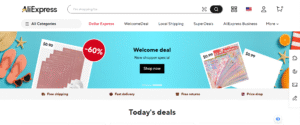
AliExpress is most likely your best option if you’re a new affiliate marketer trying to earn a respectable income by promoting products to niche audiences. Depending on the kind of product you’re marketing, the affiliate program offers a range of commission models, and its dashboard makes it straightforward to track clicks, conversions, and payouts without needing any technical expertise.
Pros of the AliExpress Affiliate Program:
Commissions are paid to AliExpress affiliates based on the products they promote. The commission structure varies depending on the product category. For example, categories like fashion and cosmetics generally offer higher commissions, while others, such as electronics, may have lower rates.
With remarkable sales of $51.8 billion in 2024, AliExpress had a notable 25–30% increase in sales from the year before. This expansion highlights the platform’s growing worldwide presence and its allure for customers and affiliates looking for lucrative prospects. Notably, by the end of 2023, AliExpress’s order volume had increased by 60% year over year, indicating a robust upward trajectory in platform activity and user engagement.
Indeed, some affiliates who own YouTube channels or blogs devoted to AliExpress items claim to make over $10,000 a month. For instance, experienced affiliate marketers with over three years of consistent effort have reported earnings ranging from $10,000 to $50,000 or more per month via Shopify. This highlights the significant income potential within the AliExpress affiliate program, especially for those who strategically target high-converting niches and effectively engage their audiences.
A Drawback: Heavy Competition
The overwhelming number of affiliates vying for the same clients is AliExpress’s biggest problem. Since everyone is marketing the same goods, you’ll need to either discover a specialised market or provide original content to stand out. However, this is clearly surmountable with the correct approach.
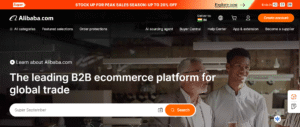
Let’s now discuss Alibaba. Alibaba’s affiliate program targets companies and entrepreneurs who want to purchase items in bulk because it uses a business-to-business (B2B) business model. So, what opportunities actually lie ahead for affiliates who choose to promote Alibaba?
Pros of Alibaba Affiliate Program:
Affiliate commissions are usually based on the total sale value because Alibaba focuses on large orders. For instance, you would receive $300 in compensation if you promoted a $10,000 transaction and received 3%.
Although Alibaba is a very reliable marketplace with popular products that have a high conversion rate, it’s vital to remember that conversions might not occur as frequently as they do on AliExpress. Alibaba’s sales cycle is inherently longer due to its emphasis on large orders and business-to-business transactions, and customers frequently take longer to haggle and complete deals. However, the value of the order is usually significantly higher after a conversion occurs, so for affiliates who are targeting the correct audience, it may be worth it.. You’re working with companies that frequently require time to make decisions on significant purchases, and the purchasing process entails additional logistics and negotiations. However, there is undoubtedly room for profit for those who are able to successfully link suppliers and buyers.
A Drawback: A Lengthy Sales Cycle
The duration of the sales cycle is something to keep in mind when promoting Alibaba products. Since it’s a B2B marketplace, transactions often take longer to close, sometimes a week or even a month, before a commission is confirmed. This isn’t necessarily a drawback, as higher-value bulk orders are common on Alibaba, while on AliExpress, individual purchases usually move faster. Both models have their advantages, depending on the audience you’re targeting.
Sources from: Affiliate Fix, Tech Crunch, and Affiliate Summit
After breaking down both the Alibaba and AliExpress affiliate programs, the real question becomes: which platform is actually more suitable for your inventory and audience type? Both platforms offer unique opportunities, but which one works better for you depends on your niche and marketing approach.
Let’s dig a little deeper and see how they stack up against each other in the affiliate marketing space.
AliExpress is an excellent choice if you’re new to affiliate marketing or if your inventory or audience is geared toward individual consumers seeking affordable, everyday products. Its accessible affiliate program, wide product range, and global appeal make it easy to start promoting with minimal upfront investment, while allowing you to see results and benefits relatively quickly.
Alibaba could be a better fit if your inventory or audience is geared toward businesses, entrepreneurs, or buyers looking to make large or bulk purchases. While the commissions per sale may be lower and the sales cycle longer, often taking anywhere from 15 to 80 days depending on the transaction, the higher order values can translate into substantial earnings over time. This platform is especially suitable for affiliates promoting e-commerce solutions worldwide through channels like web, mobile, content platforms, Telegram, or media buying across social, native, and display networks.
If you’re just starting out or want higher conversion rates because of its extensive product selection, widespread appeal, and simpler sales cycle, then go for AliExpress. On the other hand, AliBaba offers larger commissions per sale but a longer conversion time, making it more appropriate for seasoned affiliates aiming to reach enterprises and large purchasers.
Regardless of whatever platform best suits your approach, you may improve your effectiveness by collaborating with affiliate networks like vCommission, which provides strong tools and committed assistance. Affiliates are free to advertise one or both of these campaigns at the same time to increase their reach and revenue. Both are presently active on vCommission.
Ready to turn clicks into commissions? Join Vcommission and start earning today!