

 How Affiliates Can Generate Consistent Revenue with PPC Affiliate Marketing in 2026
 Credit Card and Loan Affiliate Campaigns: Strategies for Higher Conversions
 Semrush Affiliate Program: A High-Payout Offer for Marketers and SEO Publishers
 10 Best Affiliate Marketing Platforms of 2026
 Fintech Affiliate Campaigns: Monetizing Finance Traffic with High-Payout Offers
Brands love the sight of leads rolling in; it feels like proof that campaigns are working. But what if many of those leads are nothing more than smoke and mirrors? Fake sign-ups, stolen data, and empty clicks can make reports look healthy while silently draining your budget.
And this isn’t just a rare case. Almost 30% of brands have reported fraudulent activities like cookie stuffing and chargebacks (WeCanTrack, 2025). That means nearly one in three advertisers has faced the hidden cost of bad leads.
With affiliates playing a crucial role in customer acquisition, affiliate networks need to be aware of how fraud happens, why it’s so damaging, and how to keep campaigns safe.
Let’s discuss 6 common types of lead generation fraud and how affiliate networks prevent them!
Lead generation fraud is when leads appear real but hold no value in practice. They can come from bots filling out forms, recycled or stolen data, or people who never had any real interest in your product. To an advertiser, metrics like sign-ups, clicks, or downloads may look good at first, but none of them turn into actual customers.
The problem isn’t just wasted ad money. Fake leads make your sales team spend time following up on people who will never convert, clutter your CRM, and make your campaign results look better than they really are. There’s also a legal risk many brands forget. If these leads include stolen emails or phone numbers, contacting them without permission could lead to TCPA fines of up to $100,000 (LeadsHook, 2025).
In short, Lead generation fraud makes advertisers pay for results that don’t drive real business growth, and in some cases, exposes them to serious legal and financial risks.

Bot traffic and fake form fills happen when automated programs or scripts submit forms instead of real users. This creates the illusion that your campaign is generating leads, even though no actual customers are behind those submissions.
In 2025, 38% of form submissions in performance marketing funnels were found to be invalid or bot-generated (ClearTrust). That’s almost 4 in 10 leads that will never convert, clogging your CRM, wasting your sales team’s time, and giving a false picture of your campaign’s performance.

Cookie stuffing is a sneaky trick where affiliates place tracking cookies on a user’s browser without their knowledge. This means the affiliate gets credit for a sale or lead, even if they didn’t actually bring the customer to the advertiser’s site.
Cookie stuffing distorts attribution, increases acquisition costs, and, according to TrackAd, accounts for up to 60% of affiliate fraud cases.

Lead recycling and data reselling happen when the same leads are used more than once or sold to multiple advertisers. For example, an affiliate might submit the same contact to different campaigns or sell a list of emails to other companies.
This is a big problem for advertisers. Recycled or resold leads can make your numbers look bigger than they really are, waste your marketing budget, and make it hard to know which leads are actually real. In fact, Search Engine Land’s 2025 report says that over 22% of global digital ad spend was lost to affiliate fraud, including lead recycling and data reselling, adding up to $84 billion in losses worldwide.

Click fraud happens when someone repeatedly clicks on ads or lead links without real interest, just to generate commissions or inflate campaign numbers. Incentivized traffic is a similar tactic, where users are paid or rewarded to complete a form or click a link, regardless of whether they are genuinely interested in the product.
The impact is huge. According to Statista, click fraud costs brands $35 billion annually, wasting ad budgets and lowering ROI. It also makes it hard to know which affiliates are actually driving real results.

Affiliate misrepresentation happens when affiliates give wrong information about a product or offer, like saying a discount exists when it doesn’t, or exaggerating features. Brand hijacking is more serious, it’s when affiliates use a brand’s name or logo without permission to promote their own offers or products.
Both can hurt advertisers. They confuse customers, waste ad money, and can even lead people to buy fake products. In fact, MarqVision’s 2025 Brand Protection Report found that 31.8% of shoppers bought a counterfeit product they first saw on social media, often because the brand was hijacked.
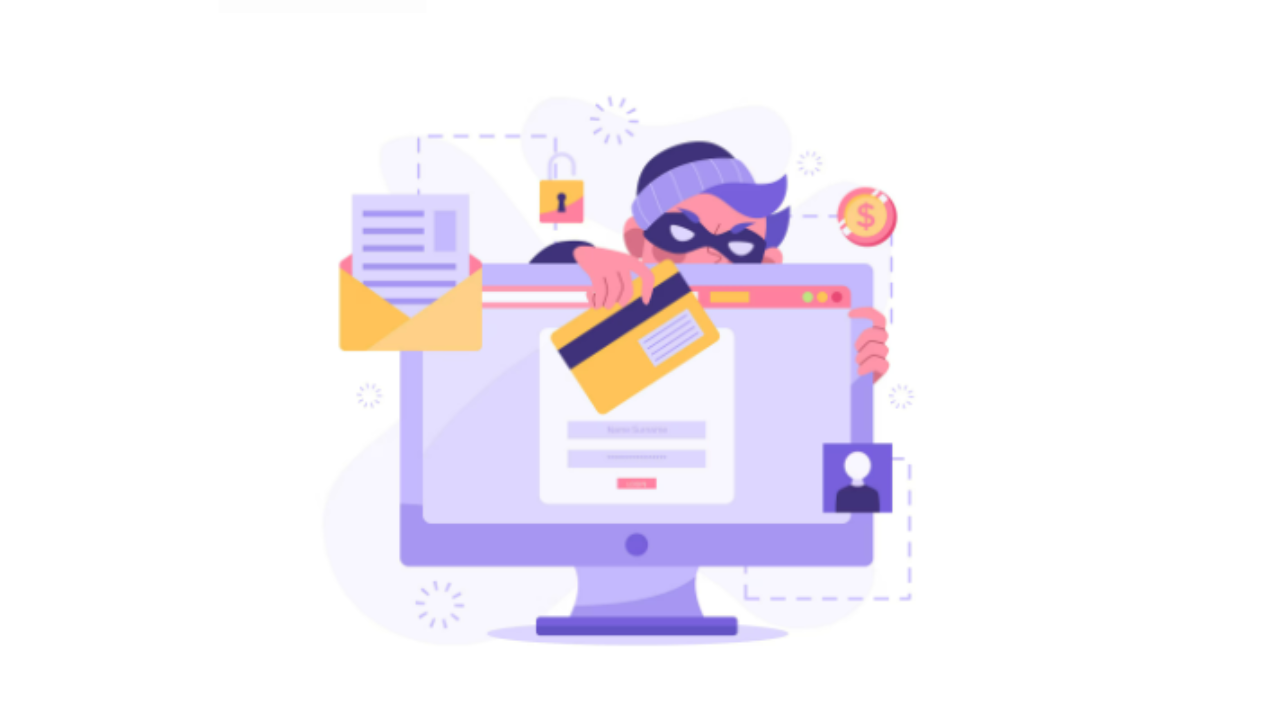
Chargebacks and payment fraud happen when a customer makes a purchase or submits a lead, but later cancels the payment, disputes the charge, or uses stolen payment details. This can make it look like a sale or lead happened, even though the advertiser never got paid.
The loss can be significant. According to Chargeflow, e-commerce businesses can lose up to 1.8% of their yearly revenue to fraud-related chargebacks. It also creates extra work for finance teams and makes it harder to know which affiliates are really delivering results.
Affiliate networks play a big role in keeping campaigns safe. They make sure advertisers only pay for real leads and sales. Here’s how they do it:
Affiliate campaigns perform best when everyone gets real results, affiliates earn fairly, and advertisers pay only for genuine leads or sales. That’s why protecting campaigns from fraud is so important.
At vCommission, campaigns are closely monitored from start to finish. Every lead and sale is tracked carefully to make sure it’s real. Suspicious activity, duplicate submissions, or unusual traffic patterns are flagged immediately. Advanced tracking methods, like server-to-server validations, ensure conversions come directly from the advertiser’s site, making it almost impossible for fraudsters to manipulate results.
Protecting brands is a key focus. Affiliates must follow clear promotion rules, so no misleading messages, fake offers, or unauthorized use of brand assets reach users. This keeps the brand’s reputation safe and maintains trust.
Payments and conversions are carefully checked. Advertisers pay only for real results, and affiliates get credit for genuine performance. With careful monitoring, advanced tracking, and strict brand rules, vCommission makes sure affiliates and advertisers can grow together without worrying about lead generation fraud. Sign up now to keep your campaign safe.