


 How Affiliates Can Generate Consistent Revenue with PPC Affiliate Marketing in 2026
 Credit Card and Loan Affiliate Campaigns: Strategies for Higher Conversions
 Semrush Affiliate Program: A High-Payout Offer for Marketers and SEO Publishers
 10 Best Affiliate Marketing Platforms of 2026
 Fintech Affiliate Campaigns: Monetizing Finance Traffic with High-Payout Offers
More brands are turning to affiliate marketing to grow, because it works. You don’t need a huge ad budget. You don’t have to pay for impressions or clicks that don’t convert. You pay only when a sale happens.
If you’re an advertiser, this model sounds appealing. But it also comes with many affiliate marketing FAQs: Who are these partners? How do we track results? What kind of offers work best?
Most brands don’t run affiliate programs alone. They work with affiliate networks, platforms that connect them with trusted partners, manage tracking, and help run campaigns more efficiently. You don’t need to build anything from scratch. Just share your offer, set your tracking, and the rest is handled for you.
And the impact is real. In 2025, brands are earning an average of $12 for every $1 spent on affiliate marketing, according to DemandSage.
This blog answers the top questions advertisers ask in affiliate marketing. If you’ve been searching for practical, clear insights, start here.
Affiliate marketing helps your brand reach the right people without big upfront costs. When you launch your program through an affiliate network, the platform connects your brand with relevant, vetted partners: publishers, influencers, coupon sites, or content creators, who promote your product. The network handles the tracking setup, compliance, and campaign logistics, so you’re not managing dozens of individual relationships.
Unlike other ad methods where you pay for clicks or views even if they don’t convert, this model ensures your budget goes toward real outcomes. Affiliates are paid only after their conversions are tracked and approved. It helps you keep better control of costs while growing your sales at the same time.
An affiliate network makes the entire process faster, safer, and more efficient for advertisers. You get access to a wide pool of verified affiliates already active across categories like fashion, beauty, health, electronics, and more, without spending time on recruitment.
All the tracking is built in, so you don’t need to set up tools from scratch. You can view conversions, revenue, and commission data through regular performance reports. The system also filters out invalid traffic, and campaign rules are enforced automatically to protect your brand.
The platform handles most of the heavy lifting, like affiliate management, fraud checks, and channel monitoring. You focus on your offer, creatives, and sales, while everything else runs in the background.
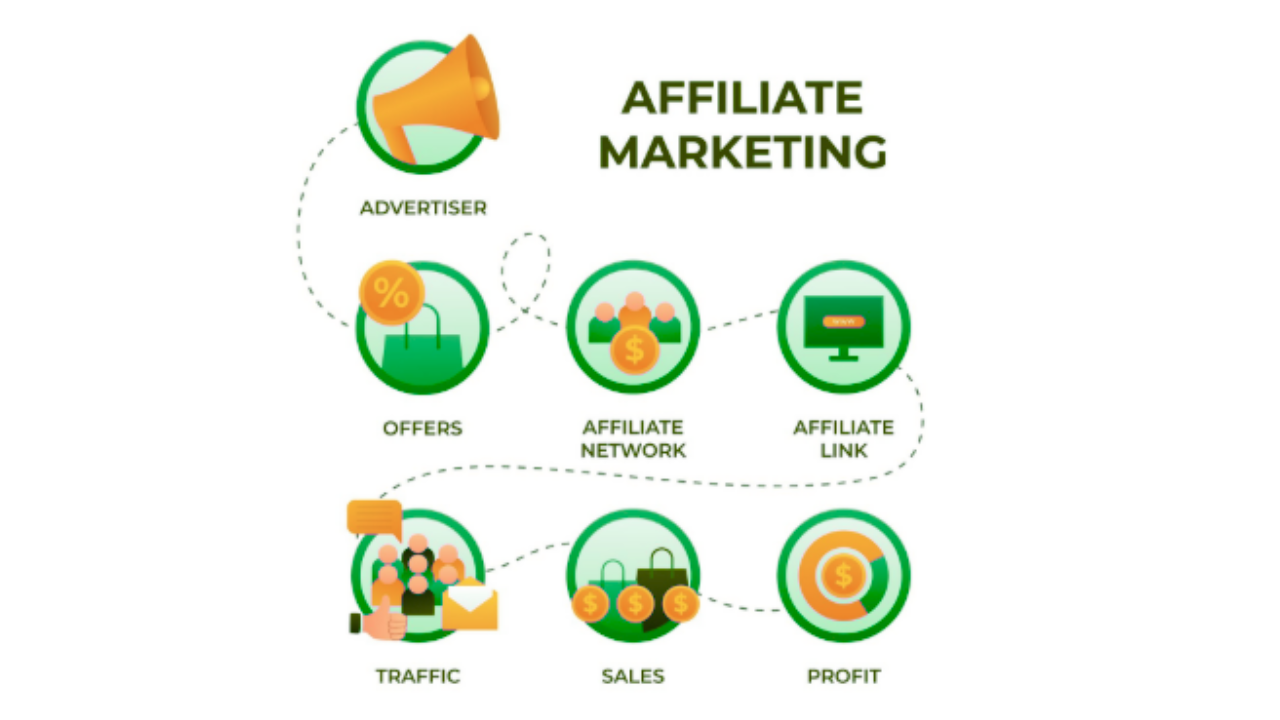
You don’t need to search for affiliates yourself. Inside a network, you’re connected to a large group of partners, people who are already promoting brands like yours. The system helps match your brand with the right kind of affiliates. This match depends on your industry, audience, and the kind of traffic you want. For example, you might want content-based traffic, or maybe coupon websites or influencer channels.
Once your campaign is live, the right affiliates can start promoting your offers. This saves time and gives your campaign a better chance to succeed from the start.
The right strategy depends on what kind of product or service you’re offering. Some partners work better for certain categories, and some channels convert better than others. A few of the common combinations that perform well through affiliate networks:
You can also decide what types of traffic you want to allow or block. If something doesn’t match your brand image, like certain channels or ad styles, you can restrict it. The best part is, you don’t have to figure it all out alone. You get help choosing what works based on your goals and product type.
Calculating ROI is simple because you only pay when a confirmed sale or lead happens. You don’t need to spend on impressions or clicks that don’t convert.
Let’s say your campaign generated ₹5,00,000 in sales, and the commission paid to affiliates was ₹50,000. Your ROI would be:
ROI = (Revenue from affiliate sales – Commission paid) ÷ Commission paid × 100
(₹5,00,000 – ₹50,000) ÷ ₹50,000 × 100 = 900%
This means you earned ₹9 for every ₹1 spent.
You don’t have to set up any tracking manually. vCommission integrates with your system during onboarding using postback or pixel-based tracking. Once live, all your conversions, sales amounts, and commissions are automatically recorded.
You’ll receive regular reports showing total approved conversions, revenue generated, commission paid, ROAS (return on ad spend), and Performance by traffic type, device, and source
ROI becomes easy to track because all the heavy lifting from tracking to validation is handled for you. You just need to review your reports and scale what’s working.
Most advertisers start with CPS (Cost Per Sale), where you pay a fixed percentage or flat amount for every confirmed order. This model is especially effective for e-commerce and D2C brands. If your aim is lead generation, you can also choose CPL (Cost Per Lead) or CPA (Cost Per Action). These reward affiliates for actions like form submissions, app installs, or account sign-ups.
You decide the commission rates during campaign setup, based on your margins and customer value. You can also offer seasonal boosts or bonus payouts during sales events or on selected products. These can be discussed and set up through your account manager.
Once the campaign is live, the system tracks each conversion, calculates commissions based on your approved structure, and ensures affiliates are paid correctly, without you needing to manage payouts directly.
Before your campaign starts, you can share detailed instructions on how your brand should be promoted. These may include what kind of creatives should be used, the type of messaging that’s allowed, and which traffic sources or platforms are approved. For instance, you might want to allow influencer or content traffic but block SMS, incent, or pop traffic. You can also restrict the use of brand names in search ads or specify that traffic should go only to certain landing pages.
All of these rules are included in your campaign brief and shown to affiliates before they begin promoting. The platform also monitors affiliate behavior. If someone promotes your offer in a way that breaks the agreed-upon rules, their access can be paused or removed. This setup helps protect your brand while keeping affiliate management simple.
You don’t need to worry about building any tracking systems yourself. Once your campaign is live, all tracking is handled through the platform’s backend. It uses a combination of tracking links, cookies, and server-to-server (postback) setups to capture every click and conversion. During onboarding, the team will connect your system to the platform using macros that track important details like order ID, amount, and transaction time.
You can choose how long a user should be tracked after clicking a link, usually 14 to 30 days. You also set a time frame to approve or reject a sale, in case of returns or cancellations. All conversions are tracked in real time, and you’ll get clear reports showing how many sales happened, how much you earned, and how your campaign is performing. You don’t have to set up anything yourself. vCommission takes care of it all.
A trusted affiliate network like vCommission checks every affiliate before they join your campaign to ensure they meet basic quality standards. We look at their traffic sources, promotional methods, and past performance to confirm they can represent your brand well.
Once they’re onboard, we keep a close eye on how they promote your offer. We regularly review their traffic and marketing materials to spot any unusual behavior or violations of your guidelines. If an affiliate shows signs of sending low-quality or fake traffic, we take quick action by pausing or removing them from the campaign.

This careful screening and ongoing monitoring help ensure that only reliable affiliates drive traffic to your campaign, protecting your brand and ensuring better results.
When you run your affiliate program through a reliable network, most challenges are already managed for you. The platform has fraud checks in place, monitors how affiliates promote your brand, and filters out invalid traffic, so you don’t need to worry about it daily.
Still, there are a few things to keep in mind. Avoid relying too much on a single type of affiliate, like only coupon or cashback sites. Keep your campaign guidelines clear from the start, including what creatives to use, which channels are allowed, and any restrictions. If any affiliate breaks those rules, their access can be paused or removed.
Overall, the system is designed to keep your campaign safe and performance-driven, so risks stay low and manageable.
You can share all essential promotional assets with the account team during onboarding. This usually includes banners, product images, descriptions, coupon codes, and your preferred messaging guidelines.
The team then makes these assets available inside the platform for approved affiliates to use. It’s best to provide creatives in multiple formats, like display banners, text snippets, or mobile-friendly versions, since different affiliates operate across various channels such as blogs, social media, cashback platforms, or push traffic.
You can update your materials anytime, especially around festive sales, product launches, or new campaigns. The platform ensures that only eligible affiliates can access and use the assets, and all promotions stay aligned with your brand’s guidelines.
As an advertiser, your main legal responsibility is to make sure your offers are honest and follow basic advertising and data privacy laws. This means no misleading claims, fake discounts, or unclear pricing. If you collect customer data, it should comply with rules like India’s Digital Personal Data Protection Act or global standards like GDPR.
vCommission helps you stay compliant by reviewing how affiliates promote your brand. Campaign rules, such as allowed channels, messaging style, and use of brand terms, are set at the start and shared with all affiliates. If any affiliate breaks these rules, the platform can pause or block their access.
Staying transparent, using clean creatives, and sharing proper disclaimers where needed is the best way to keep your affiliate marketing legally safe.
You don’t need to speak with affiliates directly, that’s handled by the platform. If an affiliate has questions, needs clarification, or requests campaign details, the support team takes care of it on your behalf.
As an advertiser, your focus is on keeping the campaign brief up to date. You can share offer changes, new creatives, seasonal promotions, or product highlights with the account team. They’ll make sure all active affiliates receive the right updates at the right time.
If needed, the team can also share performance updates or suggest improvements. This keeps everything clear and avoids the hassle of talking to affiliates one by one, so your campaign stays on track without extra effort.
The network handles commission payouts based on the conversions tracked and validated through your campaign. As an advertiser, you receive a monthly invoice from the network for all approved sales within the validation period. Once payment is cleared from your side, the network releases payouts to affiliates according to its cycle, usually monthly or bi-weekly.
This setup ensures smooth financial operations, removes the need for manual affiliate handling, and keeps the process transparent for everyone involved.
Yes, limited-time campaigns work very well in affiliate marketing, especially during festive seasons, product launches, flash sales, or end-of-season offers. You simply need to share the offer details, timelines, and updated creatives with the platform team.
They’ll push the promotion live, update affiliate access, and highlight it across relevant partner types, like deal sites, cashback apps, influencers, or content publishers. You can also combine them with higher commission rates, exclusive coupon codes, or short-term bonuses to encourage faster promotion.
Yes, affiliate marketing is especially well-suited for new and growing brands. Since you only pay when there’s a confirmed result, be it a sale or a lead, it removes the pressure of big upfront ad budgets.
You don’t need to set up complex systems either. Once your campaign is live on the platform, tracking, reporting, and affiliate management are already taken care of. You just need a working website, clear product information, and the ability to handle incoming orders.
Affiliates use a wide range of traffic sources, depending on your campaign settings and product category. Some common ones include:
Not all traffic types are allowed by default. When your campaign is being set up, you can specify which sources you want to allow or restrict. The platform ensures affiliates follow those settings and promote your offer through the right mix of channels.
You can start seeing results within days of your campaign going live. Once tracking is set up and affiliates get access, they begin promoting your offer right away. Performance usually builds over time as more affiliates pick it up and try different channels. During festive periods or sales, results can come even faster. It’s a quick-to-activate channel, with both short-term and long-term impact.
Cookie duration is the time after someone clicks an affiliate link during which they can still be counted for a sale, usually 14 or 30 days. The validation period is the time you take to approve or reject that sale based on things like returns or cancellations.
Both are set during campaign setup. The platform tracks everything automatically and shows the status (approved, pending, or rejected) on your dashboard. This ensures clean, transparent reporting for both you and your affiliates.
Once your campaign starts delivering results, it can be scaled smoothly through the platform. Your account team can help you expand to new affiliate types, like influencers, content partners, or paid media sources, based on what fits your brand.
You can also boost performance by offering short-term incentives, higher commissions for specific categories, or launching time-sensitive offers. Sharing updated creatives for seasonal promotions also helps maintain affiliate interest and momentum. Scaling happens step by step, with support from the platform, so your campaign grows steadily without becoming difficult to manage.
Advertisers often have many questions before starting, about tracking, commissions, validation, and more. These affiliate marketing FAQs and the top questions advertisers ask in affiliate marketing are all part of setting up a campaign that works smoothly.
At vCommission, we help you through every step. From setting up your tracking to choosing the right partners for you, our team works closely with you to make sure everything runs the way it should. If you’re unsure about anything, we’re always here to guide you.
The more clarity you have, the better your campaign performs, and we’re here to support that from day one. Sign up now to explore how affiliate marketing can work better for your brand, with the right support from vCommission.